
Medical weight management combines an assessment of weight-related health with practical nutrition, activity, and treatment choices. Medication is one option.


Medical weight management combines an assessment of weight-related health with practical nutrition, activity, and treatment choices. Medication is one option. A useful program also addresses sleep, eating difficulties, prior treatment, and how to maintain progress.
Appetite regulation, genetics, environment, medicines, and health conditions influence weight. Some medicines act on appetite signals. They work alongside food and activity changes and do not guarantee a particular amount of weight loss.
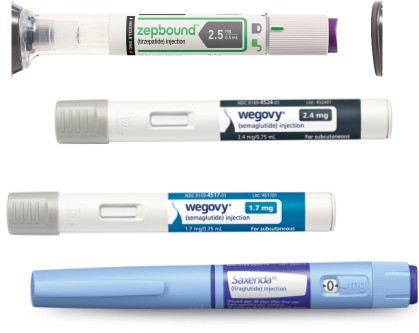
Adults with obesity, or overweight with an associated medical condition, may qualify for an approved medicine after a clinical review. Different products have different indications and age limits. Children and pregnancy require a separate approach. A BMI number alone does not establish safety or insurance eligibility.
Start with goals, weight history, medical conditions, and medicine review. The clinician chooses any needed tests and discusses nutrition support, activity, medication, or specialist care. If treatment starts, agree on dose education, follow-up, side-effect contact, and a refill plan. Discuss maintenance from the start.
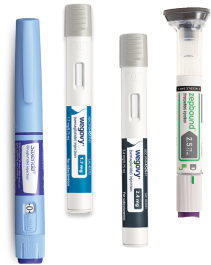
Bring your weight and treatment history, medicines and supplements, relevant glucose, kidney, and lipid results, and the exact product you have used before. Mention previous side effects, eye disease, eating difficulties, and pregnancy plans. If insurance denied treatment, bring the denial and plan details.
Review a personal or family history of medullary thyroid cancer, MEN 2, severe stomach-emptying problems, pancreatitis, gallbladder disease, allergies, and pregnancy plans before treatment. Nausea, vomiting, constipation, or diarrhea can occur. Persistent severe abdominal pain or inability to keep fluids down needs emergency department assessment now. Call 911 for breathing difficulty, a severe allergic reaction, loss of consciousness or unsafe travel. Tell the anesthesia team about treatment before a procedure. Do not combine GLP-1 medicines or change the dose yourself.
Review weight trend, appetite, food and fluid intake, bowel symptoms, and treatment tolerability. Check glucose and adjust other diabetes medicines with the prescriber when relevant. Agree on how to contact the team between visits and what to do if a refill is delayed. Continued treatment depends on benefit, safety, access, and your goals.
Confirm the exact service, clinician, formulation, appointment, and refill route before booking. The evaluation, tests, medicine, administration, and follow-up may have separate costs and benefits. Ask for current estimates and required records. An FDA-approved drug or a clinic address does not establish pharmacy stock, onsite treatment, coverage, or a prescription. If access changes, contact the treating team before interrupting treatment.
Review a personal or family history of medullary thyroid cancer, MEN 2, severe stomach-emptying problems, pancreatitis, gallbladder disease, allergies, and pregnancy plans before treatment. Nausea, vomiting, constipation, or diarrhea can occur. Persistent severe abdominal pain or inability to keep fluids down needs emergency department assessment now. Call 911 for breathing difficulty, a severe allergic reaction, loss of consciousness or unsafe travel. Tell the anesthesia team about treatment before a procedure. Do not combine GLP-1 medicines or change the dose yourself.
Tell the clinician about stress, loss-of-control eating, and how food affects your daily life. Nutrition and behavioral support may help, while binge eating or an eating-disorder concern needs appropriate assessment. Confirm the available support and referral arrangement rather than assuming every weight program provides therapy.
Review weight trend, appetite, food and fluid intake, bowel symptoms, and treatment tolerability. Check glucose and adjust other diabetes medicines with the prescriber when relevant. Agree on how to contact the team between visits and what to do if a refill is delayed. Continued treatment depends on benefit, safety, access, and your goals.
No. Weight care can include nutrition, activity, behavioral support, other medicines, or specialist options when appropriate. A GLP-1 medicine is one possible tool, chosen after reviewing the goal, medical risks, previous treatment, and access.
The visit, laboratory tests, and medicine can have different coverage rules. Ask the plan about the exact brand and indication, exclusions, prior authorization, required records, deductible, copay, and dispensing route. Bring a denial for review of its specific reason. Nao Medical or the prescriber cannot guarantee approval. Confirm current participation and costs before booking.










If you are vision-impaired or have some other impairment covered by the Americans with Disabilities Act or a similar law, and you wish to discuss potential accommodations related to using this website, please contact Sharad Suri at service@naomedical.com or by phone at (917) 633-1548 Extension 288. In our goal to answer your questions as quick as possible, we use the assistance of a large language model wherever applicable. If there are any errors or concerns, please bring it to our attention by emailing us.




 Facebook
 Instagram
 Twitter
 LinkedIn