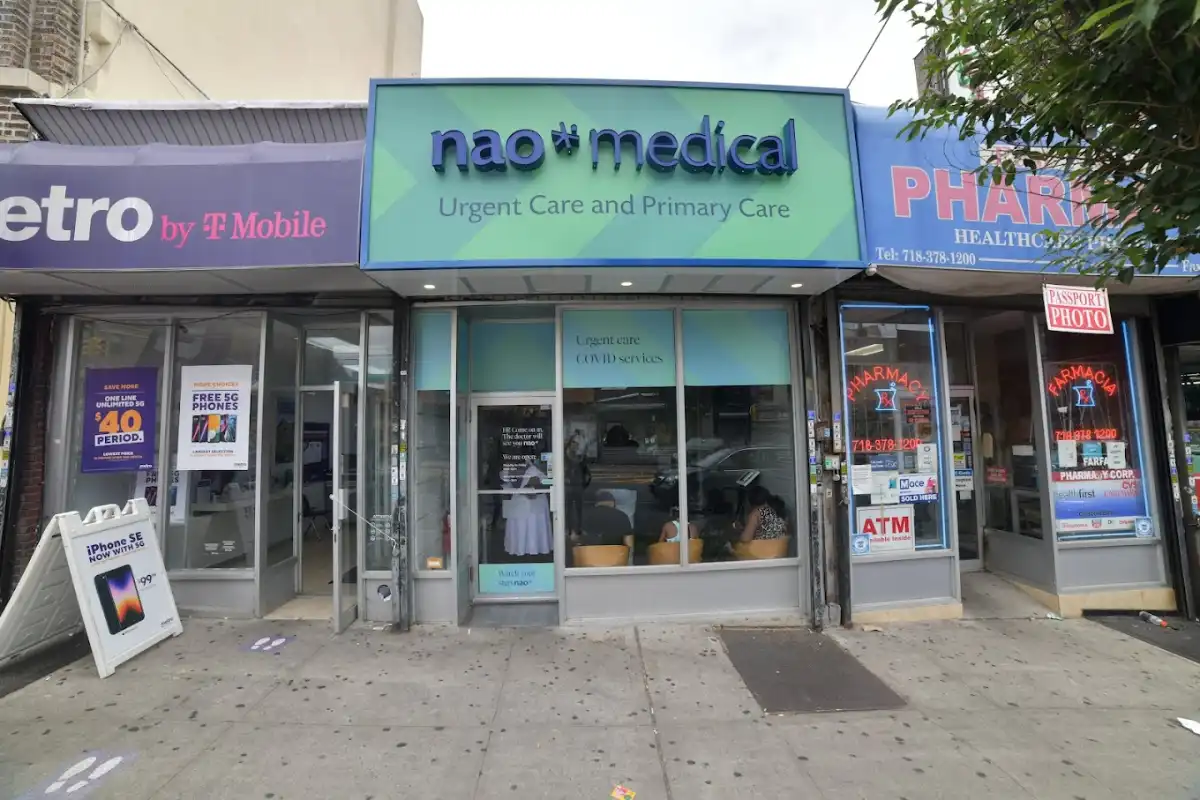
Bronx
174th Street
932 E 174th St, Bronx, NY 10460
Cyclospora stool-test visit support for patients in West Farms, Crotona Park East, and nearby Bronx neighborhoods.
View Cyclospora testing location Get directions

Cyclospora testing is done with a stool sample. Tell the clinician that Cyclospora is the concern, because routine stool testing may not include Cyclospora unless it is specifically requested.


Cyclospora is a parasite that can cause prolonged watery diarrhea after contaminated food or water. Illness may include cramping, bloating, fatigue, reduced appetite and weight loss. Diarrhea can improve and return. Mention travel, fresh produce, restaurant exposures and the date symptoms started.
Diagnosis usually uses stool testing that specifically detects Cyclospora. A routine ova-and-parasite test or a gastrointestinal panel may not include it. More than one specimen may be needed because the parasite is not shed consistently. A negative result does not end evaluation when symptoms persist.
Testing may be appropriate for prolonged or relapsing diarrhea or a relevant exposure with symptoms. An outbreak report is not a diagnosis. Whether a current outbreak affects your exposure must be checked against public-health information for the place and dates involved.
The clinician assesses hydration and other possible causes, then orders appropriate stool testing. Confirm that Cyclospora is included. If infection is confirmed, trimethoprim-sulfamethoxazole is the usual treatment. A sulfa allergy, pregnancy, immune suppression or other medicines can change the plan and may need specialist advice.
Follow the laboratory's stool collection, storage and delivery instructions. Ask how many samples are needed. Bring your food and travel timeline, medicines, antibiotic allergies and prior stool reports. Do not assume fasting or a blood draw is the preparation for this test.
Seek prompt care for dehydration, very little urine, blood in stool, high fever or severe abdominal pain. Severe weakness, fainting or inability to keep fluids down may need hospital care. Do not start leftover antibiotics or assume a common diarrhea medicine cures the parasite.
Ask how results and treatment response will be reviewed. Persistent symptoms after a negative test or treatment can need another specimen or investigation of other causes. Direct person-to-person spread is unlikely because the organism needs time outside the body to become infectious.
Confirm whether the clinic can arrange the specific stool assay and receiving laboratory. Ask about collection kits, specimen delivery and reporting time. Do not assume every clinic processes this test onsite or that results will return the day you are seen.
Cyclospora commonly causes watery diarrhea and can also cause appetite loss, weight loss, cramps, bloating, gas, nausea and fatigue. Untreated symptoms can last and relapse after improving. Tell the clinician about the symptom timeline and food or travel exposures. Persistent symptoms or dehydration need assessment.
Symptoms usually begin about a week after exposure, but timing varies. Tell the clinician the exposure date, travel or food history and when diarrhea began. Timing alone cannot diagnose Cyclospora; a suitable stool test and clinical review may be needed.
An exposure does not by itself confirm infection or mean every well person needs a test. Tell the clinician the food, location, dates and any current symptoms. Persistent watery diarrhea after a relevant exposure is a reason to discuss a specific Cyclospora stool test. Follow current public health instructions for the named outbreak.
Seek prompt assessment for dehydration, inability to keep fluids down, blood in stool, high fever or worsening persistent diarrhea. Severe or sudden abdominal pain, fainting or severe dehydration can require emergency care. Do not wait for a stool result before seeking help for severe symptoms.
Bronx
932 E 174th St, Bronx, NY 10460
Cyclospora stool-test visit support for patients in West Farms, Crotona Park East, and nearby Bronx neighborhoods.
View Cyclospora testing location Get directions
Queens
37-15 23rd Ave, Astoria, NY 11105
Cyclospora stool-test visit support for patients in Astoria, Ditmars, East Elmhurst, and nearby Queens neighborhoods.
View Cyclospora testing location Get directions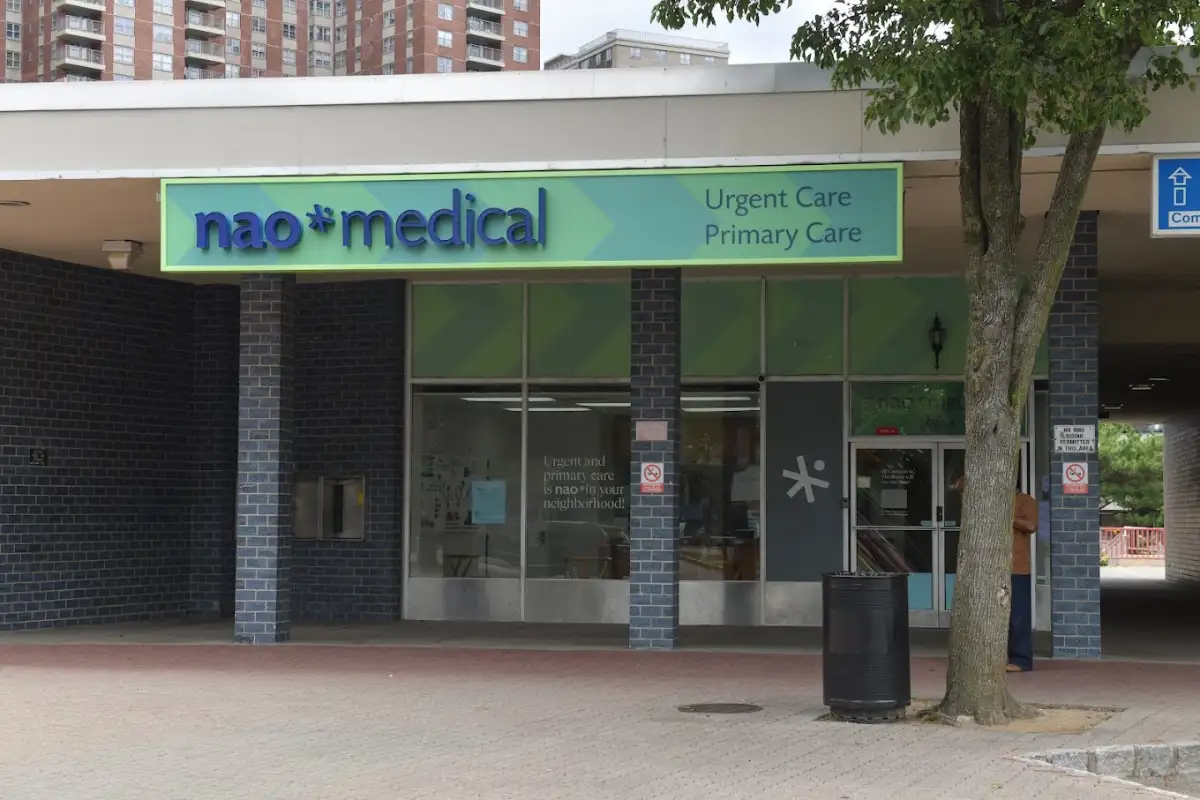
Bronx
2063A Bartow Ave, Bronx, NY 10475
Cyclospora stool-test visit support for patients in Co-op City, Pelham Bay, Baychester, and nearby Bronx neighborhoods.
View Cyclospora testing location Get directions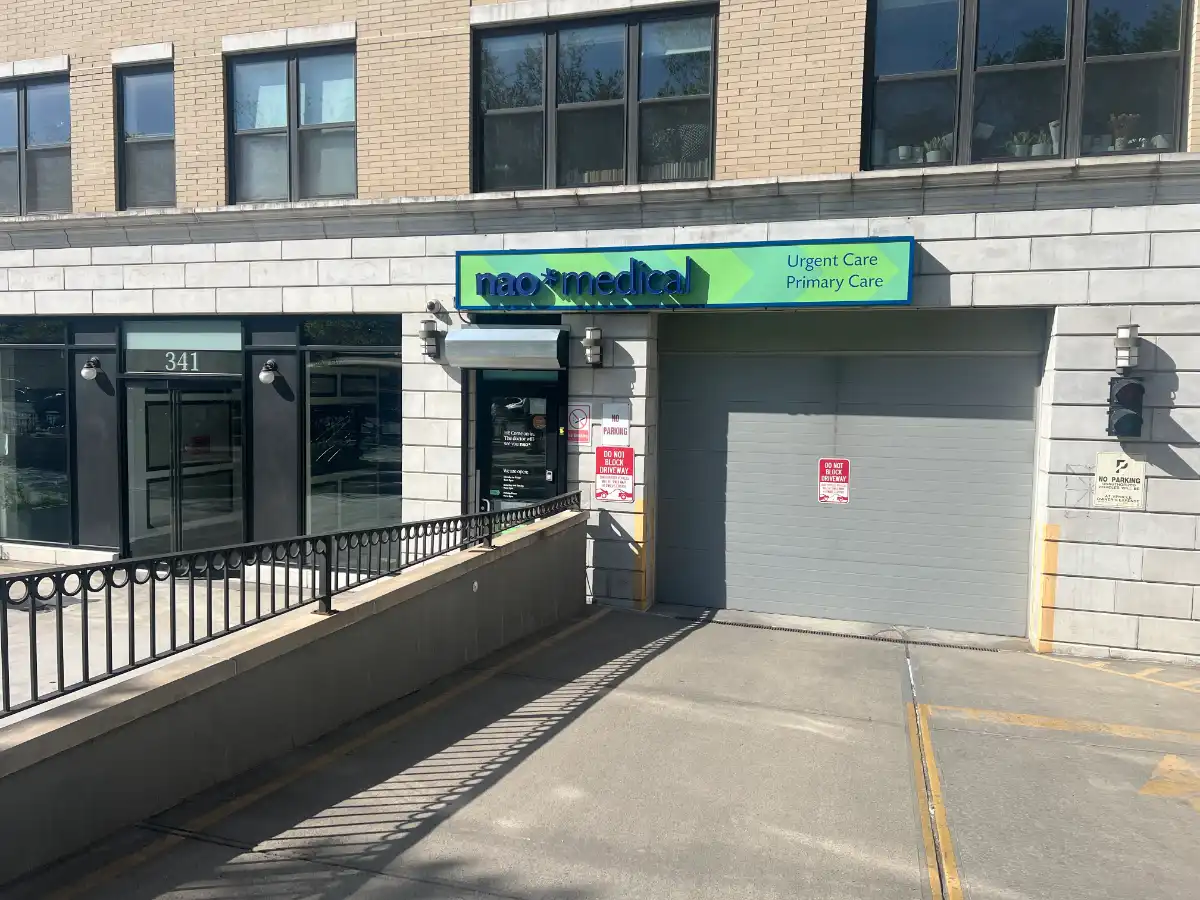
Brooklyn
341 Eastern Pkwy, Brooklyn, NY 11216
Cyclospora stool-test visit support for patients in Crown Heights, Prospect Heights, and nearby Brooklyn neighborhoods.
View Cyclospora testing location Get directions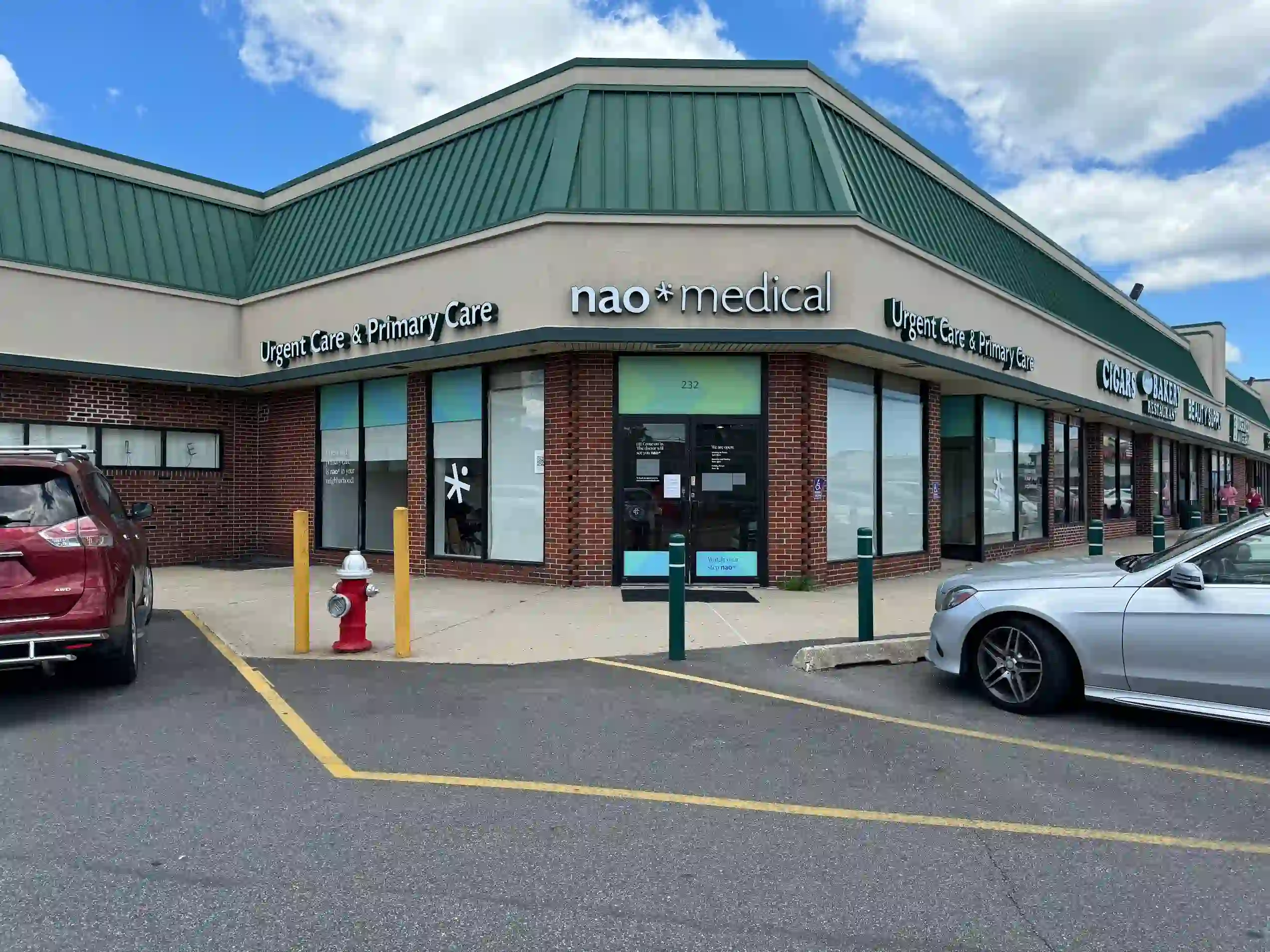
Long Island
232 W Old Country Rd, Hicksville, NY 11801
Cyclospora stool-test visit support for patients in Hicksville, Plainview, Bethpage, and nearby Nassau County communities.
View Cyclospora testing location Get directions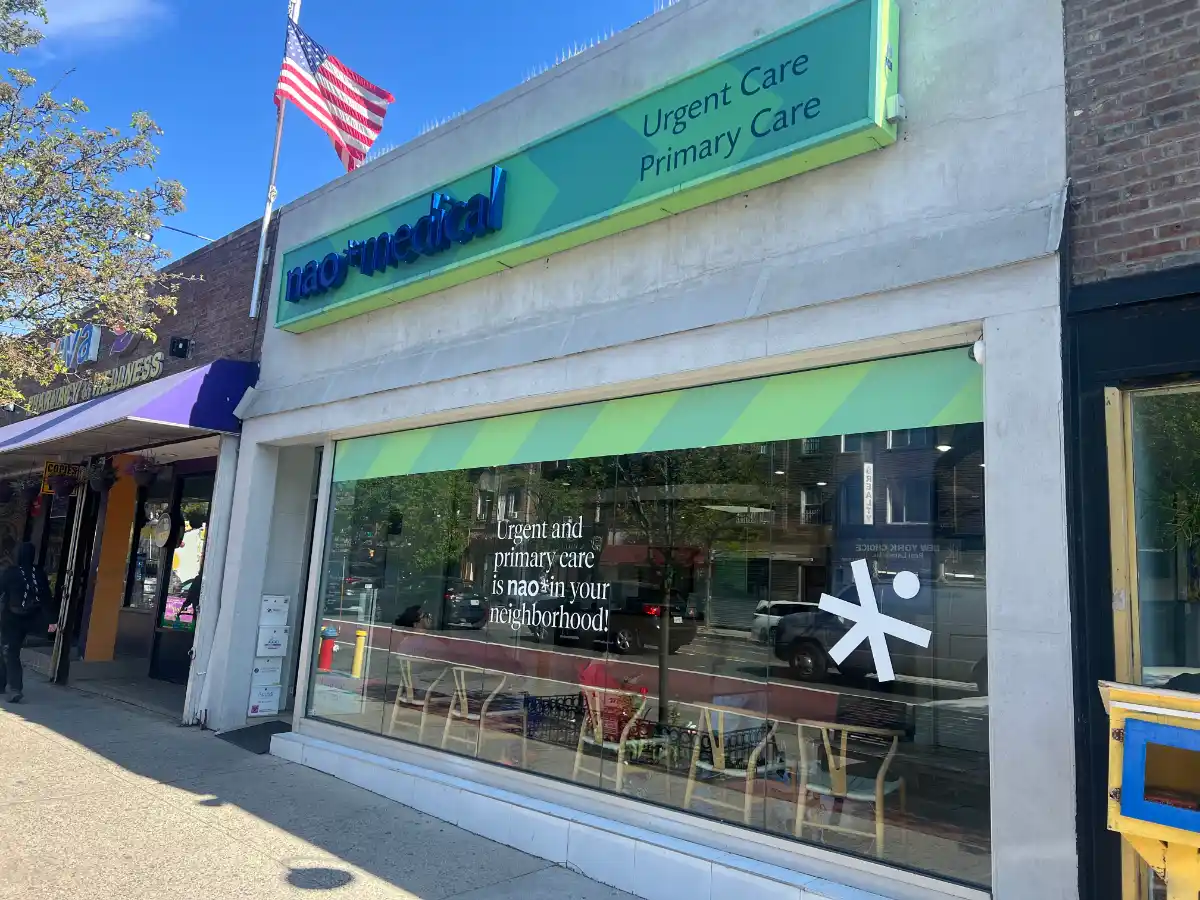
Queens
80-10 Northern Blvd, Jackson Heights, NY 11372
Cyclospora stool-test visit support for patients in Jackson Heights, Elmhurst, Corona, and nearby Queens neighborhoods.
View Cyclospora testing location Get directions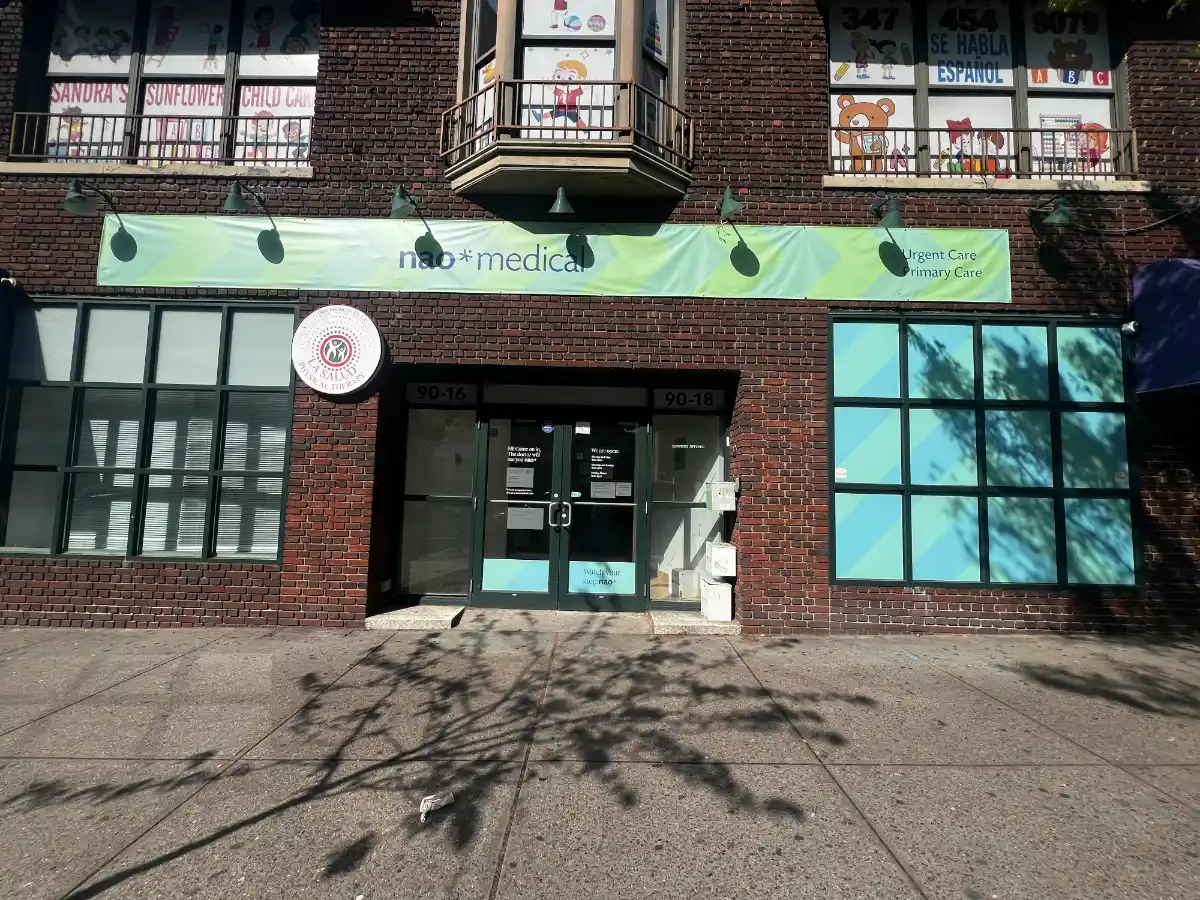
Queens
90-18 Sutphin Blvd, Jamaica, NY 11435
Cyclospora stool-test visit support for patients in Jamaica, Briarwood, Richmond Hill, and nearby Queens neighborhoods.
View Cyclospora testing location Get directions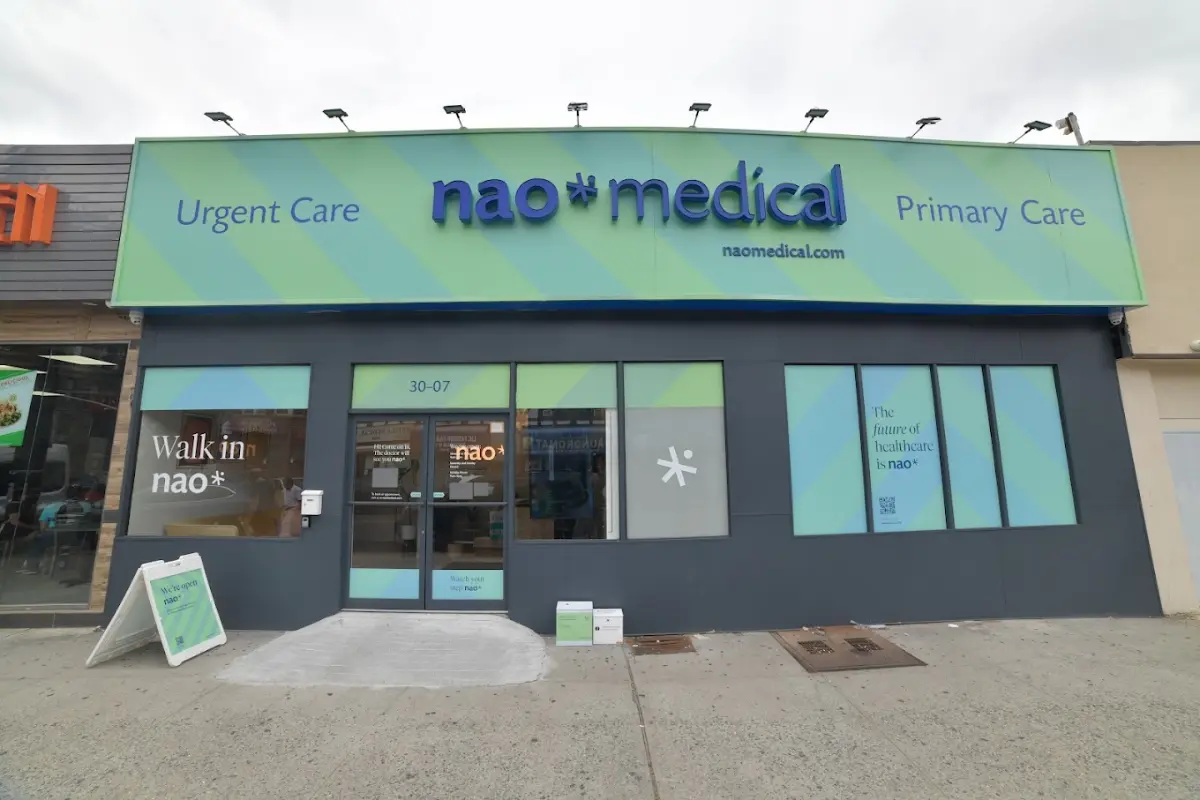
Queens
30-07 36th Ave, Astoria, NY 11106
Cyclospora stool-test visit support for patients in Long Island City, Astoria, Sunnyside, and nearby Queens neighborhoods.
View Cyclospora testing location Get directions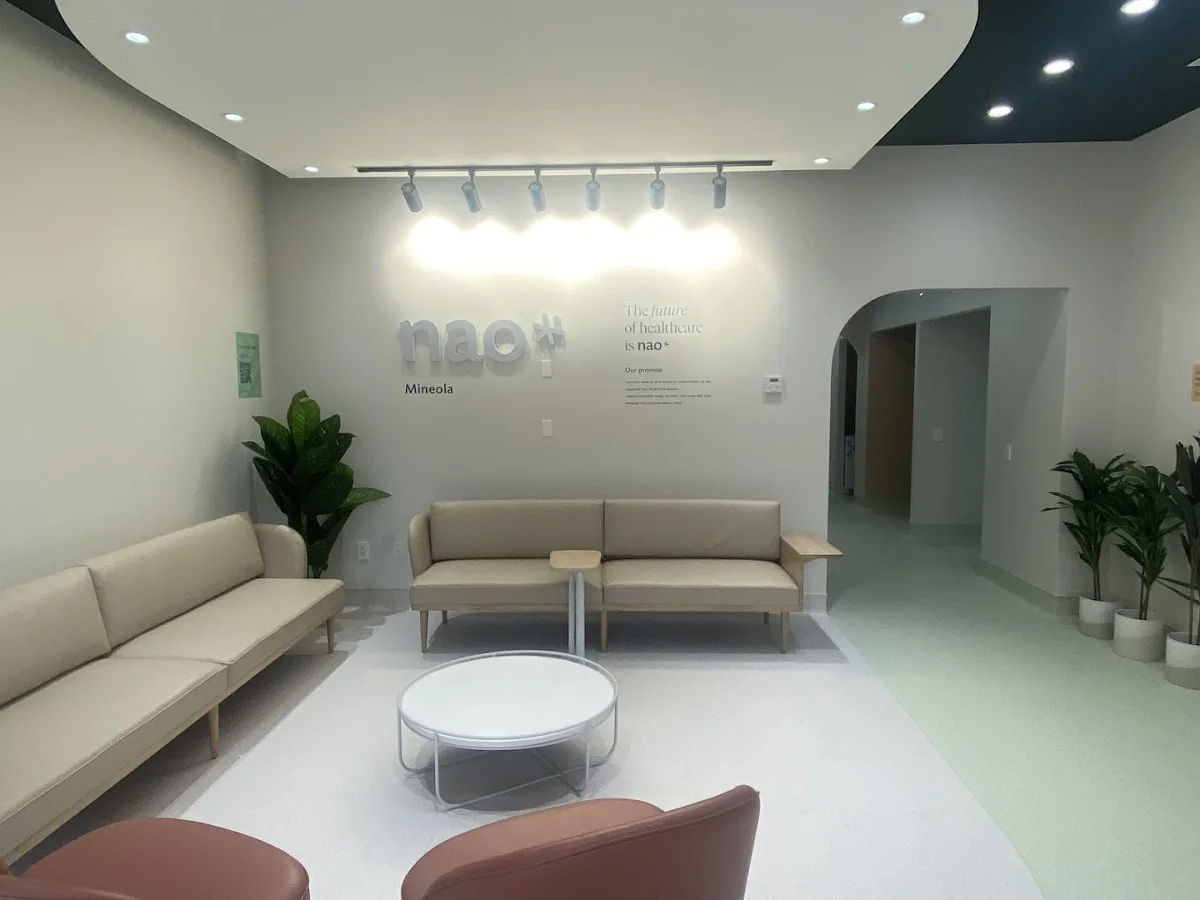
Long Island
135 Mineola Blvd, Mineola, NY 11501
Cyclospora stool-test visit support for patients in Mineola, Garden City, Westbury, and nearby Nassau County communities.
View Cyclospora testing location Get directions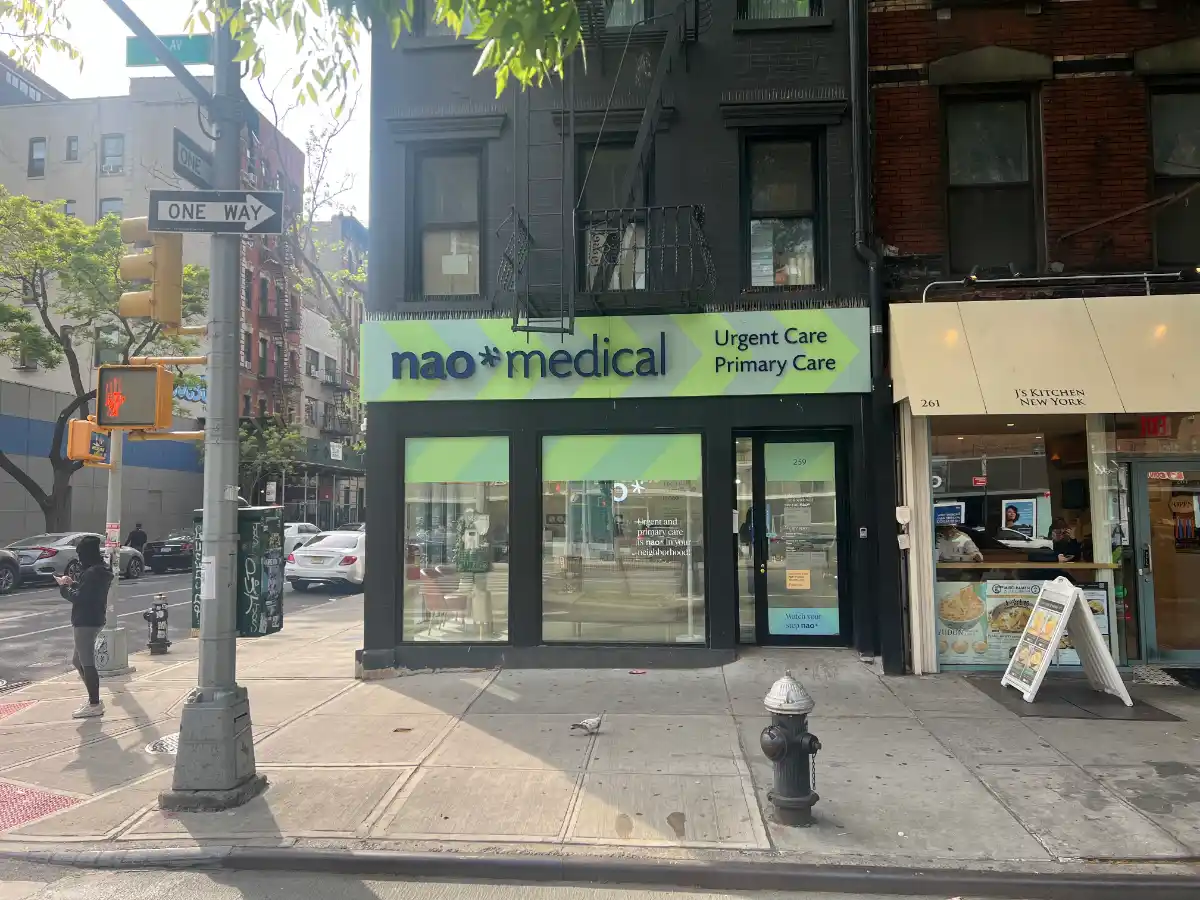
Manhattan
259 1st Ave, New York, NY 10003
Cyclospora stool-test visit support for patients in StuyTown, East Village, Gramercy, and nearby Manhattan neighborhoods.
View Cyclospora testing location Get directions
Brooklyn
308 Graham Ave, Brooklyn, NY 11211
Cyclospora stool-test visit support for patients in Williamsburg, Greenpoint, Bushwick, and nearby Brooklyn neighborhoods.
View Cyclospora testing location Get directionsUse lab testing support when the visit involves stool, blood, urine, or follow-up testing needs.
Use urgent care for dehydration concerns, severe symptoms, worsening abdominal pain, or a faster clinical evaluation.
Use primary care for ongoing symptoms, medication review, chronic conditions, and follow-up after test results.