
 (917) 310-3371


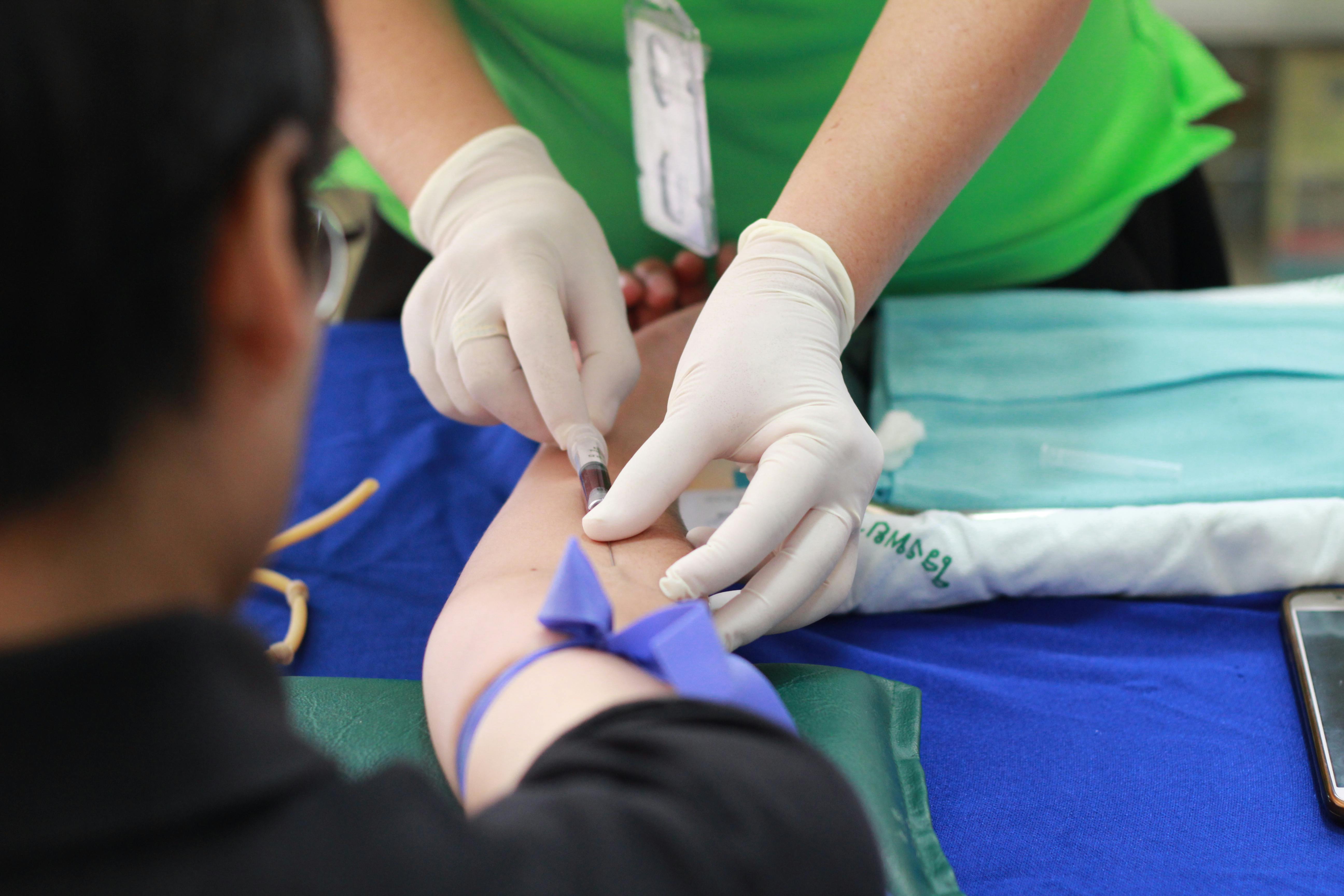


Galleri and other multi-cancer detection tests remain distinct from established guideline screening. The current manufacturer and NCI materials reviewed do not establish FDA approval of Galleri; an advisory panel vote is not approval. Such testing does not replace recommended breast, cervical, colorectal or eligible lung screening. Severe bleeding, marked breathing difficulty or other acute symptoms need urgent care. Before testing, agree on who will review the result and arrange diagnostic follow-up. A positive multi-cancer signal can lead to additional testing without finding cancer. A negative result does not end recommended screening or assessment of symptoms. Track referrals until the receiving practice confirms the next step.
Cancer screening looks for disease in people who do not have symptoms. Different tests target different cancers and apply to different risk groups. A screening visit reviews your age, history, prior tests and preferences to choose an appropriate plan. Symptoms or an abnormal screening result need diagnostic assessment rather than another routine screen.
A stool DNA test such as Cologuard, a PSA blood test, low-dose CT lung screening and a multi-cancer blood test do different jobs. A positive result is not by itself a cancer diagnosis. A negative result cannot rule out all cancer. Screening can also produce false positives, unnecessary procedures and overdiagnosis, so benefits and harms should be discussed.
USPSTF recommends colorectal screening for average-risk adults ages 45–75 and individual decisions at 76–85. Its lung recommendation covers ages 50–80 with at least 20 pack-years who currently smoke or quit within 15 years. PSA screening at ages 55–69 is an individual decision under USPSTF; routine screening at 70 or older is not recommended by that guideline. Other organizations may differ, and individual risks matter.
Review previous screening, family history, smoking exposure and symptoms. The clinician explains the recommended test, alternatives, possible results and follow-up. Cologuard is intended for selected average-risk screening; a positive stool screening result requires colonoscopy. High-risk history or concerning symptoms may require a different route from a mail-in stool test.
Bring prior reports and a family cancer history. Ask for the exact collection or imaging instructions. Some stool tests need a supplied kit, while colonoscopy has separate preparation. Tell the team about blood in stool, unexplained weight loss, a persistent new symptom or a previous abnormal result rather than presenting only a request for screening.
Galleri and other multi-cancer detection tests remain distinct from established guideline screening. The current manufacturer and NCI materials reviewed do not establish FDA approval of Galleri; an advisory panel vote is not approval. Such testing does not replace recommended breast, cervical, colorectal or eligible lung screening. Severe bleeding, marked breathing difficulty or other acute symptoms need urgent care.
Before testing, agree on who will review the result and arrange diagnostic follow-up. A positive multi-cancer signal can lead to additional testing without finding cancer. A negative result does not end recommended screening or assessment of symptoms. Track referrals until the receiving practice confirms the next step.
Confirm which tests Nao actually orders or collects, where imaging or colonoscopy occurs and who manages abnormal results. Ask about the test, visit and diagnostic follow-up costs separately.
Galleri looks for a cancer signal in blood across multiple cancer types. It is not FDA-cleared or approved, is not a cancer diagnosis and does not replace recommended screening such as colonoscopy or stool screening, Pap/HPV testing, or eligible lung CT. False positives and false negatives are possible. Discuss risk, uncertain benefit, costs and responsibility for any diagnostic workup with the clinician before choosing it.
A cancer signal is not a confirmed diagnosis or proof of the cancer's location. Further diagnostic testing is needed, and false-positive results are possible. Ask the ordering clinician who coordinates the workup, which tests may follow and what costs could arise. Do not substitute another screening blood draw for that follow-up.
No cancer signal detected does not rule out every cancer. Continue recommended screening, such as colorectal, breast, cervical or eligible lung screening, and seek assessment for new symptoms. Discuss what the test can and cannot detect before ordering it; do not use a negative result as reassurance about an unexplained symptom.
Check the consultation and Galleri test charges separately with the office and your insurer. Galleri is not FDA-cleared or approved and should not be assumed to have standard screening coverage. A positive result may lead to additional diagnostic costs. Obtain an itemized estimate and discuss the follow-up plan before testing.
A primary care discussion can review several screening questions together, but each test has its own age, risk, timing and follow-up requirements. Bring prior Pap/HPV, stool, colonoscopy or PSA reports. False-positive and false-negative Galleri results are possible. Galleri is not FDA-cleared or approved and does not replace those recommended screenings. Confirm which tests or referrals can actually be arranged and their charges.
Start with the main cancer-screening page for colorectal, Galleri, cervical, PSA, and lung-screening planning across the Nao network.
Use the Cologuard page for direct at-home colorectal-screening booking and follow-up planning.
Compare stool-based screening and colonoscopy options with clear next-step guidance.
Use the cervical-screening page for Pap smear questions, HPV co-testing context, and local women's-health clinic access.
Handle prostate-screening timing, shared-decision questions, and PSA blood-test planning through primary care.
Check low-dose CT eligibility, smoking-history thresholds, and how screening conversations can start locally.