
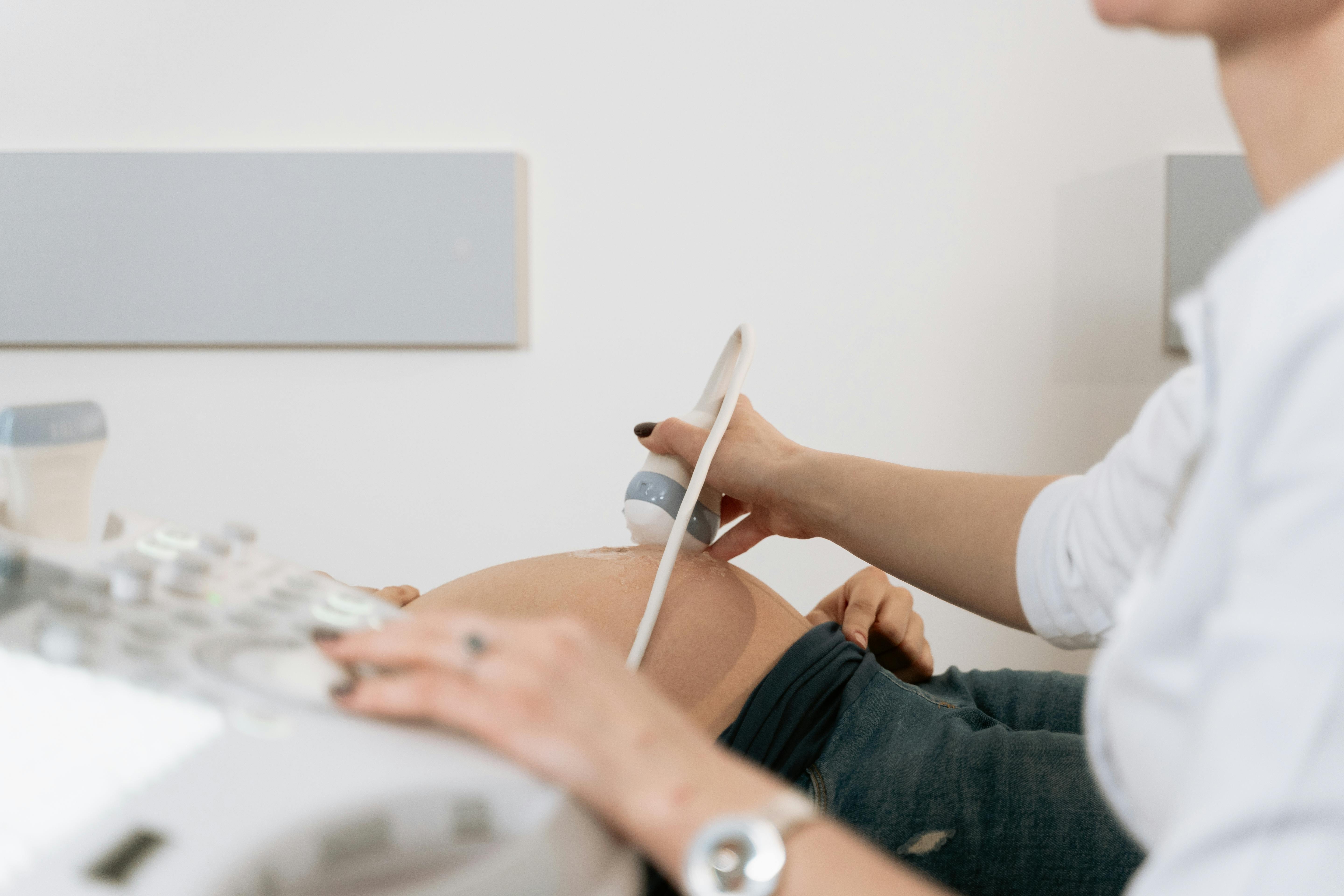


Women’s health visits can address preventive care and symptoms such as discharge, itching, urinary concerns, menstrual changes, contraception and menopause. The right visit depends on the concern. Cervical screening, a pelvic exam, STI testing and treatment for symptoms are different services, even when more than one is discussed at an appointment.
A Pap test looks for abnormal cervical cells; HPV testing looks for high-risk virus types. Neither is a test for every STI or the same thing as a cervical cancer diagnosis. Contraception prevents pregnancy through method-specific mechanisms. Symptom care may require pregnancy testing, infection testing, an examination or referral rather than screening alone.
Screening depends on age, prior results, cervical history and risk. An abnormal past Pap result can change the follow-up pathway. Symptoms need assessment even when routine screening is not due. A visit can also review blood pressure, metabolic risks and preventive needs, and determine which tests or specialist referrals fit your needs.
State the main concern when booking and ask which services can be combined. The clinician reviews history and explains any examination or sampling before consent. Discuss pain, privacy and the option to pause or stop. Agree how results will be delivered and who handles an abnormal result, repeat test or referral. Nutritional counseling may require a separate appointment.
Bring prior Pap and HPV results, relevant records, period dates, medicines, pregnancy possibility and the symptoms' timing. Ask for test-specific preparation; no special diet is universally required for a women’s-health screening visit. Explain past painful exams or trauma so the examination can be planned around your needs.
Severe pelvic or abdominal pain or heavy bleeding needs emergency department care now, particularly if pregnancy is possible. Call 911 for fainting, severe weakness, severe breathing trouble or bleeding that will not stop. Fever with pelvic pain needs prompt medical assessment. Do not wait for a routine screening appointment. The clinician should explain the risks and benefits of testing and treatment before the procedure. An examination must not proceed without consent.
Results may take time. A normal screening result does not resolve every symptom, and an abnormal result is not automatically cancer. Ask for a specific result-contact plan and follow-up interval based on the actual test and history. Persistent symptoms, sexual pain or hormone concerns may need a review, targeted treatment or gynecology referral.
Confirm whether the exact Nao clinic performs Pap sampling, pelvic exams, contraception procedures or only consultation and referral. Ask about appointment requirements, combined visits and current payer participation, including Medicaid or Medicare. The visit, test and procedure may be billed separately.
Contact the selected clinic to confirm cervical-sampling appointments, the clinician you will see and any referral requirements. Bring your previous Pap and HPV reports so the clinician can determine whether screening or a different follow-up is due. Ask how results are communicated and who arranges an abnormal-result review before booking.
No. A Pap smear is a screening test that looks for abnormal cervical cells; it is not a diagnosis of cervical cancer. An abnormal screening result may require repeat testing, HPV testing or colposcopy according to the result and history. Bring prior reports and ask how follow-up will be arranged.
Ask before booking whether cervical sampling can be combined with your other concern, which clinician and appointment length are needed, and whether there are separate charges. Describe symptoms and bring prior results. A combined booking does not guarantee every examination, test or contraception procedure can be completed that day.
A Pap test looks for abnormal cervical cells; HPV testing looks for high-risk virus types. Neither is a test for every STI or the same thing as a cervical cancer diagnosis. Contraception prevents pregnancy through method-specific mechanisms. Symptom care may require pregnancy testing, infection testing, an examination or referral rather than screening alone. Bring prior Pap and HPV results so the screening and follow-up plan reflects your history.
Routine Pap sampling can be performed in an appropriate outpatient setting and does not automatically need a hospital visit. Confirm whether the selected Nao clinic provides cervical sampling, which appointment to book and how results and any abnormal follow-up will be handled.
Coverage depends on the exact service, product, indication, provider and plan rules. Confirm whether the exact Nao clinic performs Pap sampling, pelvic exams, contraception procedures or only consultation and referral. Ask about appointment requirements, combined visits and current payer participation, including Medicaid or Medicare. The visit, test and procedure may be billed separately.
Describe symptoms when booking. Screening is different from evaluation of discharge, pain, bleeding or urinary symptoms. The clinician may need an examination, pregnancy or infection testing, or referral even when cervical screening is not due. Severe pain, major bleeding or fainting needs urgent assessment.
Routine cervical-screening intervals are often three or five years, depending on age and whether Pap, HPV testing or both are used. Prior abnormal results, immunosuppression and other history can change that plan. Ask which guideline and test apply to you; a yearly physical does not automatically require a yearly Pap.
Bring the exact dated Pap and HPV reports and any colposcopy or treatment records. An abnormal result can change the follow-up test and interval, and some results need specialist assessment. Do not replace a recommended follow-up with a routine screening visit. Ask which appointment and records are needed before booking.
Choose a specific clinic and confirm that it provides cervical sampling, which clinician will see you and whether you need an appointment or referral. Ask how results and any abnormal follow-up are handled. Bring previous Pap and HPV reports; a nearby general clinic listing does not establish that sampling is available that day.

Queens
37-15 23rd Ave, Astoria, NY 11105
A western Queens clinic for Pap smears, pelvic exams, birth control visits, and timely women's health follow-up.
Women's health in Astoria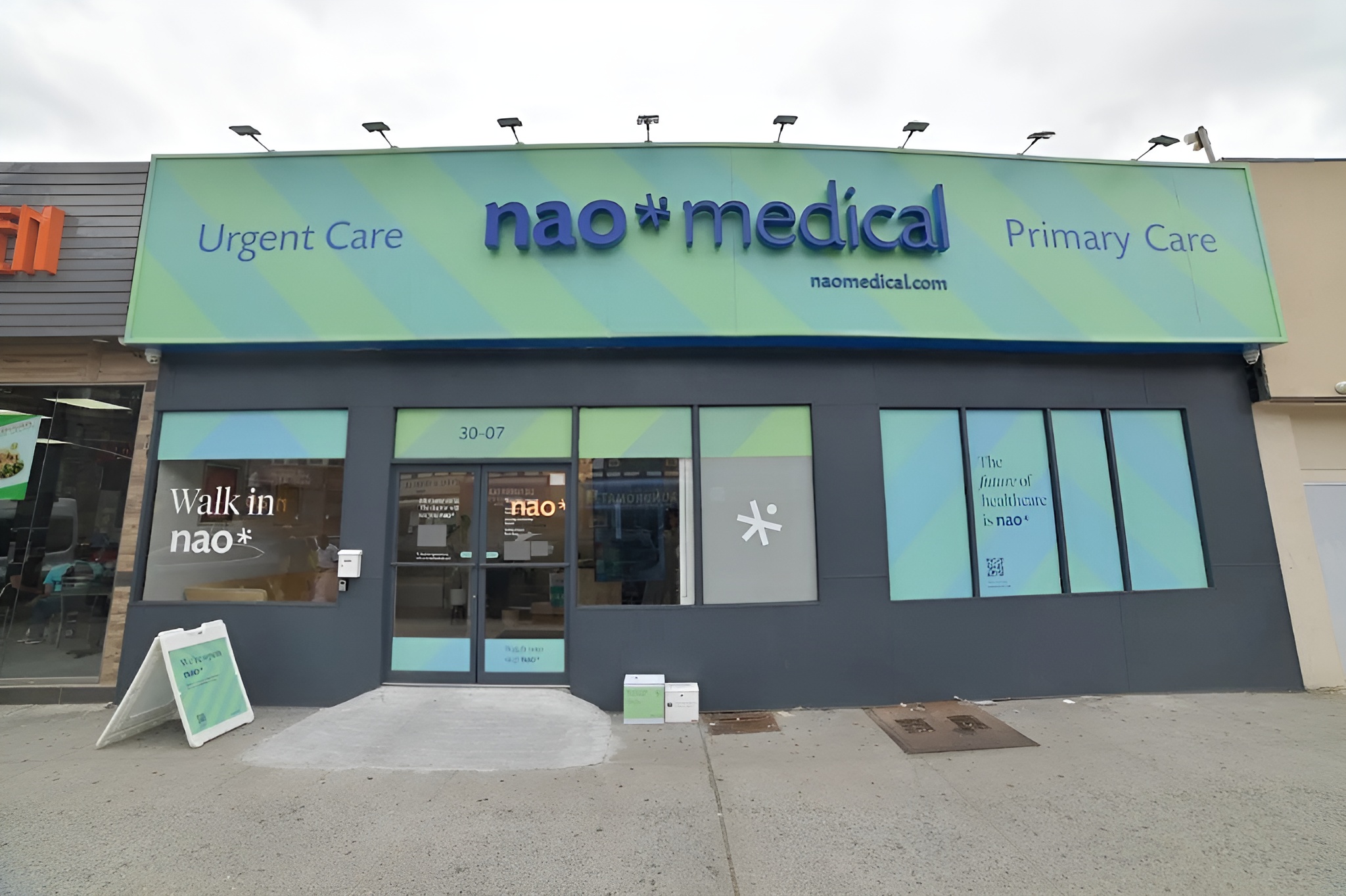
Queens
30-07 36th Ave, Astoria, NY 11106
A practical LIC option for Pap smears, cervical screening follow-up, and routine women's health care.
Women's health in Long Island City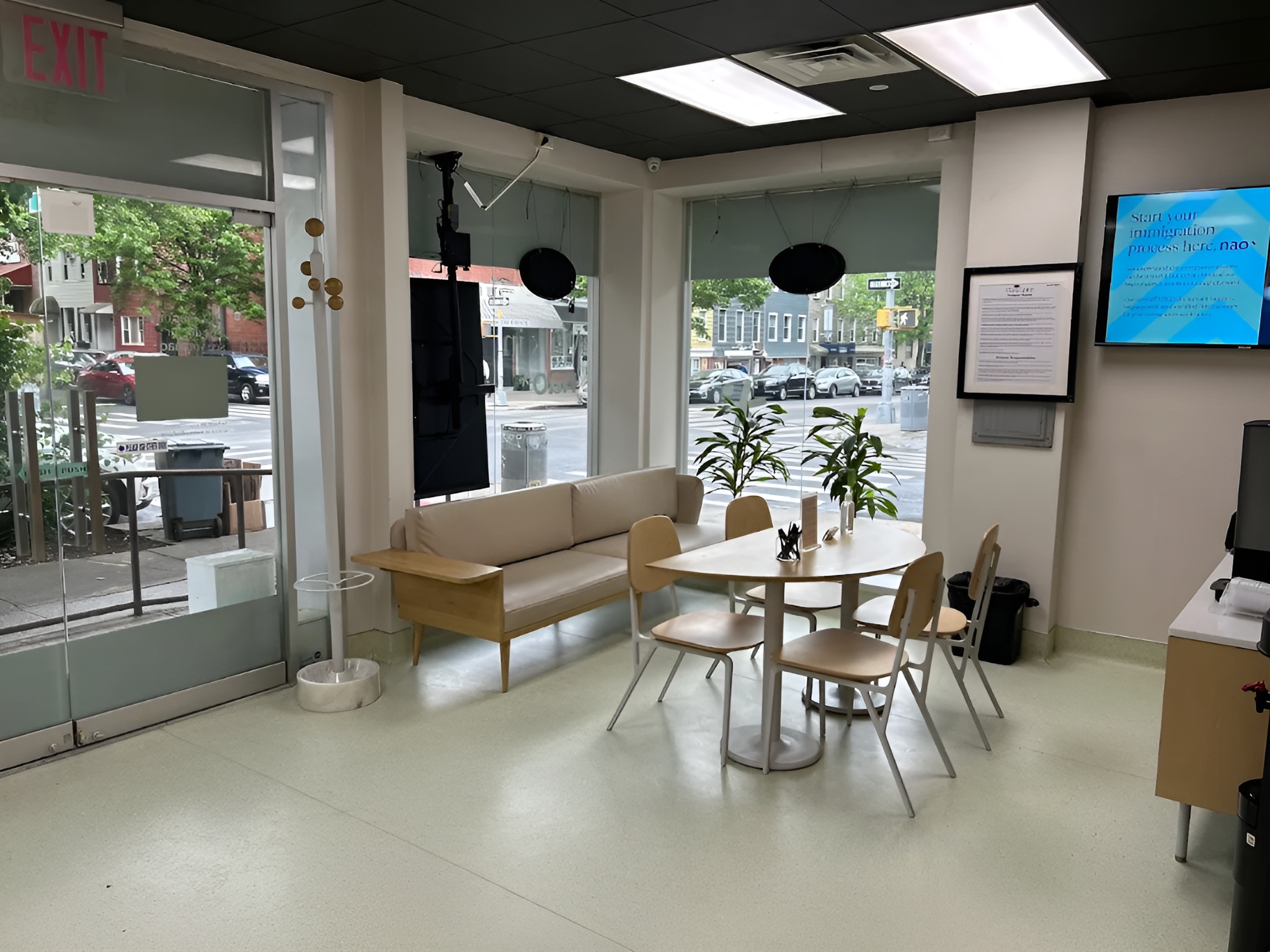
Brooklyn
308 Graham Ave, Brooklyn, NY 11211
A lead Brooklyn clinic for walk-in GYN care, preventive screening, and contraceptive follow-up.
Women's health in Williamsburg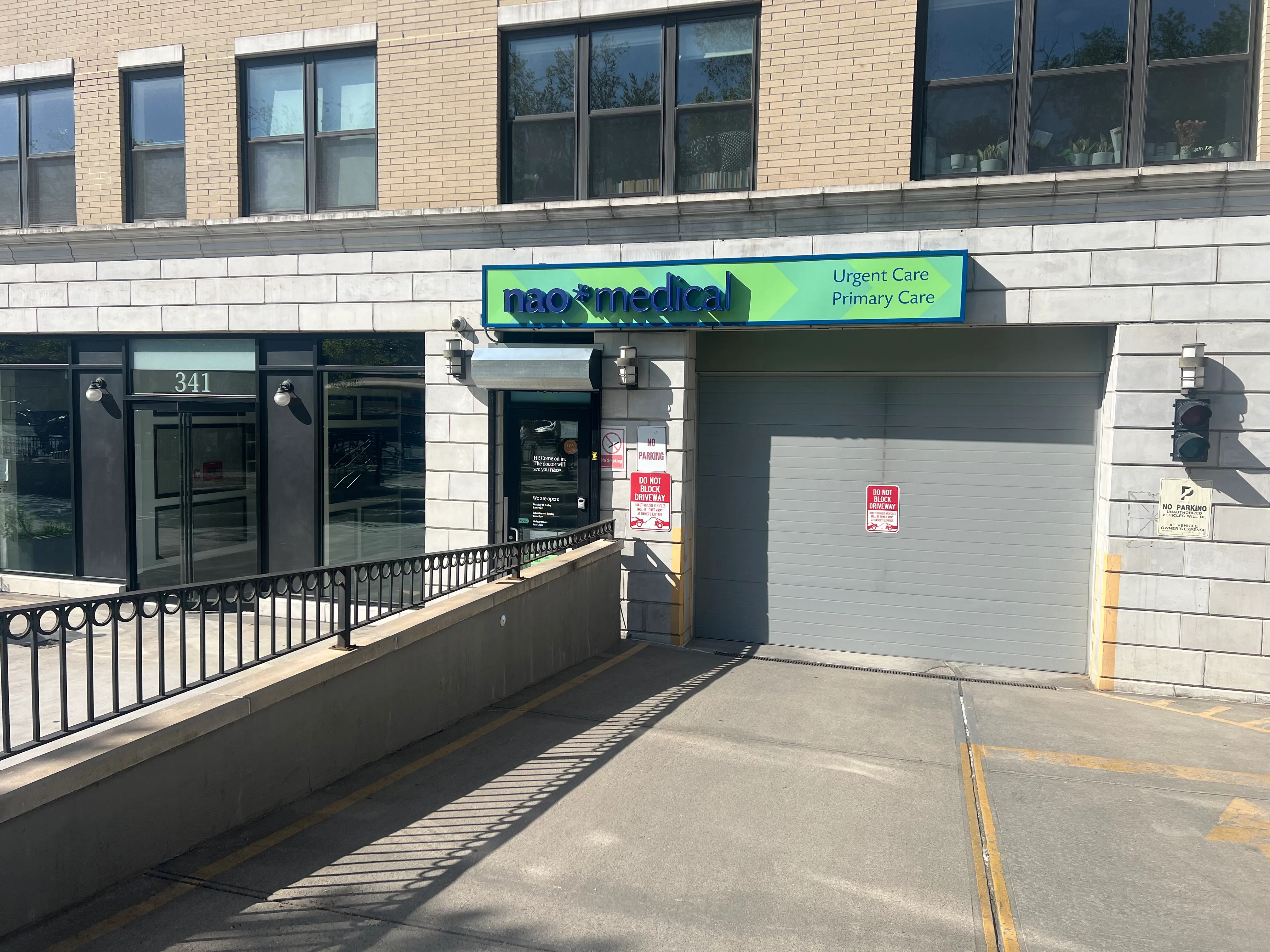
Brooklyn
341 Eastern Pkwy, Brooklyn, NY 11216
A central Brooklyn women's health clinic for Pap smears, STI testing, and birth control care.
Women's health in Crown Heights
Queens
80-10 Northern Blvd, Jackson Heights, NY 11372
A strong Queens option for timely women's health visits and walk-in GYN evaluation.
Women's health in Jackson Heights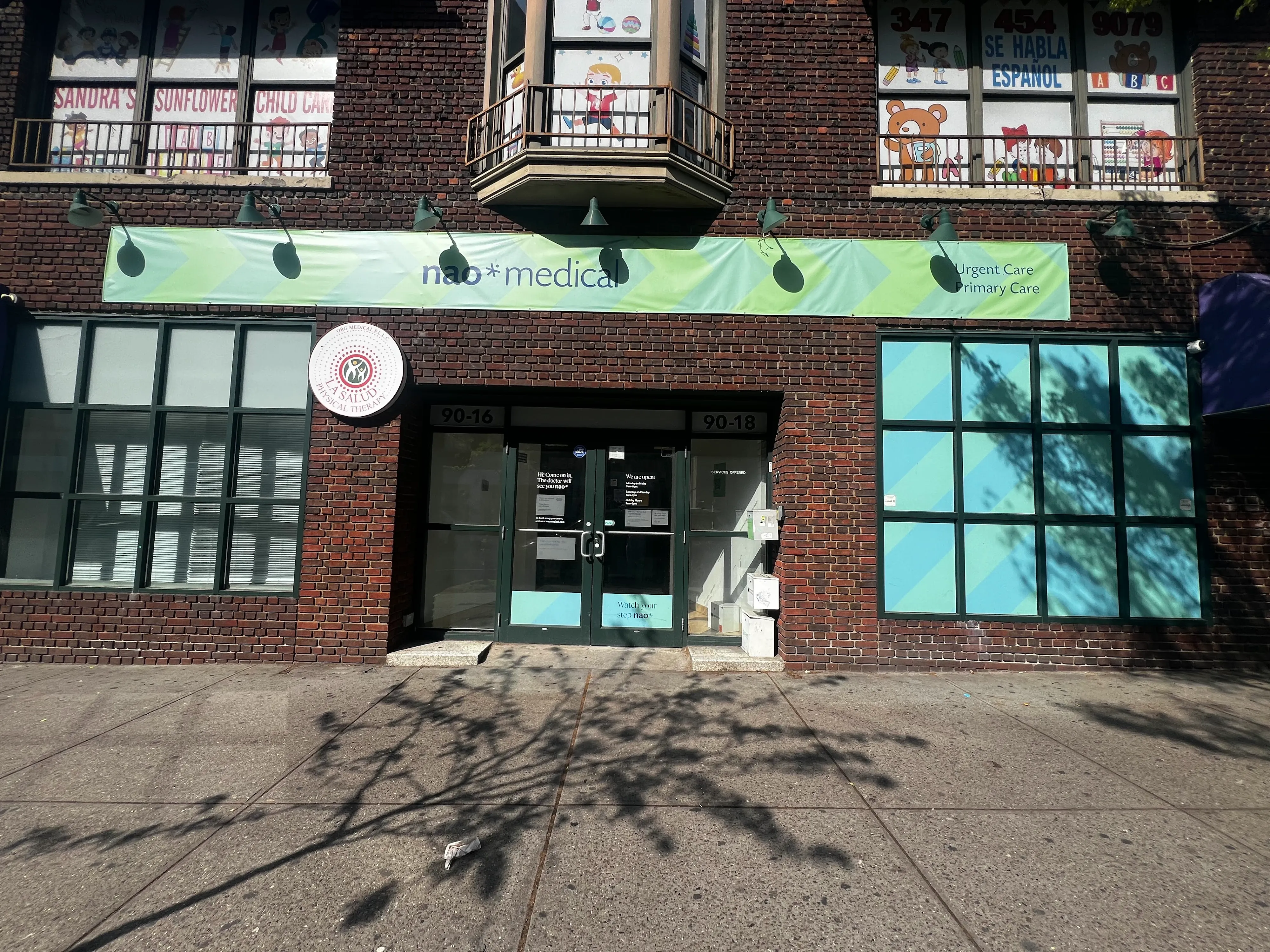
Queens
90-18 Sutphin Blvd, Jamaica, NY 11435
A southeast Queens location for pelvic exams, Pap smears, and routine women's health follow-up.
Women's health in Jamaica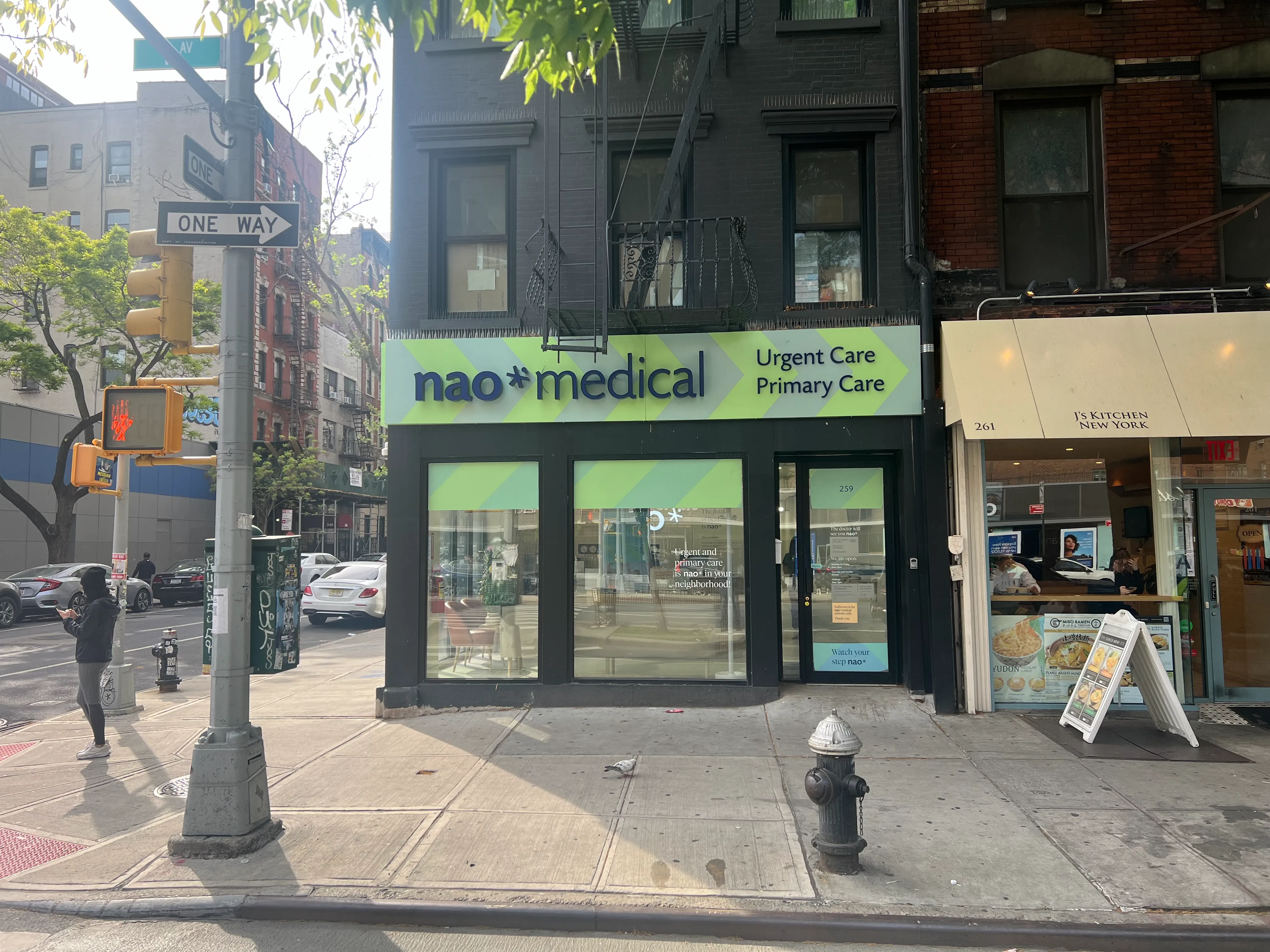
Manhattan
259 1st Ave, New York, NY 10003
A Manhattan clinic for in-city women's health and walk-in GYN care close to home or work.
Women's health in StuyTown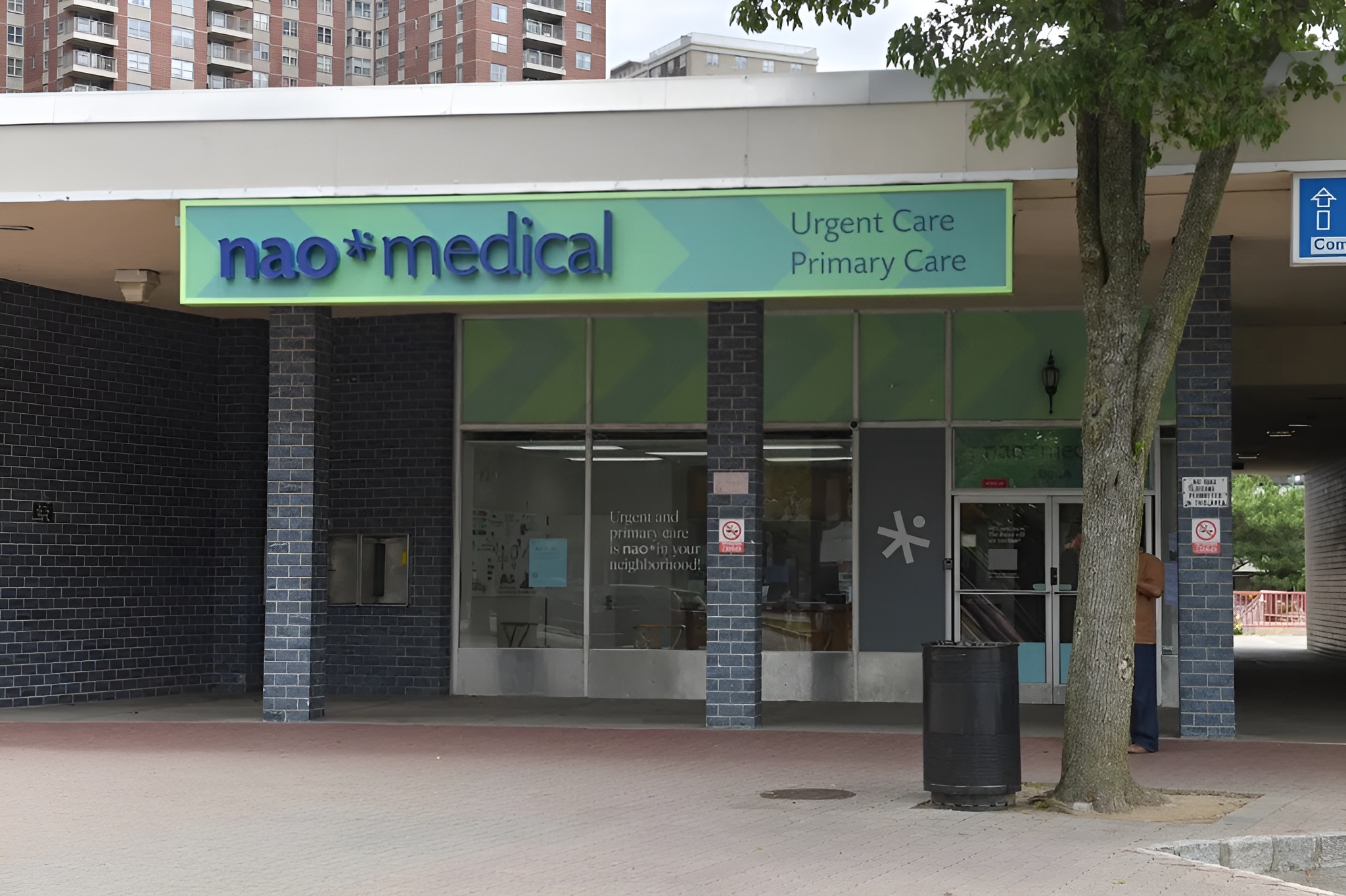
Bronx
2063A Bartow Ave, Bronx, NY 10475
A northern Bronx location for Pap smears, STI testing, birth control care, and common gynecologic concerns.
Women's health in Bartow Mall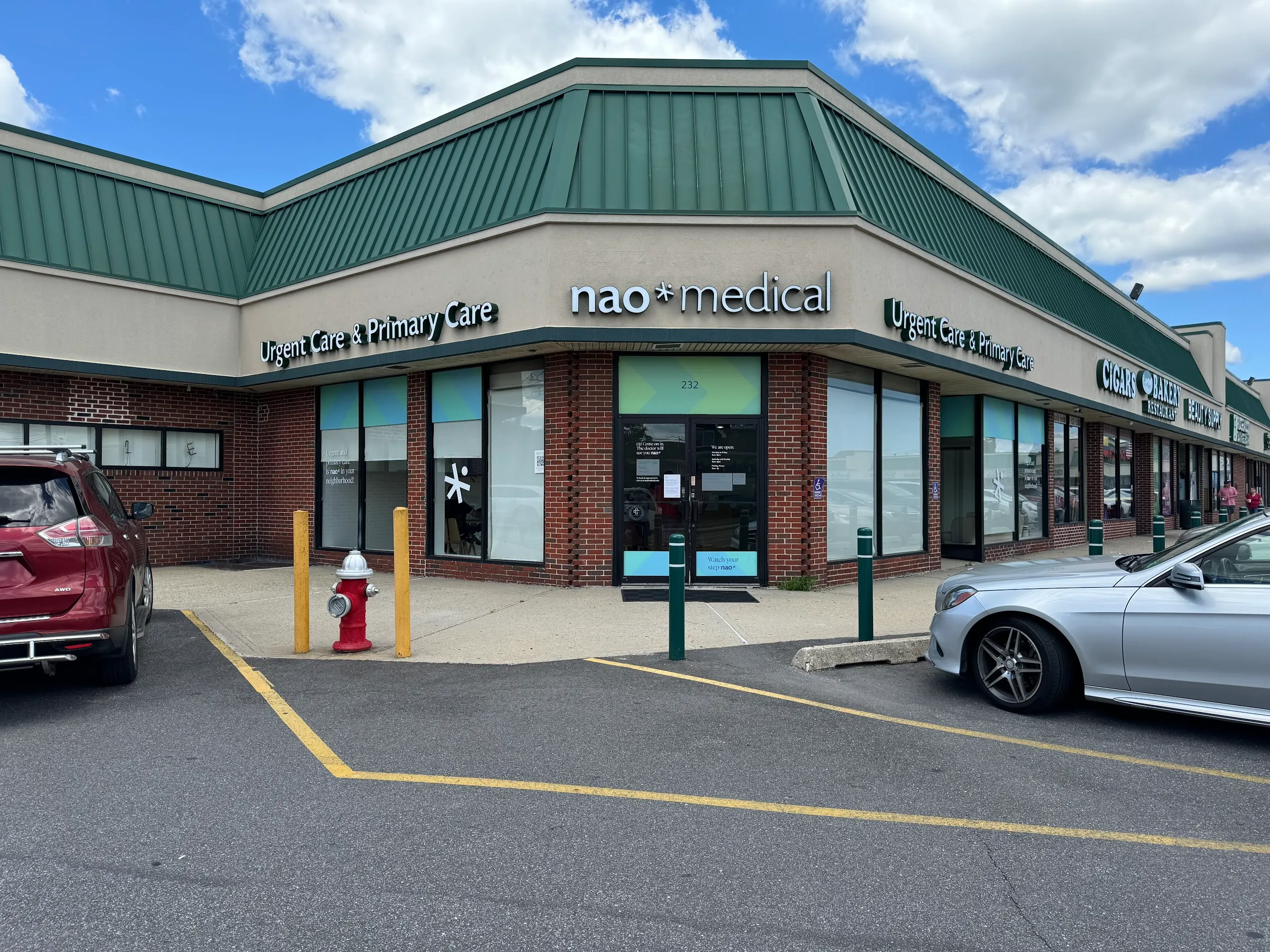
Long Island
232 W Old Country Rd, Hicksville, NY 11801
A key Long Island option for patients who want women's health care, pelvic exams, and contraceptive follow-up.
Women's health in Hicksville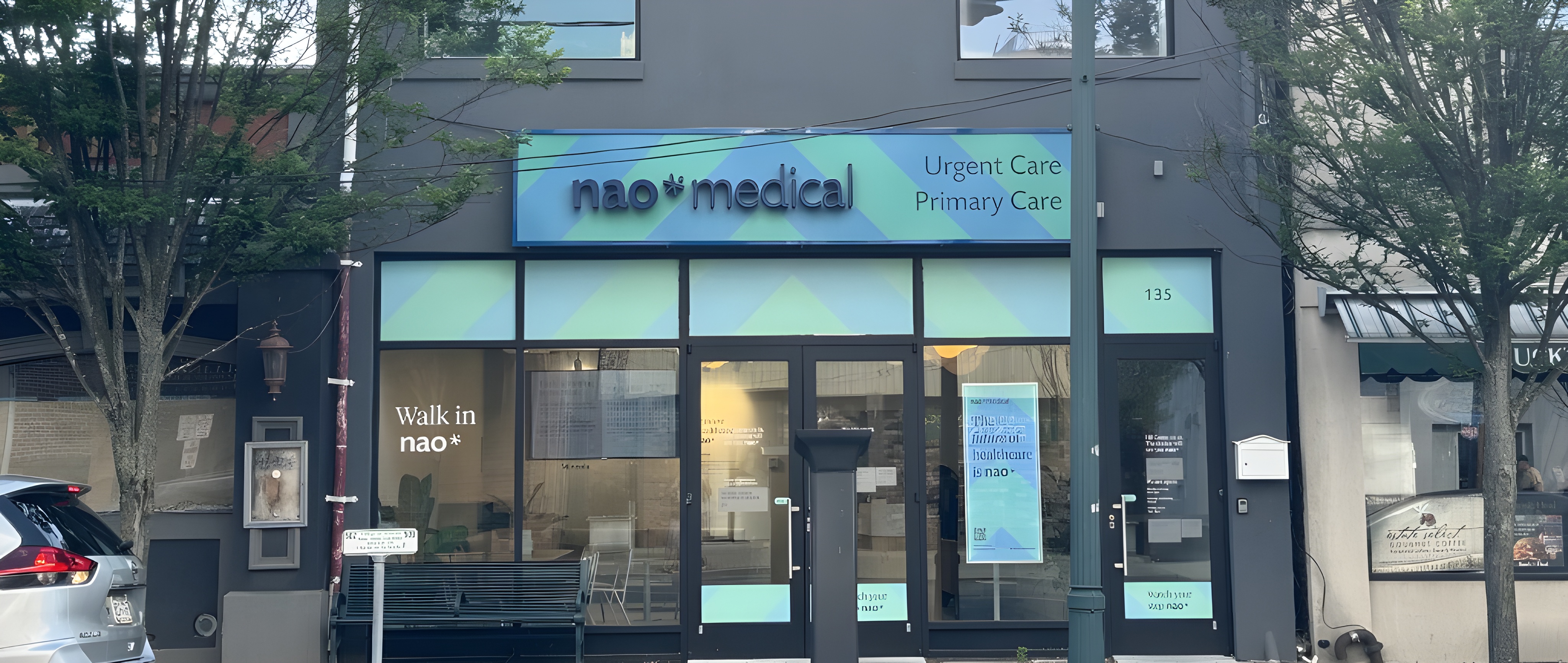
Long Island
135 Mineola Blvd, Mineola, NY 11501
A priority Nassau County clinic for Pap smears, pelvic exams, STI testing, and ongoing women's health care.
Women's health in Mineola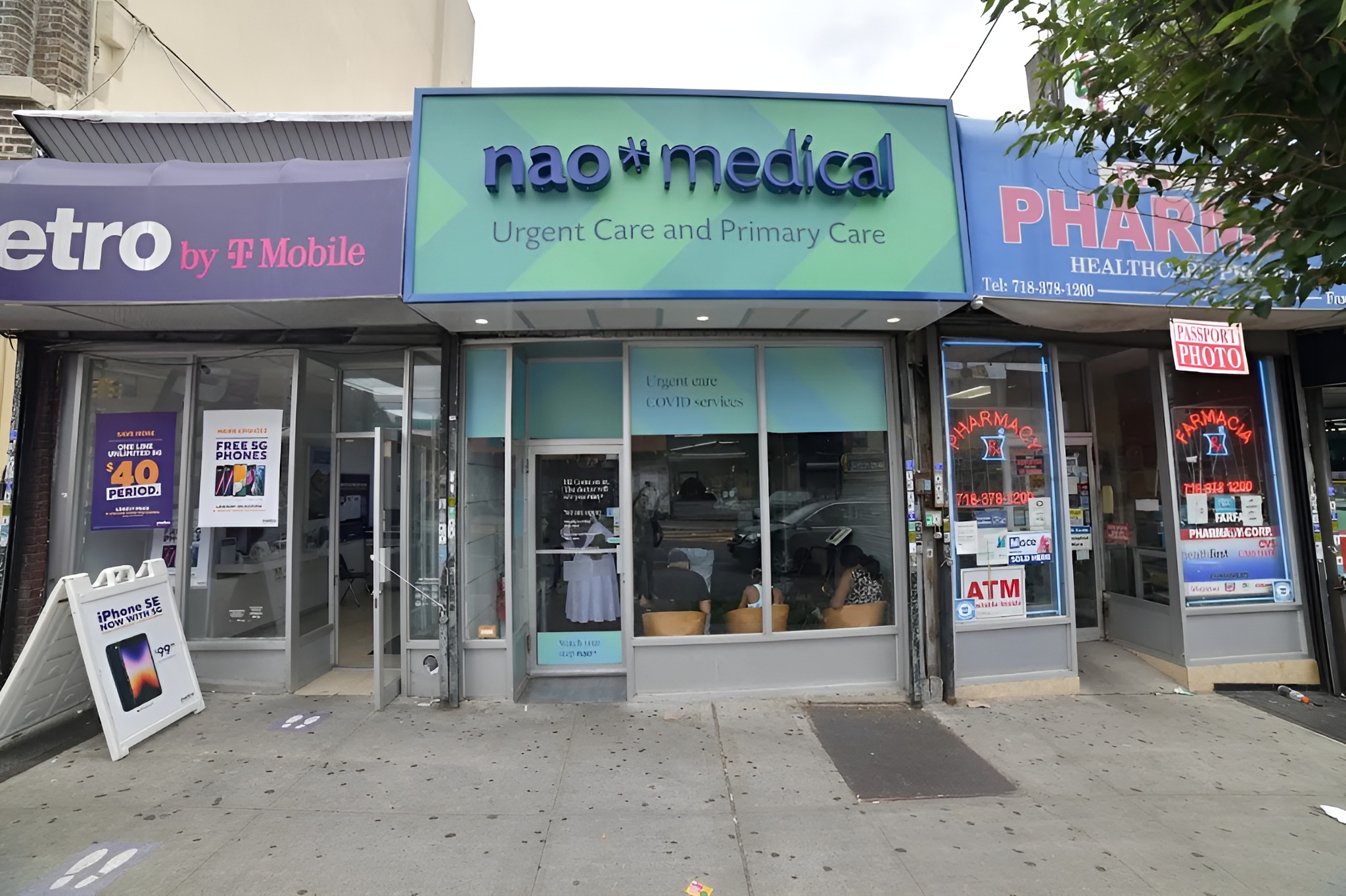
Bronx
932 E 174th St, Bronx, NY 10460
A second Bronx clinic for local walk-in GYN care, annual screenings, and same-day support.
Women's health in 174th StreetCompare colorectal, Galleri, cervical, PSA, and lung-screening options available through the Nao network.
Start an at-home colorectal-screening consultation and review follow-up planning.
Compare stool-based screening and colonoscopy options with clear next-step guidance.
Review multi-cancer early-detection planning, who may consider Galleri, and what it does not replace.
Handle prostate-screening timing, shared-decision questions, and PSA blood-test planning through primary care.
Check low-dose CT eligibility, smoking-history thresholds, and how screening conversations can start locally.