 (917) 310-3371

Who may consider Galleri
Adults over 50 and people thinking proactively about cancer screening often ask whether Galleri adds something useful to their current screening routine.



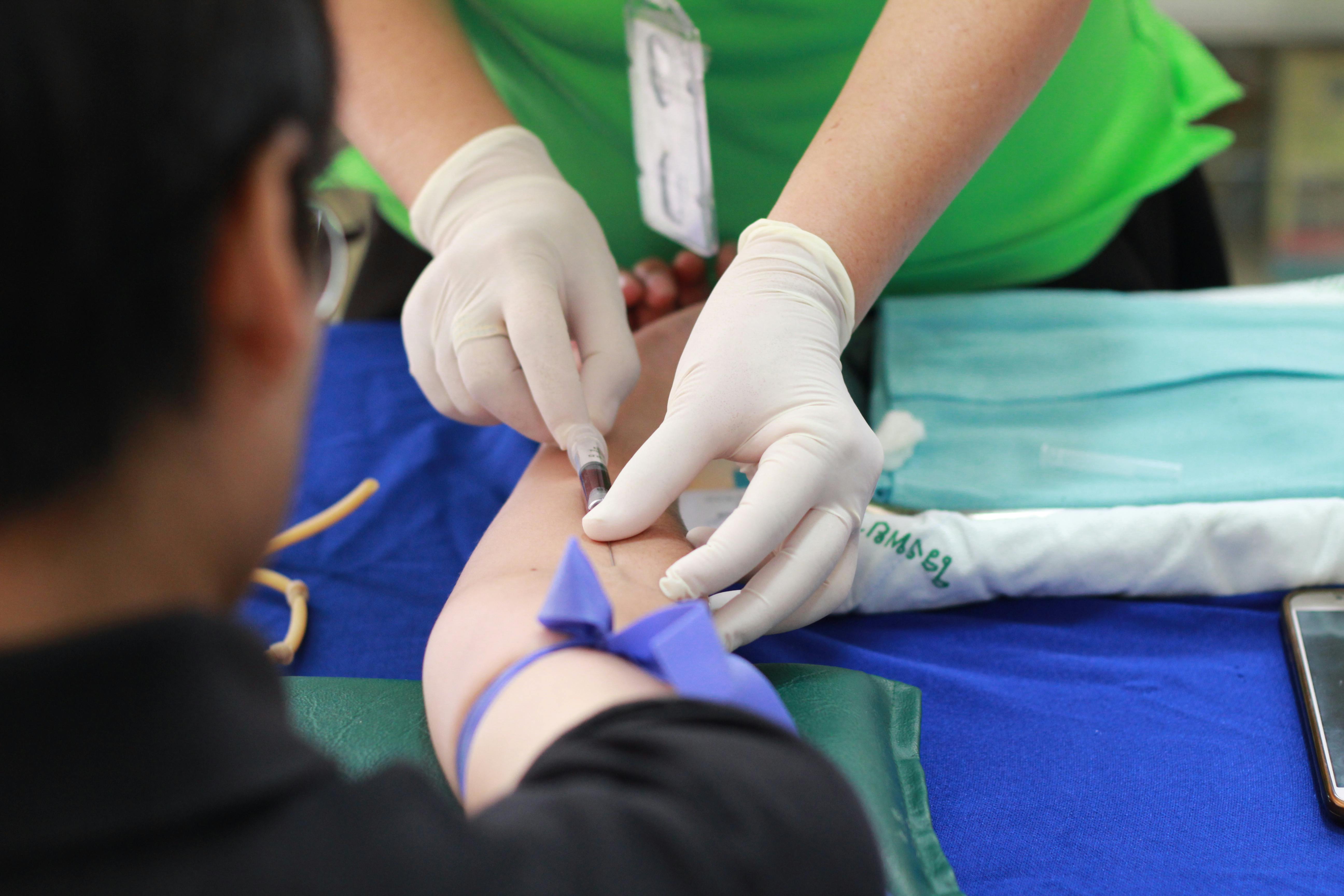


Galleri is most useful when it is understood as an added screening conversation, not a replacement for routine screening.
Adults over 50 and people thinking proactively about cancer screening often ask whether Galleri adds something useful to their current screening routine.
Galleri does not replace colonoscopy, Pap smears, low-dose CT lung screening, mammography, or other guideline-based screening paths.
Age, personal history, family history, and current screening status all matter before a Galleri conversation makes sense.
The practical question is not whether Galleri sounds interesting. It is whether it adds something useful after routine screening is already being handled correctly.
Galleri is usually discussed as a multi-cancer early-detection blood test for adults who want a broader screening conversation and who understand it is not a replacement for routine screening.
The biggest risk in Galleri marketing is suggesting the blood test can replace colorectal, cervical, breast, or lung screening. That creates confusion about what screening still needs to happen.
Nao can help patients review whether standard screening is current, whether Galleri is worth discussing as an extra layer, and how results could affect the next step.
A Galleri discussion works best with a local medical team that can explain the test clearly and place it inside a broader screening plan.
Galleri works best when it is connected to primary care and to the rest of the screening plan rather than left as a one-off curiosity.
Primary care is where most adults should start a Galleri conversation because it forces the broader screening context into the visit.
Use the main overview to keep Galleri tied to colorectal, cervical, prostate, and lung-screening decisions.
If you are also comparing colorectal-screening options, the Cologuard option covers that route directly.
These questions help clarify when Galleri may be worth discussing and how it fits with standard screening.
These care options handle the routine screening decisions Galleri should sit beside rather than replace.
Start with the main cancer-screening overview for colorectal, Galleri, cervical, PSA, and lung-screening planning across the Nao network.
Use the Cologuard guidance for direct at-home colorectal-screening booking and follow-up planning.
Compare stool-based screening and colonoscopy options with clear next-step guidance.
Use the cervical-screening guidance for Pap smear questions, HPV co-testing context, and local women's-health clinic access.
Handle prostate-screening timing, shared-decision questions, and PSA blood-test planning through primary care.
Check low-dose CT eligibility, smoking-history thresholds, and how screening conversations can start locally.
Galleri becomes much more useful when it is discussed inside the full screening plan instead of treated like a stand-alone shortcut.