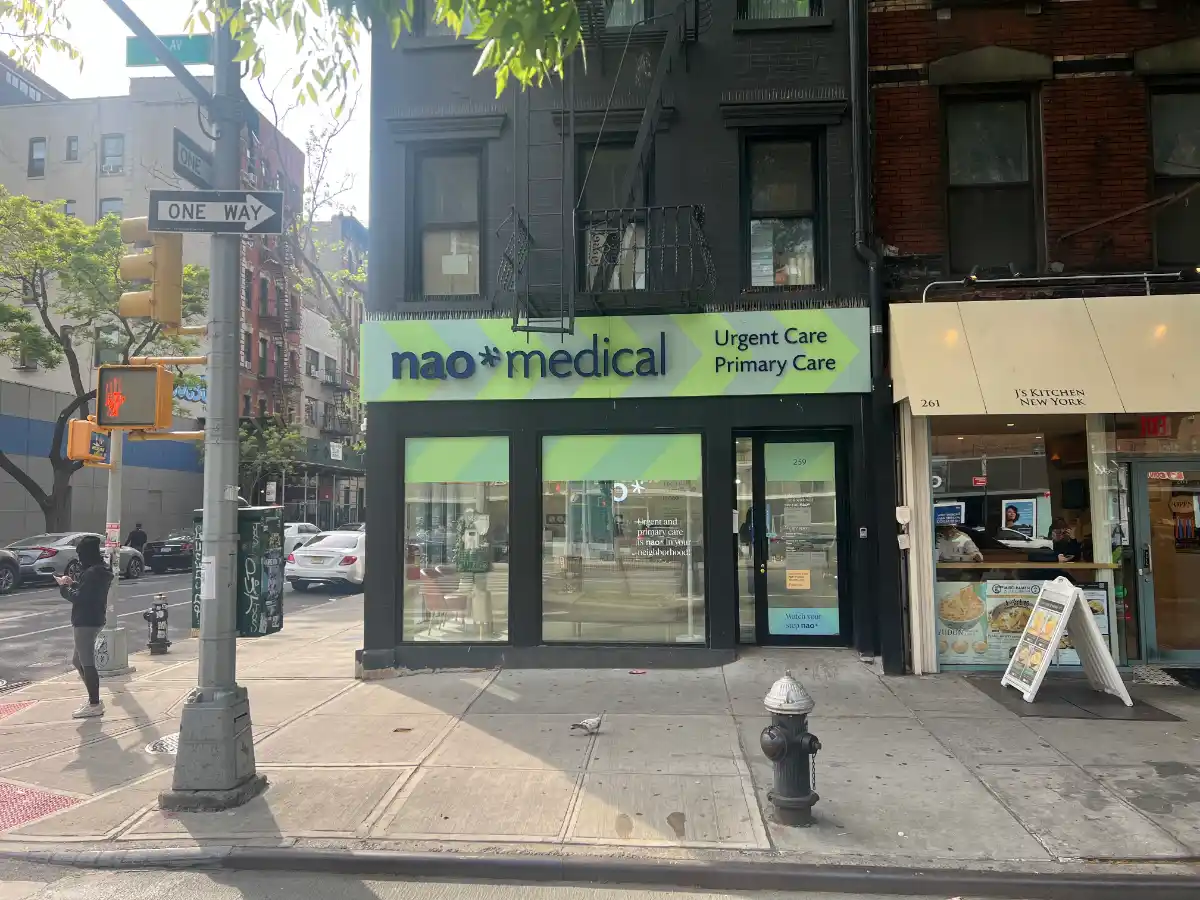
Manhattan
StuyTown
259 1st Ave, New York, NY 10003
The Manhattan location for final civil surgeon visits and city-accessible scheduling. Final civil surgeon visits are coordinated here.
View immigration exam location Get directions

Your immigration concierge helps organize records, explains the next appointment, and coordinates follow-up with the care team. The civil surgeon reviews the medical requirements and completes Form I-693 when the required steps are finished.
Core package starts at $350 self-pay. The civil surgeon exam and core immigration labs are included; vaccines, titers, imaging, and other case-specific services may cost extra.


The civil surgeon compares your records with CDC’s age-appropriate immigration requirements. You do not necessarily need every routine vaccine or every dose of a series at this visit. Some records, laboratory evidence of immunity or medical reasons for not vaccinating may be relevant under the instructions. COVID-19 vaccination is no longer a civil-surgeon requirement. Ask which item is missing, why it is required and whether the proposed dose or test costs extra.
An immigration medical examination checks the medical documentation needed for your immigration case. For many applicants adjusting status in the United States, a USCIS-designated civil surgeon completes Form I-693 after reviewing the examination, required screening and vaccine records. The exam does not grant immigration status. Your USCIS instructions and case category determine whether you need a full examination, vaccination documentation or another process.
Confirm that the clinician who will sign your form is a designated civil surgeon. A clinic network name or a general medical license does not establish that designation. Bring the USCIS notice if your case already contains a medical request. Refugees and some applicants with an overseas examination may have different documentation requirements, so check your case instructions before paying for a duplicate examination.
First, share your case deadline and the records you have. Next, the team reviews identity documents, vaccination history and the tests your case requires. Complete any ordered tests, missing vaccine documentation or referrals. The civil surgeon then reviews the completed medical information, signs the appropriate form and gives you the original in a sealed envelope. Ask for a personal copy and check names and dates before submitting the original.
Bring photo identification, vaccine records, a medication list, relevant treatment records and any USCIS medical notice. Ask whether records need a translation and whether an interpreter can attend. Do not sign the applicant certification until the civil surgeon instructs you. For a new signature today, USCIS accepts the 01/20/25 edition. Keep every page from the same edition. Vaccine requirements depend on age and the CDC instructions; COVID-19 vaccination is no longer a civil-surgeon vaccination requirement.
Tell the clinician about symptoms, current treatment, pregnancy, vaccine reactions and conditions affecting vaccination or testing. Do not skip prescribed medicines or conceal medical history to try to finish faster. A finding may require treatment, records or a referral before the form can be completed. If a vaccine is not appropriate, the civil surgeon documents the applicable medical assessment under the Technical Instructions rather than promising a blanket exemption.
Handle the envelope according to your filing method. For a mailed I-485, submit the original sealed envelope. For an eligible online I-485, USCIS instructs you to open that envelope, upload the completed I-693 and retain the original form and envelope until the final decision. Forms signed on or after November 1, 2023 generally remain valid only for the application with which they were submitted. Earlier signatures generally have a two-year evidentiary period. A rejected, withdrawn or denied filing needs case-specific review.
Nao lists intake across 11 clinics, with final civil-surgeon visits at StuyTown, Hicksville or Mineola. The published core self-pay package starts at $350 and includes the civil-surgeon exam and core immigration labs; vaccines, titers, imaging and other case-specific items may cost extra. Confirm the examiner, final-visit site, complete price and appointment steps before travel. Same-day intake does not promise a completed form or a USCIS decision that day.
The civil surgeon follows CDC Technical Instructions rather than treating an ordinary annual physical as a substitute. Screening depends on age and clinical findings. For example, the immigration TB pathway requires an IGRA blood test for applicants age two and older, with chest imaging and public-health referral when indicated. A positive TB screening result needs interpretation and follow-up; it does not by itself prove active contagious TB.
Bring photo identification, vaccine records, a medication list, relevant treatment records and any USCIS medical notice. Ask whether records need a translation and whether an interpreter can attend. Do not sign the applicant certification until the civil surgeon instructs you. For a new signature today, USCIS accepts the 01/20/25 edition. Keep every page from the same edition. Vaccine requirements depend on age and the CDC instructions; COVID-19 vaccination is no longer a civil-surgeon vaccination requirement.
Tell the clinician about symptoms, current treatment, pregnancy, vaccine reactions and conditions affecting vaccination or testing. Do not skip prescribed medicines or conceal medical history to try to finish faster. A finding may require treatment, records or a referral before the form can be completed. If a vaccine is not appropriate, the civil surgeon documents the applicable medical assessment under the Technical Instructions rather than promising a blanket exemption.
Send the civil surgeon the dated vaccination records and complete laboratory reports before booking extra tests. The surgeon decides which outside records meet the immigration Technical Instructions and which testing must follow the designated examination process. Outside vaccination documentation may be usable. Do not assume an ordinary outside laboratory panel replaces the required immigration testing.
Bring photo identification, vaccine records, a medication list, relevant treatment records and any USCIS medical notice. Ask whether records need a translation and whether an interpreter can attend. Do not sign the applicant certification until the civil surgeon instructs you. For a new signature today, USCIS accepts the 01/20/25 edition. Keep every page from the same edition. Vaccine requirements depend on age and the CDC instructions; COVID-19 vaccination is no longer a civil-surgeon vaccination requirement.
First, share your case deadline and the records you have. Next, the team reviews identity documents, vaccination history and the tests your case requires. Complete any ordered tests, missing vaccine documentation or referrals. The civil surgeon then reviews the completed medical information, signs the appropriate form and gives you the original in a sealed envelope. Ask for a personal copy and check names and dates before submitting the original.
Nao lists intake across 11 clinics, with final civil-surgeon visits at StuyTown, Hicksville or Mineola. The published core self-pay package starts at $350 and includes the civil-surgeon exam and core immigration labs; vaccines, titers, imaging and other case-specific items may cost extra. Confirm the examiner, final-visit site, complete price and appointment steps before travel. Same-day intake does not promise a completed form or a USCIS decision that day.
First, share your case deadline and the records you have. Next, the team reviews identity documents, vaccination history and the tests your case requires. Complete any ordered tests, missing vaccine documentation or referrals. The civil surgeon then reviews the completed medical information, signs the appropriate form and gives you the original in a sealed envelope. Ask for a personal copy and check names and dates before submitting the original.
Confirm whether Nao offers a concierge for this immigration service and what it actually handles: appointments, missing records, laboratory status, vaccination documentation and the final examiner visit. Concierge support is not immigration legal advice and does not approve an application. Ask for the named contact and next action. Use USCIS or qualified legal advice for eligibility and filing strategy.
Ask whether intake is available today and when the final civil-surgeon appointment can occur. Bring your records to reduce avoidable delays. Some cases still need laboratory results, vaccine documentation, imaging or public-health follow-up before the form is complete. Request a realistic sequence and estimated timing for each step. A same-day appointment does not mean the sealed or uploaded medical evidence will be ready that day.
Handle the envelope according to your filing method. For a mailed I-485, submit the original sealed envelope. For an eligible online I-485, USCIS instructs you to open that envelope, upload the completed I-693 and retain the original form and envelope until the final decision. Forms signed on or after November 1, 2023 generally remain valid only for the application with which they were submitted. Earlier signatures generally have a two-year evidentiary period. A rejected, withdrawn or denied filing needs case-specific review.
Confirm that the clinician who will sign your form is a designated civil surgeon. A clinic network name or a general medical license does not establish that designation. Bring the USCIS notice if your case already contains a medical request. Refugees and some applicants with an overseas examination may have different documentation requirements, so check your case instructions before paying for a duplicate examination.
Send the civil surgeon the exact USCIS request or the possible name/date error. Do not alter a signed form or assume an older record can be reused. The surgeon reviews whether corrected documentation, additional testing or a new properly executed form is required. Completion depends on results and case requirements; a collected form is not USCIS acceptance.
For a mailed I-485, send the original sealed envelope. For an eligible online I-485, USCIS tells you to open it, upload the completed I-693 and retain the original form and envelope until the final decision. Confirm your filing method before handling the original.
Do not assume that you can. For signatures on or after November 1, 2023, validity is generally tied to the application with which the form was submitted. Denied, withdrawn and rejected applications have different consequences. Review the signature date and current case instructions with your representative.
Manhattan
259 1st Ave, New York, NY 10003
The Manhattan location for final civil surgeon visits and city-accessible scheduling. Final civil surgeon visits are coordinated here.
View immigration exam location Get directions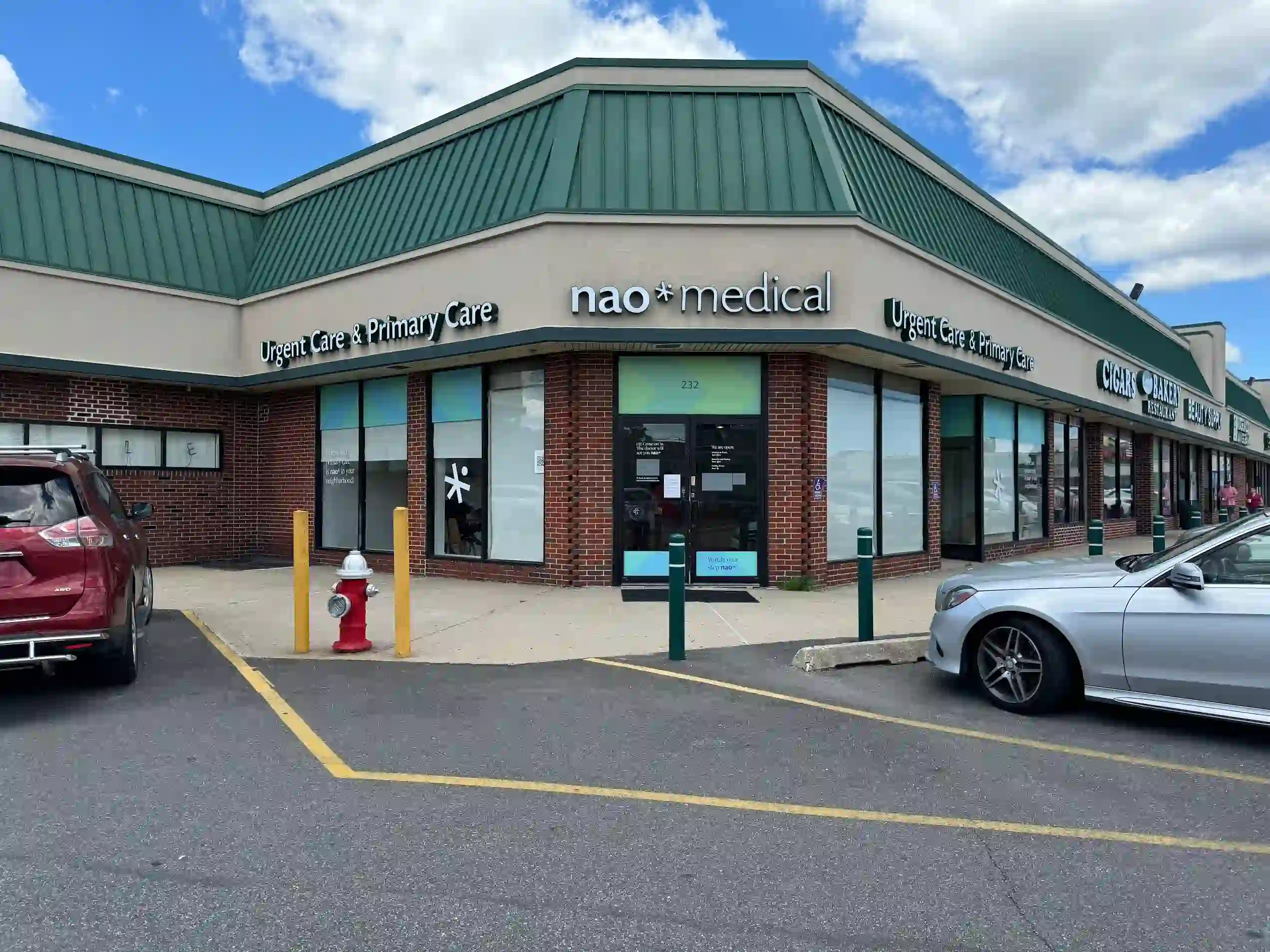
Long Island
232 W Old Country Rd, Hicksville, NY 11801
A Nassau County location where patients can start the process and, in many cases, complete the final civil surgeon visit. Final civil surgeon visits are coordinated here.
View immigration exam location Get directions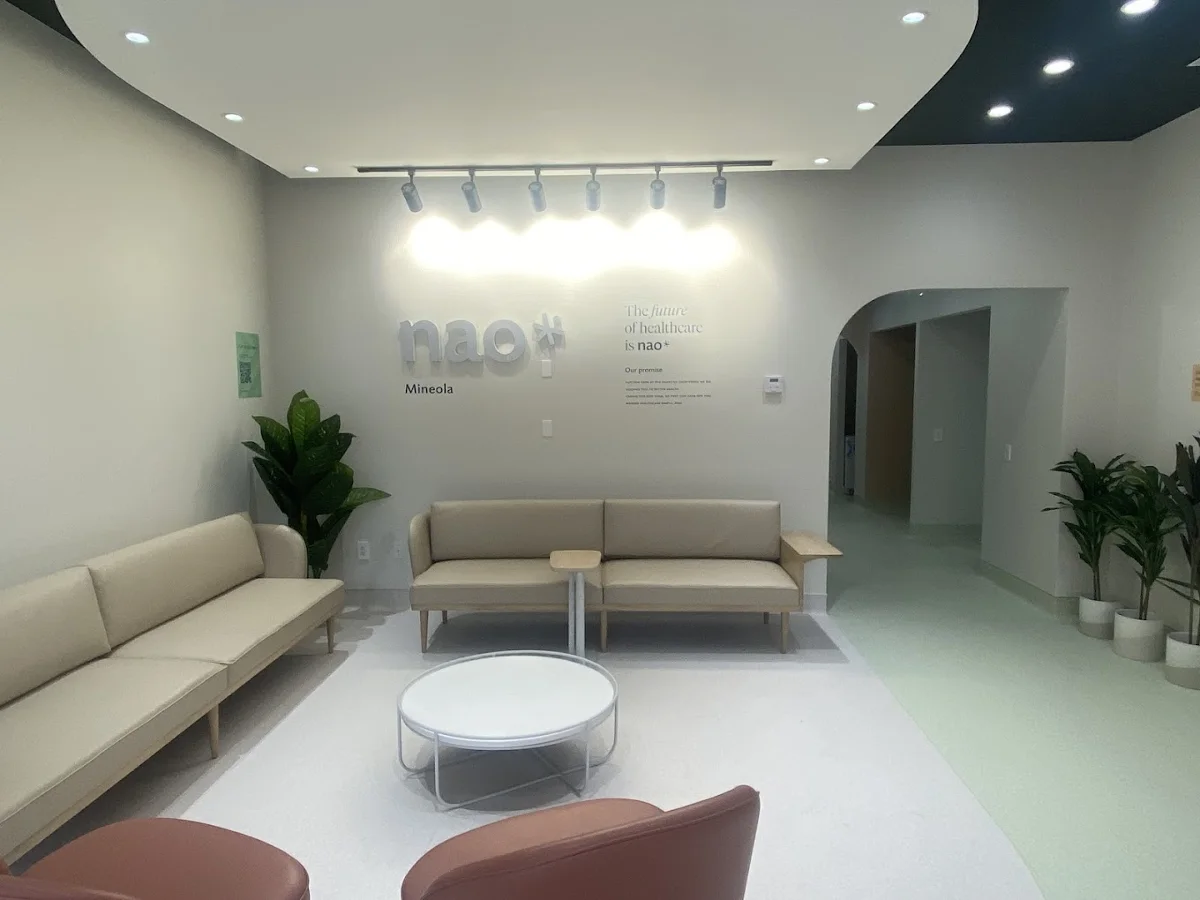
Long Island
135 Mineola Blvd, Mineola, NY 11501
A Nassau County location for final civil surgeon visits on Long Island. Final civil surgeon visits are coordinated here.
View immigration exam location Get directionsReview the full USCIS medical exam service, civil surgeon medical exam, $350 starting price, and final visit options.
Prepare for the medical examination required for your green card application, including records, vaccines, cost, and the sealed packet.
Understand the $350 core package, optional expedited review, and case-specific add-ons.
Prepare ID, vaccine records, translations, USCIS notices, and prior medical documentation before the visit.
Compare Nao Medical intake and final civil surgeon sites across NYC and Long Island.
Official details for current edition, filing, applicant submission, and sealed-envelope guidance.
Official USCIS search tool for designated civil surgeons by address, city, state, or ZIP code.
Current vaccine record, age-based vaccine, titer, and documentation guidance for civil surgeons.
June 11, 2025 update tying Form I-693 validity to the pending application it was submitted with.
January 22, 2025 update waiving COVID-19 vaccination documentation for adjustment-of-status applicants.
CDC care overview for medical exam technical instructions used by civil surgeons.