(917) 310-3371


Women’s health visits can address preventive care and symptoms such as discharge, itching, urinary concerns, menstrual changes, contraception and menopause. The right visit depends on the concern.

Women’s health visits can address preventive care and symptoms such as discharge, itching, urinary concerns, menstrual changes, contraception and menopause. The right visit depends on the concern. Cervical screening, a pelvic exam, STI testing and treatment for symptoms are different services, even when more than one is discussed at an appointment.
A Pap test looks for abnormal cervical cells; HPV testing looks for high-risk virus types. Neither is a test for every STI or the same thing as a cervical cancer diagnosis. Contraception prevents pregnancy through method-specific mechanisms. Symptom care may require pregnancy testing, infection testing, an examination or referral rather than screening alone.
Screening depends on age, prior results, cervical history and risk. An abnormal past Pap result can change the follow-up pathway. Symptoms need assessment even when routine screening is not due. A visit can also review blood pressure, metabolic risks and preventive needs, and determine which tests or specialist referrals fit your needs.
State the main concern when booking and ask which services can be combined. The clinician reviews history and explains any examination or sampling before consent. Discuss pain, privacy and the option to pause or stop. Agree how results will be delivered and who handles an abnormal result, repeat test or referral. Nutritional counseling may require a separate appointment.
Bring prior Pap and HPV results, relevant records, period dates, medicines, pregnancy possibility and the symptoms' timing. Ask for test-specific preparation; no special diet is universally required for a women’s-health screening visit. Explain past painful exams or trauma so the examination can be planned around your needs.
Severe pelvic or abdominal pain or heavy bleeding needs emergency department care now, particularly if pregnancy is possible. Call 911 for fainting, severe weakness, severe breathing trouble or bleeding that will not stop. Fever with pelvic pain needs prompt medical assessment. Do not wait for a routine screening appointment. The clinician should explain the risks and benefits of testing and treatment before the procedure. An examination must not proceed without consent.
Results may take time. A normal screening result does not resolve every symptom, and an abnormal result is not automatically cancer. Ask for a specific result-contact plan and follow-up interval based on the actual test and history. Persistent symptoms, sexual pain or hormone concerns may need a review, targeted treatment or gynecology referral.
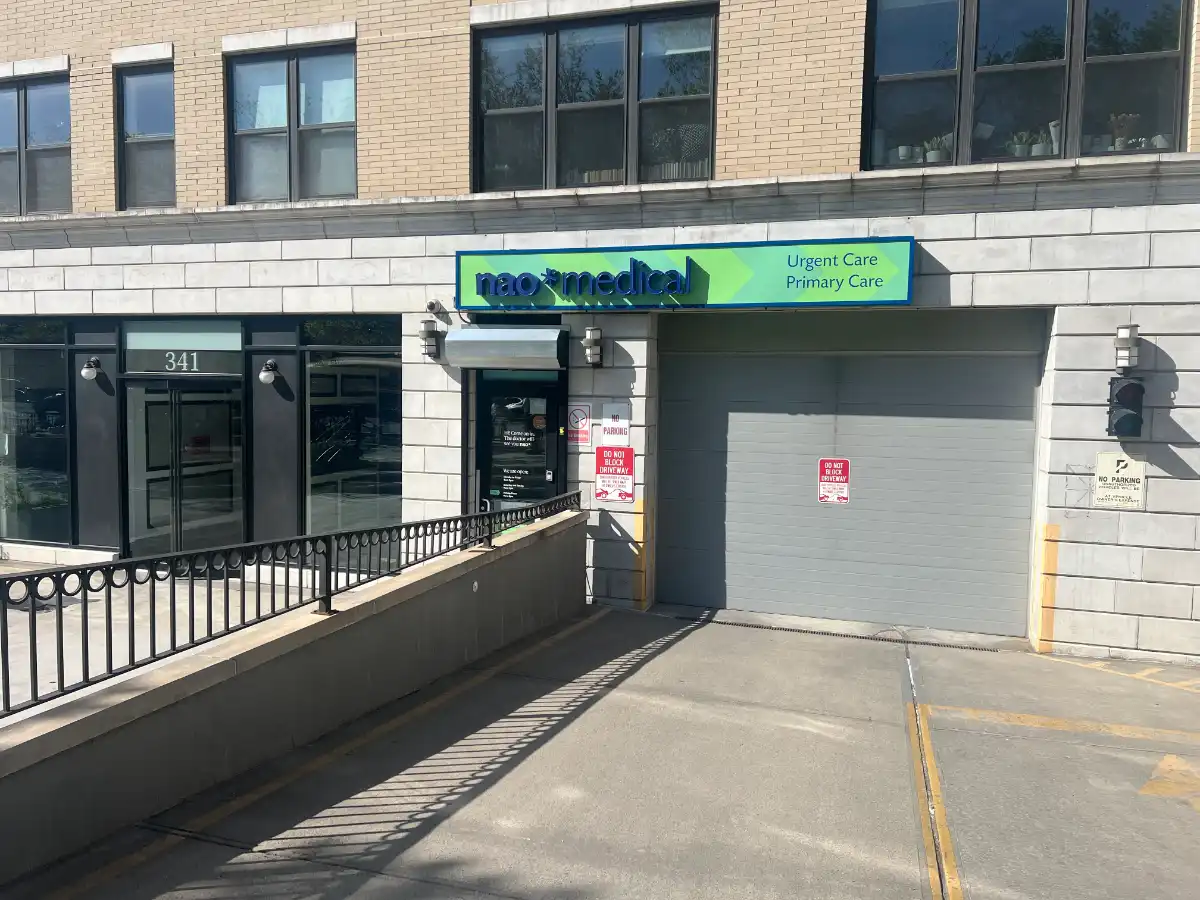
Confirm whether the exact Nao clinic performs Pap sampling, pelvic exams, contraception procedures or only consultation and referral. Ask about appointment requirements, combined visits and current payer participation, including Medicaid or Medicare. The visit, test and procedure may be billed separately.
Screening may include cervical testing and other age- and risk-based preventive care, but the appropriate tests depend on your history and prior results. Confirm the selected clinic’s test services and whether imaging or specialist care is arranged elsewhere. Pap, HPV and STI tests answer different questions and are not automatically ordered together.
Preventive visits and individual screening tests have different intervals. Review age, medical history, prior results and risk with the clinician; Pap and HPV testing are not automatically annual, and symptoms may need a visit between routine checks.
Some services, such as Pap sampling or a pelvic examination, involve an internal examination and may cause discomfort; others are blood tests or discussion. Ask what the proposed test involves and discuss pain, prior difficult exams and consent. You can ask to pause or stop. The clinician should explain alternatives and arrange the appropriate setting.
Pap, HPV and many other laboratory tests require processing, so a visit does not guarantee immediate results. Ask when each result is expected, how it will be communicated and what happens if it is abnormal. Symptoms may require assessment or treatment before all results return; persistent or severe symptoms need review.
The time to benefit depends on the diagnosis and chosen treatment. Infection care, pain treatment and hormone-related care can have different response times. Ask when improvement should occur and what to do if it does not. Screening-result delivery is a separate timetable; worsening or severe symptoms should not wait for routine follow-up.
Bring prior Pap and HPV results, relevant records, period dates, medicines, pregnancy possibility and the symptoms' timing. Ask for test-specific preparation; no special diet is universally required for a women’s-health screening visit. Explain past painful exams or trauma so the examination can be planned around your needs.
Results may take time. A normal screening result does not resolve every symptom, and an abnormal result is not automatically cancer. Ask for a specific result-contact plan and follow-up interval based on the actual test and history. Persistent symptoms, sexual pain or hormone concerns may need a review, targeted treatment or gynecology referral.