1. Psychiatric and benefits evaluation
Confirm diagnosis, prior treatments, current symptoms, safety, treatment goals, REMS steps, insurance, and transportation before the first dose.


Spravato care
Spravato is an esketamine nasal spray for adults with treatment-resistant depression, either as monotherapy or with an oral antidepressant. It is also indicated with an oral antidepressant for depressive symptoms in adults with major depressive disorder and acute suicidal ideation or behavior. It must be given under direct supervision in a REMS-certified setting with at least two hours of monitoring, including respiratory assessment and pulse oximetry.


The current Spravato label permits treatment-resistant depression in adults either alone or with an oral antidepressant. A separate indication covers depressive symptoms in adult major depressive disorder with acute suicidal thoughts or behaviour, and that use requires an oral antidepressant. Spravato has not been shown to prevent suicide or reduce suicidal thoughts or behaviour. It does not replace hospitalization when needed. Treatment involves supervised nasal dosing in a REMS-certified setting, medical monitoring and continuing psychiatric review, not an unsupervised home spray.
Spravato is the brand name for esketamine nasal spray. Its current US label covers treatment-resistant depression in adults, either on its own or with an oral antidepressant. A separate indication covers depressive symptoms in adults with major depressive disorder who have acute suicidal thoughts or behaviour; that use requires an oral antidepressant. Spravato has not been shown to prevent suicide or reduce suicidal thoughts or behaviour, and it does not replace hospitalization when that is needed.
Esketamine affects NMDA receptors in the brain. Its antidepressant mechanism is not fully understood. It differs from standard oral antidepressants and from IV ketamine. Feeling dissociated during a session is not a test of whether the depression treatment will work. The clinician judges benefit from symptoms, daily function and safety over time.
Assessment reviews the diagnosis, previous treatments and whether they were taken at an adequate dose and duration. The clinician checks blood pressure, cardiovascular and cerebrovascular history, psychosis, substance-use risks, pregnancy and interacting medicines. Aneurysmal vascular disease, arteriovenous malformation, a history of intracerebral hemorrhage and hypersensitivity are labelled contraindications. Insurer criteria can differ from the clinical label.
Bring antidepressant names, doses, dates, response, adverse effects and relevant hospital records. Clarify whether the proposed treatment is TRD care or the separate acute suicidal MDD indication. Discuss other suitable treatments and continuing therapy.
Spravato is administered through its REMS in a certified healthcare setting. Patients self-administer the nasal spray under direct supervision. Blood pressure is checked before dosing, around 40 minutes afterwards and further as needed. Breathing is monitored, including pulse oximetry, for at least two hours. Release occurs only when the clinician finds the patient stable. Some visits take longer.
TRD treatment is twice weekly for the first four weeks, then weekly in weeks five through eight. From week nine, dosing is weekly or every two weeks according to response. The clinician assesses benefit after the initial four weeks. The acute suicidal MDD regimen is a separate twice-weekly four-week course. Longer use for that indication has not been systematically evaluated.
Arrange transport home and leave time for the observation period. Do not eat for at least two hours before a dose or drink liquids for at least 30 minutes before it. If using a nasal corticosteroid or decongestant, follow the label’s timing of at least one hour before Spravato. Bring the medicine list and report alcohol, sedatives, opioids or new symptoms. Do not change other medicines without instructions.
The boxed warning covers sedation, dissociation, respiratory depression, abuse and misuse, and suicidal thoughts and behaviours associated with antidepressants in younger people. Do not drive, operate machinery or undertake activities requiring full alertness until the next day after a restful sleep. Arrange a ride home even if you feel ready to drive. Blood-pressure elevation can make a session unsuitable. Spravato may harm the fetus during pregnancy and breastfeeding is not recommended during treatment. Urgent worsening depression or a suicide crisis needs immediate clinical or emergency care rather than waiting for the next session.
Track depression symptoms, daily function, adverse effects and missed sessions with the treating team. A late session is not a reason to double a dose. If maintenance sessions are missed and symptoms worsen, the clinician may consider returning to a previous frequency. Continuing care includes psychiatric review and safety planning, not just attendance at nasal-spray visits.
Ask for separate confirmation of medication coverage, administration and monitoring charges, authorization dates and the number of approved visits. A previous approval does not guarantee a new dose, renewal or paid claim. Ask about appeals and documentation if denied. Confirm the selected site’s REMS status, appointment capacity and transport policy directly. Ask whether the medicine is ready and which charges are approved.
Spravato is the brand name for esketamine nasal spray. Its current US label covers treatment-resistant depression in adults, either on its own or with an oral antidepressant. A separate indication covers depressive symptoms in adults with major depressive disorder who have acute suicidal thoughts or behaviour; that use requires an oral antidepressant. These indications should not be merged into one promise. Spravato has not been shown to prevent suicide or reduce suicidal thoughts or behaviour, and it does not replace hospitalization when that is needed.
Assessment reviews the diagnosis, previous treatments and whether they were taken at an adequate dose and duration. The clinician checks blood pressure, cardiovascular and cerebrovascular history, psychosis, substance-use risks, pregnancy and interacting medicines. Aneurysmal vascular disease, arteriovenous malformation, a history of intracerebral hemorrhage and hypersensitivity are labelled contraindications. Insurer criteria can differ from the clinical label.
Esketamine affects NMDA receptors in the brain. Its antidepressant mechanism is not fully understood. It differs from standard oral antidepressants and from IV ketamine. Feeling dissociated during a session is not a test of whether the depression treatment will work. The clinician judges benefit from symptoms, daily function and safety over time.
The boxed warning covers sedation, dissociation, respiratory depression, abuse and misuse, and suicidal thoughts and behaviours associated with antidepressants in younger people. Do not drive, operate machinery or undertake activities requiring full alertness until the next day after a restful sleep. Arrange a ride home even if you feel ready to drive. Blood-pressure elevation can make a session unsuitable. Pregnancy may harm the fetus and breastfeeding is not recommended during treatment. Urgent worsening depression or a suicide crisis needs immediate clinical or emergency care rather than waiting for the next session.
Bring antidepressant names, doses, dates, response, adverse effects and relevant hospital records. Clarify whether the proposed treatment is TRD care or the separate acute suicidal MDD indication. Discuss other suitable treatments and continuing therapy.
Spravato is administered through its REMS in a certified healthcare setting. Patients self-administer the nasal spray under direct supervision. Blood pressure is checked before dosing, around 40 minutes afterwards and further as needed. Breathing is monitored, including pulse oximetry, for at least two hours. Release occurs only when the clinician finds the patient stable. Some visits take longer.
TRD treatment is twice weekly for the first four weeks, then weekly in weeks five through eight. From week nine, dosing is weekly or every two weeks according to response. The clinician assesses benefit after the initial four weeks. The acute suicidal MDD regimen is a separate twice-weekly four-week course. Longer use for that indication has not been systematically evaluated.
The boxed warning covers sedation, dissociation, respiratory depression, abuse and misuse, and suicidal thoughts and behaviours associated with antidepressants in younger people. Do not drive, operate machinery or undertake activities requiring full alertness until the next day after a restful sleep. Arrange a ride home even if you feel ready to drive. Blood-pressure elevation can make a session unsuitable. Pregnancy may harm the fetus and breastfeeding is not recommended during treatment. Urgent worsening depression or a suicide crisis needs immediate clinical or emergency care rather than waiting for the next session.
The label advises avoiding food for at least two hours and liquids for at least 30 minutes before Spravato to reduce nausea/vomiting. If you use a nasal corticosteroid or decongestant, take it at least one hour before Spravato as directed. Confirm other medicine instructions and transport with the treating team; do not stop prescribed medicines on your own.
Have your insurance card ready when booking. Share member details through the clinic’s confirmed secure intake process. Check with the clinic and your insurer that the exact plan covers the clinician and requested service. Ask about visit charges, any separately billed tests or medicines, and any referral or authorization requirement. Coverage and your copay or deductible depend on the plan; request a written estimate if paying yourself.
Bring antidepressant names, doses, dates, response, adverse effects and relevant hospital records. Clarify whether the proposed treatment is TRD care or the separate acute suicidal MDD indication. Discuss other suitable treatments and continuing therapy.
Spravato is administered through its REMS in a certified healthcare setting. Patients self-administer the nasal spray under direct supervision. Blood pressure is checked before dosing, around 40 minutes afterwards and further as needed. Breathing is monitored, including pulse oximetry, for at least two hours. Release occurs only when the clinician finds the patient stable. Some visits take longer.
TRD treatment is twice weekly for the first four weeks, then weekly in weeks five through eight. From week nine, dosing is weekly or every two weeks according to response. The clinician assesses benefit after the initial four weeks. The acute suicidal MDD regimen is a separate twice-weekly four-week course. Longer use for that indication has not been systematically evaluated.
Track depression symptoms, daily function, adverse effects and missed sessions with the treating team. A late session is not a reason to double a dose. If maintenance sessions are missed and symptoms worsen, the clinician may consider returning to a previous frequency. Continuing care includes psychiatric review and safety planning, not just attendance at nasal-spray visits.
No. Follow the label’s restriction until the next day after a restful sleep. Arrange transport home. Two hours is a minimum observation period, not driving clearance.
No such general claim is supported. The current TRD regimen uses 56 mg or 84 mg according to the prescribed plan and tolerability. Insurer authorization and clinical dose selection are separate decisions.
Contact the clinic and insurer promptly to check authorization dates, approved services and claim reasons before assuming future sessions are covered. Ask for the clinical documentation and appeal process. Prior treatment alone does not establish continued payment.
Yes. Esketamine in Spravato is a federally controlled Schedule III substance. Spravato is dispensed to a REMS-certified healthcare setting and used there under direct supervision. It is not a take-home nasal spray. The controlled status concerns abuse and dependence risk. It does not tell you whether treatment is appropriate for your depression or whether insurance will pay.
Confirm diagnosis, prior treatments, current symptoms, safety, treatment goals, REMS steps, insurance, and transportation before the first dose.
Review medicines and symptoms, assess blood pressure, confirm food and liquid instructions, and verify a safe ride home.
The patient uses the prescribed devices under direct healthcare supervision in the certified setting.
Monitor sedation, dissociation, respiratory status including pulse oximetry, blood pressure, and clinical stability before discharge.
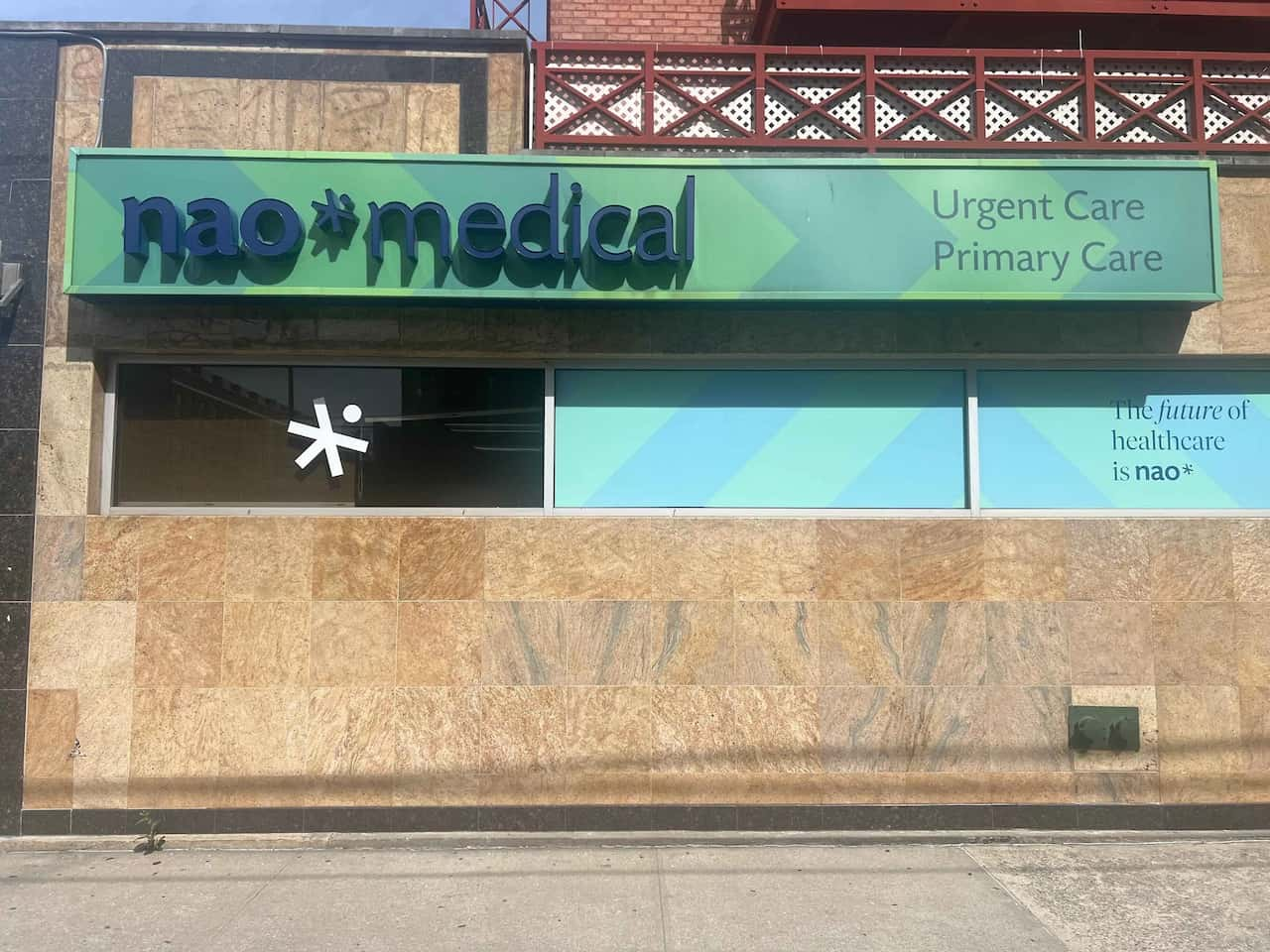
Queens
37-15 23rd Ave, Astoria, NY 11105
Book first so the Spravato team can confirm current program capacity, REMS requirements, coverage, transportation, observation, and appointment timing before you travel.
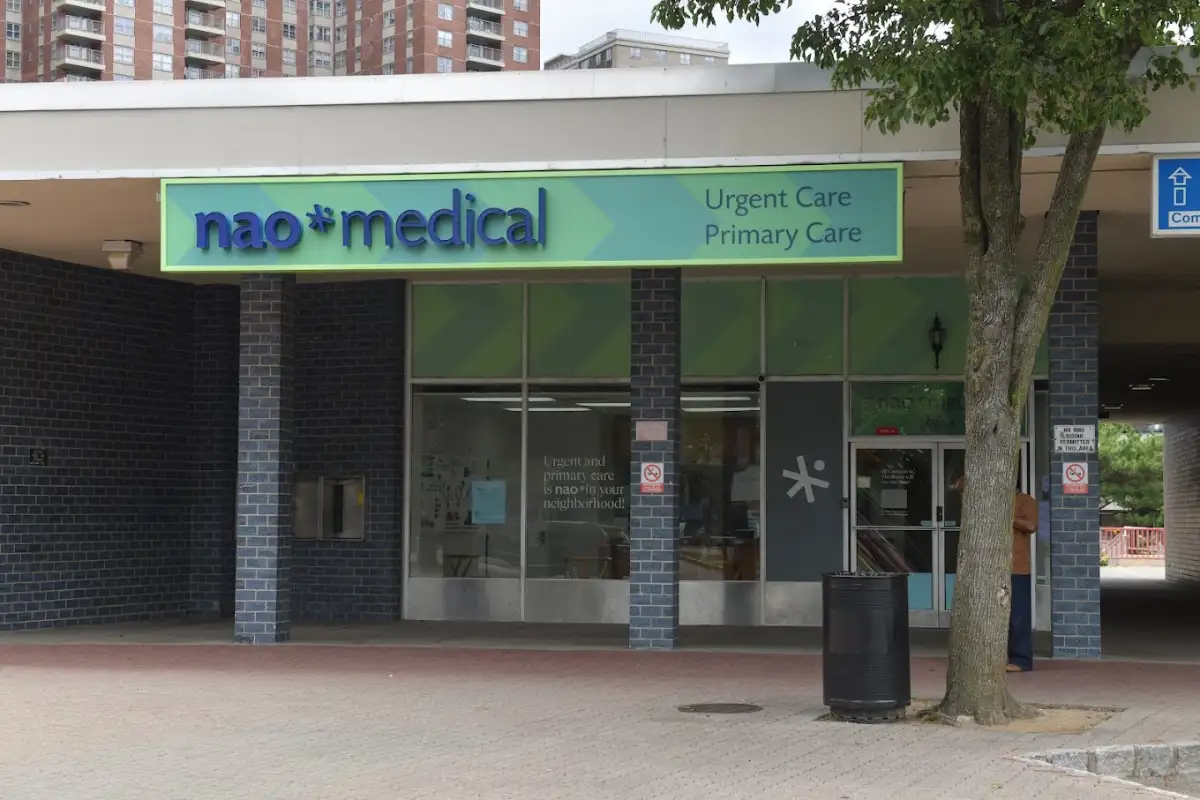
Bronx
2063A Bartow Ave, Bronx, NY 10475
Book first so the Spravato team can confirm current program capacity, REMS requirements, coverage, transportation, observation, and appointment timing before you travel.
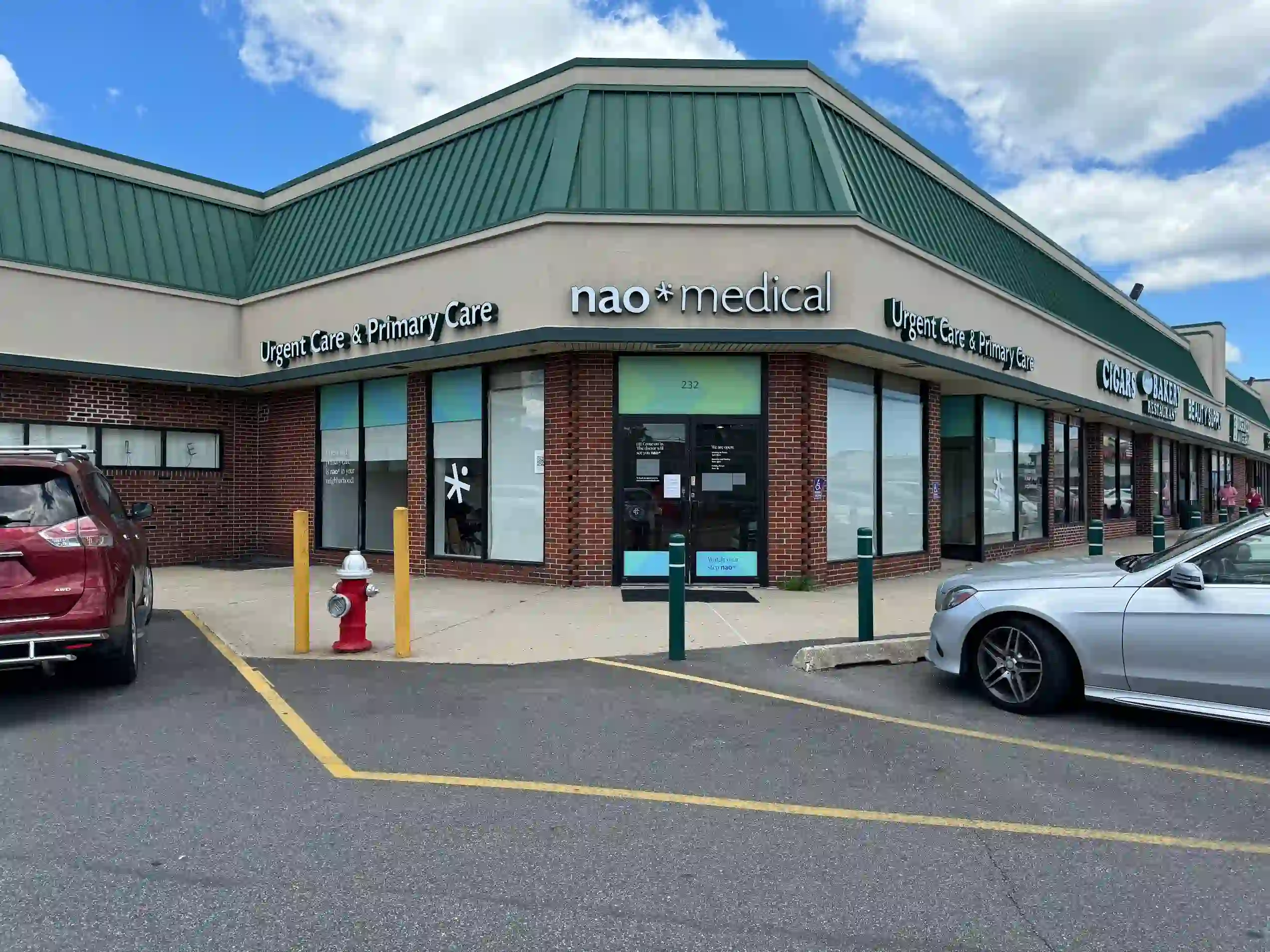
Long Island
232 W Old Country Rd, Hicksville, NY 11801
Book first so the Spravato team can confirm current program capacity, REMS requirements, coverage, transportation, observation, and appointment timing before you travel.
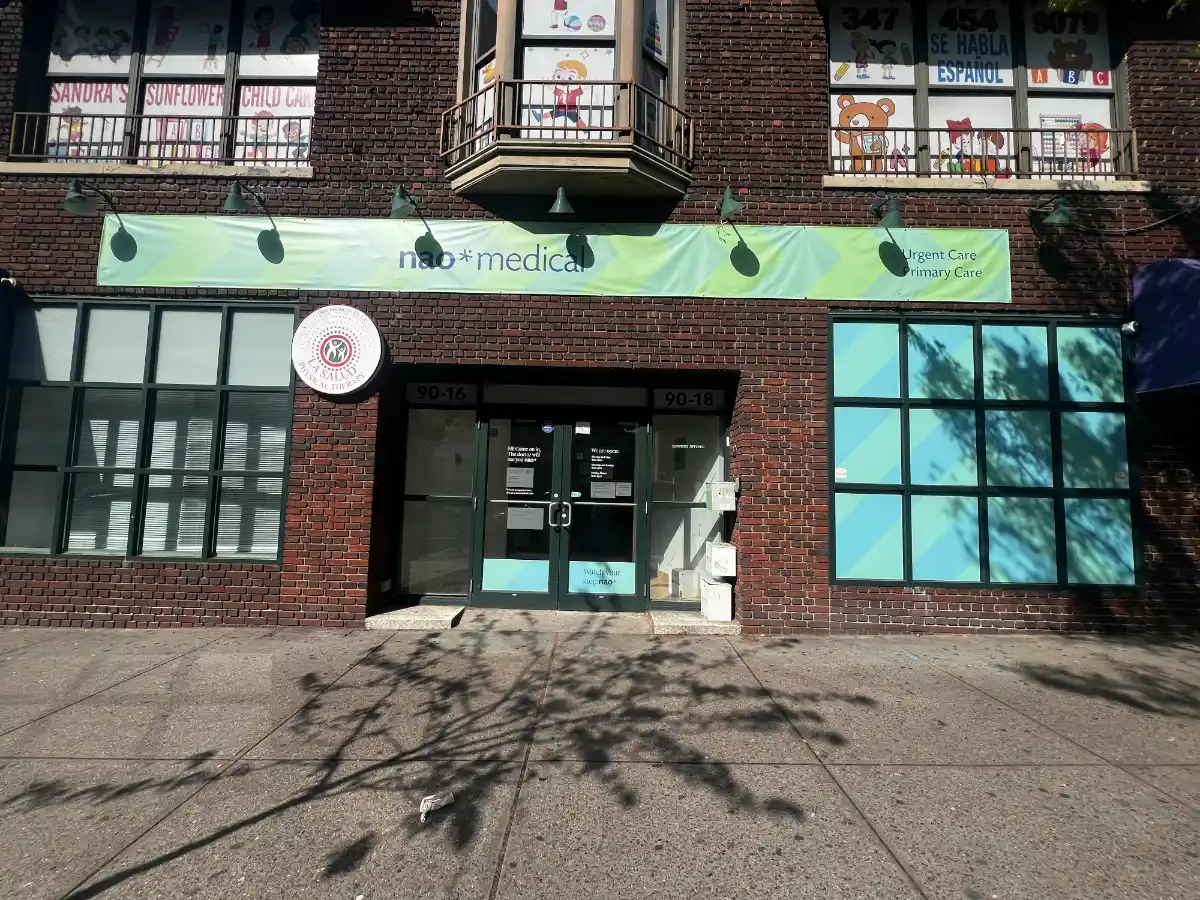
Queens
90-18 Sutphin Blvd, Jamaica, NY 11435
Book first so the Spravato team can confirm current program capacity, REMS requirements, coverage, transportation, observation, and appointment timing before you travel.
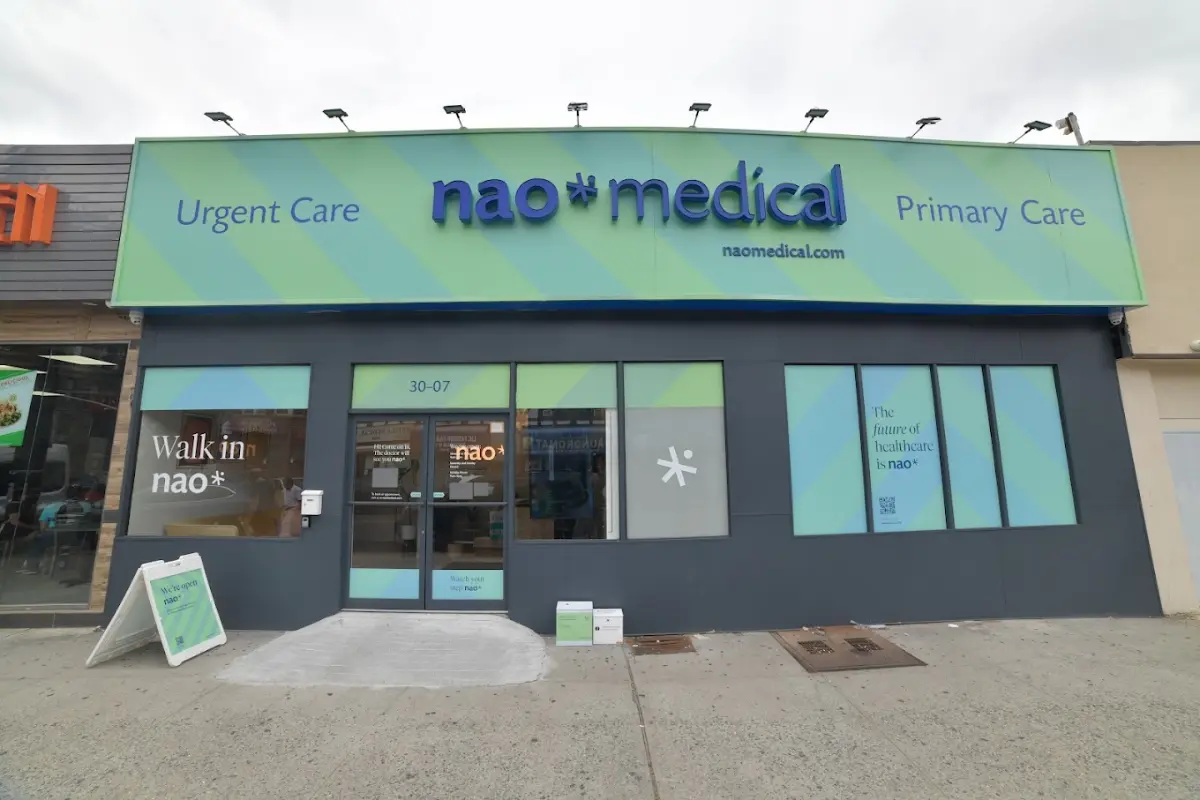
Queens
30-07 36th Ave, Astoria, NY 11106
Book first so the Spravato team can confirm current program capacity, REMS requirements, coverage, transportation, observation, and appointment timing before you travel.
Long Island
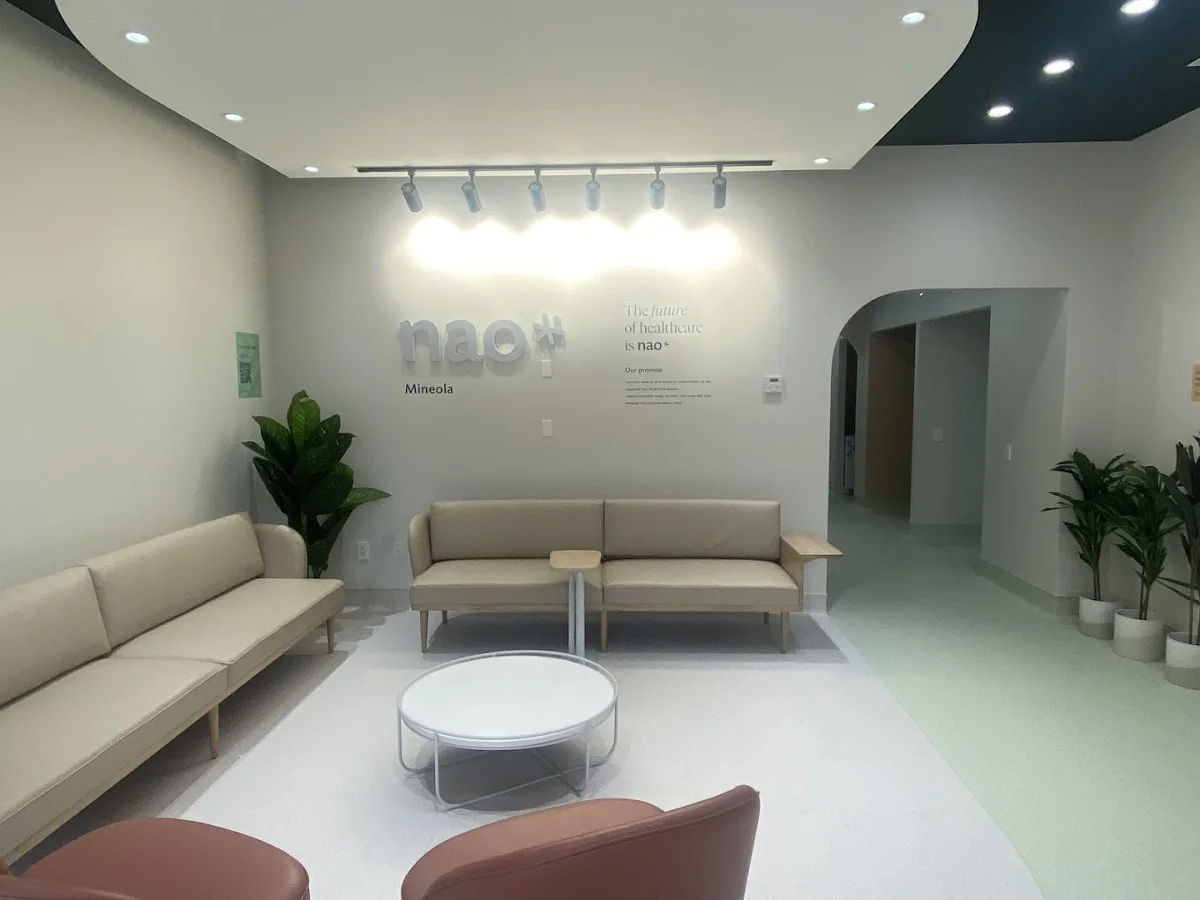
135 Mineola Blvd, Mineola, NY 11501
Book first so the Spravato team can confirm current program capacity, REMS requirements, coverage, transportation, observation, and appointment timing before you travel.
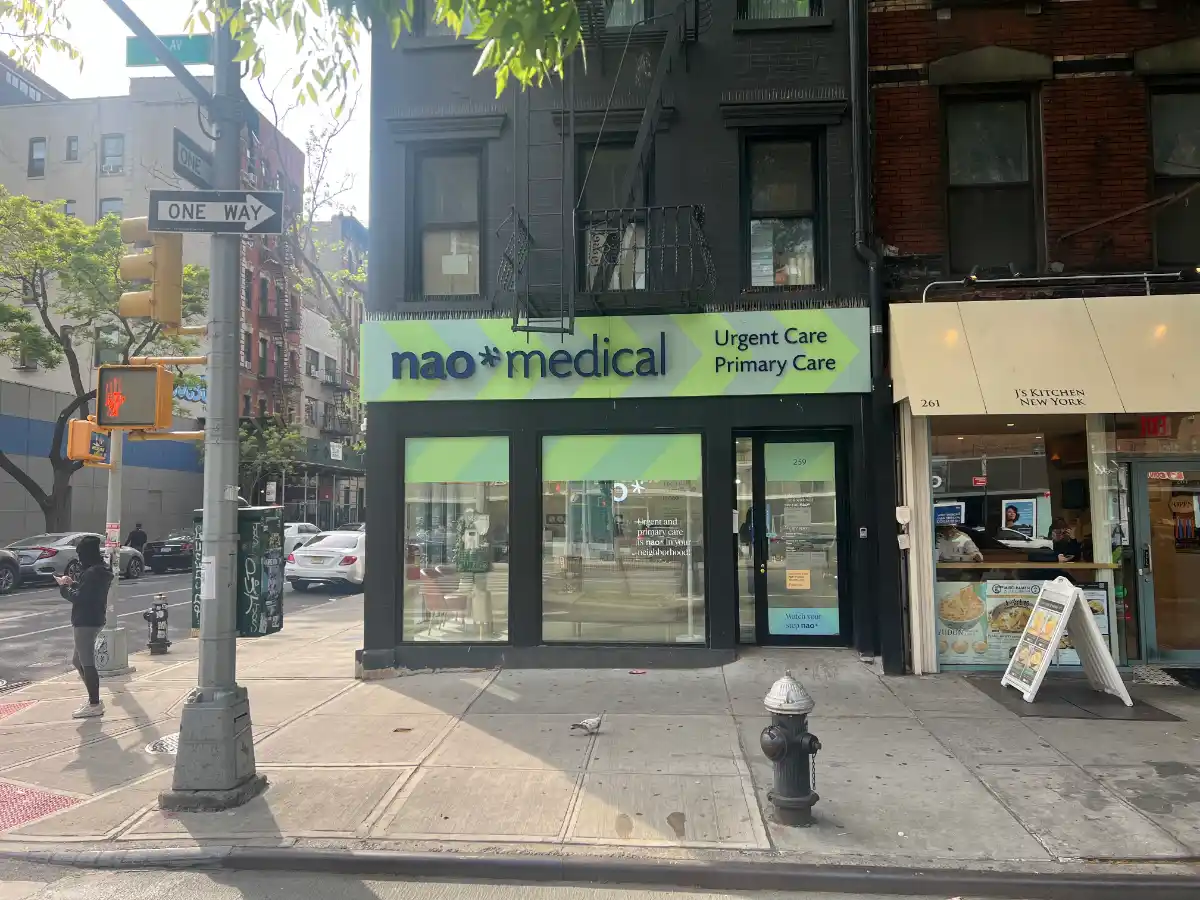
Manhattan
259 1st Ave, New York, NY 10003
Book first so the Spravato team can confirm current program capacity, REMS requirements, coverage, transportation, observation, and appointment timing before you travel.
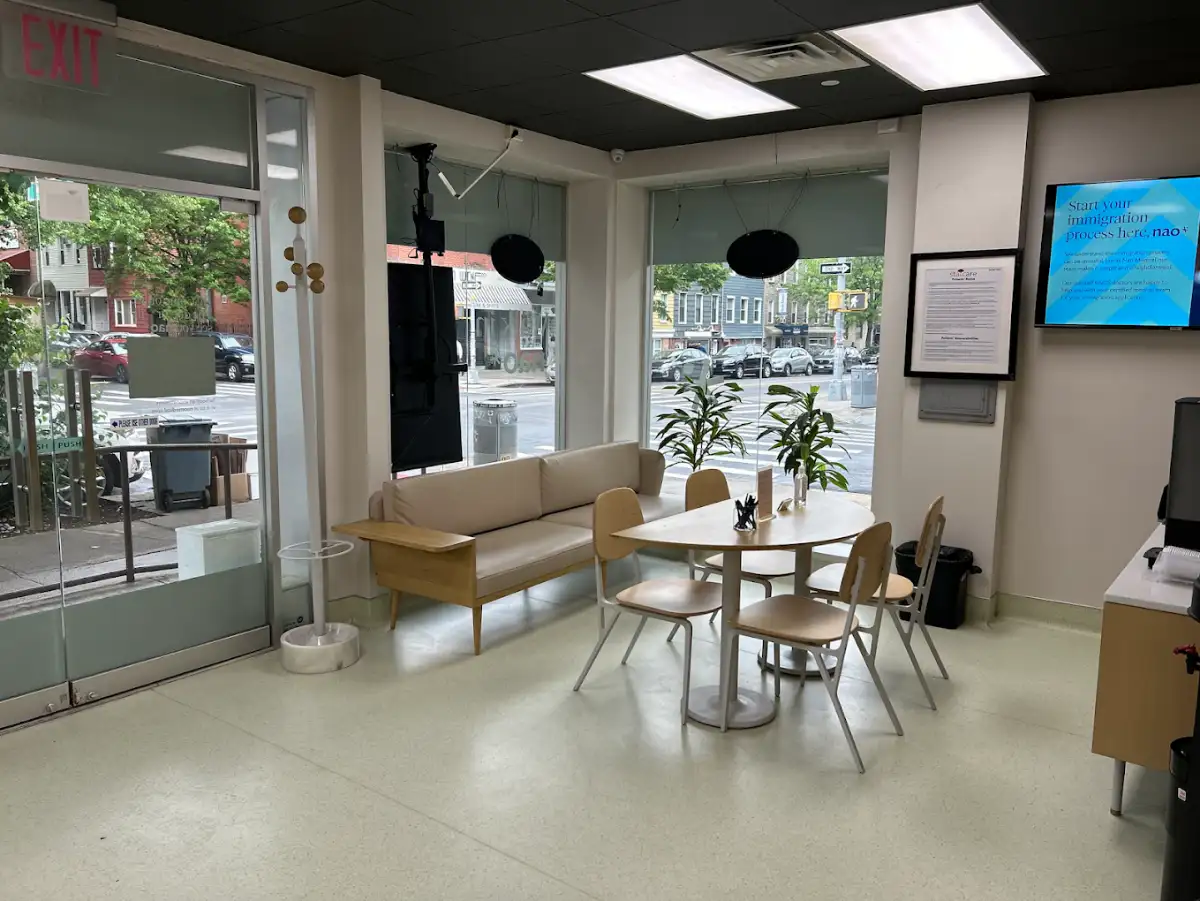
Brooklyn
308 Graham Ave, Brooklyn, NY 11211
Book first so the Spravato team can confirm current program capacity, REMS requirements, coverage, transportation, observation, and appointment timing before you travel.
Review diagnosis, adequate prior trials, bipolar screening, and the full advanced-care decision.
Prepare treatment records and safety information before a product-specific decision.
Understand benefits verification, prior authorization, and plan-specific documentation.
Plan the required ride home and next-day driving restriction.
Review supervised dosing, observation, blood pressure, and discharge planning.
Coordinate Spravato with the broader depression medication plan and follow-up.
How esketamine relates to Spravato · Treatment-resistant depression evaluation · What to expect during treatment · Plan transportation after treatment
NIH DailyMed / FDA-approved labeling
Current indications, REMS, blood pressure, respiratory monitoring, observation, and driving restriction.
Open official sourceSpravato REMS
Certified-setting, patient enrollment, supervised treatment, and REMS requirements.
Open official sourceU.S. Department of Veterans Affairs and Department of Defense
Initial assessment, treatment selection, inadequate response, and advanced care management.
Open official sourceU.S. Food and Drug Administration
How patients and clinicians can report suspected medication problems.
Open official sourceContent was updated August 1, 2026 from the sources cited on the information here. Medical guidance, prescribing information, medication availability, and insurance rules can change. A licensed clinician must confirm current information and determine each patient's eligibility, testing, treatment, administration setting, and follow-up. Call 911 for a medical emergency. Contact Nao Medical with a question or correction.