Long Island City (LIC)
30-07 36th Ave, Long Island City, NY 11106
Confirm evaluation and treatment appointments with the service.
Call the clinic: (917) 310-3371

Advanced depression care
Treatment-resistant depression describes depression that has not responded adequately to appropriate treatment trials. Definitions can differ by guideline, study and insurer.
Treatment-resistant depression is considered when depression has not improved enough after adequate treatment attempts. The next step begins by checking the diagnosis, dose, duration, adherence, bipolar symptoms, substance use, medical contributors, psychotherapy, and safety. Nao can coordinate medication changes, psychotherapy, Spravato evaluation, or specialty referral when appropriate. No advanced treatment is automatic.



A TRD review reconstructs which treatments were taken at an adequate dose and duration, whether they were taken regularly and why they ended. It also checks the diagnosis, bipolar symptoms, sleep, substances, medical contributors and safety. The next step may be optimization, switching, augmentation, psychotherapy or a specialist advanced-treatment assessment. Spravato, off-label IV ketamine, ECT and TMS are distinct options, not one interchangeable pathway. Clinical suitability and actual service availability must be established separately. No listed option is automatically the only treatment left.
Treatment-resistant depression describes depression that has not responded adequately to appropriate treatment trials. Definitions can differ by guideline, study and insurer. In many settings, the term involves inadequate response to at least two antidepressant trials at an adequate dose and duration. A careful review is more useful than a medicine count alone: it helps explain what was tried, why it did not help and which next step fits the person.
Persistent depression can have several contributors. The original diagnosis, bipolar symptoms, sleep, substance use, medical illness, side effects and difficulty taking treatment all deserve review. Nonresponse does not mean that a person has failed. Different treatment options act through medicines, psychotherapy or brain stimulation, and more than one part of the plan may be needed.
Bring names, doses and dates of previous treatments, including whether they were taken regularly, caused side effects or produced partial benefit. The assessment reviews symptoms, function and safety, as well as previous therapy and relevant medical conditions. Insurance criteria for a particular advanced treatment may ask for a different documented history from the clinical assessment.
Identify what changed during each medicine or therapy trial and why it ended. Pharmacy records, clinician notes and discharge summaries can help. A brief exposure stopped for intolerance is important history but is not automatically an adequate effectiveness trial.
The psychiatrist may consider optimizing the current treatment, switching or adding treatment, a suitable psychotherapy or referral for ECT or repetitive transcranial magnetic stimulation. Spravato and off-label ketamine are distinct options with different indications and safeguards. No listed option is automatically available at Nao.
Agree on which symptoms and daily activities matter, how progress will be measured and when the plan will be reconsidered. Include a safety plan, side-effect monitoring and a contact if depression worsens.
Bring the treatment timeline, current medicine list and goals for sleep, work, relationships or self-care. Explain any history of unusually high energy, much less need for sleep, impulsivity or psychosis. Include relevant substance use, pregnancy concerns and previous brain-stimulation or ketamine treatment. Ask which records are needed before an advanced-treatment assessment and which costs are associated with it.
Worsening depression, suicidal thoughts, mania or psychosis require prompt assessment. An immediate threat to safety needs emergency care. Do not stop antidepressants abruptly, combine leftover medicines or increase a dose to accelerate improvement. Every proposed option has its own contraindications and adverse effects. Spravato has monitored-visit and transport requirements. Ketamine psychiatric use is off-label. Brain stimulation has a separate specialist assessment.
Review changes in symptoms and daily function rather than relying only on an initial impression. Tell the team about side effects and missed treatment so the assessment reflects the real exposure. Partial improvement can lead to a different next step from no response or poor tolerability. A maintenance and relapse plan remains necessary after improvement.
Ask whether the visit is a diagnostic review, medication follow-up or assessment for a specific advanced treatment. Confirm referral requirements, records, benefit checks and the actual treatment site. Coverage of an evaluation does not establish coverage of ECT, TMS, Spravato or off-label infusions. Ask which advanced options are offered onsite and which need referral.
30-07 36th Ave, Long Island City, NY 11106
Confirm evaluation and treatment appointments with the service.
Call the clinic: (917) 310-3371135 Mineola Blvd, Mineola, NY 11501
Confirm evaluation and treatment appointments with the service.
Call the clinic: (917) 310-3371308 Graham Ave, Brooklyn, NY 11211
Confirm evaluation and treatment appointments with the service.
Call the clinic: (917) 310-3371259 1st Ave, New York, NY 10003
Confirm evaluation and treatment appointments with the service.
Call the clinic: (917) 310-33712063A Bartow Ave, Bronx, NY 10475
Confirm evaluation and treatment appointments with the service.
Call the clinic: (917) 310-3371232 W Old Country Rd, Hicksville, NY 11801
Confirm evaluation and treatment appointments with the service.
Call the clinic: (917) 310-337190-18 Sutphin Blvd, Jamaica, NY 11435
Confirm evaluation and treatment appointments with the service.
Call the clinic: (917) 310-337137-15 23rd Ave, Astoria, NY 11105
Confirm evaluation and treatment appointments with the service.
Call the clinic: (917) 310-3371341 Eastern Pkwy, Brooklyn, NY 11216
Confirm evaluation and treatment appointments with the service.
Call the clinic: (917) 310-3371These nine Nao Medical locations provide Spravato services. Confirm evaluation and treatment appointments, medication arrangements and plan requirements with your selected service.
Periods of reduced need for sleep, unusually high energy, impulsivity or mania/hypomania can change the diagnosis and medication plan. Tell the clinician about those episodes, family history and past responses to antidepressants. Bipolar treatment needs its own review. A depression score alone does not determine whether an antidepressant-only plan is appropriate. Do not stop or add medicine without that discussion.
An appropriate evaluation or follow-up may be possible by video when the clinician is authorized to treat you where you are physically located. The service must confirm age, eligibility and current prescribing requirements. A video visit does not guarantee a controlled-substance prescription. Some examinations and tests need an in-person visit. Provider-administered injections require the appropriate treatment setting. Ask intake where any ordered specimens must be collected. Tell intake your actual location and requested service.
Use emergency care for an immediate threat to safety, severe confusion, inability to care safely for yourself, or dangerous manic/psychotic symptoms. Call 911 for immediate danger. An online medication-management appointment is not an emergency service. For non-immediate worsening, contact the treating clinician promptly and describe symptoms and medication gaps.
Contact the treating team for a review of symptoms, safety, adherence, new stressors, interactions and the ongoing treatment plan. Recurrence does not by itself identify the next medicine.
Yes, clinical eligibility and insurer authorization are separate processes. Ask which documented trials and services the plan requires and what appeal process is available.
Bring the names, doses and dates of previous antidepressants, what helped, side effects, and relevant psychiatric records. Ask which records can be sent securely before the evaluation.
Treatment-resistant depression generally describes depression that has not responded adequately to at least two antidepressants tried at an adequate dose and duration. A clinician must review the diagnosis and treatment history.
Nao Medical’s confirmed Spravato service locations are Long Island City (LIC), Mineola, Long Island, Williamsburg, Brooklyn, Manhattan, NYC, Bartow, Bronx, Hicksville, Long Island, Jamaica, Queens, Astoria, Queens, Crown Heights, Brooklyn. Confirm the appointment and plan requirements with the selected service.
Treatment-resistant depression describes depression that has not responded adequately to appropriate treatment trials. Definitions can differ by guideline, study and insurer. In many settings, the term involves inadequate response to at least two antidepressant trials at an adequate dose and duration. A careful review is more useful than a medicine count alone: it helps explain what was tried, why it did not help and which next step fits the person.
Bring names, doses and dates of previous treatments, including whether they were taken regularly, caused side effects or produced partial benefit. The assessment reviews symptoms, function and safety, as well as previous therapy and relevant medical conditions. Insurance criteria for a particular advanced treatment may ask for a different documented history from the clinical assessment.
Identify what changed during each medicine or therapy trial and why it ended. Pharmacy records, clinician notes and discharge summaries can help. A brief exposure stopped for intolerance is important history but is not automatically an adequate effectiveness trial.
The psychiatrist may consider optimizing the current treatment, switching or adding treatment, a suitable psychotherapy or referral for ECT or repetitive transcranial magnetic stimulation. Spravato and off-label ketamine are distinct options with different indications and safeguards. No listed option is automatically available at Nao.
Agree on which symptoms and daily activities matter, how progress will be measured and when the plan will be reconsidered. Include a safety plan, side-effect monitoring and a contact if depression worsens.
Review changes in symptoms and daily function rather than relying only on an initial impression. Tell the team about side effects and missed treatment so the assessment reflects the real exposure. Partial improvement can lead to a different next step from no response or poor tolerability. A maintenance and relapse plan remains necessary after improvement.
Bring medicine names, doses, bottles or a pharmacy list, previous clinician notes and recent tests. Make a short list of the benefits and problems that matter most to you. Tell the clinician about pregnancy, breastfeeding, allergies, medical illness and a recent change in smoking or substance use. For video care, use a private location and confirm a backup connection and current physical address.
Explain why each medicine was started, how you take it and what has changed. Include nonprescription medicines, supplements, alcohol and other substances. Discuss any uncertainty about the diagnosis or the reason for a combination.
Describe changes in sleep, mood, concentration, voices, energy and daily activities. Report side effects even when symptoms improve. Depending on the medicine, the plan may include vital signs, weight, laboratory testing, movement checks or an ECG.
Confirm the prescribed regimen, any gradual change, test orders, refill process and next review. Ask whom to contact if a symptom worsens or the pharmacy cannot supply the medicine. A change should have a documented reason and monitoring plan.
Review medication and psychotherapy trials, dose, duration, adherence, side effects, symptom change, hospital care, and prior advanced treatments.
Evaluate current depression severity, bipolar or psychotic symptoms, substance use, medical contributors, suicide risk, supports, and level-of-care needs.
Discuss medication optimization or augmentation, psychotherapy, Spravato, TMS, ECT referral, or other care based on the individual record.
Set target symptoms, a follow-up interval, side-effect and safety monitoring, coordination responsibilities, and clear criteria for changing the plan.
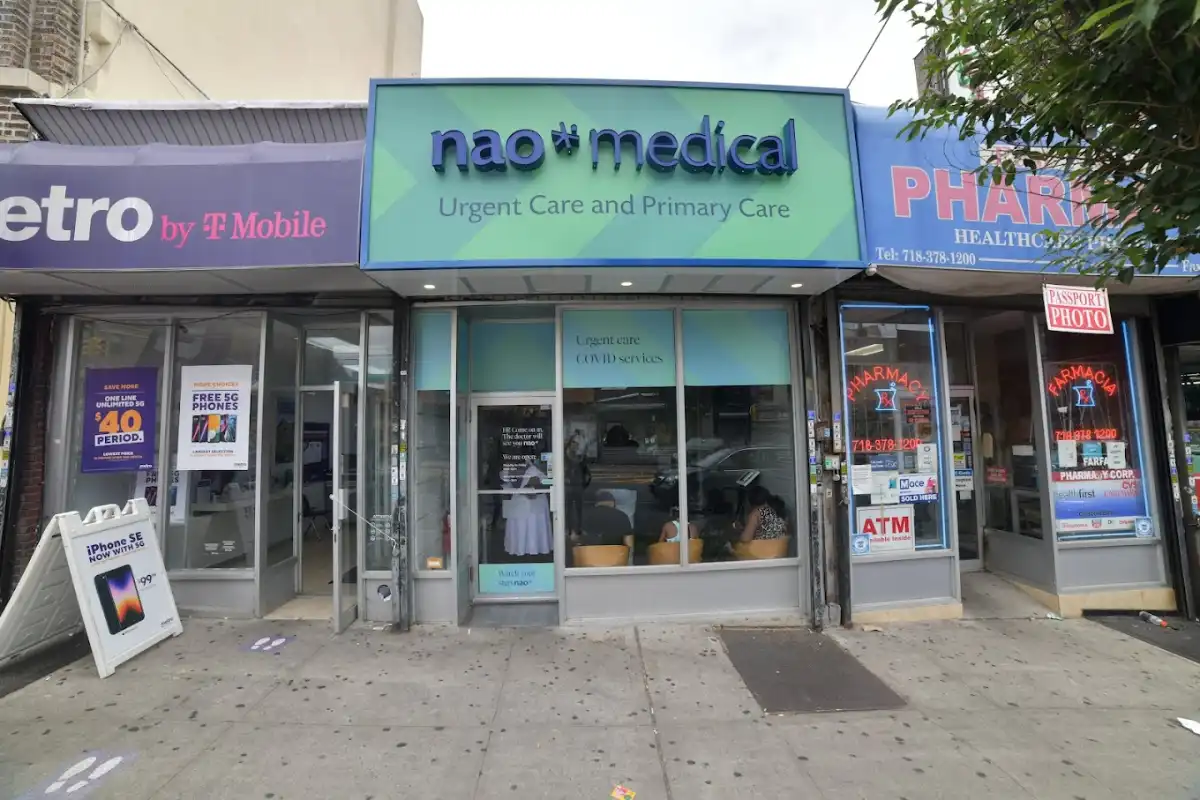
Bronx
932 E 174th St, Bronx, NY 10460
Start with the dedicated virtual psychiatry route. This nearby Nao clinic may support separately ordered physical care only when the psychiatric and clinic teams confirm the need.
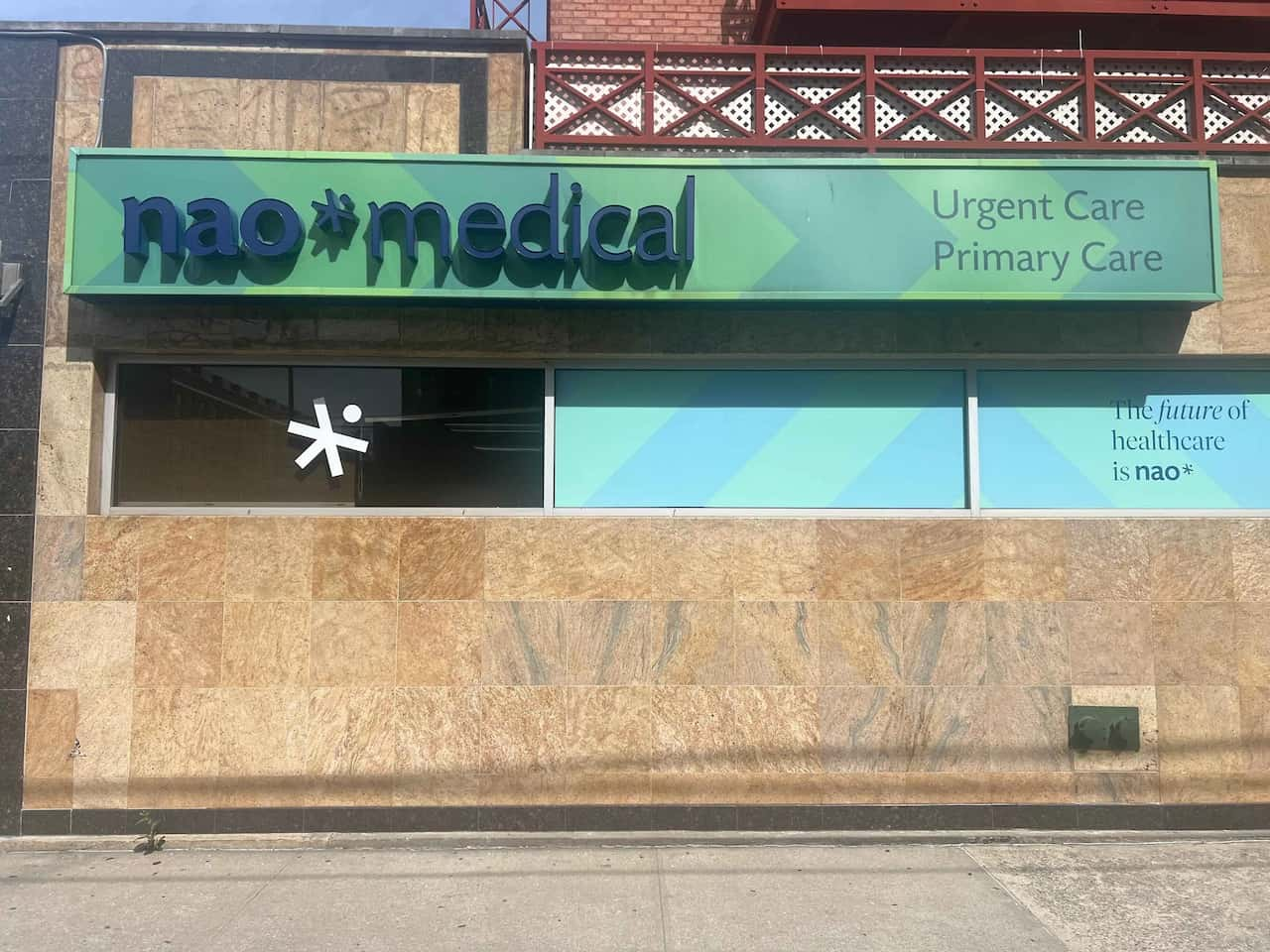
Queens
37-15 23rd Ave, Astoria, NY 11105
Start with the dedicated virtual psychiatry route. This nearby Nao clinic may support separately ordered physical care only when the psychiatric and clinic teams confirm the need.
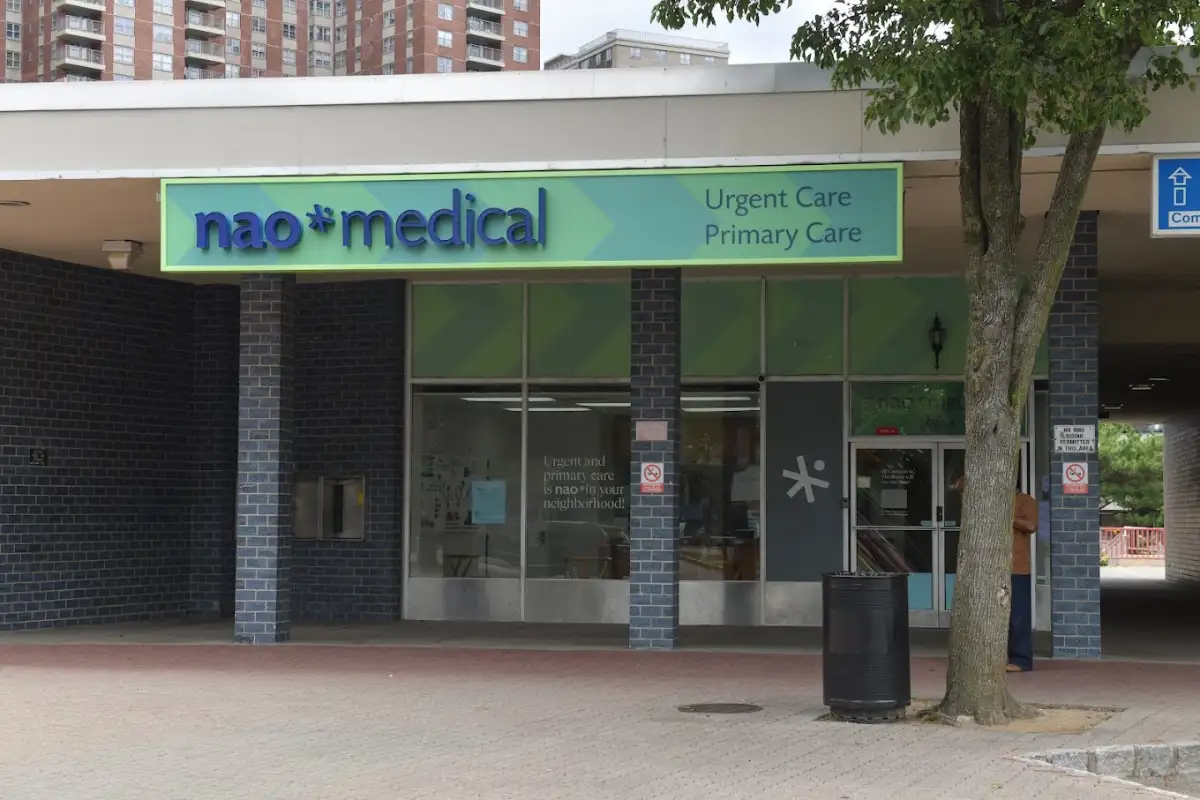
Bronx
2063A Bartow Ave, Bronx, NY 10475
Start with the dedicated virtual psychiatry route. This nearby Nao clinic may support separately ordered physical care only when the psychiatric and clinic teams confirm the need.
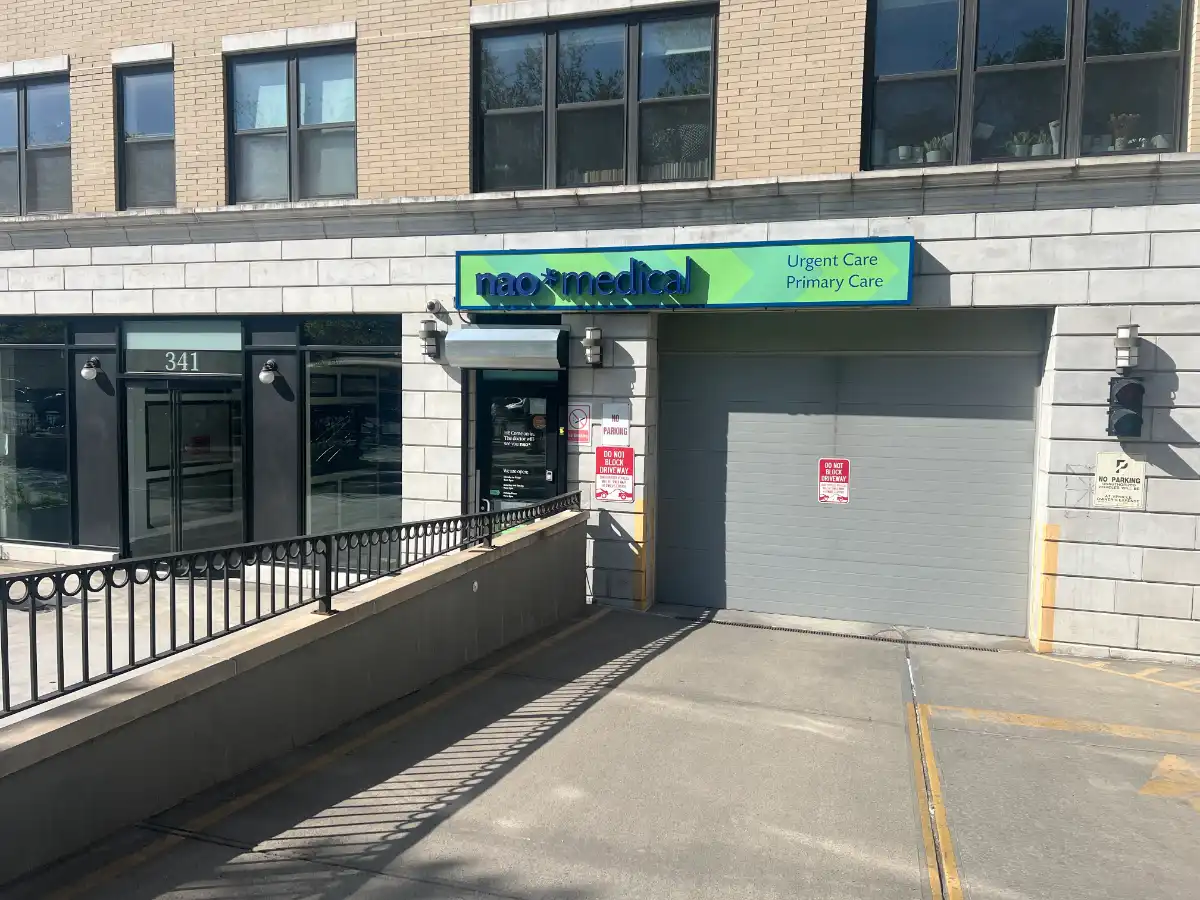
Brooklyn
341 Eastern Pkwy, Brooklyn, NY 11216
Start with the dedicated virtual psychiatry route. This nearby Nao clinic may support separately ordered physical care only when the psychiatric and clinic teams confirm the need.
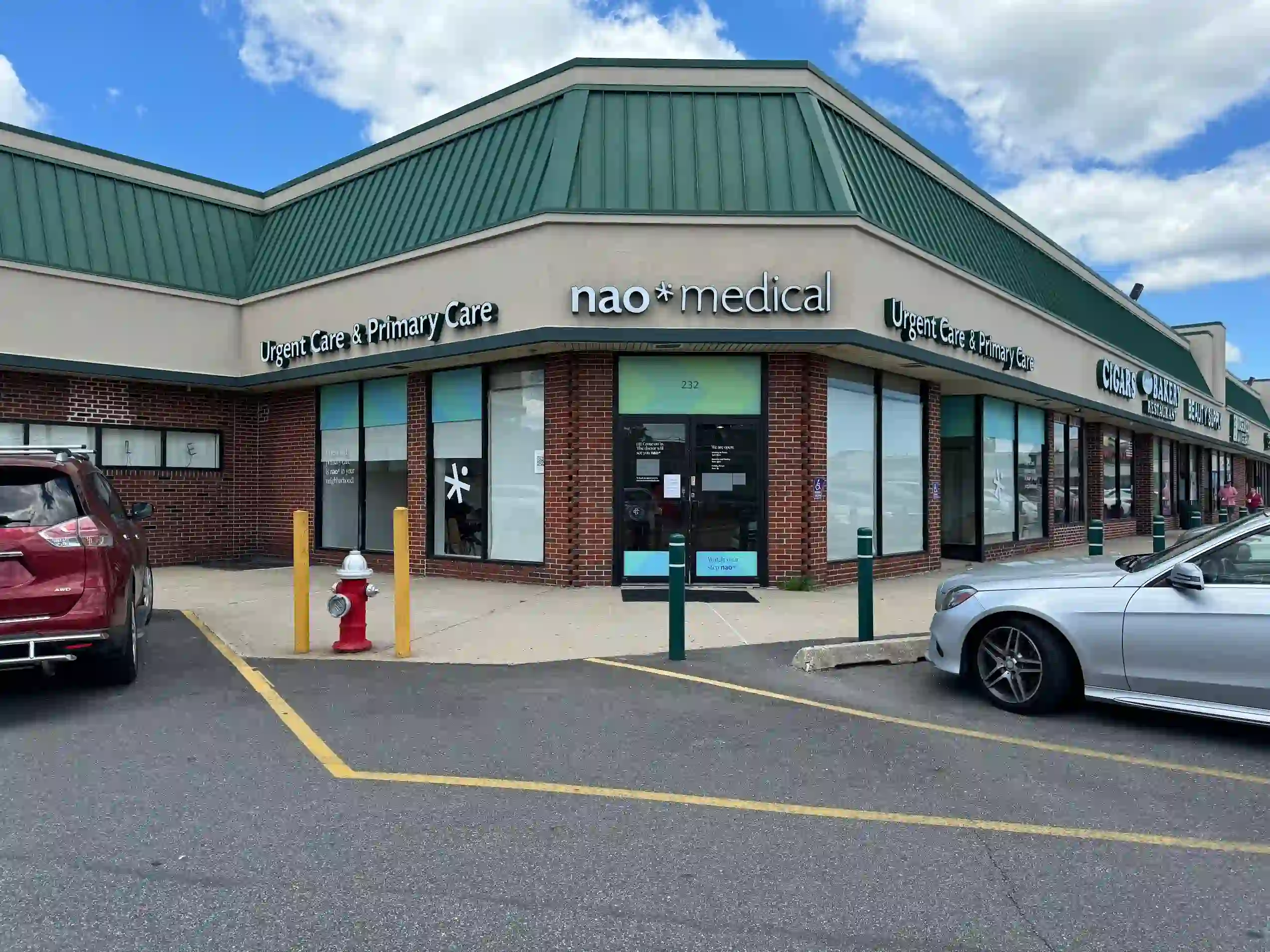
Long Island
232 W Old Country Rd, Hicksville, NY 11801
Start with the dedicated virtual psychiatry route. This nearby Nao clinic may support separately ordered physical care only when the psychiatric and clinic teams confirm the need.
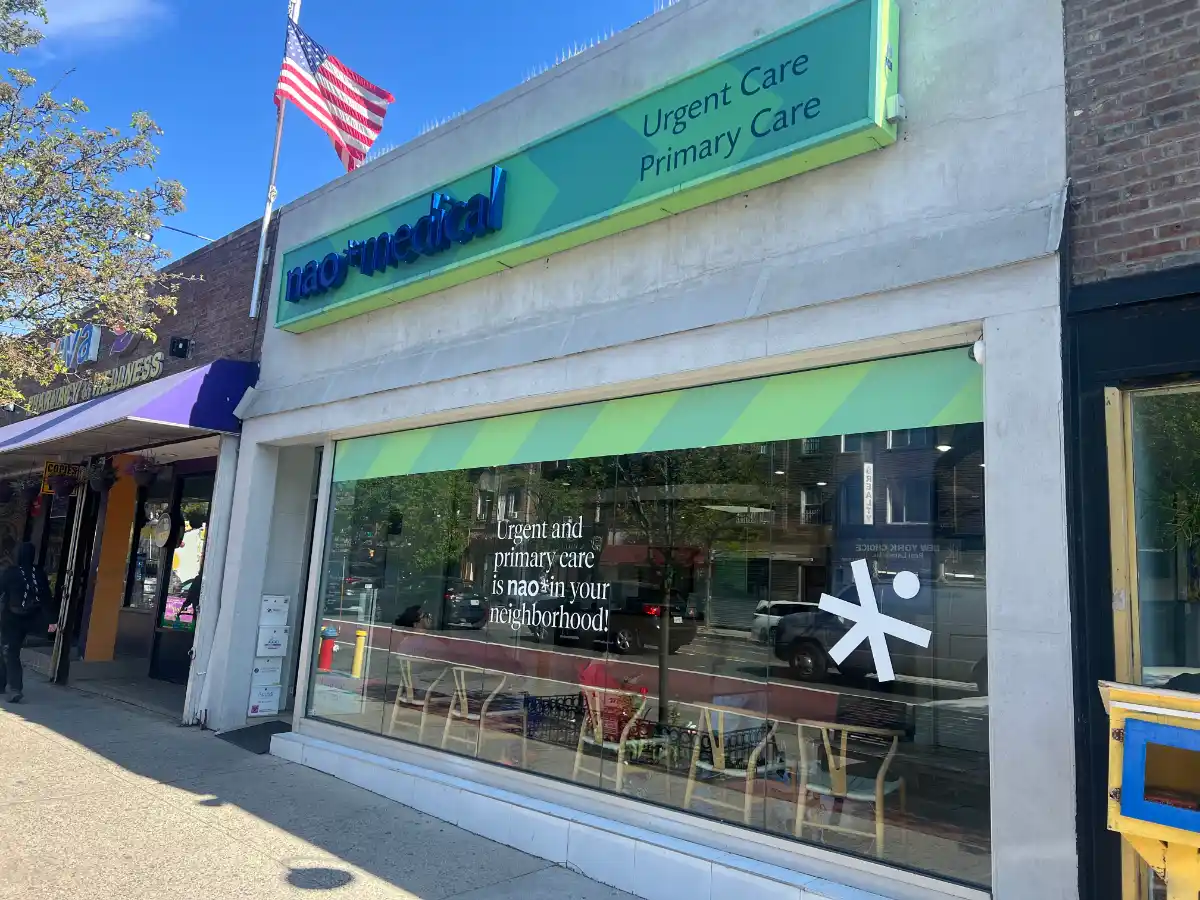
Queens
80-10 Northern Blvd, Jackson Heights, NY 11372
Start with the dedicated virtual psychiatry route. This nearby Nao clinic may support separately ordered physical care only when the psychiatric and clinic teams confirm the need.
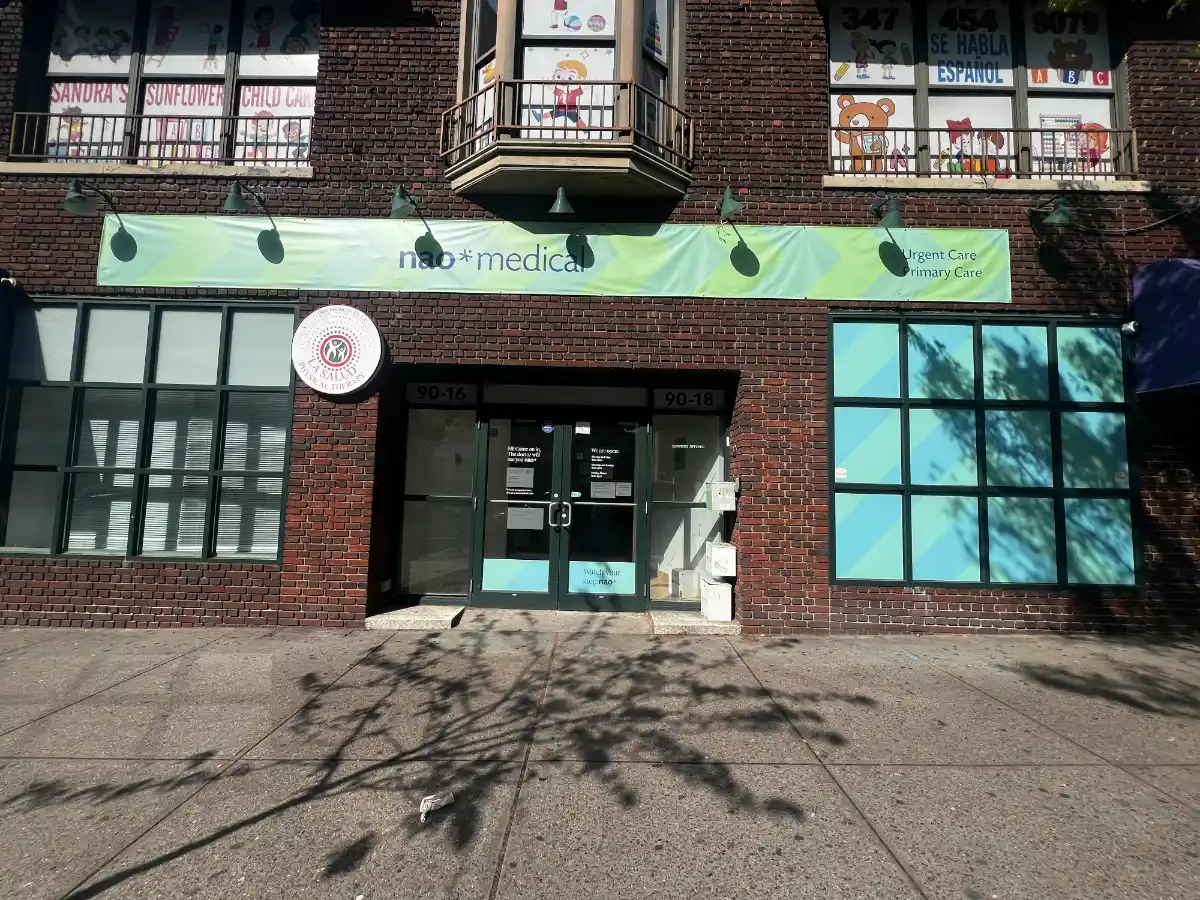
Queens
90-18 Sutphin Blvd, Jamaica, NY 11435
Start with the dedicated virtual psychiatry route. This nearby Nao clinic may support separately ordered physical care only when the psychiatric and clinic teams confirm the need.
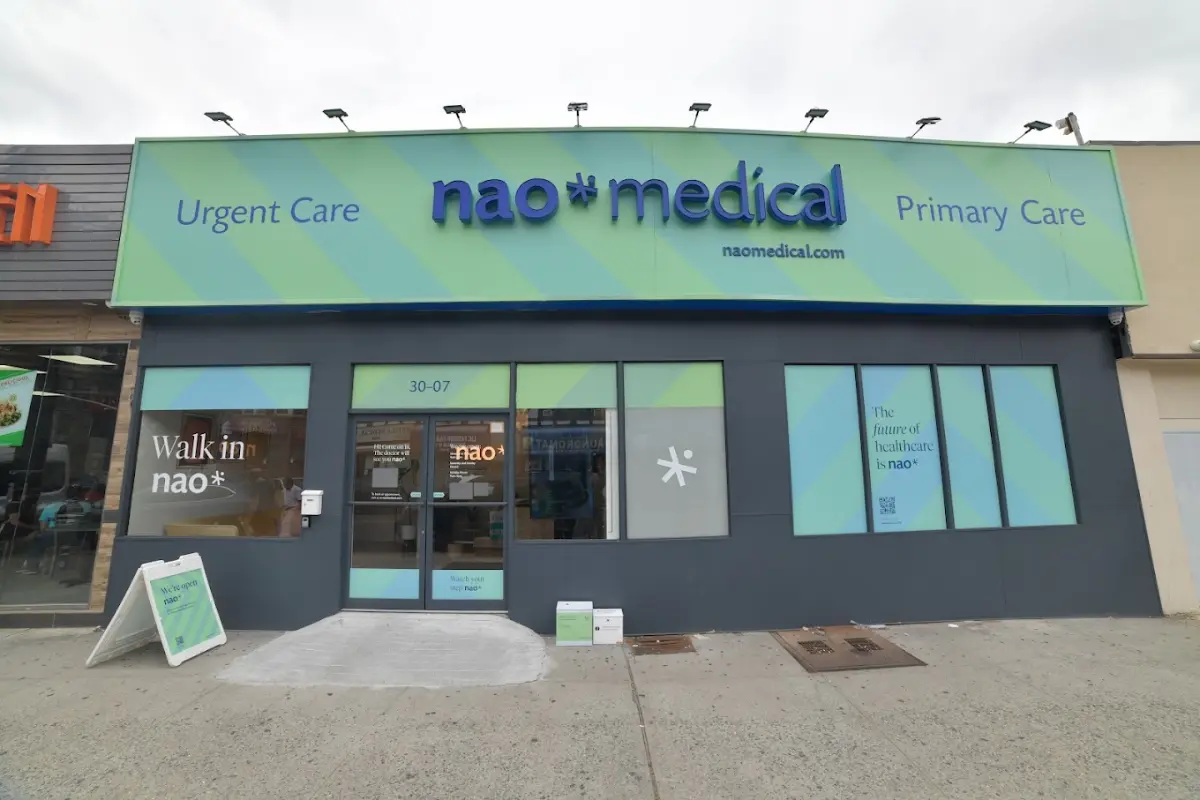
Queens
30-07 36th Ave, Astoria, NY 11106
Start with the dedicated virtual psychiatry route. This nearby Nao clinic may support separately ordered physical care only when the psychiatric and clinic teams confirm the need.
Long Island
135 Mineola Blvd, Mineola, NY 11501
Start with the dedicated virtual psychiatry route. This nearby Nao clinic may support separately ordered physical care only when the psychiatric and clinic teams confirm the need.
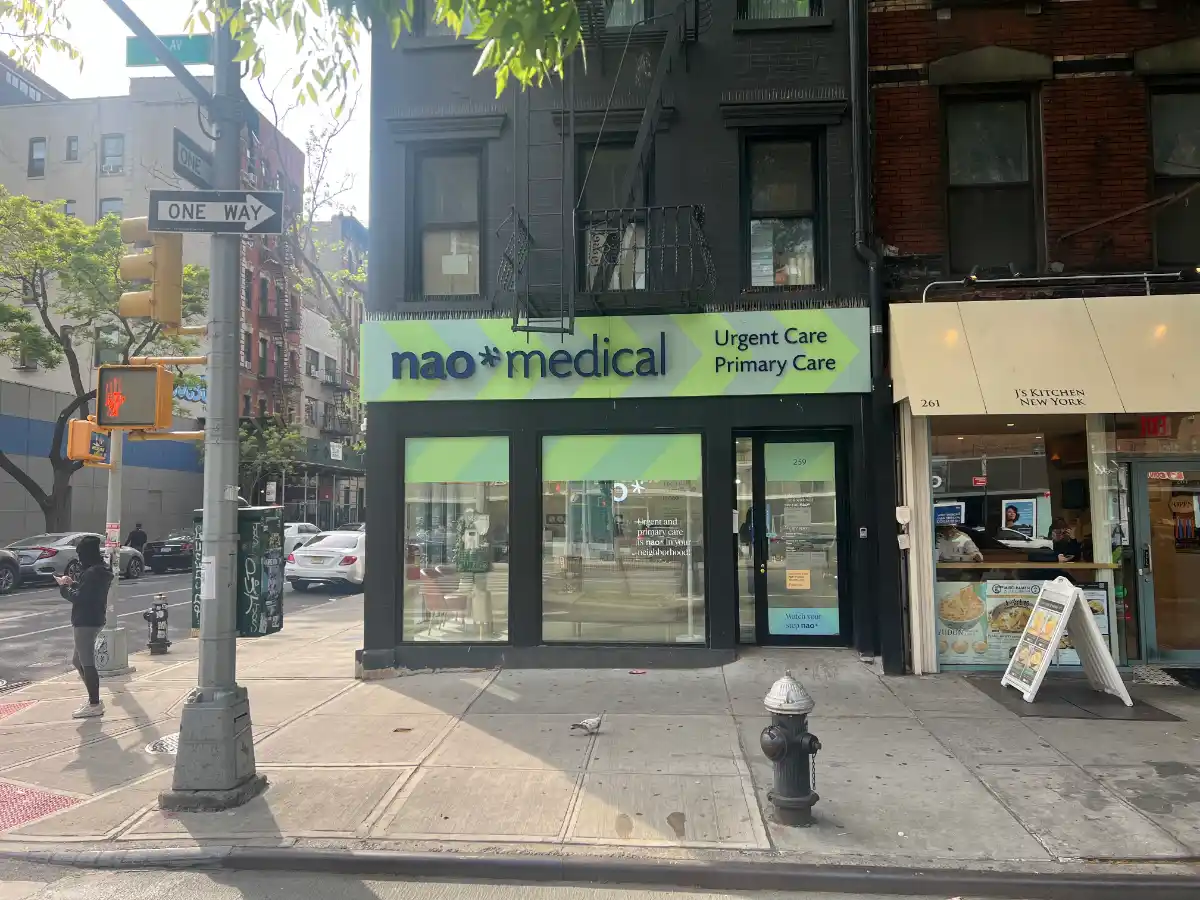
Manhattan
259 1st Ave, New York, NY 10003
Start with the dedicated virtual psychiatry route. This nearby Nao clinic may support separately ordered physical care only when the psychiatric and clinic teams confirm the need.
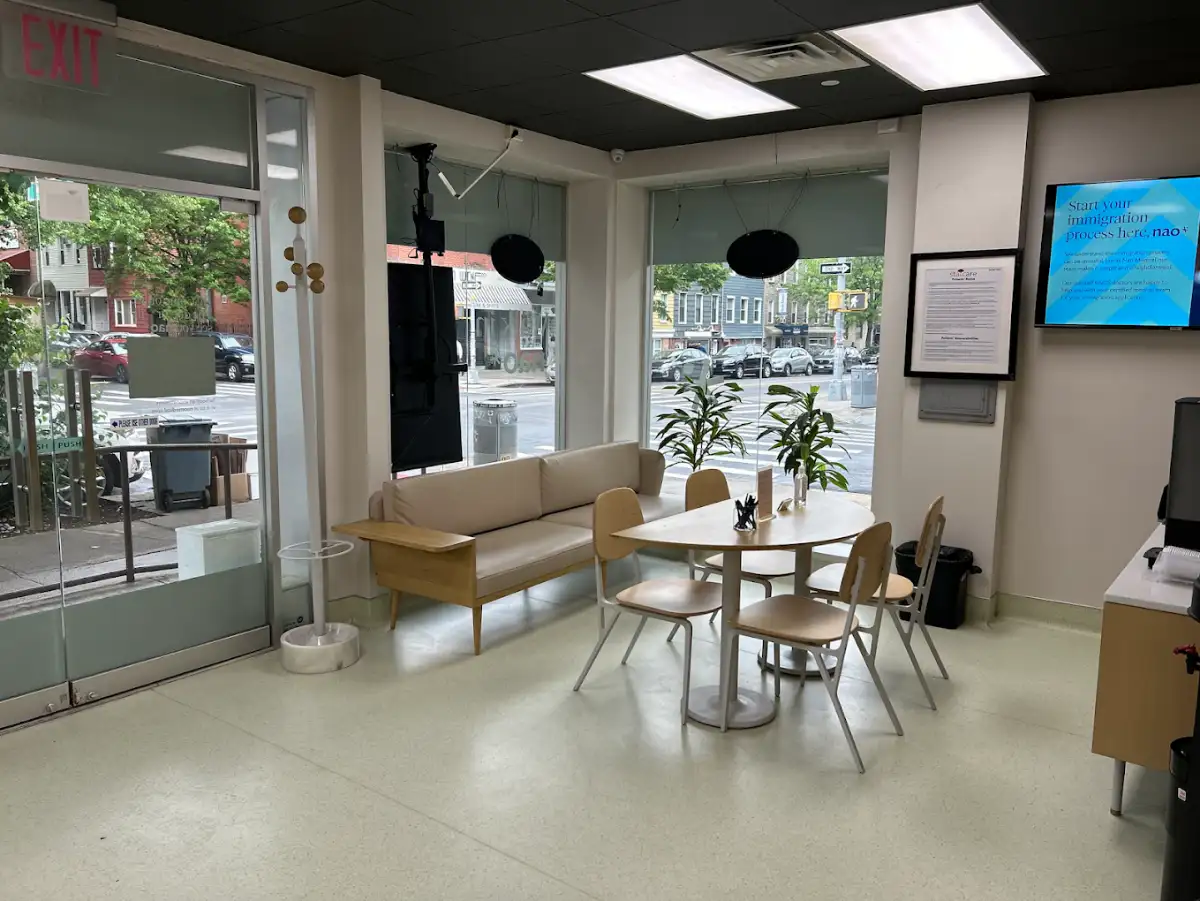
Brooklyn
308 Graham Ave, Brooklyn, NY 11211
Start with the dedicated virtual psychiatry route. This nearby Nao clinic may support separately ordered physical care only when the psychiatric and clinic teams confirm the need.
Review current indications, REMS requirements, observation, insurance, and transportation.
Review diagnosis, prior medicines, augmentation, side effects, and follow-up.
Review virtual care for depression before it meets a treatment-resistant pattern.
Book a general psychiatric evaluation when the diagnosis or treatment question remains broad.
Psychotherapy may remain part of the plan. Explore virtual therapy and CBT alongside the separate Spravato evaluation and safety requirements.
U.S. Department of Veterans Affairs and Department of Defense
Initial assessment, treatment selection, inadequate response, and advanced care management.
Open official sourceAmerican Psychiatric Association
Psychiatric, treatment, substance-use, medical, safety, and shared-decision assessment.
Open official sourceNIH DailyMed / FDA-approved labeling
Current indications, REMS, blood pressure, respiratory monitoring, observation, and driving restriction.
Open official sourceContent was updated August 1, 2026 from the sources cited on the information here. Medical guidance, prescribing information, medication availability, and insurance rules can change. A licensed clinician must confirm current information and determine each patient's eligibility, testing, treatment, administration setting, and follow-up. Call 911 for a medical emergency. Contact Nao Medical with a question or correction.