1. Complete psychiatric evaluation
Discuss the main concern, symptoms, safety, functioning, treatment history, medical health, substance use, supports, and goals.


Virtual psychiatry
Psychiatric medication management is more than issuing a prescription. The first evaluation reviews symptoms, diagnosis, prior treatments, medical conditions, all medicines and substances, safety, pregnancy considerations, and personal goals. A specific medication, refill, stimulant, benzodiazepine, or other controlled substance is never guaranteed.



A medication review checks the diagnosis, symptoms, daily function, medicine benefit, adverse effects, interactions and necessary monitoring. The clinician may continue the current regimen, change it or arrange another assessment. It is not an automatic refill appointment. Bring all medicines and explain what each was intended to help. Some regimens need laboratory tests, weight or blood-pressure measurements, movement assessment or an ECG. Psychotherapy and practical support can remain part of the plan alongside medicines.
Psychiatric medication management is a continuing review of mental-health symptoms, the diagnosis, treatment goals and the medicines used to help. It includes checking benefit, side effects, daily function, interactions and necessary physical-health monitoring. A follow-up visit can lead to continuing the current plan, changing it or arranging another assessment. It is not simply a prescription-renewal appointment.
Different medicines work in different ways. Antidepressants, antipsychotics, mood stabilizers and ADHD medicines have distinct purposes and risks. The clinician explains the reason for each medicine and what improvement would look like. Medicines may be combined with psychotherapy and practical support. A single medicine response does not independently prove a diagnosis.
Adults seeking an assessment, a review of existing treatment or continuity after a change in clinician may benefit from medication review. The team needs previous treatment and prescribing records, particularly for controlled medicines, clozapine and long-acting injections. Urgent instability or medical problems may require in-person or emergency assessment instead of routine outpatient follow-up.
Explain why each medicine was started, how you take it and what has changed. Include nonprescription medicines, supplements, alcohol and other substances. Discuss any uncertainty about the diagnosis or the reason for a combination.
Describe changes in sleep, mood, concentration, voices, energy and daily activities. Report side effects even when symptoms improve. Depending on the medicine, the plan may include vital signs, weight, laboratory testing, movement checks or an ECG.
Confirm the prescribed regimen, any gradual change, test orders, refill process and next review. Ask whom to contact if a symptom worsens or the pharmacy cannot supply the medicine. A change should have a documented reason and monitoring plan.
Bring medicine names, doses, bottles or a pharmacy list, previous clinician notes and recent tests. Make a short list of the benefits and problems that matter most to you. Tell the clinician about pregnancy, breastfeeding, allergies, medical illness and a recent change in smoking or substance use. For video care, use a private location and confirm a backup connection and current physical address.
Do not stop, restart or alter psychiatric medicines without a clinician plan. Some require gradual reduction. Others require a lower restart dose after an interruption. Seek advice before combining sedating medicines or using alcohol. Report severe restlessness, new involuntary movements, unusual high energy with reduced sleep, marked worsening depression or a concerning physical symptom. Immediate safety threats, severe confusion, dangerous agitation, suicide attempts or other medical emergencies need emergency care. Call 911 or go to the nearest emergency department. Routine appointments and online booking are not emergency services.
The interval depends on the condition, medicine, stability and recent changes. A new start or dose change may require earlier review than stable maintenance. Tell the team about missed doses, refill difficulties and side effects before a planned appointment. Keep laboratory and physical-health monitoring even when a video visit is convenient. Ask how records will be shared with a therapist, primary-care clinician or injection site when appropriate.
Confirm the actual appointment type, clinician availability, patient age range and whether the visit is in person or by video. Ask about the assessment fee, follow-up visits, medication benefits and laboratory costs separately. Confirm in-network coverage for the exact clinician and service. Benefit verification does not guarantee payment of a claim. Request the proposed costs and any authorization requirements for your situation. Confirm whether a proposed service includes a diagnostic assessment, follow-up prescribing or injection administration. These are different appointments.
Psychiatric medication management is a continuing review of mental-health symptoms, the diagnosis, treatment goals and the medicines used to help. It includes checking benefit, side effects, daily function, interactions and necessary physical-health monitoring. A follow-up visit can lead to continuing the current plan, changing it or arranging another assessment. It is not simply a prescription-renewal appointment.
Adults seeking an assessment, a review of existing treatment or continuity after a change in clinician may benefit from medication review. The team needs previous treatment and prescribing records, particularly for controlled medicines, clozapine and long-acting injections. Urgent instability or medical problems may require in-person or emergency assessment instead of routine outpatient follow-up.
Explain why each medicine was started, how you take it and what has changed. Include nonprescription medicines, supplements, alcohol and other substances. Discuss any uncertainty about the diagnosis or the reason for a combination.
Describe changes in sleep, mood, concentration, voices, energy and daily activities. Report side effects even when symptoms improve. Depending on the medicine, the plan may include vital signs, weight, laboratory testing, movement checks or an ECG.
Confirm the prescribed regimen, any gradual change, test orders, refill process and next review. Ask whom to contact if a symptom worsens or the pharmacy cannot supply the medicine. A change should have a documented reason and monitoring plan.
The interval depends on the condition, medicine, stability and recent changes. A new start or dose change may require earlier review than stable maintenance. Tell the team about missed doses, refill difficulties and side effects before a planned appointment. Keep laboratory and physical-health monitoring even when a video visit is convenient. Ask how records will be shared with a therapist, primary-care clinician or injection site when appropriate.
No. The clinician must assess the diagnosis, current medicines, symptoms, risks, records and prescribing requirements before deciding on treatment. Paying for or booking an evaluation does not guarantee a stimulant, benzodiazepine, Spravato or any specific prescription. If an existing medicine may run out, tell the current prescriber and intake promptly rather than abruptly stopping it.
Psychiatric medication management is a continuing review of mental-health symptoms, the diagnosis, treatment goals and the medicines used to help. It includes checking benefit, side effects, daily function, interactions and necessary physical-health monitoring. A follow-up visit can lead to continuing the current plan, changing it or arranging another assessment. It is not simply a prescription-renewal appointment.
Adults seeking an assessment, a review of existing treatment or continuity after a change in clinician may benefit from medication review. The team needs previous treatment and prescribing records, particularly for controlled medicines, clozapine and long-acting injections. Urgent instability or medical problems may require in-person or emergency assessment instead of routine outpatient follow-up.
Explain why each medicine was started, how you take it and what has changed. Include nonprescription medicines, supplements, alcohol and other substances. Discuss any uncertainty about the diagnosis or the reason for a combination.
Describe changes in sleep, mood, concentration, voices, energy and daily activities. Report side effects even when symptoms improve. Depending on the medicine, the plan may include vital signs, weight, laboratory testing, movement checks or an ECG.
Confirm the prescribed regimen, any gradual change, test orders, refill process and next review. Ask whom to contact if a symptom worsens or the pharmacy cannot supply the medicine. A change should have a documented reason and monitoring plan.
An appropriate evaluation or follow-up may be possible by video when the clinician is authorized to treat you where you are physically located. The service must confirm age, eligibility and current prescribing requirements. A video visit does not guarantee a controlled-substance prescription. Some examinations and tests need an in-person visit. Provider-administered injections require the appropriate treatment setting. Ask intake where any ordered specimens must be collected. Tell intake your actual location and requested service.
You can discuss a preferred medicine or a previous prescription with the clinician, but it does not guarantee that medicine will be prescribed. Confirm whether the requested Nao service has a clinician who evaluates that treatment. The clinician reviews diagnosis, symptoms, risks, records and current prescribing requirements before deciding. Explain a possible medication gap promptly rather than stopping an existing medicine abruptly.
Psychiatric medication management is a continuing review of mental-health symptoms, the diagnosis, treatment goals and the medicines used to help. It includes checking benefit, side effects, daily function, interactions and necessary physical-health monitoring. A follow-up visit can lead to continuing the current plan, changing it or arranging another assessment. It is not simply a prescription-renewal appointment.
Adults seeking an assessment, a review of existing treatment or continuity after a change in clinician may benefit from medication review. The team needs previous treatment and prescribing records, particularly for controlled medicines, clozapine and long-acting injections. Urgent instability or medical problems may require in-person or emergency assessment instead of routine outpatient follow-up.
Explain why each medicine was started, how you take it and what has changed. Include nonprescription medicines, supplements, alcohol and other substances. Discuss any uncertainty about the diagnosis or the reason for a combination.
Describe changes in sleep, mood, concentration, voices, energy and daily activities. Report side effects even when symptoms improve. Depending on the medicine, the plan may include vital signs, weight, laboratory testing, movement checks or an ECG.
Confirm the prescribed regimen, any gradual change, test orders, refill process and next review. Ask whom to contact if a symptom worsens or the pharmacy cannot supply the medicine. A change should have a documented reason and monitoring plan.
Do not stop, restart or alter psychiatric medicines without a clinician plan. Some require gradual reduction. Others require a lower restart dose after an interruption. Seek advice before combining sedating medicines or using alcohol. Report severe restlessness, new involuntary movements, unusual high energy with reduced sleep, marked worsening depression or a concerning physical symptom. Immediate safety threats, severe confusion, dangerous agitation, suicide attempts or other medical emergencies need emergency care. Call 911 or go to the nearest emergency department. Routine appointments and online booking are not emergency services.
Bring medicine names, doses, bottles or a pharmacy list, previous clinician notes and recent tests. Make a short list of the benefits and problems that matter most to you. Tell the clinician about pregnancy, breastfeeding, allergies, medical illness and a recent change in smoking or substance use. For video care, use a private location and confirm a backup connection and current physical address.
Explain why each medicine was started, how you take it and what has changed. Include nonprescription medicines, supplements, alcohol and other substances. Discuss any uncertainty about the diagnosis or the reason for a combination.
Describe changes in sleep, mood, concentration, voices, energy and daily activities. Report side effects even when symptoms improve. Depending on the medicine, the plan may include vital signs, weight, laboratory testing, movement checks or an ECG.
Confirm the prescribed regimen, any gradual change, test orders, refill process and next review. Ask whom to contact if a symptom worsens or the pharmacy cannot supply the medicine. A change should have a documented reason and monitoring plan.
Contact the treating team to review symptoms, safety, adherence, interactions and the continuing plan. Recurrence does not automatically identify a particular replacement or dose.
Yes. FDA removed the clozapine REMS program, but still recommends absolute neutrophil count (ANC) monitoring according to the prescribing information. The change removed enrollment and reporting requirements; it did not remove the risk of severe neutropenia. Confirm which prescriber orders the tests, receives results and manages the prescription. A general medication-review appointment does not establish clozapine prescribing or on-site blood testing; confirm those arrangements separately.
Discuss the main concern, symptoms, safety, functioning, treatment history, medical health, substance use, supports, and goals.
Compare reasonable medication and nonmedication options, expected benefits, important risks, alternatives, and what would change the decision.
Identify measures of response, side effects, laboratory tests, blood pressure or weight checks, pregnancy needs, and refill or controlled-substance rules.
Follow-up reviews response, adherence, adverse effects, functioning, new medicines or diagnoses, safety, and whether to continue, change, or refer.

Bronx
932 E 174th St, Bronx, NY 10460
Start with the dedicated virtual psychiatry route. This nearby Nao clinic may support separately ordered physical care only when the psychiatric and clinic teams confirm the need.

Queens
37-15 23rd Ave, Astoria, NY 11105
Start with the dedicated virtual psychiatry route. This nearby Nao clinic may support separately ordered physical care only when the psychiatric and clinic teams confirm the need.

Bronx
2063A Bartow Ave, Bronx, NY 10475
Start with the dedicated virtual psychiatry route. This nearby Nao clinic may support separately ordered physical care only when the psychiatric and clinic teams confirm the need.
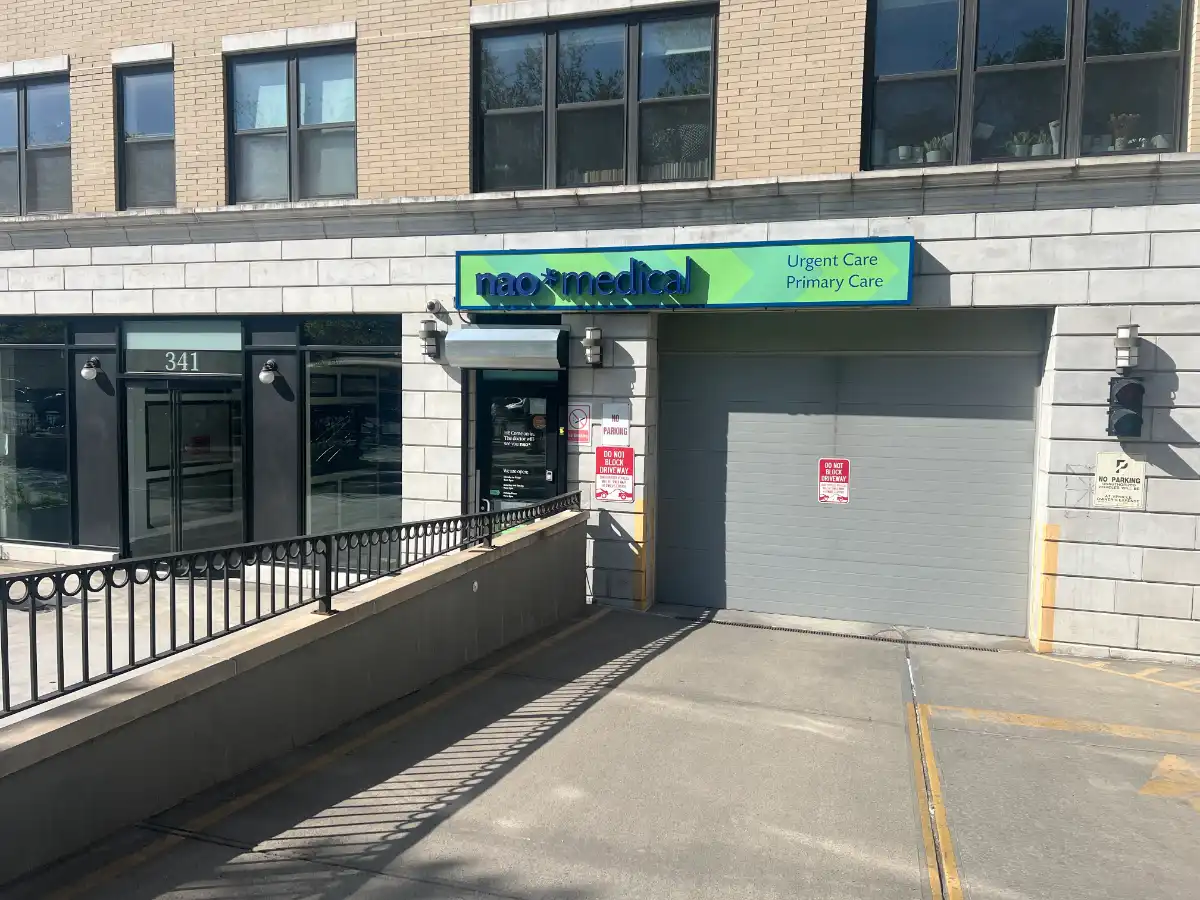
Brooklyn
341 Eastern Pkwy, Brooklyn, NY 11216
Start with the dedicated virtual psychiatry route. This nearby Nao clinic may support separately ordered physical care only when the psychiatric and clinic teams confirm the need.

Long Island
232 W Old Country Rd, Hicksville, NY 11801
Start with the dedicated virtual psychiatry route. This nearby Nao clinic may support separately ordered physical care only when the psychiatric and clinic teams confirm the need.

Queens
80-10 Northern Blvd, Jackson Heights, NY 11372
Start with the dedicated virtual psychiatry route. This nearby Nao clinic may support separately ordered physical care only when the psychiatric and clinic teams confirm the need.

Queens
90-18 Sutphin Blvd, Jamaica, NY 11435
Start with the dedicated virtual psychiatry route. This nearby Nao clinic may support separately ordered physical care only when the psychiatric and clinic teams confirm the need.

Queens
30-07 36th Ave, Astoria, NY 11106
Start with the dedicated virtual psychiatry route. This nearby Nao clinic may support separately ordered physical care only when the psychiatric and clinic teams confirm the need.
Long Island
135 Mineola Blvd, Mineola, NY 11501
Start with the dedicated virtual psychiatry route. This nearby Nao clinic may support separately ordered physical care only when the psychiatric and clinic teams confirm the need.

Manhattan
259 1st Ave, New York, NY 10003
Start with the dedicated virtual psychiatry route. This nearby Nao clinic may support separately ordered physical care only when the psychiatric and clinic teams confirm the need.
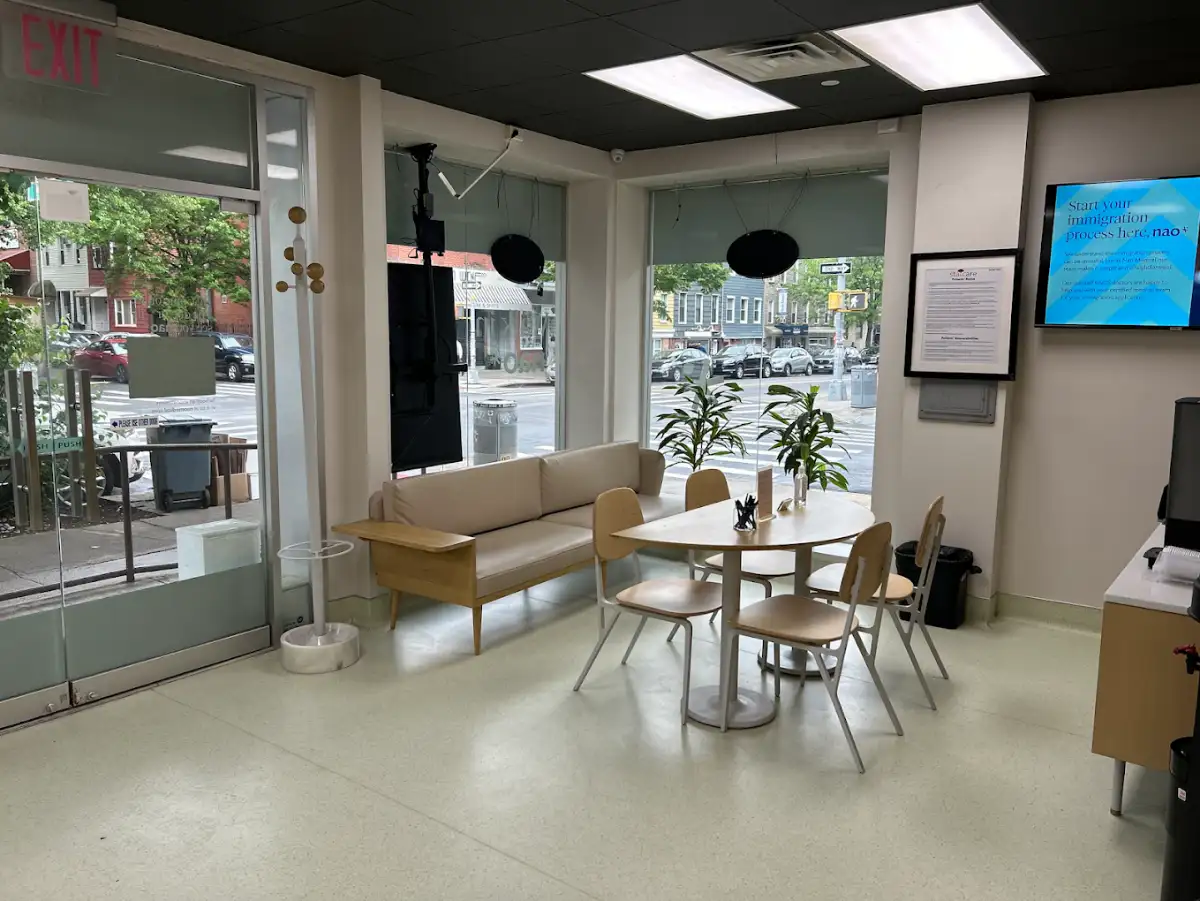
Brooklyn
308 Graham Ave, Brooklyn, NY 11211
Start with the dedicated virtual psychiatry route. This nearby Nao clinic may support separately ordered physical care only when the psychiatric and clinic teams confirm the need.
Review adult developmental history, differential diagnosis, and controlled-substance safeguards.
Review mania, depression, pregnancy, metabolic monitoring, and longitudinal treatment.
Review antipsychotic options, movement and metabolic monitoring, clozapine, and coordinated services.
Review diagnosis, adequate prior treatment, advanced options, and referral decisions.
Review perinatal safety, bipolar screening, medication choices, lactation, and urgent warning signs.
Book a general psychiatric evaluation when the main question is not medication management.
American Psychiatric Association
Psychiatric, treatment, substance-use, medical, safety, and shared-decision assessment.
Open official sourceAmerican Psychiatric Association
Assessment, antipsychotic treatment, long-acting medicines, clozapine, and monitoring.
Open official sourceU.S. Department of Veterans Affairs and Department of Defense
Initial assessment, treatment selection, inadequate response, and advanced care management.
Open official source