1. Complete a structured history
Review childhood and adult symptoms, impairment, education and work history, relationships, driving, sleep, mood, anxiety, trauma, substance use, and medical health.


Adult ADHD care
Adult ADHD medication care begins with a clinical assessment, not a prescription request. The evaluation reviews symptoms that began in childhood, impairment across settings, school or work history, sleep, mood, anxiety, substance use, medical conditions, and prior treatment. Stimulant, nonstimulant, behavioral, or referral options depend on the findings and current prescribing rules.



Yes, a person may seek a first diagnosis as an adult, but ADHD symptoms must have begun in childhood. The assessment reviews persistent symptoms, impairment and difficulties across settings, alongside sleep, anxiety, depression, bipolar symptoms, substances and medical contributors. A questionnaire alone does not establish the diagnosis. Treatment can include medicine and practical psychological or behavioural approaches. A previous prescription or feeling more alert after a stimulant does not independently confirm ADHD or guarantee the same treatment from a new clinician.
Adults with ADHD can have persistent difficulties with attention, organization, restlessness or impulsivity that affect work, relationships and daily tasks. An assessment reviews whether those difficulties fit ADHD and whether another condition contributes. ADHD begins in childhood, even when it was not recognized until adulthood. Medication management and practical behavioural strategies can be part of care after an appropriate diagnosis.
Stimulant medicines affect brain systems involved in attention and behaviour. Other medicines and psychological approaches may also be considered. The choice depends on the diagnosis, treatment history, medical health and safety. Treatment aims to improve function as well as symptoms; feeling more alert after a medicine does not establish an ADHD diagnosis.
A comprehensive adult assessment reviews childhood symptoms before age 12, persistent symptoms, impairment and difficulties in more than one setting. The clinician considers sleep problems, anxiety, depression, bipolar symptoms, substance use and medical contributors. Previous records, school history and information from someone who knows the person can help, with appropriate consent. An online checklist is useful for screening but cannot replace the full evaluation.
Ask whether the service is screening, diagnostic evaluation, medication follow-up or formal psychological testing. These are different services. Bring prior assessments, medicine history and concrete examples from work, home and earlier life.
Review medicine and nonmedicine options, prior benefit, side effects and medical history. The clinician decides which physical measurements or other checks are needed. A stimulant decision includes misuse and substance-use risk assessment and continuing monitoring.
Set functional goals such as completing tasks, managing appointments or reducing impulsive interruptions. Confirm review timing, refill procedures and who will communicate with the pharmacy. A previous prescription does not automatically determine a new clinician’s decision.
Bring the current medicine list, previous diagnosis and treatment reports, pharmacy history and any requested records. Prepare examples of childhood and adult difficulties and how they affect daily life. Explain sleep, caffeine, alcohol, substance use and mood changes. For telehealth, confirm the location where you will attend, privacy and any requested measurements before the visit.
Prescription stimulants carry a boxed warning about misuse, abuse, addiction and overdose. Take them only as prescribed, keep them secure and do not share them. Discuss sleep, appetite, cardiovascular symptoms, agitation and mood changes with the clinician. Other ADHD medicines have their own warnings and monitoring needs. Severe chest symptoms, dangerous agitation or an immediate threat to safety require emergency assessment.
Treatment reviews should assess symptom change, daily function, adverse effects and correct use. Tell the team early about a pharmacy supply problem or a move to another state. Transferring records can support continuity, but a new clinician may need an independent assessment. Do not increase doses, use someone else’s supply or assume a portal request is prescription approval.
As of October 8, 2026, qualifying federal telemedicine flexibilities for controlled prescribing run through December 31, 2026. They do not guarantee a prescription or override state law, licensure, clinical judgment or pharmacy requirements. Confirm the actual appointment type, clinician availability, patient age range and whether the visit is in person or by video. Ask about the assessment fee, follow-up visits, medication benefits and laboratory costs separately. Confirm in-network coverage for the exact clinician and service. Benefit verification does not guarantee payment of a claim. Request the proposed costs and any authorization requirements for your situation. Ask whether the fee covers a diagnostic evaluation, medication follow-up or a separate testing service.
An online questionnaire can screen for concerns but cannot diagnose ADHD or guarantee medication. A diagnostic assessment needs childhood history, impairment across settings and review of other causes. Some people need more than one visit or additional records. Children must use an age-appropriate service rather than the adult intake route. Confirm modality and age eligibility before booking.
Adults with ADHD can have persistent difficulties with attention, organization, restlessness or impulsivity that affect work, relationships and daily tasks. An assessment reviews whether those difficulties fit ADHD and whether another condition contributes. ADHD begins in childhood, even when it was not recognized until adulthood. Medication management and practical behavioural strategies can be part of care after an appropriate diagnosis.
A comprehensive adult assessment reviews childhood symptoms before age 12, persistent symptoms, impairment and difficulties in more than one setting. The clinician considers sleep problems, anxiety, depression, bipolar symptoms, substance use and medical contributors. Previous records, school history and information from someone who knows the person can help, with appropriate consent. An online checklist is useful for screening but cannot replace the full evaluation.
Ask whether the service is screening, diagnostic evaluation, medication follow-up or formal psychological testing. These are different services. Bring prior assessments, medicine history and concrete examples from work, home and earlier life.
Review medicine and nonmedicine options, prior benefit, side effects and medical history. The clinician decides which physical measurements or other checks are needed. A stimulant decision includes misuse and substance-use risk assessment and continuing monitoring.
Set functional goals such as completing tasks, managing appointments or reducing impulsive interruptions. Confirm review timing, refill procedures and who will communicate with the pharmacy. A previous prescription does not automatically determine a new clinician’s decision.
A clinical ADHD evaluation is different from a formal neuropsychological testing battery. Not everyone needs formal testing for clinical diagnosis, but a school, employer or accommodation process may require specific testing and a report. Ask the requesting organization what it accepts, then confirm whether Nao offers that exact assessment, clinician and report. An ordinary medication visit does not establish a formal testing service.
No screening score or payment guarantees ADHD diagnosis or a stimulant prescription. The clinician reviews childhood symptoms, impairment across settings, sleep, anxiety, mood, substance use and medical contributors. A questionnaire does not rule out anxiety or determine which condition needs attention first. Bring relevant records and describe the problems affecting daily life.
Nonstimulant ADHD options include atomoxetine and certain extended-release guanfacine, clonidine or viloxazine products, with product-specific age indications and safety requirements. The prescriber reviews diagnosis, other medicines, heart/blood-pressure effects and adverse-effect monitoring before choosing one. Simtriyo's October 8 manufacturer status still described DEA scheduling review and no commercial supply. Do not assume a new approval is obtainable today.
Prescription stimulants carry a boxed warning about misuse, abuse, addiction and overdose. Take them only as prescribed, keep them secure and do not share them. Discuss sleep, appetite, cardiovascular symptoms, agitation and mood changes with the clinician. Other ADHD medicines have their own warnings and monitoring needs. Severe chest symptoms, dangerous agitation or an immediate threat to safety require emergency assessment.
Treatment reviews should assess symptom change, daily function, adverse effects and correct use. Tell the team early about a pharmacy supply problem or a move to another state. Transferring records can support continuity, but a new clinician may need an independent assessment. Do not increase doses, use someone else’s supply or assume a portal request is prescription approval.
Ask whether the service is screening, diagnostic evaluation, medication follow-up or formal psychological testing. These are different services. Bring prior assessments, medicine history and concrete examples from work, home and earlier life.
Review medicine and nonmedicine options, prior benefit, side effects and medical history. The clinician decides which physical measurements or other checks are needed. A stimulant decision includes misuse and substance-use risk assessment and continuing monitoring.
Set functional goals such as completing tasks, managing appointments or reducing impulsive interruptions. Confirm review timing, refill procedures and who will communicate with the pharmacy. A previous prescription does not automatically determine a new clinician’s decision.
Keep unused stimulant medicine secure and do not share it. FDA recommends a medicine take-back or mail-back option for most unused medicines. Ask a pharmacist about the specific product's disposal instructions and available take-back route. Do not assume all pharmacies accept returns or flush a medicine unless the FDA instructions for that exact medicine permit it.
Previous records are useful, but a new clinician must independently assess what is appropriate and safe. Ask for the record requirements and continuity process before your supply runs out.
Request the diagnosis, assessment, medicine history and follow-up records from the former provider through its records process. Ask the new clinician which documents are needed before the appointment.
Review childhood and adult symptoms, impairment, education and work history, relationships, driving, sleep, mood, anxiety, trauma, substance use, and medical health.
Consider school reports, prior testing, earlier diagnoses, treatment records, prescription history, and observations from someone who knows the patient well when appropriate and authorized.
Compare nonmedication support, stimulant and nonstimulant choices, expected benefits, important risks, interactions, controlled-substance responsibilities, and patient goals.
Track target symptoms and function, blood pressure and pulse when relevant, sleep, appetite, weight, mood, adverse effects, adherence, refill timing, and misuse concerns.

Bronx
932 E 174th St, Bronx, NY 10460
Start with the dedicated virtual psychiatry route. This nearby Nao clinic may support separately ordered physical care only when the psychiatric and clinic teams confirm the need.

Queens
37-15 23rd Ave, Astoria, NY 11105
Start with the dedicated virtual psychiatry route. This nearby Nao clinic may support separately ordered physical care only when the psychiatric and clinic teams confirm the need.

Bronx
2063A Bartow Ave, Bronx, NY 10475
Start with the dedicated virtual psychiatry route. This nearby Nao clinic may support separately ordered physical care only when the psychiatric and clinic teams confirm the need.
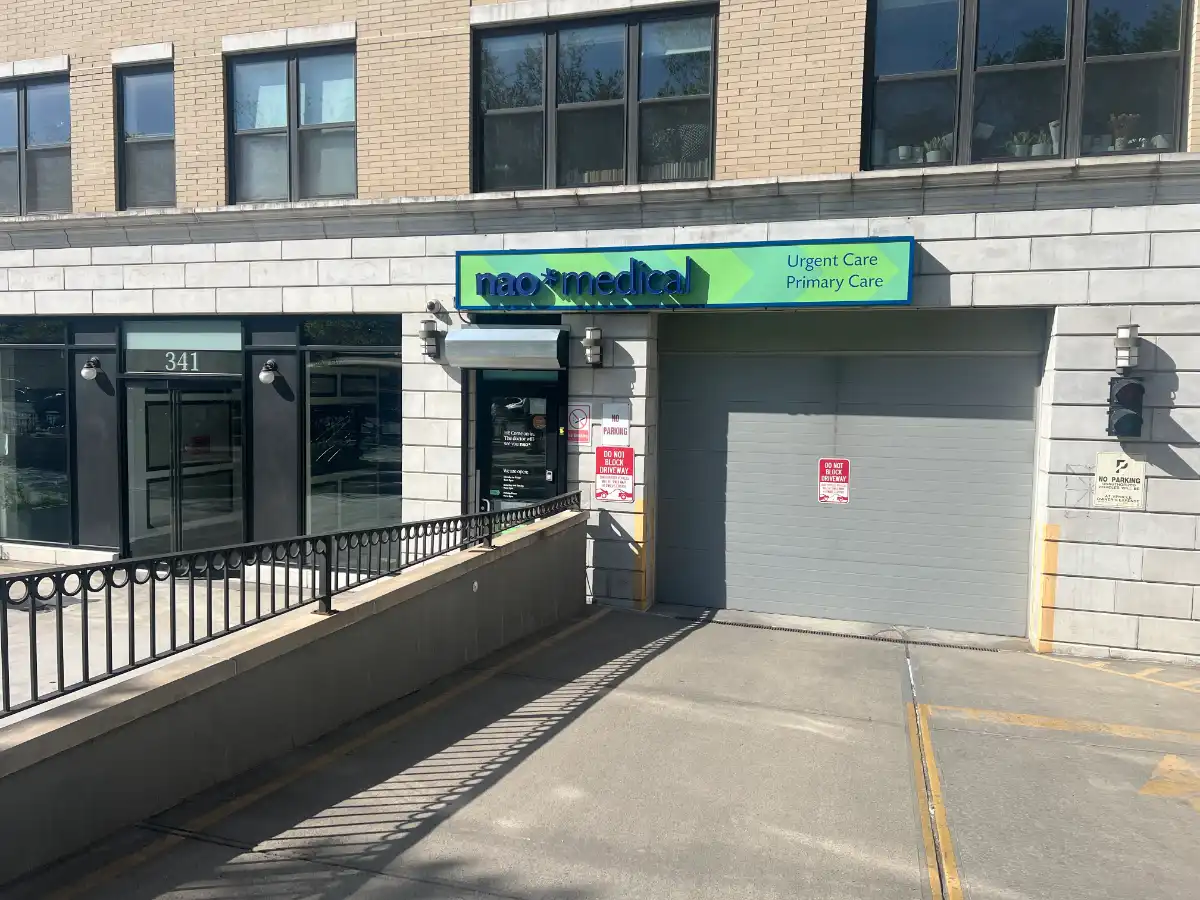
Brooklyn
341 Eastern Pkwy, Brooklyn, NY 11216
Start with the dedicated virtual psychiatry route. This nearby Nao clinic may support separately ordered physical care only when the psychiatric and clinic teams confirm the need.

Long Island
232 W Old Country Rd, Hicksville, NY 11801
Start with the dedicated virtual psychiatry route. This nearby Nao clinic may support separately ordered physical care only when the psychiatric and clinic teams confirm the need.
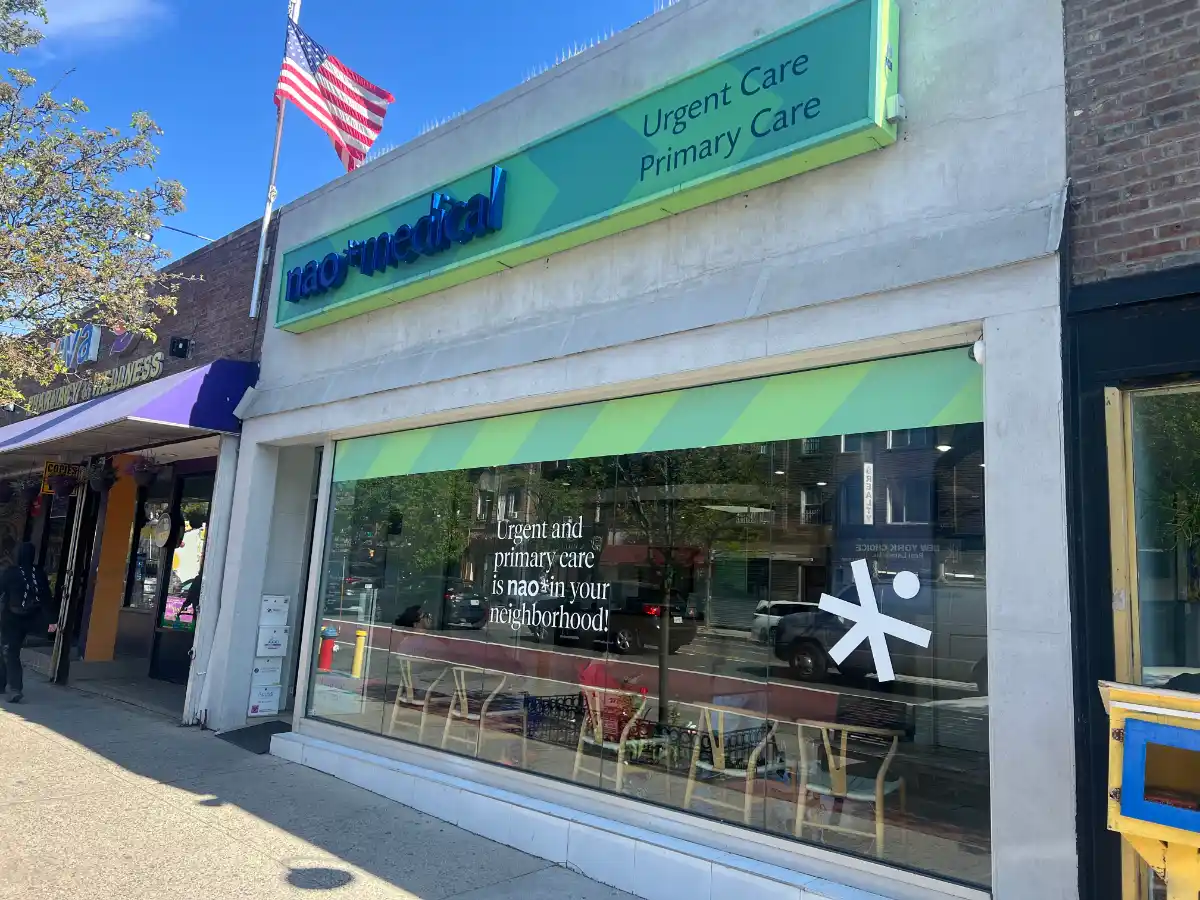
Queens
80-10 Northern Blvd, Jackson Heights, NY 11372
Start with the dedicated virtual psychiatry route. This nearby Nao clinic may support separately ordered physical care only when the psychiatric and clinic teams confirm the need.

Queens
90-18 Sutphin Blvd, Jamaica, NY 11435
Start with the dedicated virtual psychiatry route. This nearby Nao clinic may support separately ordered physical care only when the psychiatric and clinic teams confirm the need.

Queens
30-07 36th Ave, Astoria, NY 11106
Start with the dedicated virtual psychiatry route. This nearby Nao clinic may support separately ordered physical care only when the psychiatric and clinic teams confirm the need.
Long Island
135 Mineola Blvd, Mineola, NY 11501
Start with the dedicated virtual psychiatry route. This nearby Nao clinic may support separately ordered physical care only when the psychiatric and clinic teams confirm the need.

Manhattan
259 1st Ave, New York, NY 10003
Start with the dedicated virtual psychiatry route. This nearby Nao clinic may support separately ordered physical care only when the psychiatric and clinic teams confirm the need.
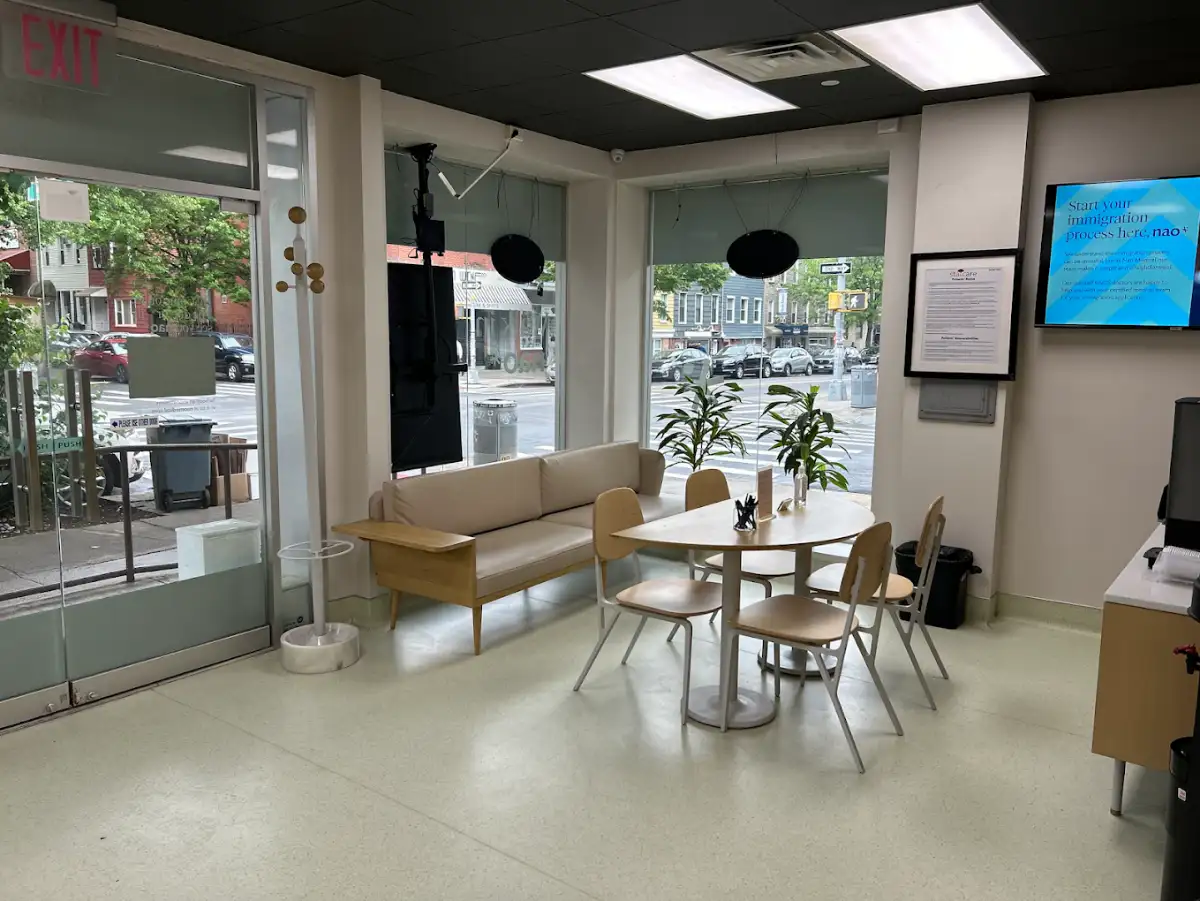
Brooklyn
308 Graham Ave, Brooklyn, NY 11211
Start with the dedicated virtual psychiatry route. This nearby Nao clinic may support separately ordered physical care only when the psychiatric and clinic teams confirm the need.
Review the broader virtual medication, interaction, monitoring, and follow-up framework.
Review the distinct pathway when episodic mania, hypomania, or bipolar depression is a concern.
Book a general psychiatric evaluation when ADHD is not the primary concern.
Review anxiety-focused psychiatric care when anxiety is the primary concern.
National Institute of Mental Health
Adult symptoms, developmental history, differential assessment, and treatment options.
Open official sourceNational Institute for Health and Care Excellence
Specialist adult assessment, medication decisions, monitoring, and follow-up.
Open official sourceU.S. Food and Drug Administration
Misuse, abuse, addiction, overdose, sharing, and monitoring requirements.
Open official sourceAmerican Psychiatric Association
Psychiatric, treatment, substance-use, medical, safety, and shared-decision assessment.
Open official sourceContent was updated August 2, 2026 from the cited sources and Nao Medical's current service information. Medical guidance, prescribing information, medication availability, and insurance rules can change. A licensed clinician must confirm current information and determine each patient's eligibility, testing, treatment, administration setting, and follow-up. Call 911 for a medical emergency. Contact Nao Medical with a question or correction.