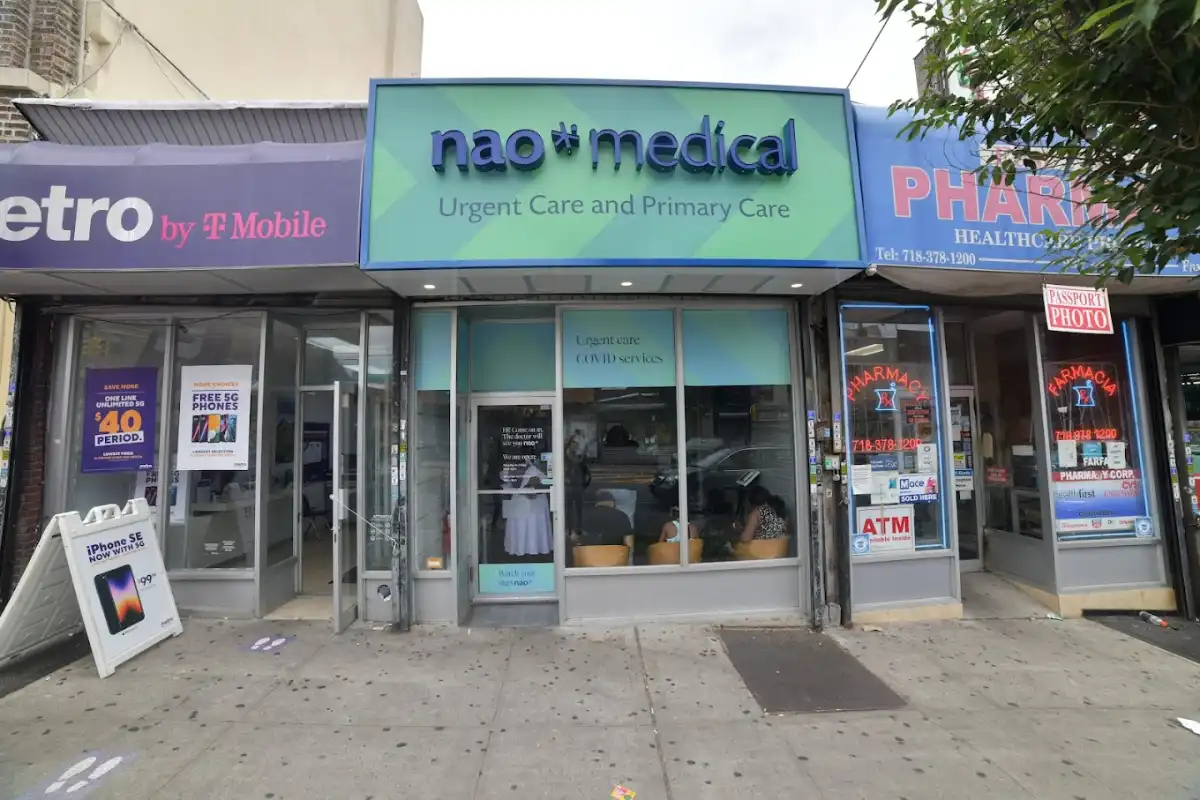
Bronx
174th Street
932 E 174th St, Bronx, NY 10460
Book or call first to confirm the surgeon's orders, provider availability, timing, and requested testing for this clinic.
Review clinic details Book and confirm

A pre-op medical evaluation reviews health history, medications, current symptoms, and findings relevant to the planned procedure. The surgeon, anesthesiology team, and facility set the final requirements and decide whether surgery should proceed. Abnormal findings or incomplete records can require follow-up before documentation is finalized.



Give the office and insurer the exact plan name, member details, clinician, location and purpose of the visit. Ask whether this assessment, each laboratory or imaging service and the medicine have different benefits. Confirm referral and authorization requirements. An approval cannot be promised, and coverage of a visit does not prove coverage of the test or prescription. The clinician reviews the request, history and examination and identifies needed tests or referrals. Ask who sends the assessment to the surgeon, what is still pending and whether you need another visit. The surgeon or anesthesia team makes the final procedure decision under its own process.
A preoperative visit assesses medical issues that may affect a planned procedure. The surgeon and anesthesia team use this information with their own assessment. The appointment cannot guarantee that surgery is safe or will proceed. Bring the surgeon's request so the clinician can review the procedure, anesthesia plan, deadline and required documentation.
Arrange the visit early enough for records, test results and any additional assessment. Tell the team about heart or lung disease, sleep apnea, diabetes, pregnancy, bleeding problems and prior complications. New chest pain, breathlessness or an acute illness should be discussed promptly rather than saved for a form-signing visit.
The clinician reviews the request, history and examination and identifies needed tests or referrals. Ask who sends the assessment to the surgeon, what is still pending and whether you need another visit. The surgeon or anesthesia team makes the final procedure decision under its own process.
Bring the exact surgical form, procedure and surgery date, surgeon contact information, medication and supplement list, allergies and relevant records. Ask the surgical team about fasting and medicines, including blood thinners and diabetes drugs. Do not stop or change medicines based on a generic website checklist.
Chest pain, severe shortness of breath, fainting or stroke symptoms require emergency assessment. Report fever or a new infection before surgery. Medicine instructions depend on the operation and your conditions; a blanket stop-all-medicines instruction can be unsafe.
Confirm that results and the assessment reached the receiving team. Ask whether an abnormal result changes the plan and who addresses it. If the surgery date changes or a new symptom appears, contact the surgical team because a previous assessment may need updating.
Confirm that the clinic accepts the form and can perform or arrange the requested tests within the surgeon's time window. A same-day appointment is different from completed clearance. Ask about separate lab, imaging and referral charges and the document-transfer method.
Bring the surgeon's form and orders, procedure and surgery date, medicine and allergy lists, relevant specialist notes and actual recent test reports. If the form or orders are missing, ask the surgical team to supply them and tell the booking office. The visit can assess health, but missing requirements may delay a complete note.
Existing results may be usable if the surgical team accepts their dates, test type and quality. Bring the actual reports, including the EKG tracing if requested. The clinician decides whether a health change or missing test requires new testing; a portal summary alone may not meet the requirements.
Do not stop medicines on your own. Give the surgical and anesthesia teams your full list, including blood thinners, diabetes or weight-management medicines, over-the-counter products and supplements. They should provide individualized instructions for surgery and fasting. Ask for written instructions if anything is unclear.
Ask the selected clinic for a current itemized estimate before the visit. Confirm the consultation fee and separate charges for laboratory tests, imaging, procedures, medicines, forms and follow-up. An older advertised price does not establish today's total or what is included. Specify the surgeon's requested tests so the estimate includes the right services.
Bronx
932 E 174th St, Bronx, NY 10460
Book or call first to confirm the surgeon's orders, provider availability, timing, and requested testing for this clinic.
Review clinic details Book and confirm
Queens
37-15 23rd Ave, Astoria, NY 11105
Book or call first to confirm the surgeon's orders, provider availability, timing, and requested testing for this clinic.
Review clinic details Book and confirm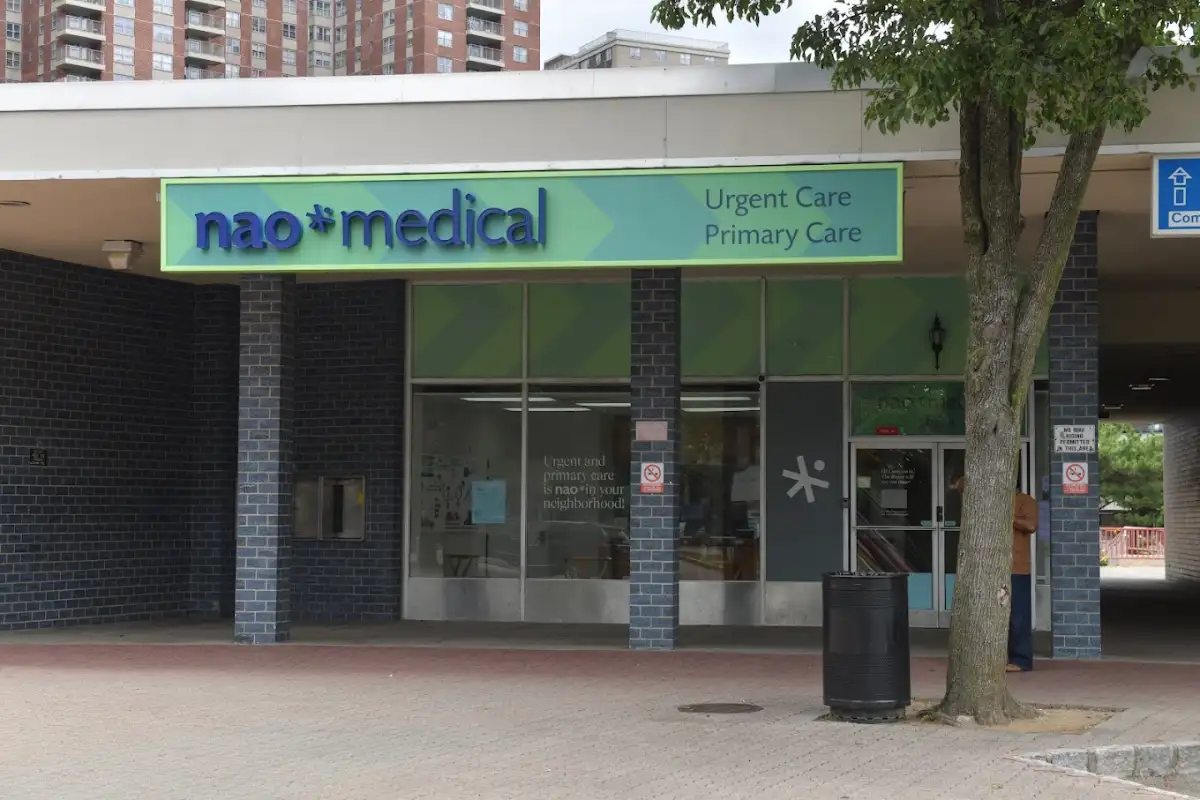
Bronx
2063A Bartow Ave, Bronx, NY 10475
Book or call first to confirm the surgeon's orders, provider availability, timing, and requested testing for this clinic.
Review clinic details Book and confirm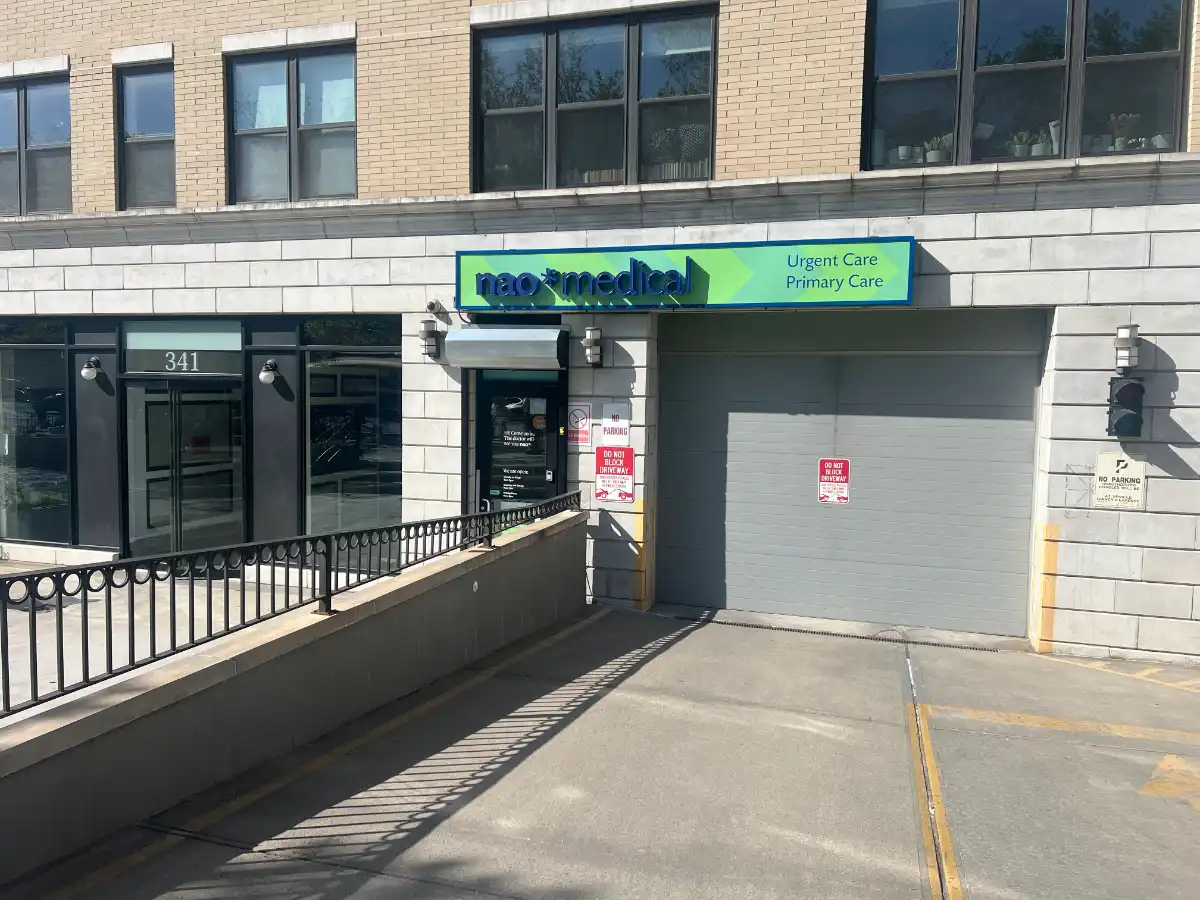
Brooklyn
341 Eastern Pkwy, Brooklyn, NY 11216
Book or call first to confirm the surgeon's orders, provider availability, timing, and requested testing for this clinic.
Review clinic details Book and confirm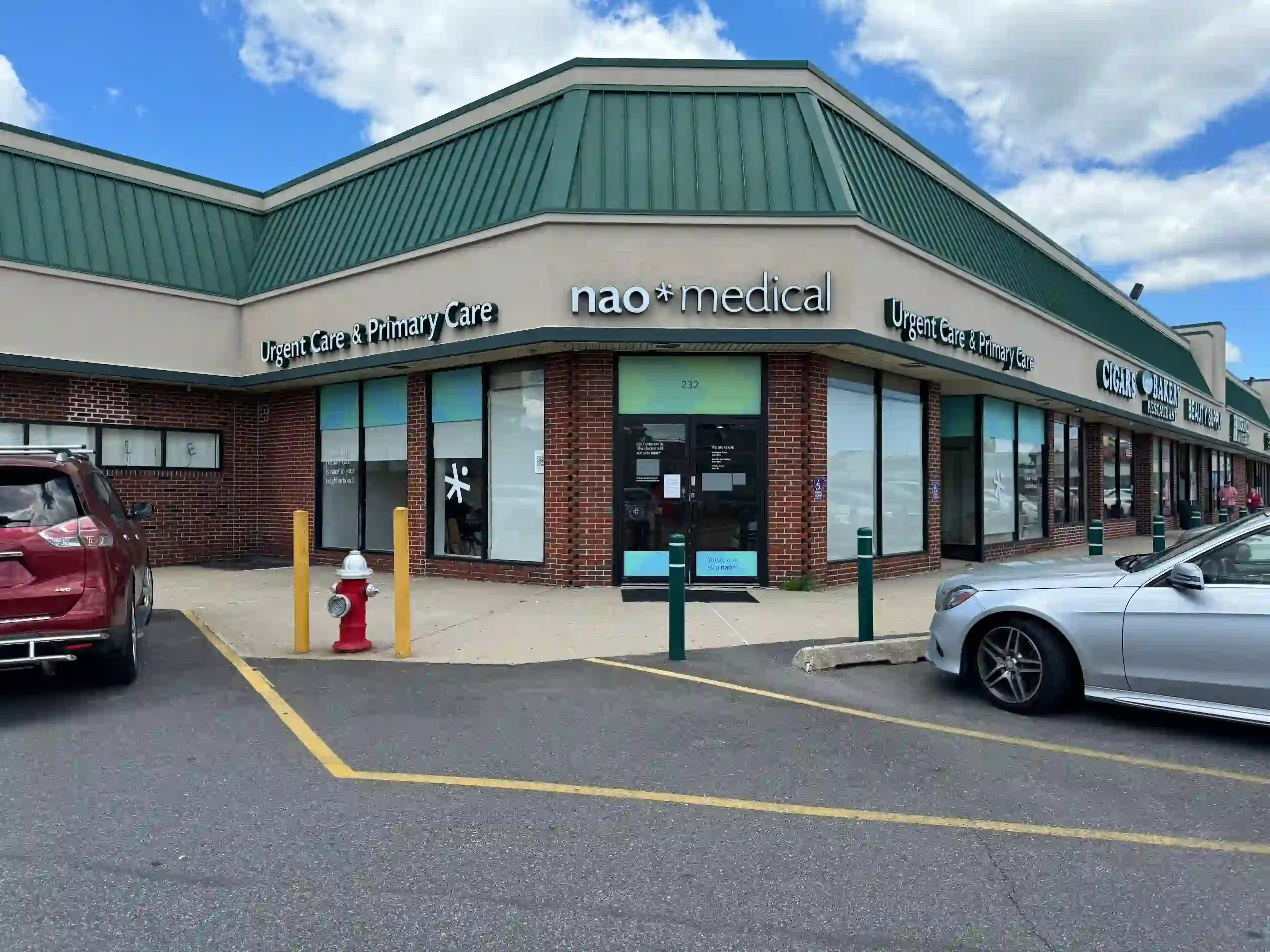
Long Island
232 W Old Country Rd, Hicksville, NY 11801
Book or call first to confirm the surgeon's orders, provider availability, timing, and requested testing for this clinic.
Review clinic details Book and confirm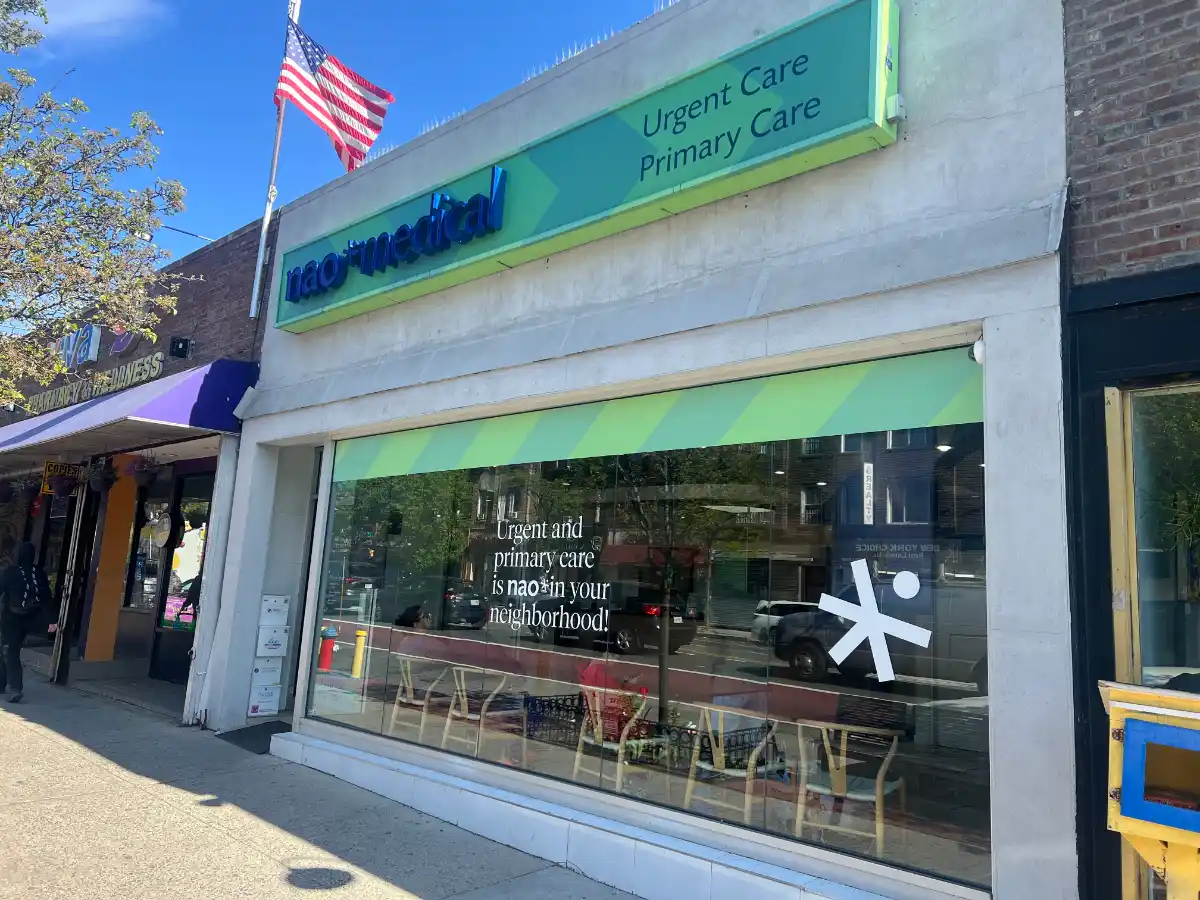
Queens
80-10 Northern Blvd, Jackson Heights, NY 11372
Book or call first to confirm the surgeon's orders, provider availability, timing, and requested testing for this clinic.
Review clinic details Book and confirm
Queens
90-18 Sutphin Blvd, Jamaica, NY 11435
Book or call first to confirm the surgeon's orders, provider availability, timing, and requested testing for this clinic.
Review clinic details Book and confirm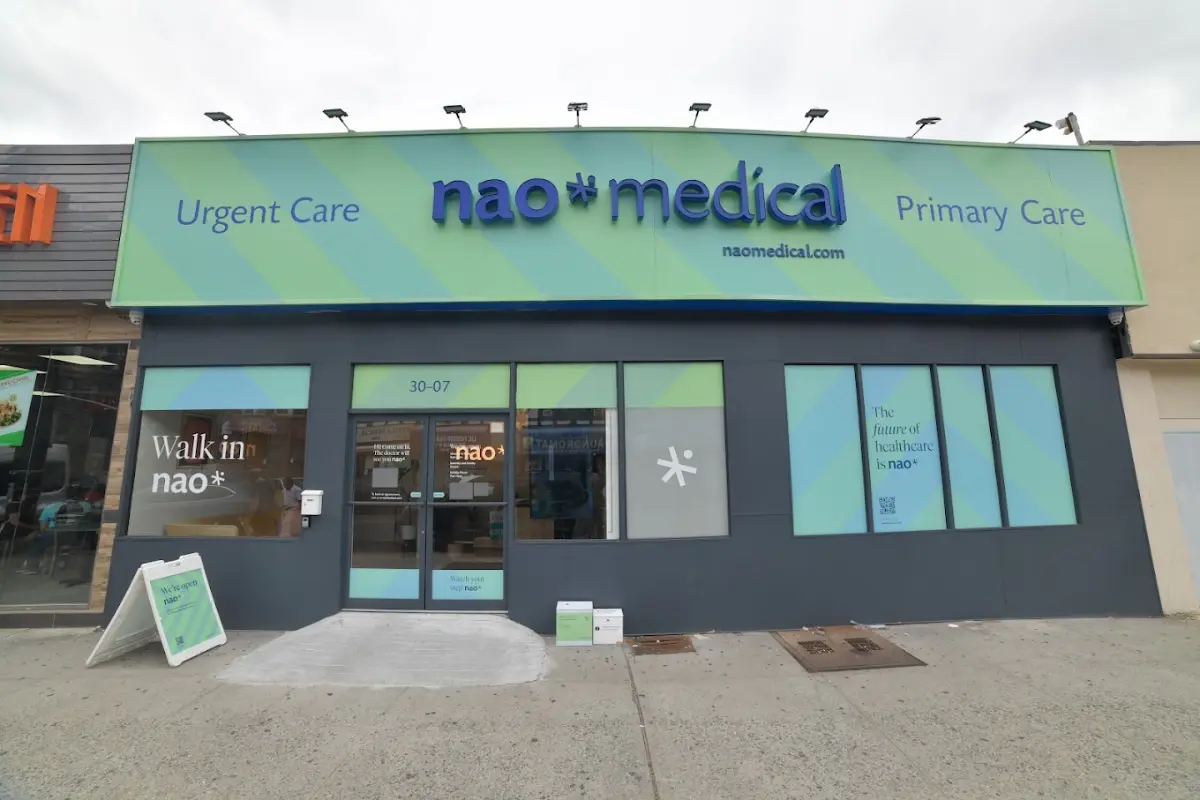
Queens
30-07 36th Ave, Astoria, NY 11106
Book or call first to confirm the surgeon's orders, provider availability, timing, and requested testing for this clinic.
Review clinic details Book and confirm
Long Island
135 Mineola Blvd, Mineola, NY 11501
Book or call first to confirm the surgeon's orders, provider availability, timing, and requested testing for this clinic.
Review clinic details Book and confirm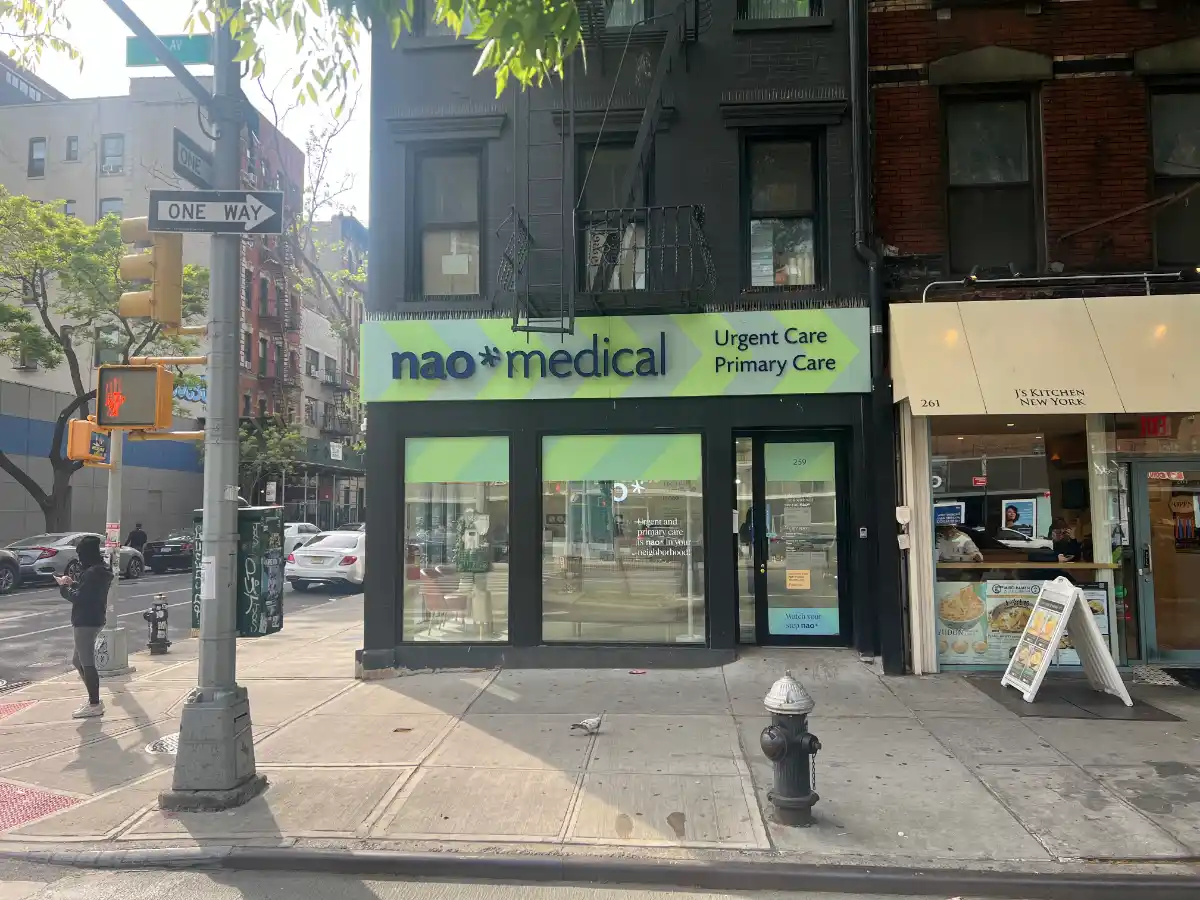
Manhattan
259 1st Ave, New York, NY 10003
Book or call first to confirm the surgeon's orders, provider availability, timing, and requested testing for this clinic.
Review clinic details Book and confirm
Brooklyn
308 Graham Ave, Brooklyn, NY 11211
Book or call first to confirm the surgeon's orders, provider availability, timing, and requested testing for this clinic.
Review clinic details Book and confirmReview active clinic details, directions, and general same-day visit access.
Review Nao Medical laboratory services when the surgeon requests blood or urine testing.
Ongoing medical conditions may need primary-care follow-up before or after surgery.
Review the current self-pay visit list and separate service pricing.

Arrange an evaluation to discuss suitable care, preparation and follow-up with a clinician.
Book pre-op evaluation