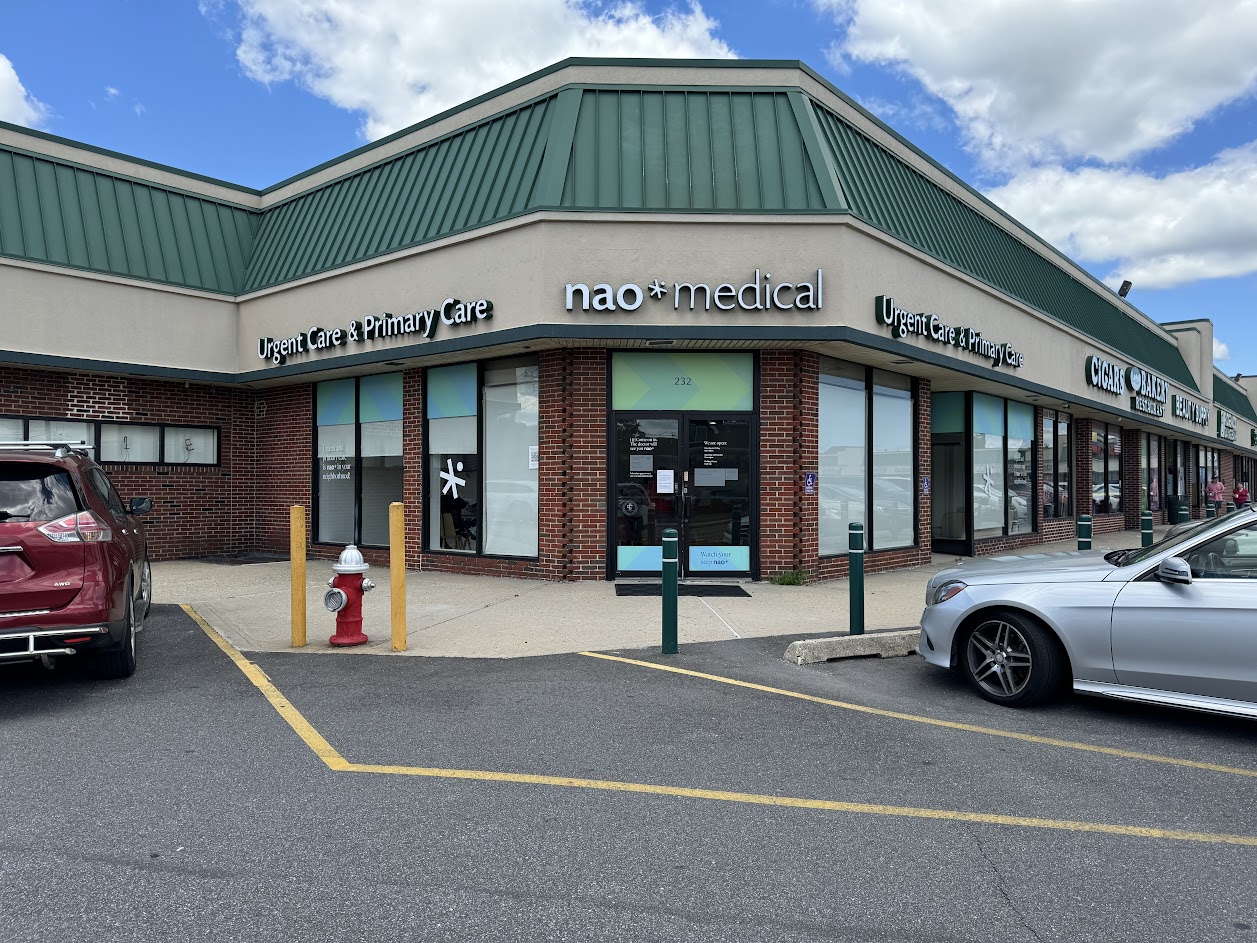
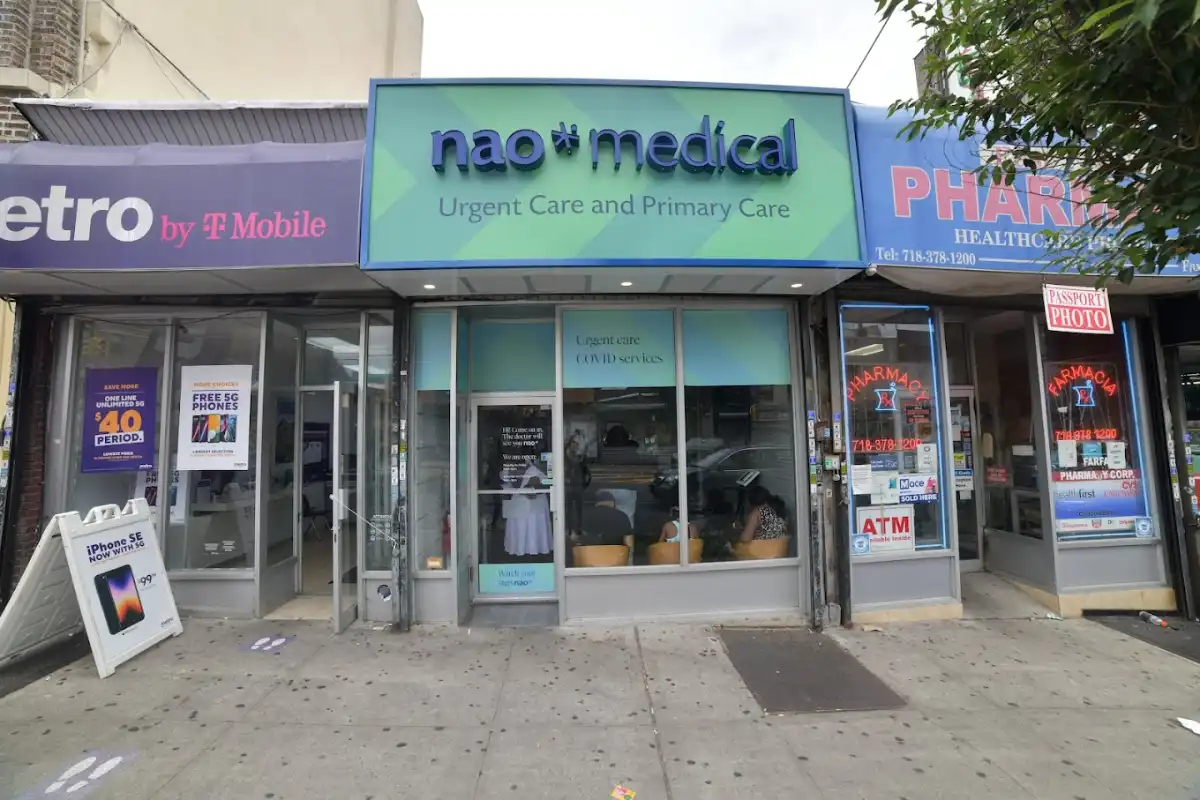
An urgent request for a routine video appointment
Ask the office about current availability, appointment type and records needed. Confirm an available slot with the office. Treatment and prescribing decisions require assessment even when an appointment occurs the same day. Explain the symptoms and urgency so the team can identify an appropriate route. A routine video service may not be suitable for severe agitation, dangerous psychosis or an immediate safety threat. Call 911 or go to the nearest emergency department for a medical or safety emergency. Confirm any appointment and practical requirements before relying on it.
Virtual psychiatry for adults
Virtual psychiatry is a psychiatric assessment or follow-up conducted by video when that format is appropriate. It can support discussion of symptoms, treatment history, medicines and ongoing goals without travel to every review. The clinician must still assess safety, privacy, location and whether an in-person examination or other service is needed. A video appointment does not guarantee a particular diagnosis or prescription.
Eligibility: Virtual psychiatry for adults
Suitability depends on age, symptoms, stability, privacy, ability to use video, patient location and the clinician’s authority to practise there. Some people need urgent in-person assessment or a higher level of care. Confirm whether the service accepts a new patient, provides adult care and can address the intended condition. Tell the office where you are physically located so the clinician’s authority and applicable requirements can be checked.
What to expect: Virtual psychiatry for adults
Confirm the visit type and location
Ask whether the appointment is an initial assessment or medication follow-up. State where you will physically be during it, including travel outside your usual state. Supply previous records and medicine details through the agreed process.
Prepare privacy and an emergency plan
Use a private space and test video and audio. Confirm the current address, a local emergency contact where appropriate and a backup plan if the connection fails. The clinician should know which local emergency resources can respond.
Arrange any in-person monitoring and continuation
Discuss required vital signs, laboratory work, physical examination or injection administration separately. Leave with the treatment decision, follow-up timing and contact for questions. A successful connection does not establish that a prescription has been issued or filled.
Preparing for your appointment
Have medicine bottles or a pharmacy list, relevant notes, previous tests and your main questions nearby. Join from a quiet place where you can speak freely. Explain if someone is present or if privacy is limited. Confirm the backup phone number and how the office will contact you after a disconnection. Ask whether identification, consent, measurements or documents are required before the visit.
Risks and when to seek help
Tell the clinician immediately if you feel unsafe, have suicidal thoughts, severe agitation, psychosis or an urgent physical symptom. Remote care may need to change to in-person or emergency care. Do not use a routine portal message or future appointment as an emergency response. Immediate safety threats, severe confusion, dangerous agitation, suicide attempts or other medical emergencies need emergency care. Call 911 or go to the nearest emergency department. Routine appointments and online booking are not emergency services. Keep medicine and laboratory safeguards even when follow-up occurs by video.
Follow-up and treatment review
Confirm the next appointment, monitoring arrangements and refill process. Tell the team about a move, travel, hospitalization, new medicine or pharmacy problem before a planned prescription review. If changing clinicians, obtain a record-transfer and continuity plan. Telehealth convenience should not create an unmonitored interruption in treatment.
Appointments, costs and coverage
Current federal controlled-prescribing flexibility extends through December 31, 2026 under specified conditions. It does not override state law, licensure, clinical judgment or pharmacy requirements and does not promise stimulant treatment. Confirm the actual appointment type, clinician availability, patient age range and whether the visit is in person or by video. Ask about the assessment fee, follow-up visits, medication benefits and laboratory costs separately. Confirm in-network coverage for the exact clinician and service. Benefit verification does not guarantee payment of a claim. Request the proposed costs and any authorization requirements for your situation. Ask the office about current availability before relying on a same-day appointment.
Questions about your care
What conditions do your psychiatrists treat?
Ask psychiatry intake whether a qualified clinician treats the condition or symptoms you need help with. Tell psychiatry intake the symptoms or diagnosis, patient's age, location, current medicines and urgency. Ask who performs the assessment, whether the visit can be virtual, which records are needed and how follow-up is arranged. Choose the appointment type that fits your concern.
Are virtual psychiatry sessions effective?
A virtual visit may support an appropriate psychiatric assessment or follow-up, but no modality guarantees improvement. Suitability depends on the condition, safety, available history and whether required monitoring can be completed. Ask the service to confirm the qualified clinician, patient-location eligibility and escalation plan. Some concerns require an in-person assessment or emergency care.
Do I need medication for my mental health issue?
A mental-health concern does not automatically require medication. The assessment reviews the diagnosis, severity, safety, prior treatment and your goals before comparing medication, psychotherapy and other suitable care. Some conditions need urgent treatment or combined care. Ask why the proposed option fits, what benefit to monitor and when to reassess. Do not start or stop an existing medicine on your own.
What age group does Nao Medical treat?
Confirm the patient's exact age and the selected service's age-specific clinician and intake pathway before booking. An adult program does not establish pediatric eligibility, and an FDA age indication does not prove that this clinic treats that age group. For a minor, ask about consent, parent participation and confidential communication under the applicable rules. Treatment choices still require an individual clinical assessment.
How soon can I schedule a psychiatry appointment?
Ask the selected service for the next available appointment for psychiatry assessment or follow-up. Confirm whether booking or a walk-in visit is appropriate before traveling. An assessment does not guarantee a prescription at the first visit. Describe worsening symptoms promptly; immediate danger needs emergency care.
Are psychiatry services covered by insurance?
Have your insurance card ready when booking. Share member details through the clinic’s confirmed secure intake process. Check with the clinic and your insurer that the exact plan covers the clinician and requested service. Ask about visit charges, any separately billed tests or medicines, and any referral or authorization requirement. Coverage and your copay or deductible depend on the plan; request a written estimate if paying yourself.
Will changing online providers interrupt treatment?
It can if records and prescribing responsibilities are unclear. Ask both providers about records, the last prescription and the next review before the supply runs out.

 (917) 985-9186