Glucose and A1C pattern
Review A1C, home meter or sensor data when available, high and low glucose episodes, meal and activity patterns, and recent illness.


Diabetes care | New York


Diabetes medicine management reviews glucose patterns, current treatment, and heart and kidney health. The goal is effective glucose control with a plan you can use safely. Not every visit requires a new medicine.
Different medicines help insulin action, insulin release, glucose removal, or replace insulin. Kidney function, heart disease, low-glucose risk, and the diabetes type affect treatment choice. Insulin remains essential for many people.
People with diabetes may need a review after diagnosis, high or low readings, illness, a new complication, or difficulty continuing treatment. Type 1 diabetes, pregnancy, childhood diabetes, and complex insulin needs may require specialist coordination.
Review the diagnosis, A1c, meter or CGM records, medicine technique, meals, and access barriers. Order tests when needed and agree on a glucose and low-glucose plan. If treatment changes, learn the exact device and dose. Keep current treatment until the prescriber provides a transition plan.
Bring your glucose meter or sensor report, medicines and doses, A1c and kidney results, insulin devices, and low-glucose history. Include heart, eye, and pregnancy information.
High glucose with vomiting, ketones, marked dehydration or rapid breathing can indicate diabetic ketoacidosis. Call 911 or go to the emergency department right away. Severe low glucose with confusion, a seizure or unconsciousness also needs emergency help. Call 911. Do not stop insulin while waiting for a new product.
Review glucose patterns, A1c when due, kidney health, adverse effects, and refill access. Follow-up timing depends on the treatment change and risk. Ask how to obtain advice between visits.
Confirm the exact service, clinician, formulation, appointment, and refill route before booking. The evaluation, tests, medicine, administration, and follow-up may have separate costs and benefits. Ask for current estimates and required records. An FDA-approved drug or a clinic address does not establish pharmacy stock, onsite treatment, coverage, or a prescription. If access changes, contact the treating team before interrupting treatment.
Review the diagnosis, A1c, meter or CGM records, medicine technique, meals, and access barriers. Order tests when needed and agree on a glucose and low-glucose plan. If treatment changes, learn the exact device and dose. Keep current treatment until the prescriber provides a transition plan.
The evaluation does not guarantee a prescription, dose change, authorization, or medicine supply. The clinician reviews your records and health before recommending treatment. Review the diagnosis, A1c, meter or CGM records, medicine technique, meals, and access barriers. Order tests when needed and agree on a glucose and low-glucose plan. If treatment changes, learn the exact device and dose. Keep current treatment until the prescriber provides a transition plan.
Bring your glucose meter or sensor report, medicines and doses, A1c and kidney results, insulin devices, and low-glucose history. Include heart, eye, and pregnancy information.
Confirm the available diabetes clinician and service before booking. Bring the full insulin regimen and glucose records. Type 1 diabetes, pregnancy, complex regimens, or repeated severe lows may need specialist coordination. Do not interrupt insulin while arranging a review.
Review glucose patterns, A1c when due, kidney health, adverse effects, and refill access. Follow-up timing depends on the treatment change and risk. Ask how to obtain advice between visits.
Yes. Heart failure, cardiovascular disease, kidney function, and low-glucose risk can change which diabetes treatment is suitable. Bring those records and the current regimen so the clinician can review benefits and risks.
High glucose with high ketones, trouble breathing, fruity breath, or vomiting that prevents you from keeping fluids down can indicate diabetic ketoacidosis. Call 911 or go to the emergency department right away; do not wait for a routine clinic visit. Severe low glucose with confusion, a seizure or unconsciousness also needs emergency help. Do not stop prescribed insulin while waiting for a new product. For repeated readings outside your agreed target without emergency symptoms, contact the treating team promptly for a plan.
Type 2 diabetes occurs when blood glucose stays too high because the body does not use insulin well and may not make enough insulin. Insulin normally helps glucose move from the blood into cells for energy. Type 2 diabetes can develop gradually and may have few symptoms; diagnosis uses blood tests rather than symptoms alone. Treatment can include nutrition changes, physical activity and medicines, with ongoing review of glucose, blood pressure, cholesterol and complications. It differs from type 1 diabetes, so the treatment plan should follow the confirmed diagnosis.
Some people with type 2 diabetes reach remission, particularly after substantial sustained weight loss or metabolic surgery, but remission is not a permanent cure. The usual consensus criterion is an A1c below 6.5% measured at least three months after stopping glucose-lowering medicines under clinical supervision. Normal glucose while taking medication shows treatment is working; it does not by itself establish remission. Glucose can rise again, so continued monitoring and diabetes complication checks remain important. Do not stop diabetes medicine to test yourself for remission; agree on any changes and follow-up with your clinician.
Type 2 diabetes usually develops through a combination of insulin resistance and insufficient insulin production. Family history and genes contribute, while excess body weight and physical inactivity can increase risk. It can also occur in people who are not visibly overweight, and it is not explained by eating one particular food. Your clinician reviews glucose tests and your health history to confirm the diagnosis and identify treatable risks. Nutrition, activity and an appropriate medication plan can help control glucose and protect long-term health.
Yes. Some diabetes pills, especially sulfonylureas and meglitinides, can cause low glucose even without insulin. Skipped meals, increased activity, alcohol, illness and other health conditions can also affect risk. Check glucose when symptoms occur and review unexplained or repeated lows with your treating team. If you are awake and can swallow safely, treat glucose below your agreed target or below 70 mg/dL with 15–20 grams of fast-acting glucose or carbohydrate. Recheck after 15 minutes and repeat if still low. A seizure, unconsciousness or inability to treat the low safely needs emergency help: call 911, and use prescribed emergency glucagon if available. Do not give food or drink to someone who cannot swallow safely. Do not stop insulin or change a medicine dose from a forum suggestion; arrange a prescriber review.
Review A1C, home meter or sensor data when available, high and low glucose episodes, meal and activity patterns, and recent illness.
Confirm exact medicines, doses, timing, missed doses, injection technique, side effects, affordability, and prior treatment.
Heart disease, heart failure, kidney disease, liver disease, weight goals, pregnancy, eye disease, and hypoglycemia risk can change the preferred plan.
A stable, effective regimen may need reinforcement or simplification rather than another medicine.
The clinician may change doses or discuss another medication class based on evidence, contraindications, interactions, and access.
Severe hyperglycemia, recurrent hypoglycemia, suspected type 1 diabetes, pregnancy, advanced complications, or complex insulin needs may require urgent or specialist care.
ADA guidance supports treatment-plan review at regular intervals and sooner after a meaningful change or safety concern.
Patients using insulin or medicines that can cause low glucose need education, monitoring, and an action plan.
Medication management should connect with blood pressure, cholesterol, kidney monitoring, eye care, foot care, vaccines, nutrition, and smoking support.
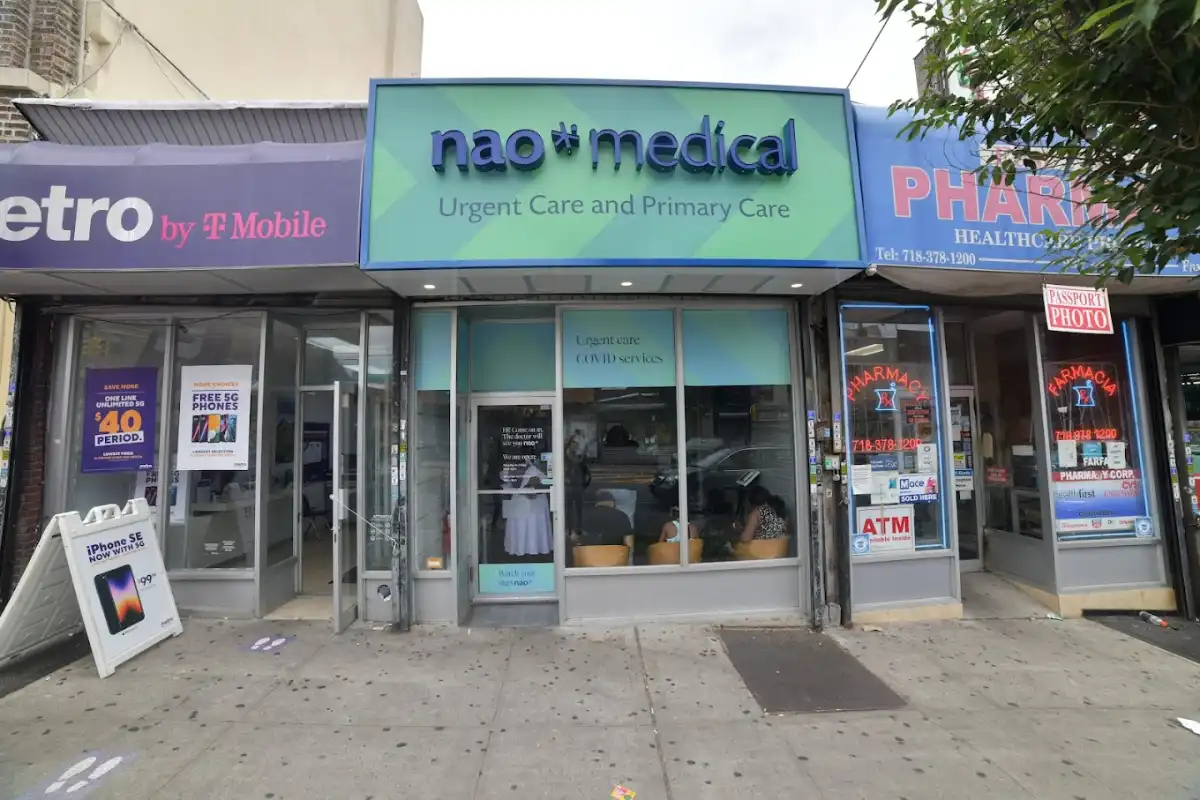
Bronx
932 E 174th St, Bronx, NY 10460
Choose a nearby clinic for an evaluation and care coordination. Before traveling, confirm the appointment type and any testing, medication teaching or treatment you need.
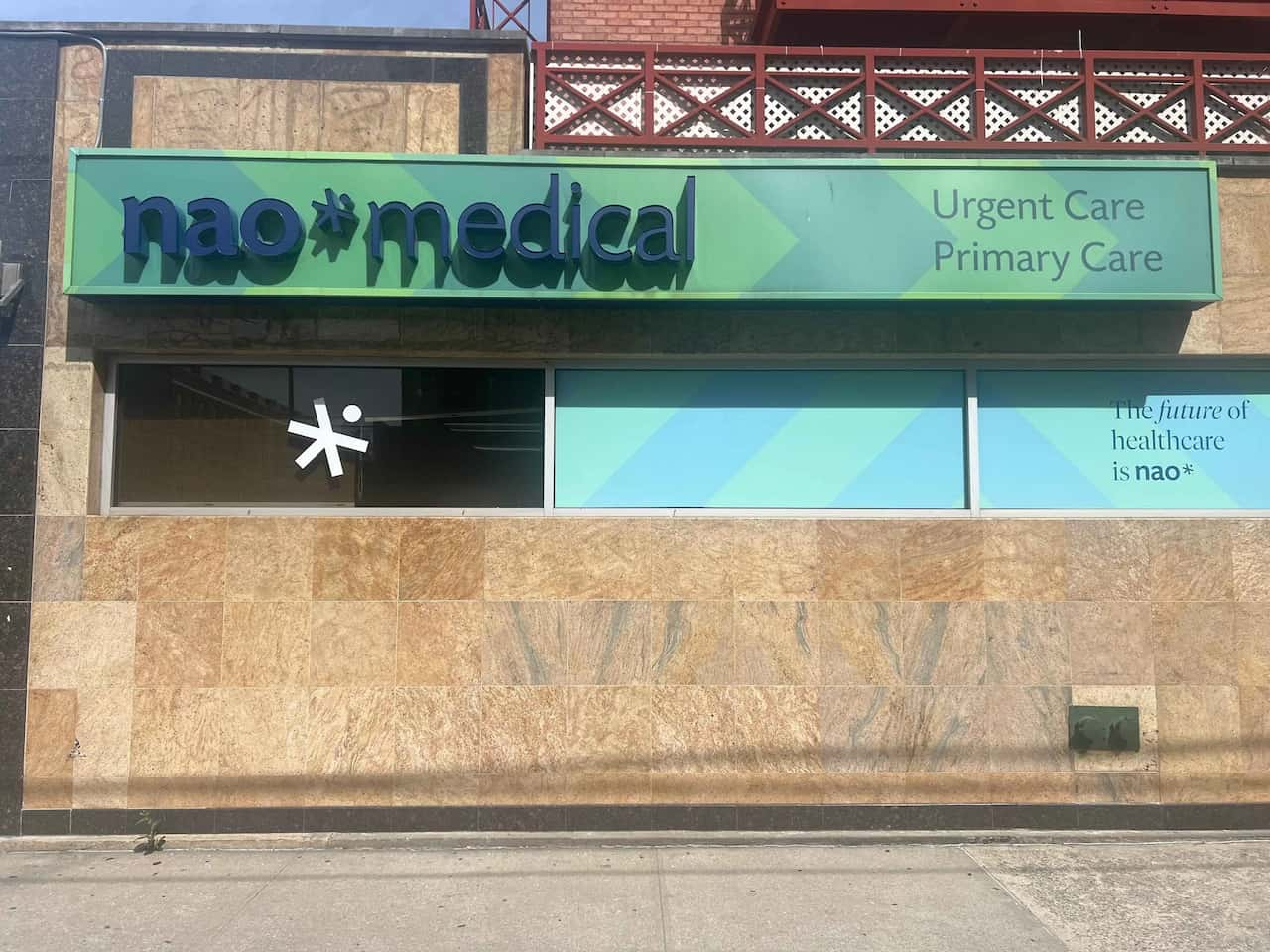
Queens
37-15 23rd Ave, Astoria, NY 11105
Choose a nearby clinic for an evaluation and care coordination. Before traveling, confirm the appointment type and any testing, medication teaching or treatment you need.
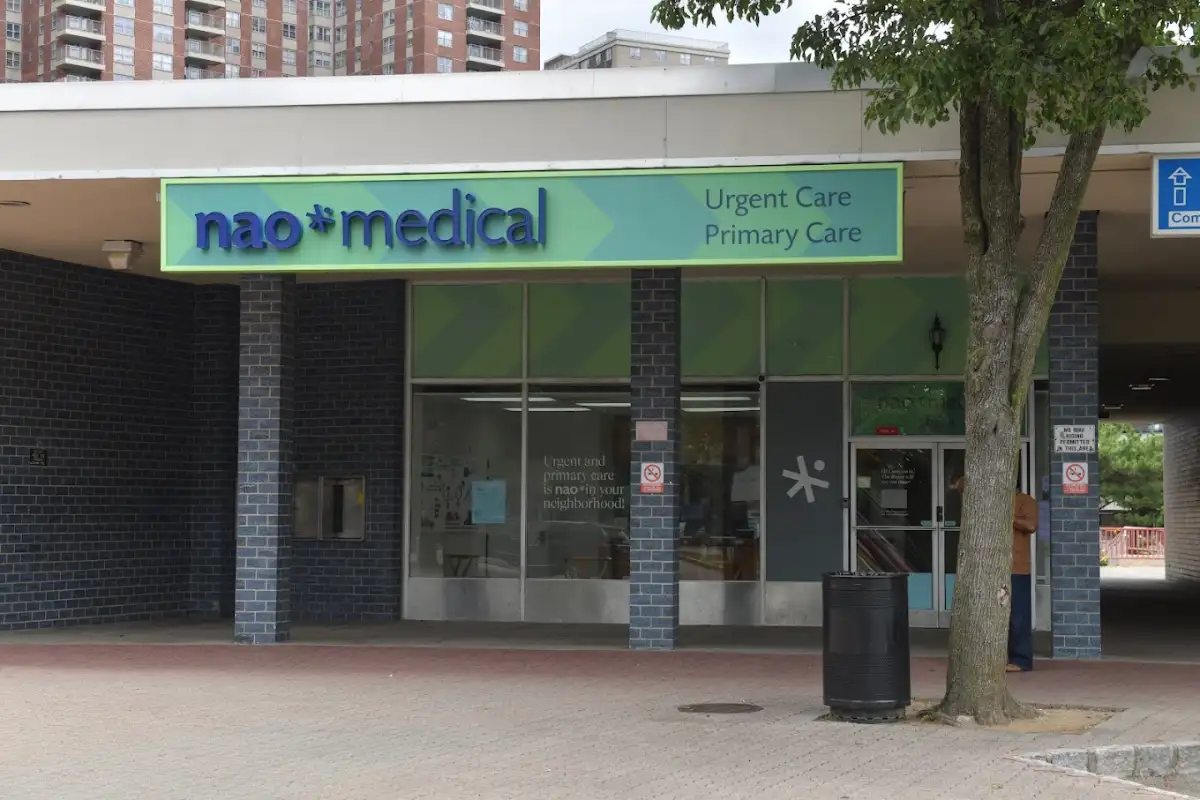
Bronx
2063A Bartow Ave, Bronx, NY 10475
Choose a nearby clinic for an evaluation and care coordination. Before traveling, confirm the appointment type and any testing, medication teaching or treatment you need.
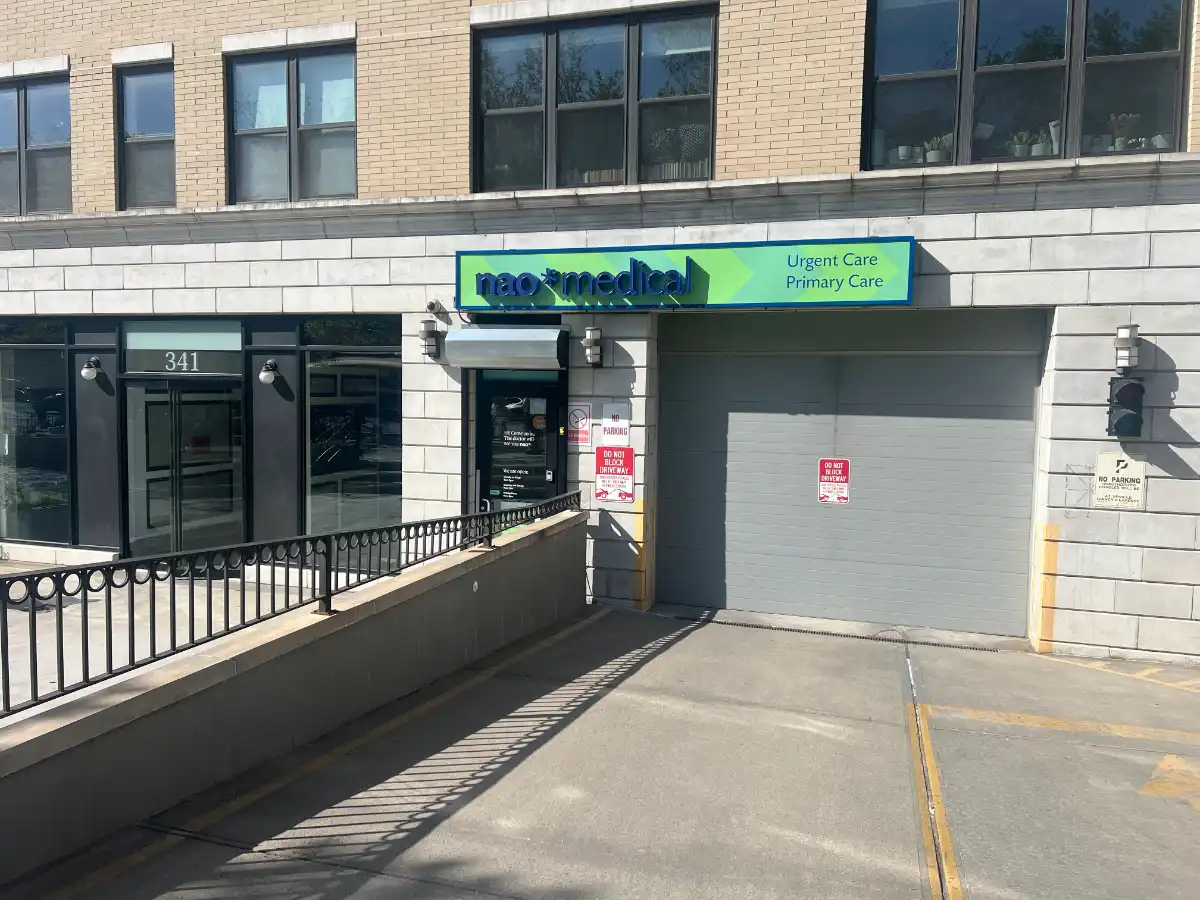
Brooklyn
341 Eastern Pkwy, Brooklyn, NY 11216
Choose a nearby clinic for an evaluation and care coordination. Before traveling, confirm the appointment type and any testing, medication teaching or treatment you need.
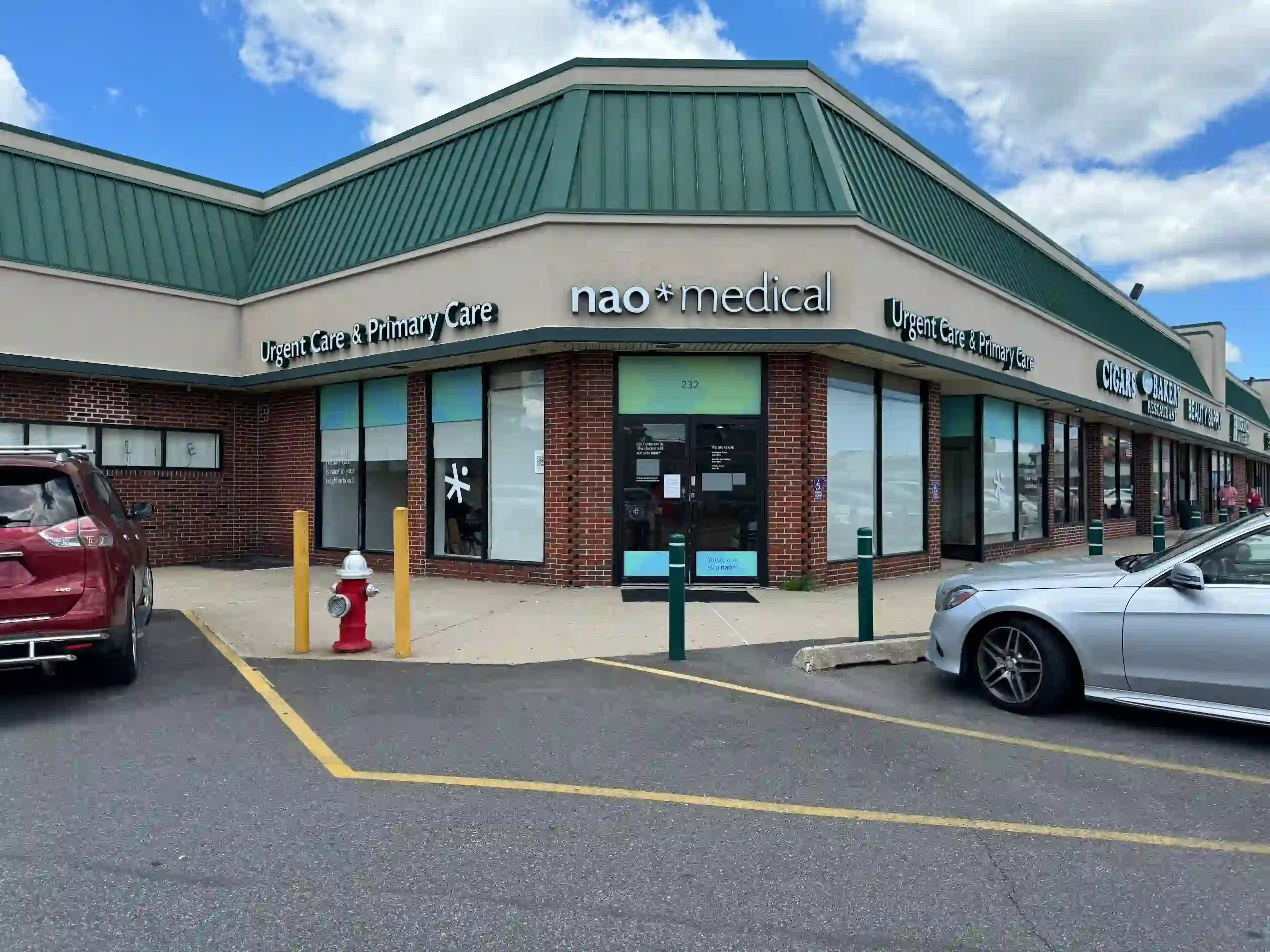
Long Island
232 W Old Country Rd, Hicksville, NY 11801
Choose a nearby clinic for an evaluation and care coordination. Before traveling, confirm the appointment type and any testing, medication teaching or treatment you need.
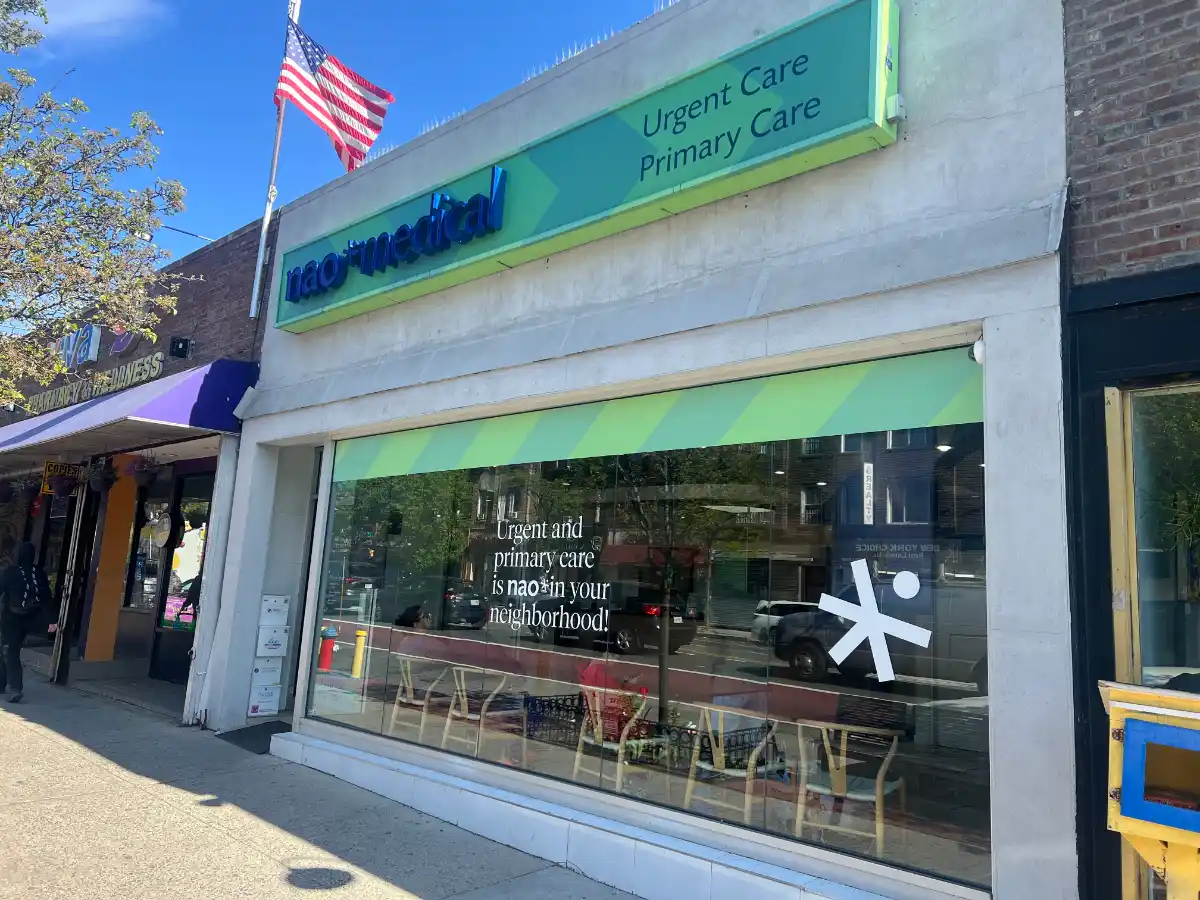
Queens
80-10 Northern Blvd, Jackson Heights, NY 11372
Choose a nearby clinic for an evaluation and care coordination. Before traveling, confirm the appointment type and any testing, medication teaching or treatment you need.
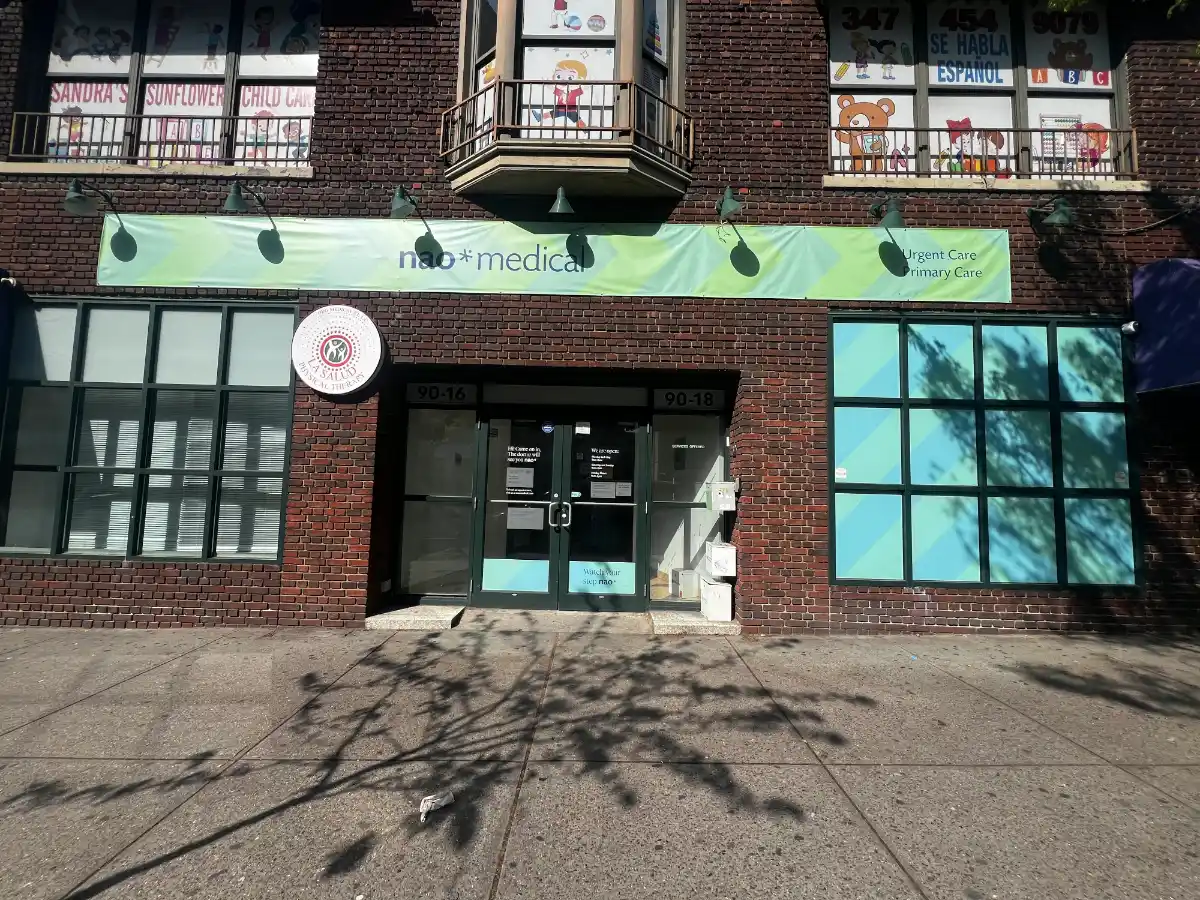
Queens
90-18 Sutphin Blvd, Jamaica, NY 11435
Choose a nearby clinic for an evaluation and care coordination. Before traveling, confirm the appointment type and any testing, medication teaching or treatment you need.
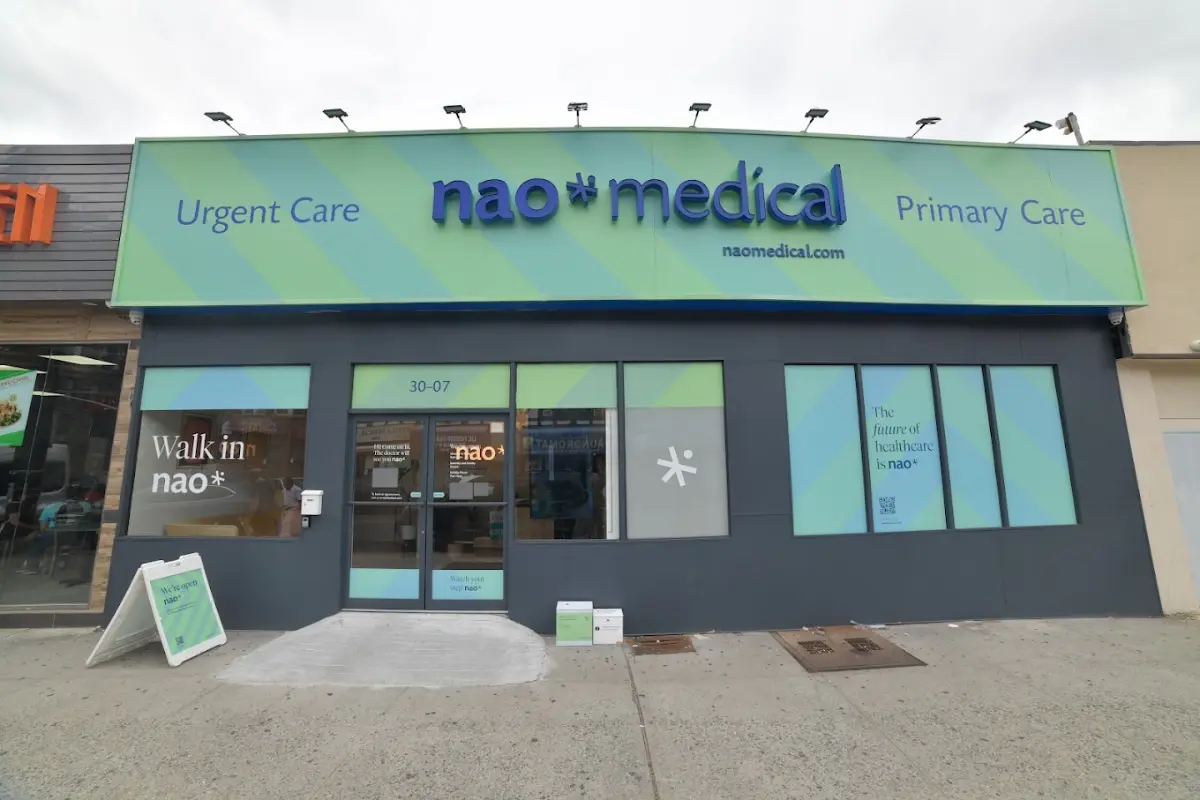
Queens
30-07 36th Ave, Astoria, NY 11106
Choose a nearby clinic for an evaluation and care coordination. Before traveling, confirm the appointment type and any testing, medication teaching or treatment you need.
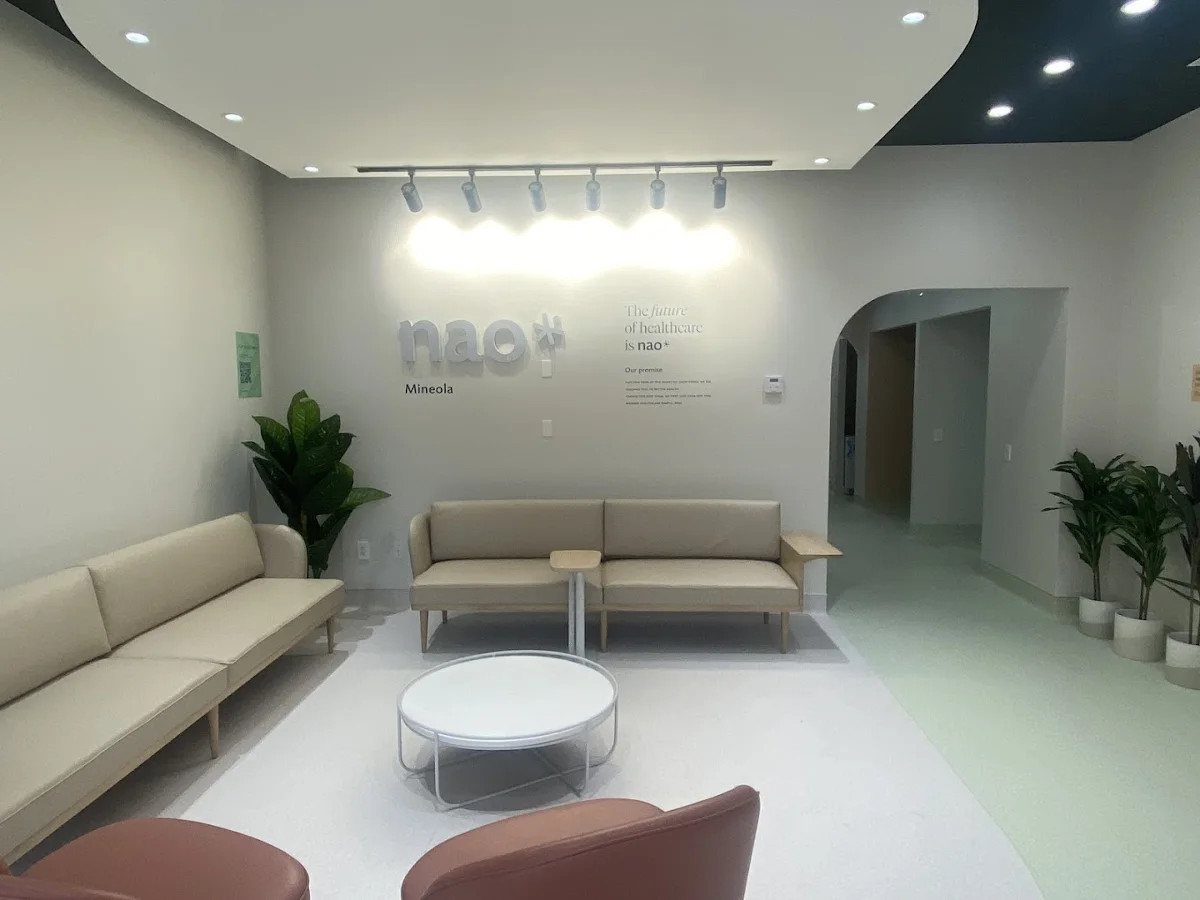
Long Island
135 Mineola Blvd, Mineola, NY 11501
Choose a nearby clinic for an evaluation and care coordination. Before traveling, confirm the appointment type and any testing, medication teaching or treatment you need.
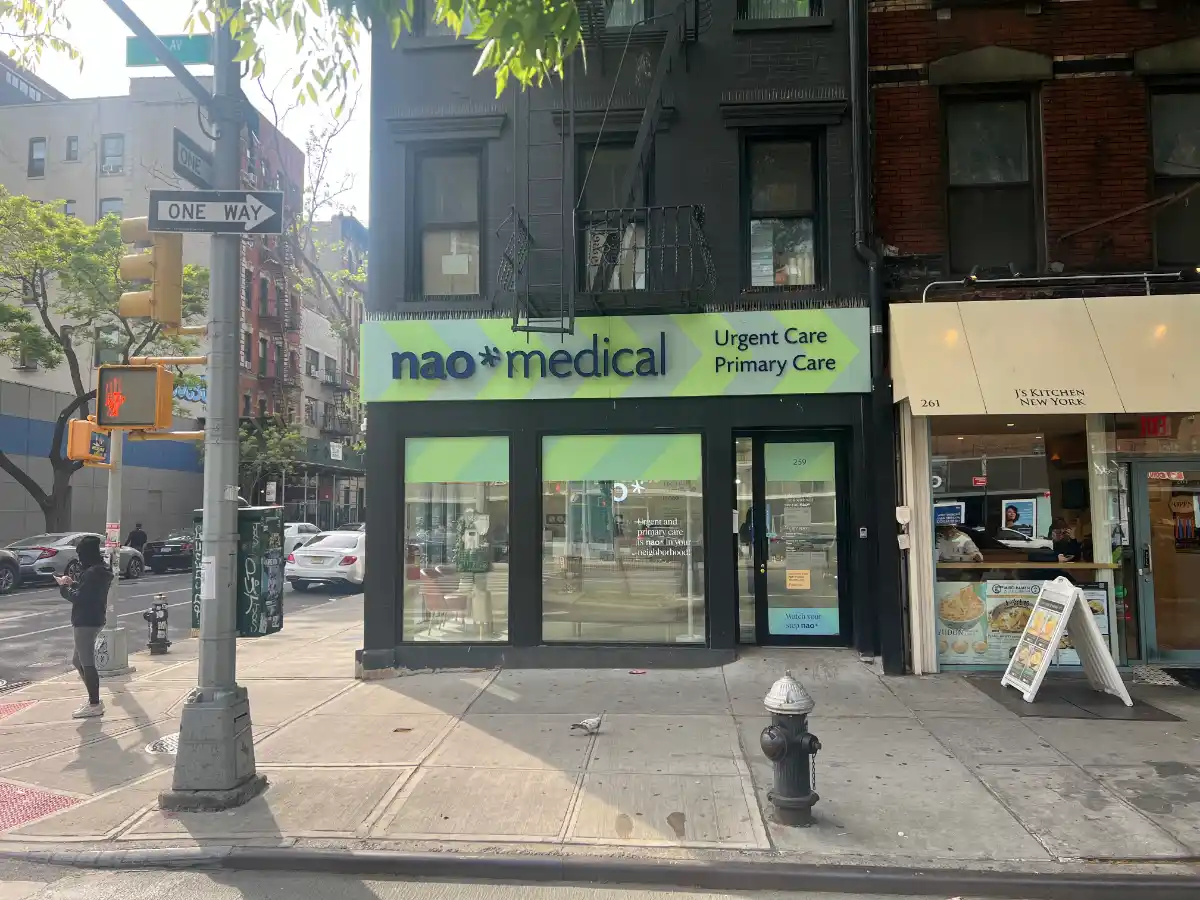
Manhattan
259 1st Ave, New York, NY 10003
Choose a nearby clinic for an evaluation and care coordination. Before traveling, confirm the appointment type and any testing, medication teaching or treatment you need.
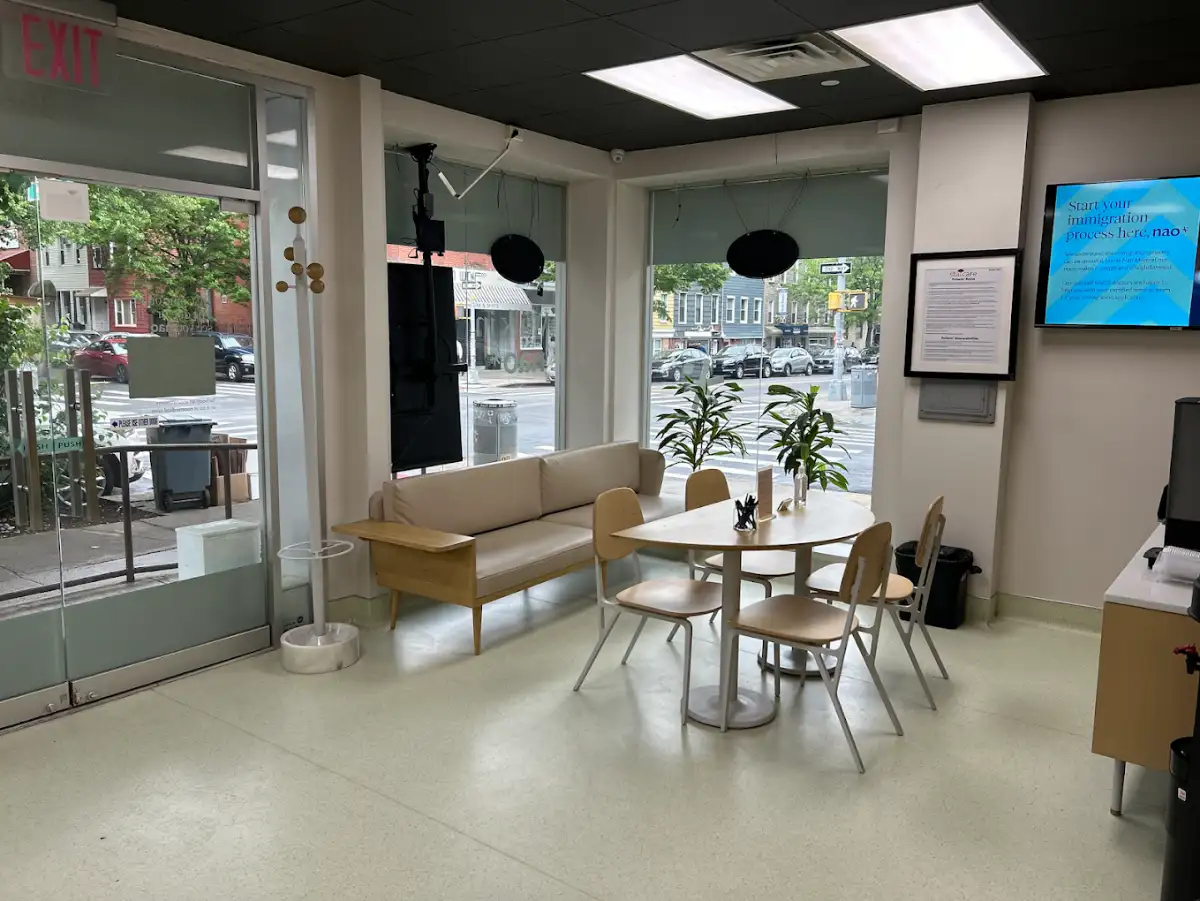
Brooklyn
308 Graham Ave, Brooklyn, NY 11211
Choose a nearby clinic for an evaluation and care coordination. Before traveling, confirm the appointment type and any testing, medication teaching or treatment you need.
Use ongoing primary care to connect medication decisions with the rest of your health history.
Explore Nao Medical's broader weight-management program and treatment options.
Review a weight-management product without treating it as a general diabetes medicine.
Coordinate cardiovascular prevention with diabetes treatment.
Content was updated August 2, 2026 from the cited sources and Nao Medical's current service information. Medical guidance, prescribing information, medication availability, and insurance rules can change. A licensed clinician must confirm current information and determine each patient's eligibility, testing, treatment, administration setting, and follow-up. Call 911 for a medical emergency. Contact Nao Medical with a question or correction.