1. The medication is taken daily
Disulfiram is usually taken by mouth as directed. Some patients need adherence support or supervised dosing because skipped doses remove the accountability effect.


Nao Medical evaluates adults for alcohol-use-disorder medication support, including Disulfiram, also known by the brand name Antabuse, when it is clinically appropriate. Care can include medical evaluation, safety review, follow-up visits, counseling coordination, telehealth support, and insurance verification. Explore Disulfiram treatment information for NYC.
Disulfiram blocks normal alcohol breakdown. If alcohol is consumed, acetaldehyde can build up and cause an unpleasant or dangerous reaction. This deterrent effect can support abstinence for patients who are committed to not drinking and who understand the risks.


Disulfiram is an alcohol-deterrent medicine for selected patients who want to avoid alcohol. Antabuse is a familiar brand name for the same active medicine. It is different from medicines aimed mainly at cravings: drinking while it remains active can cause a serious physical reaction. Choosing it requires informed agreement, a practical alcohol-avoidance plan and medical follow-up.
Disulfiram interferes with alcohol breakdown, causing acetaldehyde to accumulate if alcohol is consumed. The reaction can include flushing, vomiting and a racing heart, and severe reactions can be life-threatening. It does not remove alcohol from the body, treat intoxication or manage alcohol withdrawal. It should never be given secretly or used to punish or control another person’s drinking.
The evaluation considers readiness for abstinence, recent alcohol use and withdrawal risk. The clinician reviews liver and heart disease, psychiatric history, pregnancy, allergies and interacting medicines. Severe myocardial disease or coronary occlusion, psychoses and certain medicines such as metronidazole or paraldehyde are important label exclusions. Being interested in a prescription is not enough if alcohol exposure or unsafe withdrawal makes the plan unsuitable.
Describe the last drink, usual drinking pattern, past withdrawal, seizures and detox treatment. The clinician determines when a start is appropriate. If significant withdrawal is likely, medical withdrawal care comes first; disulfiram cannot substitute for it.
Review what an alcohol reaction can feel like, why it can be dangerous and how long the risk lasts after stopping. Discuss medicines, foods and household products that may contain alcohol. A family member may support your plan with your agreement, but cannot administer the medicine without your knowledge.
Bring liver test results if available and ask about baseline and early follow-up monitoring. Review how the prescribed tablet will fit your day and whether agreed support would help you take it reliably. A clinician should explain missed doses; do not take extra tablets to make a deterrent stronger.
Discuss cravings, stress, sleep, mental health and drinking triggers. Counseling, recovery support or another AUD medicine may be part of the plan. If you think you may drink, contact the team before a crisis rather than testing the reaction.
Bring a complete medication and supplement list, alcohol-containing remedies you use, treatment records and relevant heart or liver history. Ask a pharmacist about unclear labels on cough products, mouthwash, sauces or other products. Do not assume cooking removes all alcohol or that a product marketed as alcohol-free is safe without checking its content. Discuss an emergency plan and how to explain disulfiram use to another treating clinician.
The boxed warning says not to administer disulfiram during alcohol intoxication or without the patient’s full knowledge. Alcohol reactions can occur for up to fourteen days after the last tablet. Do not deliberately test drinking on it. Seek emergency care for chest pain, trouble breathing, collapse, marked confusion or severe symptoms after possible alcohol exposure. Disulfiram can also cause liver injury without a drinking reaction. Report jaundice, dark urine, loss of appetite or persistent nausea promptly. New numbness, vision problems or major mental-health changes also need review.
Follow-up reviews alcohol exposure, tablet adherence, cravings, adverse effects and liver monitoring. Missing tablets or stopping does not immediately remove reaction risk. Tell the prescriber if avoiding hidden alcohol is becoming difficult or if the plan feels coercive. Discuss a change in treatment rather than quietly stopping to drink. The decision to continue depends on safety, goals and whether the medicine is helping.
Ask whether the prescription will be filled as generic disulfiram and whether the named brand is available through your pharmacy; the pharmacy must confirm the actual product and supply. Clarify the costs of visits, laboratory monitoring and medication. Confirm who will follow up on test results and whom to contact before starting if alcohol was used after the visit was scheduled.
Disulfiram is an alcohol-deterrent medicine for selected patients who want to avoid alcohol. Antabuse is a familiar brand name for the same active medicine. It is different from medicines aimed mainly at cravings: drinking while it remains active can cause a serious physical reaction. Choosing it requires informed agreement, a practical alcohol-avoidance plan and medical follow-up.
Disulfiram interferes with alcohol breakdown, causing acetaldehyde to accumulate if alcohol is consumed. The reaction can include flushing, vomiting and a racing heart, and severe reactions can be life-threatening. It does not remove alcohol from the body, treat intoxication or manage alcohol withdrawal. It should never be given secretly or used to punish or control another person’s drinking.
The evaluation considers readiness for abstinence, recent alcohol use and withdrawal risk. The clinician reviews liver and heart disease, psychiatric history, pregnancy, allergies and interacting medicines. Severe myocardial disease or coronary occlusion, psychoses and certain medicines such as metronidazole or paraldehyde are important label exclusions. Being interested in a prescription is not enough if alcohol exposure or unsafe withdrawal makes the plan unsuitable.
Do not take disulfiram while intoxicated or without the prescriber’s plan; the label requires at least 12 hours after the last alcohol use before starting. Alcohol can cause a severe reaction, including through some medicines or other alcohol-containing products. A reaction can occur for up to 14 days after the last dose, so stopping the tablet is not permission to drink. Disulfiram is not alcohol detox or a cure; withdrawal safety and ongoing behavioral support still matter.
Disulfiram's timing matters because of the alcohol-reaction risk. The label requires at least 12 hours after the last alcohol use before starting. A reaction can occur for up to 14 days after the last tablet. It does not quickly remove alcohol, treat withdrawal or provide an exact personalized drug-clearance time. Ask the prescriber about the actual start and alcohol-avoidance plan rather than testing a drink or estimating safety from elapsed hours.
Disulfiram is an approved alcohol-dependence treatment option that deters drinking through a potentially serious alcohol reaction. It is not a cure, an acute-withdrawal medicine or a guarantee against relapse. A suitable treatment plan includes an informed patient, alcohol-avoidance instructions, clinical monitoring and behavioral support. Another AUD medicine may better fit the patient’s goals and risks.
Disulfiram may cause drowsiness, headache or a metallic/garlic taste. More serious concerns include liver injury, nerve or visual symptoms, psychiatric changes and interactions. Alcohol exposure can trigger a severe reaction, including after stopping treatment. Contact the clinician for jaundice, dark urine, persistent nausea, numbness or vision changes; use emergency care for collapse, breathing trouble, chest pain or severe reaction symptoms.
The evaluation considers readiness for abstinence, recent alcohol use and withdrawal risk. The clinician reviews liver and heart disease, psychiatric history, pregnancy, allergies and interacting medicines. Severe myocardial disease or coronary occlusion, psychoses and certain medicines such as metronidazole or paraldehyde are important label exclusions. Being interested in a prescription is not enough if alcohol exposure or unsafe withdrawal makes the plan unsuitable.
Describe the last drink, usual drinking pattern, past withdrawal, seizures and detox treatment. The clinician determines when a start is appropriate. If significant withdrawal is likely, medical withdrawal care comes first; disulfiram cannot substitute for it.
Review what an alcohol reaction can feel like, why it can be dangerous and how long the risk lasts after stopping. Discuss medicines, foods and household products that may contain alcohol. A family member may support your plan with your agreement, but cannot administer the medicine without your knowledge.
Bring liver test results if available and ask about baseline and early follow-up monitoring. Review how the prescribed tablet will fit your day and whether agreed support would help you take it reliably. A clinician should explain missed doses; do not take extra tablets to make a deterrent stronger.
Discuss cravings, stress, sleep, mental health and drinking triggers. Counseling, recovery support or another AUD medicine may be part of the plan. If you think you may drink, contact the team before a crisis rather than testing the reaction.
The boxed warning says not to administer disulfiram during alcohol intoxication or without the patient’s full knowledge. Alcohol reactions can occur for up to fourteen days after the last tablet. Do not deliberately test drinking on it. Seek emergency care for chest pain, trouble breathing, collapse, marked confusion or severe symptoms after possible alcohol exposure. Disulfiram can also cause liver injury without a drinking reaction. Report jaundice, dark urine, loss of appetite or persistent nausea promptly. New numbness, vision problems or major mental-health changes also need review.
Tell the prescriber if you are pregnant or may become pregnant before taking disulfiram. Its suitability requires an individual benefit-risk review and alcohol/withdrawal safety assessment. Do not assume a routine AUD prescription is safe in pregnancy. Coordinate the obstetric and addiction-care plan and do not attempt a drinking reaction or abrupt unsupervised withdrawal.
Have your insurance card ready when booking. Share member details through the clinic’s confirmed secure intake process. Check with the clinic and your insurer that the exact plan covers the clinician and requested service. Ask about visit charges, any separately billed tests or medicines, and any referral or authorization requirement. Coverage and your copay or deductible depend on the plan; request a written estimate if paying yourself.
An appropriate evaluation or follow-up may be possible by video when the clinician is authorized to treat you where you are physically located. The service must confirm age, eligibility and current prescribing requirements. A video visit does not guarantee a controlled-substance prescription. Some examinations and tests need an in-person visit. Provider-administered injections require the appropriate treatment setting. Ask intake where any ordered specimens must be collected. Tell intake your actual location and requested service.
Bring a complete medication and supplement list, alcohol-containing remedies you use, treatment records and relevant heart or liver history. Ask a pharmacist about unclear labels on cough products, mouthwash, sauces or other products. Do not assume cooking removes all alcohol or that a product marketed as alcohol-free is safe without checking its content. Discuss an emergency plan and how to explain disulfiram use to another treating clinician.
Do not take disulfiram while intoxicated or without the prescriber’s plan. The label requires at least 12 hours after the last alcohol use before starting. Alcohol can cause a severe reaction, including through some medicines or other alcohol-containing products. A reaction can occur for up to 14 days after the last dose, so stopping the tablet is not permission to drink. Disulfiram is not alcohol detox or a cure. Withdrawal safety and ongoing behavioral support still matter.
Disulfiram is an alcohol-deterrent medicine for selected patients who want to avoid alcohol. Antabuse is a familiar brand name for the same active medicine. It is different from medicines aimed mainly at cravings: drinking while it remains active can cause a serious physical reaction. Choosing it requires informed agreement, a practical alcohol-avoidance plan and medical follow-up.
The evaluation considers readiness for abstinence, recent alcohol use and withdrawal risk. The clinician reviews liver and heart disease, psychiatric history, pregnancy, allergies and interacting medicines. Severe myocardial disease or coronary occlusion, psychoses and certain medicines such as metronidazole or paraldehyde are important label exclusions. Being interested in a prescription is not enough if alcohol exposure or unsafe withdrawal makes the plan unsuitable.
Describe the last drink, usual drinking pattern, past withdrawal, seizures and detox treatment. The clinician determines when a start is appropriate. If significant withdrawal is likely, medical withdrawal care comes first; disulfiram cannot substitute for it.
Review what an alcohol reaction can feel like, why it can be dangerous and how long the risk lasts after stopping. Discuss medicines, foods and household products that may contain alcohol. A family member may support your plan with your agreement, but cannot administer the medicine without your knowledge.
Bring liver test results if available and ask about baseline and early follow-up monitoring. Review how the prescribed tablet will fit your day and whether agreed support would help you take it reliably. A clinician should explain missed doses; do not take extra tablets to make a deterrent stronger.
Discuss cravings, stress, sleep, mental health and drinking triggers. Counseling, recovery support or another AUD medicine may be part of the plan. If you think you may drink, contact the team before a crisis rather than testing the reaction.
Contact the exact service and clinic to confirm the qualified clinician, evaluation modality and available treatment pathway. An electronic prescription, when clinically appropriate, goes to the agreed pharmacy; confirm that pharmacy’s fill and stock status separately. Describe a medication gap promptly and keep the current prescriber involved until responsibility is clear.
There is no safe home method that makes drinking safe after disulfiram. The label warns that an alcohol reaction can occur for up to 14 days after the last dose. Do not test whether it has worn off or try to flush it out. Discuss any planned change with the prescriber and avoid alcohol-containing products as instructed. After exposure, chest pain, breathing difficulty, collapse or severe symptoms require emergency care.
Disulfiram interferes with alcohol breakdown, causing acetaldehyde to accumulate. Drinking alcohol can then cause flushing, severe headache, nausea, vomiting, palpitations or low blood pressure; severe reactions can be life-threatening. “Disulfiram-like” describes a similar alcohol reaction, but the exact medicine and exposure need review. Do not assume that a small amount of alcohol or cooking makes exposure safe. Breathing difficulty, chest pain or collapse requires emergency care.
The alcohol reaction risk can persist for up to fourteen days after the last tablet. Discuss stopping and your alcohol-use plan with the prescriber. Do not test whether the reaction has worn off.
Disulfiram is usually taken by mouth as directed. Some patients need adherence support or supervised dosing because skipped doses remove the accountability effect.
The medication blocks normal alcohol metabolism. A toxic alcohol byproduct can build up if alcohol is consumed.
Even small alcohol exposures can cause nausea, vomiting, headache, flushing, sweating, palpitations, chest discomfort, weakness, or more serious symptoms.
For the right patient, knowing that drinking will cause a reaction can create structure, pause impulsive decisions, and support a recovery plan.
Alcohol sensitivity can continue for up to 14 days after the last dose, so stopping the medication does not make alcohol immediately safe.
Disulfiram should never be taken while intoxicated, without full knowledge, or without a plan to avoid alcohol-containing products.
The provider reviews alcohol use, withdrawal symptoms, medical history, medications, allergies, mood symptoms, and current safety needs.
Disulfiram may be ruled out if the risk profile does not fit. The visit may also cover naltrexone, Vivitrol, acamprosate, counseling, or higher care.
Patients review the alcohol reaction, hidden alcohol sources, side effects, contraindications, and what to do if symptoms become severe.
The plan can include medication, counseling referrals, follow-up timing, insurance review, telehealth when appropriate, and accountability supports.
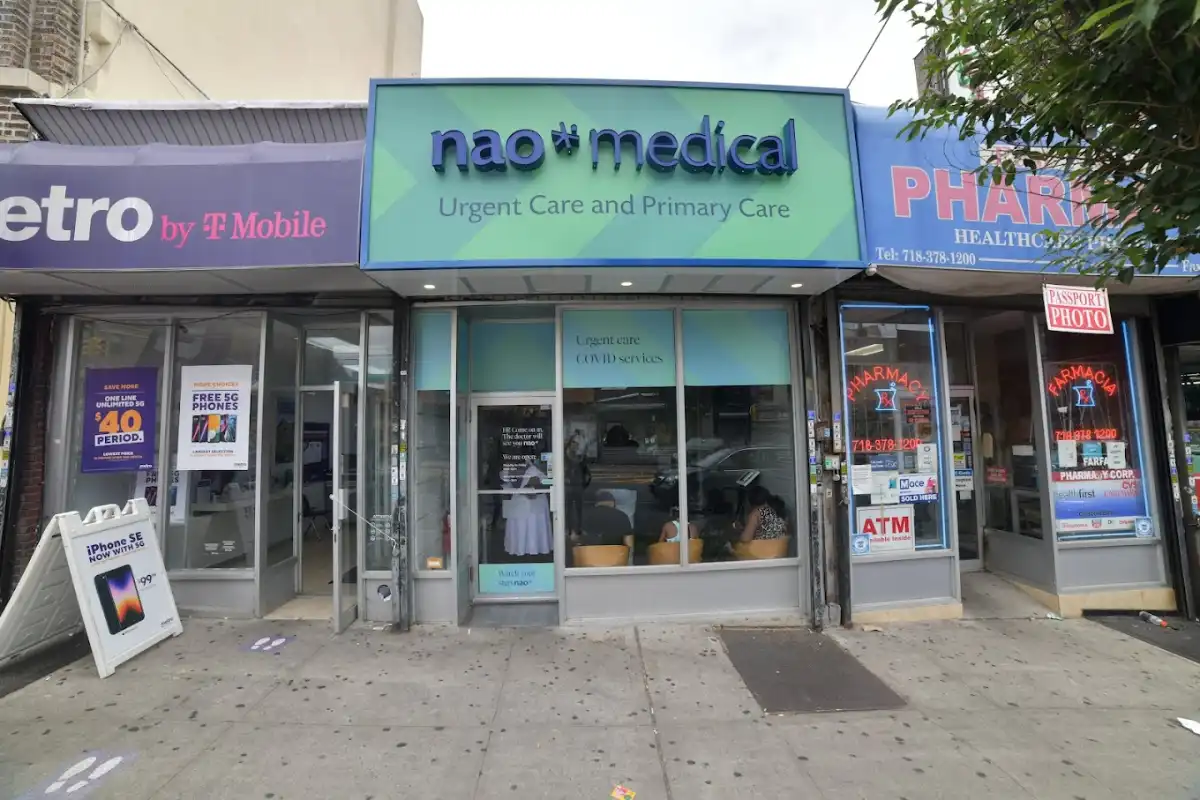
932 E 174th St, Bronx, NY 10460
A Bronx access point for alcohol-use-disorder medication evaluation, follow-up planning, and confidential care for patients in West Farms, Crotona Park East, and nearby Bronx neighborhoods.
View local alcohol treatment Get directions
37-15 23rd Ave, Astoria, NY 11105
A Queens access point for alcohol-use-disorder medication evaluation, follow-up planning, and confidential care for patients in Astoria, Ditmars, East Elmhurst, and nearby Queens neighborhoods.
View local alcohol treatment Get directions
2063A Bartow Ave, Bronx, NY 10475
A Bronx access point for alcohol-use-disorder medication evaluation, follow-up planning, and confidential care for patients in Co-op City, Pelham Bay, Baychester, and nearby Bronx neighborhoods.
View local alcohol treatment Get directions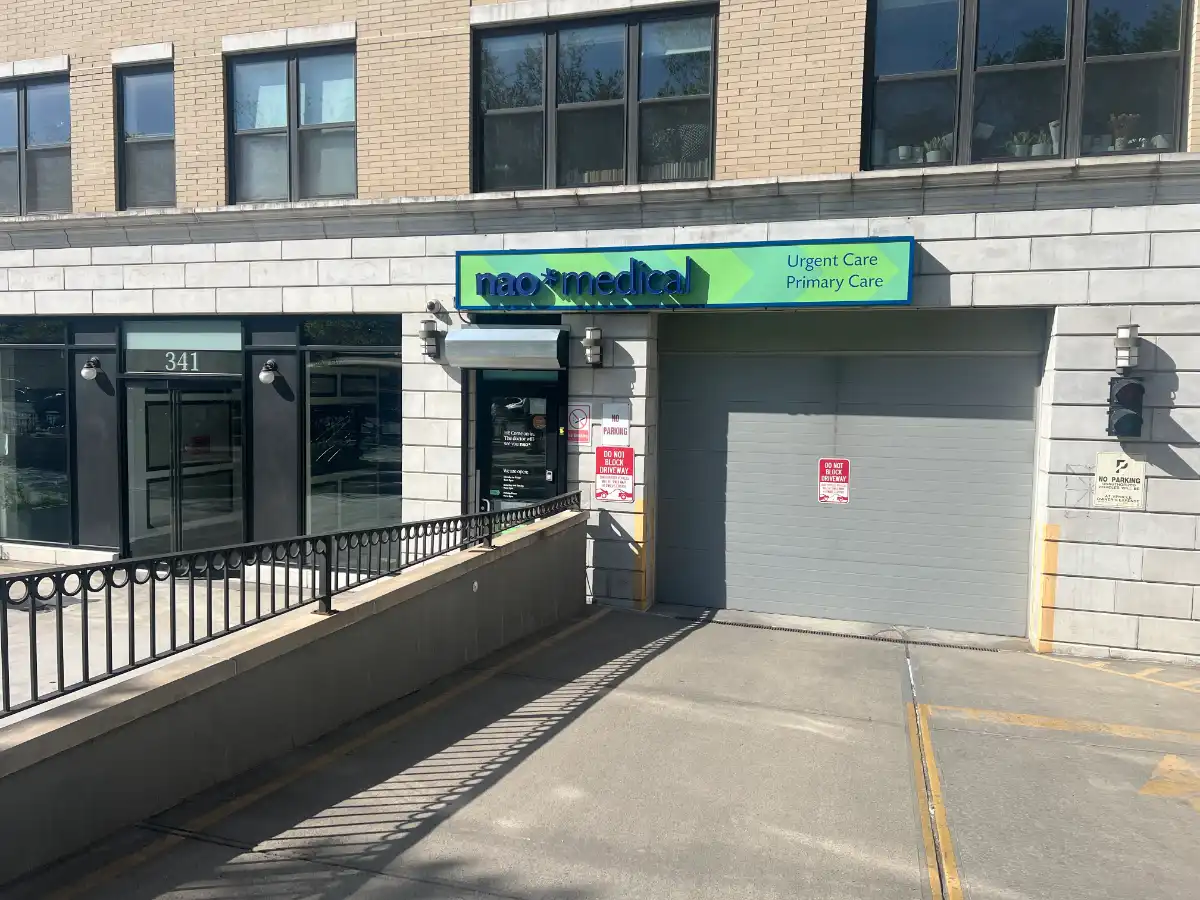
341 Eastern Pkwy, Brooklyn, NY 11216
A Brooklyn access point for alcohol-use-disorder medication evaluation, follow-up planning, and confidential care for patients in Crown Heights, Prospect Heights, and nearby Brooklyn neighborhoods.
View local alcohol treatment Get directions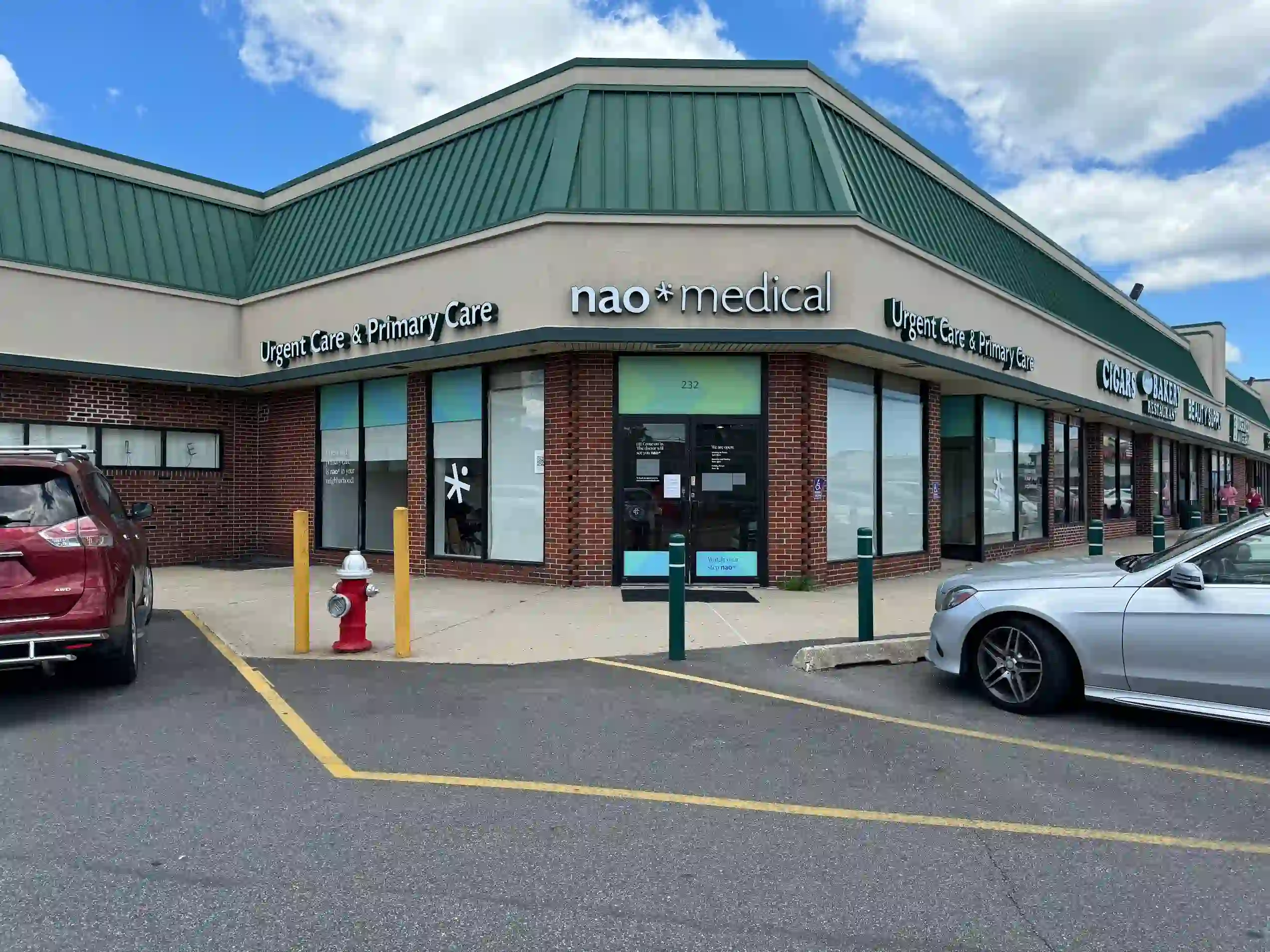
232 W Old Country Rd, Hicksville, NY 11801
A Long Island access point for alcohol-use-disorder medication evaluation, follow-up planning, and confidential care for patients in Hicksville, Plainview, Bethpage, and nearby Nassau County communities.
View local alcohol treatment Get directions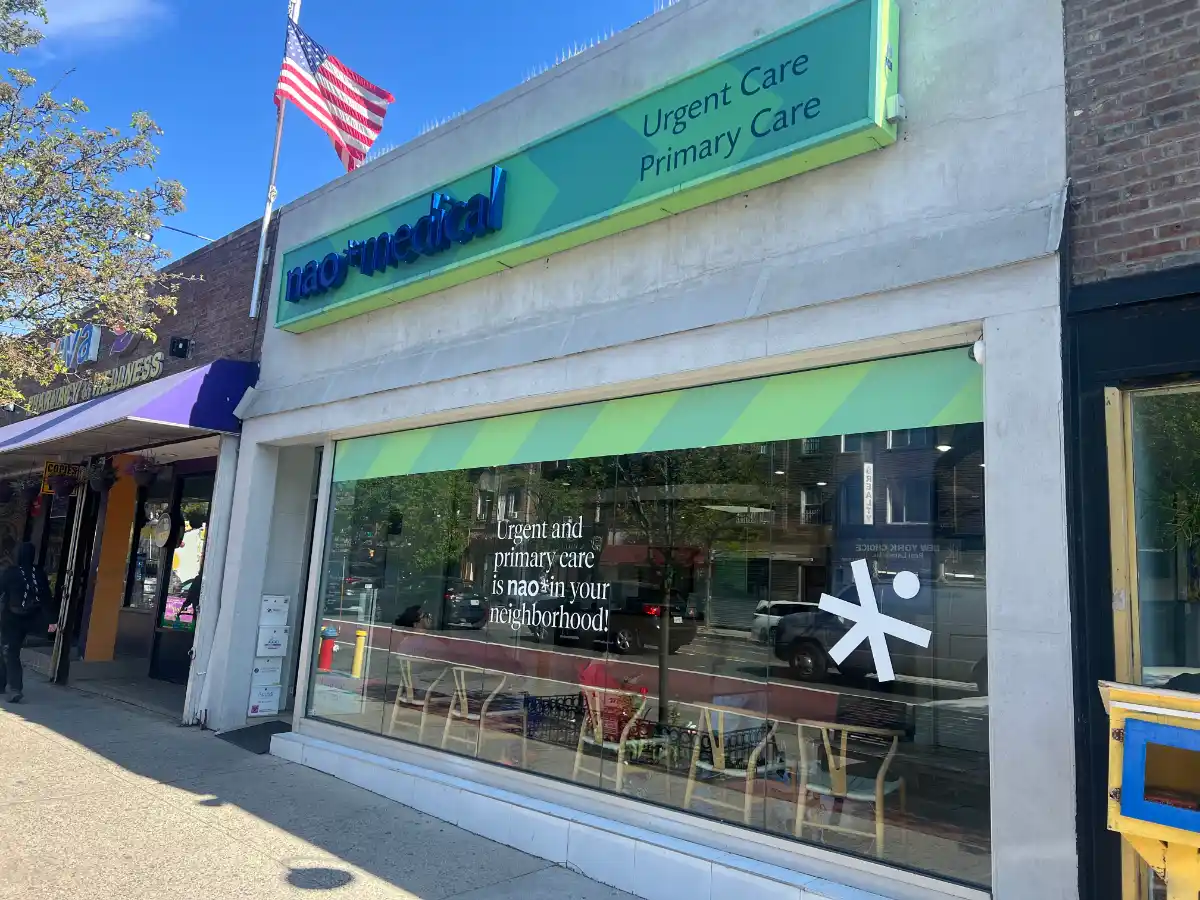
80-10 Northern Blvd, Jackson Heights, NY 11372
A Queens access point for alcohol-use-disorder medication evaluation, follow-up planning, and confidential care for patients in Jackson Heights, Elmhurst, Corona, and nearby Queens neighborhoods.
View local alcohol treatment Get directions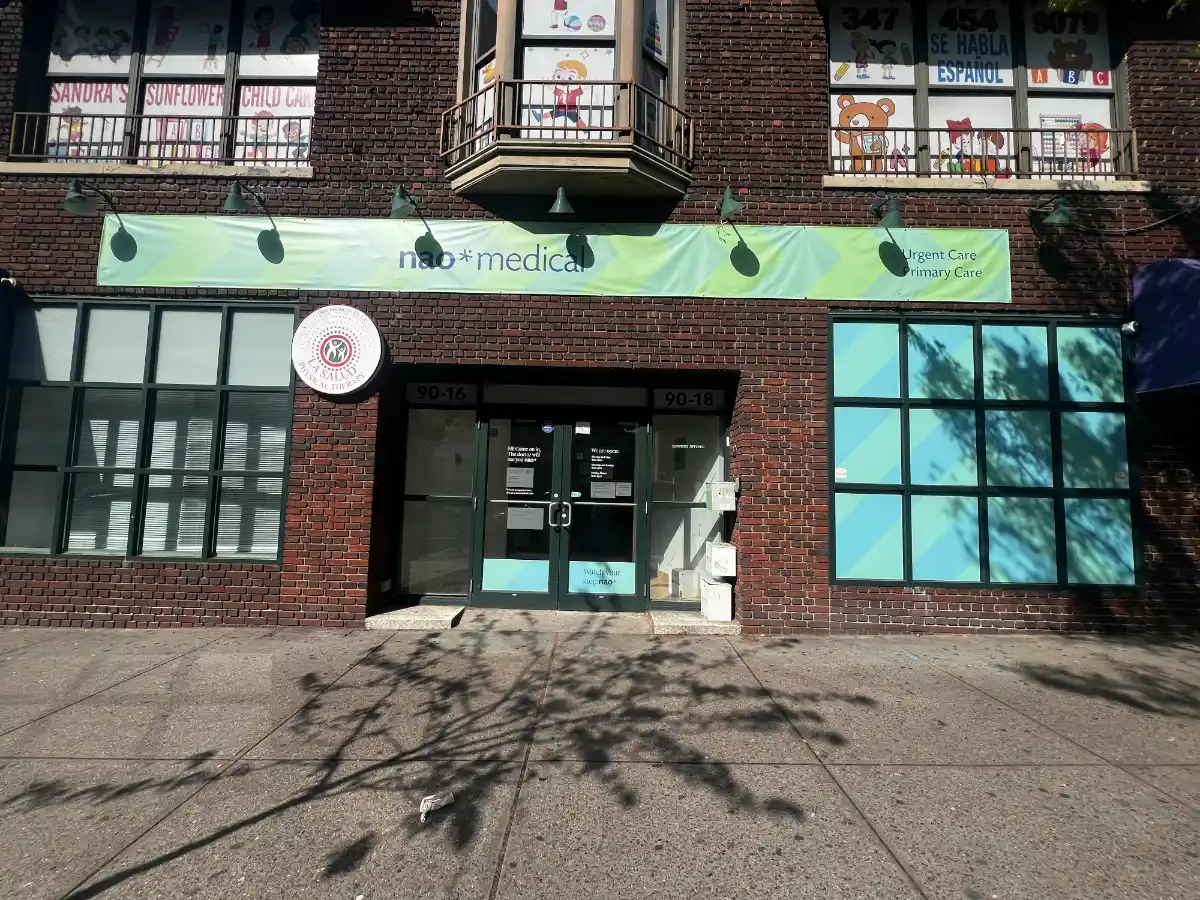
90-18 Sutphin Blvd, Jamaica, NY 11435
A Queens access point for alcohol-use-disorder medication evaluation, follow-up planning, and confidential care for patients in Jamaica, Briarwood, Richmond Hill, and nearby Queens neighborhoods.
View local alcohol treatment Get directions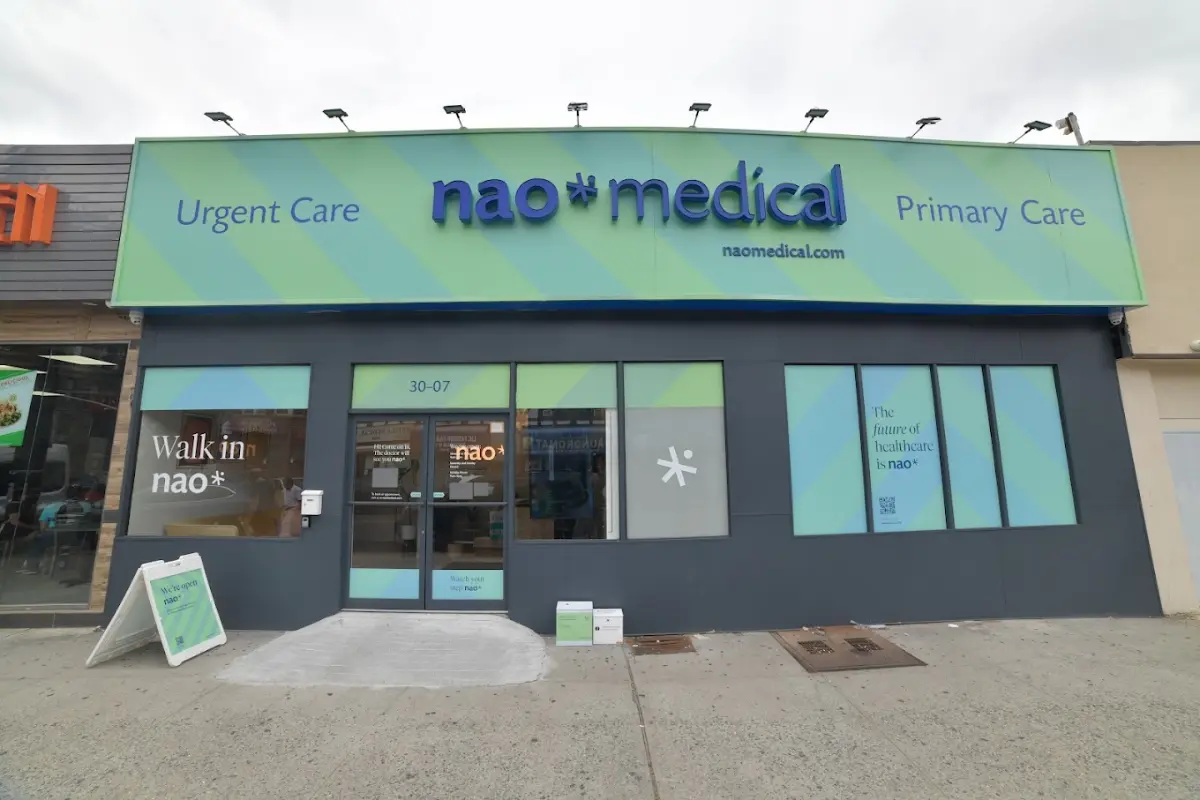
30-07 36th Ave, Astoria, NY 11106
A Queens access point for alcohol-use-disorder medication evaluation, follow-up planning, and confidential care for patients in Long Island City, Astoria, Sunnyside, and nearby Queens neighborhoods.
View local alcohol treatment Get directions
135 Mineola Blvd, Mineola, NY 11501
A Long Island access point for alcohol-use-disorder medication evaluation, follow-up planning, and confidential care for patients in Mineola, Garden City, Westbury, and nearby Nassau County communities.
View local alcohol treatment Get directions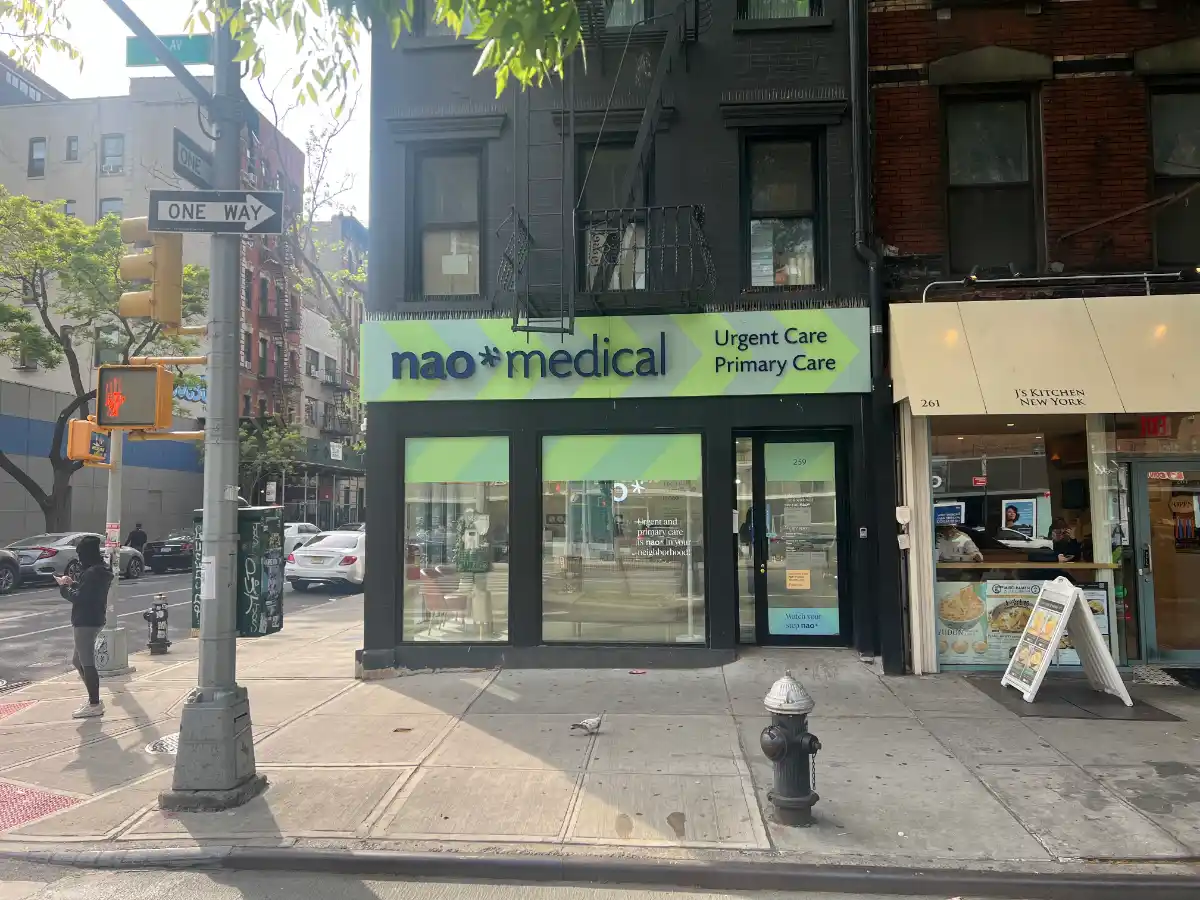
259 1st Ave, New York, NY 10003
A Manhattan access point for alcohol-use-disorder medication evaluation, follow-up planning, and confidential care for patients in StuyTown, East Village, Gramercy, and nearby Manhattan neighborhoods.
View local alcohol treatment Get directions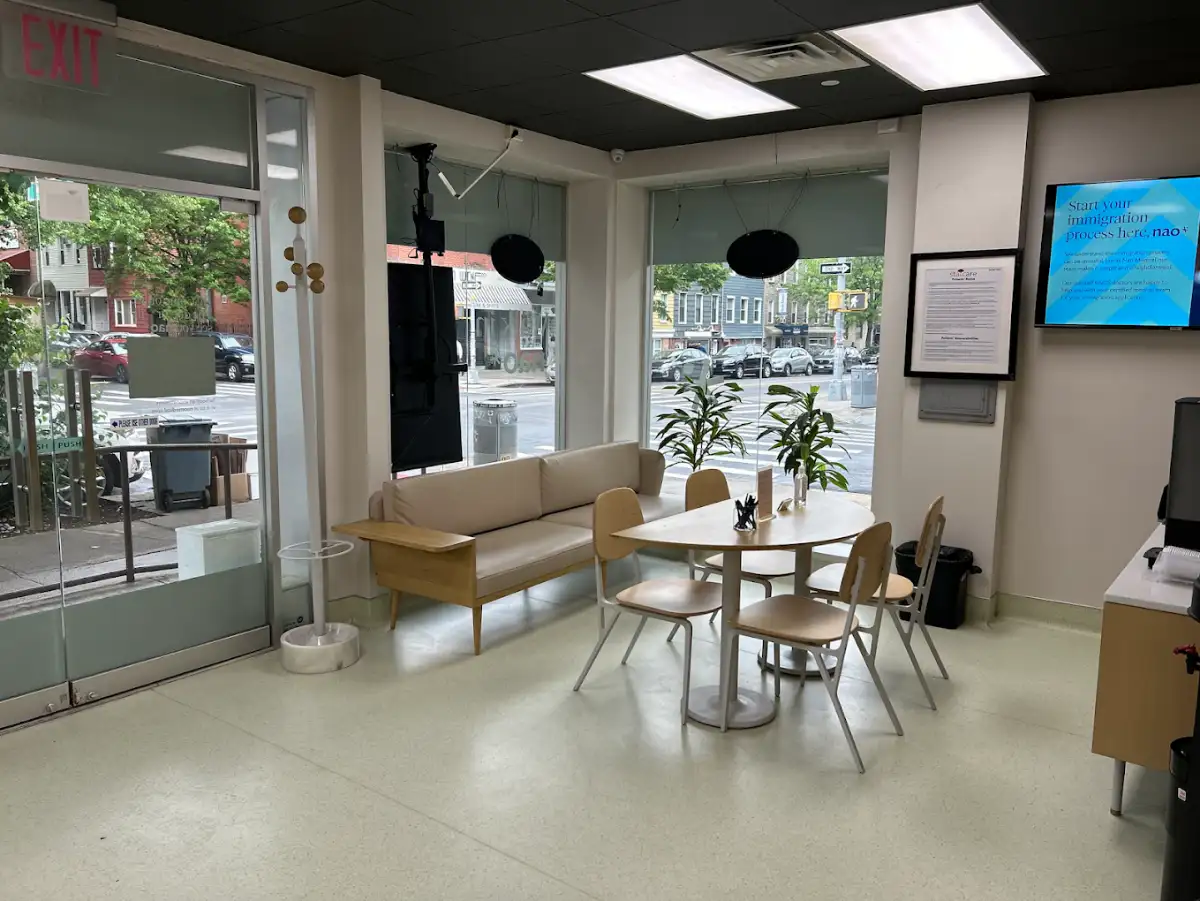
308 Graham Ave, Brooklyn, NY 11211
A Brooklyn access point for alcohol-use-disorder medication evaluation, follow-up planning, and confidential care for patients in Williamsburg, Greenpoint, Bushwick, and nearby Brooklyn neighborhoods.
View local alcohol treatment Get directionsReview the broader alcohol-use treatment path, including counseling, relapse-prevention planning, and medication discussion.
Compare injectable naltrexone support for alcohol dependence when Disulfiram is not the best medication fit.
Counseling can help with triggers, routines, accountability, stress, secrecy, and relapse-prevention planning.
Private addiction-medicine care for people who need discreet access and clear next steps.
Some follow-up visits may be available virtually when clinically appropriate.
Review insurance, Medicaid, pharmacy benefit, testing, and visit coverage questions before care begins.
Official prescribing information, warnings, contraindications, reactions, and safety details for disulfiram tablets.
Federal patient guidance on medications, behavioral treatment, and finding help for alcohol problems.
Federal substance-use treatment overview, including medications used for alcohol use disorder.
New York guidance listing medications used for alcohol use disorder, including disulfiram.

Arrange an evaluation to discuss suitable care, preparation and follow-up with a clinician.
Start recovery todayNao Medical provides outpatient addiction care. The first visit can focus on the immediate clinical question and medication planning when relevant. When wanted or clinically recommended, the care plan can also include counseling, recovery support, and closer follow-up. Related information: outpatient addiction care.
Patients who want more support can add counseling, relapse-prevention work, care coordination, and recovery follow-up through the outpatient addiction program.
Coverage depends on your exact plan, clinician, location and service. Check participation and expected charges with the clinic and your insurer before booking. Review addiction-treatment insurance support
Content was updated August 2, 2026 from the cited sources and Nao Medical's current service information. Medical guidance, prescribing information, medication availability, and insurance rules can change. A licensed clinician must confirm current information and determine each patient's eligibility, testing, treatment, administration setting, and follow-up. Call 911 for a medical emergency. Contact Nao Medical with a question or correction.