1. Establish treatment history
Review prior oral or short-acting fluphenazine, other antipsychotics, response, adherence, side effects, diagnosis, and current symptoms.


Long-acting fluphenazine
Fluphenazine decanoate is a long-acting antipsychotic used for patients who need prolonged parenteral treatment. The current label allows intramuscular or subcutaneous administration and says dose and interval must be individualized. A shorter-acting fluphenazine trial may be advisable when prior response is unknown. Nao confirms the prescriber-led plan before administration.



Fluphenazine decanoate is used for prolonged antipsychotic treatment, including chronic schizophrenia. For adult treatment, the current product label permits intramuscular or subcutaneous administration and individual dose intervals. A uniform monthly, buttock-only description is therefore incomplete. The prescriber reviews previous response and may use a shorter-acting trial when tolerability is unknown. Continuing treatment needs movement, alertness and physical-health monitoring. Ask for the exact formulation, route and next due date rather than relying on the generic name alone.
Fluphenazine decanoate is a long-acting antipsychotic used when prolonged treatment by injection is appropriate, including chronic schizophrenia. An adult treatment plan needs an individual route, dose and interval. The label permits intramuscular or subcutaneous administration by a healthcare professional. The amount and interval depend on the individual response; a generic “monthly shot” description is not enough to explain the prescription.
Fluphenazine belongs to the phenothiazine antipsychotics and acts mainly through dopamine receptor blocking. The decanoate formulation releases medicine gradually. Its duration varies between patients. An injection can simplify administration for some people, but it does not guarantee better symptom control or freedom from side effects.
The clinician reviews diagnosis, previous antipsychotic response, oral or short-acting fluphenazine experience and movement symptoms. A shorter-acting trial may be needed when response to this medicine is unknown. Blood disorders, liver damage and certain brain or central-nervous-system conditions can make the medicine unsuitable. Tell the prescriber about alcohol, sedatives, pregnancy, breastfeeding, seizures and other medicines.
Bring records of oral or injectable fluphenazine and any other depot medicine. A short-acting injection is not the same as decanoate. The prescriber must identify the intended route, dose and interval.
The label calls for blood, liver and kidney monitoring during continuing treatment. The clinician also checks movements, restlessness, alertness and blood pressure. Ask which tests are due and how to report changes between visits.
A dose may last several weeks, but the right interval is individual. Do not copy another patient’s dose or extend your appointment interval based on a forum account. Obtain a written next appointment and review plan.
Bring the exact product name, prescribed strength, last injection date, oral medicine list and the responsible prescriber’s contact information. Include discharge notes, recent blood tests and any written start or restart plan. Tell the team about pregnancy, breastfeeding, allergies, seizures, fainting, substance use and new medicines or supplements. If a dose is delayed or records are unclear, contact the prescriber before travelling to an administration visit. Tell the team about a previous low white-blood-cell count, liver disease, persistent stiffness or any reaction to a phenothiazine. Clarify the prescribed route rather than assuming every clinic uses the same injection site.
The boxed warning states that antipsychotics increase the risk of death in older adults with dementia-related psychosis. This medicine is not approved for that use. Movement symptoms, including stiffness, tremor, severe restlessness and tardive dyskinesia, are important risks. Drowsiness and low blood pressure can affect driving, work and falls. Alcohol and other central-nervous-system depressants can worsen impairment. The medicine is contraindicated in specified blood, liver and central-nervous-system conditions. Seek emergency care for severe trouble breathing, throat or tongue swelling, loss of consciousness, or high fever with severe muscle stiffness and confusion. Contact the treating team promptly for new involuntary movements, severe restlessness, worsening psychosis, marked dizziness or troublesome injection-site symptoms. Do not wait for the next routine injection to report a serious concern.
Contact the treating team if an appointment is delayed. The clinician needs the last date, dose, route and current symptoms to choose a safe plan. Keep periodic blood, liver and kidney checks and movement assessments. A troublesome symptom is a reason for a review before the next dose, not a reason to improvise a new interval or stop all care.
Before an injection appointment, ask which clinic can accept the prescription, how the medicine will be obtained, and which costs belong to the medicine, administration and psychiatry follow-up. A benefits check, prior authorization and medicine delivery are different steps. Ask for the proposed cost before each step. Manufacturer assistance has its own eligibility rules. Office-visit coverage does not establish medication coverage, and a listed clinic does not establish that the product is stocked or can be given there today.
Fluphenazine decanoate is a long-acting antipsychotic used when prolonged treatment by injection is appropriate, including chronic schizophrenia. An adult treatment plan needs an individual route, dose and interval. The label permits intramuscular or subcutaneous administration by a healthcare professional. The amount and interval depend on the individual response; a generic “monthly shot” description is not enough to explain the prescription.
The interval is individualized from the dose, benefit and adverse effects. The label says a single maintenance injection may control symptoms for up to four weeks or longer, and occasionally up to six weeks. Those observations are not a universal monthly or six-week prescription. Ask for your written next-injection date and what to do if symptoms return early or a visit is missed. Do not copy another patient’s interval.
The clinician reviews diagnosis, previous antipsychotic response, oral or short-acting fluphenazine experience and movement symptoms. A shorter-acting trial may be needed when response to this medicine is unknown. Blood disorders, liver damage and certain brain or central-nervous-system conditions can make the medicine unsuitable. Tell the prescriber about alcohol, sedatives, pregnancy, breastfeeding, seizures and other medicines.
Bring records of oral or injectable fluphenazine and any other depot medicine. A short-acting injection is not the same as decanoate. The prescriber must identify the intended route, dose and interval.
The label calls for blood, liver and kidney monitoring during continuing treatment. The clinician also checks movements, restlessness, alertness and blood pressure. Ask which tests are due and how to report changes between visits.
A dose may last several weeks, but the right interval is individual. Do not copy another patient’s dose or extend your appointment interval based on a forum account. Obtain a written next appointment and review plan.
An online request is not enough to establish a safe conversion dose. The responsible prescriber reviews the exact product, current oral/injection dose, tolerability, prior doses, medical conditions, interactions and label instructions before issuing an order. The administration service must receive the documented regimen and restart plan. Do not use an online calculator or another person’s order to convert treatment.
Fluphenazine decanoate's label calls for continuing blood, liver and kidney monitoring. The clinician also reviews movement symptoms, restlessness, alertness, blood pressure, symptoms and medicine interactions. Confirm which checks are due and who reviews them between injections. Contact the treating team for new involuntary movements, severe restlessness, fainting, troubling sedation or returning symptoms instead of waiting for the next injection.
Nao Medical can coordinate psychiatric injection care with your prescribing psychiatrist. Share the current order, exact medicine, last dose date and treatment history through the confirmed clinical intake process. The clinicians review product-specific initiation or restart requirements and arrange medication delivery, administration and follow-up. Keep your existing treatment plan until the next appointment is agreed.
Contact the treating team if an appointment is delayed. The clinician needs the last date, dose, route and current symptoms to choose a safe plan. Keep periodic blood, liver and kidney checks and movement assessments. A troublesome symptom is a reason for a review before the next dose, not a reason to improvise a new interval or stop all care.
The clinician reviews diagnosis, previous antipsychotic response, oral or short-acting fluphenazine experience and movement symptoms. A shorter-acting trial may be needed when response to this medicine is unknown. Blood disorders, liver damage and certain brain or central-nervous-system conditions can make the medicine unsuitable. Tell the prescriber about alcohol, sedatives, pregnancy, breastfeeding, seizures and other medicines.
Tell the treating team promptly. Akathisia and other movement symptoms need assessment. Do not rely on another person’s account to decide whether to skip a dose.
The label describes onset generally within 24 to 72 hours after injection, with a significant effect on psychotic symptoms within 48 to 96 hours. These are general label observations, not a promise of complete recovery in a few days. Your previous treatment, dose, symptoms and tolerability affect the assessment. Report worsening psychosis or troublesome movement symptoms promptly and keep the follow-up plan.
Store the reviewed US product at room temperature, 20°C to 25°C (68°F to 77°F). Protect it from light in the outer carton. The dispensing pharmacy should confirm the instructions for the exact vial supplied and assess any uncertain temperature exposure before administration. Keep the medicine secure and follow the pharmacy’s handling advice.
Review prior oral or short-acting fluphenazine, other antipsychotics, response, adherence, side effects, diagnosis, and current symptoms.
Document the dose, route, last administration, intended interval, next due date, and the psychiatric prescriber responsible for changes.
Assess movement, blood-pressure, sedation, falls, seizures, blood counts, liver and kidney history, benefits, delivery, and site capability.
Document the administration route and dose, monitor immediate concerns, and maintain psychiatric and physical monitoring over time.

Bronx
932 E 174th St, Bronx, NY 10460
If an outside psychiatrist manages treatment, send the order and records for Nao review. If not, Nao psychiatry can evaluate and manage the plan. Medication delivery, trained staff, and the administration site must be confirmed before travel.

Queens
37-15 23rd Ave, Astoria, NY 11105
If an outside psychiatrist manages treatment, send the order and records for Nao review. If not, Nao psychiatry can evaluate and manage the plan. Medication delivery, trained staff, and the administration site must be confirmed before travel.

Bronx
2063A Bartow Ave, Bronx, NY 10475
If an outside psychiatrist manages treatment, send the order and records for Nao review. If not, Nao psychiatry can evaluate and manage the plan. Medication delivery, trained staff, and the administration site must be confirmed before travel.
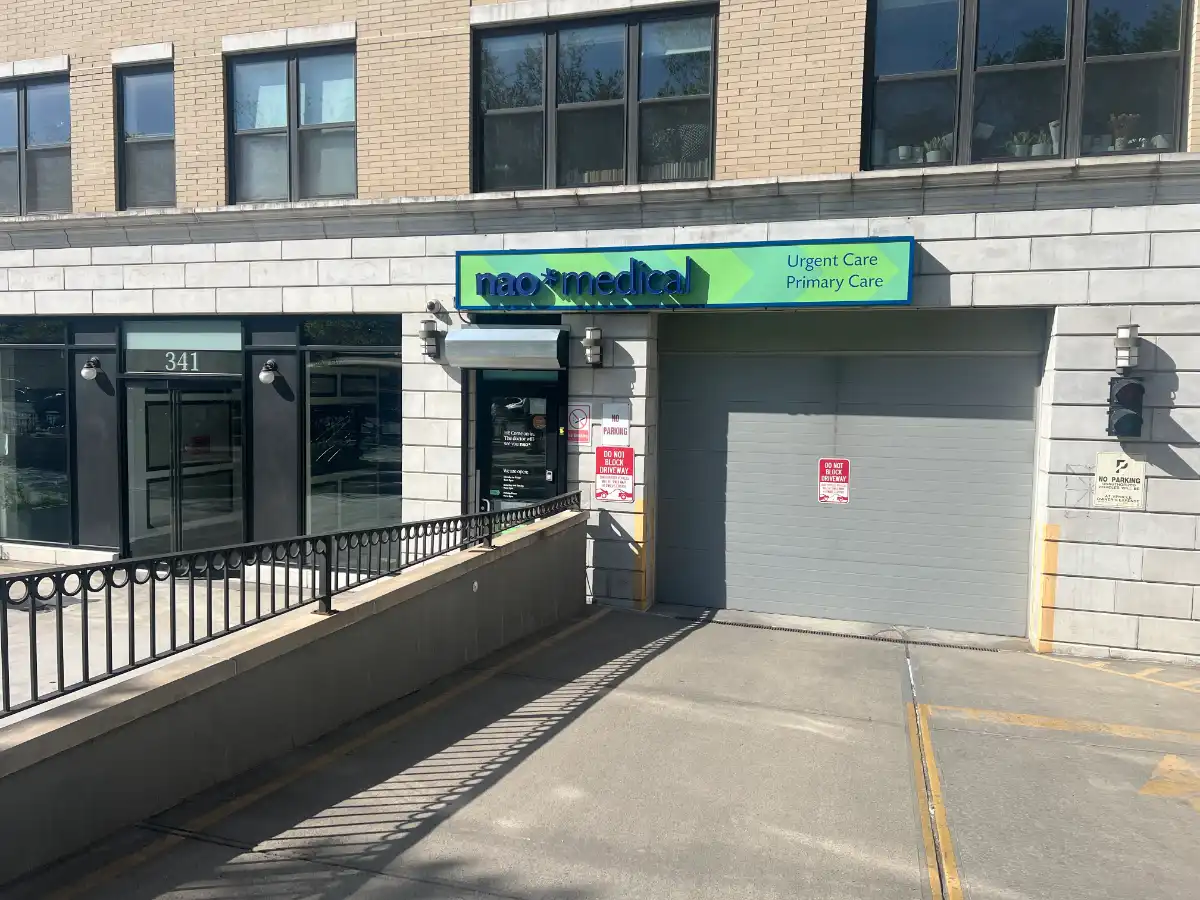
Brooklyn
341 Eastern Pkwy, Brooklyn, NY 11216
If an outside psychiatrist manages treatment, send the order and records for Nao review. If not, Nao psychiatry can evaluate and manage the plan. Medication delivery, trained staff, and the administration site must be confirmed before travel.

Long Island
232 W Old Country Rd, Hicksville, NY 11801
If an outside psychiatrist manages treatment, send the order and records for Nao review. If not, Nao psychiatry can evaluate and manage the plan. Medication delivery, trained staff, and the administration site must be confirmed before travel.

Queens
80-10 Northern Blvd, Jackson Heights, NY 11372
If an outside psychiatrist manages treatment, send the order and records for Nao review. If not, Nao psychiatry can evaluate and manage the plan. Medication delivery, trained staff, and the administration site must be confirmed before travel.

Queens
90-18 Sutphin Blvd, Jamaica, NY 11435
If an outside psychiatrist manages treatment, send the order and records for Nao review. If not, Nao psychiatry can evaluate and manage the plan. Medication delivery, trained staff, and the administration site must be confirmed before travel.

Queens
30-07 36th Ave, Astoria, NY 11106
If an outside psychiatrist manages treatment, send the order and records for Nao review. If not, Nao psychiatry can evaluate and manage the plan. Medication delivery, trained staff, and the administration site must be confirmed before travel.
Long Island
135 Mineola Blvd, Mineola, NY 11501
If an outside psychiatrist manages treatment, send the order and records for Nao review. If not, Nao psychiatry can evaluate and manage the plan. Medication delivery, trained staff, and the administration site must be confirmed before travel.

Manhattan
259 1st Ave, New York, NY 10003
If an outside psychiatrist manages treatment, send the order and records for Nao review. If not, Nao psychiatry can evaluate and manage the plan. Medication delivery, trained staff, and the administration site must be confirmed before travel.

Brooklyn
308 Graham Ave, Brooklyn, NY 11211
If an outside psychiatrist manages treatment, send the order and records for Nao review. If not, Nao psychiatry can evaluate and manage the plan. Medication delivery, trained staff, and the administration site must be confirmed before travel.
Review order acceptance, patient-specific delivery, site confirmation, and continuity.
Compare haloperidol decanoate's stable-oral-treatment, dosing, monitoring, and administration requirements.
Connect long-acting treatment with symptom, movement, medical, and psychosocial monitoring.
Review a distinct high-accountability option for eligible treatment-resistant schizophrenia.
NIH DailyMed / FDA-approved labeling
Established response, individualized interval, administration routes, and long-term monitoring.
Open official sourceAmerican Psychiatric Association
Assessment, antipsychotic treatment, long-acting medicines, clozapine, and monitoring.
Open official sourceU.S. Food and Drug Administration
How patients and clinicians can report suspected medication problems.
Open official sourceContent was updated August 4, 2026 using the sources cited above. Medical guidance, prescribing information, medication availability, and insurance rules can change. A licensed clinician must confirm current information and determine each patient's eligibility, testing, treatment, administration setting, and follow-up. Call 911 for a medical emergency. Contact Nao Medical with a question or correction.