1. Confirm diagnosis and prior treatment
Review prior antipsychotic trials, response, adverse effects, hospitalizations, suicidality, adherence, substance use, medical conditions, and treatment goals.


High-accountability psychiatry
FDA removed the Clozapine REMS effective June 13, 2025, so prescribers, pharmacies, and patients no longer enroll or report ANC results through that program. Severe neutropenia remains a boxed-warning risk, and current labeling still recommends baseline and ongoing ANC monitoring. Nao begins with a psychiatric evaluation and record review before assuming treatment.



Clozapine is an oral medicine for selected treatment-resistant schizophrenia cases and for reducing recurrent suicidal behaviour in schizophrenia or schizoaffective disorder. FDA removed its REMS in June 2025, but blood and other clinical monitoring remain. A treatment plan includes baseline and continuing ANC, gradual dose adjustment, bowel monitoring, cardiac and seizure risks, interactions and advice for missed doses. Ask who owns prescribing, test review and urgent questions. Pharmacy dispensing without REMS enrollment does not establish that those clinical responsibilities have been arranged.
Clozapine is an oral antipsychotic used for treatment-resistant schizophrenia. It also has an indication to reduce recurrent suicidal behaviour in people with schizophrenia or schizoaffective disorder at continuing risk. It is not a long-acting injection. FDA removed the clozapine REMS in June 2025, which changed dispensing administration. Blood monitoring and other safety checks remain part of clinical care.
The psychiatrist reviews adequate previous antipsychotic trials, adherence, symptoms and alternative explanations for nonresponse. Baseline absolute neutrophil count, known as ANC, is required under the label’s clinical instructions. Different thresholds apply to patients with documented Duffy-null associated neutrophil counts. Cardiovascular history, seizures, constipation, other medicines, infection and smoking patterns also matter.
Bring previous medicine names, doses, duration and response, plus hospital records. Clarify the intended indication and who will manage prescribing, laboratory review and urgent advice.
The clinician chooses gradual titration and explains blood, vital-sign, bowel and other monitoring. With normal ANC, the label’s routine schedule is weekly during months one through six, every two weeks during months seven through twelve, then monthly. Abnormal results or interruptions can change this plan.
Report fever or infection symptoms, chest symptoms, severe constipation, marked dizziness, seizures or sedation promptly. Tell the prescriber before changing smoking, starting a medicine or stopping tablets. A missed dose is a medication-safety issue, not only a refill issue.
Bring recent blood results, a medicine list and previous treatment records. Explain your bowel pattern, constipation history, smoking and caffeine use, infections, heart problems and seizures. Ask who orders and reviews blood tests, what happens if a result is abnormal and how to obtain advice if a refill is delayed. A pharmacy’s ability to dispense does not establish that the clinical monitoring plan is in place.
Boxed warnings cover severe neutropenia, seizures, and low blood pressure on standing with a slow heartbeat or fainting. They also cover myocarditis, pericarditis and cardiomyopathy. Older adults with dementia-related psychosis have an increased mortality risk. Clozapine is not approved for that use. Severe constipation and gastrointestinal hypomotility can be life-threatening. Call 911 for chest pain, severe breathing difficulty, fainting or a seizure. Severe abdominal pain or constipation with vomiting needs emergency department care now. Call 911 if you cannot travel safely. Contact the team promptly about fever, infection symptoms or worsening bowel function.
Do not resume the usual full dose after an interruption without prescriber advice. The current label reduces restart doses after even one or two missed days and uses a much lower start after longer gaps. The exact plan depends on the interruption and clinical situation. Keep ANC and other monitoring despite REMS removal, and report a change in smoking or infection because clozapine levels can change.
No REMS enrollment or submission of an ANC result to the REMS is now required for dispensing. The prescriber still needs an appropriate clinical monitoring and continuity plan. Ask about laboratory access, result review, pharmacy supply and medication costs. Confirm whether the selected team can manage clozapine prescribing, laboratory review and urgent interruptions before transferring care.
FDA removed the clozapine REMS in June 2025. That removes the REMS enrollment/reporting dispensing requirement; it does not remove the label’s ANC blood monitoring or other safety care. Continue the clinician’s laboratory and symptom-review plan.
Bring previous medicine names, doses, duration and response, plus hospital records. Clarify the intended indication and who will manage prescribing, laboratory review and urgent advice.
The clinician chooses gradual titration and explains blood, vital-sign, bowel and other monitoring. With normal ANC, the label’s routine schedule is weekly during months one through six, every two weeks during months seven through twelve, then monthly. Abnormal results or interruptions can change this plan.
Report fever or infection symptoms, chest symptoms, severe constipation, marked dizziness, seizures or sedation promptly. Tell the prescriber before changing smoking, starting a medicine or stopping tablets. A missed dose is a medication-safety issue, not only a refill issue.
Do not resume the usual full dose after an interruption without prescriber advice. The current label reduces restart doses after even one or two missed days and uses a much lower start after longer gaps. The exact plan depends on the interruption and clinical situation. Keep ANC and other monitoring despite REMS removal, and report a change in smoking or infection because clozapine levels can change.
Bring your current clozapine prescription, recent blood counts, dose history and contact details for the treating psychiatrist. The clinicians must agree who will prescribe, arrange monitoring and respond to missed doses or symptoms. Do not interrupt or restart clozapine without a prescribing plan.
Boxed warnings cover severe neutropenia, seizures, and low blood pressure on standing with a slow heartbeat or fainting. They also cover myocarditis, pericarditis and cardiomyopathy. Older adults with dementia-related psychosis have an increased mortality risk. Clozapine is not approved for that use. Severe constipation and gastrointestinal hypomotility can be life-threatening. Call 911 for chest pain, severe breathing difficulty, fainting or a seizure. Severe abdominal pain or constipation with vomiting needs emergency department care now. Call 911 if you cannot travel safely. Contact the team promptly about fever, infection symptoms or worsening bowel function.
Yes. FDA continues to recommend ANC monitoring according to the prescribing information. REMS removal changed enrollment and dispensing administration, not the risk of severe neutropenia.
Clozapine is an atypical, also called second-generation, antipsychotic. The US product record lists no DEA controlled-substance schedule. That does not make it a low-risk medicine. It requires a prescription, gradual dose changes and substantial safety monitoring. FDA’s June 2025 removal of the clozapine REMS ended the enrollment and reporting program. It did not remove the clinical need for absolute neutrophil count blood tests.
Clozapine affects several brain receptor systems, including dopamine and serotonin receptors. Its exact therapeutic mechanism is not fully understood. It can help selected patients with schizophrenia that has not responded adequately to other antipsychotics. A separate indication is reducing recurrent suicidal behavior in certain patients with schizophrenia or schizoaffective disorder. Benefits must be weighed against its blood, heart, seizure, blood-pressure and bowel risks.
Yes. Drowsiness or sedation can occur with clozapine and may interfere with driving, work or safe daily activities. Avoid hazardous tasks until you know its effect on you. Alcohol and other sedating medicines can worsen impairment. Tell the prescriber if sleepiness is severe or affects caring for yourself; do not change the dose or restart after missed treatment on your own. Marked unresponsiveness, breathing difficulty or fainting needs urgent assessment.
Review prior antipsychotic trials, response, adverse effects, hospitalizations, suicidality, adherence, substance use, medical conditions, and treatment goals.
Review ANC, vital signs, weight and metabolic status, bowel function, cardiac symptoms and risk, seizures, smoking, medicines, pregnancy, and pharmacy access.
The prescriber sets titration, dose, ANC frequency, symptom and side-effect checks, laboratory follow-up, and a plan for missed doses or abnormal results.
Fever, infection, severe constipation, chest pain, shortness of breath, fainting, seizures, marked sedation, or a treatment interruption need prompt clinical review.

Bronx
932 E 174th St, Bronx, NY 10460
Start with the dedicated virtual psychiatry route. This nearby Nao clinic may support separately ordered physical care only when the psychiatric and clinic teams confirm the need.

Queens
37-15 23rd Ave, Astoria, NY 11105
Start with the dedicated virtual psychiatry route. This nearby Nao clinic may support separately ordered physical care only when the psychiatric and clinic teams confirm the need.

Bronx
2063A Bartow Ave, Bronx, NY 10475
Start with the dedicated virtual psychiatry route. This nearby Nao clinic may support separately ordered physical care only when the psychiatric and clinic teams confirm the need.
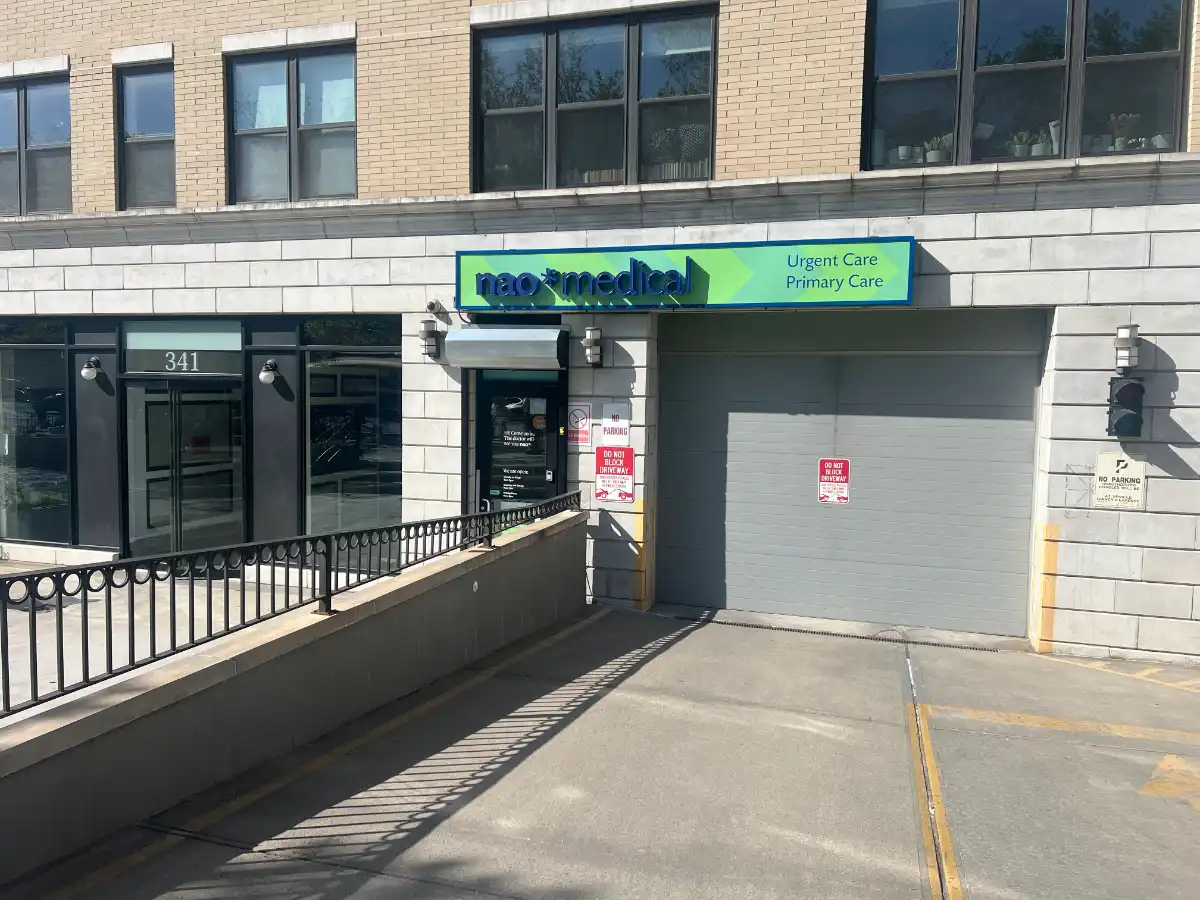
Brooklyn
341 Eastern Pkwy, Brooklyn, NY 11216
Start with the dedicated virtual psychiatry route. This nearby Nao clinic may support separately ordered physical care only when the psychiatric and clinic teams confirm the need.

Long Island
232 W Old Country Rd, Hicksville, NY 11801
Start with the dedicated virtual psychiatry route. This nearby Nao clinic may support separately ordered physical care only when the psychiatric and clinic teams confirm the need.

Queens
80-10 Northern Blvd, Jackson Heights, NY 11372
Start with the dedicated virtual psychiatry route. This nearby Nao clinic may support separately ordered physical care only when the psychiatric and clinic teams confirm the need.

Queens
90-18 Sutphin Blvd, Jamaica, NY 11435
Start with the dedicated virtual psychiatry route. This nearby Nao clinic may support separately ordered physical care only when the psychiatric and clinic teams confirm the need.

Queens
30-07 36th Ave, Astoria, NY 11106
Start with the dedicated virtual psychiatry route. This nearby Nao clinic may support separately ordered physical care only when the psychiatric and clinic teams confirm the need.
Long Island
135 Mineola Blvd, Mineola, NY 11501
Start with the dedicated virtual psychiatry route. This nearby Nao clinic may support separately ordered physical care only when the psychiatric and clinic teams confirm the need.

Manhattan
259 1st Ave, New York, NY 10003
Start with the dedicated virtual psychiatry route. This nearby Nao clinic may support separately ordered physical care only when the psychiatric and clinic teams confirm the need.
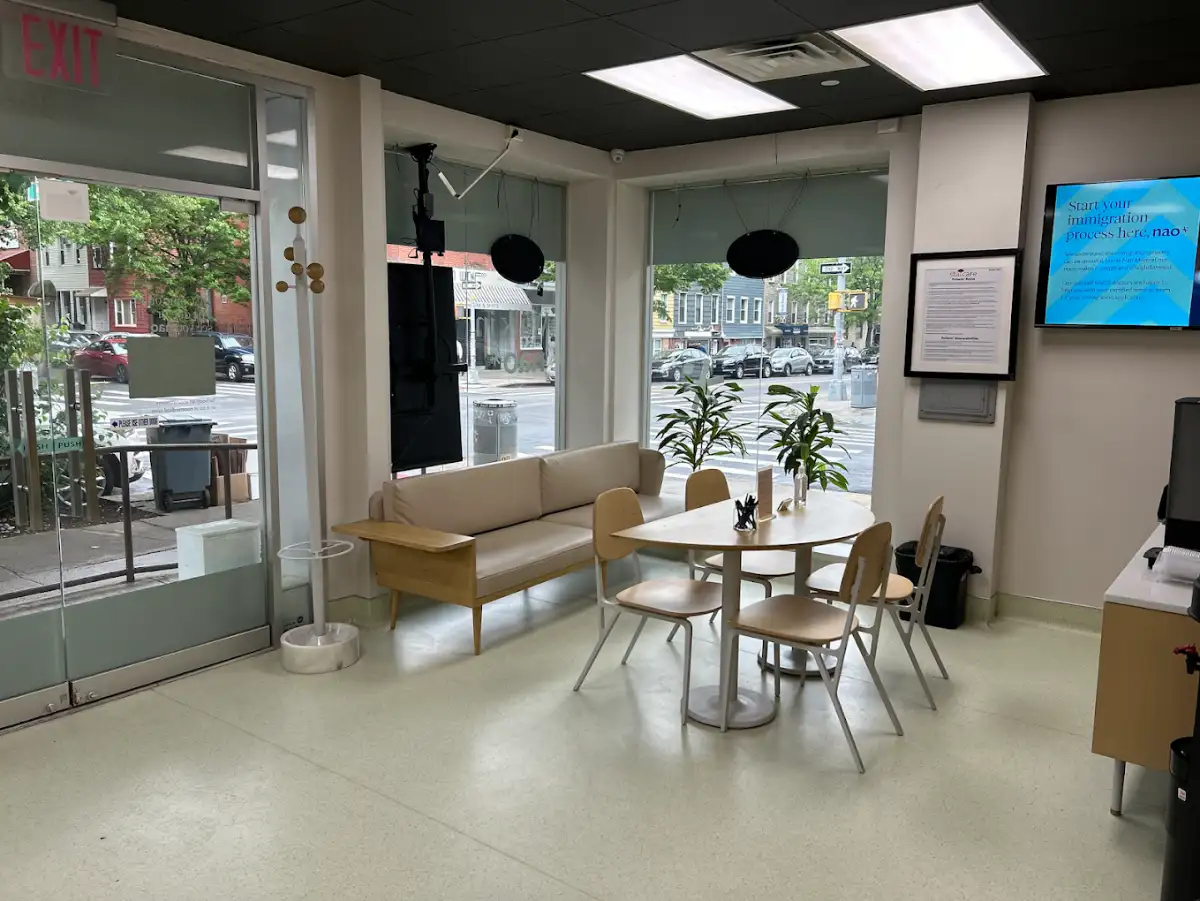
Brooklyn
308 Graham Ave, Brooklyn, NY 11211
Start with the dedicated virtual psychiatry route. This nearby Nao clinic may support separately ordered physical care only when the psychiatric and clinic teams confirm the need.
Connect clozapine with diagnosis, prior trials, psychosocial care, and long-term outcomes.
Review interactions, adherence, pregnancy, physical health, and shared medication decisions.
Compare a separate adherence pathway without treating an injection as a direct substitute for clozapine.
Book a broader psychiatric evaluation when clozapine is not the primary treatment question.
NIH DailyMed / FDA-approved labeling
Indications, ANC schedule, interruption rules, titration, boxed warnings, and monitoring.
Open official sourceU.S. Food and Drug Administration
REMS removal effective June 13, 2025, with continued label-based ANC monitoring.
Open official sourceAmerican Psychiatric Association
Assessment, antipsychotic treatment, long-acting medicines, clozapine, and monitoring.
Open official sourceU.S. Food and Drug Administration
How patients and clinicians can report suspected medication problems.
Open official source