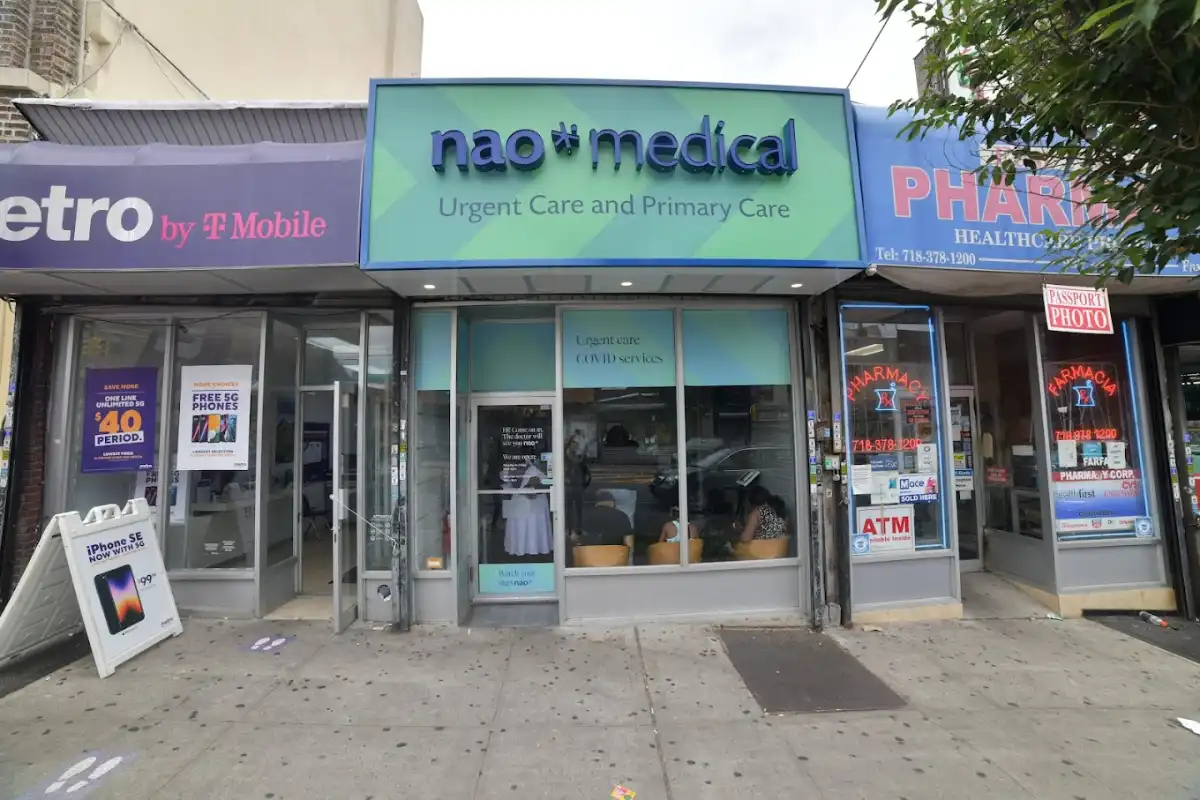
Bronx
174th Street
932 E 174th St, Bronx, NY 10460
Evaluation and coordination only. Confirm an eligible clinic for the exact medicine, test, injection, insertion, removal, or infusion before treatment.




Confirm the kit and assay names, permitted collection setting, screening suitability and return route before collecting. Follow the supplied instructions about vaginal products, bleeding, handling and mailing; do not generalize from another device. Ask for clarification if you are unsure how to use the kit and contact the service for a damaged or lost sample. A general STI swab is not a substitute. Tell the clinician about symptoms, pregnancy and prior abnormal screening, because a self-collected sample may not be the correct pathway. Arrange a confidential result contact and a plan for further testing before the sample leaves your hands.
Review the result with the clinician who selected the screening pathway. A positive HPV self-sample does not include Pap cytology and may need a cervical sample, genotype-directed review or colposcopy. A negative result has a screening interval that depends on method and risk history; it is not permanent reassurance about all symptoms or HPV sites. An invalid sample may need recollection. If no result arrives within the laboratory's stated interval, contact the service rather than assuming it is negative. Confirm the next appointment and receiving clinician for any abnormal result.
HPV self-collection lets an eligible patient collect a vaginal specimen for a validated high-risk HPV assay. It may help when a speculum examination is difficult or is a barrier to screening. The sample is tested by a laboratory; collection itself does not produce a diagnosis. It is not a self-collected Pap test, because cytology requires a different specimen and process. A safe pathway includes eligibility review, the exact authorized device and assay, and follow-up for every result.
The laboratory detects high-risk HPV in the collected material. It does not directly examine cervical cells or exclude every cause of pelvic symptoms. Device authorization and assay approval are linked: not every swab, mailing kit or laboratory can be substituted. FDA-authorized healthcare-setting collection and prescription home collection both exist as of this review, with product-specific requirements.
A clinician checks the relevant screening age, cervix status, previous abnormal results or procedures, pregnancy and immune history. The labeled population and recommendations differ by device/assay, so a universal home-testing age claim would be misleading. Self-collection is primarily a screening pathway. Bleeding, pain, a visible lesion or other symptoms may need examination and diagnostic testing instead of relying on a self-swab. Current self-collection guidance addresses asymptomatic, average-risk screening. Prior abnormal results, colposcopy or treatment favor clinician-collected cervical specimens. HIV, immune suppression or DES exposure requires a separate screening pathway. The clinic confirms the assay-specific age range; primary HPV screening commonly begins at age 25, rather than making every sexual exposure an indication.
Discuss why self-collection is preferred, prior records and symptoms. Ask whether the pathway fits routine screening or whether a clinician-collected sample is needed.
The service should name the collection kit, compatible HPV assay and setting. FDA’s 2024 clinic authorizations differ from the 2025 Teal home pathway and the 2026 Onclarity prescription kit. A clearance does not establish that Nao offers the product.
Use only the supplied device and instructions. Ask about vaginal products, bleeding, handling and shipping before collection. Do not substitute a general STI swab or repurpose another kit.
An invalid sample may need recollection. A positive result may need a cervical sample, genotype-based follow-up or colposcopy. Confirm who orders that step and receives the completed result.
Bring prior HPV/Pap and procedure reports and explain any symptoms or pregnancy. Ask for an accessible demonstration or explanation if the instructions are unclear. Confirm the return route and the contact for a damaged, lost or delayed kit. A privacy preference is useful to discuss, including where a kit or result notification can safely be sent.
A negative self-collected HPV test does not rule out every gynecologic condition or all HPV at every body site. New symptoms still need assessment. A positive result is not a cancer diagnosis and cannot date infection. Avoid online promises that a self-swab permanently replaces all pelvic exams: further examination may be needed based on the result and clinical history.
The screening interval and follow-up depend on the collection method, result and risk history. The clinician should give a dated plan rather than assuming the same interval as every other screening method. A mailed sample without a result, or a result without the required next step, is incomplete care. Keep the device, assay and result details in your record when changing clinics.
Before booking, ask whether the site actually provides clinic self-collection or can prescribe a validated home pathway. Confirm laboratory acceptance, eligibility, coverage and follow-up referral. Home authorization does not imply Nao kit supply or insurance payment. An available alternative cervical screening service may be needed if the desired self-collection pathway cannot be confirmed.
HPV self-collection lets an eligible patient collect a vaginal specimen for a validated high-risk HPV assay. It may help when a speculum examination is difficult or is a barrier to screening. The sample is tested by a laboratory; collection itself does not produce a diagnosis. It is not a self-collected Pap test, because cytology requires a different specimen and process. A safe pathway includes eligibility review, the exact authorized device and assay, and follow-up for every result.
A clinician checks the relevant screening age, cervix status, previous abnormal results or procedures, pregnancy and immune history. The labeled population and recommendations differ by device/assay, so a universal home-testing age claim would be misleading. Self-collection is primarily a screening pathway. Bleeding, pain, a visible lesion or other symptoms may need examination and diagnostic testing instead of relying on a self-swab. Current self-collection guidance addresses asymptomatic, average-risk screening. Prior abnormal results, colposcopy or treatment favor clinician-collected cervical specimens. HIV, immune suppression or DES exposure requires a separate screening pathway. The clinic confirms the assay-specific age range; primary HPV screening commonly begins at age 25, rather than making every sexual exposure an indication.
Discuss why self-collection is preferred, prior records and symptoms. Ask whether the pathway fits routine screening or whether a clinician-collected sample is needed.
The service should name the collection kit, compatible HPV assay and setting. FDA’s 2024 clinic authorizations differ from the 2025 Teal home pathway and the 2026 Onclarity prescription kit. A clearance does not establish that Nao offers the product.
Use only the supplied device and instructions. Ask about vaginal products, bleeding, handling and shipping before collection. Do not substitute a general STI swab or repurpose another kit.
An invalid sample may need recollection. A positive result may need a cervical sample, genotype-based follow-up or colposcopy. Confirm who orders that step and receives the completed result.
The screening interval and follow-up depend on the collection method, result and risk history. The clinician should give a dated plan rather than assuming the same interval as every other screening method. A mailed sample without a result, or a result without the required next step, is incomplete care. Keep the device, assay and result details in your record when changing clinics.
Ask for the exact HPV self-collection test when booking. Eligibility, collection setting and follow-up depend on the FDA-authorized device and assay. An ordinary swab or a general laboratory appointment is not a substitute for that specific screening test.
No. It tests a vaginal sample for high-risk HPV and does not perform cervical cytology. Some positive results require a clinician-collected cervical sample or colposcopy.
Cervical-screening self-collection does not assess HPV throughout the body or establish every previous infection’s status. Discuss the actual screening or symptom question with a clinician.
Labcorp lists test 507401 for a self-collected vaginal sample in an office or patient service center, using the specified collection device and laboratory processing. That is a healthcare-setting pathway. It does not mean any swab collected at home can be mailed to any Labcorp location. FDA-authorized home pathways have their own device, assay and prescription requirements. Ask the ordering clinician and collection site to confirm the exact order, eligibility, kit, setting and follow-up. A positive HPV result is not a cancer diagnosis and may require cervical assessment. Labcorp’s listing does not establish that Nao supplies this kit or provides this pathway.
A negative self-collected vaginal HPV result does not certify that you cannot transmit HPV or that infection is absent at every body site. These tests guide cervical screening, not a partner-clearance date. Follow the clinician’s screening and abnormal-result plan instead of repeatedly ordering kits to decide when to stop barriers. Condoms used consistently and correctly can lower acquisition and transmission risk, but HPV can infect areas they do not cover. Discuss barriers, vaccination and symptoms with a clinician, and keep any required cervical follow-up. A home result does not replace examination of a new lesion or other symptoms.
Bronx
932 E 174th St, Bronx, NY 10460
Evaluation and coordination only. Confirm an eligible clinic for the exact medicine, test, injection, insertion, removal, or infusion before treatment.
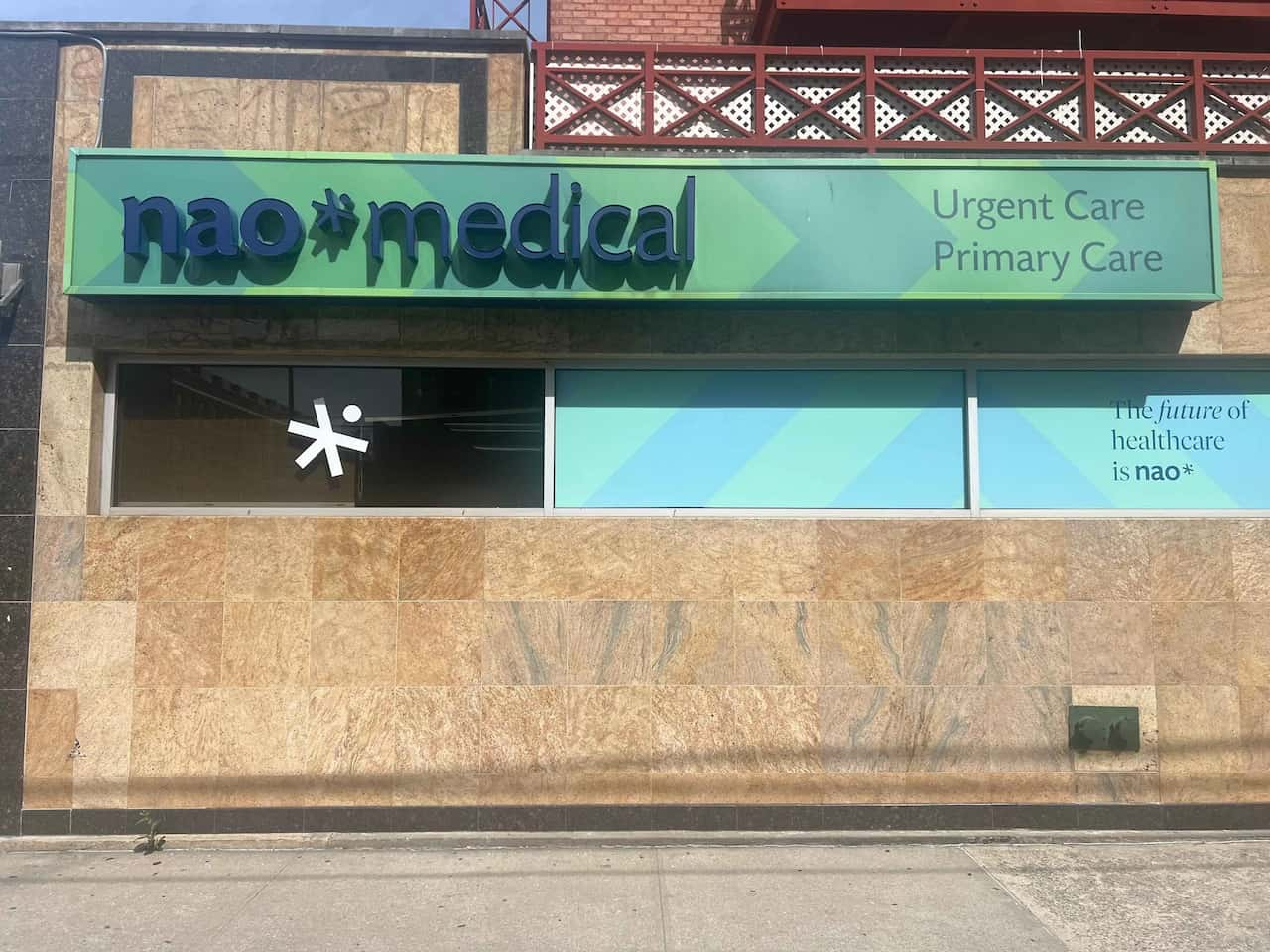
Queens
37-15 23rd Ave, Astoria, NY 11105
Evaluation and coordination only. Confirm an eligible clinic for the exact medicine, test, injection, insertion, removal, or infusion before treatment.
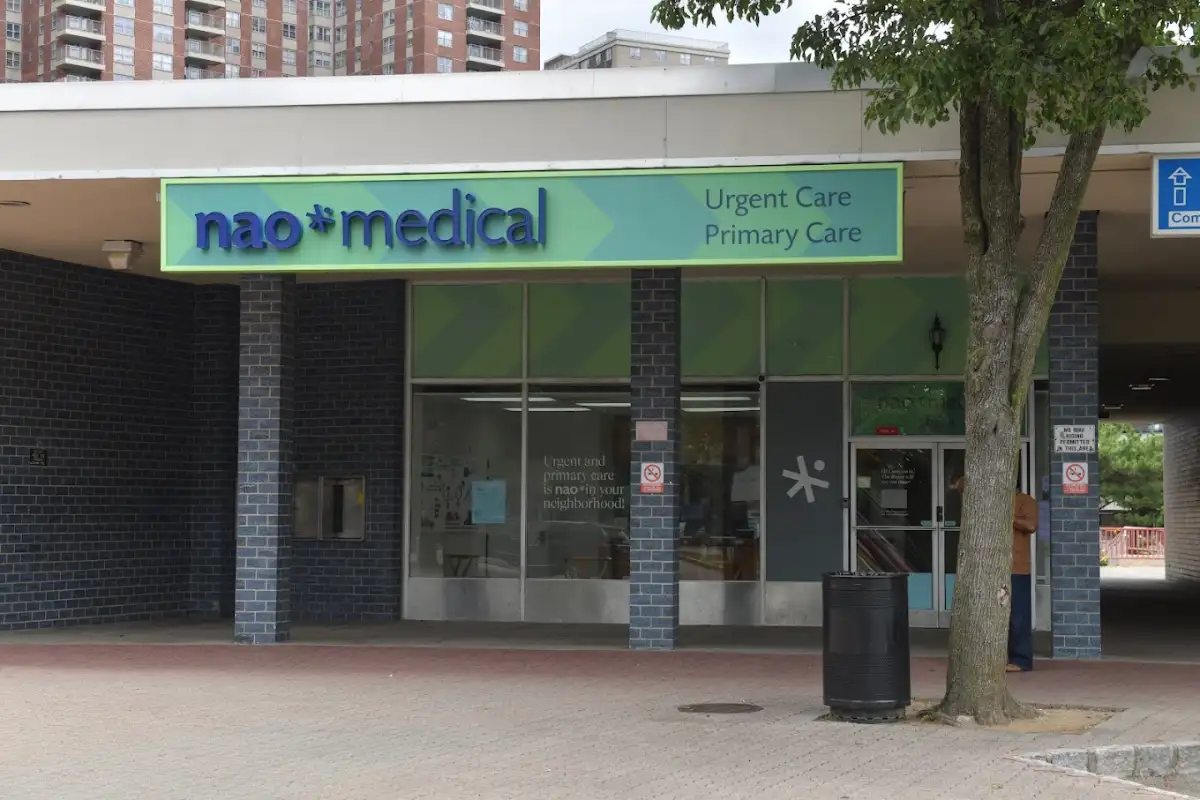
Bronx
2063A Bartow Ave, Bronx, NY 10475
Evaluation and coordination only. Confirm an eligible clinic for the exact medicine, test, injection, insertion, removal, or infusion before treatment.
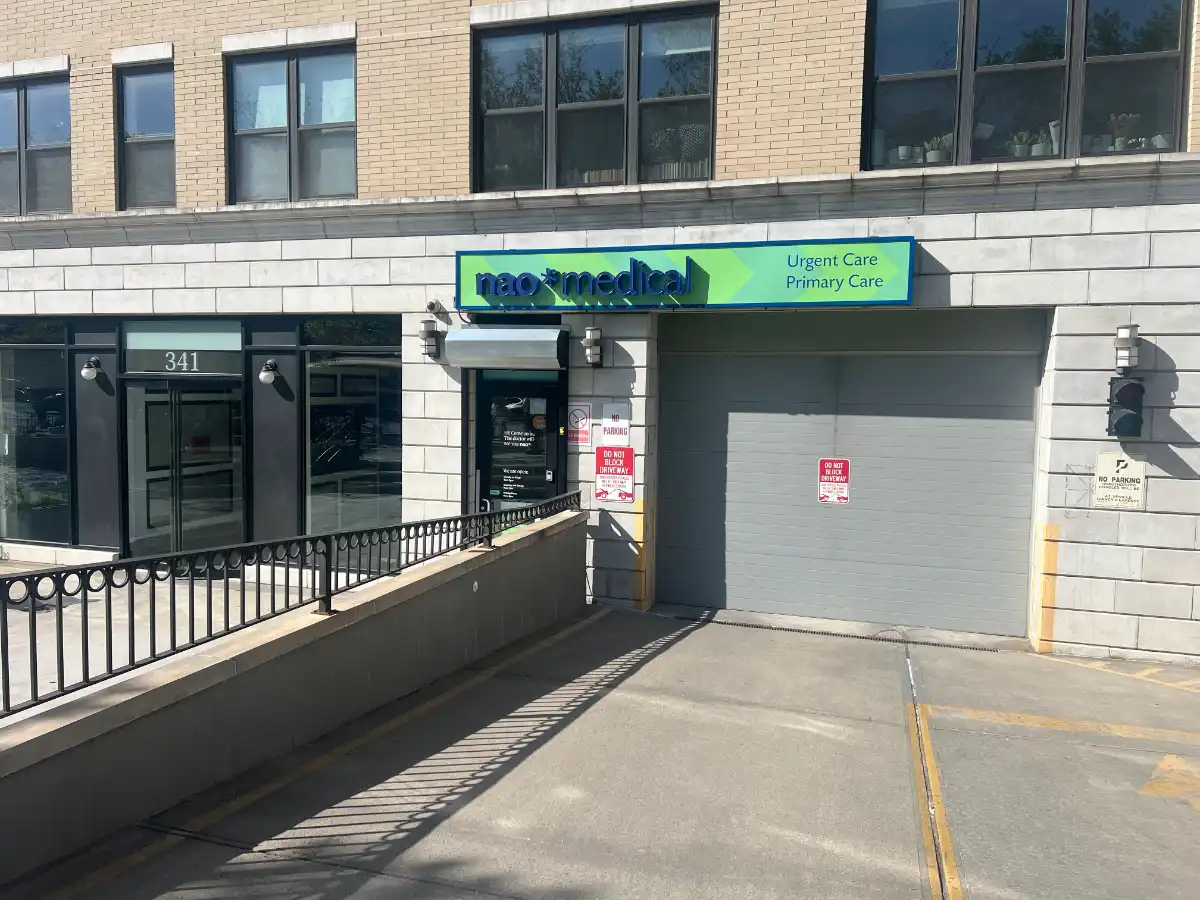
Brooklyn
341 Eastern Pkwy, Brooklyn, NY 11216
Evaluation and coordination only. Confirm an eligible clinic for the exact medicine, test, injection, insertion, removal, or infusion before treatment.
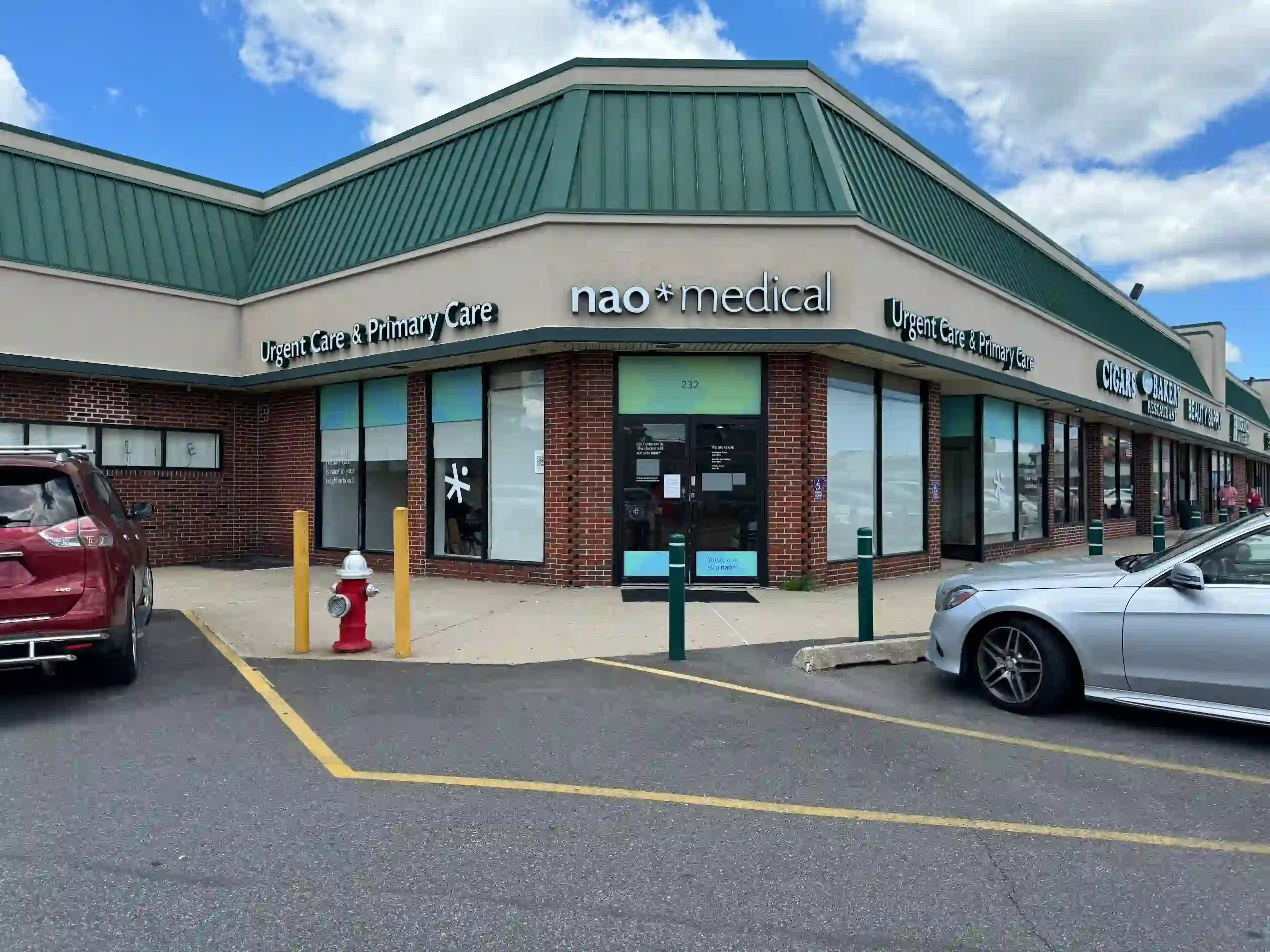
Long Island
232 W Old Country Rd, Hicksville, NY 11801
Evaluation and coordination only. Confirm an eligible clinic for the exact medicine, test, injection, insertion, removal, or infusion before treatment.
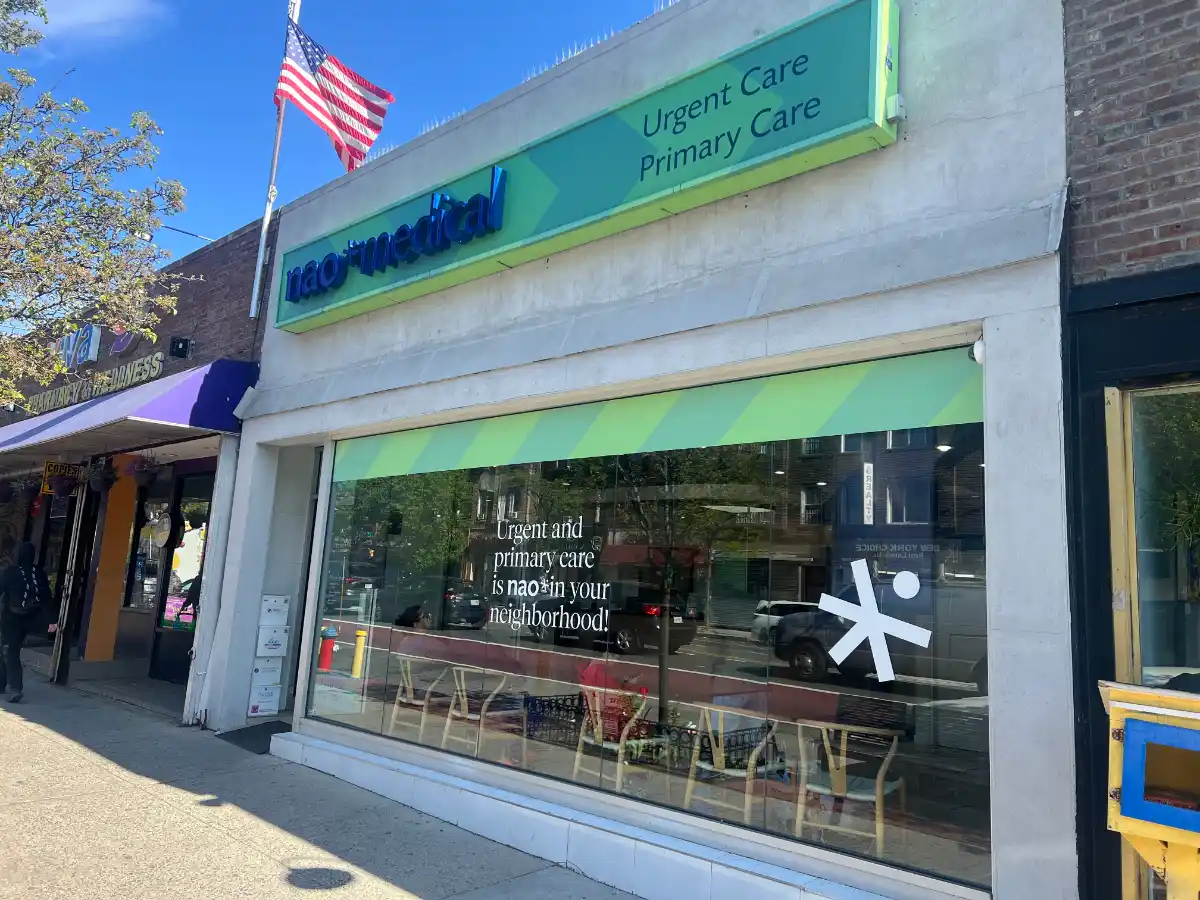
Queens
80-10 Northern Blvd, Jackson Heights, NY 11372
Evaluation and coordination only. Confirm an eligible clinic for the exact medicine, test, injection, insertion, removal, or infusion before treatment.
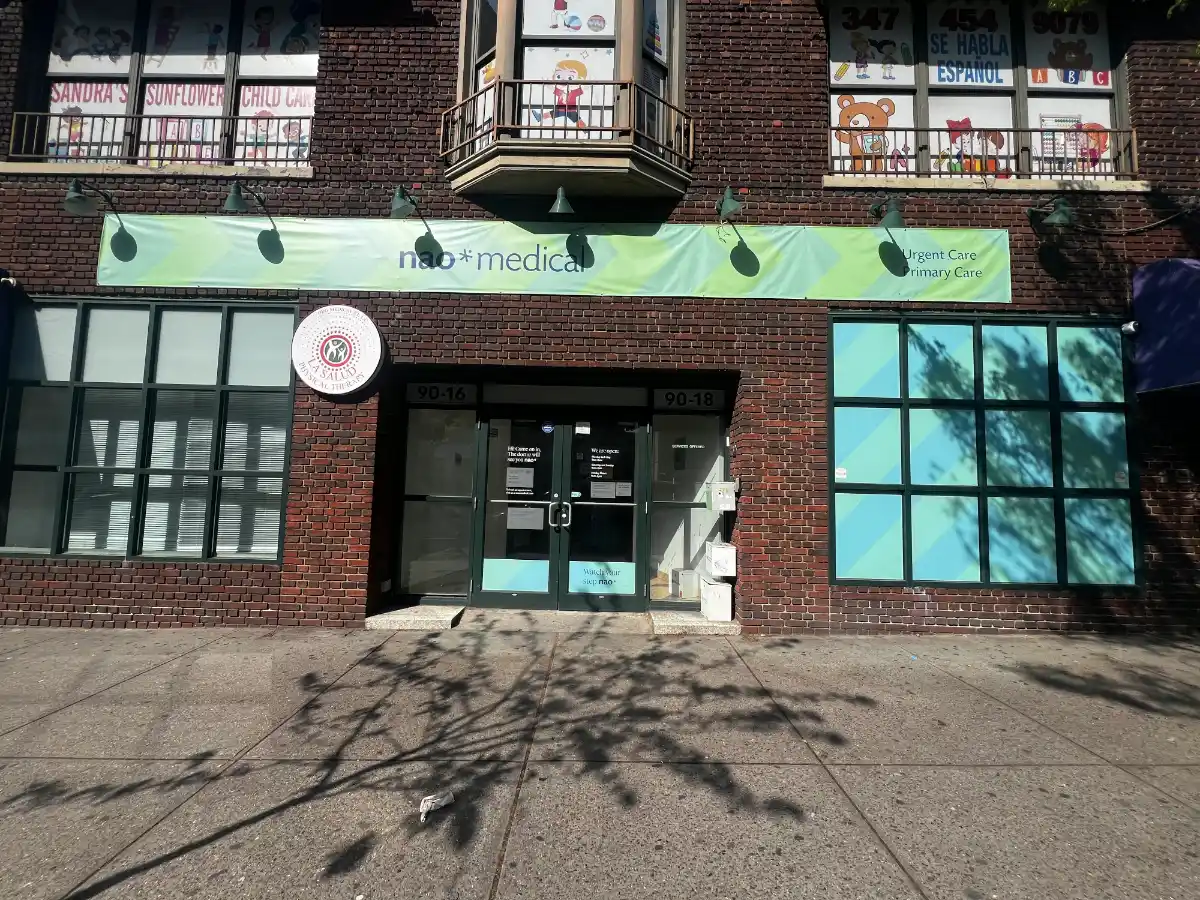
Queens
90-18 Sutphin Blvd, Jamaica, NY 11435
Evaluation and coordination only. Confirm an eligible clinic for the exact medicine, test, injection, insertion, removal, or infusion before treatment.
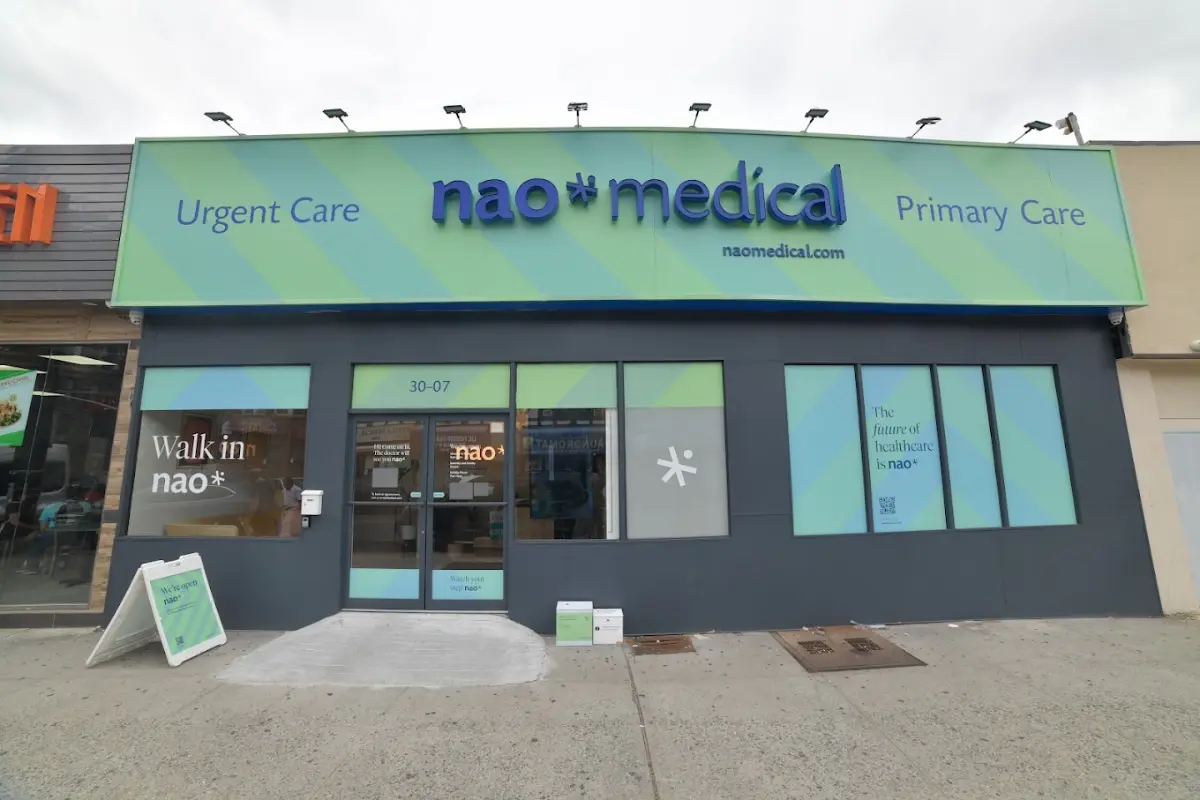
Queens
30-07 36th Ave, Astoria, NY 11106
Evaluation and coordination only. Confirm an eligible clinic for the exact medicine, test, injection, insertion, removal, or infusion before treatment.
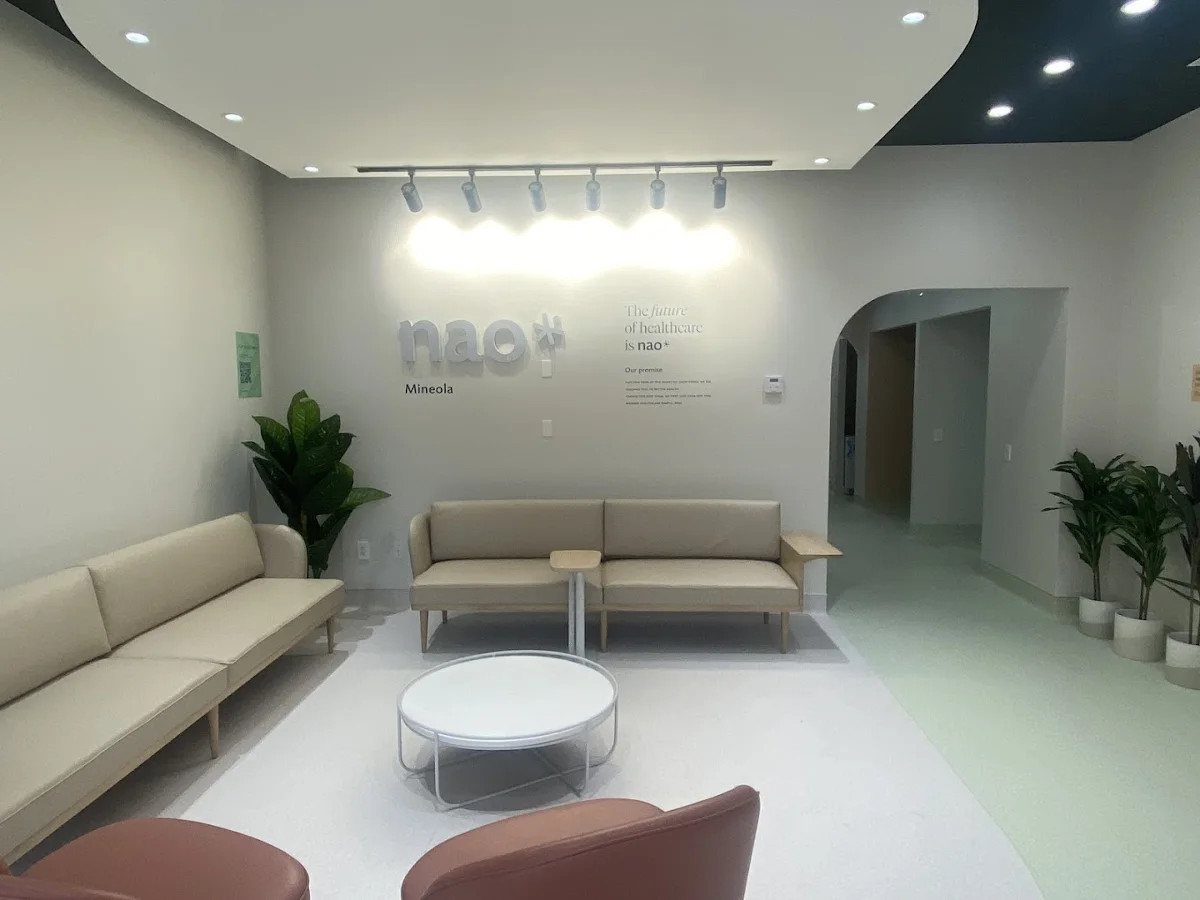
Long Island
135 Mineola Blvd, Mineola, NY 11501
Evaluation and coordination only. Confirm an eligible clinic for the exact medicine, test, injection, insertion, removal, or infusion before treatment.
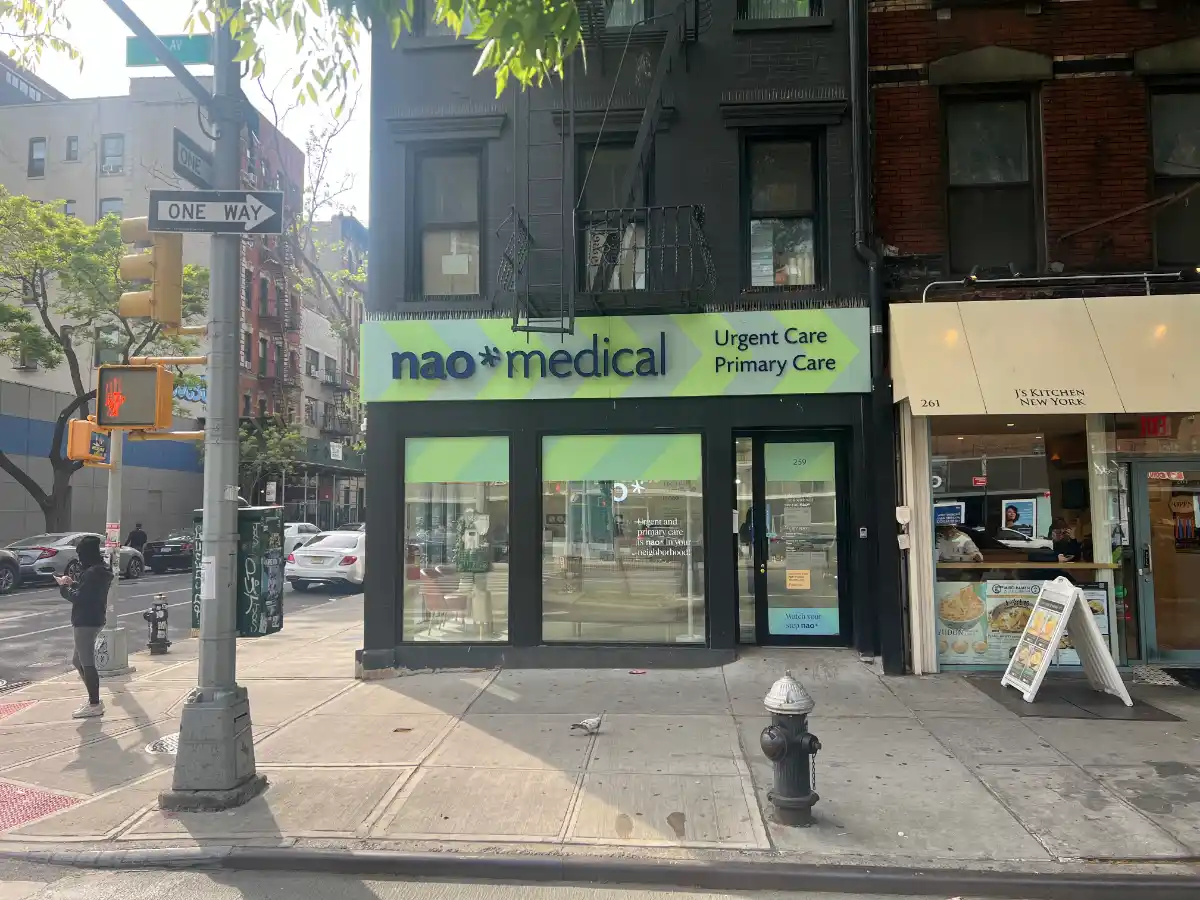
Manhattan
259 1st Ave, New York, NY 10003
Evaluation and coordination only. Confirm an eligible clinic for the exact medicine, test, injection, insertion, removal, or infusion before treatment.
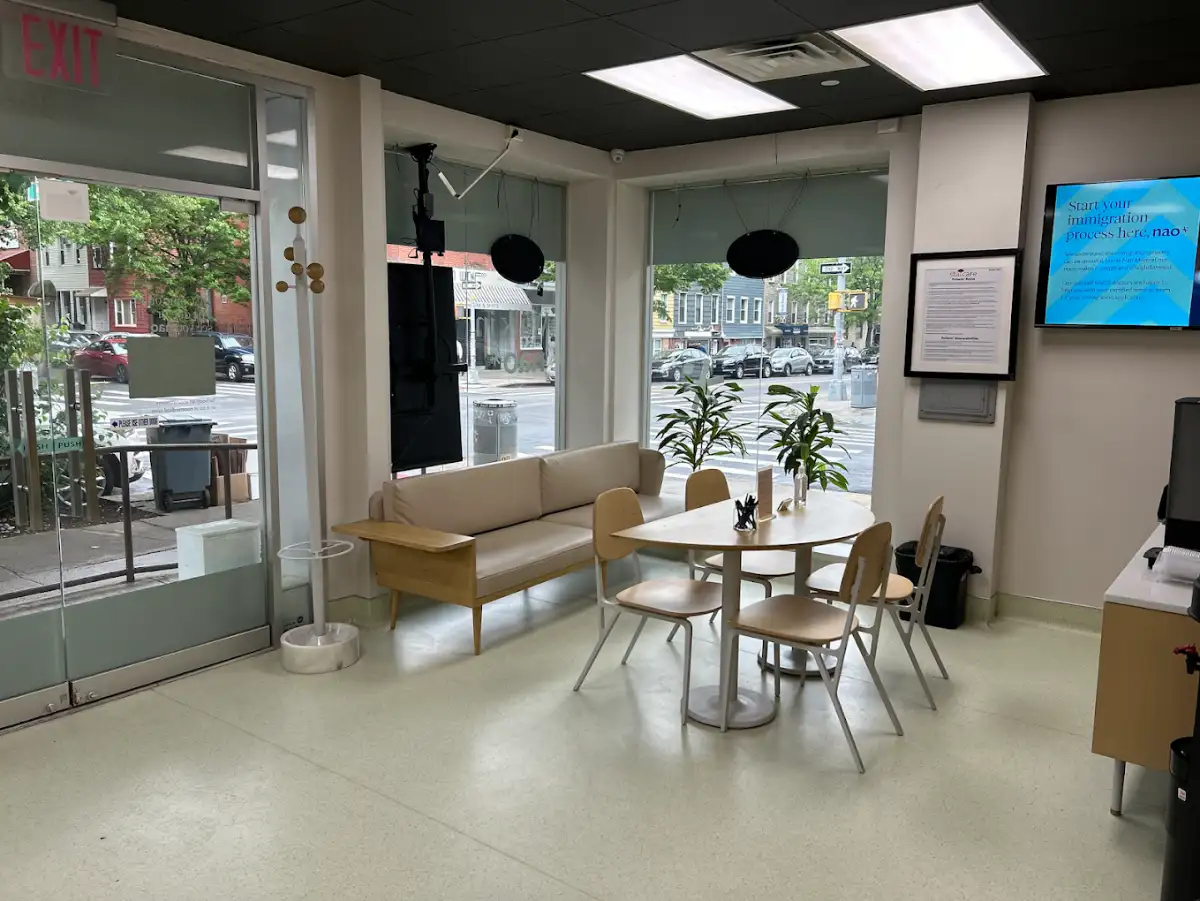
Brooklyn
308 Graham Ave, Brooklyn, NY 11211
Evaluation and coordination only. Confirm an eligible clinic for the exact medicine, test, injection, insertion, removal, or infusion before treatment.
Learn about clinician-collected Pap and HPV screening.
Learn about HPV prevention through vaccination.
Coordinate symptoms, preventive care, and gynecologic referral needs.
Address STI testing separately from cervical cancer screening.

Discuss which tests are appropriate, how to prepare and how your results will be reviewed.
Discuss which tests are appropriate, how to prepare and how your results will be reviewed.