Nighttime signs
Review loud snoring, witnessed breathing pauses, gasping, choking, restless sleep, and nighttime urination.


Sleep and cardiometabolic care | New York


Obstructive sleep apnea causes repeated interruptions of breathing during sleep. Snoring, witnessed pauses and daytime sleepiness can raise concern, but symptoms or a questionnaire alone do not diagnose it. A clinician reviews sleep, health conditions and safety risks to decide whether formal testing is appropriate.
Diagnosis usually uses a home sleep apnea test or an attended sleep study. AASM recommends home testing for selected uncomplicated adults with a higher likelihood of moderate to severe obstructive sleep apnea. It is not a general test for every sleep problem. A negative, inconclusive or technically inadequate home test can require an in-laboratory study.
Discuss witnessed pauses, persistent sleepiness, snoring, morning symptoms and relevant medical conditions. Heart or lung disease, neuromuscular weakness, stroke history, chronic opioid use or severe insomnia may favor an attended study. Children need a pediatric sleep assessment. An adult home-testing program is not appropriate for a child.
The clinician reviews your history and decides which test and referral fit the concern. The testing service explains equipment use and the report. Treatment choices depend on the diagnosis and severity and may include positive airway pressure or other options. A screening visit does not guarantee a machine prescription or a particular device.
Bring a medicine list, previous sleep-study reports and observations from a bed partner if available. Describe your sleep schedule and alcohol or sedative use. Follow the testing service's instructions. Do not stop medicine or change your usual routine solely to influence a test result.
Do not drive or operate dangerous equipment when sleepy. Severe breathing symptoms while awake, chest pain or loss of consciousness need emergency care. Sedating medicines and opioids can affect breathing and require review. A normal questionnaire or negative home study does not safely exclude all sleep disorders.
Arrange review of the actual study and ask what to do if it is negative despite persistent symptoms. If treatment is started, follow-up checks use, benefit and remaining symptoms. An equipment supply confirmation is different from successful treatment; continuing sleepiness needs assessment.
Confirm whether Nao provides screening and referral or actually arranges home or laboratory testing. Sleep-study authorization, device supply and specialist appointments require verification.
A home sleep apnea test is for selected uncomplicated adults with a clinical likelihood of moderate to severe obstructive sleep apnea. It is not a general test for every cause of sleepiness and is not an adult pathway to apply automatically to children. A clinician must select and interpret the test.
No. A questionnaire identifies risk; it cannot diagnose sleep apnea. A clinician reviews symptoms and selects formal sleep testing when indicated. The test type depends on the suspected disorder and medical history.
A negative, inconclusive or technically inadequate home test does not settle persistent sleepiness or suspected apnea. AASM recommends an attended polysomnogram when a home test does not establish the diagnosis in this setting. Contact the assessing clinician for the next step. Do not drive or operate dangerous equipment when sleepy.
An attended study is preferred over a home test in people with significant heart or lung disease, neuromuscular weakness, suspected hypoventilation, chronic opioid use, stroke history or severe insomnia. A negative or inadequate home test can also need an attended study. Children require a pediatric pathway.
No. Snoring can occur without obstructive sleep apnea, and its severity does not settle the diagnosis. Witnessed pauses, persistent sleepiness and other symptoms need clinical review and, when indicated, formal sleep testing. A questionnaire or recording is not a diagnostic sleep study.
Confirm whether the selected clinic offers risk assessment and referral or actually arranges a home or laboratory sleep study. Ask about the testing provider, authorization, device instructions and clinician interpretation. A primary care screening appointment does not establish home-test availability at every site.
Weight management can be part of care but does not automatically replace CPAP or another prescribed treatment. Review sleep apnea severity and treatment with the sleep clinician. Do not stop effective breathing treatment simply because weight changes.
A sleep study measures breathing and sleep to guide care. It is not an exam to pass or fail. Follow the testing service’s instructions and report your usual sleep, symptoms and medicines honestly. Do not stop medicines, change breathing or manipulate the equipment to influence a result. A negative, inconclusive or technically inadequate home test can miss sleep apnea and may require an attended study if suspicion remains. Ask the clinician to review the actual report rather than interpreting one score as proof that all sleep problems are absent. Do not drive when sleepy.
Review loud snoring, witnessed breathing pauses, gasping, choking, restless sleep, and nighttime urination.
Review sleepiness, fatigue, morning headache, concentration problems, driving risk, and work or school impact.
Blood pressure, obesity, heart and lung disease, neuromuscular disease, stroke history, opioid use, insomnia, and prior sleep treatment can affect test selection.
STOP-BANG can organize risk factors such as snoring, tiredness, witnessed pauses, blood pressure, body size, age, neck size, and sex. It helps guide evaluation but cannot diagnose sleep apnea.
A technically adequate home test can be used in an uncomplicated adult with increased risk of moderate-to-severe OSA.
Home testing may miss other sleep disorders and is not the preferred diagnostic test for several complex medical or sleep situations.
If a single home test is negative, inconclusive, or technically inadequate, the AASM recommends polysomnography when OSA remains a concern.
A qualified clinician should connect the report with symptoms, oxygen data, study quality, and the patient's health history.
Options can include positive airway pressure, weight treatment, oral-appliance referral, positional measures, surgery evaluation, or other care. Nao can coordinate PAP or sleep-specialist referral when the interpreted result and clinical review support it.
Patients with severe sleepiness or drowsy-driving risk need immediate safety counseling and timely clinical follow-up.
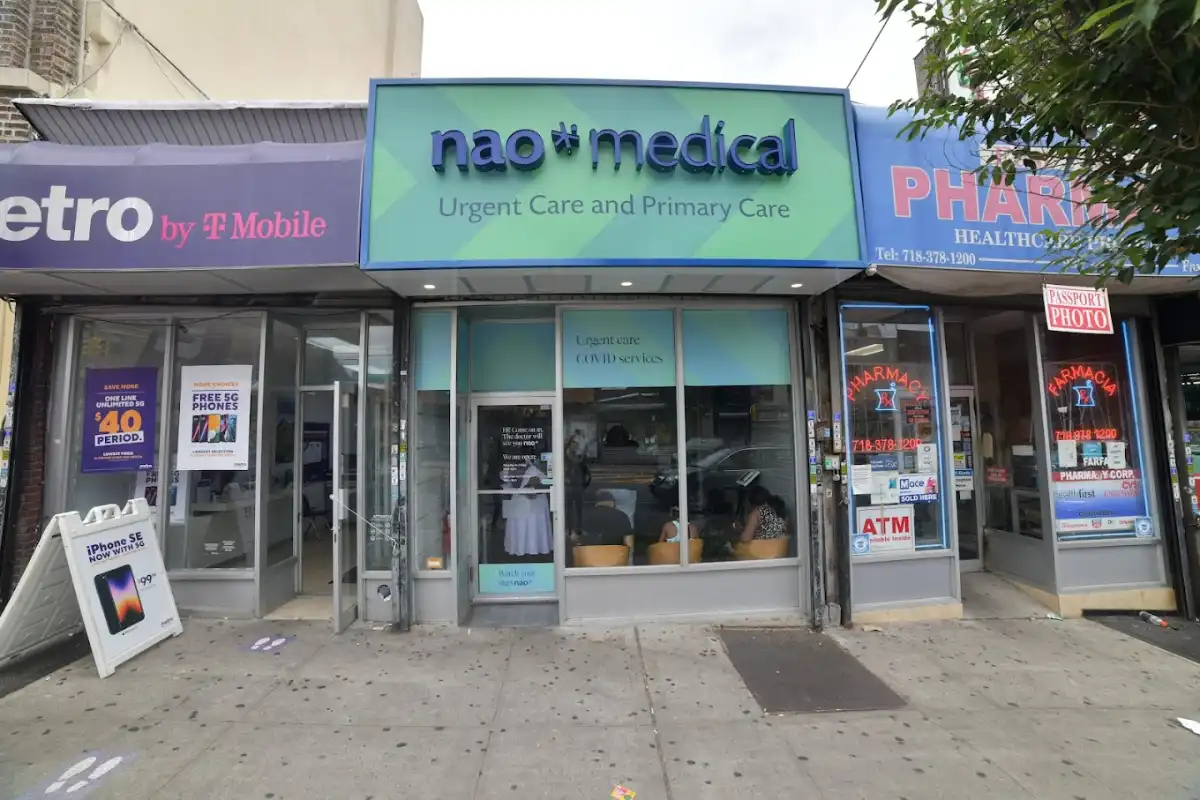
Bronx
932 E 174th St, Bronx, NY 10460
Choose a nearby clinic for an evaluation and care coordination. Before traveling, confirm the appointment type and any testing, medication teaching or treatment you need.

Queens
37-15 23rd Ave, Astoria, NY 11105
Choose a nearby clinic for an evaluation and care coordination. Before traveling, confirm the appointment type and any testing, medication teaching or treatment you need.
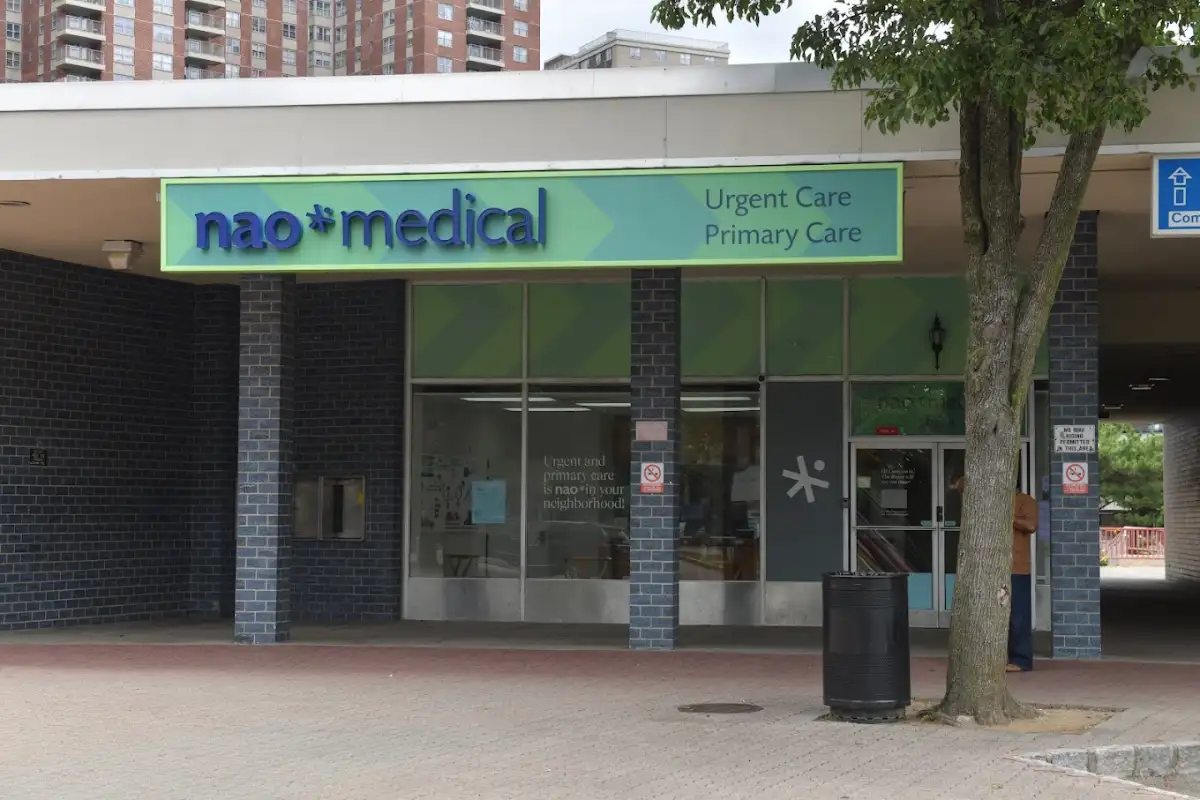
Bronx
2063A Bartow Ave, Bronx, NY 10475
Choose a nearby clinic for an evaluation and care coordination. Before traveling, confirm the appointment type and any testing, medication teaching or treatment you need.
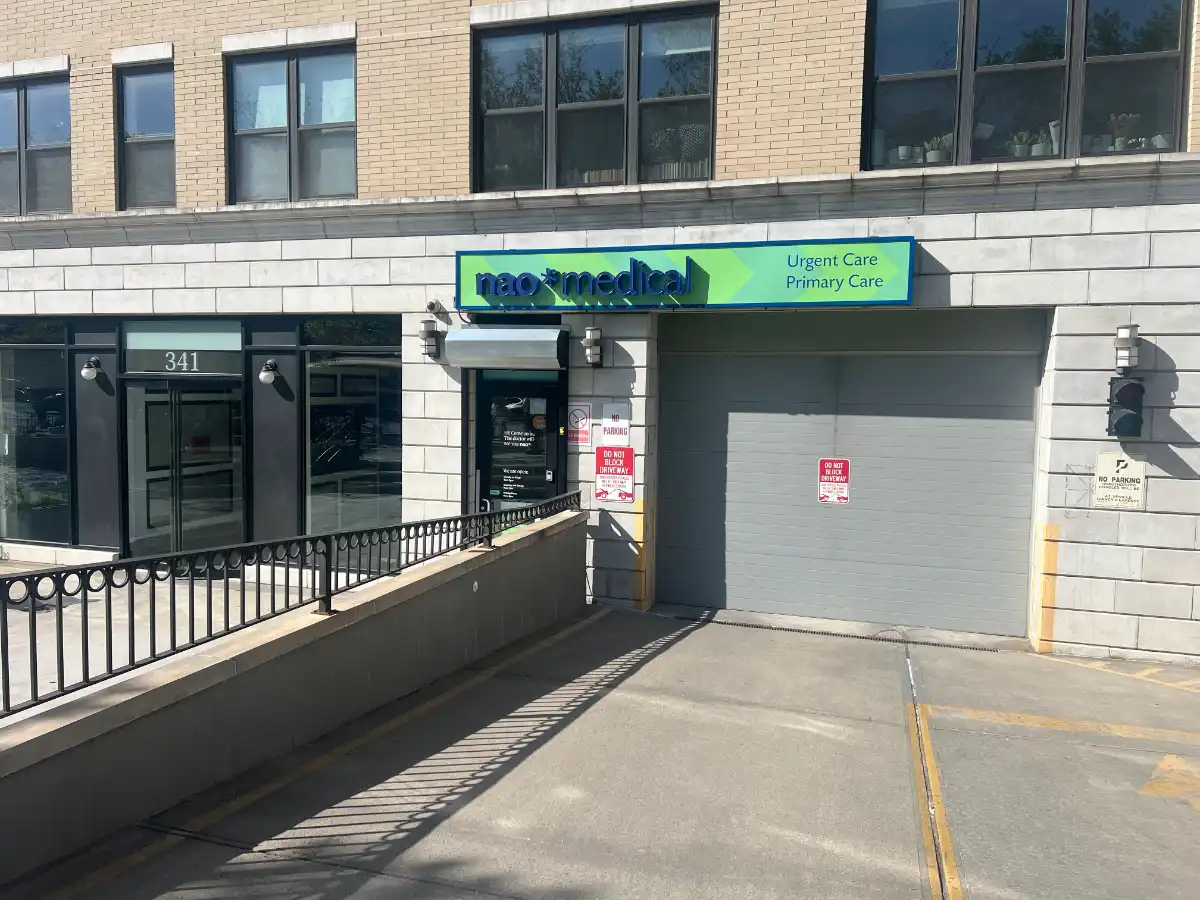
Brooklyn
341 Eastern Pkwy, Brooklyn, NY 11216
Choose a nearby clinic for an evaluation and care coordination. Before traveling, confirm the appointment type and any testing, medication teaching or treatment you need.
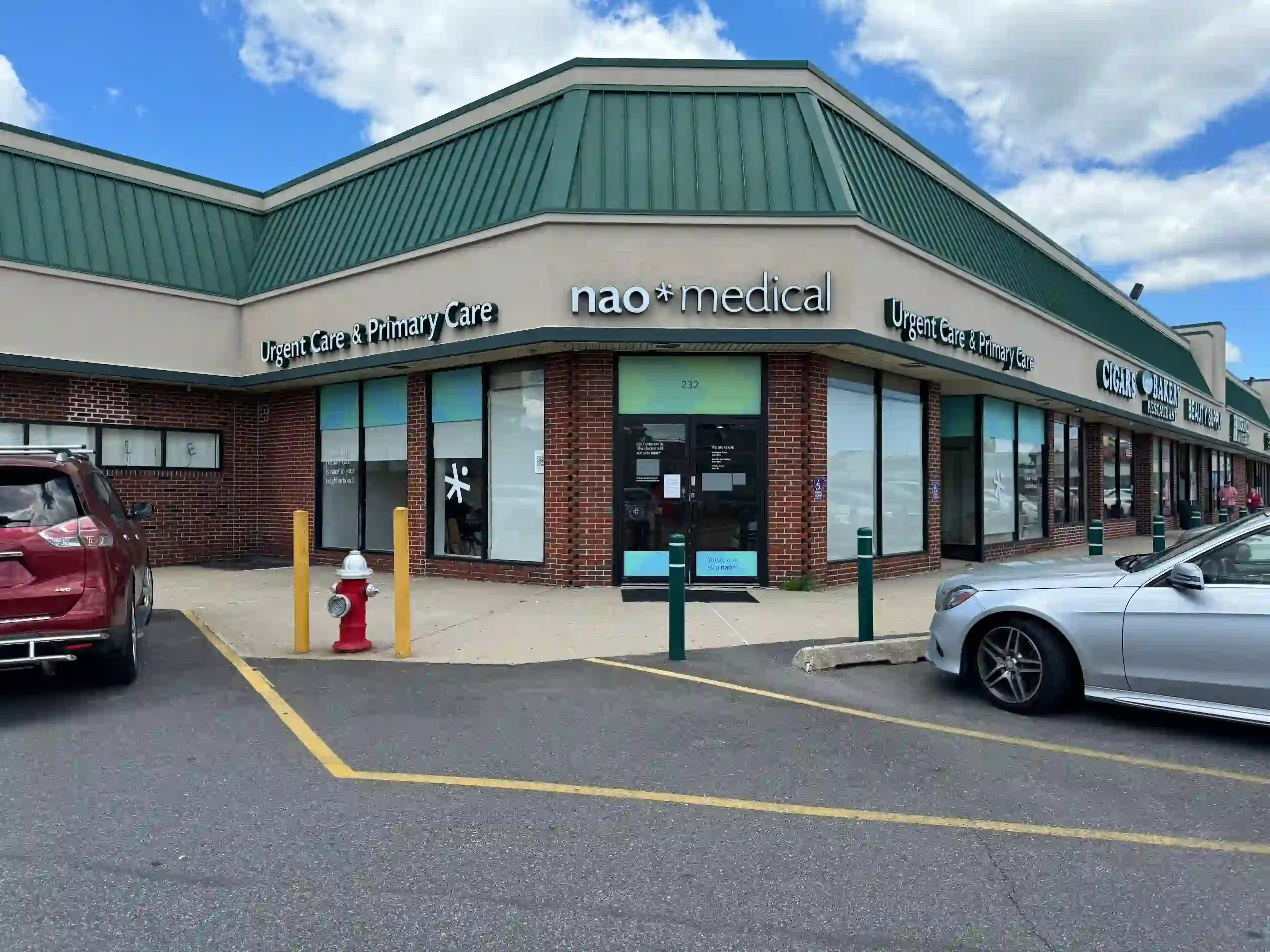
Long Island
232 W Old Country Rd, Hicksville, NY 11801
Choose a nearby clinic for an evaluation and care coordination. Before traveling, confirm the appointment type and any testing, medication teaching or treatment you need.
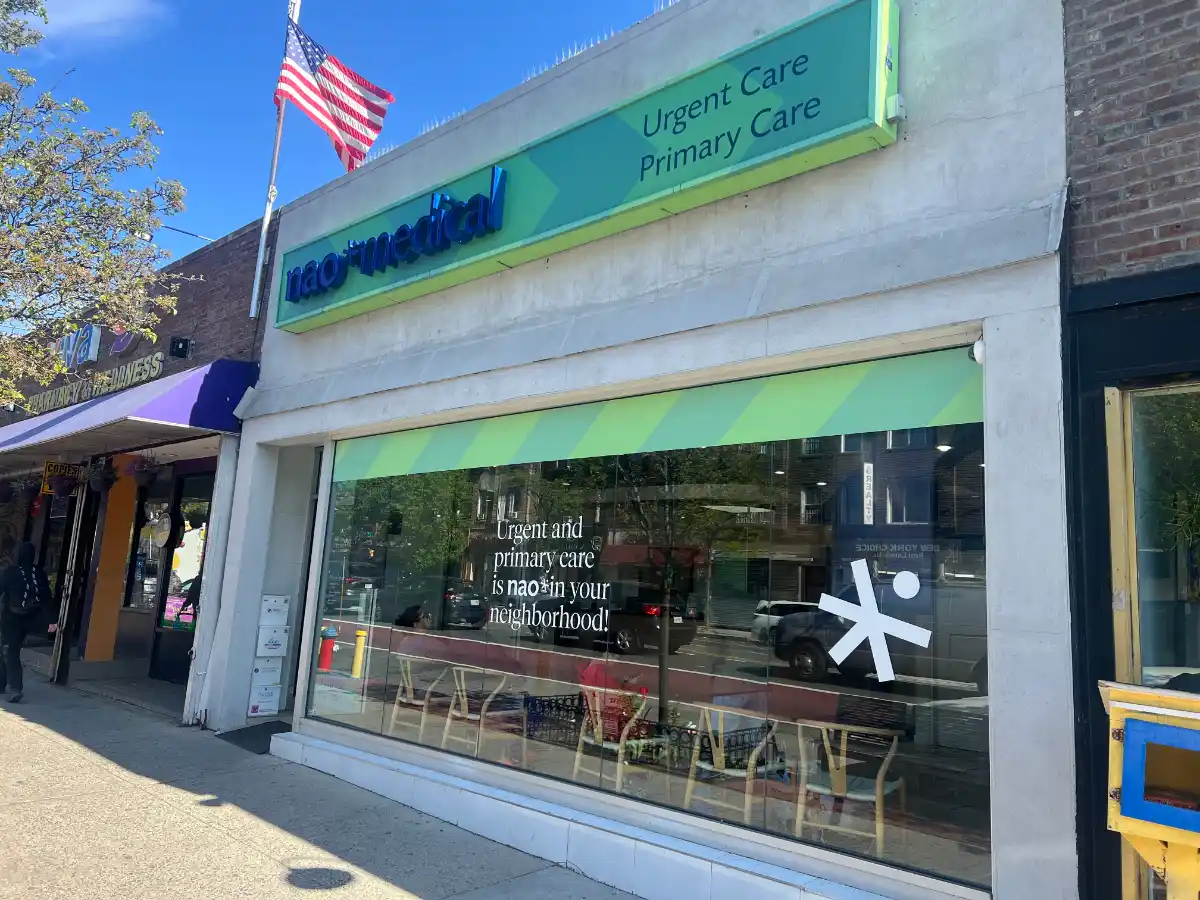
Queens
80-10 Northern Blvd, Jackson Heights, NY 11372
Choose a nearby clinic for an evaluation and care coordination. Before traveling, confirm the appointment type and any testing, medication teaching or treatment you need.
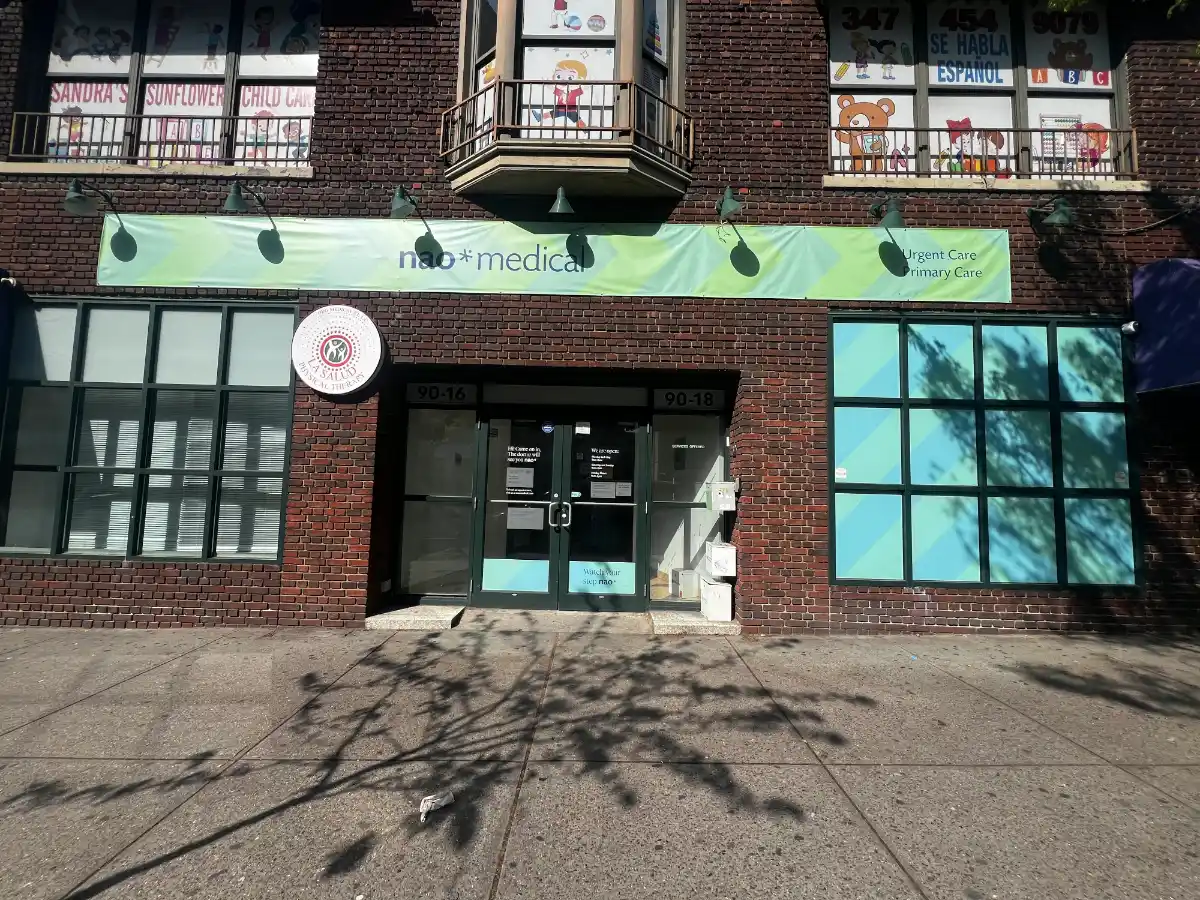
Queens
90-18 Sutphin Blvd, Jamaica, NY 11435
Choose a nearby clinic for an evaluation and care coordination. Before traveling, confirm the appointment type and any testing, medication teaching or treatment you need.
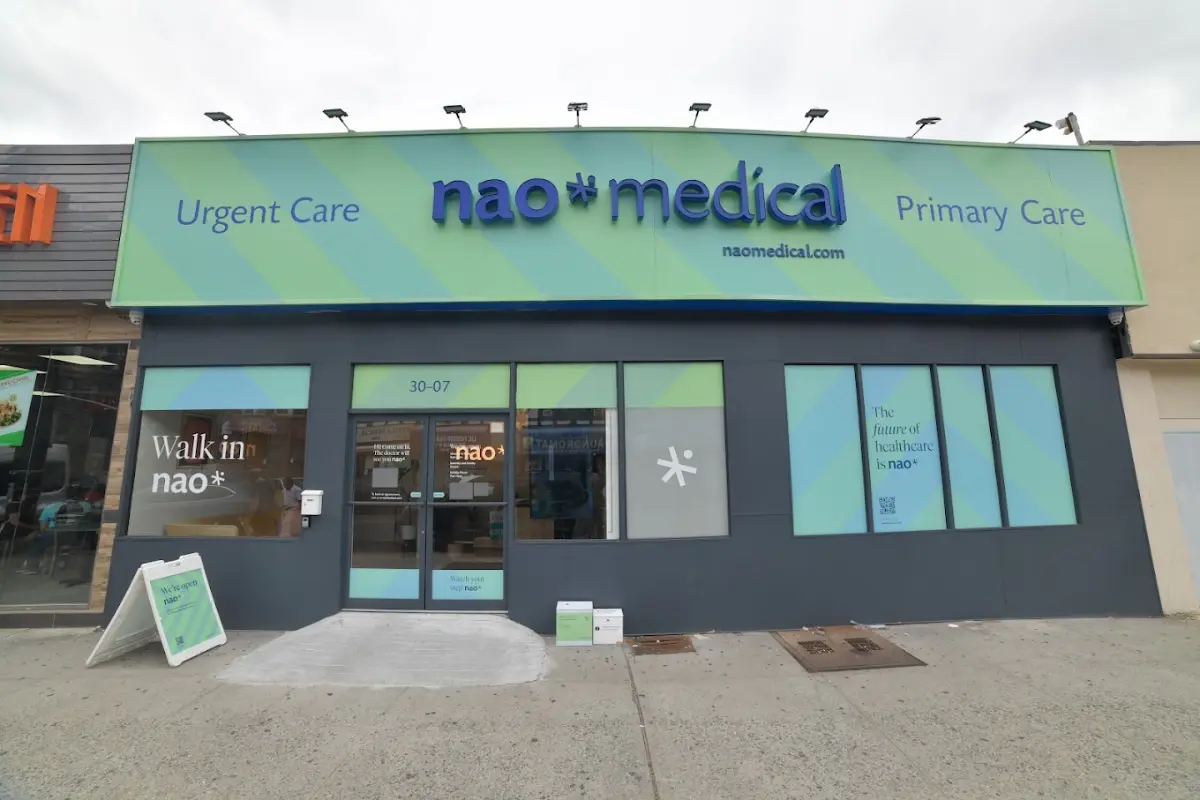
Queens
30-07 36th Ave, Astoria, NY 11106
Choose a nearby clinic for an evaluation and care coordination. Before traveling, confirm the appointment type and any testing, medication teaching or treatment you need.
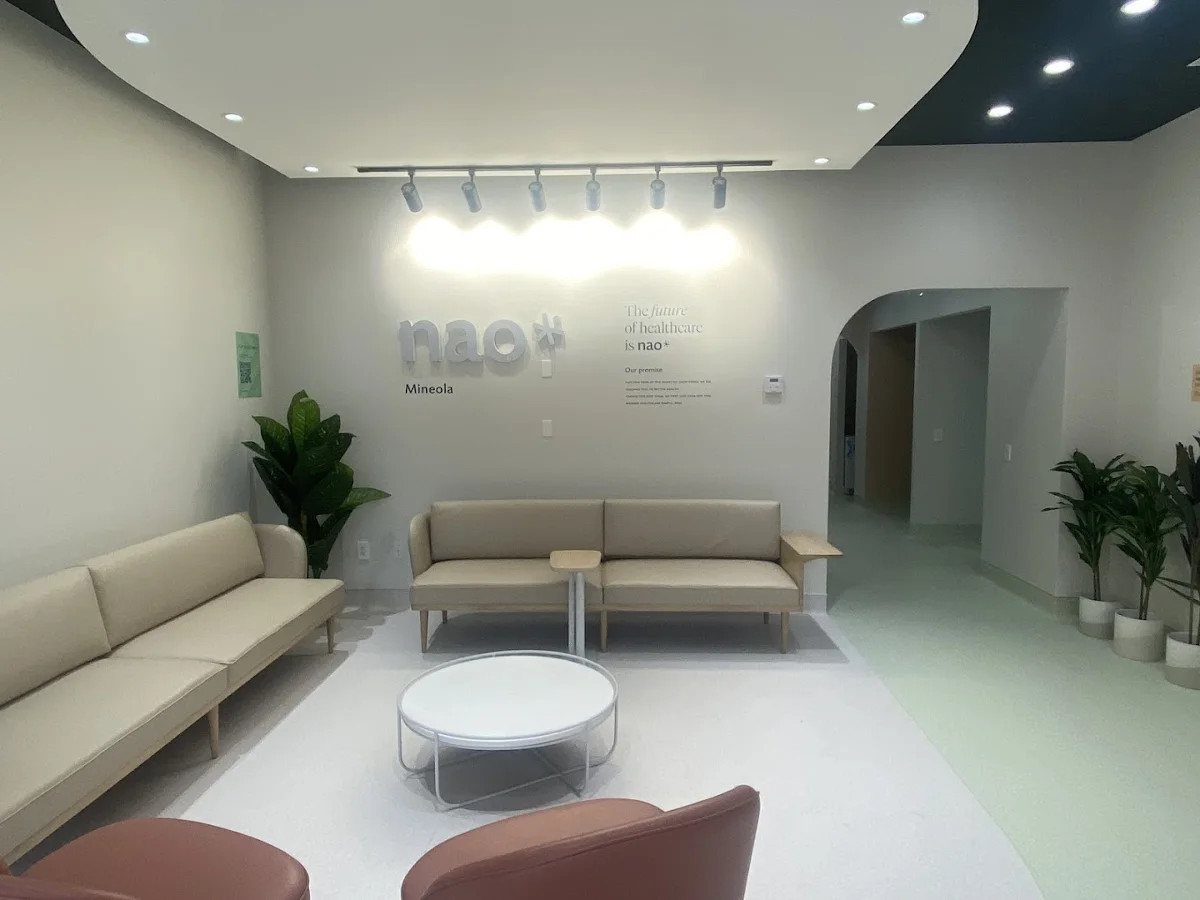
Long Island
135 Mineola Blvd, Mineola, NY 11501
Choose a nearby clinic for an evaluation and care coordination. Before traveling, confirm the appointment type and any testing, medication teaching or treatment you need.
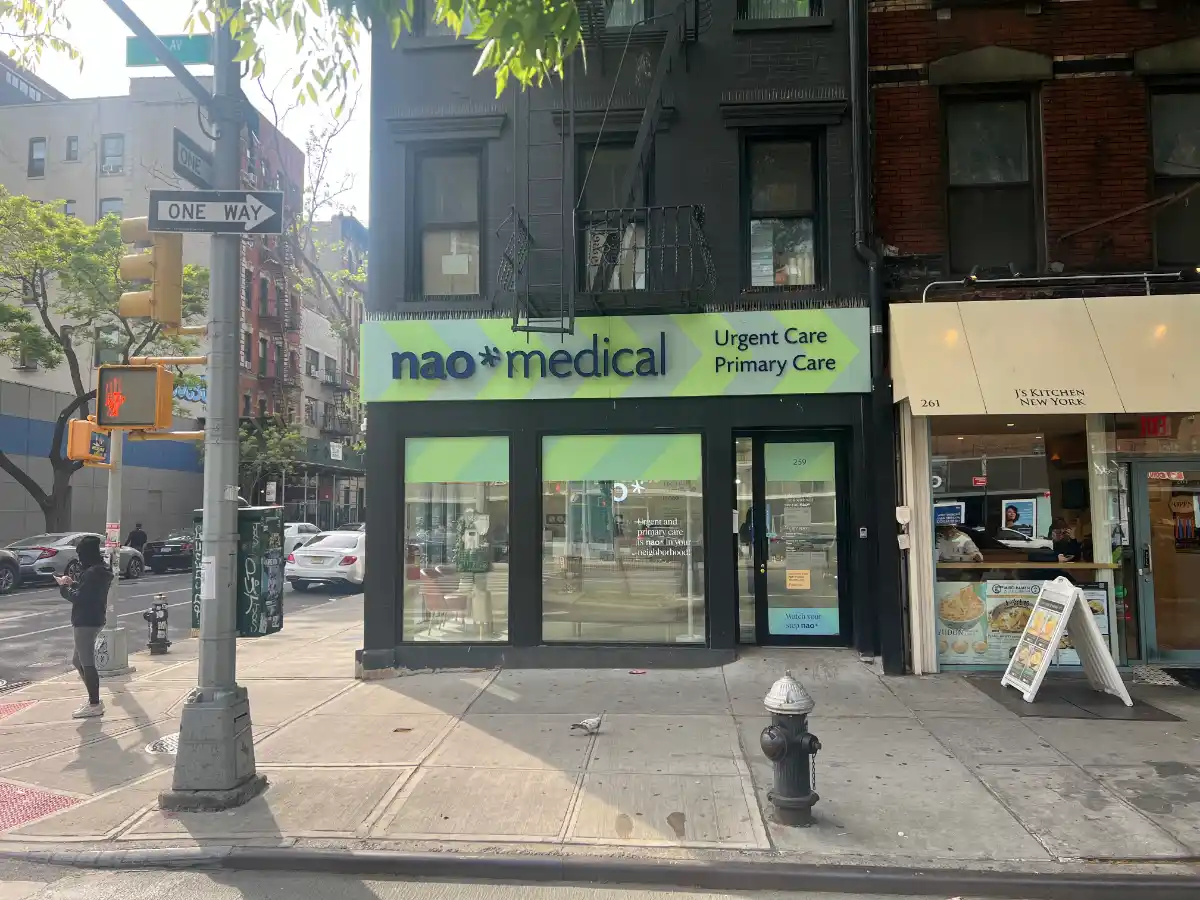
Manhattan
259 1st Ave, New York, NY 10003
Choose a nearby clinic for an evaluation and care coordination. Before traveling, confirm the appointment type and any testing, medication teaching or treatment you need.
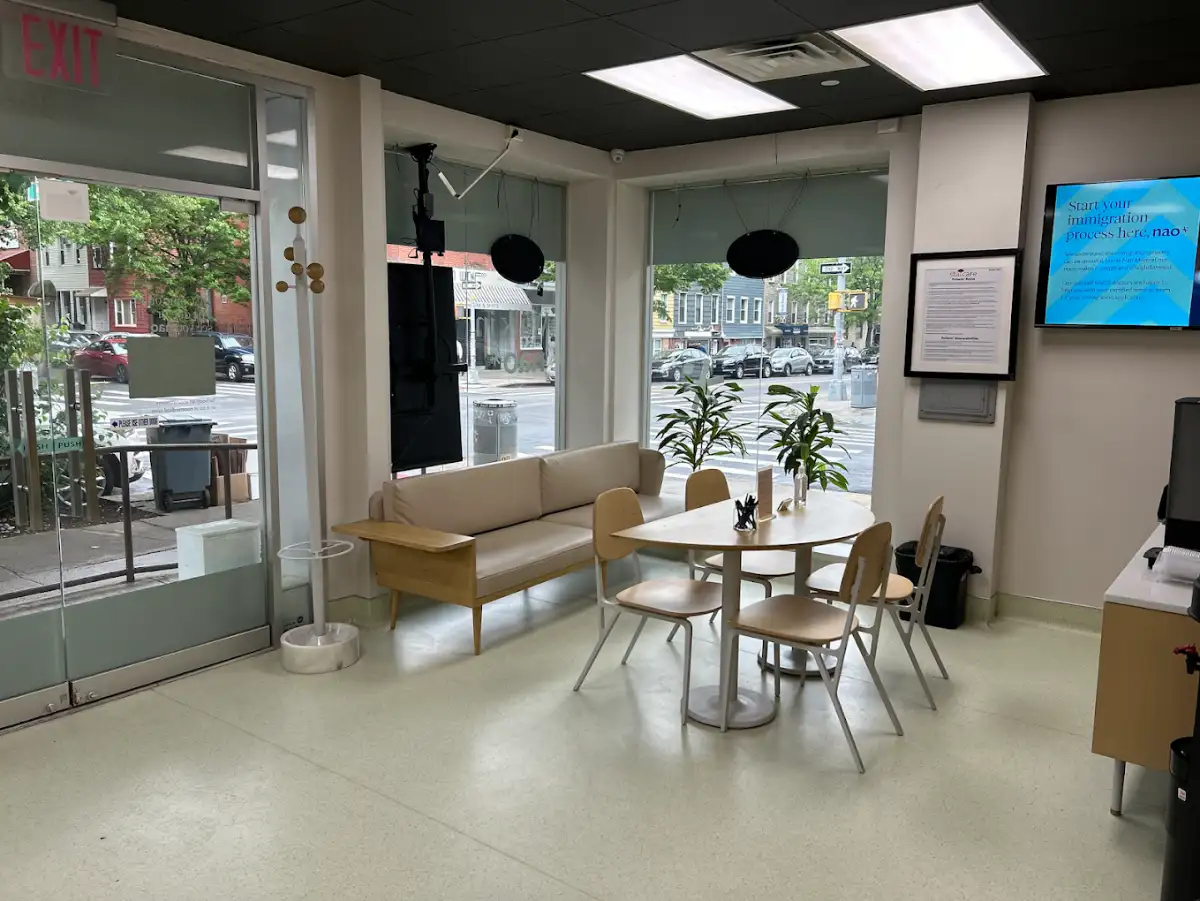
Brooklyn
308 Graham Ave, Brooklyn, NY 11211
Choose a nearby clinic for an evaluation and care coordination. Before traveling, confirm the appointment type and any testing, medication teaching or treatment you need.
Use ongoing primary care to connect medication decisions with the rest of your health history.
Connect confirmed OSA with evidence-based obesity treatment when both are present.
Review the labeled medication pathway only for adults with obesity and moderate-to-severe OSA.
Explore Nao Medical's broader weight-management program and treatment options.
Address blood pressure and cardiovascular risk that can coexist with OSA.
Content was updated August 12, 2026 from the cited sources and Nao Medical's current service information. Medical guidance, prescribing information, medication availability, and insurance rules can change. A licensed clinician must confirm current information and determine each patient's eligibility, testing, treatment, administration setting, and follow-up. Call 911 for a medical emergency. Contact Nao Medical with a question or correction.