Order and treatment record
Bring or send the signed order, diagnosis, intended dose, last injection or oral dose, next due date, initiation history, and prescriber contact details.


Two ways to coordinate care: If an outside psychiatrist prescribes and manages the treatment, Nao can review an accepted order and records for in-clinic administration. If the patient needs Nao to manage treatment, Nao psychiatry can evaluate, prescribe when appropriate, and provide follow-up. Uzedy is an extended-release risperidone injection approved for adults with schizophrenia and for maintenance treatment of bipolar I disorder. Nao Medical can evaluate an appropriate patient or coordinate an accepted outside order, patient-specific delivery, administration, visit monitoring, and ongoing psychiatry. The indication-specific schedule, order, records, coverage, medication arrival, and eligible clinic must be confirmed first.



Uzedy is risperidone given under the skin of the abdomen or upper arm. Its schizophrenia schedule can be monthly or every two months. For adult bipolar I maintenance, the label recommends monthly treatment only, alone or with lithium or valproate. Its release system differs from Consta and Perseris. The labelled start does not recommend a loading dose or routine oral supplementation, although oral tolerability is established first. The ingredient name alone cannot identify the route, interval or transition plan.
Uzedy is a long-acting risperidone injection given under the skin of the abdomen or upper arm. For adults with schizophrenia, the prescribed schedule may be monthly or every two months. For maintenance treatment of bipolar I disorder, the label uses monthly dosing, either alone or with lithium or valproate. The two-month option is not recommended for bipolar I maintenance.
Uzedy gradually releases risperidone. Risperidone’s clinical effect is thought to involve blocking dopamine D2 and serotonin 5-HT2A receptors. The under-the-skin route and release system differ from Risperdal Consta and Perseris. The shared active ingredient does not make their doses or transition schedules interchangeable.
The prescriber establishes tolerability with oral risperidone and reviews the current dose, diagnosis and interacting medicines. Kidney or liver impairment requires oral titration and a specific reduced injection plan. Review previous movement symptoms, prolactin effects, metabolic health, fainting and pregnancy considerations before starting.
The clinician selects the strength and interval from the oral risperidone treatment or the specified prior injection. Discuss which symptoms need maintenance treatment and whether the proposed frequency fits your care.
For a labelled start from oral risperidone, Uzedy is started after the last oral dose without a loading injection or routine oral supplementation. The current label also contains a specific transition from another risperidone IM injection given every two weeks. That sequence must not be generalized to every LAI.
Document the product, strength, date and next appointment. Report a persistent or troublesome lump, itching, restlessness, changes in movement or mood, and changes in daily function.
Bring the exact product name, prescribed strength, last injection date, oral medicine list and the responsible prescriber’s contact information. Include discharge notes, recent blood tests and any written start or restart plan. Tell the team about pregnancy, breastfeeding, allergies, seizures, fainting, substance use and new medicines or supplements. If a dose is delayed or records are unclear, contact the prescriber before travelling to an administration visit.
The boxed warning states that antipsychotics increase the risk of death in older adults with dementia-related psychosis. This medicine is not approved for that use. Risperidone can cause sedation, movement symptoms, weight and metabolic changes, dizziness on standing and raised prolactin. Injection-site nodules and itching are described in the label. Do not rub or massage the area. Avoid driving or hazardous tasks until you know whether the medicine impairs you. Seek emergency care for severe trouble breathing, throat or tongue swelling, loss of consciousness, or high fever with severe muscle stiffness and confusion. Contact the treating team promptly for new involuntary movements, severe restlessness, worsening psychosis, marked dizziness or troublesome injection-site symptoms. Do not wait for the next routine injection to report a serious concern.
If a dose is missed, the label says to give the next injection as soon as possible and not more often than recommended. Contact the treating team so the actual date, symptoms and diagnosis-specific interval are reviewed. Report adverse effects between injections, particularly severe restlessness or changes in sexual function or periods.
Before an injection appointment, ask which clinic can accept the prescription, how the medicine will be obtained, and which costs belong to the medicine, administration and psychiatry follow-up. A benefits check, prior authorization and medicine delivery are different steps. Ask for the proposed cost before each step. Manufacturer assistance has its own eligibility rules. Office-visit coverage does not establish medication coverage, and a listed clinic does not establish that the product is stocked or can be given there today.
Nao Medical can coordinate psychiatric injection care with your prescribing psychiatrist. Share the current order, exact medicine, last dose date and treatment history through the confirmed clinical intake process. The clinicians review product-specific initiation or restart requirements and arrange medication delivery, administration and follow-up. Keep your existing treatment plan until the next appointment is agreed.
Uzedy is a long-acting risperidone injection given under the skin of the abdomen or upper arm. For adults with schizophrenia, the prescribed schedule may be monthly or every two months. For maintenance treatment of bipolar I disorder, the label uses monthly dosing, either alone or with lithium or valproate. The two-month option is not recommended for bipolar I maintenance.
The prescriber establishes tolerability with oral risperidone and reviews the current dose, diagnosis and interacting medicines. Kidney or liver impairment requires oral titration and a specific reduced injection plan. Review previous movement symptoms, prolactin effects, metabolic health, fainting and pregnancy considerations before starting.
The clinician selects the strength and interval from the oral risperidone treatment or the specified prior injection. Discuss which symptoms need maintenance treatment and whether the proposed frequency fits your care.
For a labelled start from oral risperidone, Uzedy is started after the last oral dose without a loading injection or routine oral supplementation. The current label also contains a specific transition from another risperidone IM injection given every two weeks. That sequence must not be generalized to every LAI.
Document the product, strength, date and next appointment. Report a persistent or troublesome lump, itching, restlessness, changes in movement or mood, and changes in daily function.
If a dose is missed, the label says to give the next injection as soon as possible and not more often than recommended. Contact the treating team so the actual date, symptoms and diagnosis-specific interval are reviewed. Report adverse effects between injections, particularly severe restlessness or changes in sexual function or periods.
The prescriber establishes tolerability with oral risperidone and reviews the current dose, diagnosis and interacting medicines. Kidney or liver impairment requires oral titration and a specific reduced injection plan. Review previous movement symptoms, prolactin effects, metabolic health, fainting and pregnancy considerations before starting.
A switch needs the responsible psychiatrist's documented plan, not just an administration appointment. Review the exact current product, strength, last dose, response and tolerability. The new injection has its own indication, prior-treatment, loading or oral-coverage rules. Ask whether Nao provides the prescribing evaluation or accepts an outside order, and confirm delivery, the administering site and follow-up before changing treatment. Do not stop or convert medicines yourself.
Continuing antipsychotic care reviews symptoms, daily function, injection dates, movement symptoms, sedation, falls, weight, blood pressure and medicine-specific blood tests. Blood sugar/lipids, prolactin or heart-rhythm assessment may be relevant depending on the product and history. Ask the psychiatrist which tests are due and who reviews them. An administration-only visit does not replace that care. Report new involuntary movements, marked restlessness, fainting or troublesome injection-site changes promptly.
The reviewed current US prescribing information for Uzedy does not specify a restricted REMS administration/distribution program. That does not remove the medicine’s prescribing, administration, initiation or monitoring requirements. Confirm the exact product and current FDA status with the treating clinician and dispensing service; a manufacturer access program is not itself an FDA REMS.
Coverage needs checking for the exact prescription and diagnosis. Ask which benefit pays for the drug, whether authorization or a specified pharmacy is required, and what you owe for medication, administration and psychiatric follow-up. For schizophrenia the labeled interval can be monthly or every two months; bipolar I maintenance uses monthly dosing. Confirm that the requested regimen matches the order being reviewed. A service listing or an approved office visit does not guarantee drug coverage or delivery.
A nodule can occur with this formulation. Do not rub or massage it. Contact the treating team if it is troublesome, worsening or accompanied by other concerning symptoms.
Movement symptoms, including akathisia, need prompt review. Tell the clinician if you cannot sit still or the symptom interferes with sleep or work. Do not change the injection or add a medicine yourself.
A healthcare professional gives Uzedy under the skin of the abdomen or upper arm. It must not be injected into a muscle or vein, and you should not give it to yourself. The prescriber selects the product-specific strength and interval after establishing oral risperidone tolerability. A labeled start from oral risperidone does not require a loading injection or routine oral supplementation. Keep the prescribed start or transition plan; those instructions differ from other risperidone injections.
Bring or send the signed order, diagnosis, intended dose, last injection or oral dose, next due date, initiation history, and prescriber contact details.
Include current medicines, allergies, prior adverse effects, pregnancy or breastfeeding considerations, recent hospitalization records, and relevant laboratory or monitoring results.
Share insurance cards, the specialty pharmacy or distributor if known, prior authorization status, and the intended patient-specific delivery destination.
Wait for the care team to confirm order acceptance, medication arrival, the eligible clinic, trained staff, and appointment time before traveling.
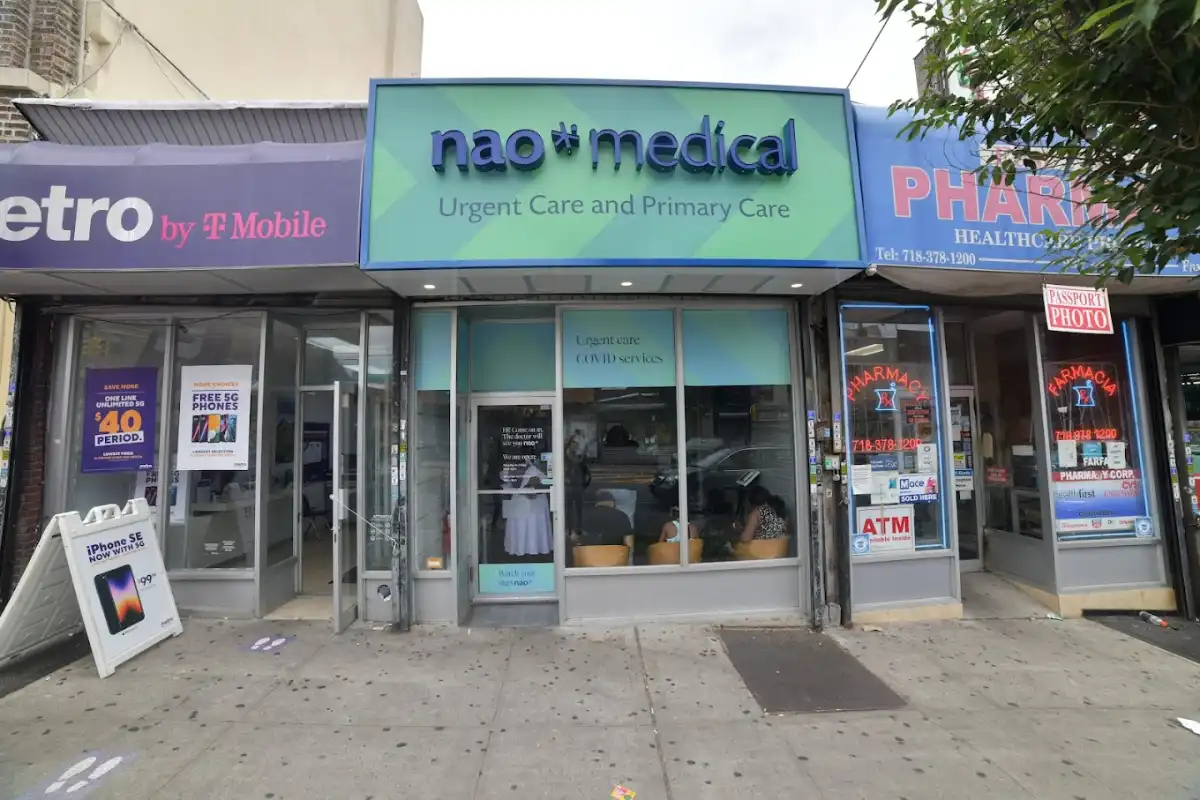
Bronx
932 E 174th St, Bronx, NY 10460
A nearby Nao Medical access point for evaluation, records coordination, and follow-up planning for patients in West Farms, Crotona Park East, and nearby Bronx neighborhoods. The administration clinic will be confirmed separately by the care team.
Queens
37-15 23rd Ave, Astoria, NY 11105
A nearby Nao Medical access point for evaluation, records coordination, and follow-up planning for patients in Astoria, Ditmars, East Elmhurst, and nearby Queens neighborhoods. The administration clinic will be confirmed separately by the care team.
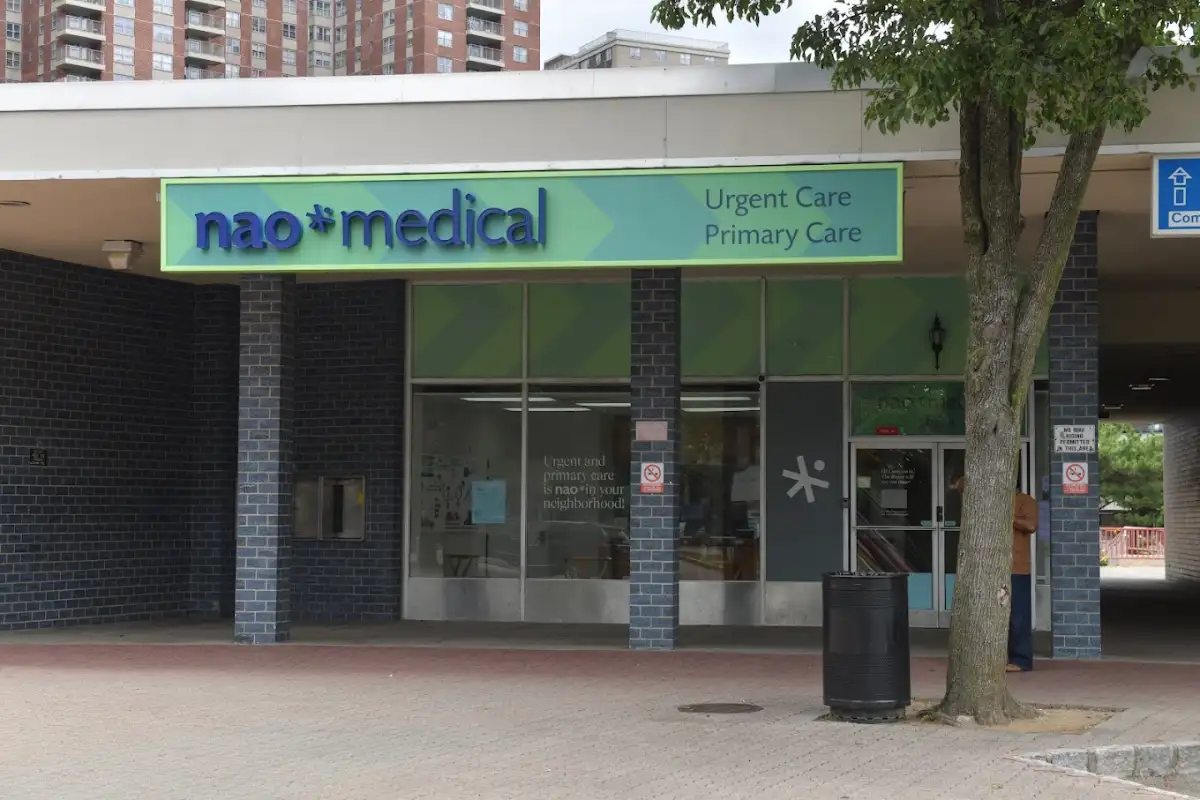
Bronx
2063A Bartow Ave, Bronx, NY 10475
A nearby Nao Medical access point for evaluation, records coordination, and follow-up planning for patients in Co-op City, Pelham Bay, Baychester, and nearby Bronx neighborhoods. The administration clinic will be confirmed separately by the care team.
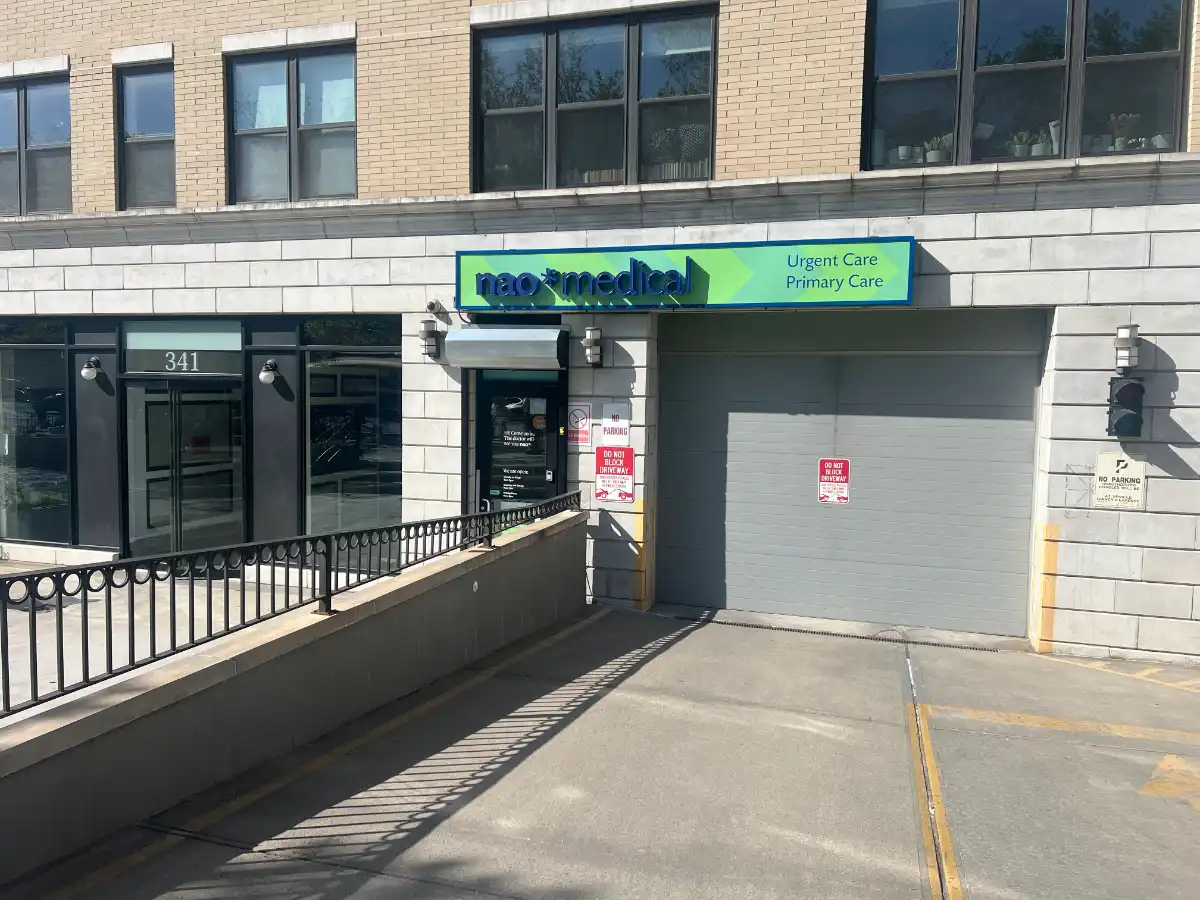
Brooklyn
341 Eastern Pkwy, Brooklyn, NY 11216
A nearby Nao Medical access point for evaluation, records coordination, and follow-up planning for patients in Crown Heights, Prospect Heights, and nearby Brooklyn neighborhoods. The administration clinic will be confirmed separately by the care team.
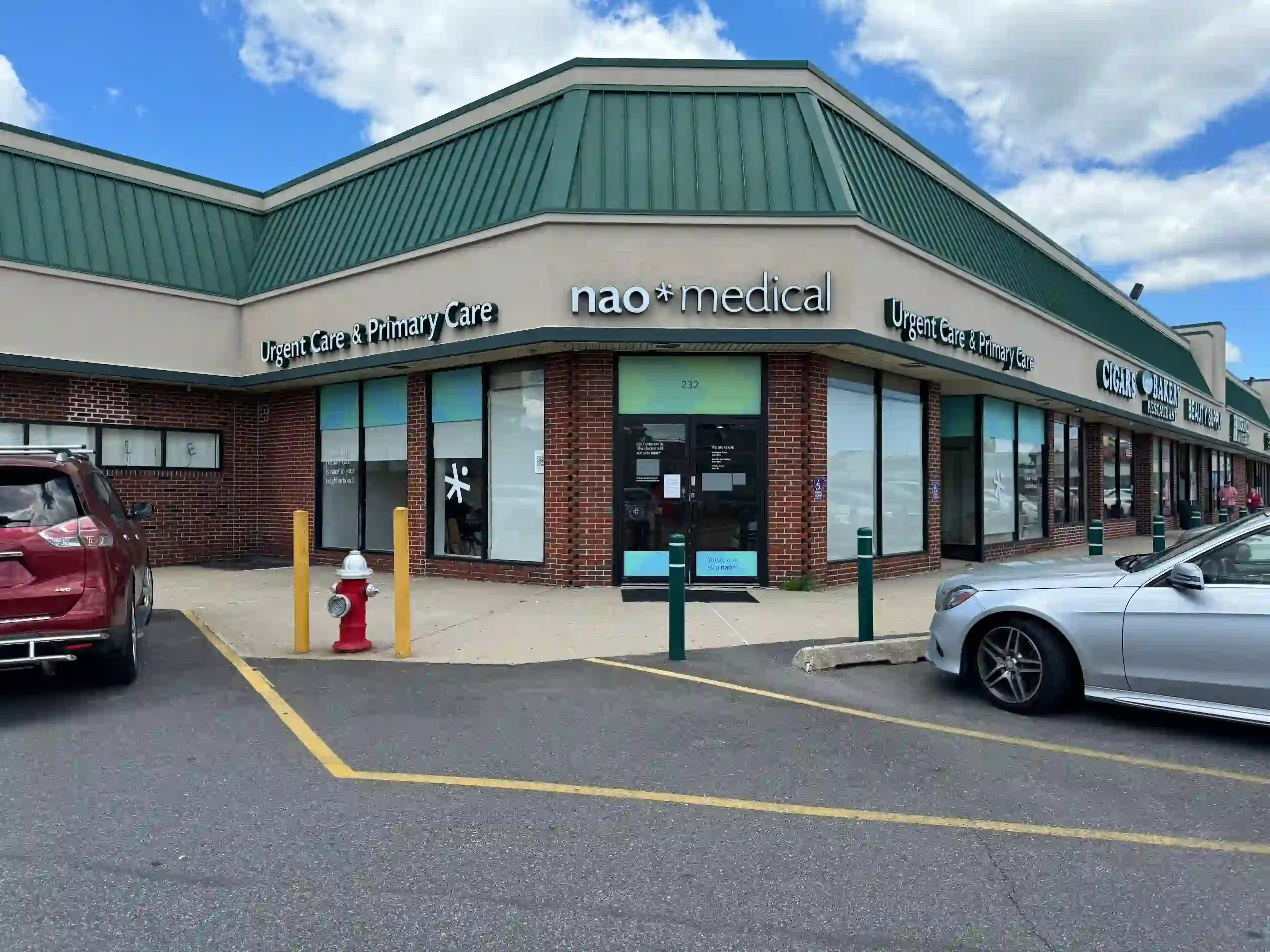
Long Island
232 W Old Country Rd, Hicksville, NY 11801
A nearby Nao Medical access point for evaluation, records coordination, and follow-up planning for patients in Hicksville, Plainview, Bethpage, and nearby Nassau County communities. The administration clinic will be confirmed separately by the care team.

Queens
80-10 Northern Blvd, Jackson Heights, NY 11372
A nearby Nao Medical access point for evaluation, records coordination, and follow-up planning for patients in Jackson Heights, Elmhurst, Corona, and nearby Queens neighborhoods. The administration clinic will be confirmed separately by the care team.
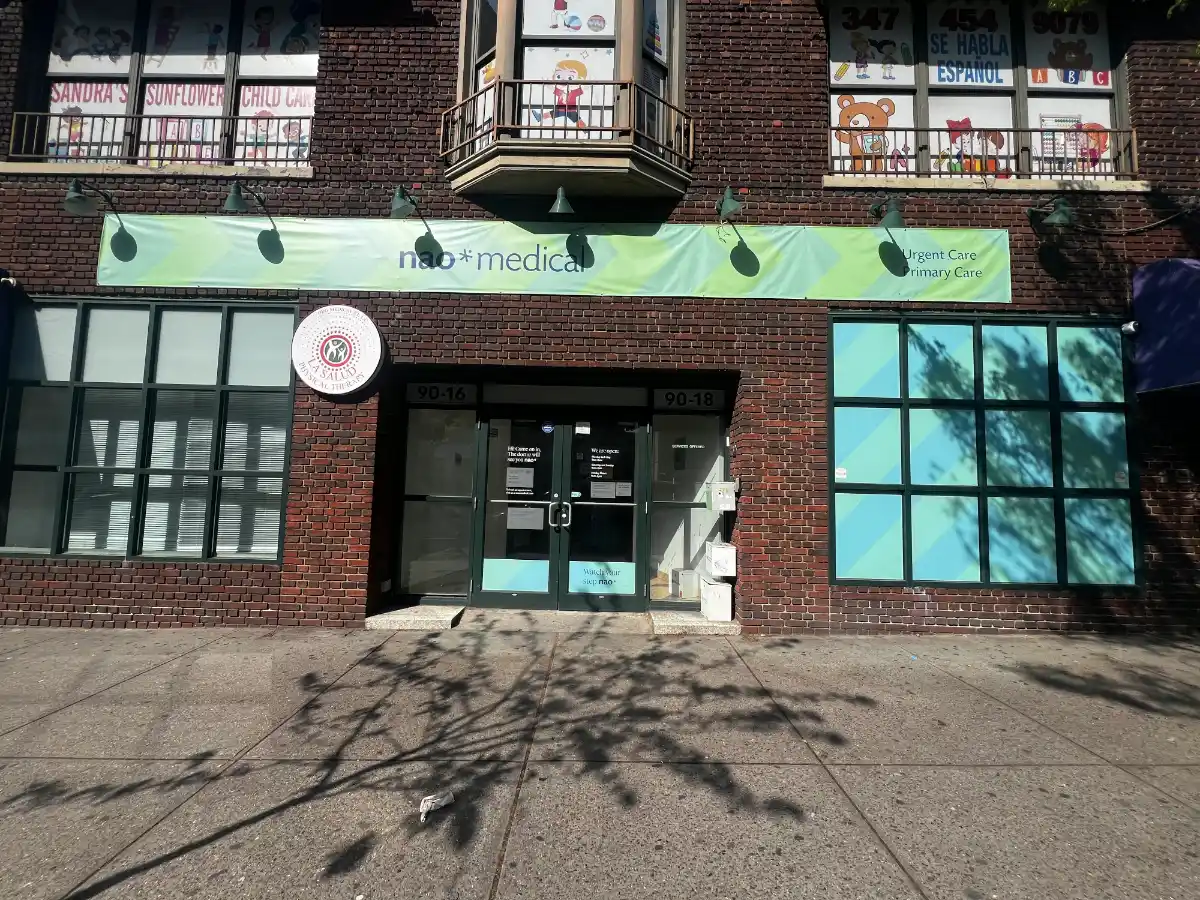
Queens
90-18 Sutphin Blvd, Jamaica, NY 11435
A nearby Nao Medical access point for evaluation, records coordination, and follow-up planning for patients in Jamaica, Briarwood, Richmond Hill, and nearby Queens neighborhoods. The administration clinic will be confirmed separately by the care team.
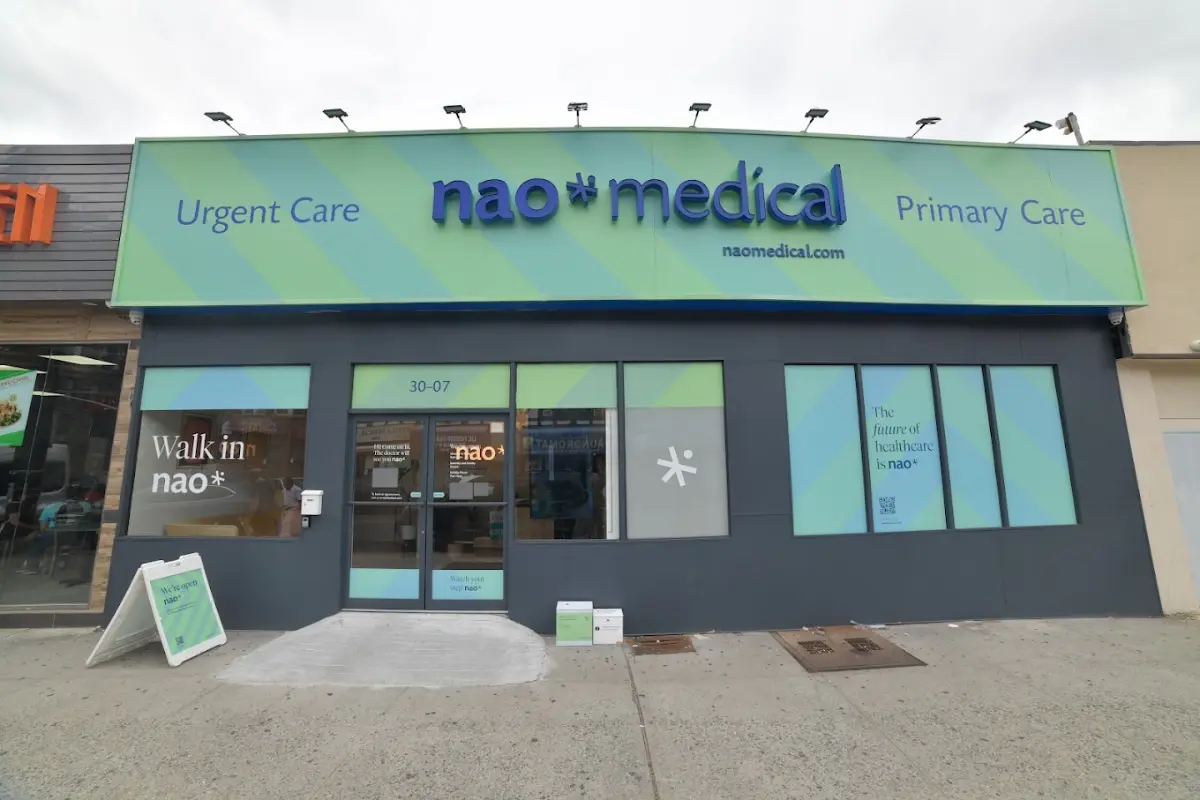
Queens
30-07 36th Ave, Astoria, NY 11106
A nearby Nao Medical access point for evaluation, records coordination, and follow-up planning for patients in Long Island City, Astoria, Sunnyside, and nearby Queens neighborhoods. The administration clinic will be confirmed separately by the care team.

Long Island
135 Mineola Blvd, Mineola, NY 11501
A nearby Nao Medical access point for evaluation, records coordination, and follow-up planning for patients in Mineola, Garden City, Westbury, and nearby Nassau County communities. The administration clinic will be confirmed separately by the care team.
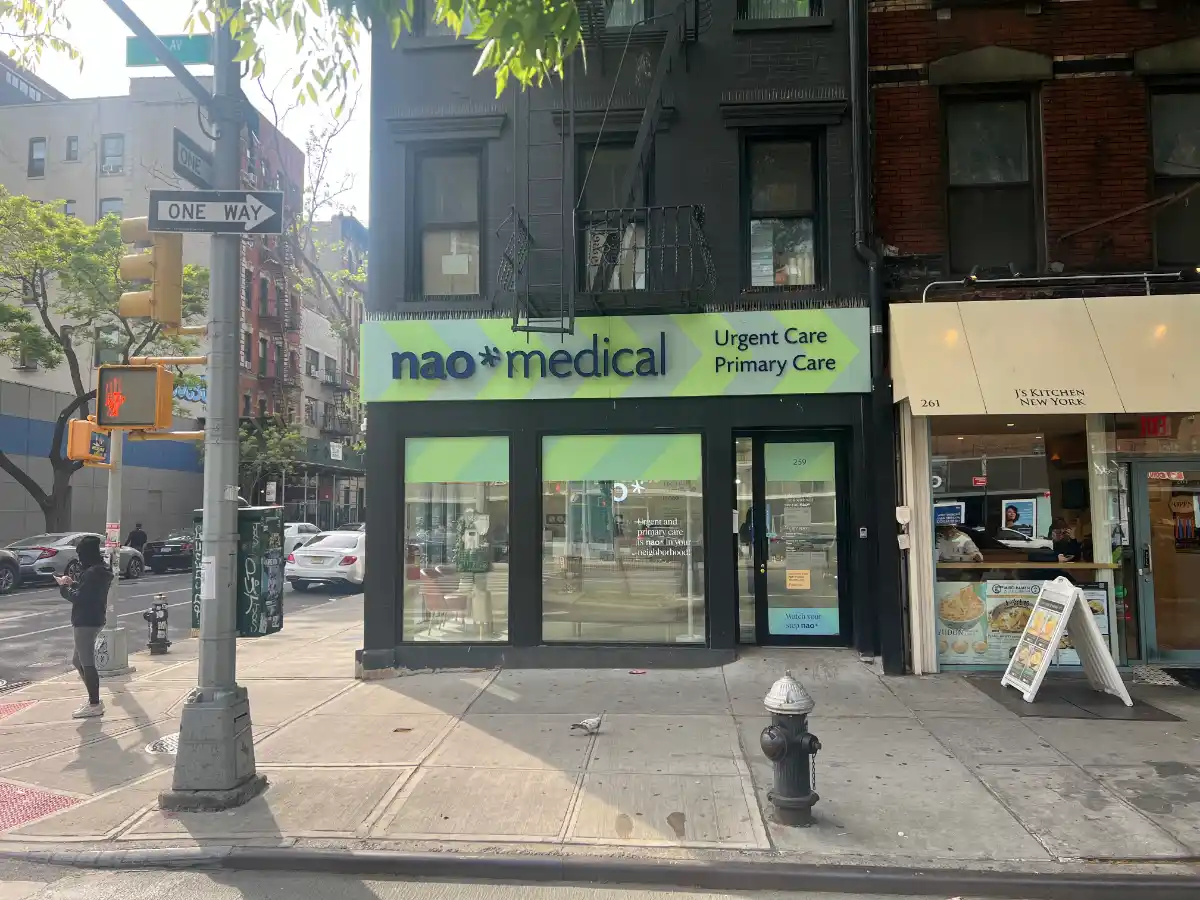
Manhattan
259 1st Ave, New York, NY 10003
A nearby Nao Medical access point for evaluation, records coordination, and follow-up planning for patients in StuyTown, East Village, Gramercy, and nearby Manhattan neighborhoods. The administration clinic will be confirmed separately by the care team.
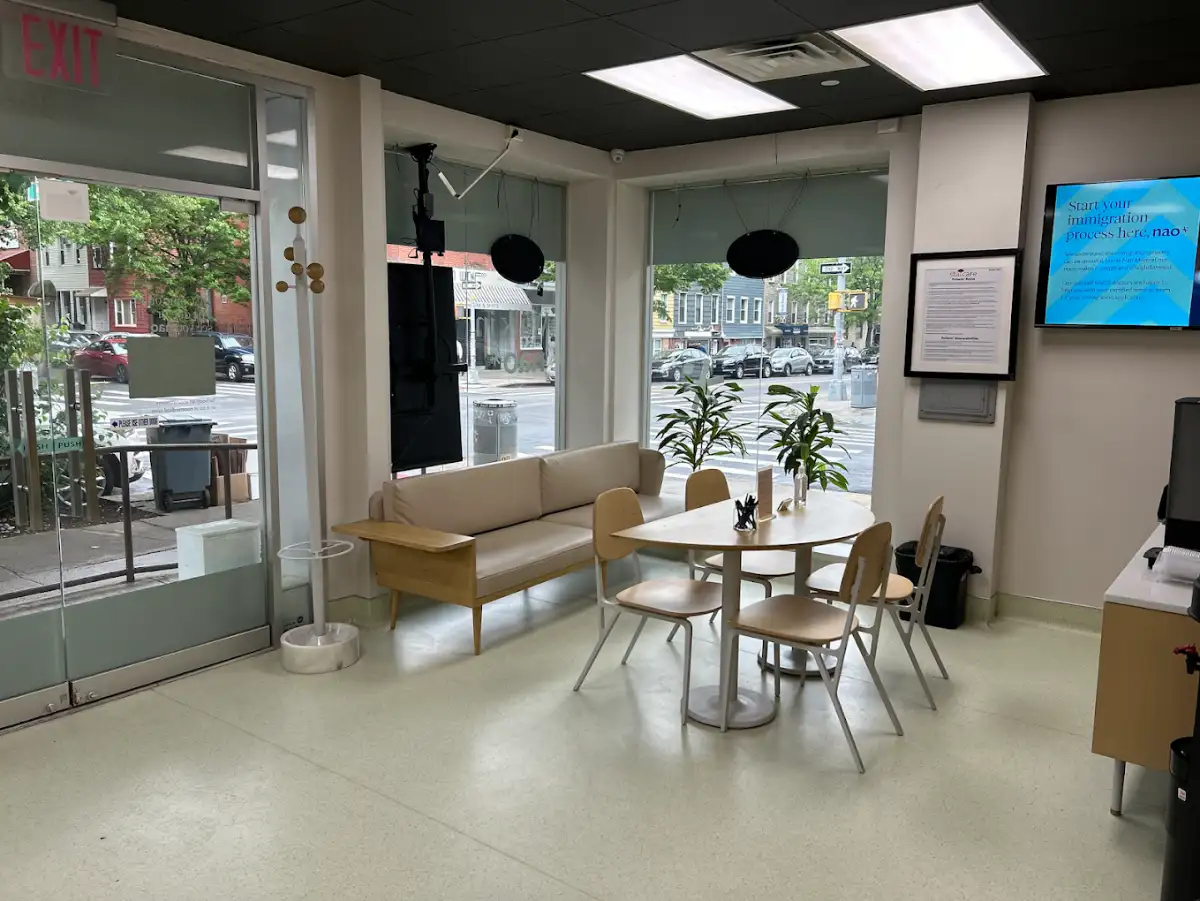
Brooklyn
308 Graham Ave, Brooklyn, NY 11211
A nearby Nao Medical access point for evaluation, records coordination, and follow-up planning for patients in Williamsburg, Greenpoint, Bushwick, and nearby Brooklyn neighborhoods. The administration clinic will be confirmed separately by the care team.
Official sources checked August 1, 2026. The DailyMed label shown above has an effective date of 2025-10-09 and identifies prescribing-information revision 10/2025. Questions or corrections about this medical information can be sent to service@naomedical.com.
Content was updated August 4, 2026 using the sources cited above. Medical guidance, prescribing information, medication availability, and insurance rules can change. A licensed clinician must confirm current information and determine each patient's eligibility, testing, treatment, administration setting, and follow-up. Call 911 for a medical emergency. Contact Nao Medical with a question or correction.