 (917) 310-3371
Routine screening
Frequency depends on age, anatomy, sexual practices, pregnancy, HIV status, location, and risk. Some people need annual testing; others benefit from testing every 3 to 6 months.




A fixed full panel can create false reassurance if it omits an exposure site, uses the wrong timing, or includes tests that do not answer the clinical question.
Frequency depends on age, anatomy, sexual practices, pregnancy, HIV status, location, and risk. Some people need annual testing; others benefit from testing every 3 to 6 months.
Discharge, burning, sores, rash, pelvic pain, testicular symptoms, fever, or a partner's diagnosis can change the exam, tests, and decision to treat before results return.
CDC advises people who have had oral or anal sex to discuss throat and rectal testing. These infections can be present without genital symptoms.
Pregnancy changes screening schedules, treatment choices, and urgency. Share pregnancy or pregnancy-planning information at the start of the visit.
The visit should end with a result plan: which tests were collected, when results are expected, what treatment was given, and what happens next.
Discuss timing, oral, vaginal, and anal exposure sites, barrier use, symptoms, partner diagnoses, pregnancy, recent antibiotics, prior STIs, and HIV prevention or treatment.
Some symptoms require a focused examination. Severe pelvic or testicular pain, pregnancy, fever, eye symptoms, or systemic illness can require urgent escalation rather than routine screening alone.
The clinician may use blood, urine, and swabs from the vagina, throat, rectum, a lesion, or another affected site. Not every infection has a useful routine screening test.
Treatment depends on the suspected or confirmed infection, exposure history, allergies, pregnancy, resistance concerns, and public-health guidance. Do not use leftover antibiotics or assume one drug treats every STI.
Review results, complete treatment, avoid sex for the advised period, arrange partner evaluation or permitted partner therapy, and return for test-of-cure or repeat testing when the diagnosis requires it.
Testing is only one part of the decision. Symptoms, pregnancy, assault, and recent HIV exposure can change the safest next step.
Emergency HIV PEP should start as soon as possible and no later than 72 hours after exposure. Do not wait for a routine result appointment.
Sudden one-sided testicular pain can be torsion, a surgical emergency. Seek emergency evaluation immediately.
Pelvic or lower abdominal pain can require prompt treatment for pelvic inflammatory disease. Pregnancy, severe illness, vomiting, high fever, or possible surgical causes can require hospital-level care.
Eye pain or vision change, severe headache, confusion, fainting, chest symptoms, or a rapidly spreading rash needs urgent or emergency assessment.
Call 911 for a medical emergency. Seek immediate evaluation for sudden severe testicular pain, severe pelvic or abdominal pain, fainting, trouble breathing, confusion, or eye symptoms. For a possible HIV exposure within 72 hours, use the urgent HIV PEP pathway or call 844-373-7692.
Cost depends on the visit type, examination, specimens, laboratory, treatment, vaccines, and insurance network. Ask which tests are ordered and whether a repeat or test-of-cure visit may be needed.
If insurance privacy or cost is a concern, ask before testing. NYC Sexual Health Clinics offer low- to no-cost services and can be an alternative when private coverage is not practical.
Complete records reduce delays, duplicate testing, and avoidable medication errors.
Call first to confirm the correct visit, clinician, testing, medication, infection-control, and site-capability requirements. A location card is not a promise of medication stock or same-day administration.
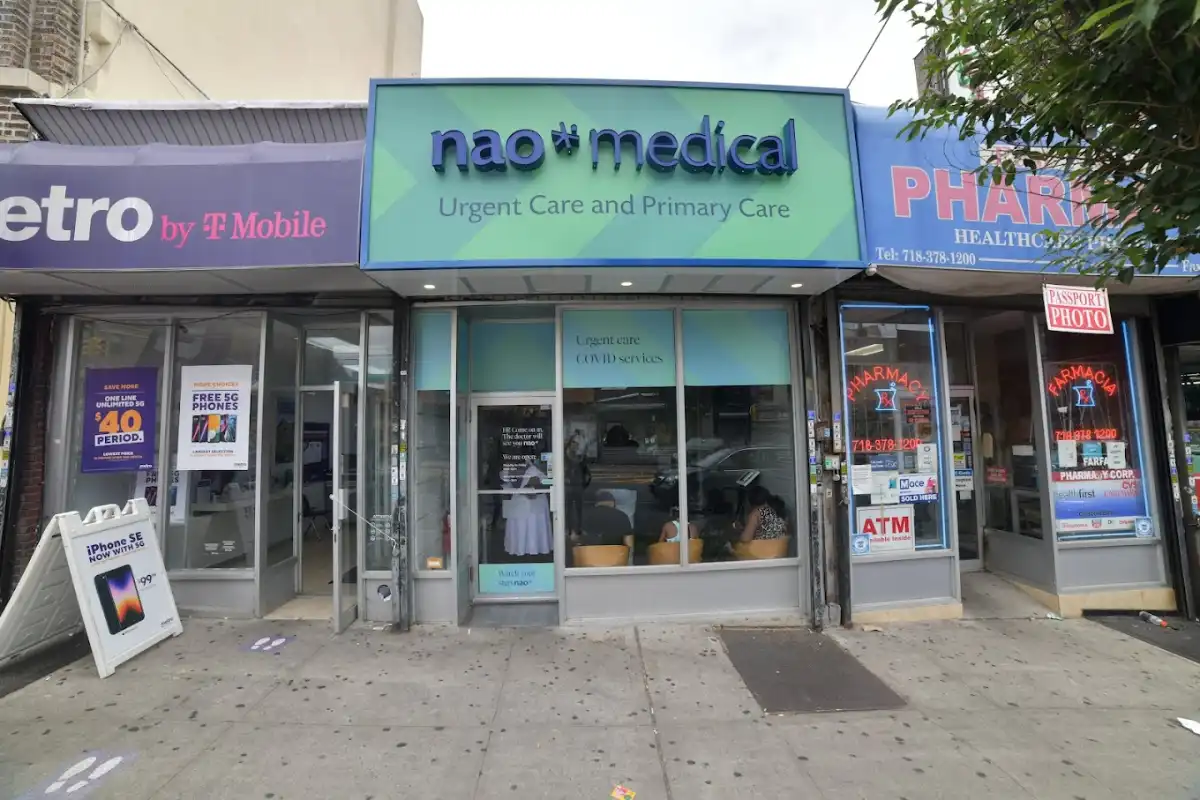
Bronx
932 E 174th St, Bronx, NY 10460
This clinic can be a starting point for confidential STI evaluation, testing, and treatment planning. Book first when possible and call to confirm timing, specimen needs, and clinician availability. Serves West Farms, Crotona Park East, and nearby Bronx neighborhoods.
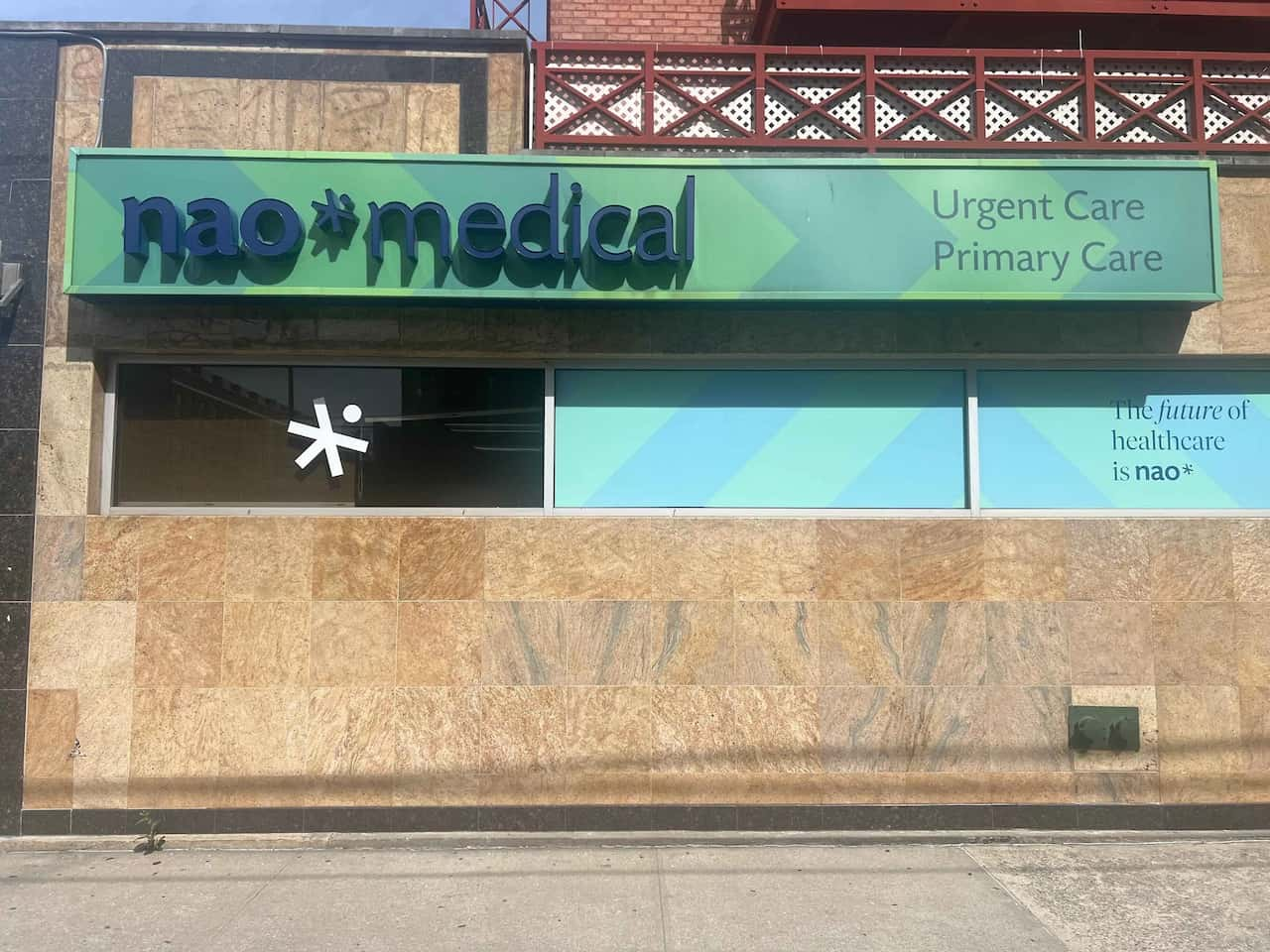
Queens
37-15 23rd Ave, Astoria, NY 11105
This clinic can be a starting point for confidential STI evaluation, testing, and treatment planning. Book first when possible and call to confirm timing, specimen needs, and clinician availability. Serves Astoria, Ditmars, East Elmhurst, and nearby Queens neighborhoods.
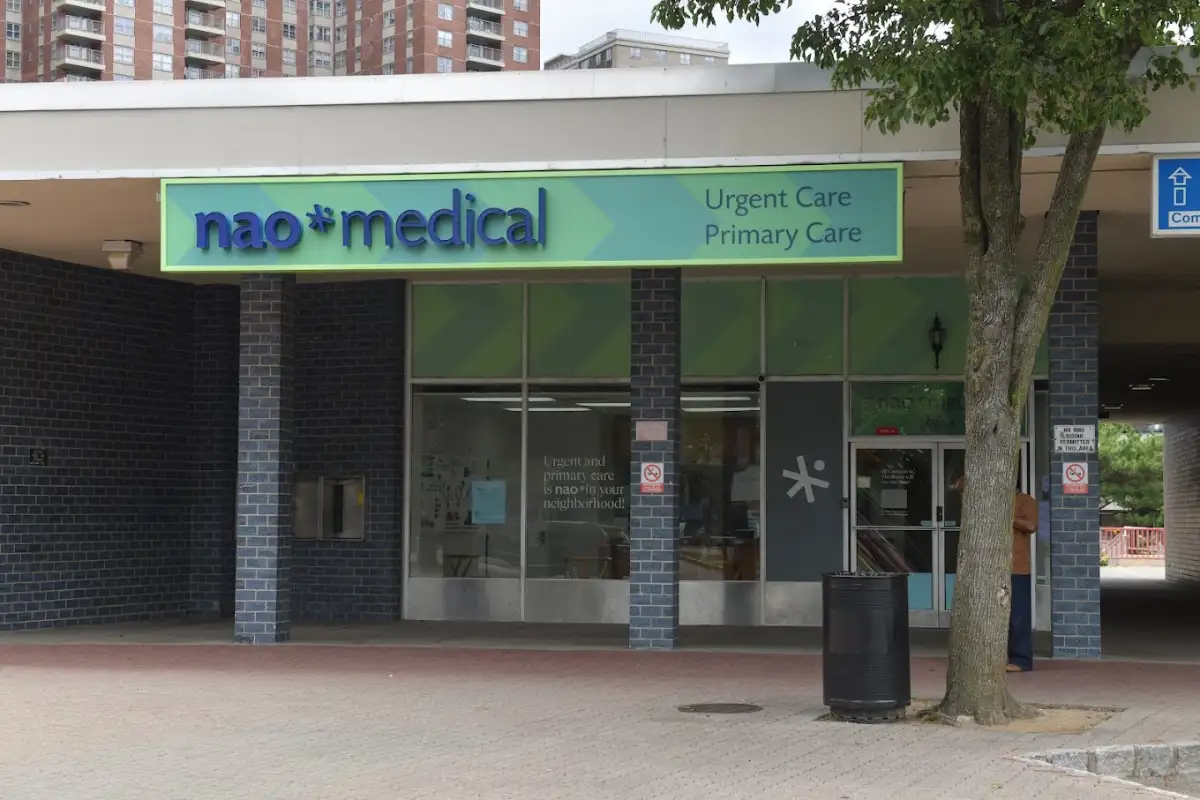
Bronx
2063A Bartow Ave, Bronx, NY 10475
This clinic can be a starting point for confidential STI evaluation, testing, and treatment planning. Book first when possible and call to confirm timing, specimen needs, and clinician availability. Serves Co-op City, Pelham Bay, Baychester, and nearby Bronx neighborhoods.
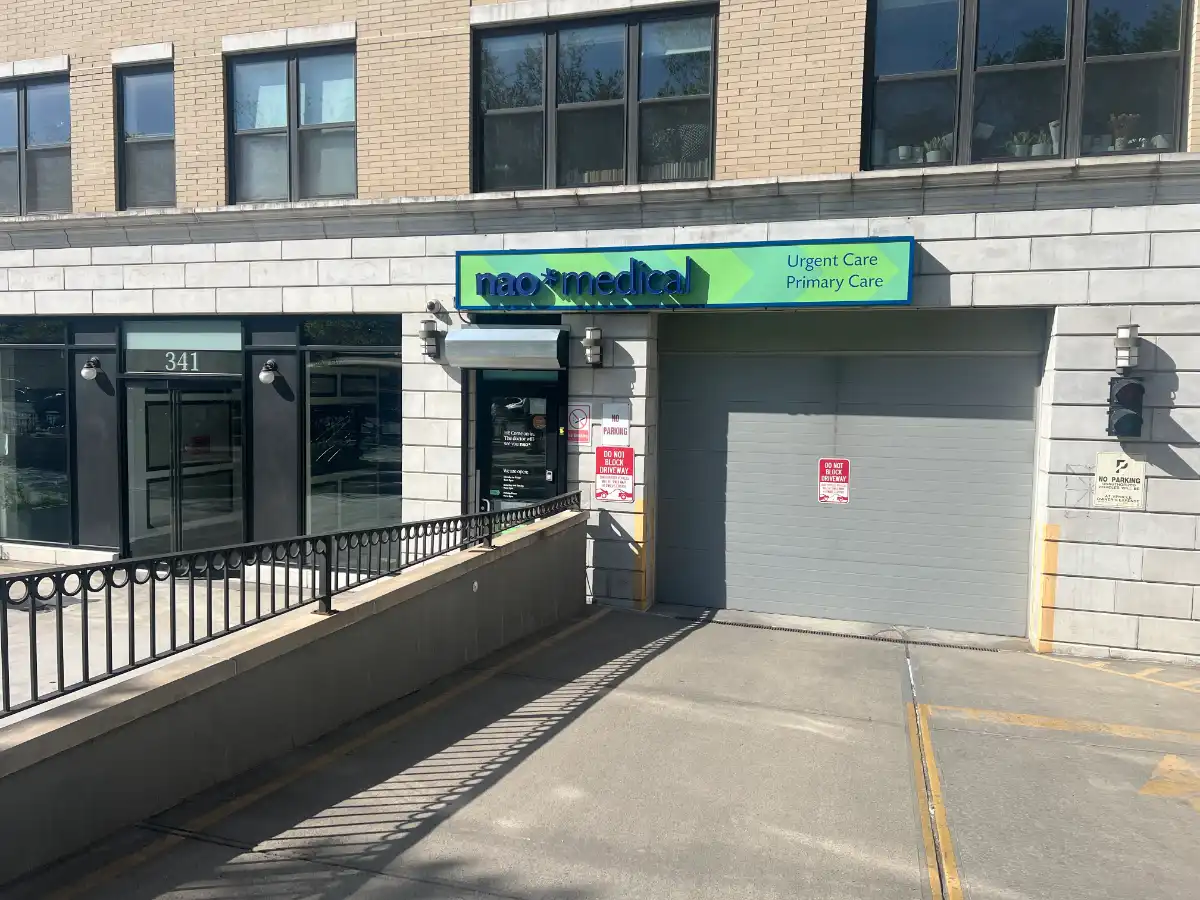
Brooklyn
341 Eastern Pkwy, Brooklyn, NY 11216
This clinic can be a starting point for confidential STI evaluation, testing, and treatment planning. Book first when possible and call to confirm timing, specimen needs, and clinician availability. Serves Crown Heights, Prospect Heights, and nearby Brooklyn neighborhoods.
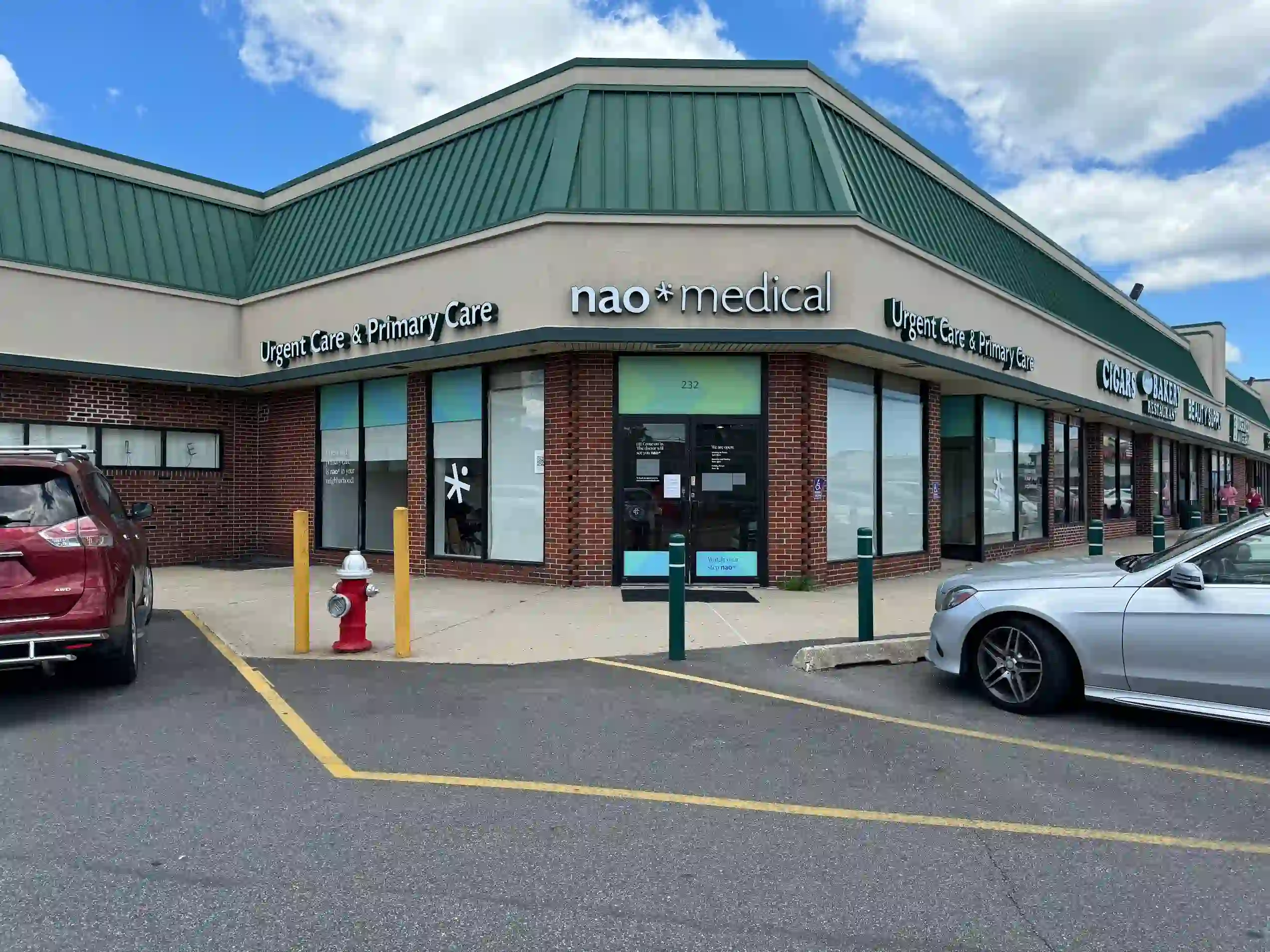
Long Island
232 W Old Country Rd, Hicksville, NY 11801
This clinic can be a starting point for confidential STI evaluation, testing, and treatment planning. Book first when possible and call to confirm timing, specimen needs, and clinician availability. Serves Hicksville, Plainview, Bethpage, and nearby Nassau County communities.
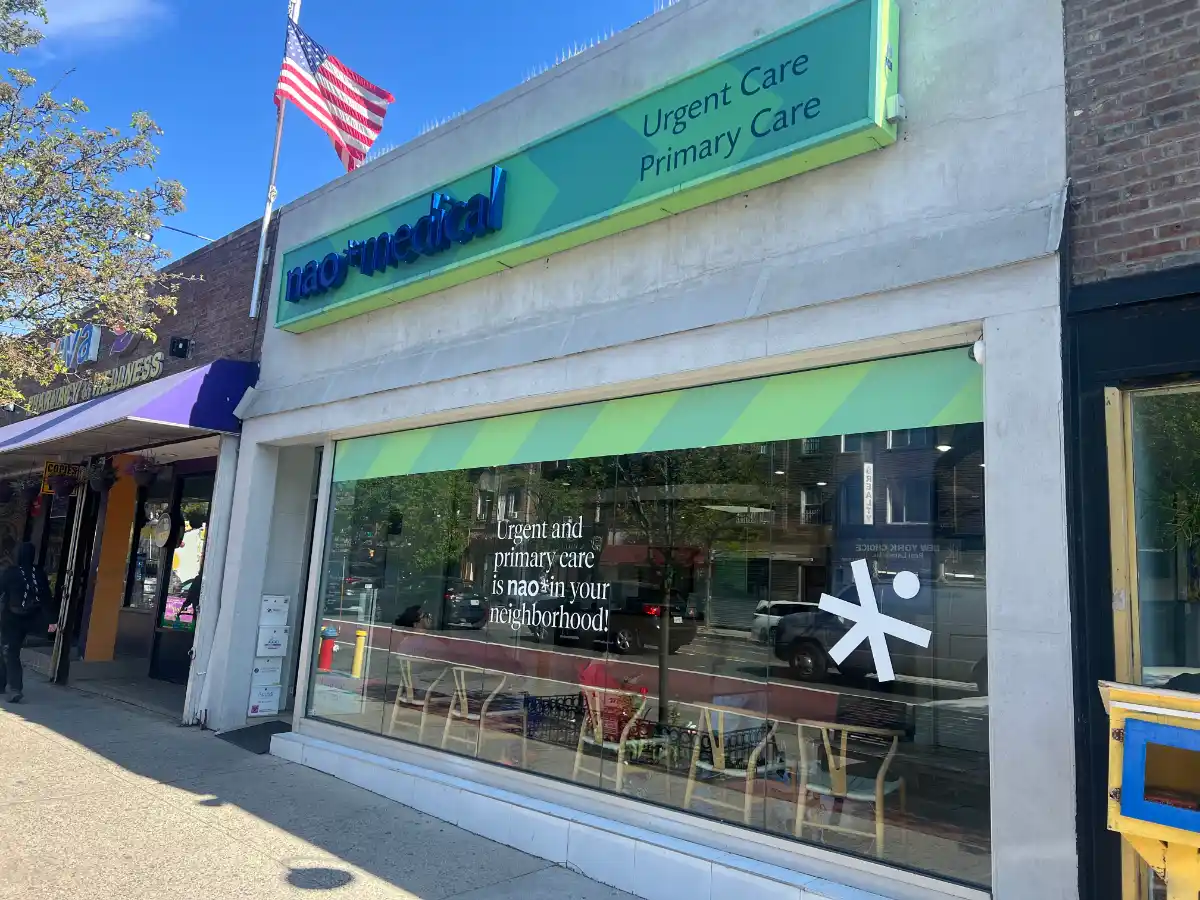
Queens
80-10 Northern Blvd, Jackson Heights, NY 11372
This clinic can be a starting point for confidential STI evaluation, testing, and treatment planning. Book first when possible and call to confirm timing, specimen needs, and clinician availability. Serves Jackson Heights, Elmhurst, Corona, and nearby Queens neighborhoods.
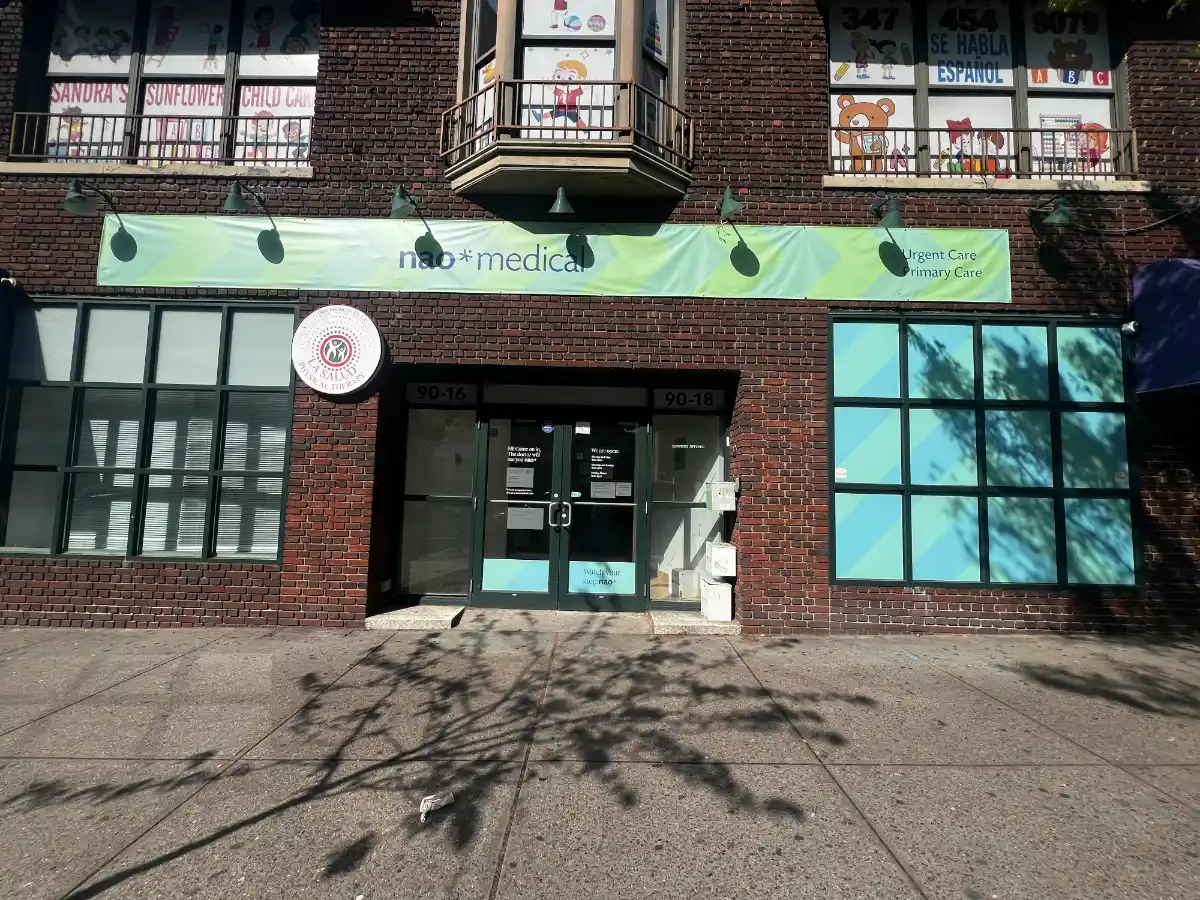
Queens
90-18 Sutphin Blvd, Jamaica, NY 11435
This clinic can be a starting point for confidential STI evaluation, testing, and treatment planning. Book first when possible and call to confirm timing, specimen needs, and clinician availability. Serves Jamaica, Briarwood, Richmond Hill, and nearby Queens neighborhoods.
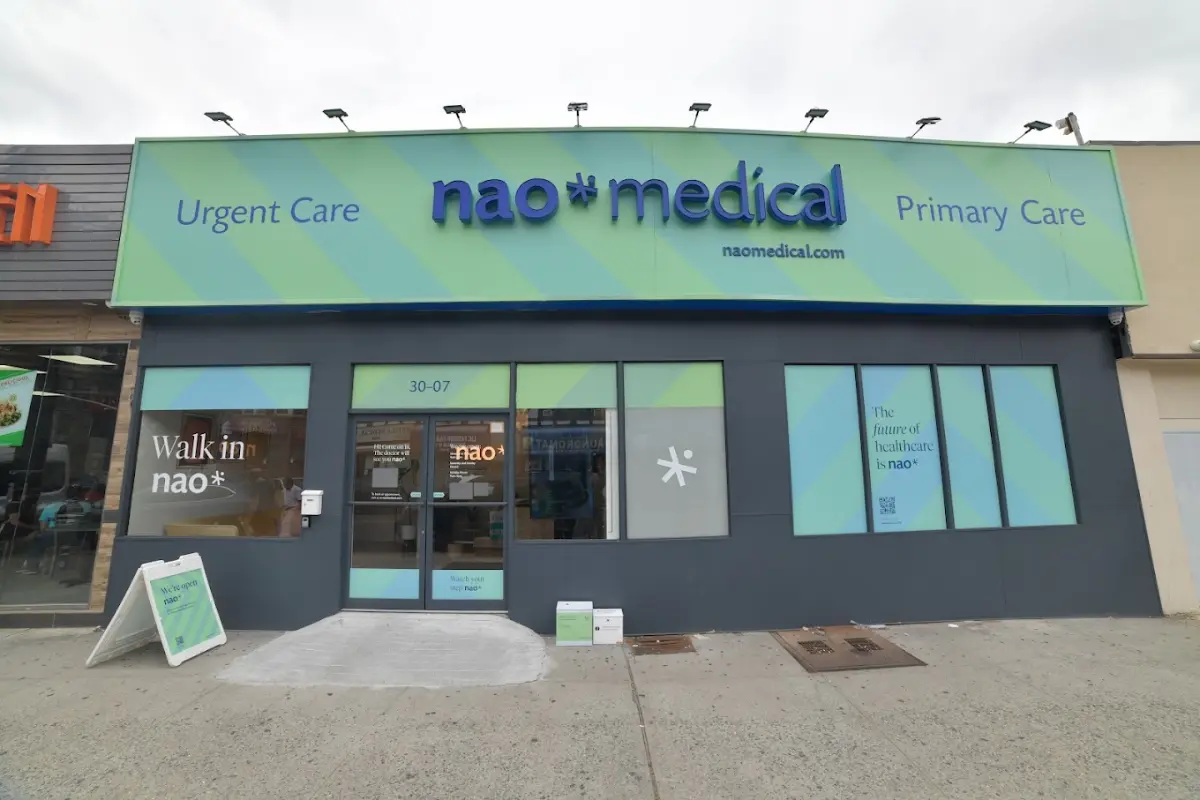
Queens
30-07 36th Ave, Astoria, NY 11106
This clinic can be a starting point for confidential STI evaluation, testing, and treatment planning. Book first when possible and call to confirm timing, specimen needs, and clinician availability. Serves Long Island City, Astoria, Sunnyside, and nearby Queens neighborhoods.

Long Island
135 Mineola Blvd, Mineola, NY 11501
This clinic can be a starting point for confidential STI evaluation, testing, and treatment planning. Book first when possible and call to confirm timing, specimen needs, and clinician availability. Serves Mineola, Garden City, Westbury, and nearby Nassau County communities.
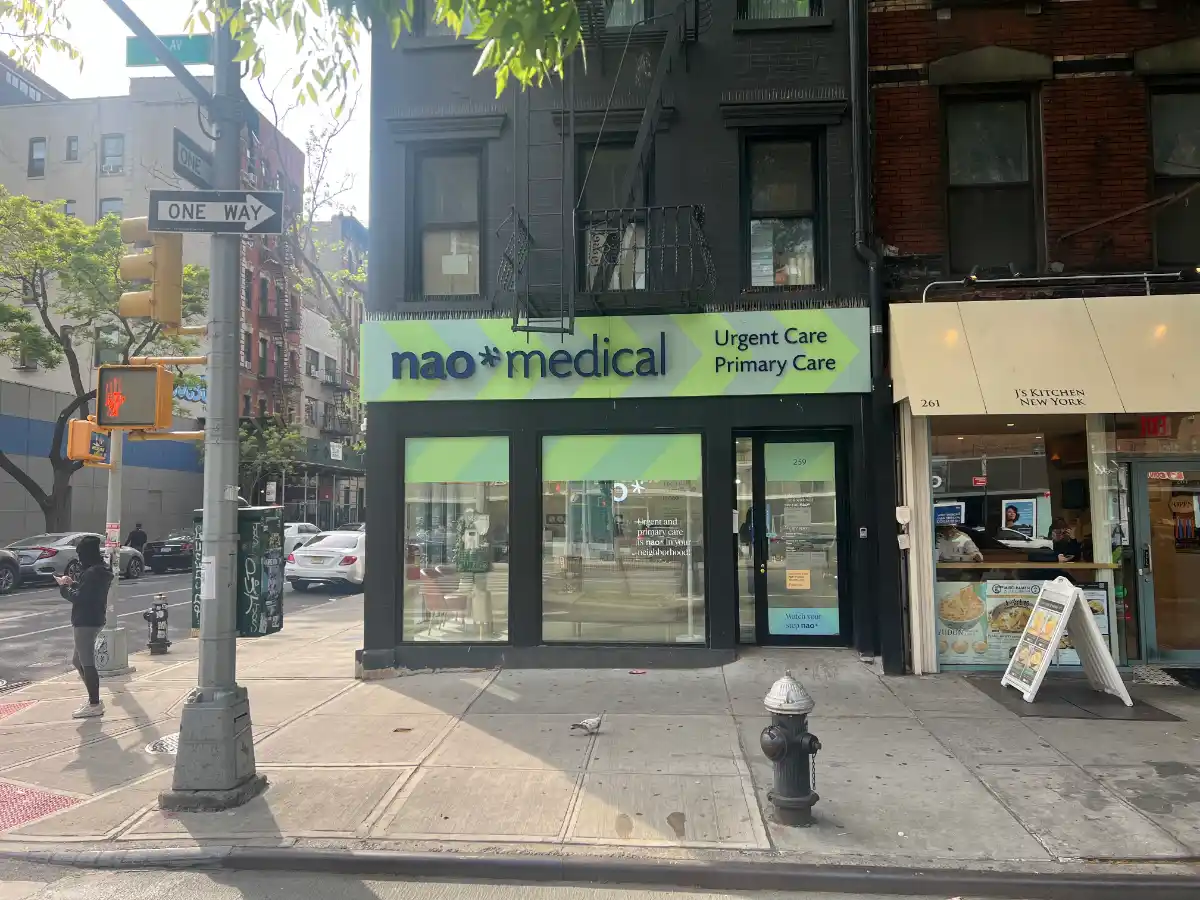
Manhattan
259 1st Ave, New York, NY 10003
This clinic can be a starting point for confidential STI evaluation, testing, and treatment planning. Book first when possible and call to confirm timing, specimen needs, and clinician availability. Serves StuyTown, the East Village, Gramercy, and nearby Manhattan neighborhoods.
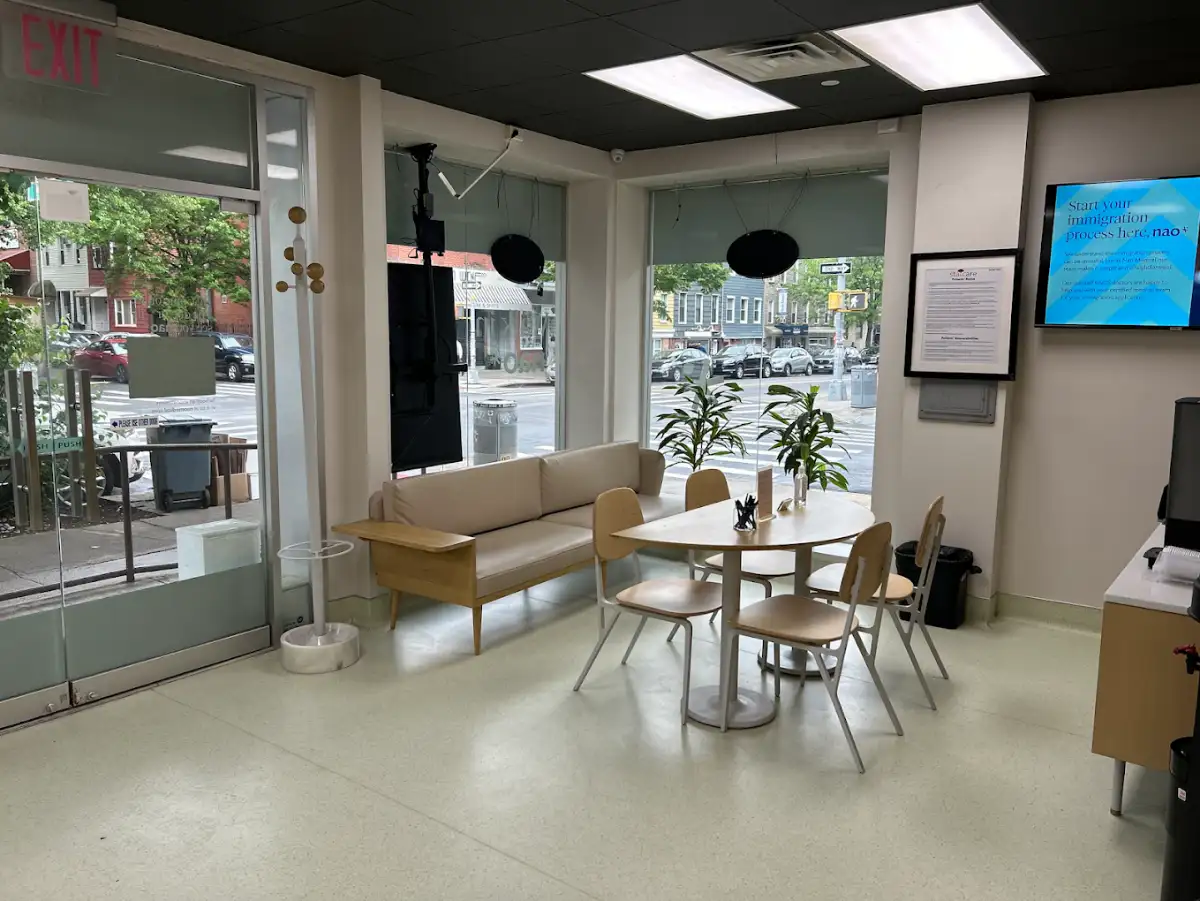
Brooklyn
308 Graham Ave, Brooklyn, NY 11211
This clinic can be a starting point for confidential STI evaluation, testing, and treatment planning. Book first when possible and call to confirm timing, specimen needs, and clinician availability. Serves Williamsburg, Greenpoint, Bushwick, and nearby Brooklyn neighborhoods.
Yes. CDC notes that STIs often cause no symptoms. Screening may be appropriate even when you feel well.
Testing may use blood, urine, vaginal swabs, throat swabs, rectal swabs, or samples from a lesion or other affected site. The clinician selects tests based on anatomy, exposure, symptoms, and timing.
No. There is no single test that covers every STI, and some infections are tested only in selected situations. Ask for the exact names, sites, and timing of the tests ordered.
Sometimes. A clinician may use the history, examination, partner diagnosis, pregnancy status, and current guidance to decide on presumptive treatment. It is not automatic for every exposure.
The interval depends on the infection, treatment, exposure, pregnancy, and ongoing risk. Some diagnoses call for test of cure; many call for repeat testing to detect reinfection. Follow the written plan for your diagnosis.
New York permits expedited partner therapy for selected infections when CDC recommends it and the clinician decides it is appropriate. Other infections or symptoms require direct evaluation.
PEP should start as soon as possible and no later than 72 hours after a possible HIV exposure. Do not wait for a routine testing appointment.
Booking is recommended for the most reliable timing and helps confirm the best location, especially for symptoms, pregnancy, exposure-site testing, or an urgent prevention deadline.
These official sources were checked on August 1, 2026. They support the general medical information and do not replace an individual evaluation.
Centers for Disease Control and Prevention
Current patient guidance on who should test and when blood, urine, vaginal, throat, or rectal samples may be needed.
Centers for Disease Control and Prevention
Current evidence-based diagnostic, treatment, follow-up, and prevention guidance.
Centers for Disease Control and Prevention
Screening by age, anatomy, sexual practices, exposure site, pregnancy, and risk.
New York City Department of Health and Mental Hygiene
NYC prevention, testing, treatment, emergency PEP, and public sexual-health resources.
New York City Department of Health and Mental Hygiene
New York partner-treatment rules for selected infections when clinically appropriate.
Centers for Disease Control and Prevention
Emergency HIV PEP purpose and the requirement to start as soon as possible and within 72 hours of exposure.
Publication remains blocked until a named clinical reviewer verifies current guidance, medication labeling, emergency instructions, and Nao Medical's exact care boundary.

This clinic can be a starting point for confidential STI evaluation, testing, and treatment planning. Book first when possible and call to confirm timing, specimen needs, and clinician availability.
General information only. This page is not medical advice and does not replace diagnosis, treatment, or guidance from a licensed clinician.
Content was updated August 1, 2026 from the sources cited on this page. Medical guidance, prescribing information, medication availability, and insurance rules can change. A licensed clinician must confirm current information and determine each patient's eligibility, testing, treatment, administration setting, and follow-up. Call 911 for a medical emergency. Contact Nao Medical with a question or correction.