USCG pathway
U.S. mariners may need medical certificate documentation tied to National Maritime Center requirements and the CG-719K process.


Some workers need a USCG medical certificate pathway using CG-719K, some need an MCA-approved ENG1, some may use ML5, and others need an employer-specific medical form. The clinician and worker should identify the exact authority form before the exam so the visit does not produce documentation that the employer cannot accept.
Bring the employer packet, contract language, deployment form, and any certificate name before the visit. If the job requires an official OEUK Medical Assessment, ENG1, ML5, USCG medical certificate, or another named authority form, check its signing requirements. Before scheduling, the worker or employer should confirm the required examiner, register, jurisdiction, and signing pathway. Nao Medical can support occupational-health evaluation, testing, documentation review, and next-step coordination. However, named certificates must follow the authority rules attached to that specific certificate.


Ask the employer for the exact certificate, flag state, role and form. A USCG medical-certificate application, ENG1, ML5 and a general employer physical have different standards and signing pathways. Confirm whether the clinic can perform the specific examination before scheduling. Keep the clinical documentation, application and issued certificate separate so an appointment or signed form is not mistaken for authority approval.
Check the National Maritime Center instructions for your credential and whether CG-719K or the entry-level CG-719K/E applies. The medical examination supports the medical-certificate application, while the Merchant Mariner Credential uses a separate application process. Confirm the current submission route and required documentation. The clinician does not issue the Coast Guard medical certificate, and a completed exam cannot guarantee when the authority will approve it.
Find the actual approved doctor through MCA’s current list and confirm the location and appointment. Bring ID, your prior certificate, medicines, visual aids, GP contact details and relevant records. Disclose any earlier restricted, failed or incomplete examination. A DOT certificate or general offshore letter is not an ENG1. If an equivalent national certificate is proposed, confirm its acceptance through the maritime authority and employer.
A maritime medical appointment must match the vessel, flag state, credential and duties. US Coast Guard medical certification, UK ENG1, ML5 and employer deployment paperwork use different authority pathways. Start by asking the employer or training program for the exact certificate and form. A DOT physical or a general offshore letter does not automatically complete a seafarer medical requirement.
For a US Coast Guard pathway, use the current National Maritime Center instructions and confirm whether CG-719K or the entry-level CG-719K/E applies. The Coast Guard issues the medical certificate after reviewing the application. For an ENG1, use an MCA-approved doctor. For ML5, follow its separate eligibility and examination rules. If an employer accepts an equivalent national certificate, confirm that acceptance through the relevant maritime authority rather than assuming US paperwork is an ENG1 equivalent.
Confirm the form and signing requirements before arranging the examination. Provide the employer’s duty description and deadline. Complete the required clinical review and obtain any requested outside records. Check that the completed form contains the correct identity and examination information. Submit it through the current authority instructions and monitor for requests for more information. Keep your exam paperwork, application proof and eventual certificate separately so you can distinguish each stage.
Bring photo ID, the exact current forms, your previous certificate, medicine names, glasses or contacts, hearing aids and relevant treatment records. For an ENG1, MCA guidance also asks for your GP’s contact details and relevant letters. Tell the examiner about any earlier restricted, failed or incomplete seafarer examination. Provide details of lookout, machinery, climbing, vessel transfer or emergency tasks so a general job title does not hide the actual work demands.
Report symptoms and treatment effects that could affect safe duties at sea. Do not deploy if a condition makes the work unsafe or the required valid certificate is missing. A finding may need treatment, specialist information or a restricted outcome. For an ENG1 restriction or unfit decision, the approved doctor explains the applicable review pathway. Do not seek another doctor while withholding the earlier result. Urgent medical symptoms require clinical care rather than waiting for a certificate appointment.
Use the validity and restrictions shown on the actual certificate for your role. Different certificates and endorsements can have different expiry periods. A same-day exam cannot promise same-day Coast Guard approval. Drug-testing paperwork can be separate from the medical certificate; use the correct Coast Guard or employer process if required. If information is missing or the authority requests another item, send the specific requested material rather than assuming the original exam is sufficient.
Before booking maritime care at Nao, ask whether the clinic can complete your required examination and forms. Confirm an MCA-approved doctor for ENG1, the separate signing requirements for ML5, or the clinical documentation needed for a USCG application. Ask the clinic to review the actual form and confirm its scope before travel. If an approved examiner elsewhere is required, obtain that appointment directly. Testing or record preparation at a nearby clinic can support a later examination without being described as issuance of the named certificate.
Bring the requesting organization's actual instructions, not just an incomplete screenshot. Confirm the required examination or test, authorized provider, payer and report recipient before attendance. If a report is missing, trace collection, laboratory review and submission before repeating the test. The receiving organization makes its own acceptance decision. A delay is not proof of failure.
Bring photo ID, the exact current forms, your previous certificate, medicine names, glasses or contacts, hearing aids and relevant treatment records. For an ENG1, MCA guidance also asks for your GP’s contact details and relevant letters. Tell the examiner about any earlier restricted, failed or incomplete seafarer examination. Provide details of lookout, machinery, climbing, vessel transfer or emergency tasks so a general job title does not hide the actual work demands.
Confirm the form and signing requirements before arranging the examination. Provide the employer’s duty description and deadline. Complete the required clinical review and obtain any requested outside records. Check that the completed form contains the correct identity and examination information. Submit it through the current authority instructions and monitor for requests for more information. Keep your exam paperwork, application proof and eventual certificate separately so you can distinguish each stage.
Before booking maritime care at Nao, ask whether the clinic can complete your required examination and forms. Confirm an MCA-approved doctor for ENG1, the separate signing requirements for ML5, or the clinical documentation needed for a USCG application. Ask the clinic to review the actual form and confirm its scope before travel. If an approved examiner elsewhere is required, obtain that appointment directly. Testing or record preparation at a nearby clinic can support a later examination without being described as issuance of the named certificate.
A maritime medical appointment must match the vessel, flag state, credential and duties. US Coast Guard medical certification, UK ENG1, ML5 and employer deployment paperwork use different authority pathways. Start by asking the employer or training program for the exact certificate and form. A DOT physical or a general offshore letter does not automatically complete a seafarer medical requirement.
For a US Coast Guard pathway, use the current National Maritime Center instructions and confirm whether CG-719K or the entry-level CG-719K/E applies. The Coast Guard issues the medical certificate after reviewing the application. For an ENG1, use an MCA-approved doctor. For ML5, follow its separate eligibility and examination rules. If an employer accepts an equivalent national certificate, confirm that acceptance through the relevant maritime authority rather than assuming US paperwork is an ENG1 equivalent.
Confirm the form and signing requirements before arranging the examination. Provide the employer’s duty description and deadline. Complete the required clinical review and obtain any requested outside records. Check that the completed form contains the correct identity and examination information. Submit it through the current authority instructions and monitor for requests for more information. Keep your exam paperwork, application proof and eventual certificate separately so you can distinguish each stage.
Bring photo ID, the exact current forms, your previous certificate, medicine names, glasses or contacts, hearing aids and relevant treatment records. For an ENG1, MCA guidance also asks for your GP’s contact details and relevant letters. Tell the examiner about any earlier restricted, failed or incomplete seafarer examination. Provide details of lookout, machinery, climbing, vessel transfer or emergency tasks so a general job title does not hide the actual work demands.
Use the validity and restrictions shown on the actual certificate for your role. Different certificates and endorsements can have different expiry periods. A same-day exam cannot promise same-day Coast Guard approval. Drug-testing paperwork can be separate from the medical certificate; use the correct Coast Guard or employer process if required. If information is missing or the authority requests another item, send the specific requested material rather than assuming the original exam is sufficient.
First identify the required maritime certificate and authority, such as US Coast Guard, UK ENG1/ML5 or another flag-state pathway. Confirm the qualified examiner and final certificate site for that authority before booking. Send the employer's packet, role and deadline, then confirm the required examiner credentials, location, appointment, tests and documents. A generic work physical or nearby clinic does not establish acceptance by every maritime authority.
First identify the exact certificate, flag/authority, role and deployment deadline. A US Coast Guard medical certificate uses its current application and authorized clinical assessment. OEUK and UK ENG1/ML5 pathways have different examiner and documentation requirements. Send the employer's packet before booking, bring identification, medicines, previous certificates and relevant clinical records, and confirm the qualified signer and any additional tests. An ordinary work physical does not automatically satisfy every maritime certificate.
The clinician completes the applicable medical documentation. The Coast Guard reviews the medical-certificate application and issues the certificate under its requirements. That process is separate from the Merchant Mariner Credential application and an employer’s acceptance of the worker.
U.S. mariners may need medical certificate documentation tied to National Maritime Center requirements and the CG-719K process.
UK seafarer medical certificates follow MCA rules. ENG1 must be issued by an MCA-approved doctor, while ML5 has a different form pathway.
Cruise, tug, ferry, offshore support, survey, and marine construction employers may require their own fitness forms.
Blood pressure is reviewed for severity, stability, medication adherence, symptoms, side effects, and the likelihood that work stress, heat, shift work, or delayed medical access could increase risk.
Diabetes review usually looks at treatment type, glucose stability, severe hypoglycemia history, complications, vision, kidney concerns, neuropathy, medications, and whether the worker can safely manage supplies while deployed.
Respiratory review may include symptom control, rescue inhaler use, triggers, recent flares, steroid use, hospital visits, spirometry, respirator tolerance, and emergency planning.
Untreated sleep apnea, severe daytime sleepiness, sedating medications, and unstable shift-work tolerance can affect watchstanding, driving, machinery, climbing, and emergency response.
Chest pain, coronary disease, arrhythmia, fainting, stroke history, heart failure, anticoagulant use, and exercise limits may require records or specialist input before a fitness decision can be made.
Uncorrected hearing loss, poor distance vision, inadequate near vision, or color-vision limitations may affect role duties. The impact depends on the job, required aids, certificate pathway, and safety-critical tasks.
Confirm the exact certificate or employer form. A named authority certificate may require a specific examiner or pathway.
The clinician reviews the form, history, exam findings, testing requirements, and records needed to make a documentation decision.
Paperwork may be completed, delayed pending records, restricted, or redirected to the appropriate authority pathway.
Start with the main offshore medical exam overview for NYC and Long Island workers.
Review OEUK medical exam preparation, required records, and named-certificate caution.
Medical exam support for wind technicians, rope access teams, electricians, and renewable-energy contractors.
Medical documentation support for vessel crew, seafarer forms, USCG paperwork, ENG1, ML5, and employer forms.
Pre-deployment medical support for workers who need forms, testing, and fitness-to-work documentation.
Employer and employee health services, including work physicals, drug testing, fit testing, and work injury support.
Employer-facing support for teams, workforce screening, recurring occupational-health programs, and compliance workflows.
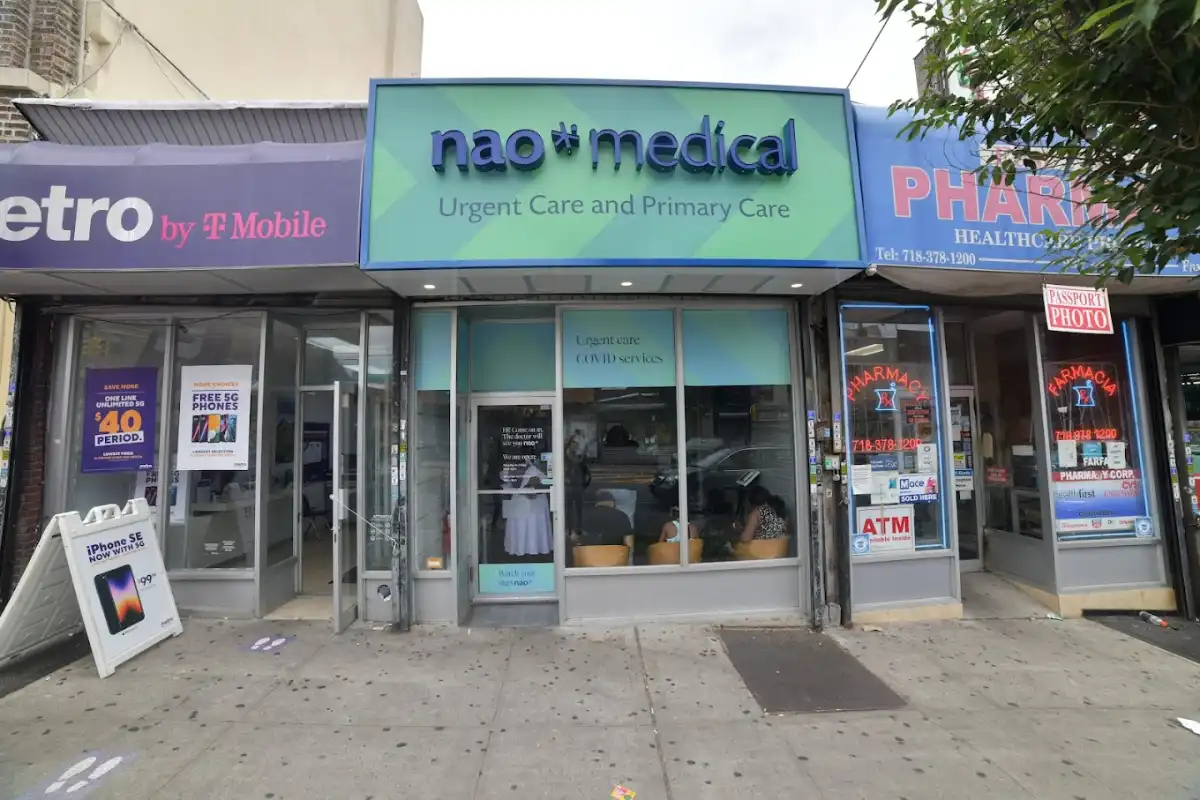
Bronx
932 E 174th St, Bronx, NY 10460
A Bronx access point for offshore medical exam support, employer paperwork review, pre-deployment fitness-to-work evaluation, and related occupational-health testing for patients in West Farms, Crotona Park East, and nearby Bronx neighborhoods.
View local offshore medicals Get directions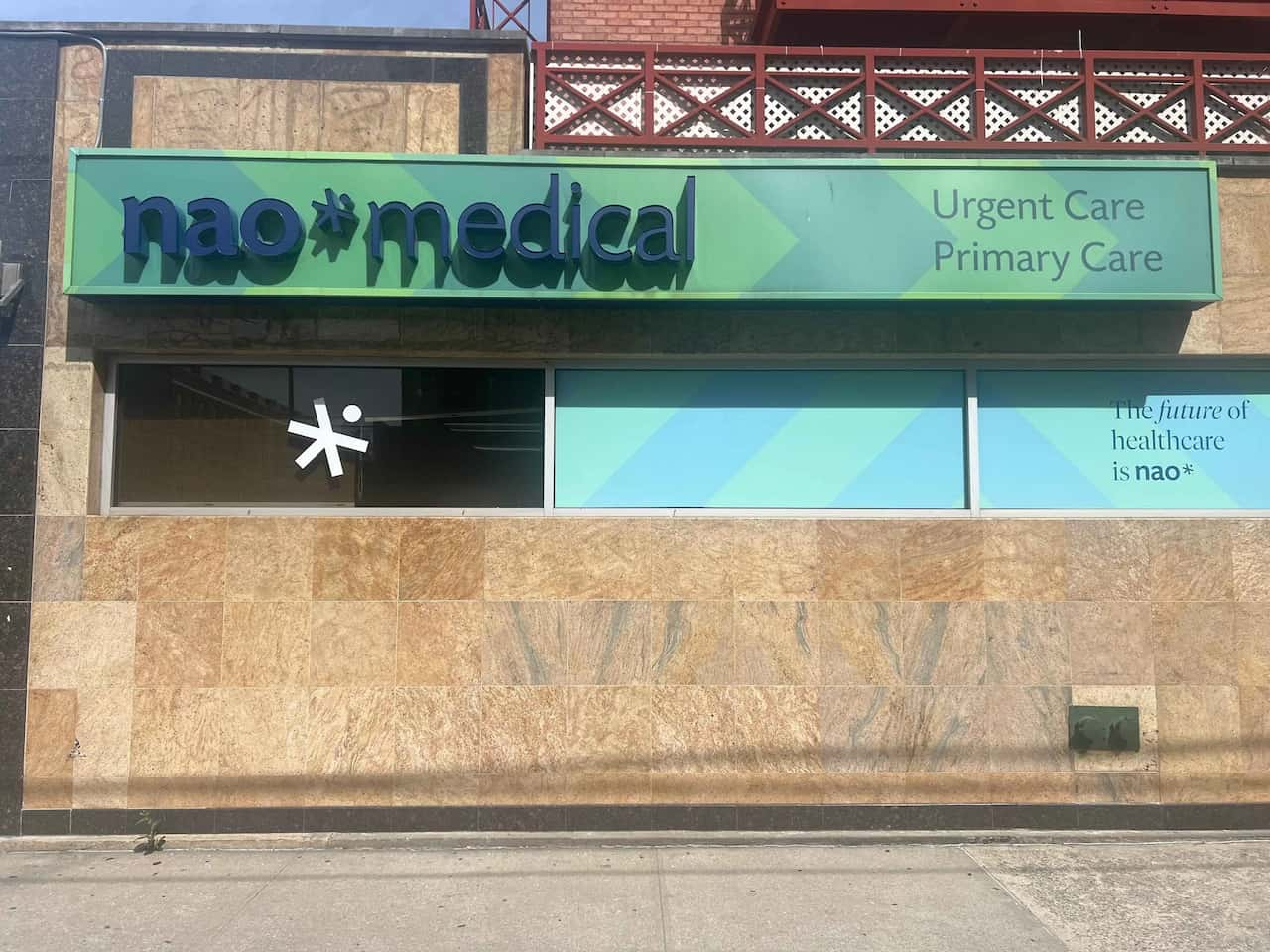
Queens
37-15 23rd Ave, Astoria, NY 11105
A Queens access point for offshore medical exam support, employer paperwork review, pre-deployment fitness-to-work evaluation, and related occupational-health testing for patients in Astoria, Ditmars, East Elmhurst, and nearby Queens neighborhoods.
View local offshore medicals Get directions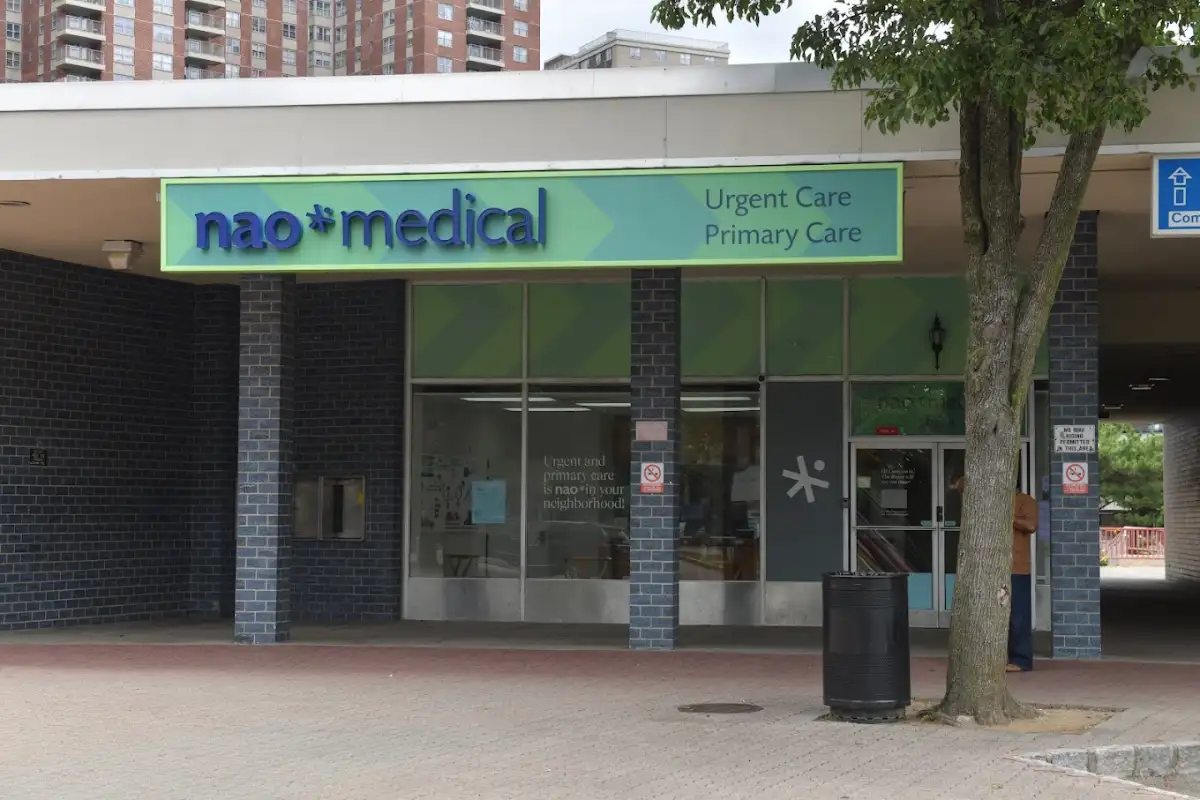
Bronx
2063A Bartow Ave, Bronx, NY 10475
A Bronx access point for offshore medical exam support, employer paperwork review, pre-deployment fitness-to-work evaluation, and related occupational-health testing for patients in Co-op City, Pelham Bay, Baychester, and nearby Bronx neighborhoods.
View local offshore medicals Get directions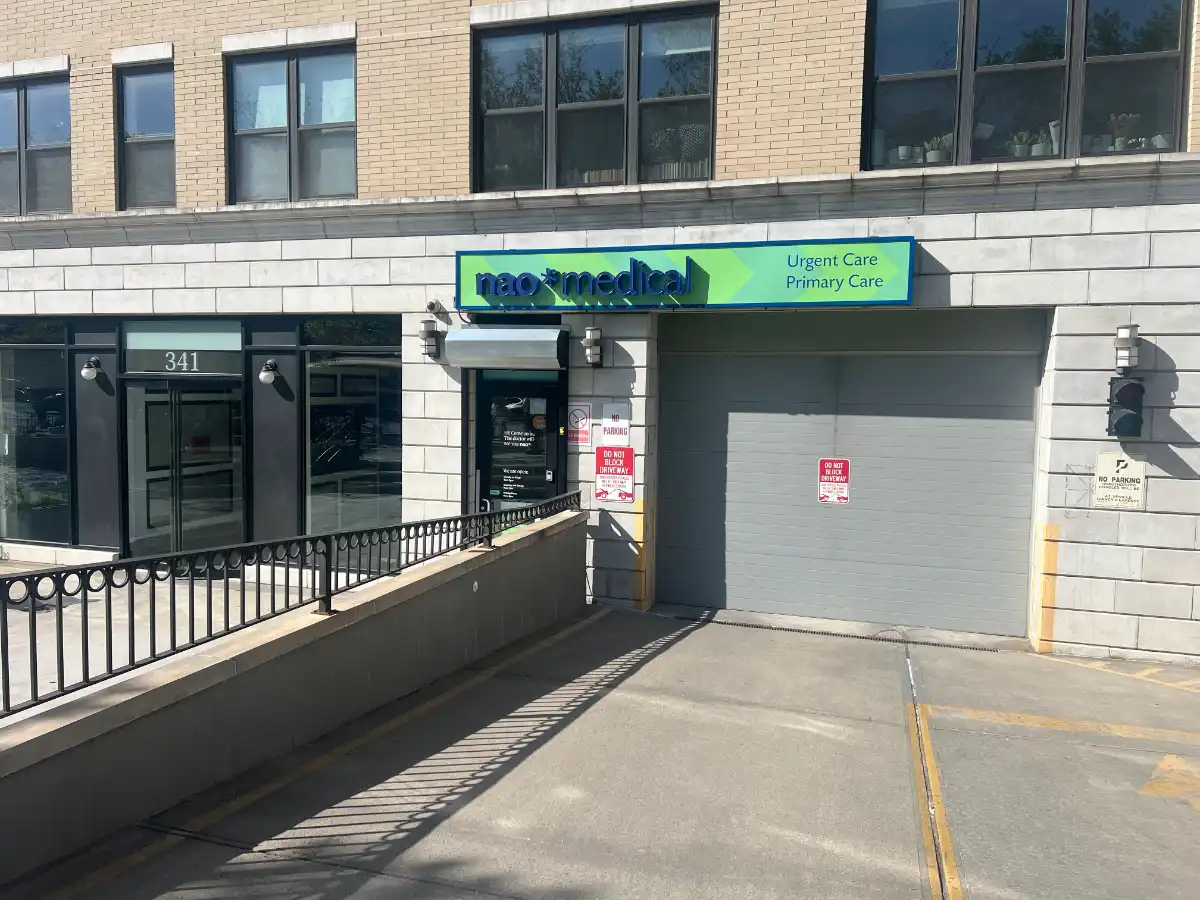
Brooklyn
341 Eastern Pkwy, Brooklyn, NY 11216
A Brooklyn access point for offshore medical exam support, employer paperwork review, pre-deployment fitness-to-work evaluation, and related occupational-health testing for patients in Crown Heights, Prospect Heights, and nearby Brooklyn neighborhoods.
View local offshore medicals Get directions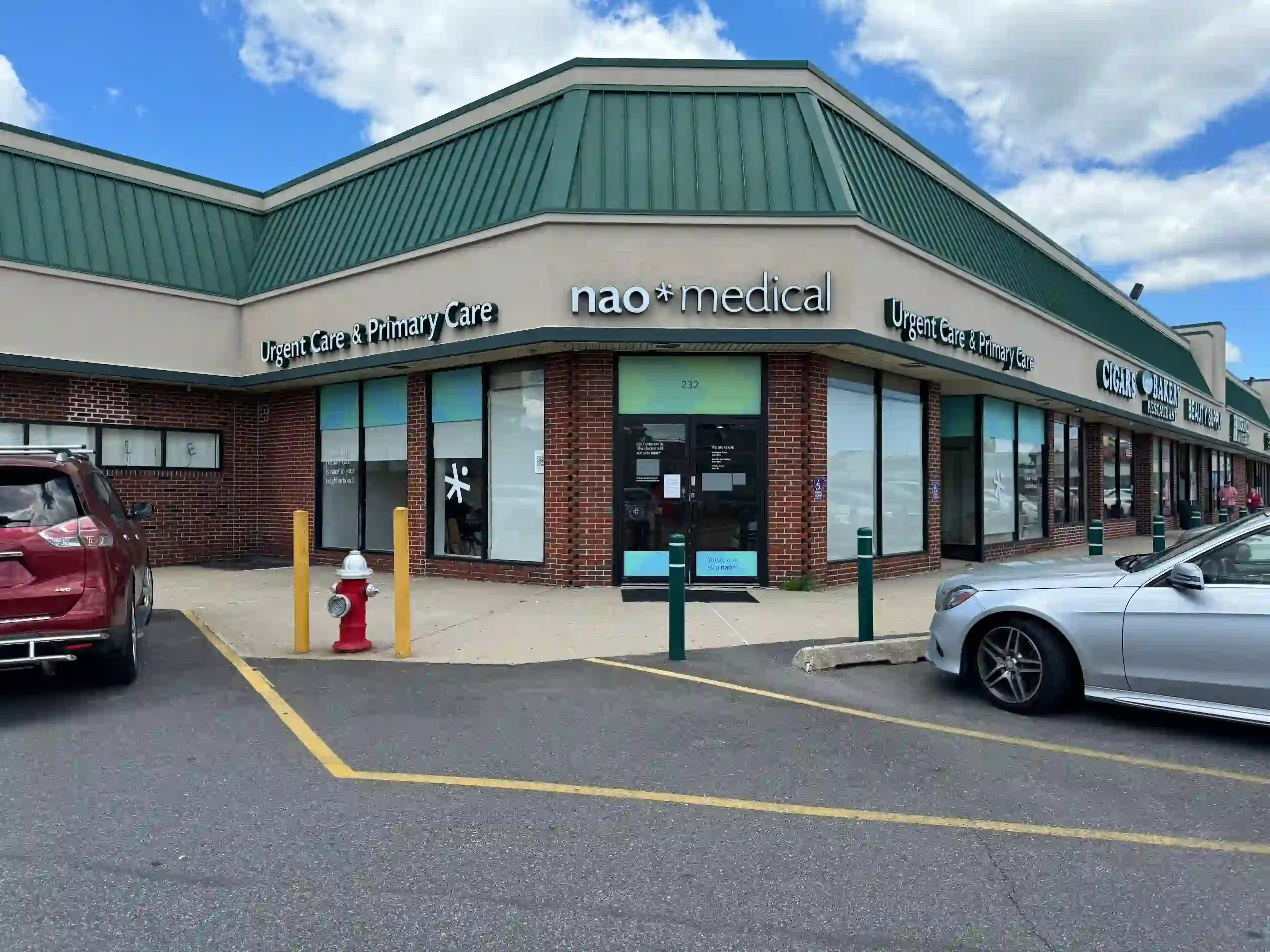
Long Island
232 W Old Country Rd, Hicksville, NY 11801
A Long Island access point for offshore medical exam support, employer paperwork review, pre-deployment fitness-to-work evaluation, and related occupational-health testing for patients in Hicksville, Plainview, Bethpage, and nearby Nassau County communities.
View local offshore medicals Get directions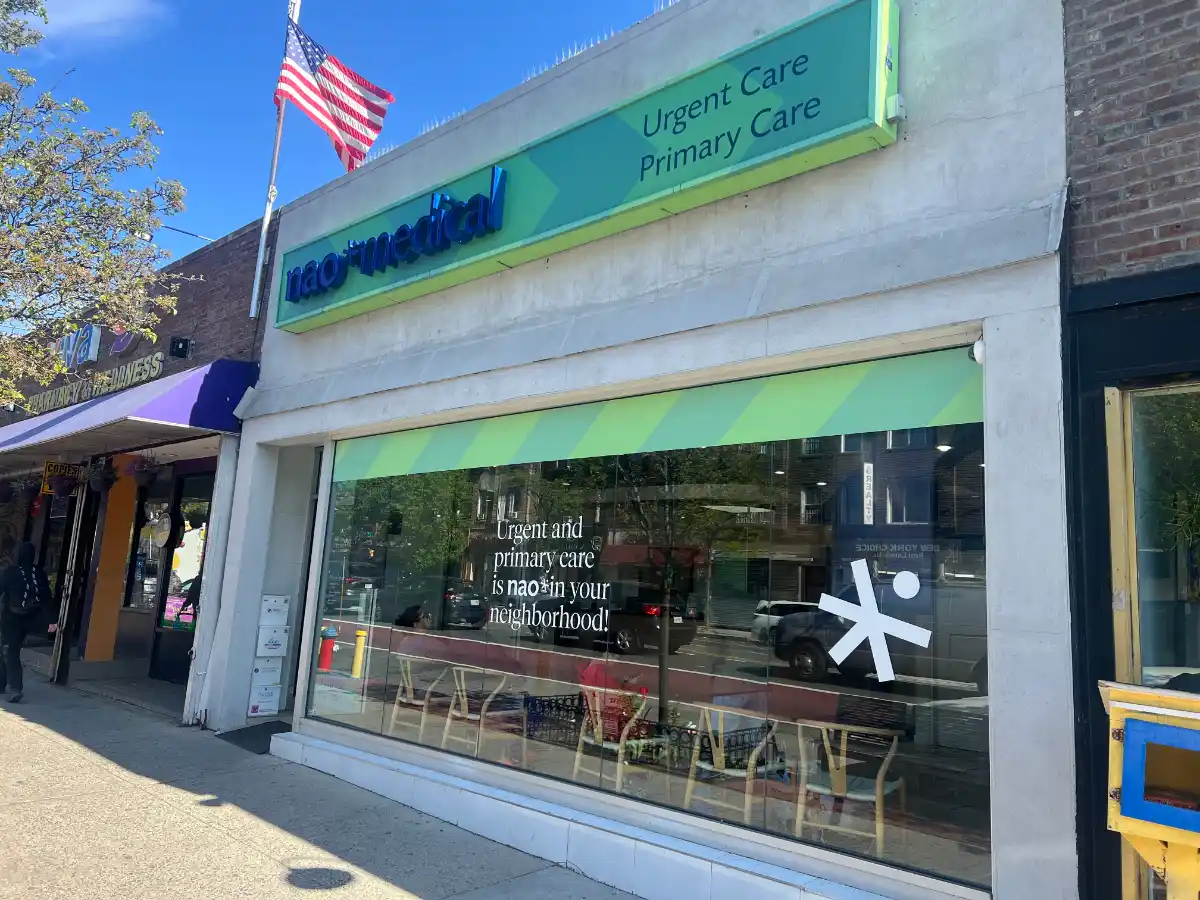
Queens
80-10 Northern Blvd, Jackson Heights, NY 11372
A Queens access point for offshore medical exam support, employer paperwork review, pre-deployment fitness-to-work evaluation, and related occupational-health testing for patients in Jackson Heights, Elmhurst, Corona, and nearby Queens neighborhoods.
View local offshore medicals Get directions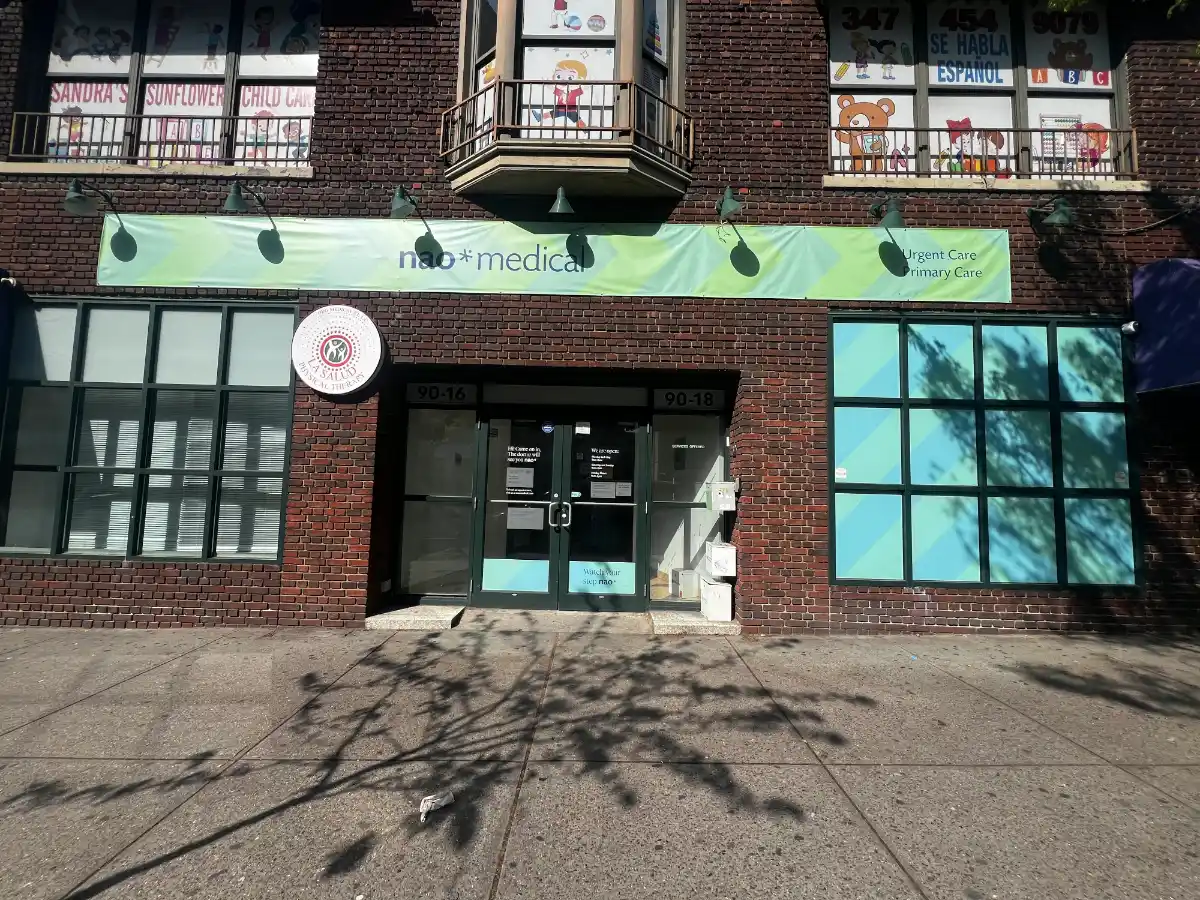
Queens
90-18 Sutphin Blvd, Jamaica, NY 11435
A Queens access point for offshore medical exam support, employer paperwork review, pre-deployment fitness-to-work evaluation, and related occupational-health testing for patients in Jamaica, Briarwood, Richmond Hill, and nearby Queens neighborhoods.
View local offshore medicals Get directions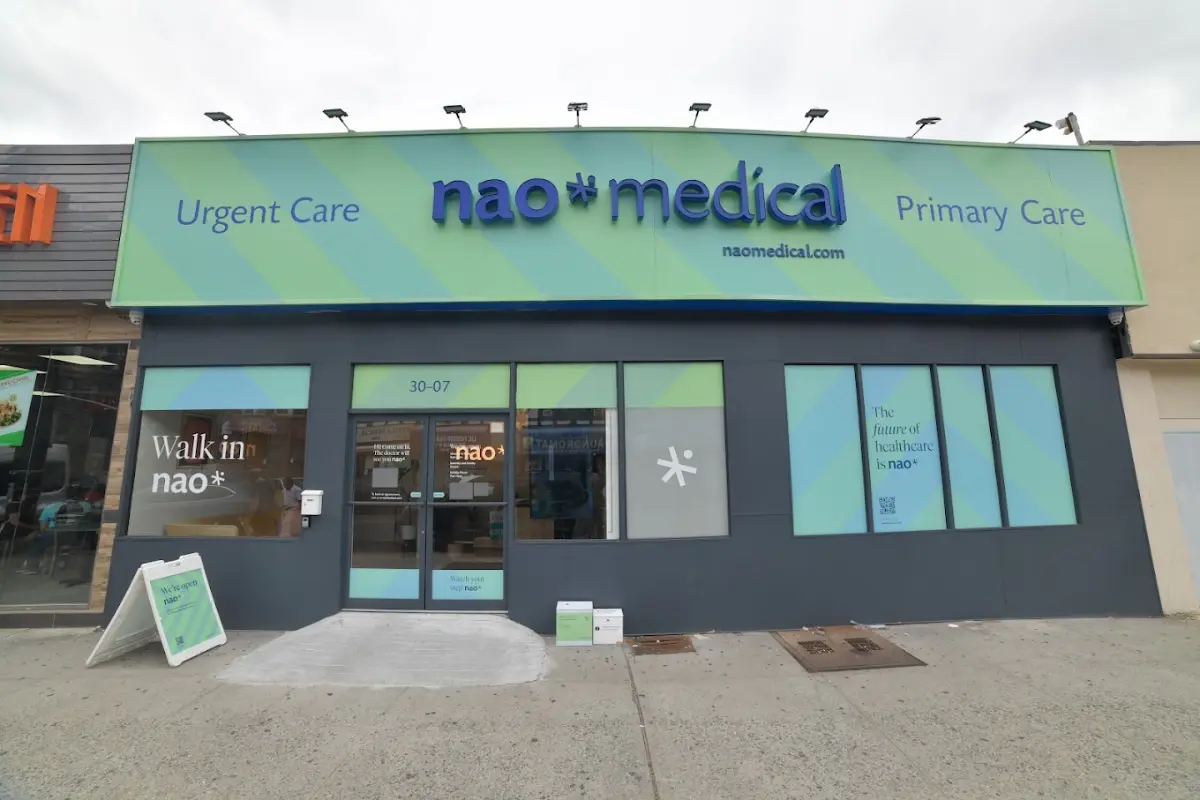
Queens
30-07 36th Ave, Astoria, NY 11106
A Queens access point for offshore medical exam support, employer paperwork review, pre-deployment fitness-to-work evaluation, and related occupational-health testing for patients in Long Island City, Astoria, Sunnyside, and nearby Queens neighborhoods.
View local offshore medicals Get directions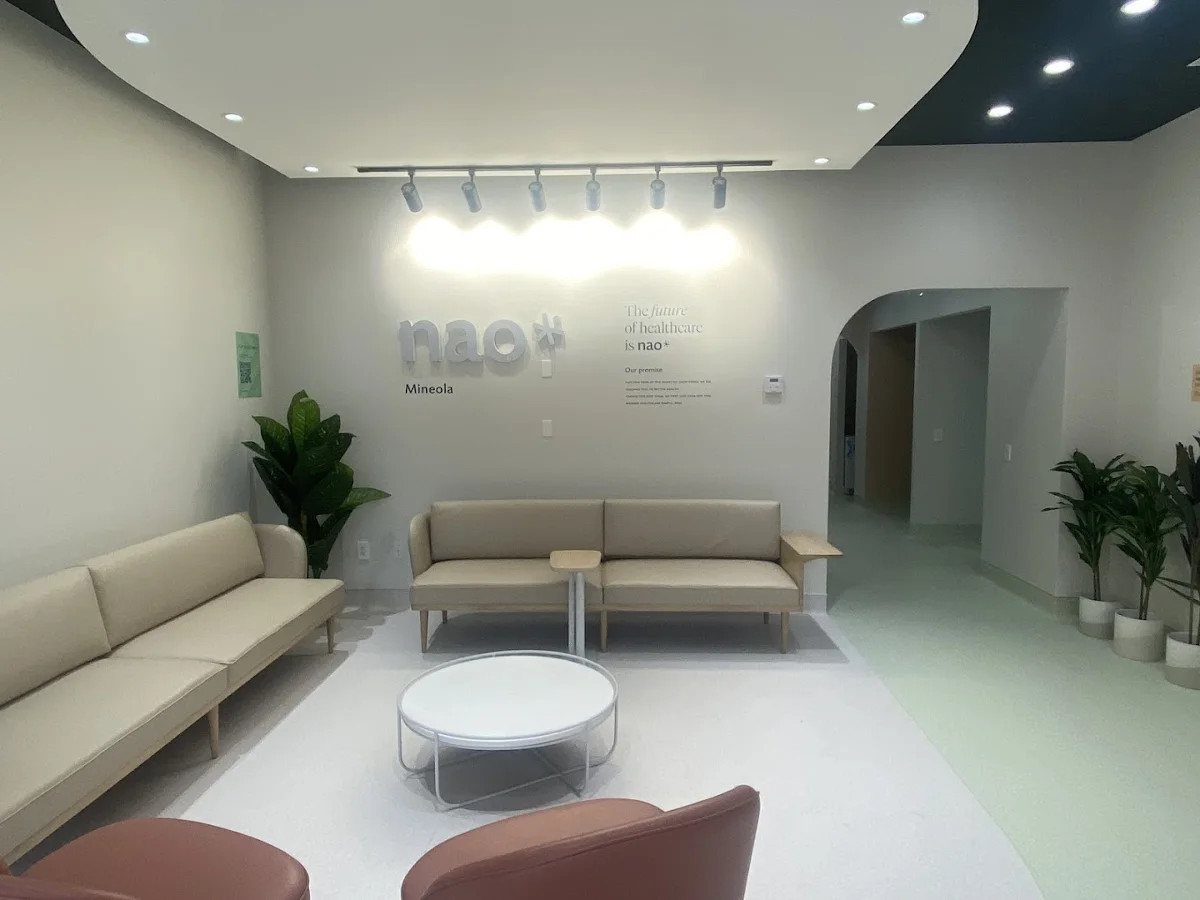
Long Island
135 Mineola Blvd, Mineola, NY 11501
A Long Island access point for offshore medical exam support, employer paperwork review, pre-deployment fitness-to-work evaluation, and related occupational-health testing for patients in Mineola, Garden City, Westbury, and nearby Nassau County communities.
View local offshore medicals Get directions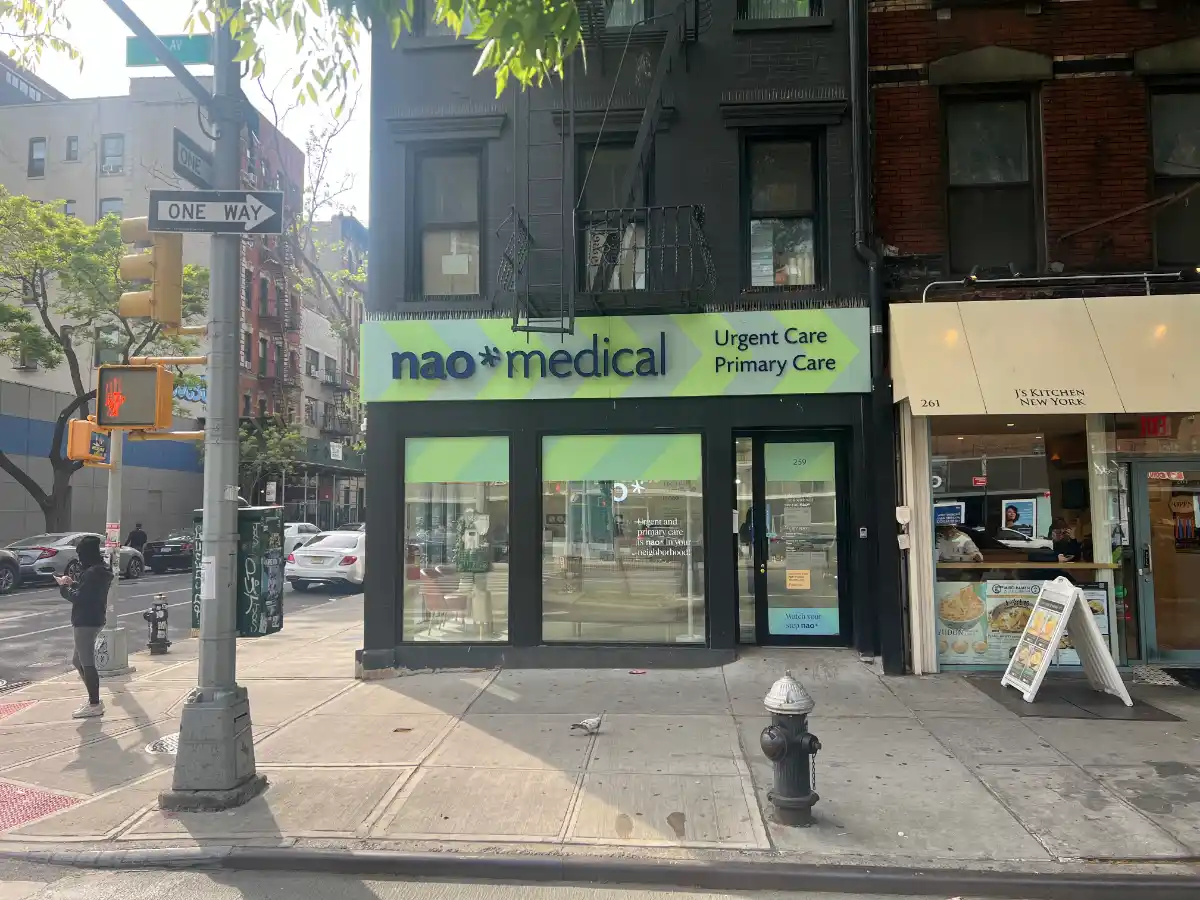
Manhattan
259 1st Ave, New York, NY 10003
A Manhattan access point for offshore medical exam support, employer paperwork review, pre-deployment fitness-to-work evaluation, and related occupational-health testing for patients in StuyTown, East Village, Gramercy, and nearby Manhattan neighborhoods.
View local offshore medicals Get directions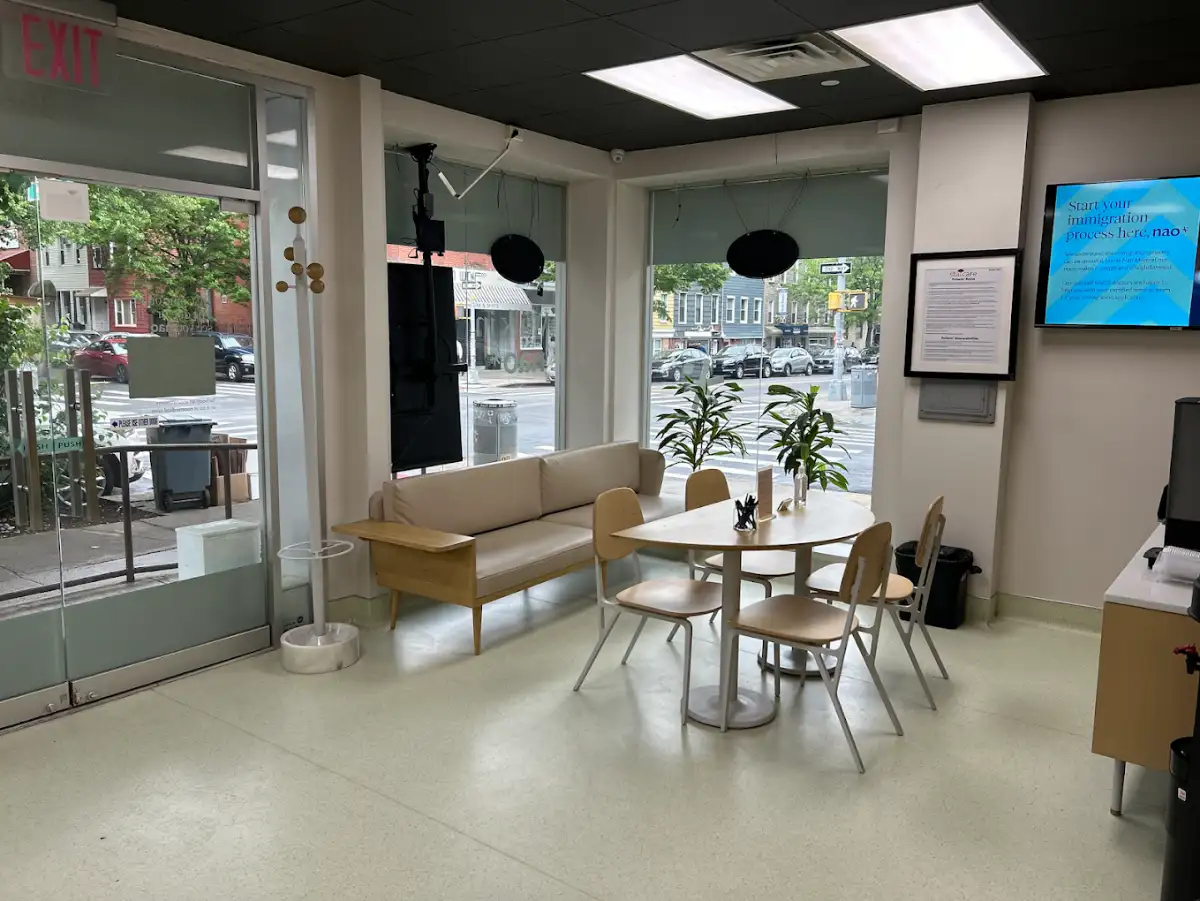
Brooklyn
308 Graham Ave, Brooklyn, NY 11211
A Brooklyn access point for offshore medical exam support, employer paperwork review, pre-deployment fitness-to-work evaluation, and related occupational-health testing for patients in Williamsburg, Greenpoint, Bushwick, and nearby Brooklyn neighborhoods.
View local offshore medicals Get directions