Medical history review
The clinician reviews prior diagnoses, surgeries, medications, allergies, injuries, work restrictions, hospitalizations, sleep history, neurologic symptoms, mental-health concerns, and previous offshore or maritime findings.


Medical documentation support for vessel crew, maritime contractors, seafarers, marine technicians, and workers whose forms may reference USCG, ENG1, ML5, employer, or flag-state requirements.
Bring the employer packet, contract language, deployment form, and any certificate name before the visit. If the job requires an official OEUK Medical Assessment, ENG1, ML5, USCG medical certificate, or another named authority form, check its signing requirements. Before scheduling, the worker or employer should confirm the required examiner, register, jurisdiction, and signing pathway. Nao Medical can support occupational-health evaluation, testing, documentation review, and next-step coordination. However, named certificates must follow the authority rules attached to that specific certificate.


Ask the employer for the exact certificate, flag state, role and form. A USCG medical-certificate application, ENG1, ML5 and a general employer physical have different standards and signing pathways. Confirm whether the clinic can perform the specific examination before scheduling. Keep the clinical documentation, application and issued certificate separate so an appointment or signed form is not mistaken for authority approval.
Check the National Maritime Center instructions for your credential and whether CG-719K or the entry-level CG-719K/E applies. The medical examination supports the medical-certificate application, while the Merchant Mariner Credential uses a separate application process. Confirm the current submission route and required documentation. The clinician does not issue the Coast Guard medical certificate, and a completed exam cannot guarantee when the authority will approve it.
Find the actual approved doctor through MCA’s current list and confirm the location and appointment. Bring ID, your prior certificate, medicines, visual aids, GP contact details and relevant records. Disclose any earlier restricted, failed or incomplete examination. A DOT certificate or general offshore letter is not an ENG1. If an equivalent national certificate is proposed, confirm its acceptance through the maritime authority and employer.
A maritime medical appointment must match the vessel, flag state, credential and duties. US Coast Guard medical certification, UK ENG1, ML5 and employer deployment paperwork use different authority pathways. Start by asking the employer or training program for the exact certificate and form. A DOT physical or a general offshore letter does not automatically complete a seafarer medical requirement.
The examination relates medical history and findings to work at sea, where watchkeeping, emergency duties and delayed access to treatment can matter. The required standards may cover vision, hearing, physical function and conditions affecting safe work. The clinician documents the appropriate examination, while the responsible authority or approved examiner determines the certificate outcome under that program. A medical examination and a Merchant Mariner Credential application are separate tasks.
For a US Coast Guard pathway, use the current National Maritime Center instructions and confirm whether CG-719K or the entry-level CG-719K/E applies. The Coast Guard issues the medical certificate after reviewing the application. For an ENG1, use an MCA-approved doctor. For ML5, follow its separate eligibility and examination rules. If an employer accepts an equivalent national certificate, confirm that acceptance through the relevant maritime authority rather than assuming US paperwork is an ENG1 equivalent.
Confirm the form and signing requirements before arranging the examination. Provide the employer’s duty description and deadline. Complete the required clinical review and obtain any requested outside records. Check that the completed form contains the correct identity and examination information. Submit it through the current authority instructions and monitor for requests for more information. Keep your exam paperwork, application proof and eventual certificate separately so you can distinguish each stage.
Bring photo ID, the exact current forms, your previous certificate, medicine names, glasses or contacts, hearing aids and relevant treatment records. For an ENG1, MCA guidance also asks for your GP’s contact details and relevant letters. Tell the examiner about any earlier restricted, failed or incomplete seafarer examination. Provide details of lookout, machinery, climbing, vessel transfer or emergency tasks so a general job title does not hide the actual work demands.
Report symptoms and treatment effects that could affect safe duties at sea. Do not deploy if a condition makes the work unsafe or the required valid certificate is missing. A finding may need treatment, specialist information or a restricted outcome. For an ENG1 restriction or unfit decision, the approved doctor explains the applicable review pathway. Do not seek another doctor while withholding the earlier result. Urgent medical symptoms require clinical care rather than waiting for a certificate appointment.
Use the validity and restrictions shown on the actual certificate for your role. Different certificates and endorsements can have different expiry periods. A same-day exam cannot promise same-day Coast Guard approval. Drug-testing paperwork can be separate from the medical certificate; use the correct Coast Guard or employer process if required. If information is missing or the authority requests another item, send the specific requested material rather than assuming the original exam is sufficient.
Before booking maritime care at Nao, ask whether the clinic can complete your required examination and forms. Confirm an MCA-approved doctor for ENG1, the separate signing requirements for ML5, or the clinical documentation needed for a USCG application. Ask the clinic to review the actual form and confirm its scope before travel. If an approved examiner elsewhere is required, obtain that appointment directly. Testing or record preparation at a nearby clinic can support a later examination without being described as issuance of the named certificate.
Check the National Maritime Center instructions for your credential and whether CG-719K or the entry-level CG-719K/E applies. The medical examination supports the medical-certificate application, while the Merchant Mariner Credential uses a separate application process. Confirm the current submission route and required documentation. The clinician does not issue the Coast Guard medical certificate, and a completed exam cannot guarantee when the authority will approve it.
Ask the selected service for the next available appointment for the required maritime medical examination. Confirm whether booking or a walk-in visit is appropriate before traveling. Bring the authorized requirement, relevant records and forms. Examination completion, certification and test reporting may take longer than the initial visit.
A maritime medical appointment must match the vessel, flag state, credential and duties. US Coast Guard medical certification, UK ENG1, ML5 and employer deployment paperwork use different authority pathways. Start by asking the employer or training program for the exact certificate and form. A DOT physical or a general offshore letter does not automatically complete a seafarer medical requirement.
For a US Coast Guard pathway, use the current National Maritime Center instructions and confirm whether CG-719K or the entry-level CG-719K/E applies. The Coast Guard issues the medical certificate after reviewing the application. For an ENG1, use an MCA-approved doctor. For ML5, follow its separate eligibility and examination rules. If an employer accepts an equivalent national certificate, confirm that acceptance through the relevant maritime authority rather than assuming US paperwork is an ENG1 equivalent.
Confirm the form and signing requirements before arranging the examination. Provide the employer’s duty description and deadline. Complete the required clinical review and obtain any requested outside records. Check that the completed form contains the correct identity and examination information. Submit it through the current authority instructions and monitor for requests for more information. Keep your exam paperwork, application proof and eventual certificate separately so you can distinguish each stage.
Bring photo ID, the exact current forms, your previous certificate, medicine names, glasses or contacts, hearing aids and relevant treatment records. For an ENG1, MCA guidance also asks for your GP’s contact details and relevant letters. Tell the examiner about any earlier restricted, failed or incomplete seafarer examination. Provide details of lookout, machinery, climbing, vessel transfer or emergency tasks so a general job title does not hide the actual work demands.
Use the validity and restrictions shown on the actual certificate for your role. Different certificates and endorsements can have different expiry periods. A same-day exam cannot promise same-day Coast Guard approval. Drug-testing paperwork can be separate from the medical certificate; use the correct Coast Guard or employer process if required. If information is missing or the authority requests another item, send the specific requested material rather than assuming the original exam is sufficient.
Ask the registered examiner whether the outcome reflects missing information, a need for treatment, a temporary issue or a restriction under the standard. Get clear instructions for records, clinical follow-up and any review pathway. Do not hide earlier results when seeking another examination. An older website list of diagnoses cannot predict your personal outcome, and a general clinic assessment cannot override the certifying doctor’s decision.
Check the expiry, restrictions and certificate type actually issued. Arrange renewal early enough for any records or further examination, and confirm employer acceptance for the entire planned deployment. Do not assume an automatic two-year certificate. Ask the registered examiner which current OEUK standard applies to your work, how long your certificate can be issued for and whether your condition needs an earlier review.
For an OEUK certificate, confirm the doctor’s registration and the issuing clinic against the OEUK register. OEUK’s certificate-verification instructions check both the named doctor and the listed issuing facility. Before booking at Nao, ask for the examiner’s name and registered issuing site. General occupational-health assessment or help reviewing employer forms does not by itself establish an official OEUK certificate pathway.
Bring photo ID, the exact current forms, your previous certificate, medicine names, glasses or contacts, hearing aids and relevant treatment records. For an ENG1, MCA guidance also asks for your GP’s contact details and relevant letters. Tell the examiner about any earlier restricted, failed or incomplete seafarer examination. Provide details of lookout, machinery, climbing, vessel transfer or emergency tasks so a general job title does not hide the actual work demands.
Confirm the form and signing requirements before arranging the examination. Provide the employer’s duty description and deadline. Complete the required clinical review and obtain any requested outside records. Check that the completed form contains the correct identity and examination information. Submit it through the current authority instructions and monitor for requests for more information. Keep your exam paperwork, application proof and eventual certificate separately so you can distinguish each stage.
Confirm the form and signing requirements before arranging the examination. Provide the employer’s duty description and deadline. Complete the required clinical review and obtain any requested outside records. Check that the completed form contains the correct identity and examination information. Submit it through the current authority instructions and monitor for requests for more information. Keep your exam paperwork, application proof and eventual certificate separately so you can distinguish each stage.
Before booking maritime care at Nao, ask whether the clinic can complete your required examination and forms. Confirm an MCA-approved doctor for ENG1, the separate signing requirements for ML5, or the clinical documentation needed for a USCG application. Ask the clinic to review the actual form and confirm its scope before travel. If an approved examiner elsewhere is required, obtain that appointment directly. Testing or record preparation at a nearby clinic can support a later examination without being described as issuance of the named certificate.
Bring your medication list, relevant recent measurements and treating-clinician records. Tell the examiner about chest symptoms, fainting or treatment effects, and describe the physical duties and remote setting. A single reading is not the whole fitness decision. The current OEUK standard and examiner’s assessment determine whether more information, treatment or a restriction is needed. Do not change medicine to influence the visit.
Bring the treatment plan, medicines, available glucose records and relevant follow-up information. Tell the examiner about severe low blood sugar, recent symptoms and complications. Explain how supplies, meals, monitoring and access to care would work during the rotation. The registered examiner applies the current offshore standard. Do not borrow DOT insulin-form rules as OEUK requirements or assume a diagnosis alone settles certification.
Tell the registered examiner about symptoms, attacks, treatment changes and recent urgent care or hospitalization. Bring your inhaler list and relevant respiratory records or tests. Describe the work exposures, exertion, respirator use and access to treatment offshore. The examiner decides whether the current standard is met or more information is needed. Do not stop treatment, promise clearance from a normal breathing test or assume that the diagnosis automatically means failure.
Before scheduling, confirm which National Maritime Center medical-certificate pathway applies to your credential and whether the clinic can complete the current required form. Ask about CG-719K where applicable. General maritime documentation support does not by itself establish certificate eligibility.
For individual appointment questions, call the patient team. Employers and training coordinators can discuss a group program with our team.
The clinician reviews prior diagnoses, surgeries, medications, allergies, injuries, work restrictions, hospitalizations, sleep history, neurologic symptoms, mental-health concerns, and previous offshore or maritime findings.
The exam may include general appearance, heart and lung assessment, musculoskeletal function, neurologic screening, mobility, balance, hernia or abdominal concerns when relevant, and fitness-to-work judgment tied to the form.
Offshore, maritime, turbine, engine-room, and industrial environments can expose workers to noise. Audiometry or hearing screening may be required by the employer, role, or certificate pathway.
Near vision, distance vision, corrected vision, field concerns, and color-vision needs may matter for lookout duties, signals, electrical work, navigation, cranes, emergency response, and confined-space safety.
Workers who use respirators, climb, enter confined spaces, or work around dust, fumes, diesel exhaust, welding, or chemical exposure may need lung-function review and asthma or COPD documentation.
Urine testing may screen for glucose, protein, blood, hydration, infection clues, or employer-specific requirements. Additional labs can be added when the form, history, medication, or finding calls for it.
Blood pressure, pulse, cardiac history, chest pain, fainting, rhythm concerns, exertional symptoms, and medication control matter because offshore work can make emergency access slower.
The employer packet may call for drug testing, EKG, respiratory clearance, immunization records, titer review, functional capacity documentation, specialist letters, or job-duty add-ons.
Blood pressure is reviewed for severity, stability, medication adherence, symptoms, side effects, and the likelihood that work stress, heat, shift work, or delayed medical access could increase risk.
Diabetes review usually looks at treatment type, glucose stability, severe hypoglycemia history, complications, vision, kidney concerns, neuropathy, medications, and whether the worker can safely manage supplies while deployed.
Respiratory review may include symptom control, rescue inhaler use, triggers, recent flares, steroid use, hospital visits, spirometry, respirator tolerance, and emergency planning.
Untreated sleep apnea, severe daytime sleepiness, sedating medications, and unstable shift-work tolerance can affect watchstanding, driving, machinery, climbing, and emergency response.
Chest pain, coronary disease, arrhythmia, fainting, stroke history, heart failure, anticoagulant use, and exercise limits may require records or specialist input before a fitness decision can be made.
Uncorrected hearing loss, poor distance vision, inadequate near vision, or color-vision limitations may affect role duties. The impact depends on the job, required aids, certificate pathway, and safety-critical tasks.
A worker may fail or be delayed on an OEUK medical when a medical condition creates unacceptable offshore safety risk, when required records are missing, or when the examiner cannot confirm stable control.
Hearing testing helps determine whether a worker can safely hear alarms, spoken instructions, radio communication, machinery cues, and emergency warnings in offshore or maritime environments.
Vision requirements focus on whether a worker can safely perform job duties, read instruments, identify signals, navigate work areas, respond to hazards, and use corrective lenses reliably.
Blood pressure can delay an offshore medical when it is high enough to suggest near-term cardiovascular risk, poor control, medication side effects, or unsafe work risk.
Asthma usually creates concern when symptoms are frequent, rescue inhaler use is high, lung function is reduced, recent attacks occurred, or the worker may be exposed to triggers offshore.
Diabetes can delay an offshore medical when blood sugar is unstable, severe hypoglycemia has occurred, complications affect safety, or records do not show reliable control.
OEUK medical renewal should be started before the prior certificate or employer clearance expires, especially when the worker has new diagnoses, medication changes, or deployment deadlines.
OEUK medical certificates are commonly discussed as lasting up to two years, but actual validity can be shorter when the examiner, condition, role, employer, or authority pathway requires a shorter interval.
Offshore wind medical requirements are usually employer, project, training provider, vessel, or contract driven rather than a single universal medical certificate.
Maritime medical requirements depend on the vessel, flag state, credential, role, employer, voyage, and certificate named in the worker's paperwork.
Nao Medical has NYC and Long Island clinics that can support offshore medical exam preparation, employer form review, occupational-health testing, and pre-deployment documentation needs.
A pre-deployment offshore medical should be scheduled early enough to complete the exam, correct missing records, address abnormal findings, and return paperwork before travel.
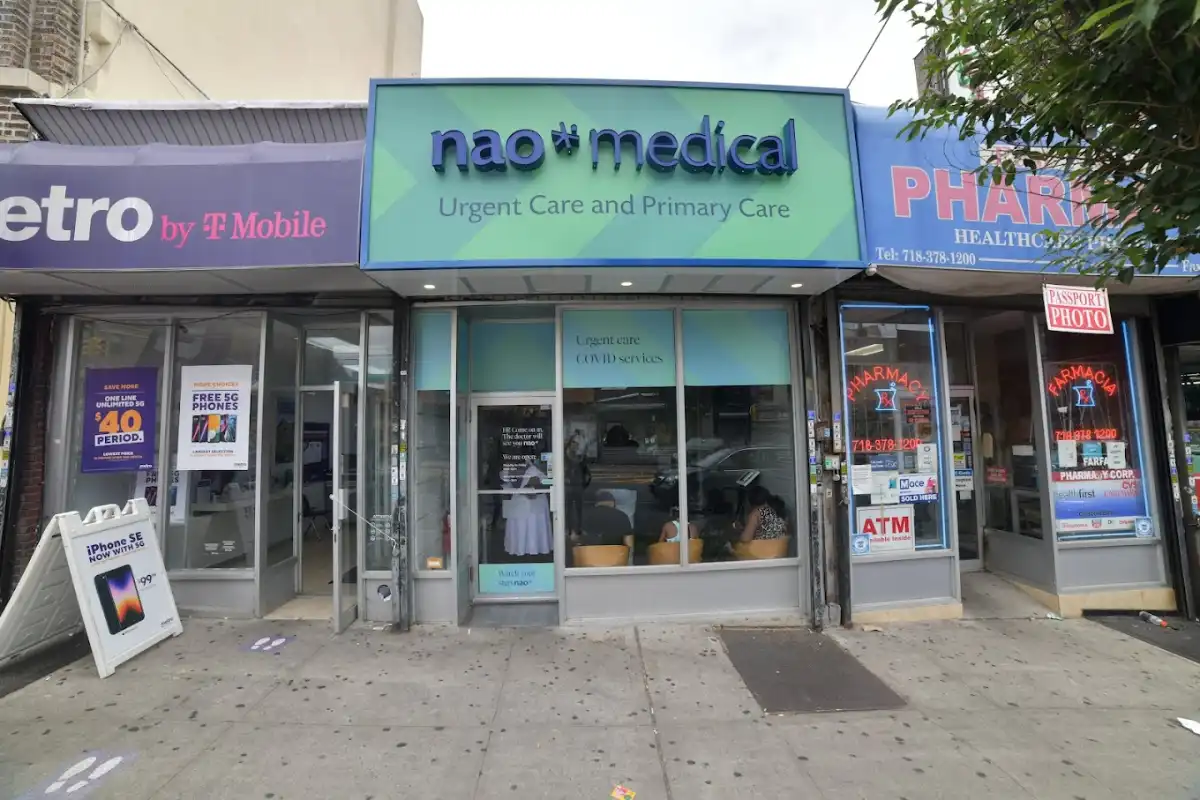
Bronx
932 E 174th St, Bronx, NY 10460
A Bronx access point for offshore medical exam support, employer paperwork review, pre-deployment fitness-to-work evaluation, and related occupational-health testing for patients in West Farms, Crotona Park East, and nearby Bronx neighborhoods.
View local offshore medicals Get directions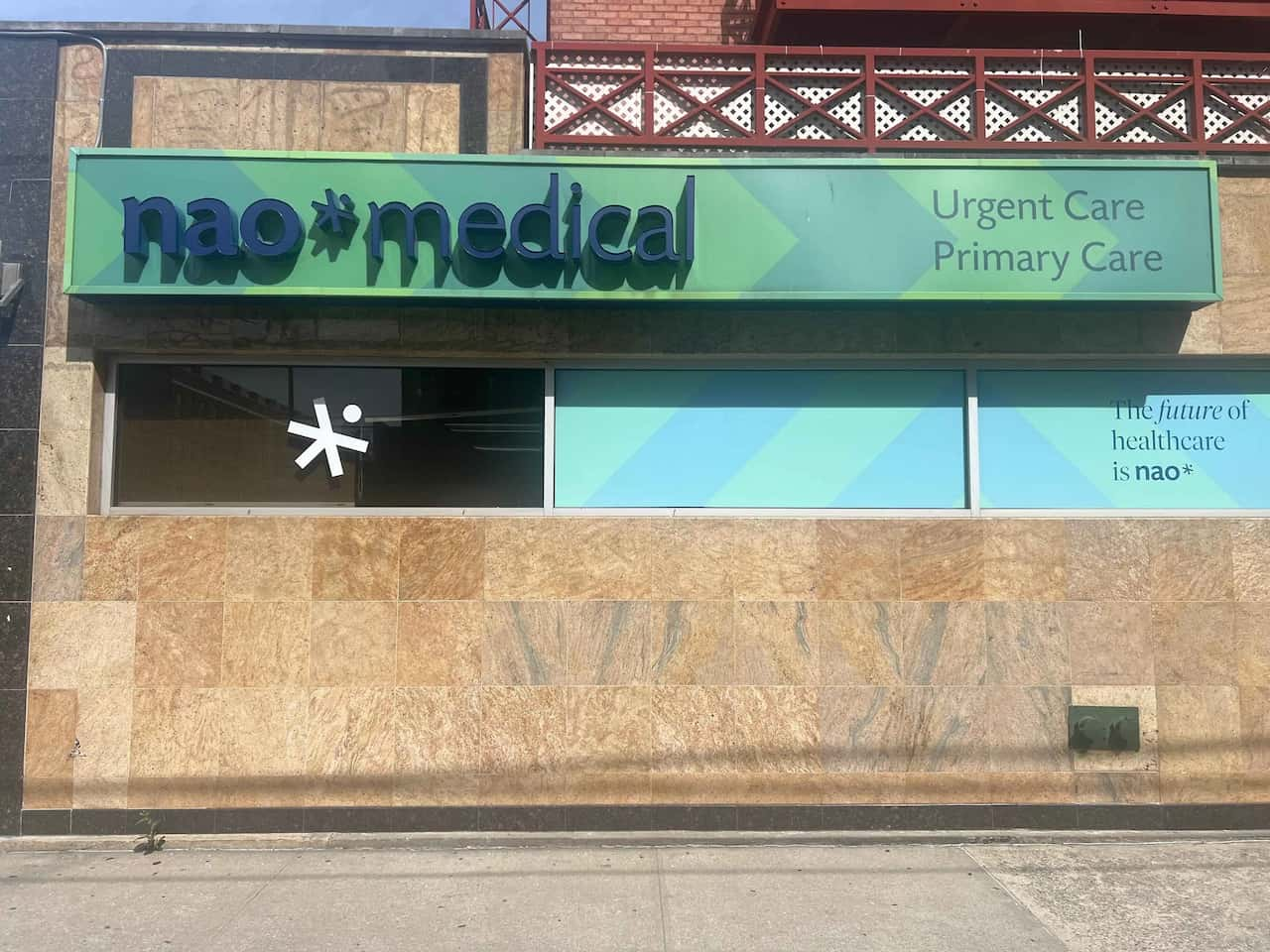
Queens
37-15 23rd Ave, Astoria, NY 11105
A Queens access point for offshore medical exam support, employer paperwork review, pre-deployment fitness-to-work evaluation, and related occupational-health testing for patients in Astoria, Ditmars, East Elmhurst, and nearby Queens neighborhoods.
View local offshore medicals Get directions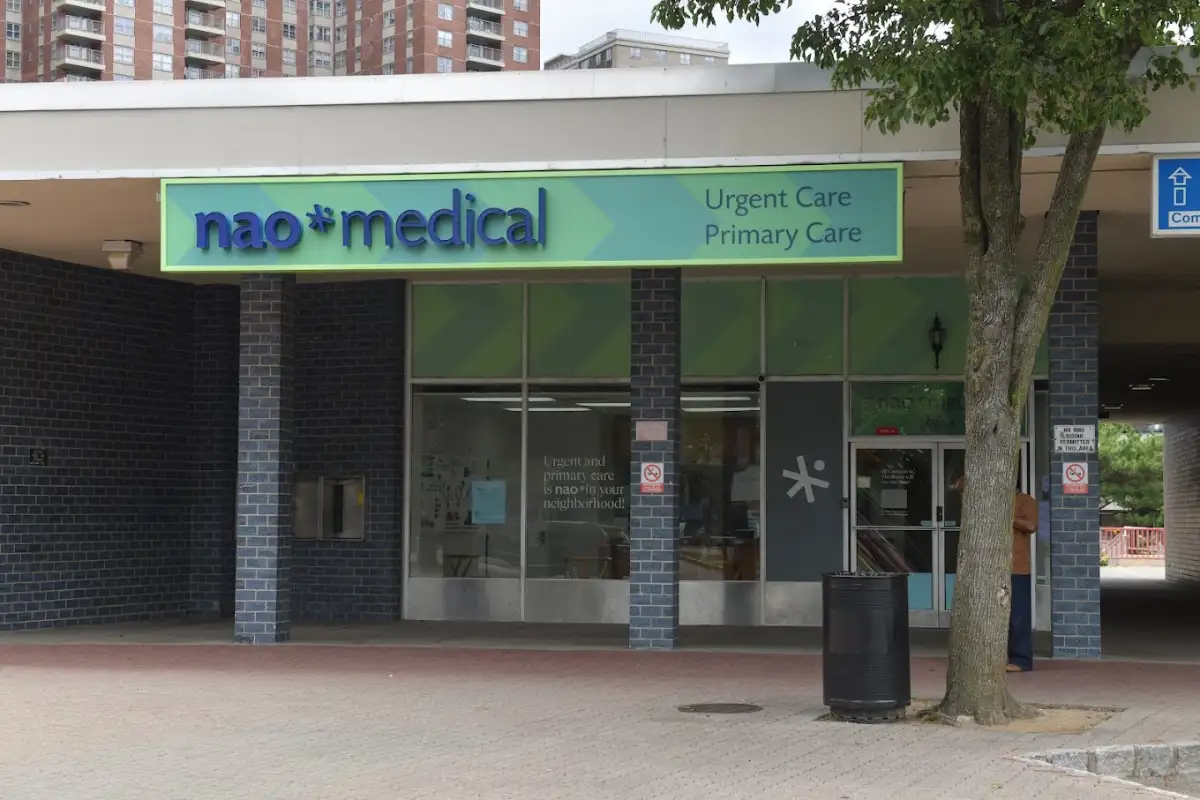
Bronx
2063A Bartow Ave, Bronx, NY 10475
A Bronx access point for offshore medical exam support, employer paperwork review, pre-deployment fitness-to-work evaluation, and related occupational-health testing for patients in Co-op City, Pelham Bay, Baychester, and nearby Bronx neighborhoods.
View local offshore medicals Get directions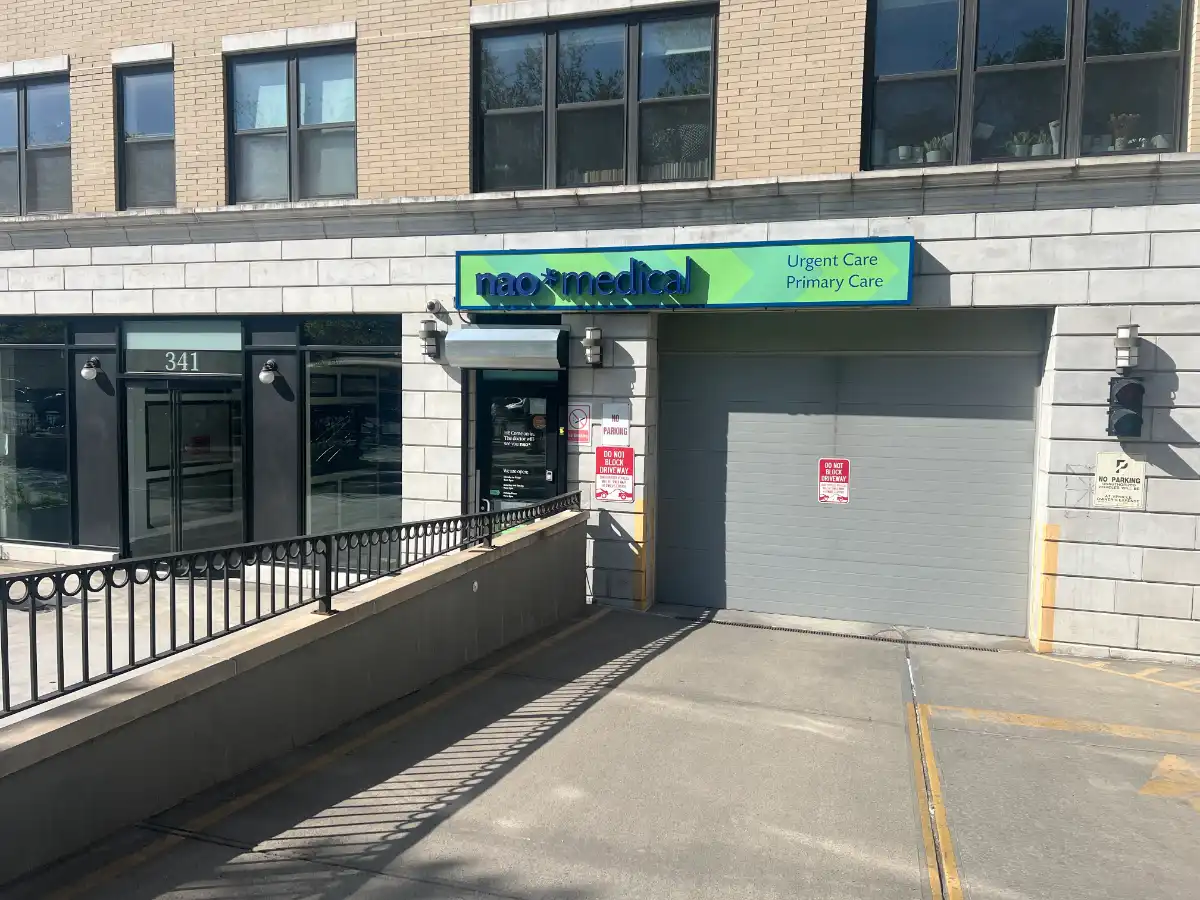
Brooklyn
341 Eastern Pkwy, Brooklyn, NY 11216
A Brooklyn access point for offshore medical exam support, employer paperwork review, pre-deployment fitness-to-work evaluation, and related occupational-health testing for patients in Crown Heights, Prospect Heights, and nearby Brooklyn neighborhoods.
View local offshore medicals Get directions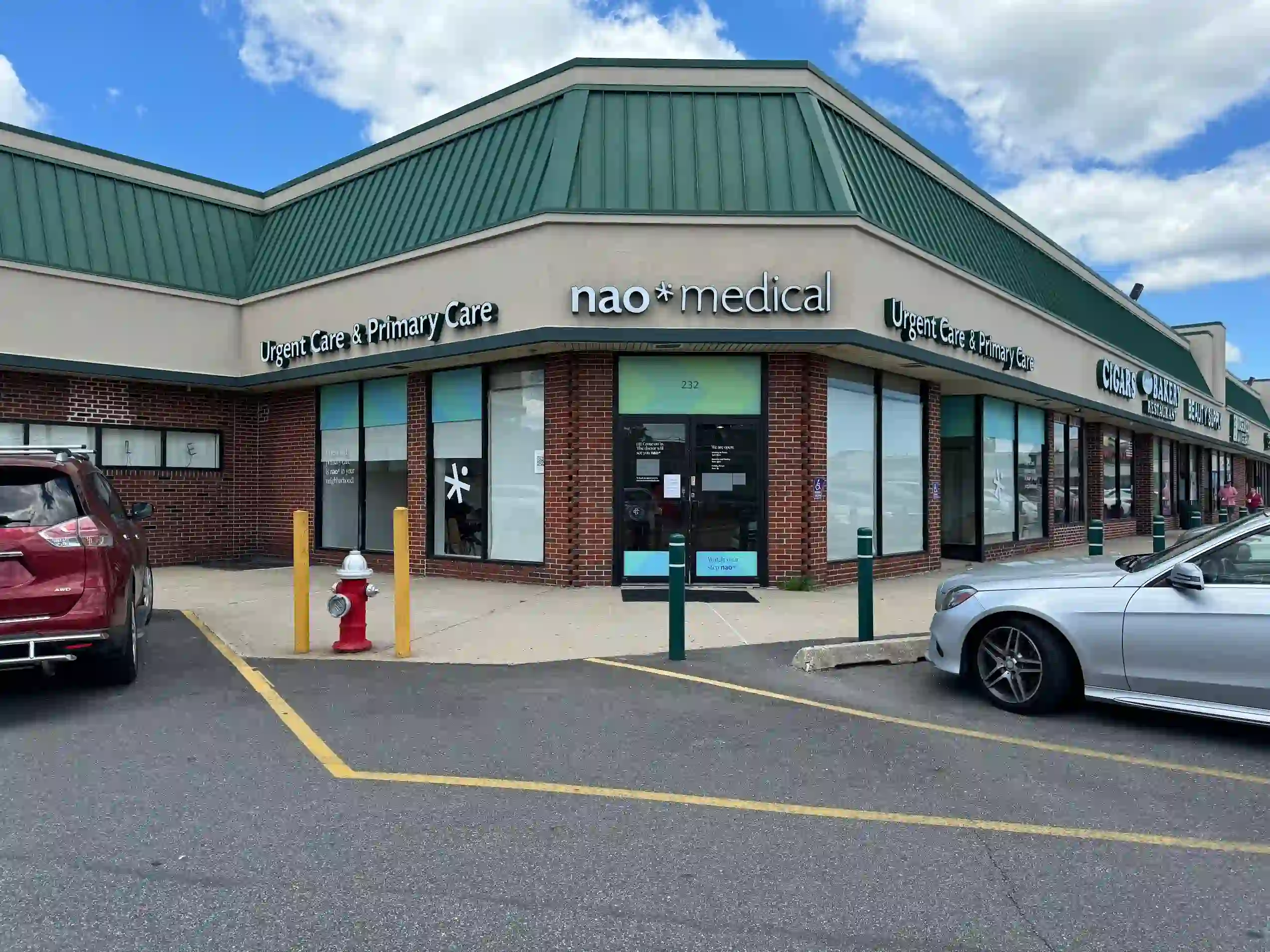
Long Island
232 W Old Country Rd, Hicksville, NY 11801
A Long Island access point for offshore medical exam support, employer paperwork review, pre-deployment fitness-to-work evaluation, and related occupational-health testing for patients in Hicksville, Plainview, Bethpage, and nearby Nassau County communities.
View local offshore medicals Get directions
Queens
80-10 Northern Blvd, Jackson Heights, NY 11372
A Queens access point for offshore medical exam support, employer paperwork review, pre-deployment fitness-to-work evaluation, and related occupational-health testing for patients in Jackson Heights, Elmhurst, Corona, and nearby Queens neighborhoods.
View local offshore medicals Get directions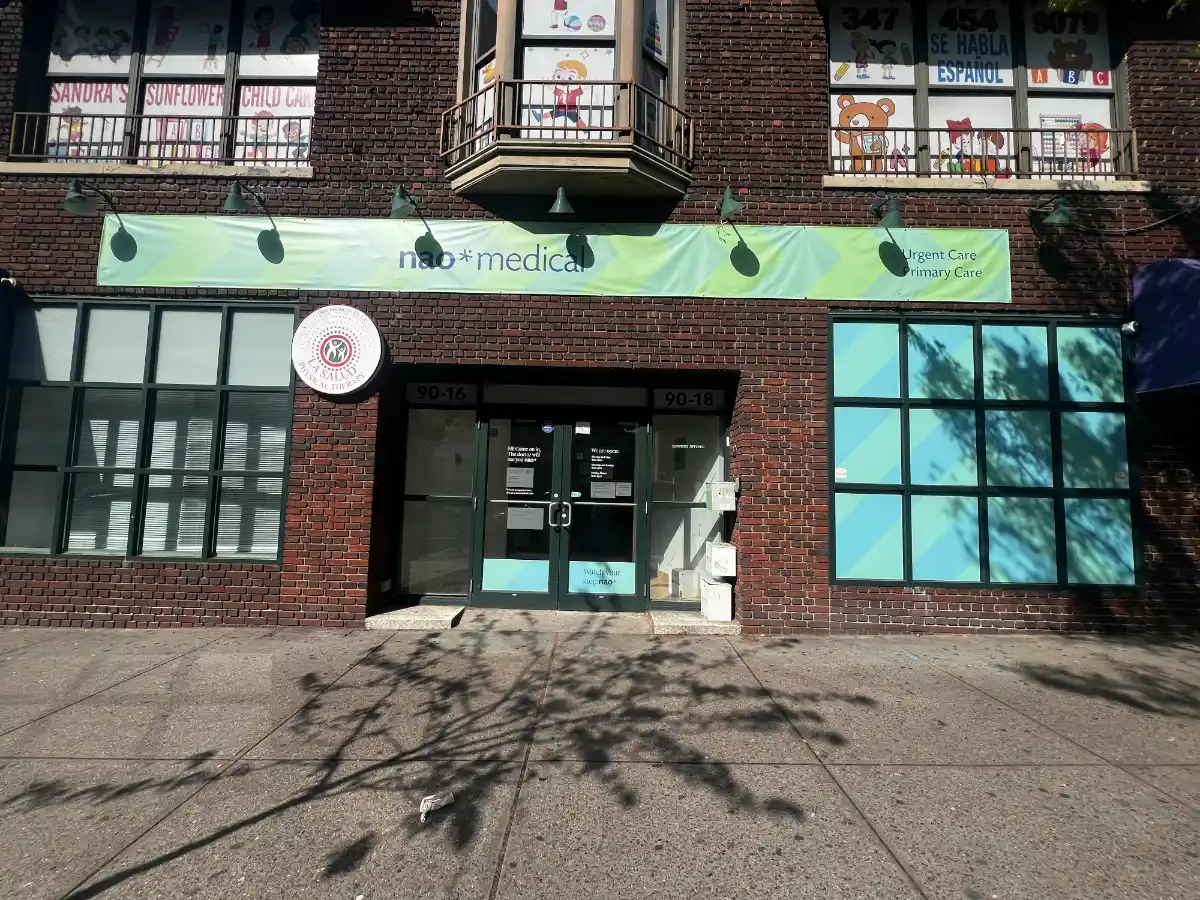
Queens
90-18 Sutphin Blvd, Jamaica, NY 11435
A Queens access point for offshore medical exam support, employer paperwork review, pre-deployment fitness-to-work evaluation, and related occupational-health testing for patients in Jamaica, Briarwood, Richmond Hill, and nearby Queens neighborhoods.
View local offshore medicals Get directions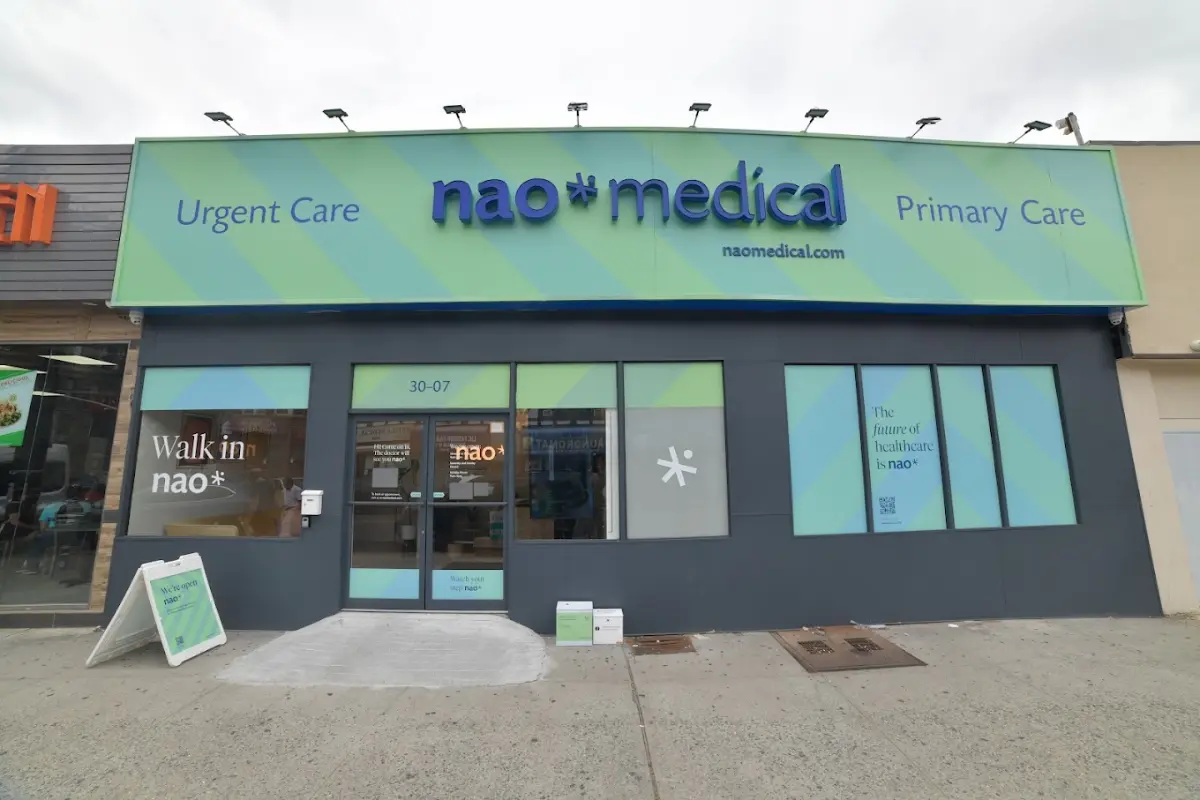
Queens
30-07 36th Ave, Astoria, NY 11106
A Queens access point for offshore medical exam support, employer paperwork review, pre-deployment fitness-to-work evaluation, and related occupational-health testing for patients in Long Island City, Astoria, Sunnyside, and nearby Queens neighborhoods.
View local offshore medicals Get directions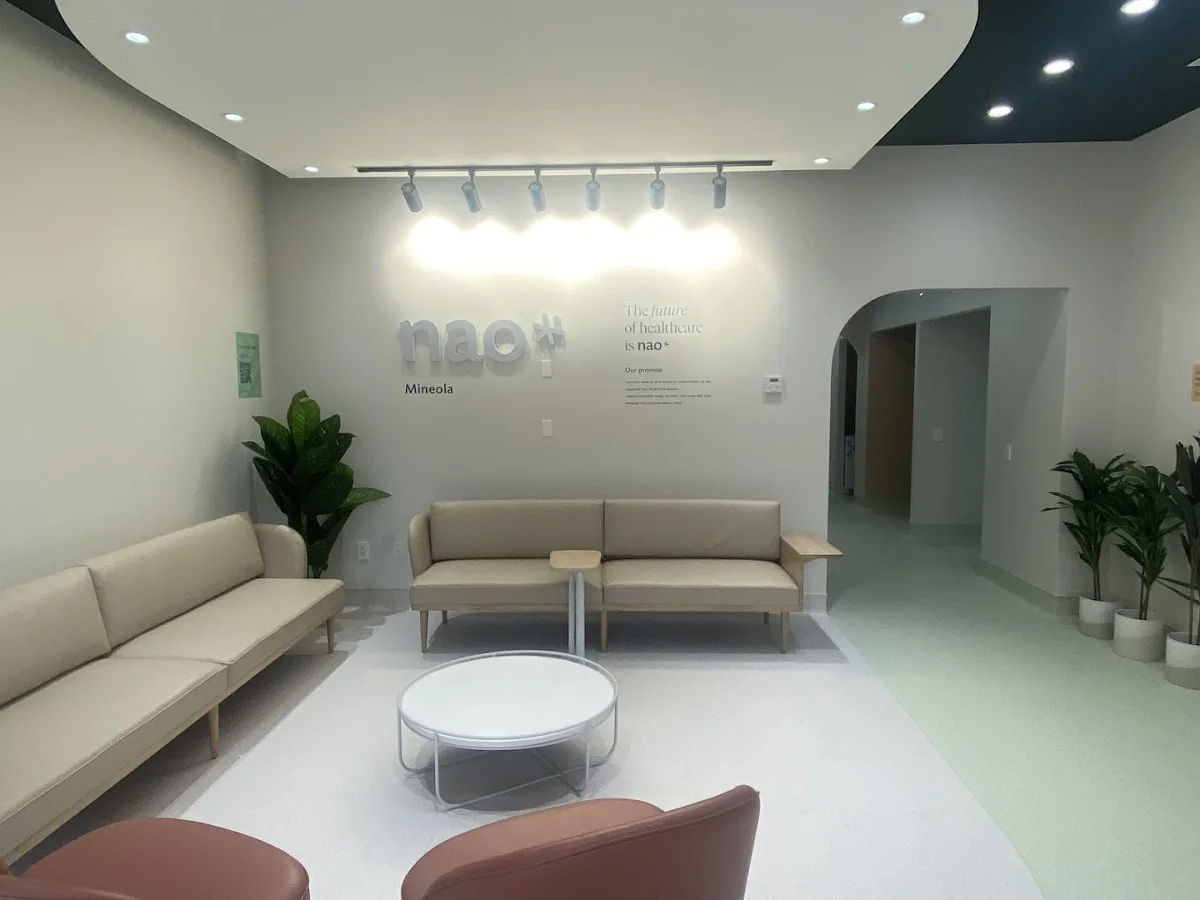
Long Island
135 Mineola Blvd, Mineola, NY 11501
A Long Island access point for offshore medical exam support, employer paperwork review, pre-deployment fitness-to-work evaluation, and related occupational-health testing for patients in Mineola, Garden City, Westbury, and nearby Nassau County communities.
View local offshore medicals Get directions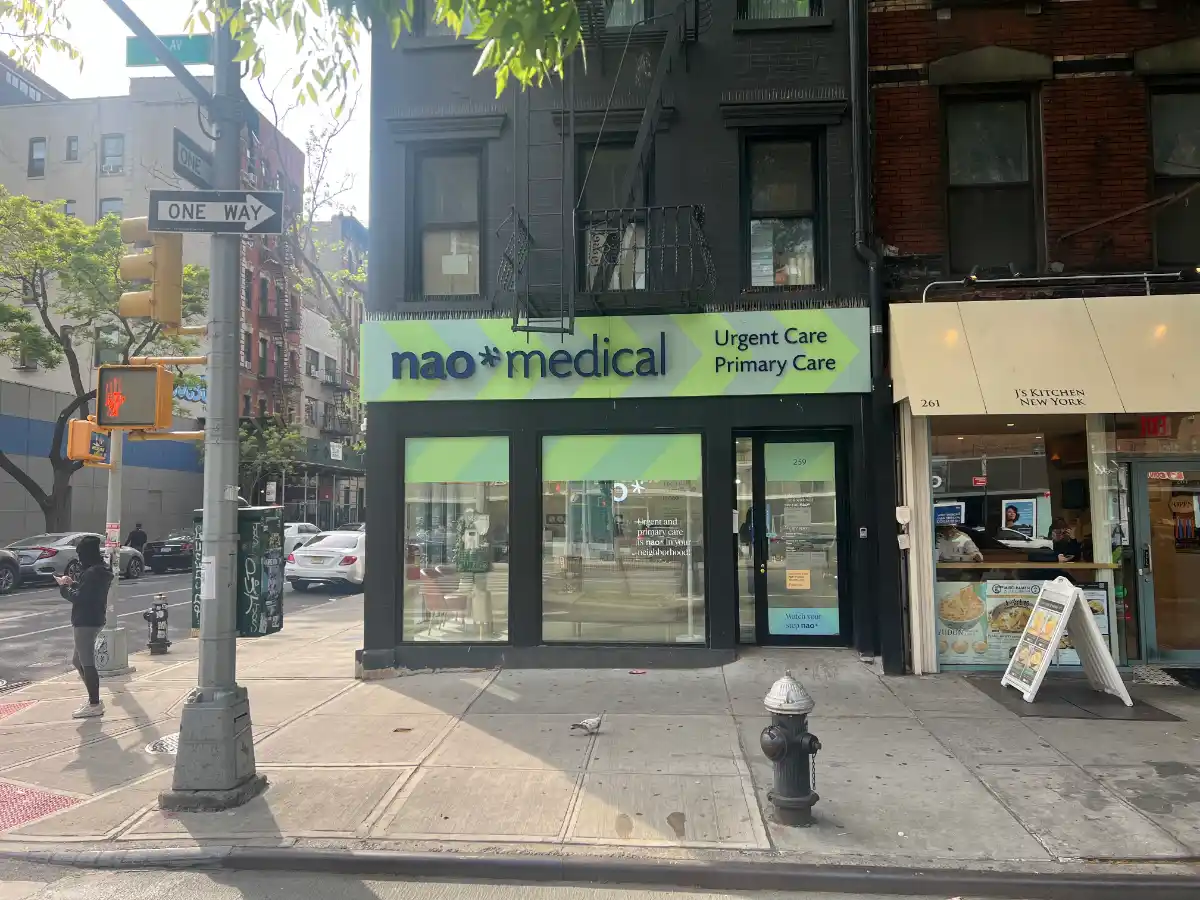
Manhattan
259 1st Ave, New York, NY 10003
A Manhattan access point for offshore medical exam support, employer paperwork review, pre-deployment fitness-to-work evaluation, and related occupational-health testing for patients in StuyTown, East Village, Gramercy, and nearby Manhattan neighborhoods.
View local offshore medicals Get directions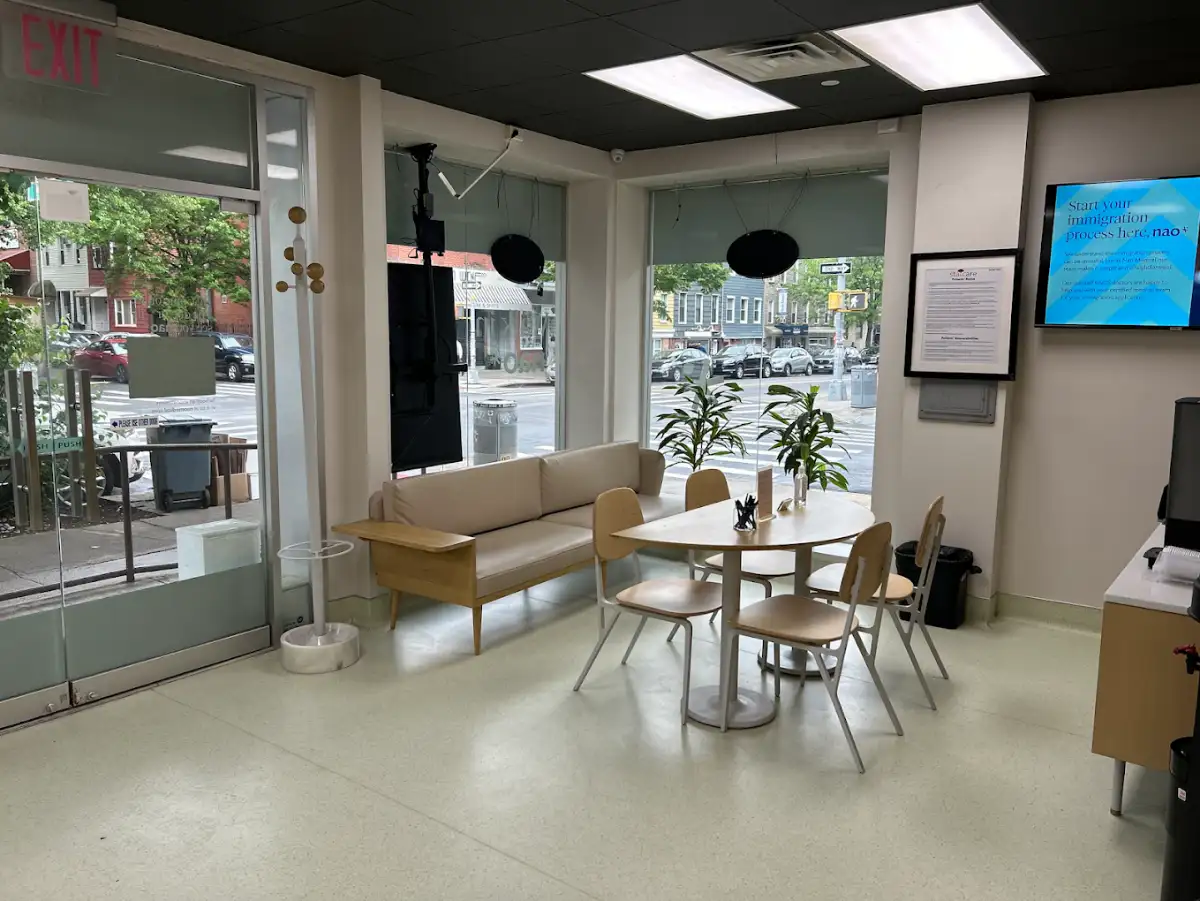
Brooklyn
308 Graham Ave, Brooklyn, NY 11211
A Brooklyn access point for offshore medical exam support, employer paperwork review, pre-deployment fitness-to-work evaluation, and related occupational-health testing for patients in Williamsburg, Greenpoint, Bushwick, and nearby Brooklyn neighborhoods.
View local offshore medicals Get directionsStart with the main offshore medical exam overview for NYC and Long Island workers.
Review OEUK medical exam preparation, required records, and named-certificate caution.
Medical exam support for wind technicians, rope access teams, electricians, and renewable-energy contractors.
Pre-deployment medical support for workers who need forms, testing, and fitness-to-work documentation.
Employer and employee health services, including work physicals, drug testing, fit testing, and work injury support.
Employer-facing support for teams, workforce screening, recurring occupational-health programs, and compliance workflows.
OEUK information for offshore workers and doctors, including register and acceptance questions.
OEUK code of conduct language describing registered medical examiners and offshore medical assessments.
OEUK's current paid guidance set describing the offshore medical fitness framework and examiner manual.
UK government guidance on ENG1 and ML5 seafarer medical certificate requirements and what to bring.
U.S. Coast Guard National Maritime Center guidance for merchant mariner medical certificate applications.
Global Wind Organisation guidance that medical assessment requirements are set by employers and role needs, not GWO itself.
New York State offshore wind workforce information and training context.
New York City's offshore wind plan and workforce/business context.

Arrange an evaluation to discuss suitable care, preparation and follow-up with a clinician.
Book offshore medical support