Lp(a)
Lp(a) is largely inherited. A once-in-adulthood measurement can identify a risk enhancer that is not visible in a standard lipid panel.


Cholesterol care | New York


Cholesterol care assesses the type of lipid problem and your overall risk of heart attack or stroke. Many people have no symptoms even when LDL is high. Treatment combines a practical eating pattern with medicines when indicated.
LDL particles can contribute to plaque in arteries. Genetics, other conditions, and medicines can affect levels. ApoB estimates the number of certain atherogenic particles, while Lp(a) is a separate inherited risk marker. These tests answer different questions from a routine lipid panel.
A review can help after high lipid results, a cardiovascular event, a family history of early disease, or difficulty tolerating treatment. Advanced tests are selected for a clinical reason; they are not automatically needed at every visit. Not everyone with high Lp(a) needs an injection.
Review LDL cholesterol and overall cardiovascular risk, including blood pressure, diabetes, smoking, and family history. Check possible secondary causes and current treatment. Discuss food and activity changes, the maximally tolerated statin, and additional therapy when indicated. Choose the medicine and administration method together, then agree on laboratory follow-up and access.
Bring dated cholesterol panels, all lipid medicines and doses tried, adverse effects, kidney or liver results, and family history of early heart disease. Include any genetic testing, prior heart attack or stroke records, and insurance denials. Outside records can help avoid repeating information.
Review allergies, pregnancy plans, breastfeeding, kidney or liver conditions, and other medicines. Seek emergency care for breathing difficulty or a severe allergic reaction. New unexplained symptoms deserve prescriber advice rather than assuming they are expected. A cholesterol medicine does not treat an acute heart attack or stroke.
Repeat cholesterol testing on the clinician’s schedule to assess response and adherence. Review side effects, missed doses, and refill access. Taking a cholesterol medicine does not replace laboratory monitoring or the rest of cardiovascular care. Do not stop existing medicines unless the prescriber gives a new plan.
Confirm the exact service, clinician, formulation, appointment, and refill route before booking. The evaluation, tests, medicine, administration, and follow-up may have separate costs and benefits. Ask for current estimates and required records. An FDA-approved drug or a clinic address does not establish pharmacy stock, onsite treatment, coverage, or a prescription. If access changes, contact the treating team before interrupting treatment.
Advanced lipid tests can include ApoB, Lp(a), or tests for selected inherited disorders. They answer specific questions beyond a routine panel. Confirm which test is clinically useful, whether it is offered, preparation, and coverage rather than ordering every test routinely.
The 2026 multisociety dyslipidemia guideline recommends measuring Lp(a) at least once in adults for cardiovascular risk assessment. A clinician interprets the result with the rest of your risk. An elevated value does not automatically mean you need a particular injection.
ApoB reflects the number of certain cholesterol-carrying particles that contribute to artery disease. It may add information when a routine panel does not fully describe risk. The clinician decides whether it will change treatment; it is not automatically needed at every visit.
Fasting requirements depend on the specific lipid test and the clinician’s instructions. Ask before the blood draw. Bring prior results and do not stop medicines unless instructed. A routine visit does not automatically require fasting.
Lp(a) is an inherited cardiovascular risk marker. A high value can affect overall risk assessment, but it does not by itself mean that you need an injection. Ask the clinician how the result changes your prevention plan and the management of other risk factors.
Confirm the chosen clinic’s actual test menu and whether an outside laboratory is needed. The clinician should select tests that answer a useful clinical question rather than order every advanced test routinely. Ask about preparation, the laboratory location and costs before booking. A general clinic listing does not establish that every lipid test is offered onsite.
There is no universal repeat schedule for every advanced test. Lp(a) is generally measured at least once in adulthood, while LDL and selected other measures may be repeated to review treatment response. Ask which result will change your plan and when it needs repeating.
Lp(a) is largely inherited. A once-in-adulthood measurement can identify a risk enhancer that is not visible in a standard lipid panel.
ApoB estimates the number of atherogenic lipoprotein particles and can add context in selected patients, including some people with high triglycerides, diabetes, or discordant results.
Non-HDL cholesterol is calculated from the standard panel and captures cholesterol carried by atherogenic particles beyond LDL alone.
Repeat standard testing and a review of fasting status, adherence, medicines, and other conditions may come before specialized tests.
Strong family history, very high LDL, or early cardiovascular disease can support a more detailed inherited-risk assessment.
Additional measurements may help when calculated risk, LDL, triglycerides, diabetes, kidney disease, or observed disease do not tell a consistent story.
Interpret the result with age, history, blood pressure, smoking, diabetes, kidney health, and current treatment.
Other risk factors and established cardiovascular disease still matter.
Medication choice depends on the full risk picture, LDL goal, evidence, safety, response, preference, and coverage.

Bronx
932 E 174th St, Bronx, NY 10460
Choose a nearby clinic for an evaluation and care coordination. Before traveling, confirm the appointment type and any testing, medication teaching or treatment you need.

Queens
37-15 23rd Ave, Astoria, NY 11105
Choose a nearby clinic for an evaluation and care coordination. Before traveling, confirm the appointment type and any testing, medication teaching or treatment you need.

Bronx
2063A Bartow Ave, Bronx, NY 10475
Choose a nearby clinic for an evaluation and care coordination. Before traveling, confirm the appointment type and any testing, medication teaching or treatment you need.

Brooklyn
341 Eastern Pkwy, Brooklyn, NY 11216
Choose a nearby clinic for an evaluation and care coordination. Before traveling, confirm the appointment type and any testing, medication teaching or treatment you need.
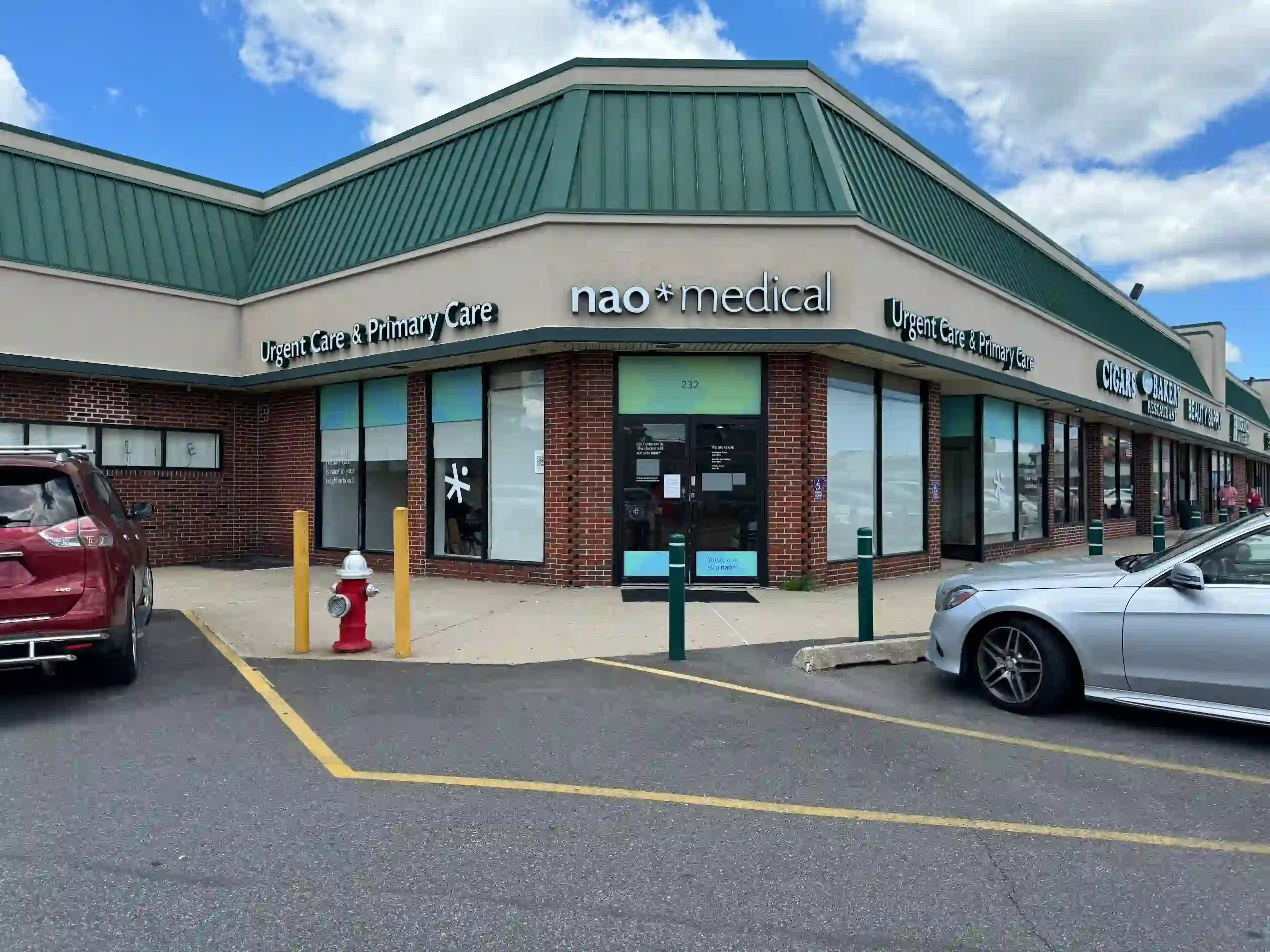
Long Island
232 W Old Country Rd, Hicksville, NY 11801
Choose a nearby clinic for an evaluation and care coordination. Before traveling, confirm the appointment type and any testing, medication teaching or treatment you need.

Queens
80-10 Northern Blvd, Jackson Heights, NY 11372
Choose a nearby clinic for an evaluation and care coordination. Before traveling, confirm the appointment type and any testing, medication teaching or treatment you need.

Queens
90-18 Sutphin Blvd, Jamaica, NY 11435
Choose a nearby clinic for an evaluation and care coordination. Before traveling, confirm the appointment type and any testing, medication teaching or treatment you need.

Queens
30-07 36th Ave, Astoria, NY 11106
Choose a nearby clinic for an evaluation and care coordination. Before traveling, confirm the appointment type and any testing, medication teaching or treatment you need.

Long Island
135 Mineola Blvd, Mineola, NY 11501
Choose a nearby clinic for an evaluation and care coordination. Before traveling, confirm the appointment type and any testing, medication teaching or treatment you need.

Manhattan
259 1st Ave, New York, NY 10003
Choose a nearby clinic for an evaluation and care coordination. Before traveling, confirm the appointment type and any testing, medication teaching or treatment you need.

Brooklyn
308 Graham Ave, Brooklyn, NY 11211
Choose a nearby clinic for an evaluation and care coordination. Before traveling, confirm the appointment type and any testing, medication teaching or treatment you need.
Explore broader cardiovascular prevention and cholesterol care at Nao Medical.
Review inherited very high LDL and family screening separately.
Clarify treatment history when side effects limit the plan.
Review a specific medicine only when a medicine-specific question exists.
Review a clinician-administered option when a medicine-specific question becomes relevant.
Content was updated August 2, 2026 from the cited sources and Nao Medical's current service information. Medical guidance, prescribing information, medication availability, and insurance rules can change. A licensed clinician must confirm current information and determine each patient's eligibility, testing, treatment, administration setting, and follow-up. Call 911 for a medical emergency. Contact Nao Medical with a question or correction.