Very high LDL
Repeated, markedly elevated LDL levels, especially before treatment, can raise concern for an inherited condition.


Cholesterol care | New York


Familial hypercholesterolemia, or FH, is an inherited condition that can cause high LDL from an early age. Healthy eating remains useful, but many people need medicine because diet alone cannot correct the inherited problem.
FH affects the body’s ability to clear LDL. Heterozygous and homozygous forms differ in severity and treatment needs. Early identification matters because LDL exposure builds over time.
Children and adults can have FH. Diagnosis considers LDL levels, family history, examination, and sometimes genetic testing. A negative or unavailable genetic test does not automatically rule it out. Very severe disease and pediatric care may need a lipid specialist.
Review untreated and treated LDL values and the family pattern of early heart disease. Discuss treatment and whether relatives should be offered cascade screening. Select medicines according to age, FH type, response, and risk. Do not assume every person with FH receives the same injection.
Bring dated cholesterol panels, all lipid medicines and doses tried, adverse effects, kidney or liver results, and family history of early heart disease. Include any genetic testing, prior heart attack or stroke records, and insurance denials. Outside records can help avoid repeating information.
Review allergies, pregnancy plans, breastfeeding, kidney or liver conditions, and other medicines. Seek emergency care for breathing difficulty or a severe allergic reaction. New unexplained symptoms deserve prescriber advice rather than assuming they are expected. A cholesterol medicine does not treat an acute heart attack or stroke.
Repeat cholesterol testing on the clinician’s schedule to assess response and adherence. Review side effects, missed doses, and refill access. Taking a cholesterol medicine does not replace laboratory monitoring or the rest of cardiovascular care. Do not stop existing medicines unless the prescriber gives a new plan.
Confirm the exact service, clinician, formulation, appointment, and refill route before booking. The evaluation, tests, medicine, administration, and follow-up may have separate costs and benefits. Ask for current estimates and required records. An FDA-approved drug or a clinic address does not establish pharmacy stock, onsite treatment, coverage, or a prescription. If access changes, contact the treating team before interrupting treatment.
Familial hypercholesterolemia, or FH, is an inherited condition that can cause high LDL from an early age. Healthy eating remains useful, but many people need medicine because diet alone cannot correct the inherited problem. FH affects the body’s ability to clear LDL. Heterozygous and homozygous forms differ in severity and treatment needs. Early identification matters because LDL exposure builds over time.
Diagnosis combines LDL results, untreated levels if known, family history of high cholesterol or early cardiovascular disease, examination, and sometimes genetic testing. Bring family and past-treatment records. Very severe or pediatric disease may need specialist care.
Not always. FH can be diagnosed from LDL levels and clinical and family history. Genetic testing may help confirm a diagnosis or guide family screening. An unavailable or negative result does not automatically exclude FH.
Children can have inherited high LDL and may need early assessment. Pediatric treatment uses age- and diagnosis-specific recommendations. Pediatric care may require a lipid specialist.
Cascade screening checks relatives after FH is identified in a family. It can use cholesterol testing and, when a relevant variant is known, genetic testing. The clinician or lipid team helps decide which relatives and tests are appropriate.
No. Treatment depends on LDL, cardiovascular risk, FH type when relevant, response, and tolerance of prior medicines. An injectable drug is one possible option, not a guaranteed result of the evaluation.
Bring dated cholesterol panels, all lipid medicines and doses tried, adverse effects, kidney or liver results, and family history of early heart disease. Include any genetic testing, prior heart attack or stroke records, and insurance denials. Outside records can help avoid repeating information.
Many forms of familial hypercholesterolemia affect LDL receptors, proteins on cell surfaces that help remove LDL cholesterol from the blood. Some LDLR gene changes reduce the number of receptors; others interfere with how they work. Changes in APOB, PCSK9 or LDLRAP1 can also disrupt this clearance pathway. The result is high blood LDL, not a diagnosis that every cell membrane has been physically damaged. Cholesterol can then accumulate in arteries and other tissues. The exact mechanism depends on the genetic form, and some people with a clinical FH diagnosis have no identified gene change.
Most common forms of familial hypercholesterolemia involving LDLR, APOB or PCSK9 are inherited in an autosomal dominant pattern: one altered gene copy can cause the condition. Less common LDLRAP1-related disease is autosomal recessive and requires two altered copies. Inheriting changes from both parents can produce severe disease, sometimes beginning in childhood. A genetic counselor or clinician can interpret the family’s results and arrange cholesterol testing for relatives; do not assume every FH family has the same inheritance pattern.
Repeated, markedly elevated LDL levels, especially before treatment, can raise concern for an inherited condition.
A personal or family history of heart attack or coronary disease at a young age can strengthen the concern.
High cholesterol across close relatives, a known FH diagnosis, or physical findings associated with severe lifelong LDL exposure may matter.
Bring untreated values when available, recent results, prior goals, and response to each medicine.
The clinician may assess conditions and medicines that can raise cholesterol before assigning an inherited diagnosis.
A simple family history can identify relatives who may need their own cholesterol evaluation. Their care is separate and requires consent.
Treatment can combine lifestyle support with oral or injectable medicines based on age, risk, LDL response, label, and patient preference.
When FH is diagnosed, first-degree relatives should discuss cholesterol screening with their own clinicians.
Children, very high-risk adults, severe hypercholesterolemia, or uncertain cases may need lipid-specialist, cardiology, or genetics coordination.
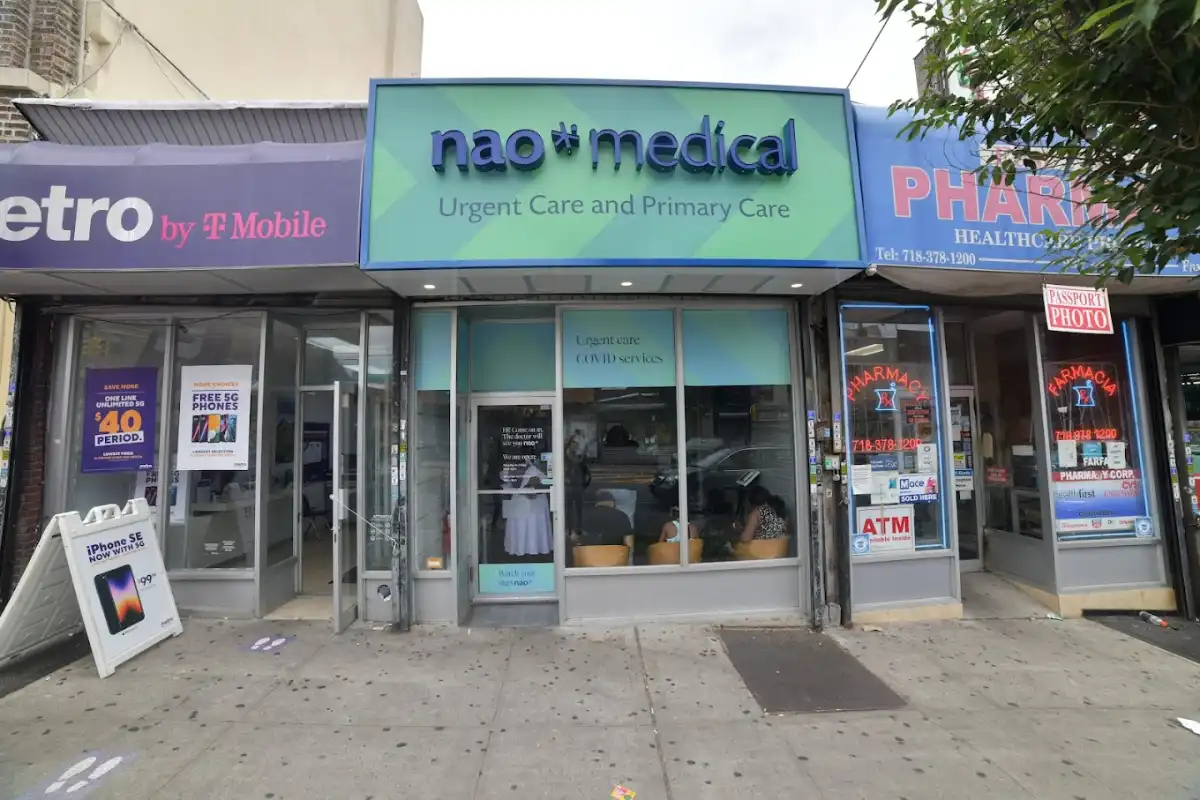
Bronx
932 E 174th St, Bronx, NY 10460
Choose a nearby clinic for an evaluation and care coordination. Before traveling, confirm the appointment type and any testing, medication teaching or treatment you need.
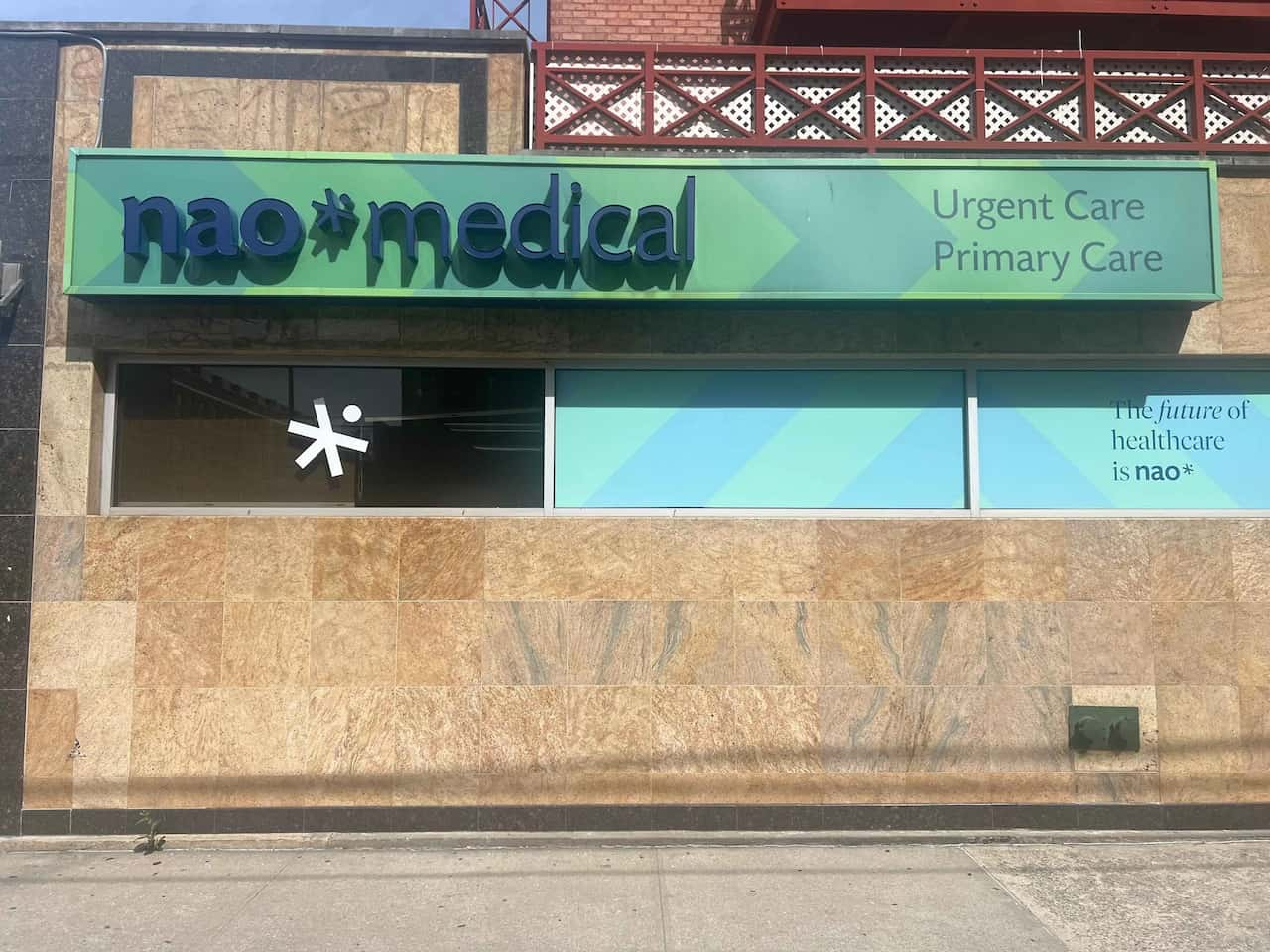
Queens
37-15 23rd Ave, Astoria, NY 11105
Choose a nearby clinic for an evaluation and care coordination. Before traveling, confirm the appointment type and any testing, medication teaching or treatment you need.
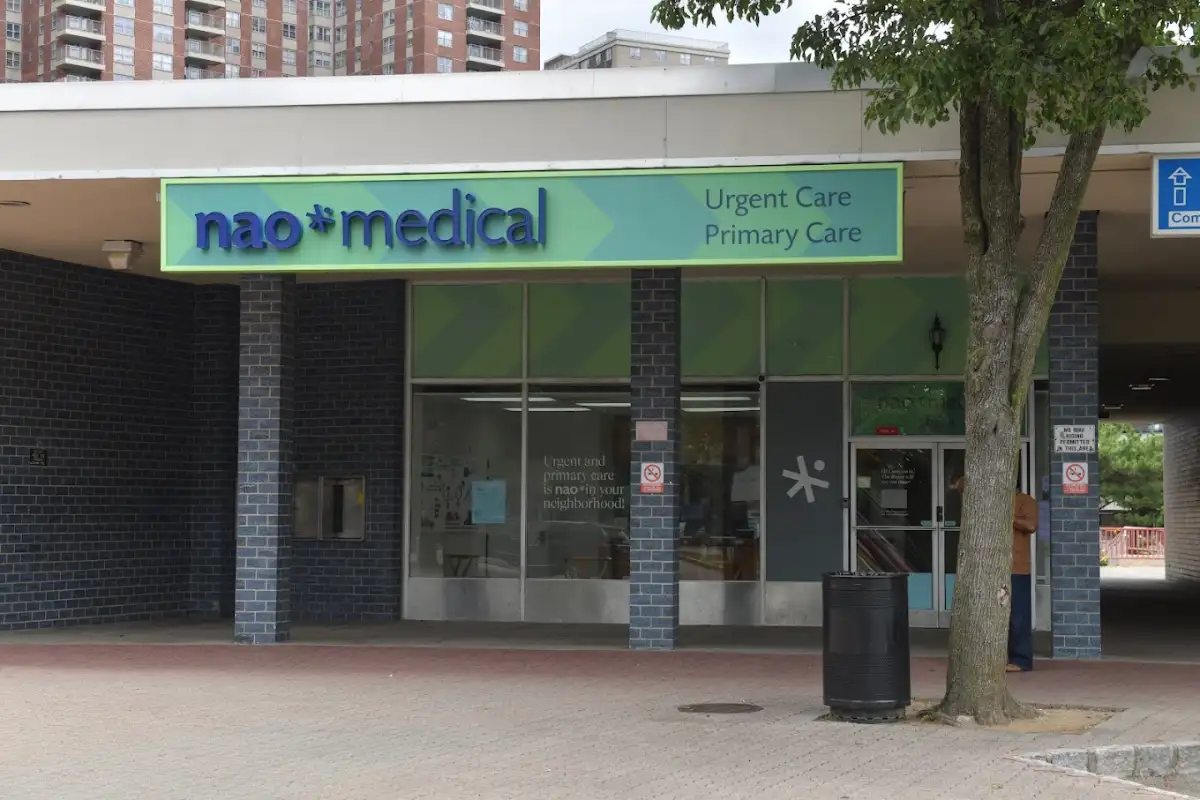
Bronx
2063A Bartow Ave, Bronx, NY 10475
Choose a nearby clinic for an evaluation and care coordination. Before traveling, confirm the appointment type and any testing, medication teaching or treatment you need.
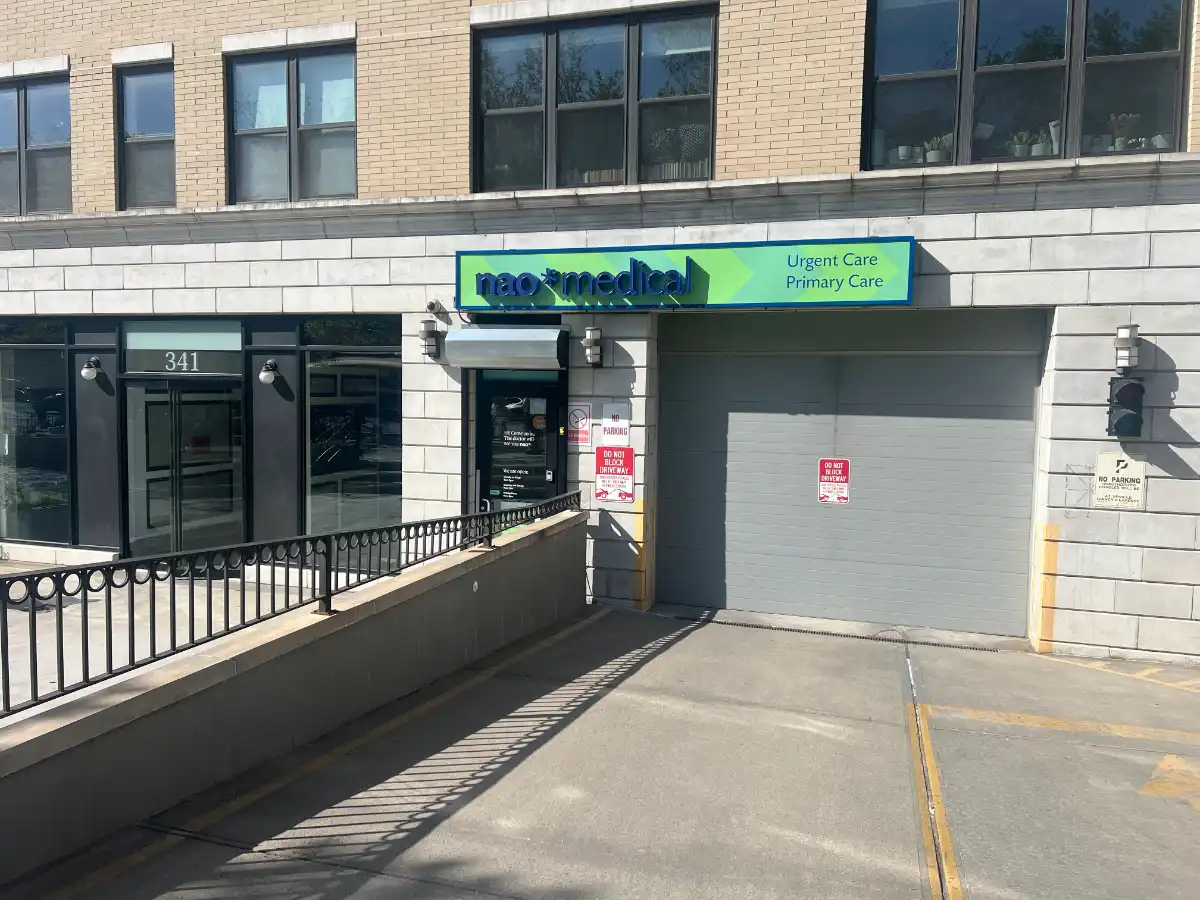
Brooklyn
341 Eastern Pkwy, Brooklyn, NY 11216
Choose a nearby clinic for an evaluation and care coordination. Before traveling, confirm the appointment type and any testing, medication teaching or treatment you need.
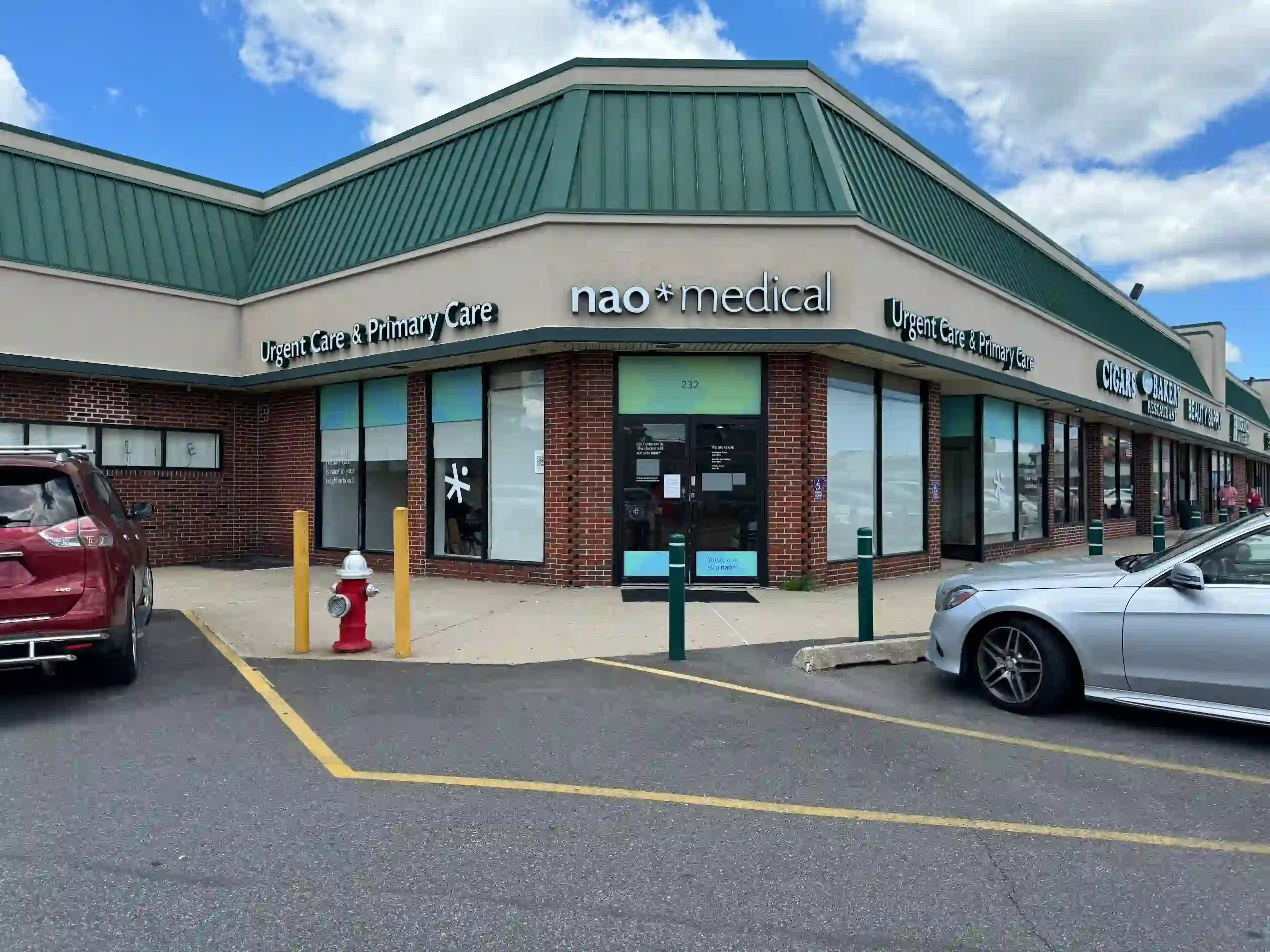
Long Island
232 W Old Country Rd, Hicksville, NY 11801
Choose a nearby clinic for an evaluation and care coordination. Before traveling, confirm the appointment type and any testing, medication teaching or treatment you need.
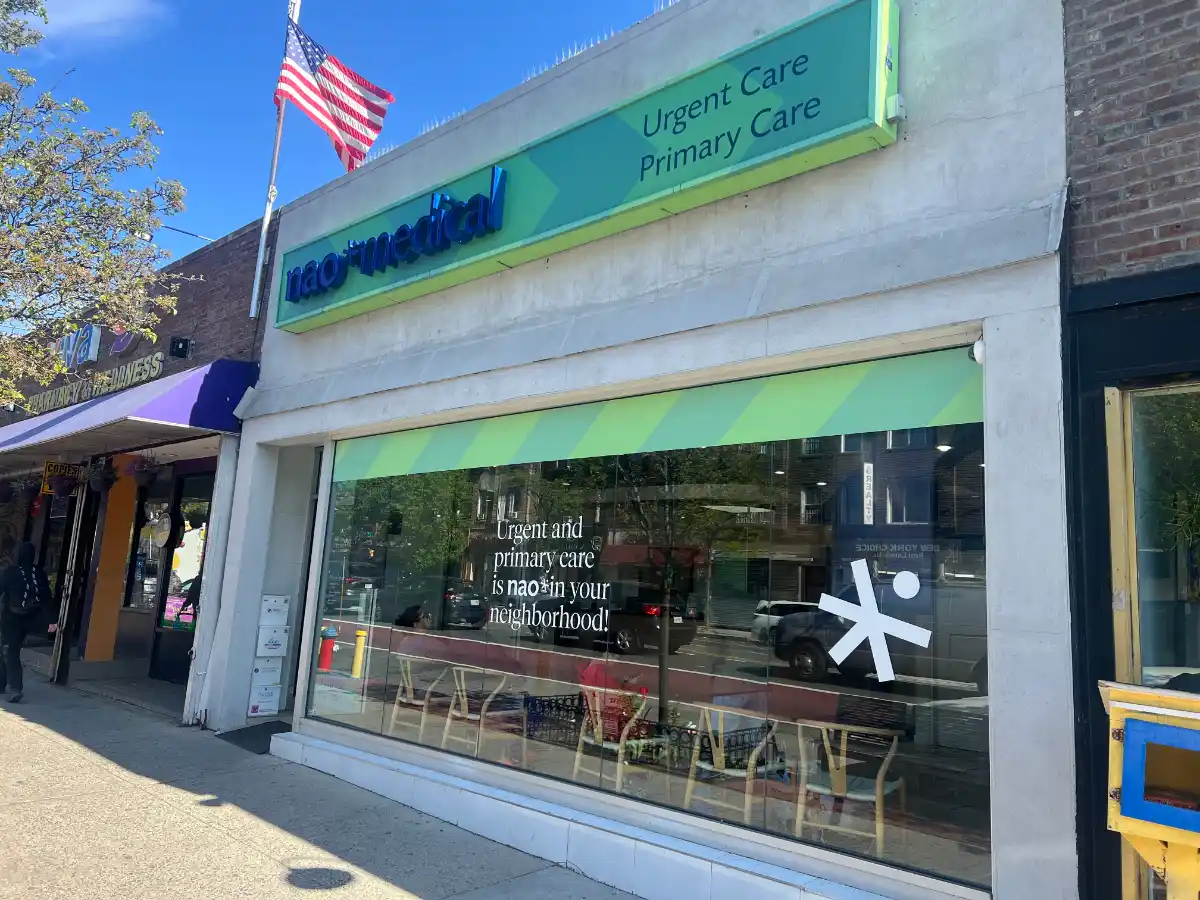
Queens
80-10 Northern Blvd, Jackson Heights, NY 11372
Choose a nearby clinic for an evaluation and care coordination. Before traveling, confirm the appointment type and any testing, medication teaching or treatment you need.
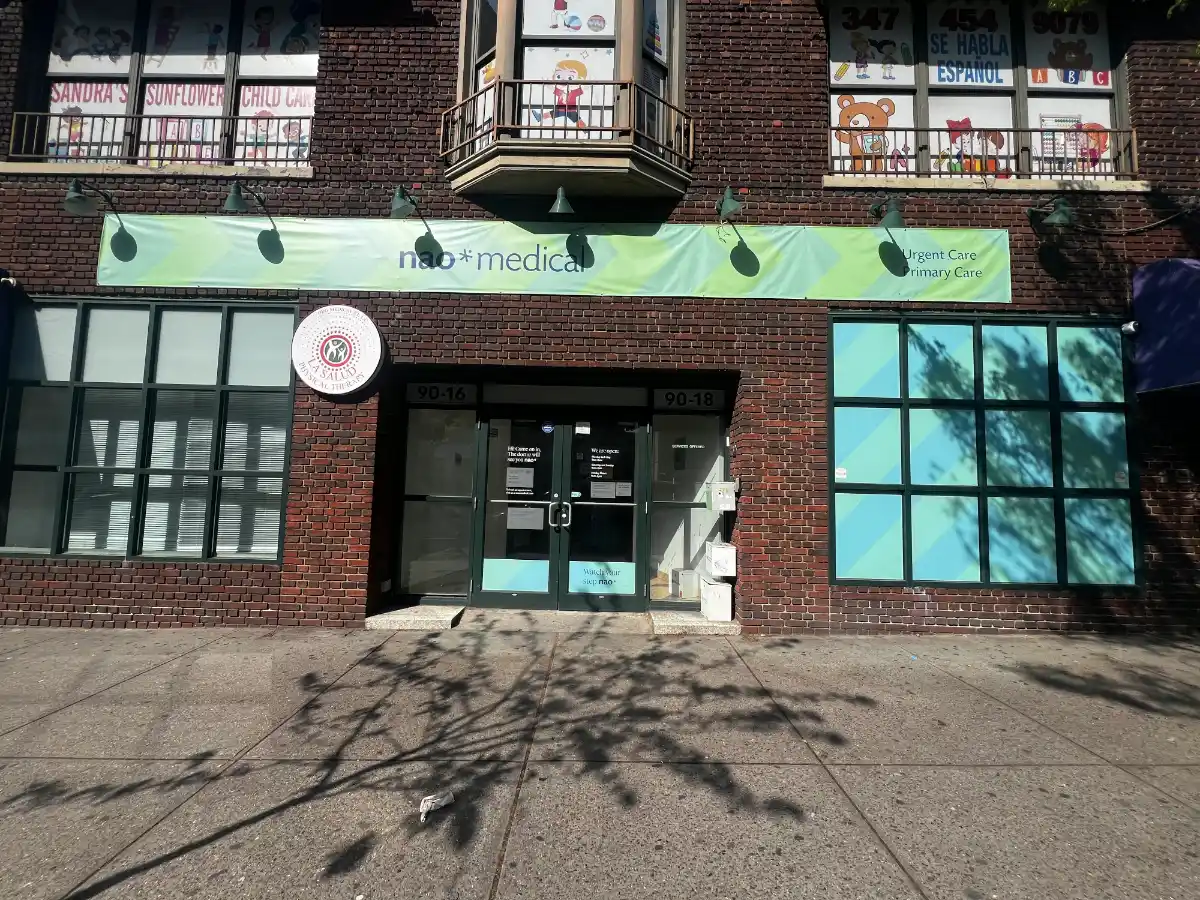
Queens
90-18 Sutphin Blvd, Jamaica, NY 11435
Choose a nearby clinic for an evaluation and care coordination. Before traveling, confirm the appointment type and any testing, medication teaching or treatment you need.
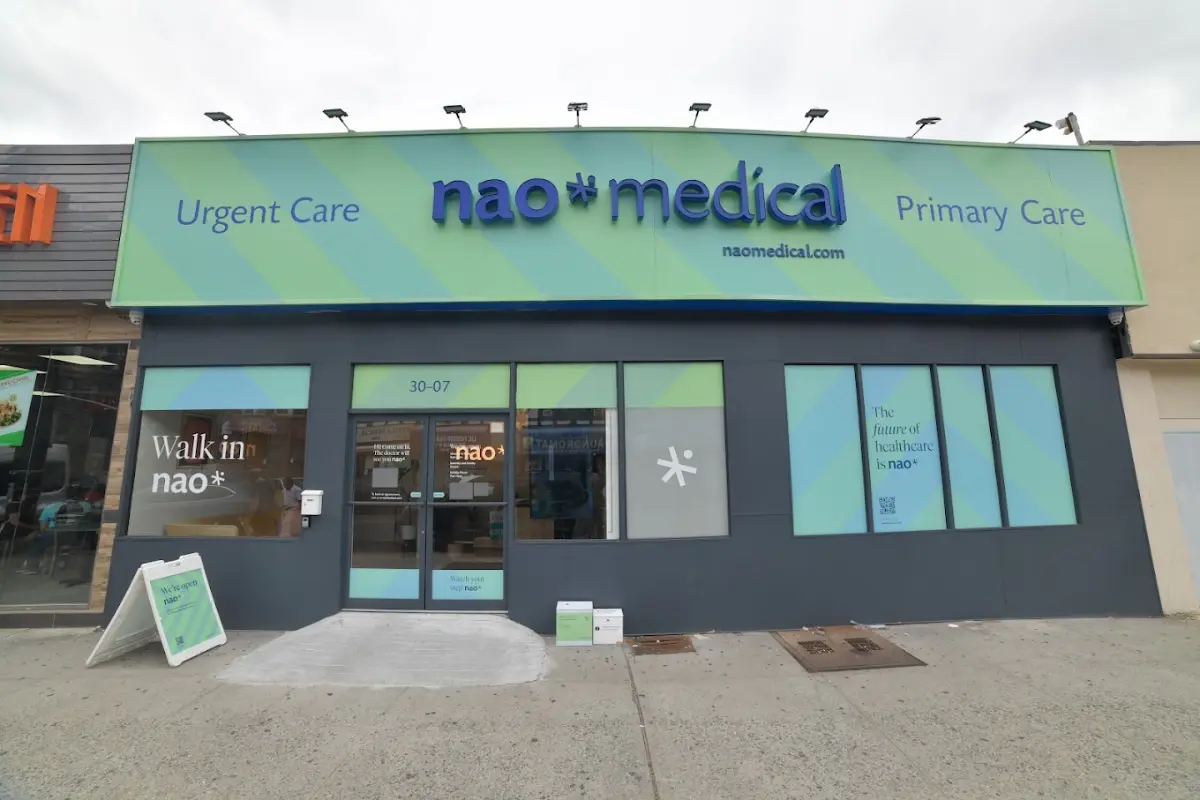
Queens
30-07 36th Ave, Astoria, NY 11106
Choose a nearby clinic for an evaluation and care coordination. Before traveling, confirm the appointment type and any testing, medication teaching or treatment you need.

Long Island
135 Mineola Blvd, Mineola, NY 11501
Choose a nearby clinic for an evaluation and care coordination. Before traveling, confirm the appointment type and any testing, medication teaching or treatment you need.
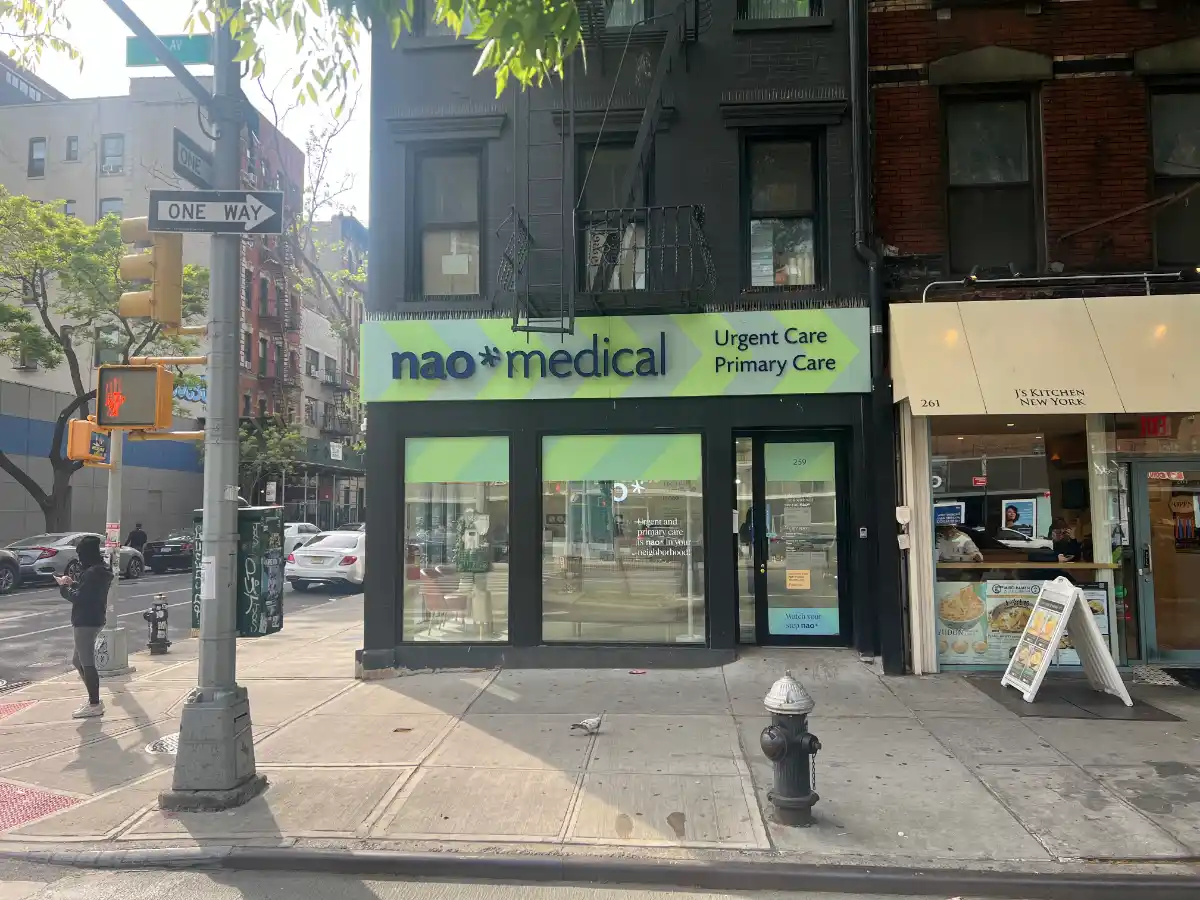
Manhattan
259 1st Ave, New York, NY 10003
Choose a nearby clinic for an evaluation and care coordination. Before traveling, confirm the appointment type and any testing, medication teaching or treatment you need.
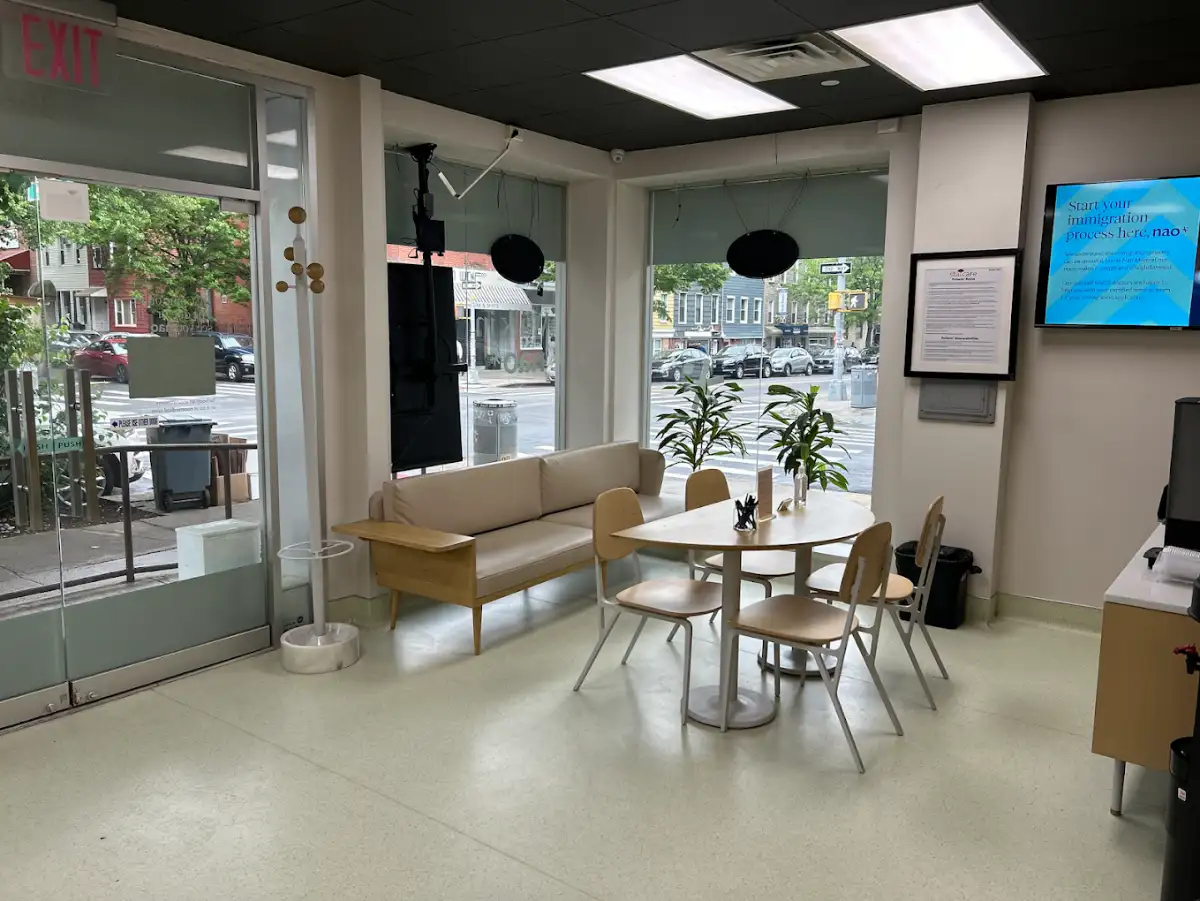
Brooklyn
308 Graham Ave, Brooklyn, NY 11211
Choose a nearby clinic for an evaluation and care coordination. Before traveling, confirm the appointment type and any testing, medication teaching or treatment you need.
Explore broader cardiovascular prevention and cholesterol care at Nao Medical.
Review measurements that may refine risk without substituting for an FH assessment.
Document prior statin problems carefully when treatment choices are limited.
Review a product with labeled HeFH and HoFH populations without assuming eligibility.
Review a self-injected product with labeled familial hypercholesterolemia populations.