Use the Nao location details first
The local clinic details answer the practical questions: address, directions, clinic fit, and how the administration-site role is framed in that neighborhood.


If the referring HIV office cannot administer CABENUVA, the official CABENUVA ASOC locator and ViiVConnect tools are the correct next step for finding an administration site. ASOCs do not replace the HIV clinician managing the regimen.


Confirm the chosen site's ability to administer both gluteal injections, document the date and coordinate with your HIV clinician. Ask about required records, medication delivery, observation after injection and the next appointment. Laboratory collection may occur elsewhere, so identify who reviews viral-load and safety results. Bring the last dose date and current ART list if changing sites. If travel or a site change may delay a visit, contact both teams early so the suppressive treatment plan continues.
Your HIV clinician reviews sustained suppression, prior treatment failure, known or suspected resistance, hepatitis B and interactions before switching. A negative or low viral-load result alone does not replace the treatment history. If tenofovir is removed, hepatitis B treatment may still be needed because Cabenuva does not cover it. The oral lead-in with cabotegravir and rilpivirine is optional and has its own interaction and food requirements. Continue the existing regimen until the specified transition. A switch back requires a complete suppressive regimen on the labeled timeline, not simply leftover pills or one drug.
Cabenuva is a complete injectable regimen of cabotegravir and rilpivirine used to replace an existing HIV-1 treatment regimen in eligible people whose virus is already suppressed. It is HIV treatment, not PrEP. A professional gives two injections into gluteal muscles at scheduled visits. Fewer daily pills can be helpful, but maintaining suppression still depends on attendance, laboratory monitoring and an uninterrupted treatment plan if injections stop.
Cabotegravir blocks HIV integrase and rilpivirine blocks reverse transcriptase. Together they keep HIV from multiplying. The medicines remain in the body for months after the last injections. That persistence makes missed visits and discontinuation important: falling drug levels can allow viral rebound and resistance if a fully suppressive regimen is not maintained.
The labeled indication includes adults and adolescents aged 12 or older who weigh at least 35 kg and have HIV RNA below 50 copies/mL on a stable regimen. It also requires no history of treatment failure and no known or suspected resistance to either medicine. The HIV clinician reviews prior regimens and resistance records, rather than relying on one recent viral-load result. Hepatitis B, pregnancy, interacting medicines, liver disease and ability to attend visits also affect the decision. Cabenuva does not treat hepatitis B.
The clinician responsible for HIV care confirms suppression, treatment history and suitability. Do not stop current tablets while a referral, authorization or delivery is pending.
Monthly and every-two-month injection schedules are available. An oral lead-in with both medicines is optional. The every-two-month pathway begins with two initiation visits one month apart before moving to the continuing calendar.
A referring HIV office and an alternative site of care may have different roles. Confirm the prescription, supply route, target date, labs, injection record and where urgent questions go. The administration site does not replace the HIV clinician who manages the regimen.
Arrange viral-load testing after the change and continuing treatment-safety review. The team needs a plan for travel, delays, side effects and return to another suppressive regimen if needed.
Bring a complete medicine list, prior ART and resistance records, recent viral-load results and any hepatitis B history. Include acid-reducing medicines if oral rilpivirine is considered, because tablet interactions differ from injection interactions. Confirm who orders and receives labs, who authorizes oral coverage for a missed visit and who can reschedule you. Book the next target date before leaving when possible.
Pain or swelling at injection sites is common. Severe allergy, jaundice or a significant mood change needs prompt assessment. Rare serious reactions can occur shortly after rilpivirine injection, so the administration team follows the label’s observation instructions. Report breathing difficulty, chest symptoms or fainting immediately. Medicines for seizures, TB and other conditions, including some supplements, can make Cabenuva unsuitable; do not start them without coordinated review.
The schedule is monthly or every two calendar months, not a freely interchangeable eight-week interval. Tell both the HIV clinician and administration team immediately if a visit may be more than seven days late. Oral coverage or a different injection restart may be needed. If Cabenuva stops, another fully suppressive regimen must start on the label’s timeline: no later than one month after the final monthly injections or two months after the final every-two-month injections. Viral-load follow-up remains necessary.
Ask about approval for both injectable drugs, administration fees, laboratory charges and the exact site. A locator entry, referral or authorization alone does not show that medication has arrived or an appointment is booked. Confirm these steps while continuing the agreed HIV regimen. Contact the responsible HIV clinician for treatment decisions, including any detectable viral-load result after switching.
Ask the treatment service which locations currently administer your prescribed injection before choosing a site. An address list, manufacturer locator or regional listing does not establish that each site is actively providing this treatment. Ask the responsible service to identify the exact active site, clinician, accepted order, product delivery and appointment. Confirm those arrangements before travel or changing an existing treatment schedule.
Use the official manufacturer support service to explore medication benefits or an alternate administration-site pathway. A locator listing or support enrollment does not confirm acceptance of your referral, appointment, clinician order, stock or payment. Coordinate the result with the HIV/PrEP prescriber and the intended administering clinic before changing a scheduled dose.
Call the HIV clinician and administration site with the exact dates. A delay beyond the permitted window may require oral therapy and clinical reassessment. Never assume the long-lasting medicine makes a gap harmless.
One result requires interpretation with earlier results, timing, adherence and possible interactions. Your HIV clinician decides when to repeat testing and whether resistance assessment or a treatment change is needed. A forum cannot establish that your result is harmless.
Discuss soreness, prior reactions, travel and the need to attend every appointment. Confirm the expected visit process with the site. Neither a standard amount of time off nor a promise of painless injections applies to everyone.
The local clinic details answer the practical questions: address, directions, clinic fit, and how the administration-site role is framed in that neighborhood.
If the Nao care network does not fit the payer, geography, or referring-office plan, the official ASOC locator is the right outside-network starting point.
ViiVConnect is more useful than a generic search when the question is how to move the benefit or savings path forward.
Any location change still has to work with the referring clinician's regimen plan, not against it.

Bronx
932 E 174th St, Bronx, NY 10460
A Bronx administration site for referral-based CABENUVA injections, repeat monthly or every-other-month visits, and coverage coordination for patients in West Farms, Crotona Park East, and nearby Bronx neighborhoods.
View CABENUVA location details Get directions
Queens
37-15 23rd Ave, Astoria, NY 11105
A Queens administration site for referral-based CABENUVA injections, repeat monthly or every-other-month visits, and coverage coordination for patients in Astoria, Ditmars, East Elmhurst, and nearby Queens neighborhoods.
View CABENUVA location details Get directions
Bronx
2063A Bartow Ave, Bronx, NY 10475
A Bronx administration site for referral-based CABENUVA injections, repeat monthly or every-other-month visits, and coverage coordination for patients in Co-op City, Pelham Bay, Baychester, and nearby Bronx neighborhoods.
View CABENUVA location details Get directions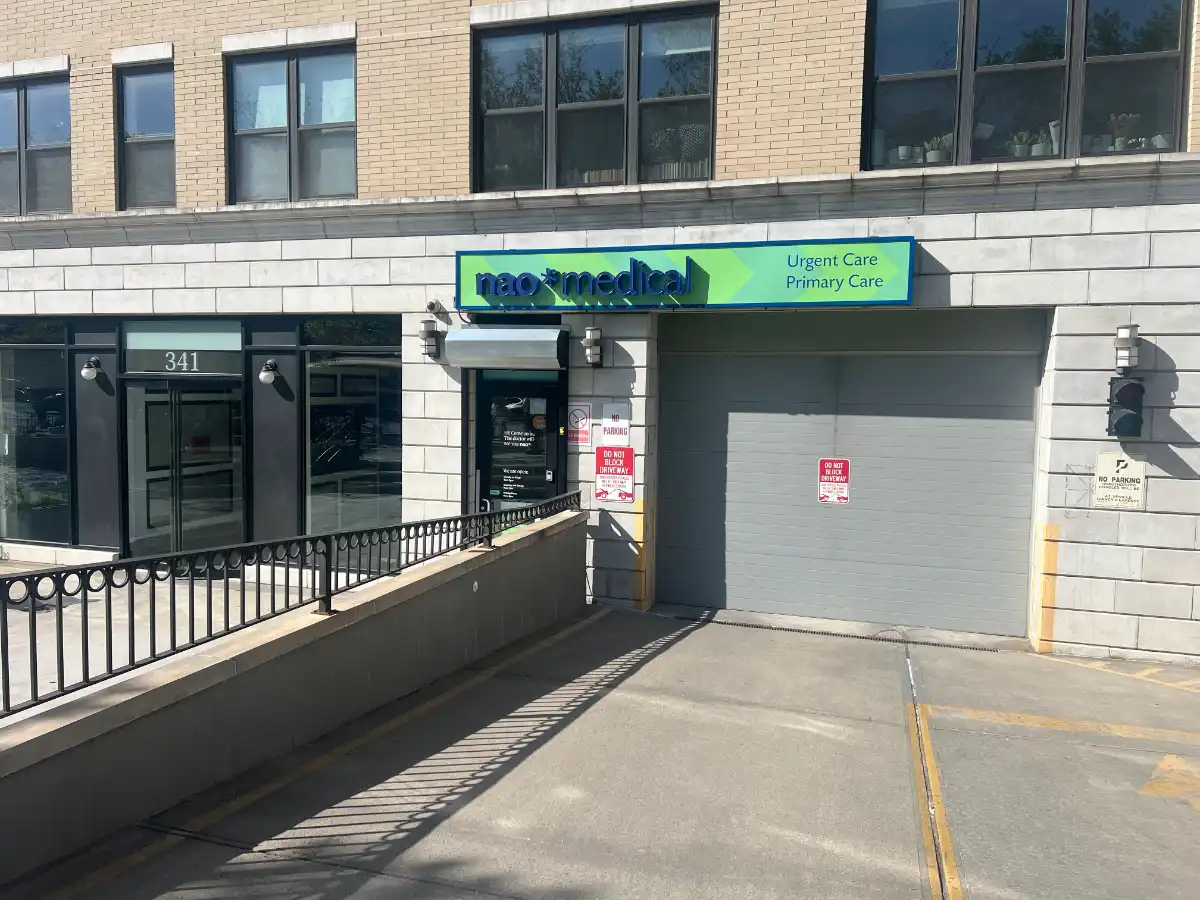
Brooklyn
341 Eastern Pkwy, Brooklyn, NY 11216
A Brooklyn administration site for referral-based CABENUVA injections, repeat monthly or every-other-month visits, and coverage coordination for patients in Crown Heights, Prospect Heights, and nearby Brooklyn neighborhoods.
View CABENUVA location details Get directions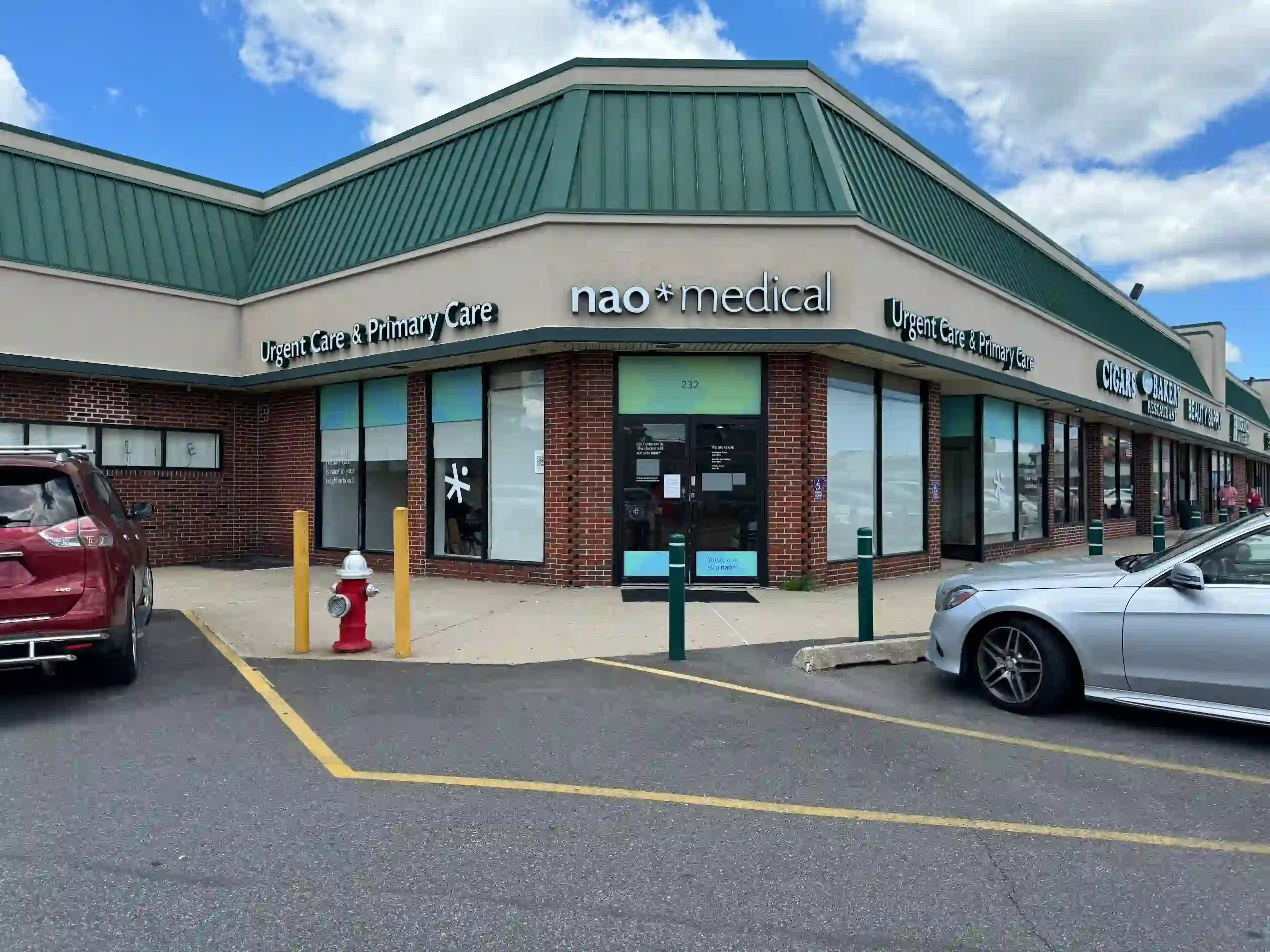
Long Island
232 W Old Country Rd, Hicksville, NY 11801
A Long Island administration site for referral-based CABENUVA injections, repeat monthly or every-other-month visits, and coverage coordination for patients in Hicksville, Plainview, Bethpage, and nearby Nassau County communities.
View CABENUVA location details Get directions
Queens
80-10 Northern Blvd, Jackson Heights, NY 11372
A Queens administration site for referral-based CABENUVA injections, repeat monthly or every-other-month visits, and coverage coordination for patients in Jackson Heights, Elmhurst, Corona, and nearby Queens neighborhoods.
View CABENUVA location details Get directions
Queens
90-18 Sutphin Blvd, Jamaica, NY 11435
A Queens administration site for referral-based CABENUVA injections, repeat monthly or every-other-month visits, and coverage coordination for patients in Jamaica, Briarwood, Richmond Hill, and nearby Queens neighborhoods.
View CABENUVA location details Get directions
Queens
30-07 36th Ave, Astoria, NY 11106
A Queens administration site for referral-based CABENUVA injections, repeat monthly or every-other-month visits, and coverage coordination for patients in Long Island City, Astoria, Sunnyside, and nearby Queens neighborhoods.
View CABENUVA location details Get directions
Long Island
135 Mineola Blvd, Mineola, NY 11501
A Long Island administration site for referral-based CABENUVA injections, repeat monthly or every-other-month visits, and coverage coordination for patients in Mineola, Garden City, Westbury, and nearby Nassau County communities.
View CABENUVA location details Get directions
Manhattan
259 1st Ave, New York, NY 10003
A Manhattan administration site for referral-based CABENUVA injections, repeat monthly or every-other-month visits, and coverage coordination for patients in StuyTown, East Village, Gramercy, and nearby Manhattan neighborhoods.
View CABENUVA location details Get directions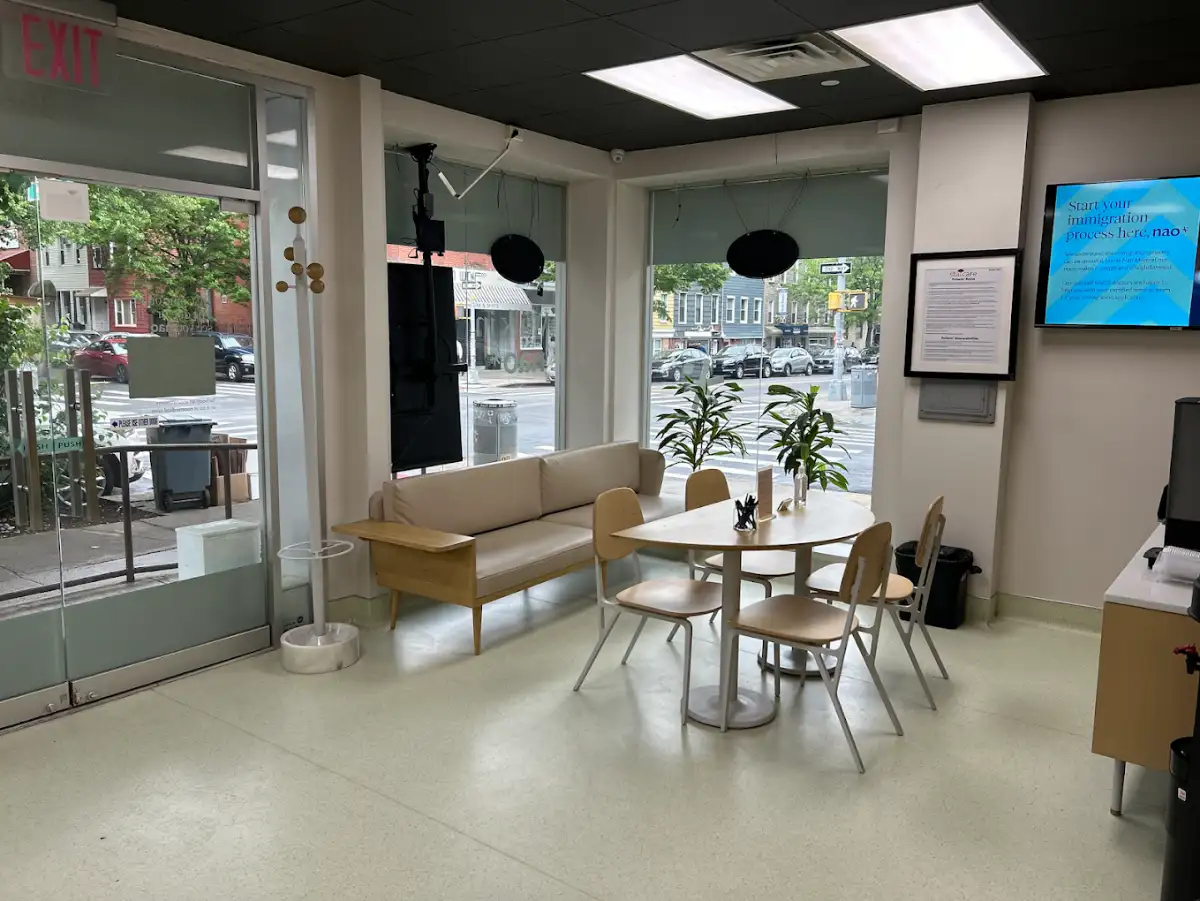
Brooklyn
308 Graham Ave, Brooklyn, NY 11211
A Brooklyn administration site for referral-based CABENUVA injections, repeat monthly or every-other-month visits, and coverage coordination for patients in Williamsburg, Greenpoint, Bushwick, and nearby Brooklyn neighborhoods.
View CABENUVA location details Get directions
Arrange an evaluation to discuss suitable care, preparation and follow-up with a clinician.
See CABENUVA locations