Parent intake
Complete the history and symptom forms sent after scheduling. Include current medicines, allergies, prior diagnoses, and major health events.


Initial visit is in person. Child ADHD assessment usually needs a deeper review than a brief virtual medication visit. Diagnosis and medication are not guaranteed at the first appointment.
ADHD is not diagnosed from one symptom, one questionnaire, or a short medication request. The evaluation looks for a persistent pattern across settings, functional impact, and other conditions that can explain or complicate the symptoms.


The initial child ADHD evaluation is in person. Confirm the location, child’s age and pediatric clinician when scheduling. Ask which parent and teacher forms and earlier records are needed. Information across settings helps explain impairment; a questionnaire score alone does not establish diagnosis. Share differences between school and home honestly. The clinician considers development, sleep, learning, mood and other explanations. AAP preschool guidance prioritizes parent training and classroom support; later age groups have different treatment recommendations. Agree on next information, follow-up, school coordination and any specialist referral before treating a visit as the completed care plan.
A child ADHD evaluation combines information from the child or adolescent, caregivers, school and health history. Difficulty paying attention, staying still or managing impulses can have several causes. ADHD assessment looks for a persistent pattern that affects functioning in more than one setting and considers other explanations. There is no single blood test, questionnaire or computer task that independently establishes the diagnosis. The first visit can identify more information or follow-up needs.
The evaluation compares development, symptoms and functioning with established diagnostic criteria. Rating scales organize observations; they do not replace a clinical interview and review. Sleep problems, anxiety, depression, learning difficulties, sensory problems and other conditions can resemble ADHD or occur alongside it. Treatment aims to improve daily functioning through a plan suited to the child’s age, needs and environment.
The AAP guideline covers evaluation and care from age 4 to the eighteenth birthday. The child ADHD service lists ages 4 through 18 and an initial in-person evaluation; confirm current scheduling eligibility and the clinician’s pediatric experience. Younger children with developmental concerns need an appropriate pediatric or developmental pathway. Do not assume that a school evaluation, a diagnosis made elsewhere or a family history automatically establishes an ADHD diagnosis or medication eligibility.
Bring school reports, previous evaluations, hearing and vision information, sleep history, medicines and examples of difficulties. Parent and teacher forms can help describe functioning across settings. With permission, records from other clinicians may also be useful.
The clinician reviews developmental and medical history and asks about symptoms and daily impact. The child’s perspective matters. The balance of joint and private discussion depends on age, consent and the clinical situation.
The assessment checks whether another condition better explains the difficulties or needs care alongside ADHD. Learning, sleep, anxiety, mood, developmental and behavioral concerns can change the testing, referral and treatment plan.
For children age 4 to before 6, evidence-based parent training and classroom behavioral support are first-line care. The AAP allows consideration of methylphenidate when these do not sufficiently improve persistent moderate-to-severe impairment; when behavioral care is unavailable, the clinician weighs the risks of medication against delaying treatment. School-age care combines appropriate FDA-approved medication with behavioral and school support. Adolescent treatment decisions include the adolescent’s assent.
Agree on goals at home and school and how you will review change. School supports may include an IEP or 504 plan when the school determines eligibility. A medical diagnosis does not by itself guarantee either plan.
Explain the visit in age-appropriate language as a way to understand difficulties and get support. Write down strengths as well as concerns. Ask which forms need completion, whether your child attends the whole visit and how records are sent securely. If a teacher form is delayed or differs from your observations, tell the clinician; do not change answers to force agreement. Bring the actual medication list and earlier reports.
Medication and a final diagnosis are not guaranteed at the first visit. If medication is selected, the prescriber reviews growth, appetite, sleep, pulse, blood pressure, relevant health history and product-specific warnings, with ongoing monitoring. Do not give another person’s medicine or change a prescription yourself. A child who is in immediate danger, cannot remain safe or has a severe new psychiatric symptom needs urgent assessment rather than waiting for a routine ADHD appointment.
ADHD care is continuing care, not only a diagnostic label or a prescription. Review functioning, treatment tolerability and observations from home and school. The clinician may adjust behavioral support, medication or referral according to response and new findings. Adolescents should take part in treatment decisions at an appropriate level. Keep records across provider or school changes and ask which clinician will manage the next review.
The initial child ADHD visit is in person. Confirm the location, age eligibility, pediatric clinician, required forms and any assessment fees before booking. Later visit format follows the clinician’s plan. Ask about the exact Medicaid or other insurance product, clinician participation, authorization and any separately billed testing. A carrier name alone does not confirm that a particular child evaluation or follow-up service is covered.
The AAP guideline addresses age 4 to the eighteenth birthday; The child ADHD service lists ages 4 through 18. Clinical guidance and scheduling eligibility are separate. Confirm the actual age criteria and clinician’s experience, including transition to adult care. Younger children need an appropriate developmental pathway.
No. Assessment combines clinical history, symptoms, functioning and information across settings, while considering other explanations. Questionnaires help organize observations but cannot independently establish the diagnosis. The clinician may recommend further assessment when the initial information is incomplete.
Information from school helps the clinician assess functioning across settings, and teacher questionnaires are often useful. Ask which forms the service requests. If a teacher form is delayed or unavailable, discuss another appropriate source of information rather than completing it for the teacher.
Not necessarily. The first visit may identify more information, behavioral support, testing or referral needs. Treatment depends on the assessment and age. Preschool guidance prioritizes parent training and classroom support; any medication decision requires a suitable prescriber and monitoring plan.
Tell the clinician and bring relevant records. These concerns can resemble ADHD or coexist with it, changing the assessment and treatment plan. The next step may include targeted evaluation, school information or referral rather than assuming every difficulty has one cause.
The initial child ADHD evaluation is in person. Confirm the location and appointment type with the team. Later visit format depends on the clinician’s plan; do not assume an adult virtual medication appointment provides the same pediatric assessment.
Ask the team and your plan to check the exact Medicaid product, pediatric clinician, evaluation and any separately billed testing. Coverage depends on the exact plan and requested service. Confirm referrals, authorization and expected responsibility before the visit.
Share both observations honestly. Demands and supports can differ between home and school, and another condition may contribute. The clinician reviews specific examples across settings rather than deciding from a vote or changing a form to produce agreement.
Explain that the visit is to understand what feels difficult and find support. Include strengths and invite your child’s questions. Ask the service how it involves the child and caregivers, and bring notes so important information can be discussed respectfully.
ADHD is a developmental disorder involving persistent inattention, hyperactivity, impulsivity or a combination of these symptoms. The pattern interferes with functioning beyond what is expected for the child’s age. Symptoms begin in childhood and occur in more than one setting. A child who is occasionally distracted or active does not automatically have ADHD. Assessment brings together development, health history and information from home and school, and considers other explanations.
The exact causes are not fully known. Research indicates that genes play an important role, and researchers also study brain development and other biological or environmental contributors. ADHD is not established by one family-history fact, parenting observation or a laboratory test. If you are concerned, focus on the child’s persistent symptoms and functioning and arrange an appropriate evaluation. Assessment also checks sleep, anxiety, learning and medical concerns that can resemble or accompany ADHD.
Examples include repeatedly losing items, struggling to finish or organize tasks, being easily distracted, excessive fidgeting or talking, and interrupting or acting before thinking. Some children mainly have attention difficulties and are not visibly hyperactive. The pattern must persist, be inappropriate for developmental level, affect functioning and be present in more than one setting. Record examples from home and school and discuss them with a clinician; a symptom list alone cannot diagnose ADHD.
A diagnosis should come from a full evaluation, not one questionnaire or an isolated observation. The clinician checks persistent symptoms, developmental appropriateness, impairment and more than one setting, using information from caregivers and school. They also consider sleep, learning, anxiety, mood and other conditions. General claims about overdiagnosis cannot determine whether your child has ADHD. If the explanation does not fit what you see, ask how the criteria were met or seek another qualified assessment before changing treatment.
Complete the history and symptom forms sent after scheduling. Include current medicines, allergies, prior diagnoses, and major health events.
Ask the school to complete requested rating scales or provide recent observations, report cards, evaluations, and support plans.
Bring prior psychological, developmental, pediatric, school, therapy, or medication records when available.
Write down the main concerns, what has already been tried, and the changes the family hopes to see.

Bronx
932 E 174th St, Bronx, NY 10460
The initial child ADHD evaluation is in person. The care team will confirm the eligible clinician and clinic before scheduling.

Queens
37-15 23rd Ave, Astoria, NY 11105
The initial child ADHD evaluation is in person. The care team will confirm the eligible clinician and clinic before scheduling.

Bronx
2063A Bartow Ave, Bronx, NY 10475
The initial child ADHD evaluation is in person. The care team will confirm the eligible clinician and clinic before scheduling.
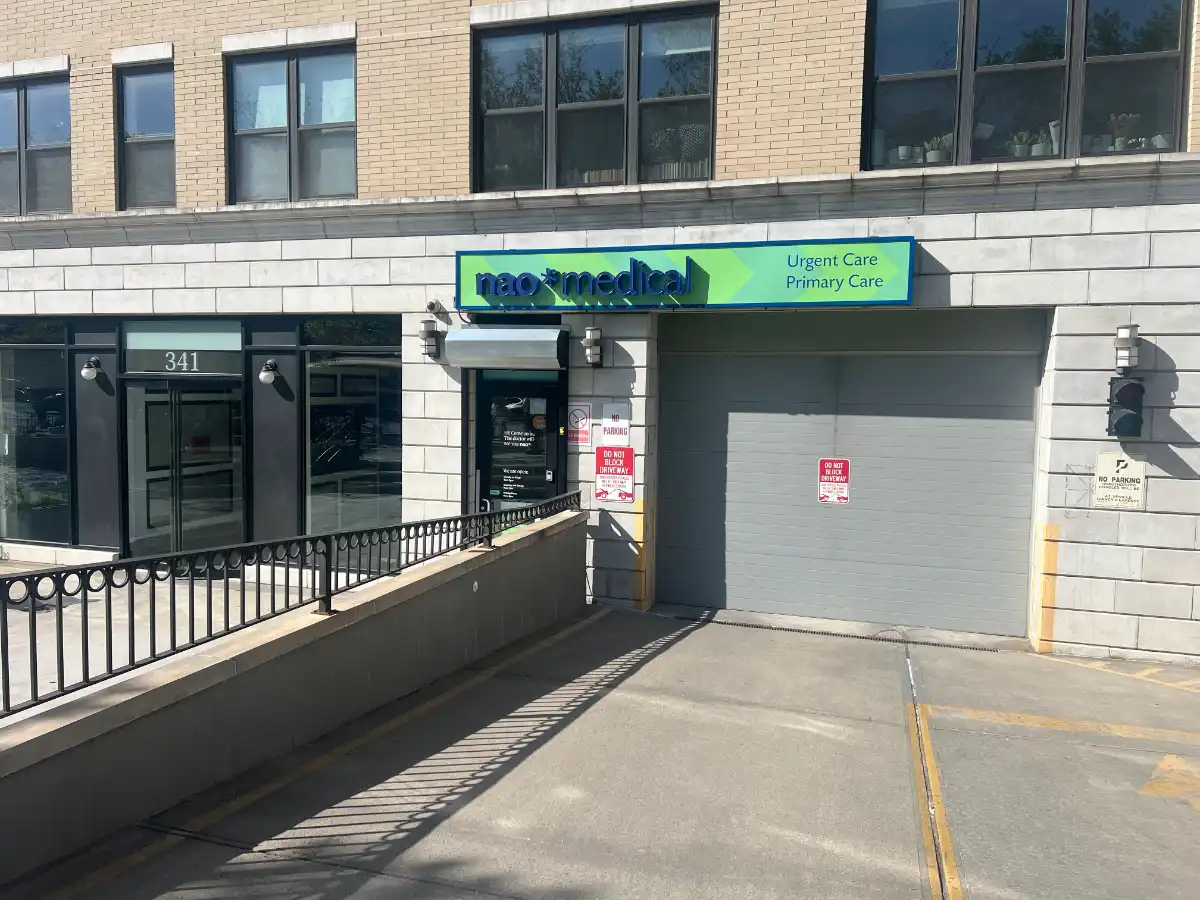
Brooklyn
341 Eastern Pkwy, Brooklyn, NY 11216
The initial child ADHD evaluation is in person. The care team will confirm the eligible clinician and clinic before scheduling.

Long Island
232 W Old Country Rd, Hicksville, NY 11801
The initial child ADHD evaluation is in person. The care team will confirm the eligible clinician and clinic before scheduling.

Queens
80-10 Northern Blvd, Jackson Heights, NY 11372
The initial child ADHD evaluation is in person. The care team will confirm the eligible clinician and clinic before scheduling.
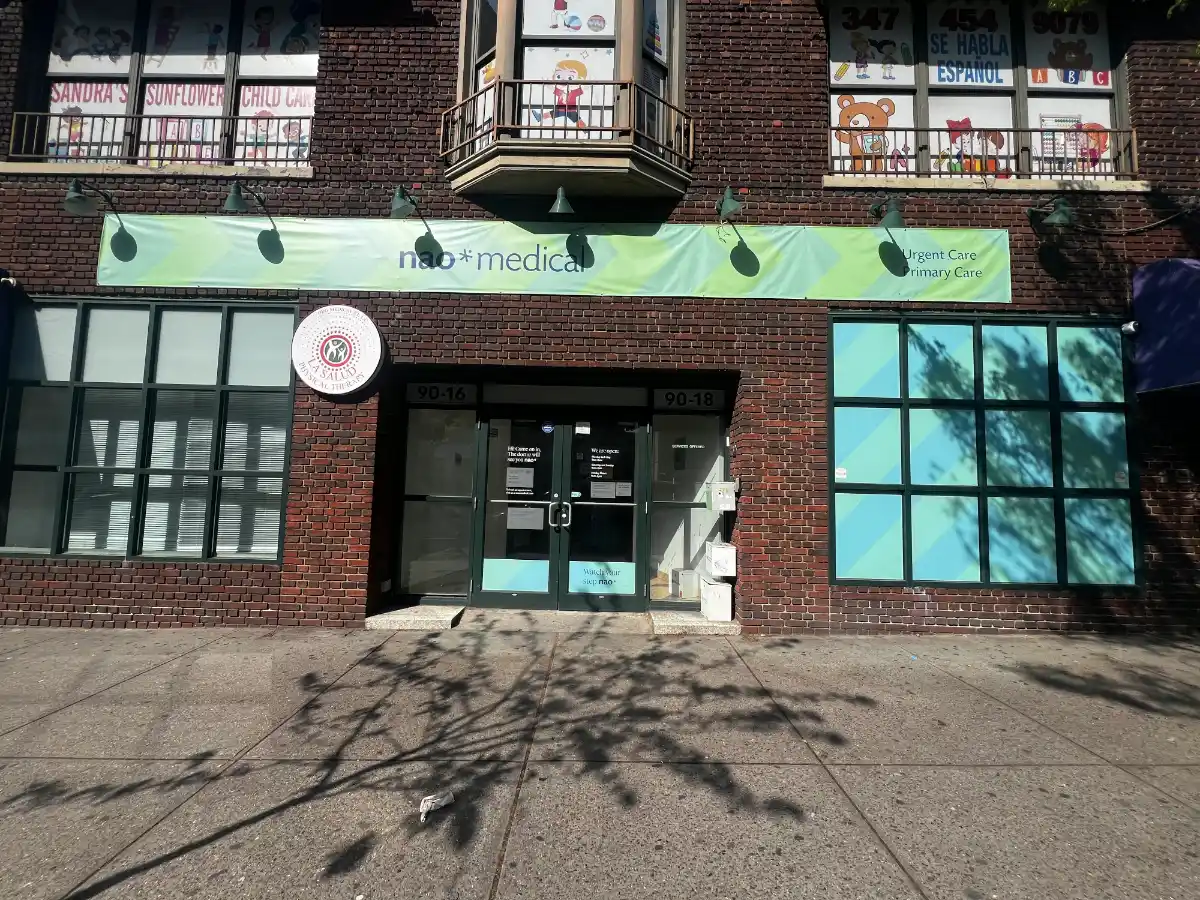
Queens
90-18 Sutphin Blvd, Jamaica, NY 11435
The initial child ADHD evaluation is in person. The care team will confirm the eligible clinician and clinic before scheduling.

Queens
30-07 36th Ave, Astoria, NY 11106
The initial child ADHD evaluation is in person. The care team will confirm the eligible clinician and clinic before scheduling.
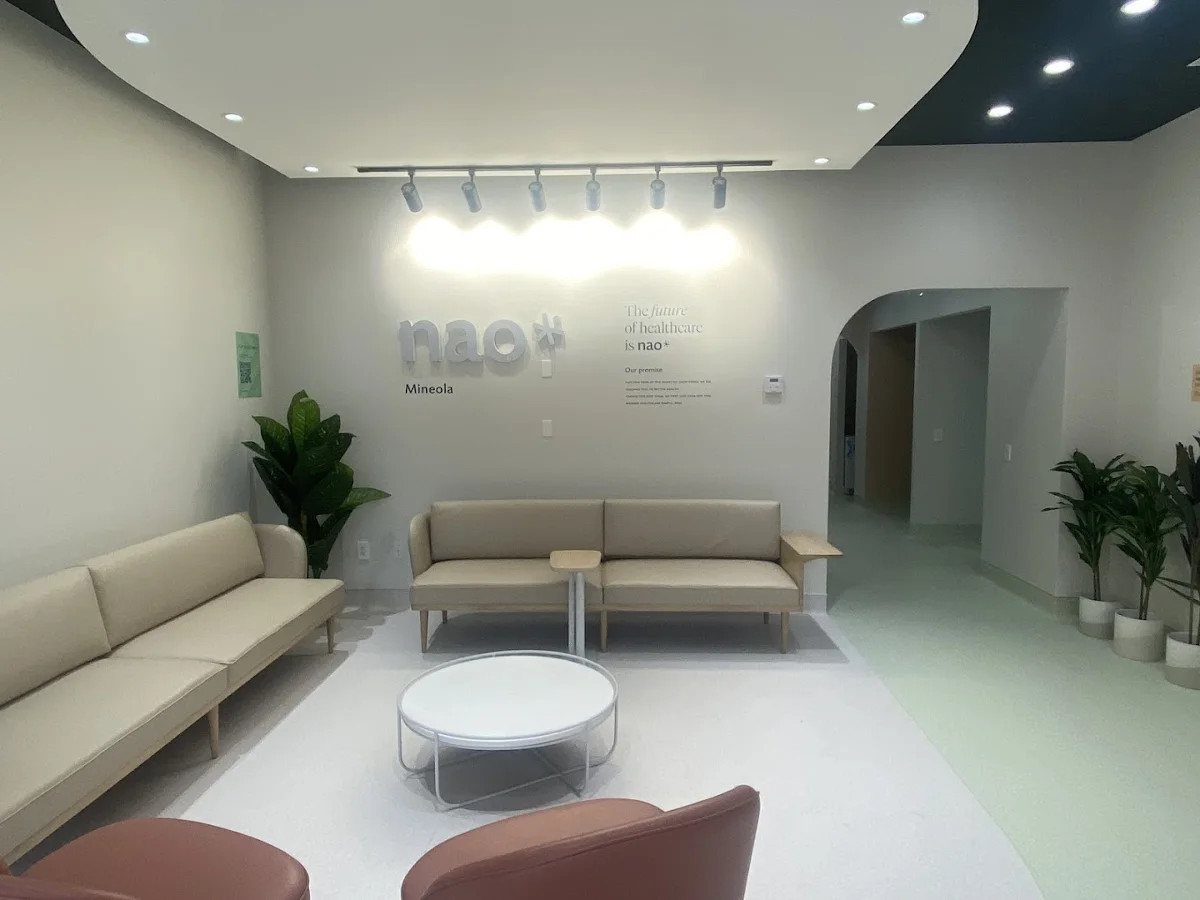
Long Island
135 Mineola Blvd, Mineola, NY 11501
The initial child ADHD evaluation is in person. The care team will confirm the eligible clinician and clinic before scheduling.

Manhattan
259 1st Ave, New York, NY 10003
The initial child ADHD evaluation is in person. The care team will confirm the eligible clinician and clinic before scheduling.
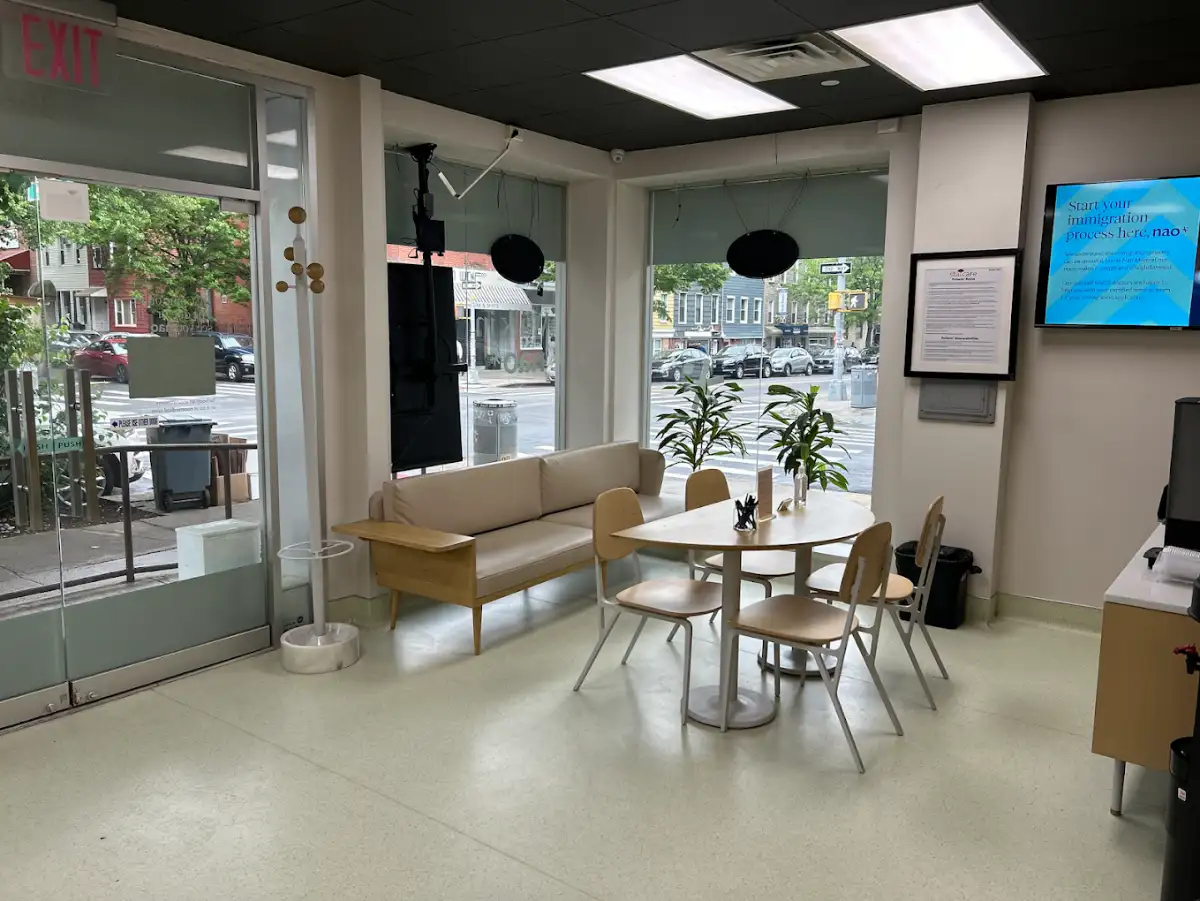
Brooklyn
308 Graham Ave, Brooklyn, NY 11211
The initial child ADHD evaluation is in person. The care team will confirm the eligible clinician and clinic before scheduling.
Evaluation and medication management for patients age 18 and older.
Coordinate general health, growth, development, hearing, vision, sleep, and preventive-care questions.
Review anxiety, depression, behavior, trauma, or other behavioral-health concerns.
Content was updated August 4, 2026 from the cited sources and Nao Medical's current service information. Medical guidance, prescribing information, medication availability, and insurance rules can change. A licensed clinician must confirm current information and determine each patient's eligibility, testing, treatment, administration setting, and follow-up. Call 911 for a medical emergency. Contact Nao Medical with a question or correction.