IV hydration puts fluid into a vein. It can be medically useful when a person cannot replace enough fluid by drinking or needs a monitored treatment for a specific condition.

IV hydration puts fluid into a vein. It can be medically useful when a person cannot replace enough fluid by drinking or needs a monitored treatment for a specific condition. Mild dehydration in someone who can drink may be managed with oral fluids. An IV wellness menu is not a substitute for finding the cause of vomiting, dizziness or fatigue.
IV fluids deliver water and electrolytes directly into the bloodstream. The clinician chooses the fluid and amount after assessing the illness, circulation, kidneys and other conditions. A saline infusion and a compounded vitamin mixture are different treatments. Compounded drugs do not receive FDA premarket approval for safety, effectiveness and quality.
Not everyone should receive IV fluid. Heart failure, kidney disease, electrolyte problems and certain medicines can increase risk. Children and pregnant patients need an appropriate clinical evaluation rather than a routine adult wellness protocol. A person with severe dehydration, confusion or signs of shock may need emergency treatment.
The visit begins with symptoms, fluid losses, oral intake and a clinical assessment. Staff may check vital signs and order tests where indicated. If an IV is appropriate, confirm the fluid, ingredients, dose and monitoring plan before placing the line. An assessment may instead lead to oral rehydration, treatment of the underlying illness or referral.
Bring the medicine list, allergies, medical conditions and information about recent vomiting, diarrhea or intake. Ask what each ingredient is intended to treat and whether it is an approved product or compounded preparation. Appointment length depends on the volume, infusion rate and monitoring. No standard visit time or universal recurring schedule is established here.
Risks include infection, bruising, vein inflammation, fluid overload and electrolyte imbalance; added drugs or vitamins have their own risks. Report pain or swelling at the IV site, breathing difficulty, chest discomfort or worsening dizziness immediately. Seek urgent help for severe symptoms or inability to keep fluids down. Routine detoxification, antiaging or immune-boosting benefits have not been established.
How you feel afterward depends on the illness and whether dehydration was contributing to symptoms. An IV does not guarantee improved energy or a cure. Discuss follow-up for persistent vomiting, recurrent dehydration or continued fatigue. Repeat infusions should follow an assessed medical need and reassessment, rather than a fixed wellness schedule for every healthy person.
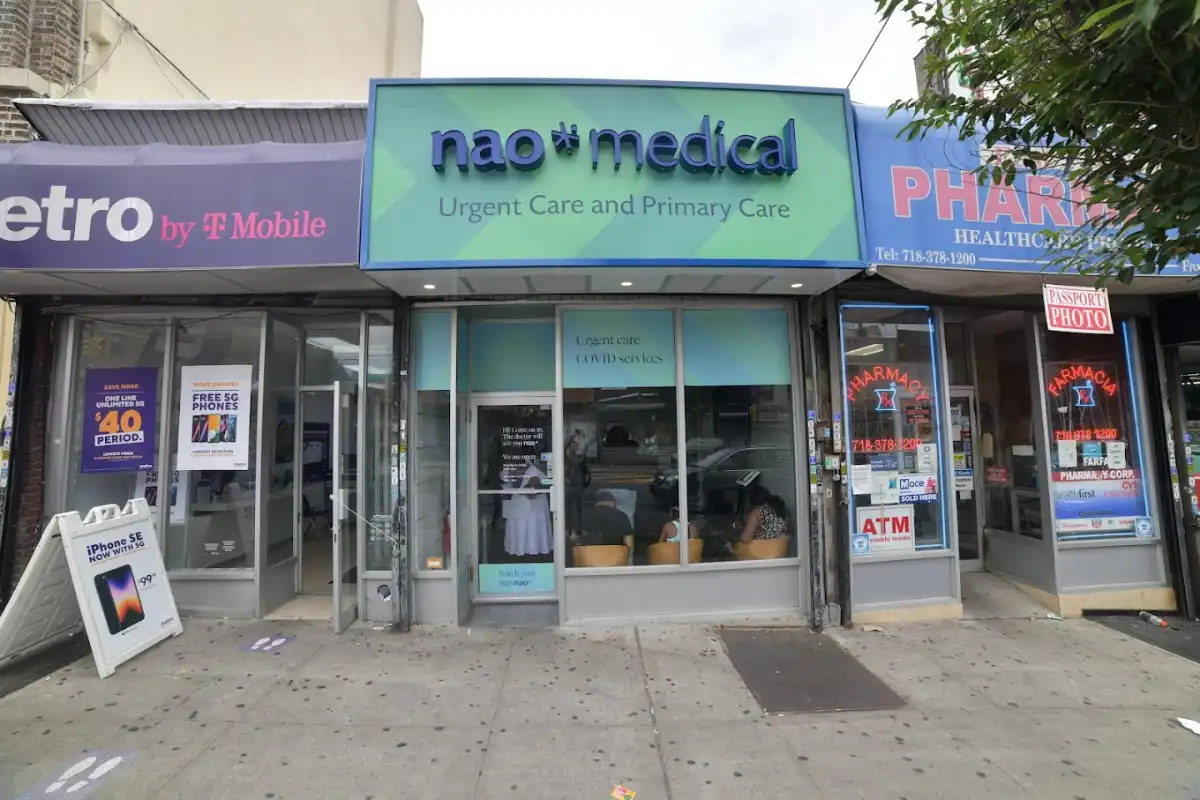
Confirm the chosen Nao clinic’s actual IV service, appointment requirements, clinician assessment, ingredients, charge and after-hours advice. Telemedicine can discuss symptoms but cannot place an IV. Home administration and pediatric services require separate confirmation. Insurance or self-pay access does not determine whether treatment is medically appropriate.
Ask for the actual prescribed fluid and ingredient list before treatment. Saline or another clinically selected solution is different from a compounded vitamin mixture. The choice depends on the illness and risks. Confirm the clinic’s available products; routine detox, antiaging and immune-boosting benefits have not been established.
The clinician first reviews symptoms, fluid losses, intake, medicines and medical conditions. If IV fluid is appropriate, staff place a small tube in a vein and administer the selected solution at the prescribed rate while monitoring you. Report pain, swelling, dizziness or breathing difficulty. You should receive aftercare instructions and a plan for persistent symptoms.
Risks include infection, bruising, vein inflammation, fluid overload and electrolyte imbalance; added drugs or vitamins have their own risks. Report pain or swelling at the IV site, breathing difficulty, chest discomfort or worsening dizziness immediately. Seek urgent help for severe symptoms or inability to keep fluids down. Routine detoxification, antiaging or immune-boosting benefits have not been established.
Some people feel better when dehydration is corrected, but the response depends on the cause and severity of the illness. An IV does not guarantee rapid recovery or improved energy. Tell the clinician about symptoms that persist or worsen, and ask when drinking and usual activities can resume. Confusion, fainting, severe breathing trouble or vomiting that does not stop needs an emergency department assessment now. If you are fainting, have severe breathing trouble or cannot travel safely, call 911. Repeated vomiting or inability to drink needs prompt clinical advice, even without those emergency symptoms. Do not wait for an IV appointment when emergency symptoms occur.
Recovery depends on the illness, the ingredients and any reaction. An IV visit does not guarantee immediate wellness or fitness to drive or work. Ask for aftercare instructions and seek review for persistent or worsening symptoms.
Tell staff immediately about IV-site pain or swelling, new breathing difficulty, chest discomfort or worsening dizziness. Contact the treating team for persistent vomiting, worsening dehydration or symptoms that do not improve. Severe symptoms, confusion, fainting or inability to keep fluids down need urgent medical assessment.
IV, or intravenous, means into or within a vein. IV therapy gives fluid or medicine through a needle or tube in a vein. IV fluids are liquid solutions, such as fluid containing salt, used to replace lost water and electrolytes. IV hydration is one type of IV therapy, used when medically appropriate. Mild dehydration may improve with oral fluids; severe dehydration may need hospital treatment.