
Bronx
174th Street
932 E 174th St, Bronx, NY 10460
Evaluation and coordination only. Confirm an eligible clinic for the exact medicine, test, injection, insertion, removal, or infusion before treatment.




Jubbonti is denosumab-bbdz, a biosimilar to Prolia, an injection used for specified adult bone-loss conditions at high fracture risk. It is different from oncology-dose denosumab products. A plan for timely future doses and any eventual discontinuation is essential before starting.
Denosumab inhibits RANKL, reducing the activity of cells that break down bone. This helps strengthen bone but does not remain in bone like a bisphosphonate. Protection can be lost rapidly after stopping, so a routine drug holiday is not an appropriate assumption.
The label includes postmenopausal osteoporosis at high fracture risk, men with osteoporosis at high risk, glucocorticoid-induced osteoporosis in qualifying adults, and specified cancer-hormone-treatment-related bone loss. The clinician reviews the actual diagnosis, fracture risk, calcium, kidney disease and pregnancy potential.
Jubbonti is administered by a healthcare provider as 60 mg under the skin every six months. Correct hypocalcemia first and arrange calcium and vitamin D support. Confirm the order, date of the previous dose, safety results and continuity plan. Switching from Prolia to Jubbonti requires coordination so a dose is not duplicated or missed.
Bring DXA and fracture records, kidney and calcium-related results, medicines, last dose and dental information. Pregnancy must be excluded before treatment when relevant. A prescriber performs an oral examination; additional dental assessment depends on risk. Advanced kidney disease needs CKD-mineral and bone disorder evaluation and an experienced supervising clinician.
The boxed warning concerns severe hypocalcemia in advanced kidney disease, including dialysis. The label calls for intensive calcium monitoring in these patients. Review low-calcium symptoms, jaw problems, unusual thigh pain and infections. Do not receive another denosumab product concurrently. Emergency symptoms require urgent assessment.
Do not stop or delay treatment without contacting the prescriber: multiple vertebral fractures can follow discontinuation, and a subsequent antiresorptive plan is needed. For advanced CKD, the label specifies calcium checks weekly for the first month and monthly thereafter. Other monitoring depends on the patient’s risks and clinical plan.
Confirm the chosen clinic can administer the ordered product and has the required order, results and medication. Ask separately about the visit, laboratory tests, medicine and administration charges. Identify who owns the next dose and the plan if coverage, travel or a change in prescriber interrupts care.
Jubbonti is denosumab-bbdz, a biosimilar to Prolia, an injection used for specified adult bone-loss conditions at high fracture risk. It is different from oncology-dose denosumab products. A plan for timely future doses and any eventual discontinuation is essential before starting. Jubbonti is administered by a healthcare provider as 60 mg under the skin every six months. Correct hypocalcemia first and arrange calcium and vitamin D support. Confirm the order, date of the previous dose, safety results and continuity plan. Switching from Prolia to Jubbonti requires coordination so a dose is not duplicated or missed.
Jubbonti is an FDA-approved interchangeable biosimilar to Prolia, with no clinically meaningful differences for its approved uses. It is a different brand of denosumab treatment and shares important low-calcium and stopping precautions. A switch must preserve the correct dose dates and avoid duplicate denosumab; pharmacy, payer and state substitution rules still apply.
Jubbonti is administered by a healthcare provider as 60 mg under the skin every six months. Correct hypocalcemia first and arrange calcium and vitamin D support. Confirm the order, date of the previous dose, safety results and continuity plan. Switching from Prolia to Jubbonti requires coordination so a dose is not duplicated or missed.
Bring DXA and fracture records, kidney and calcium-related results, medicines, last dose and dental information. Pregnancy must be excluded before treatment when relevant. A prescriber performs an oral examination; additional dental assessment depends on risk. Advanced kidney disease needs CKD-mineral and bone disorder evaluation and an experienced supervising clinician.
Denosumab and zoledronic acid can rarely cause osteonecrosis of the jaw. Tell the prescriber about dental disease and planned procedures; an oral examination and risk-based dental review help plan care. Do not stop denosumab on your own for a dental procedure because interruption can cause vertebral fractures. Coordinate with the dentist and prescriber.
A switch may be possible because Jubbonti is an FDA-approved interchangeable biosimilar to Prolia. Coordinate it with the prescriber and pharmacy, including the last dose, next six-month dose, product supply, coverage and applicable state rules. Do not duplicate or interrupt denosumab, and keep the same calcium, kidney-risk and discontinuation precautions.
Do not stop or delay treatment without contacting the prescriber: multiple vertebral fractures can follow discontinuation, and a subsequent antiresorptive plan is needed. For advanced CKD, the label specifies calcium checks weekly for the first month and monthly thereafter. Other monitoring depends on the patient’s risks and clinical plan.
Coverage depends on the exact service, product, indication, provider and plan rules. Confirm the chosen clinic can administer the ordered product and has the required order, results and medication. Ask separately about the visit, laboratory tests, medicine and administration charges. Identify who owns the next dose and the plan if coverage, travel or a change in prescriber interrupts care.
Before treatment starts, confirm the diagnosis, the intended benefit, the exact treatment and who will coordinate ongoing care. Jubbonti is administered by a healthcare provider as 60 mg under the skin every six months. Correct hypocalcemia first and arrange calcium and vitamin D support. Confirm the order, date of the previous dose, safety results and continuity plan. Switching from Prolia to Jubbonti requires coordination so a dose is not duplicated or missed.
Prepare the relevant dated records, current medicine list and your main questions, and confirm any treatment-specific instructions before attending. Bring DXA and fracture records, kidney and calcium-related results, medicines, last dose and dental information. Pregnancy must be excluded before treatment when relevant. A prescriber performs an oral examination; additional dental assessment depends on risk. Advanced kidney disease needs CKD-mineral and bone disorder evaluation and an experienced supervising clinician.
Agree on the next review, how response and safety will be checked, and who to contact for symptoms, missed treatment or a refill problem. Do not stop or delay treatment without contacting the prescriber: multiple vertebral fractures can follow discontinuation, and a subsequent antiresorptive plan is needed. For advanced CKD, the label specifies calcium checks weekly for the first month and monthly thereafter. Other monitoring depends on the patient’s risks and clinical plan.
Jubbonti is denosumab-bbdz, a biosimilar biologic to Prolia rather than an ordinary small-molecule generic. It is FDA-approved as interchangeable with Prolia for its approved uses, with no clinically meaningful differences in safety and effectiveness. Interchangeability does not mean you should add it to Prolia or change dose dates yourself. Coordinate any substitution with the prescriber and pharmacy, preserving the six-month schedule, calcium precautions and stopping plan. Payer and state substitution requirements still apply.
A biosimilar may provide another covered option, but its name or approval does not guarantee a lower bill for you. Compare quotes for the same ordered dose and administration setting. Ask the plan which product it prefers, what authorization applies and what you owe for the medicine, injection, visit and tests. Coordinate a switch before the next six-month dose; a price comparison must not create a denosumab gap or duplicate dose. Confirm continued access and the discontinuation plan as well as the first-dose price.
Request a quote for the ordered 60-mg provider-administered injection every six months. Verify which product and benefit the plan approves and ask separately about the medicine, injection, visit and calcium or kidney-related testing. A drug’s quoted price is not necessarily the complete appointment cost or your insured share. Confirm the next dose and any switch from Prolia before changing supply; access problems should be raised early so treatment is not duplicated or unintentionally interrupted.
Ask the prescriber to plan the next medicine and its timing before a limited course ends. Evenity is limited to 12 monthly doses; if osteoporosis treatment remains necessary, its label advises considering subsequent antiresorptive treatment. Denosumab products such as Prolia and Jubbonti must not simply be stopped or delayed without a transition plan because vertebral fractures can follow discontinuation. A bisphosphonate pause is a separate decision based on reassessed fracture risk, rather than a rule to apply to every bone medicine.
Bronx
932 E 174th St, Bronx, NY 10460
Evaluation and coordination only. Confirm an eligible clinic for the exact medicine, test, injection, insertion, removal, or infusion before treatment.

Queens
37-15 23rd Ave, Astoria, NY 11105
Evaluation and coordination only. Confirm an eligible clinic for the exact medicine, test, injection, insertion, removal, or infusion before treatment.

Bronx
2063A Bartow Ave, Bronx, NY 10475
Evaluation and coordination only. Confirm an eligible clinic for the exact medicine, test, injection, insertion, removal, or infusion before treatment.
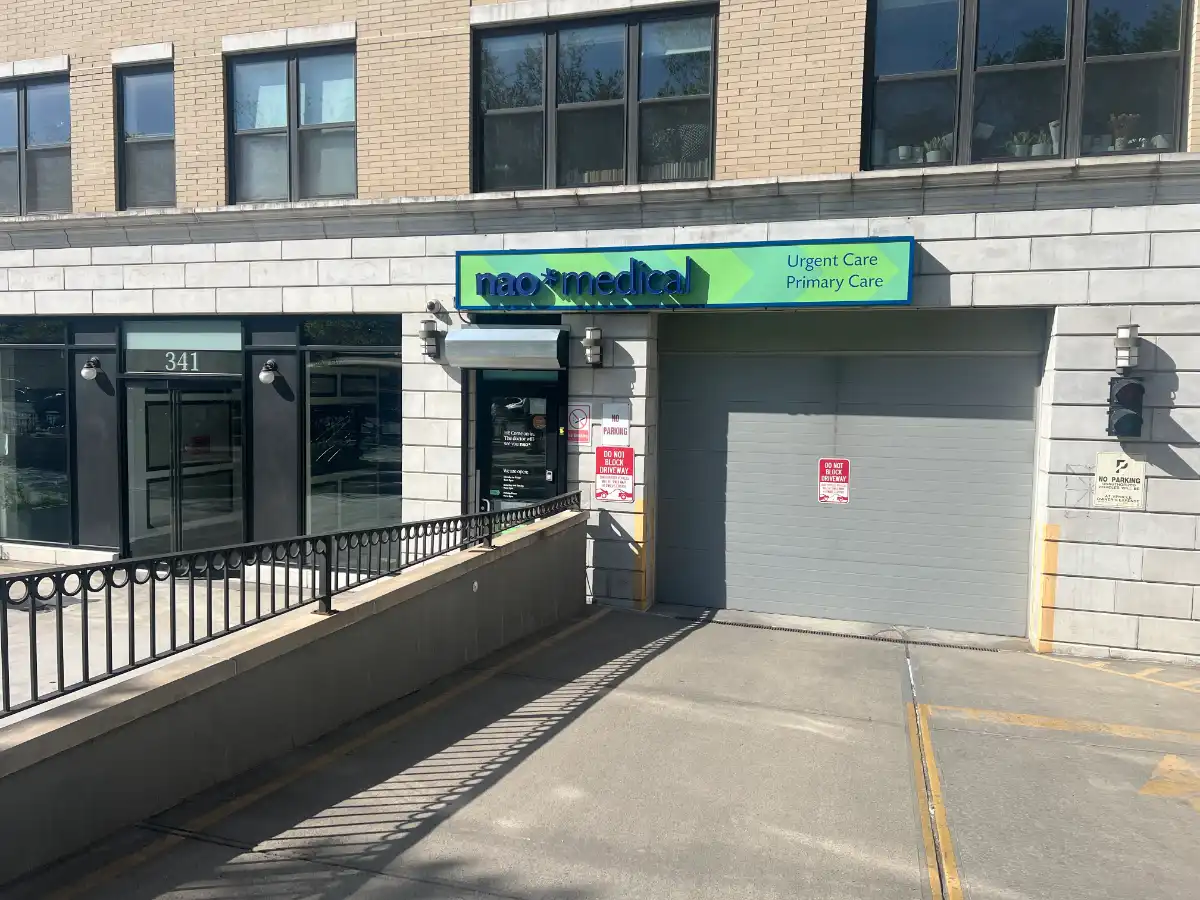
Brooklyn
341 Eastern Pkwy, Brooklyn, NY 11216
Evaluation and coordination only. Confirm an eligible clinic for the exact medicine, test, injection, insertion, removal, or infusion before treatment.
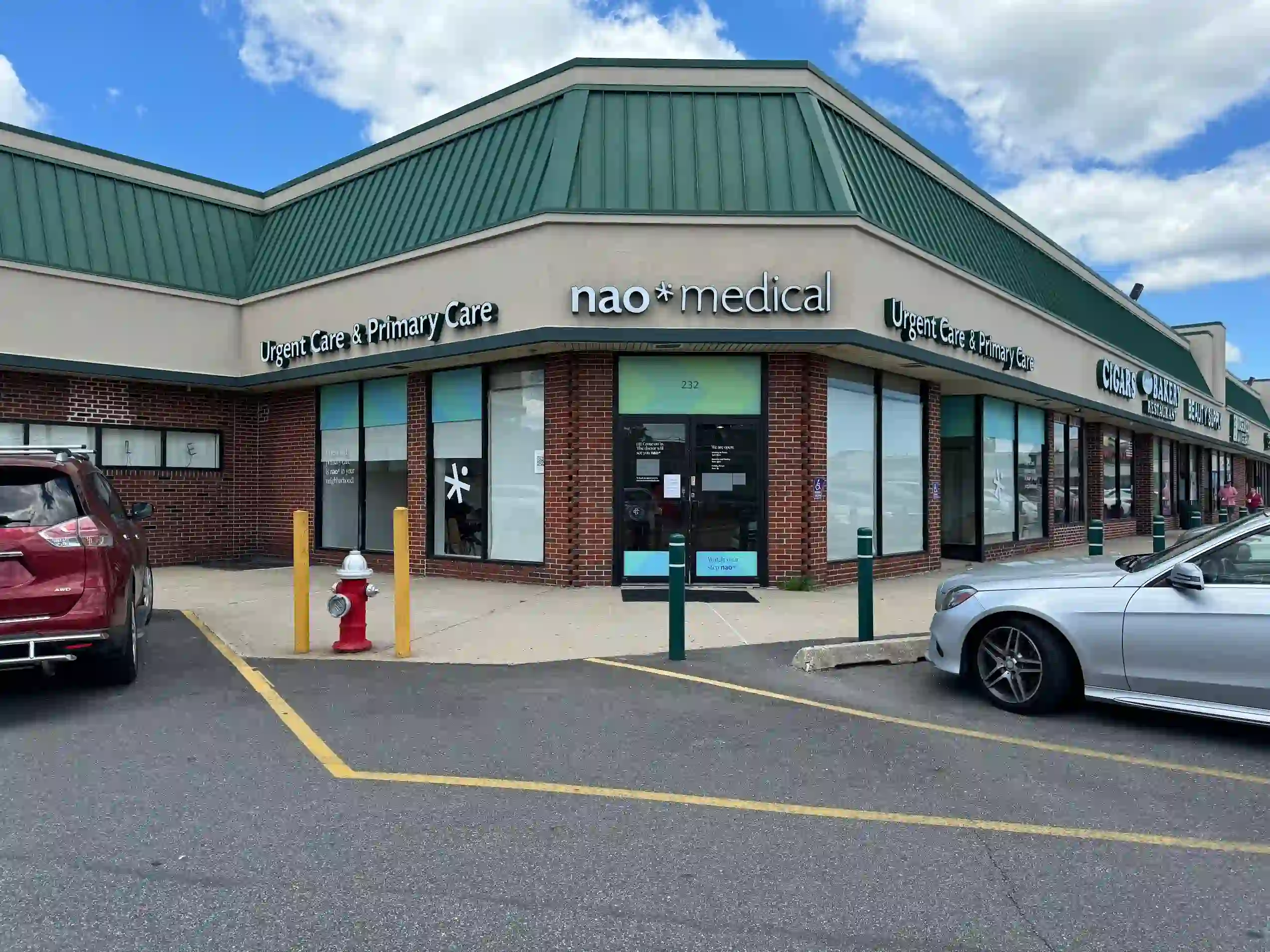
Long Island
232 W Old Country Rd, Hicksville, NY 11801
Evaluation and coordination only. Confirm an eligible clinic for the exact medicine, test, injection, insertion, removal, or infusion before treatment.
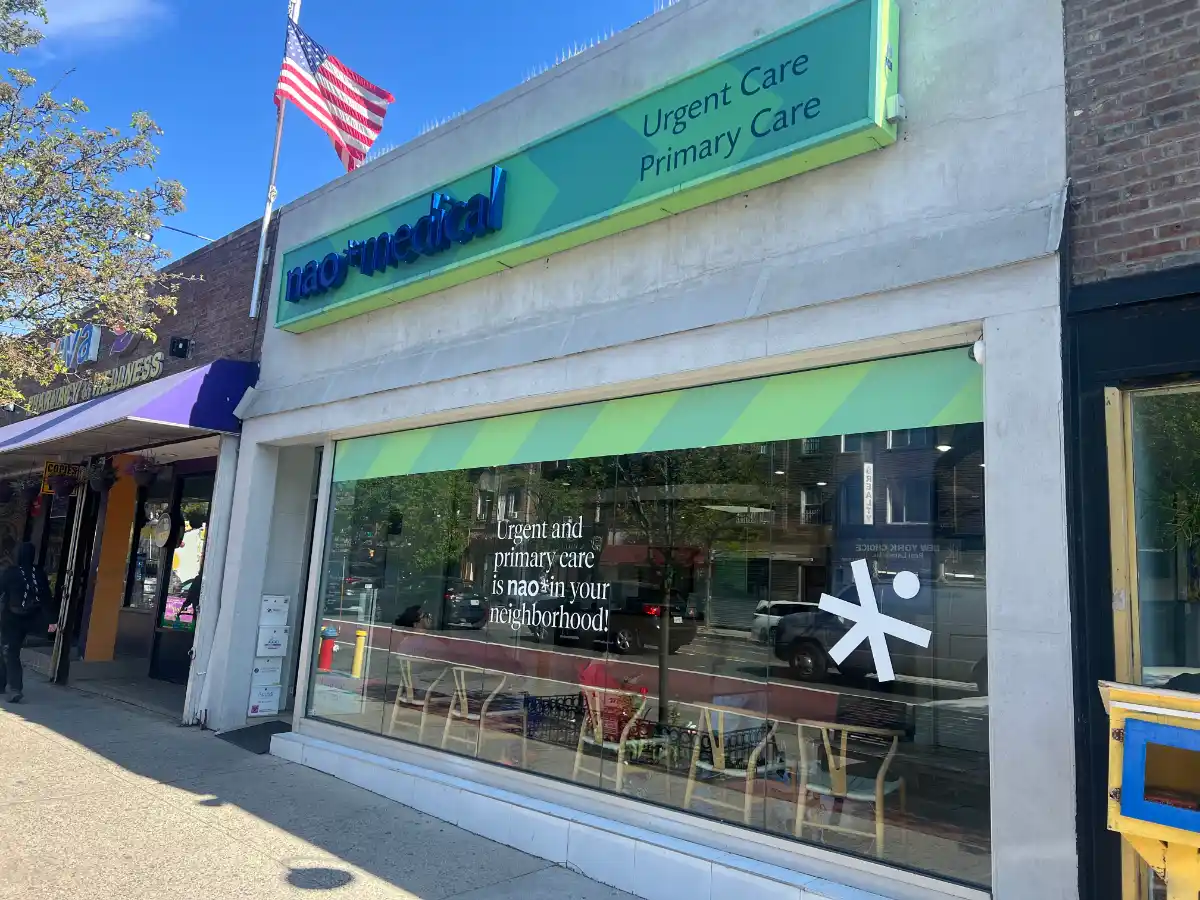
Queens
80-10 Northern Blvd, Jackson Heights, NY 11372
Evaluation and coordination only. Confirm an eligible clinic for the exact medicine, test, injection, insertion, removal, or infusion before treatment.

Queens
90-18 Sutphin Blvd, Jamaica, NY 11435
Evaluation and coordination only. Confirm an eligible clinic for the exact medicine, test, injection, insertion, removal, or infusion before treatment.

Queens
30-07 36th Ave, Astoria, NY 11106
Evaluation and coordination only. Confirm an eligible clinic for the exact medicine, test, injection, insertion, removal, or infusion before treatment.

Long Island
135 Mineola Blvd, Mineola, NY 11501
Evaluation and coordination only. Confirm an eligible clinic for the exact medicine, test, injection, insertion, removal, or infusion before treatment.

Manhattan
259 1st Ave, New York, NY 10003
Evaluation and coordination only. Confirm an eligible clinic for the exact medicine, test, injection, insertion, removal, or infusion before treatment.
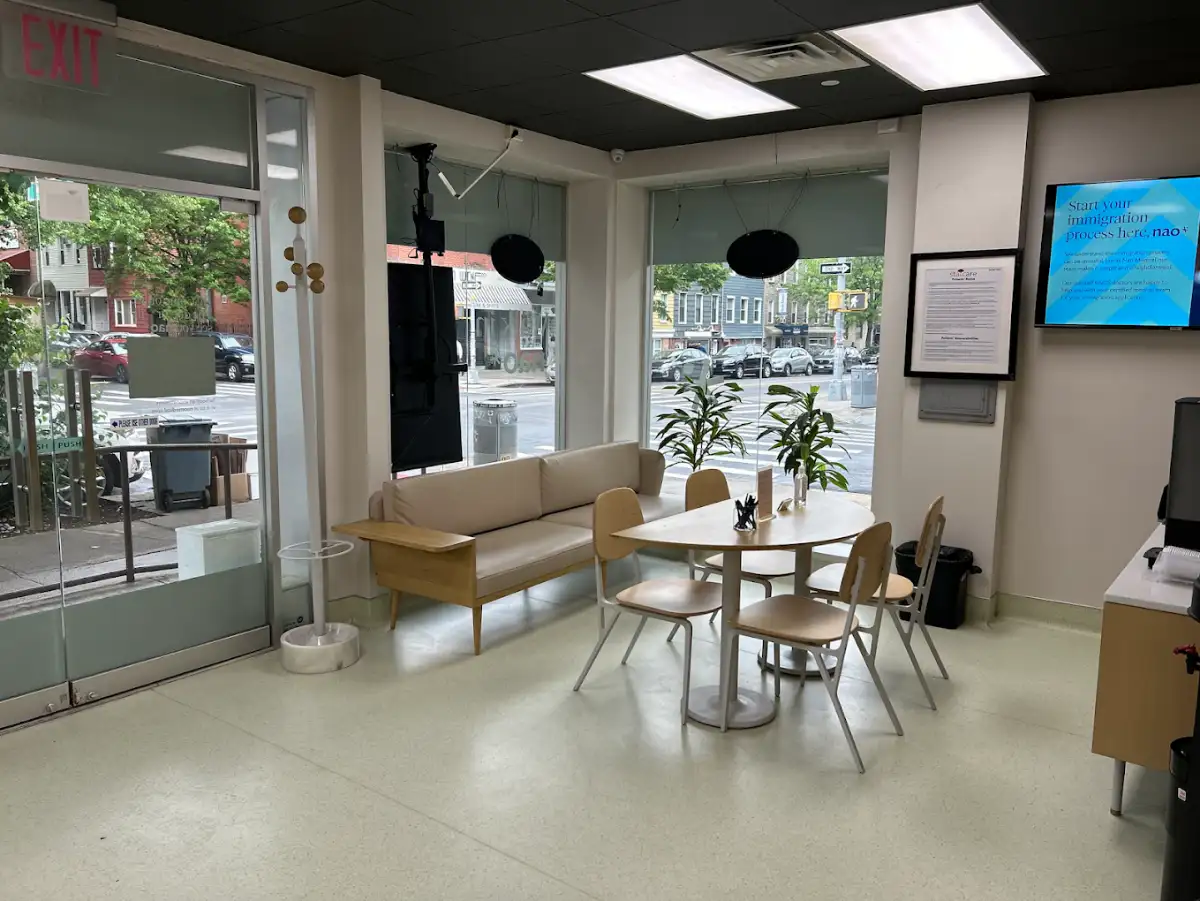
Brooklyn
308 Graham Ave, Brooklyn, NY 11211
Evaluation and coordination only. Confirm an eligible clinic for the exact medicine, test, injection, insertion, removal, or infusion before treatment.
Establish the diagnosis, fracture risk, laboratory needs, and treatment sequence.
Review the reference denosumab product and its continuity pathway.
Compare an intravenous bisphosphonate pathway with different renal and infusion requirements.
Review the 12-month romosozumab pathway for selected postmenopausal patients at high fracture risk.

Arrange an evaluation to discuss suitable care, preparation and follow-up with a clinician.
Arrange an evaluation to discuss suitable care, preparation and follow-up with a clinician.