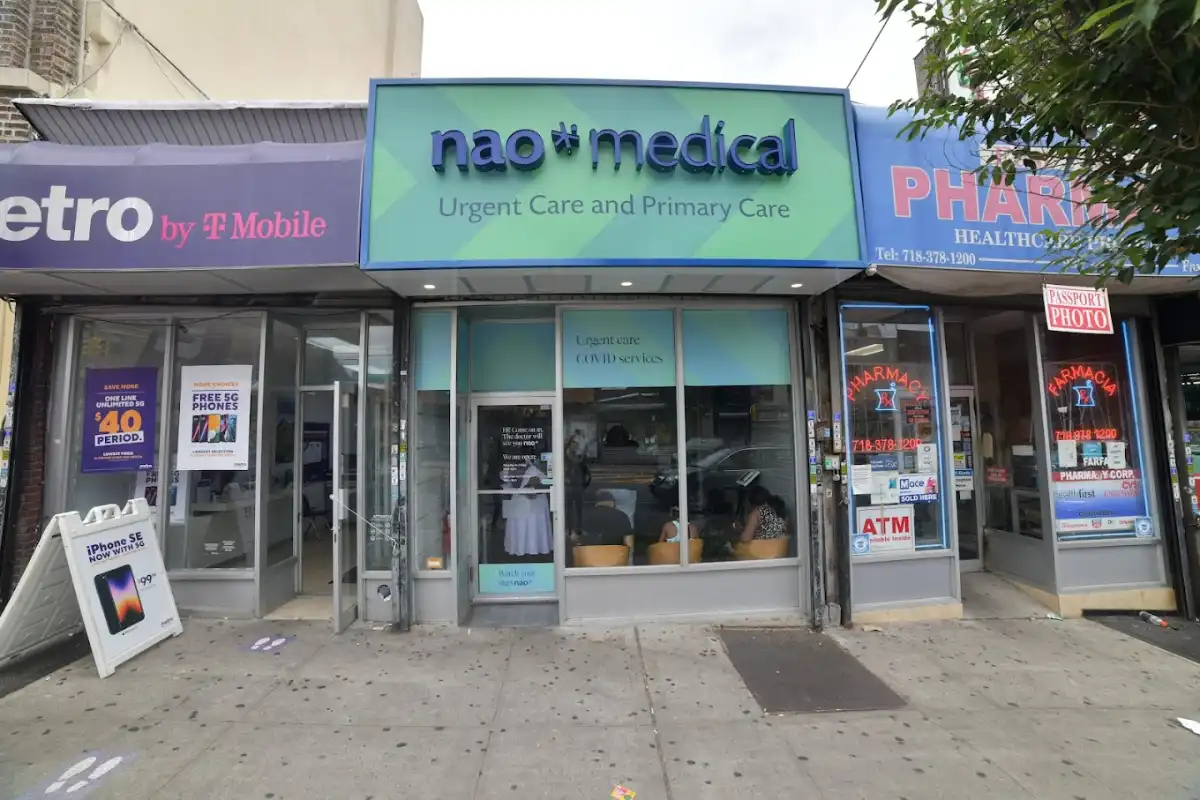
Bronx
174th Street
932 E 174th St, Bronx, NY 10460
Evaluation and coordination only. Confirm an eligible clinic for the exact medicine, test, injection, insertion, removal, or infusion before treatment.




Evenity is romosozumab-aqqg, an injected medicine for postmenopausal women with osteoporosis at high fracture risk. It is a limited course rather than an indefinite monthly treatment. The January 2026 label requires attention to cardiovascular as well as bone risk.
Romosozumab inhibits sclerostin, increasing bone formation and reducing bone resorption. Its bone-forming effect wanes after 12 monthly doses. The treating clinician considers an antiresorptive medicine afterward to maintain the benefit when osteoporosis treatment is still warranted.
The indication is postmenopausal women at high fracture risk, including fracture history, multiple risk factors or failure or intolerance of other available therapy. It is not a universal osteoporosis medicine for men or every person with low bone density. Review cardiovascular history and contraindications before selection.
The labeled monthly dose is 210 mg as two consecutive 105 mg subcutaneous injections administered by a healthcare provider, for 12 monthly doses. Correct hypocalcemia and provide calcium and vitamin D support. Plan the follow-on treatment before the final month rather than leaving it to an unplanned gap.
Bring DXA, fracture and treatment history, calcium-related results, kidney history and dental concerns. Discuss any heart attack or stroke and other cardiovascular risks. The prescriber performs an oral examination. Severe renal impairment or dialysis increases hypocalcemia risk and affects monitoring.
Evenity has a boxed warning for myocardial infarction, stroke and cardiovascular death. Do not initiate if a heart attack or stroke occurred in the preceding year; assess other cardiovascular risks. Stop treatment if one occurs during therapy. Chest pain or stroke symptoms need emergency care. Review hypocalcemia and jaw precautions too.
If a monthly dose is missed, contact the team to reschedule as soon as possible; subsequent doses are scheduled monthly from the last dose. Review fractures, adverse effects and the 12-dose limit. Confirm the next bone medicine when ongoing treatment is warranted, rather than continuing Evenity indefinitely.
Confirm the chosen clinic can administer the ordered product and has the required order, results and medication. Ask separately about the visit, laboratory tests, medicine and administration charges. Identify who owns the next dose and the plan if coverage, travel or a change in prescriber interrupts care.
The indication is postmenopausal women at high fracture risk, including fracture history, multiple risk factors or failure or intolerance of other available therapy. It is not a universal osteoporosis medicine for men or every person with low bone density. Review cardiovascular history and contraindications before selection.
The labeled monthly dose is 210 mg as two consecutive 105 mg subcutaneous injections administered by a healthcare provider, for 12 monthly doses. Correct hypocalcemia and provide calcium and vitamin D support. Plan the follow-on treatment before the final month rather than leaving it to an unplanned gap.
Evenity treatment is limited to 12 monthly doses under the US label because its bone-forming effect wanes. If osteoporosis treatment is still needed afterward, consider a subsequent antiresorptive medicine with the prescriber. Plan that next step before the course ends; it is separate from rescheduling a missed injection.
Evenity has a boxed warning for myocardial infarction, stroke and cardiovascular death. Do not initiate if a heart attack or stroke occurred in the preceding year; assess other cardiovascular risks. Stop treatment if one occurs during therapy. Chest pain or stroke symptoms need emergency care. Review hypocalcemia and jaw precautions too.
Bring DXA, fracture and treatment history, calcium-related results, kidney history and dental concerns. Discuss any heart attack or stroke and other cardiovascular risks. The prescriber performs an oral examination. Severe renal impairment or dialysis increases hypocalcemia risk and affects monitoring.
Evenity is limited to 12 monthly doses, and its bone-forming effect wanes over time. When osteoporosis treatment remains necessary, the label advises considering subsequent antiresorptive therapy. Ask which medicine and timing will help maintain the treatment benefit; stopping at the end without a follow-on plan may leave fracture risk unaddressed.
Contact the treating team to reschedule a missed Evenity dose as soon as possible. The label schedules subsequent doses monthly from the date of the last dose. Do not give an extra or duplicate dose yourself. Confirm the remaining course and the plan after the 12-dose limit.
Confirm the exact service at the selected clinic before booking. Evaluation, prescribing, testing, training and administration are separate capabilities. Confirm the chosen clinic can administer the ordered product and has the required order, results and medication. Ask separately about the visit, laboratory tests, medicine and administration charges. Identify who owns the next dose and the plan if coverage, travel or a change in prescriber interrupts care.
Before treatment starts, confirm the diagnosis, the intended benefit, the exact treatment and who will coordinate ongoing care. The labeled monthly dose is 210 mg as two consecutive 105 mg subcutaneous injections administered by a healthcare provider, for 12 monthly doses. Correct hypocalcemia and provide calcium and vitamin D support. Plan the follow-on treatment before the final month rather than leaving it to an unplanned gap.
Prepare the relevant dated records, current medicine list and your main questions, and confirm any treatment-specific instructions before attending. Bring DXA, fracture and treatment history, calcium-related results, kidney history and dental concerns. Discuss any heart attack or stroke and other cardiovascular risks. The prescriber performs an oral examination. Severe renal impairment or dialysis increases hypocalcemia risk and affects monitoring.
Agree on the next review, how response and safety will be checked, and who to contact for symptoms, missed treatment or a refill problem. If a monthly dose is missed, contact the team to reschedule as soon as possible; subsequent doses are scheduled monthly from the last dose. Review fractures, adverse effects and the 12-dose limit. Confirm the next bone medicine when ongoing treatment is warranted, rather than continuing Evenity indefinitely.
Evenity is given by a healthcare provider, so the medical benefit may be relevant. Medicare Part B usually covers qualifying drugs patients would not ordinarily administer themselves in a doctor’s office, but that general rule does not guarantee payment for your Evenity order. Verify the indication, provider, setting, authorization and benefit with the plan and billing team. Under Original Medicare, the usual share for a covered Part B drug is up to 20% of the Medicare-approved amount after the deductible. Ask separately about the two-injection monthly administration, visits, tests and the follow-on bone medicine after the 12-dose course.
Hair loss is not listed among the common adverse reactions in the current US label. Joint pain and headache are common listed effects. That does not prove that hair loss cannot occur or that every new symptom is unrelated. Tell the prescriber about new shedding and its timing so possible causes can be assessed. Evenity’s major safety concerns include cardiovascular events and low calcium; chest pain or stroke symptoms need emergency care.
In the label’s repeated-dose study, romosozumab had an average effective half-life of about 12.8 days. A half-life describes a decline in measured drug levels, not the day all medicine or its effects disappear. It does not change the monthly injection schedule or make a missed dose safe. Evenity is limited to 12 monthly doses. Plan the next antiresorptive treatment with the prescriber when continued osteoporosis treatment is needed.
Ask for a quote for the complete monthly treatment: one dose consists of two injections, and the medicine and administration may be billed separately. Your total can also include visits, calcium-related tests and other monitoring. Insurance benefits, authorization and cost sharing affect what you pay; a medicine’s list price is not necessarily your bill. Confirm the estimated cost of all 12 monthly doses and the subsequent bone treatment before relying on a monthly figure. The treating clinic must also confirm that it can administer the exact ordered product.
Bronx
932 E 174th St, Bronx, NY 10460
Evaluation and coordination only. Confirm an eligible clinic for the exact medicine, test, injection, insertion, removal, or infusion before treatment.

Queens
37-15 23rd Ave, Astoria, NY 11105
Evaluation and coordination only. Confirm an eligible clinic for the exact medicine, test, injection, insertion, removal, or infusion before treatment.

Bronx
2063A Bartow Ave, Bronx, NY 10475
Evaluation and coordination only. Confirm an eligible clinic for the exact medicine, test, injection, insertion, removal, or infusion before treatment.
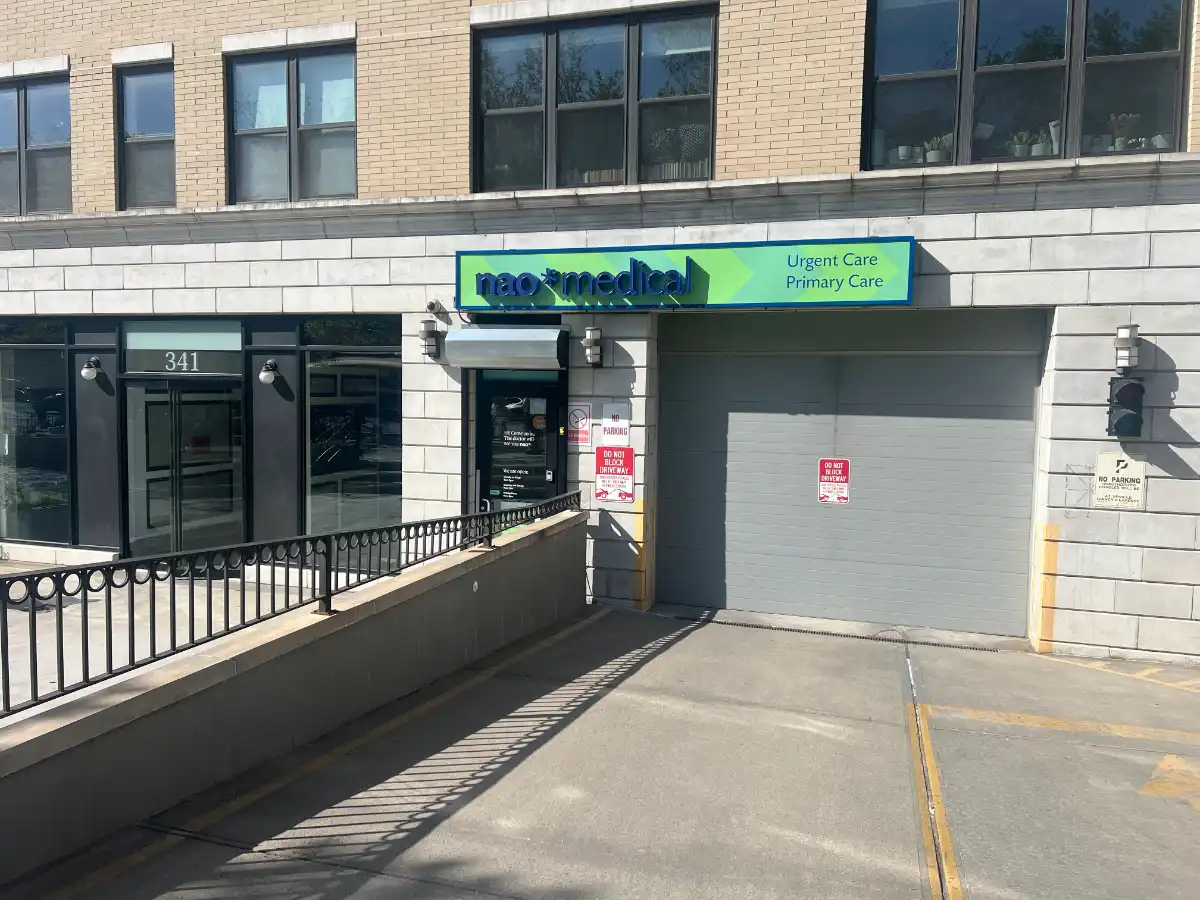
Brooklyn
341 Eastern Pkwy, Brooklyn, NY 11216
Evaluation and coordination only. Confirm an eligible clinic for the exact medicine, test, injection, insertion, removal, or infusion before treatment.
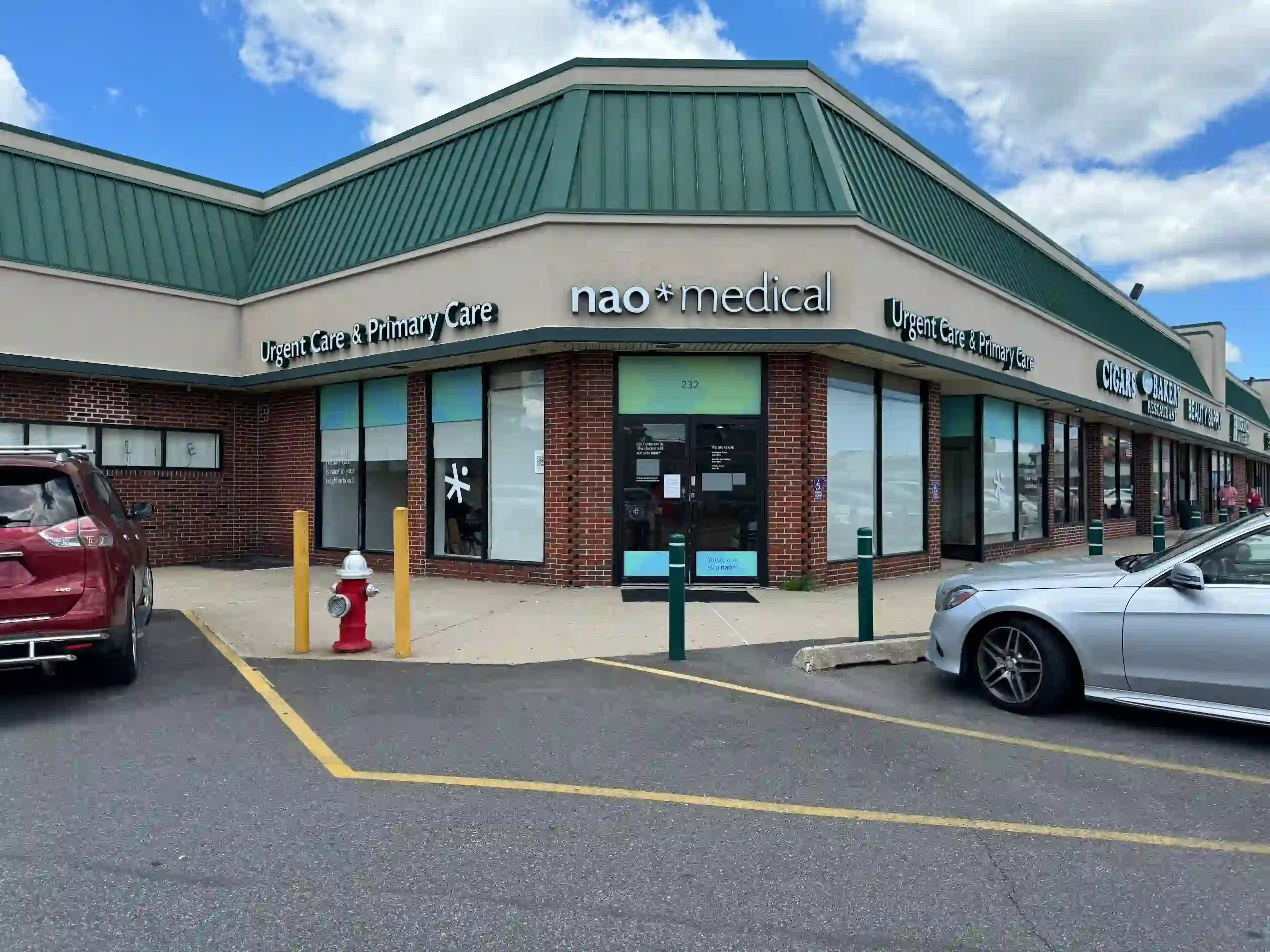
Long Island
232 W Old Country Rd, Hicksville, NY 11801
Evaluation and coordination only. Confirm an eligible clinic for the exact medicine, test, injection, insertion, removal, or infusion before treatment.
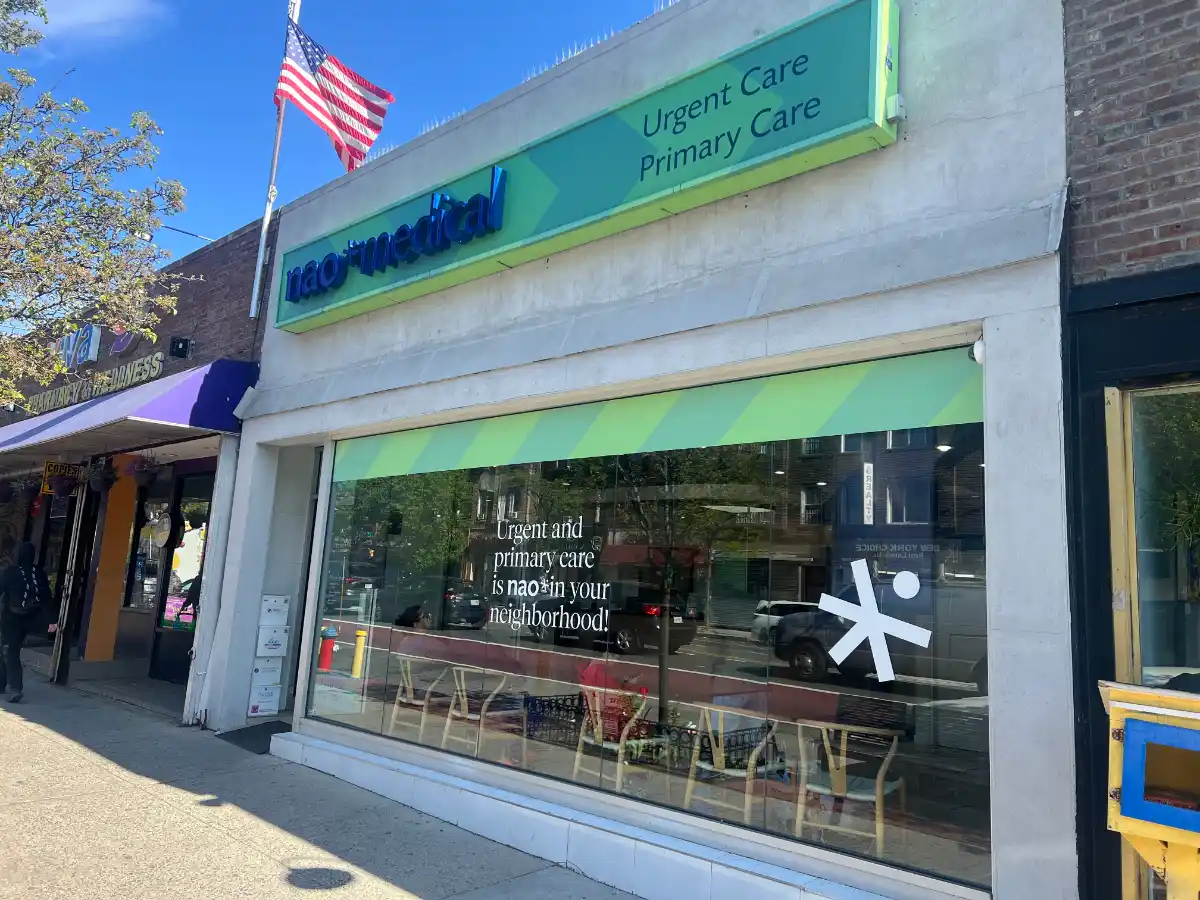
Queens
80-10 Northern Blvd, Jackson Heights, NY 11372
Evaluation and coordination only. Confirm an eligible clinic for the exact medicine, test, injection, insertion, removal, or infusion before treatment.
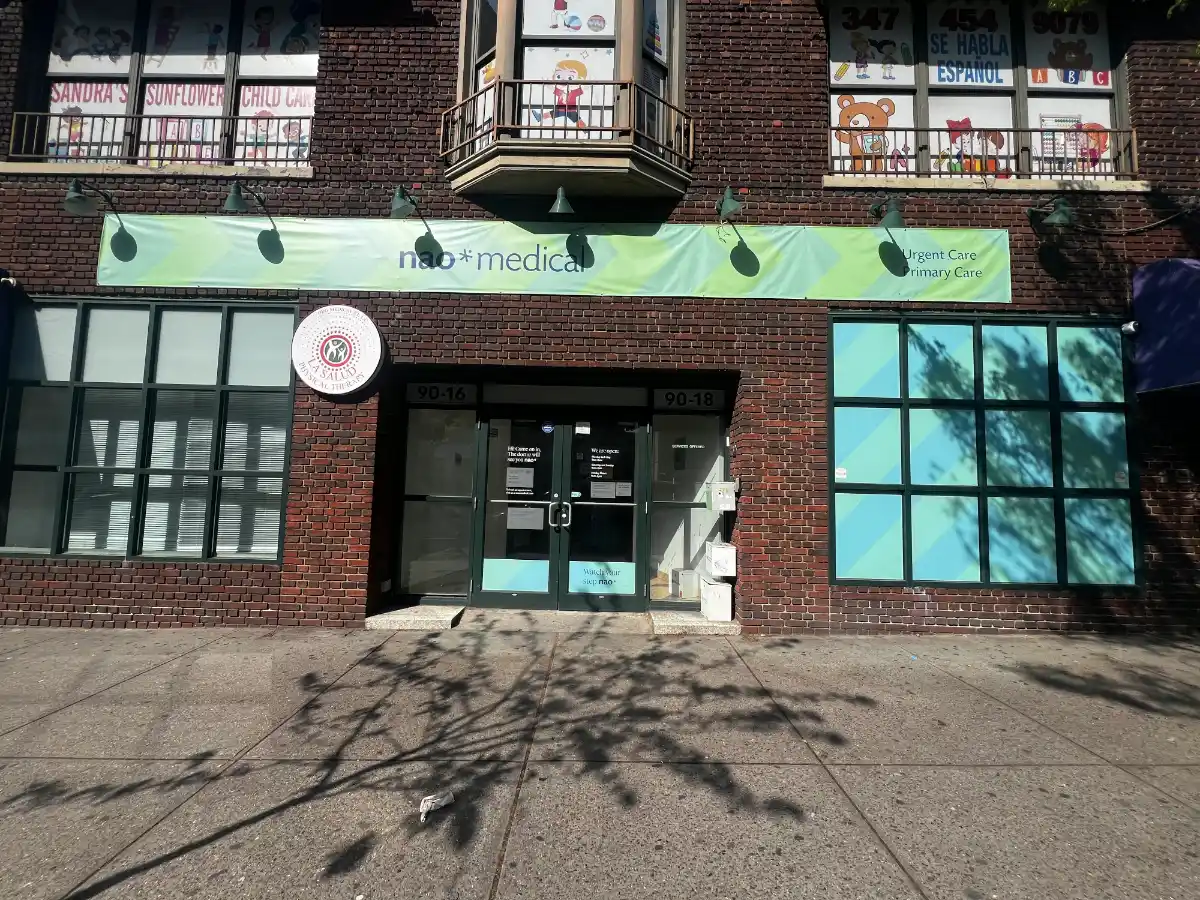
Queens
90-18 Sutphin Blvd, Jamaica, NY 11435
Evaluation and coordination only. Confirm an eligible clinic for the exact medicine, test, injection, insertion, removal, or infusion before treatment.

Queens
30-07 36th Ave, Astoria, NY 11106
Evaluation and coordination only. Confirm an eligible clinic for the exact medicine, test, injection, insertion, removal, or infusion before treatment.

Long Island
135 Mineola Blvd, Mineola, NY 11501
Evaluation and coordination only. Confirm an eligible clinic for the exact medicine, test, injection, insertion, removal, or infusion before treatment.

Manhattan
259 1st Ave, New York, NY 10003
Evaluation and coordination only. Confirm an eligible clinic for the exact medicine, test, injection, insertion, removal, or infusion before treatment.
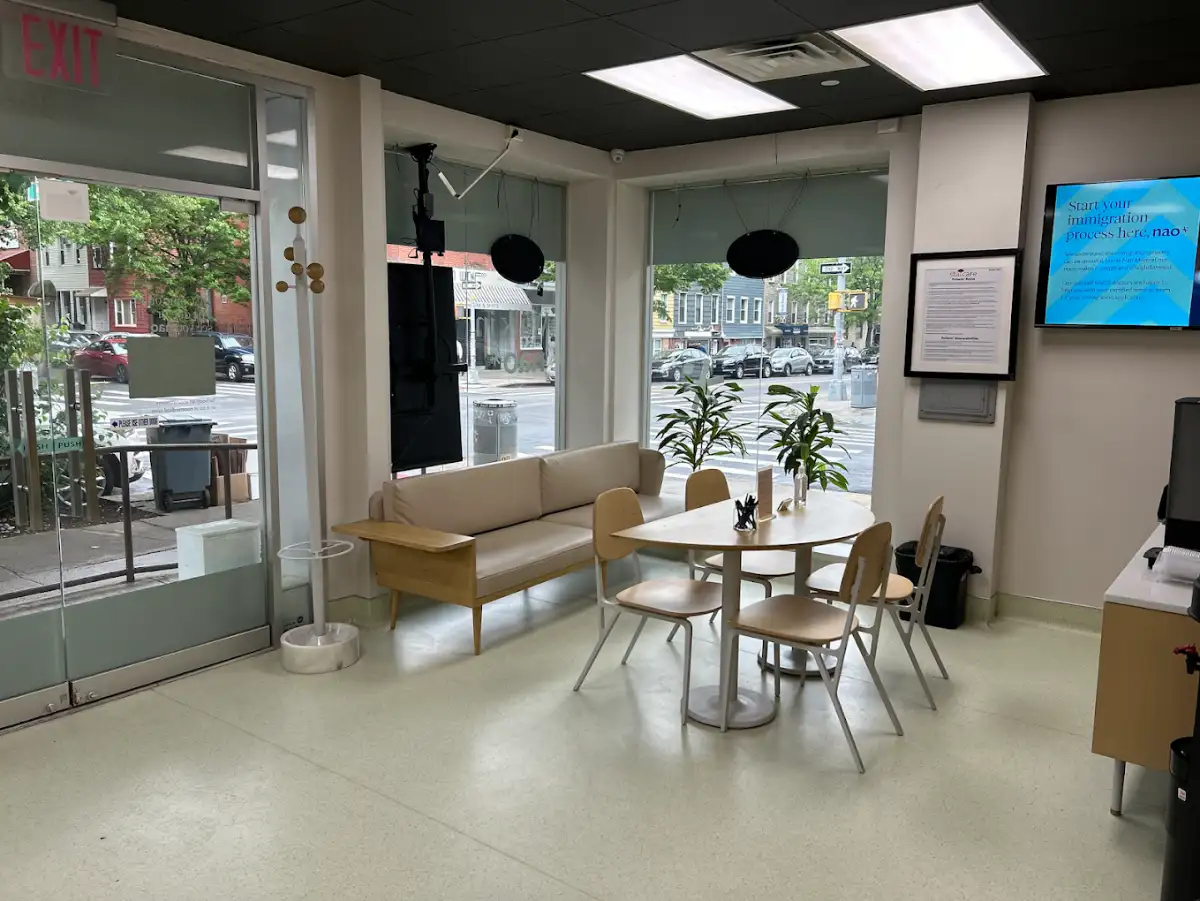
Brooklyn
308 Graham Ave, Brooklyn, NY 11211
Evaluation and coordination only. Confirm an eligible clinic for the exact medicine, test, injection, insertion, removal, or infusion before treatment.
Confirm fracture risk, secondary causes, and the complete treatment sequence.
Compare a long-term antiresorptive pathway with strict six-month continuity.
Review the interchangeable denosumab biosimilar pathway.
Compare an intravenous bisphosphonate pathway with renal and infusion gates.

Arrange an evaluation to discuss suitable care, preparation and follow-up with a clinician.
Arrange an evaluation to discuss suitable care, preparation and follow-up with a clinician.