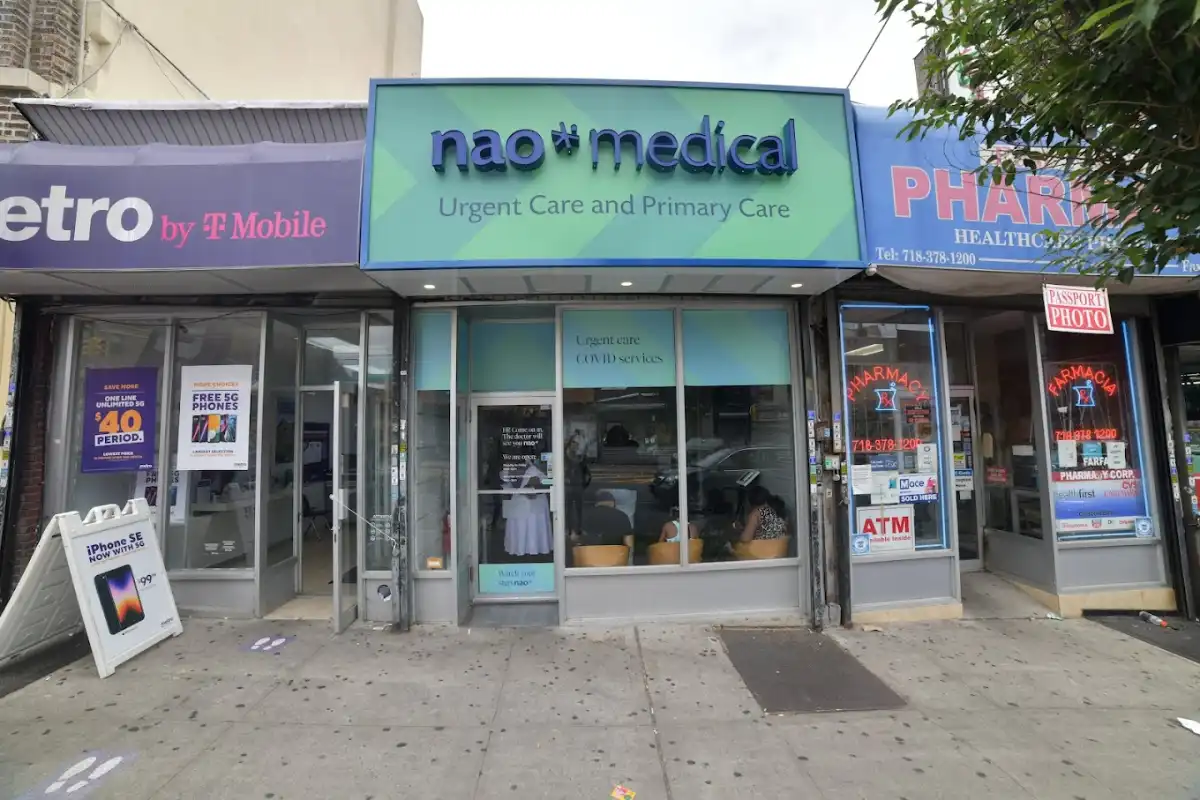
Bronx
174th Street
932 E 174th St, Bronx, NY 10460
Evaluation and coordination only. Confirm an eligible clinic for the exact medicine, test, injection, insertion, removal, or infusion before treatment.




Reclast is zoledronic acid, a bisphosphonate given through an IV. For osteoporosis treatment it is usually an annual 5 mg infusion, but intervals differ for prevention and other indications. It is not the same medicine, route or stopping plan as Prolia.
Zoledronic acid reduces bone breakdown and remains in bone for longer than denosumab. The clinician reviews fracture risk and prior treatment to decide whether it is suitable and how long treatment continues. A pause may be considered for selected bisphosphonate patients after reassessment, not automatically for everyone.
The label includes treatment and prevention of postmenopausal osteoporosis, osteoporosis in men, qualifying glucocorticoid-induced osteoporosis and Paget disease. It is contraindicated with creatinine clearance below 35 mL/min or acute renal impairment. Correct hypocalcemia and assess dehydration before infusion.
For osteoporosis treatment the label uses 5 mg IV once yearly; postmenopausal prevention uses every two years. Infuse for at least 15 minutes, with the total visit allowing assessment and monitoring. The treating team confirms the indication and ordered regimen, and reviews calcium and vitamin D support.
Before each dose, obtain serum creatinine and calculate creatinine clearance using the label’s method. Bring kidney history, medicines, dental concerns and prior infusion reactions. A prescriber performs an oral examination. Hydration instructions are individualized, especially with heart or kidney disease; do not impose a fixed water volume on everyone.
The first infusion can be followed by flu-like symptoms, fever, aches or headache. Kidney injury, hypocalcemia, serious reactions and jaw problems need review. Report marked symptoms or reduced urine output; seek urgent help for breathing trouble or other severe reactions. Do not proceed during significant dehydration or acute renal impairment.
Ask how to manage expected post-infusion symptoms and when to call. Review fractures, falls, calcium intake, kidney function and bone density at the planned interval. Treatment duration and any pause depend on reassessed risk. Do not apply a bisphosphonate holiday to denosumab or assume every Reclast indication uses an annual schedule.
Confirm the chosen clinic can administer the ordered product and has the required order, results and medication. Ask separately about the visit, laboratory tests, medicine and administration charges. Identify who owns the next dose and the plan if coverage, travel or a change in prescriber interrupts care.
Reclast must be infused over at least 15 minutes under its US label. The full visit also includes assessment, any required testing, IV placement and monitoring. Ask the clinic for the total appointment time; the minimum infusion duration is not a promise that the entire visit will take 15 minutes.
For osteoporosis treatment, the labeled Reclast dose is 5 mg by IV once yearly. Prevention of postmenopausal osteoporosis uses 5 mg every two years. Other indications and continued treatment need their own assessment. Confirm the purpose, prior infusion date, kidney function and calcium plan before scheduling.
Before each Reclast dose, the label requires serum creatinine and calculation of creatinine clearance using actual body weight and the specified method. Reclast is contraindicated with creatinine clearance below 35 mL/min or acute renal impairment. Bring recent results and kidney history; the team must determine whether the current dose is safe.
Reclast requires appropriate hydration, but there is no one safe water amount for every patient. Ask for instructions based on your fluid intake, kidney function, heart conditions and medicines. Dehydration may require delaying treatment. Do not force extra fluid if you have a restriction or use general hydration advice instead of the prescriber’s plan.
Fever, muscle aches, headache, joint pain and flu-like symptoms can occur after Reclast, especially after a first infusion. Ask the treating team how to manage expected symptoms and when to call. Persistent or severe symptoms, reduced urination, marked weakness, muscle spasms or allergic symptoms need review rather than being assumed to be a routine reaction.
Denosumab and zoledronic acid can rarely cause osteonecrosis of the jaw. Tell the prescriber about dental disease and planned procedures; an oral examination and risk-based dental review help plan care. Do not stop denosumab on your own for a dental procedure because interruption can cause vertebral fractures. Coordinate with the dentist and prescriber.
Reclast is an IV bisphosphonate, usually annual for osteoporosis treatment, with a creatinine-clearance threshold and acute-phase precautions. Prolia is denosumab injected every six months, with severe-hypocalcemia precautions and a required transition plan if stopped. Their kidney, route and continuity requirements differ; one medicine’s holiday advice does not apply to both.
Confirm the exact service at the selected clinic before booking. Evaluation, prescribing, testing, training and administration are separate capabilities. Confirm the chosen clinic can administer the ordered product and has the required order, results and medication. Ask separately about the visit, laboratory tests, medicine and administration charges. Identify who owns the next dose and the plan if coverage, travel or a change in prescriber interrupts care.
Before treatment starts, confirm the diagnosis, the intended benefit, the exact treatment and who will coordinate ongoing care. For osteoporosis treatment the label uses 5 mg IV once yearly; postmenopausal prevention uses every two years. Infuse for at least 15 minutes, with the total visit allowing assessment and monitoring. The treating team confirms the indication and ordered regimen, and reviews calcium and vitamin D support.
Prepare the relevant dated records, current medicine list and your main questions, and confirm any treatment-specific instructions before attending. Before each dose, obtain serum creatinine and calculate creatinine clearance using the label’s method. Bring kidney history, medicines, dental concerns and prior infusion reactions. A prescriber performs an oral examination. Hydration instructions are individualized, especially with heart or kidney disease; do not impose a fixed water volume on everyone.
Agree on the next review, how response and safety will be checked, and who to contact for symptoms, missed treatment or a refill problem. Ask how to manage expected post-infusion symptoms and when to call. Review fractures, falls, calcium intake, kidney function and bone density at the planned interval. Treatment duration and any pause depend on reassessed risk. Do not apply a bisphosphonate holiday to denosumab or assume every Reclast indication uses an annual schedule.
Ask the treating team about a plan before the infusion. The label says acetaminophen after Reclast can reduce acute flu-like reactions; use it only if suitable for you and according to the clinician’s instructions. Fever, aches and headache commonly begin within the first three days after the first infusion. They often settle within several days, although some last 7–14 days. Follow individualized hydration advice, especially with heart or kidney disease, and the prescribed calcium and vitamin D plan. Reduced urine, persistent severe symptoms, muscle spasms or marked weakness need review. Breathing trouble or a severe allergic reaction needs emergency help.
Zoledronic acid leaves the blood in phases, while some binds to bone and can remain there for a long time. The label reports a terminal plasma half-life of about 146 hours; that blood-level estimate does not mean the bone effect ends in six days. The usual annual osteoporosis-treatment interval is not an exact clearance deadline. The clinician reassesses fracture risk, kidney function and prior doses when planning further treatment or a possible bisphosphonate pause. Do not apply a Reclast pause to Prolia, which has a different stopping risk.
Ask the prescriber to plan the next medicine and its timing before a limited course ends. Evenity is limited to 12 monthly doses; if osteoporosis treatment remains necessary, its label advises considering subsequent antiresorptive treatment. Denosumab products such as Prolia and Jubbonti must not simply be stopped or delayed without a transition plan because vertebral fractures can follow discontinuation. A bisphosphonate pause is a separate decision based on reassessed fracture risk, rather than a rule to apply to every bone medicine.
Bronx
932 E 174th St, Bronx, NY 10460
Evaluation and coordination only. Confirm an eligible clinic for the exact medicine, test, injection, insertion, removal, or infusion before treatment.

Queens
37-15 23rd Ave, Astoria, NY 11105
Evaluation and coordination only. Confirm an eligible clinic for the exact medicine, test, injection, insertion, removal, or infusion before treatment.

Bronx
2063A Bartow Ave, Bronx, NY 10475
Evaluation and coordination only. Confirm an eligible clinic for the exact medicine, test, injection, insertion, removal, or infusion before treatment.
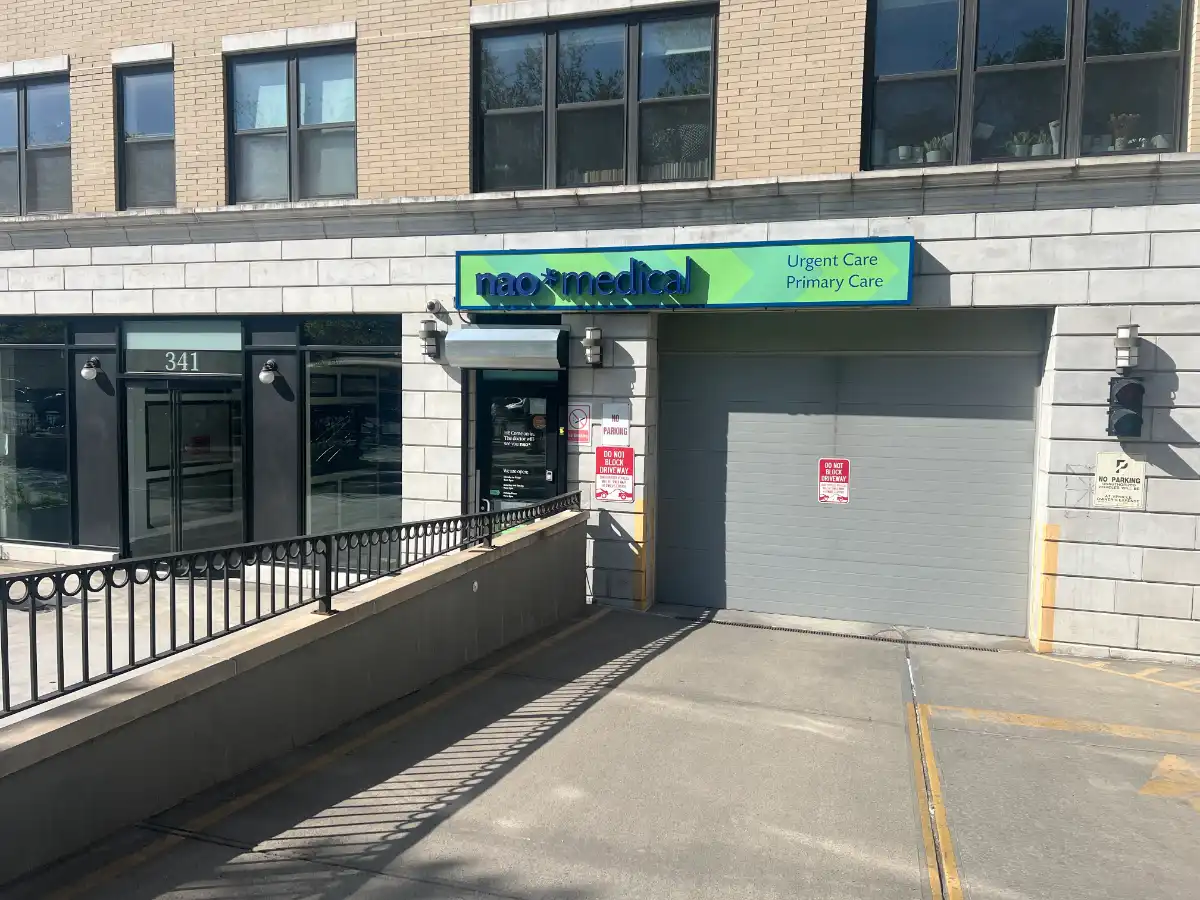
Brooklyn
341 Eastern Pkwy, Brooklyn, NY 11216
Evaluation and coordination only. Confirm an eligible clinic for the exact medicine, test, injection, insertion, removal, or infusion before treatment.
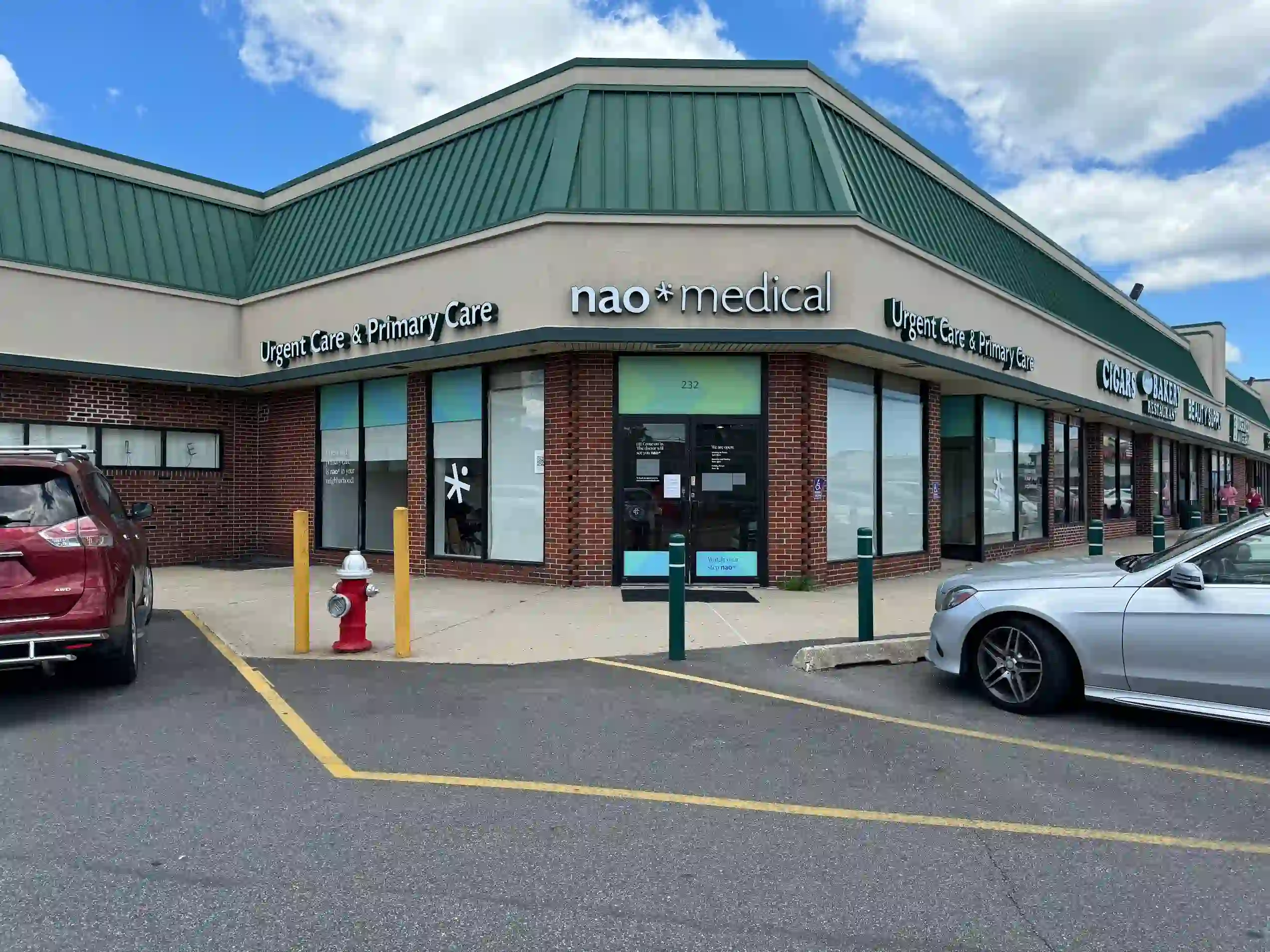
Long Island
232 W Old Country Rd, Hicksville, NY 11801
Evaluation and coordination only. Confirm an eligible clinic for the exact medicine, test, injection, insertion, removal, or infusion before treatment.
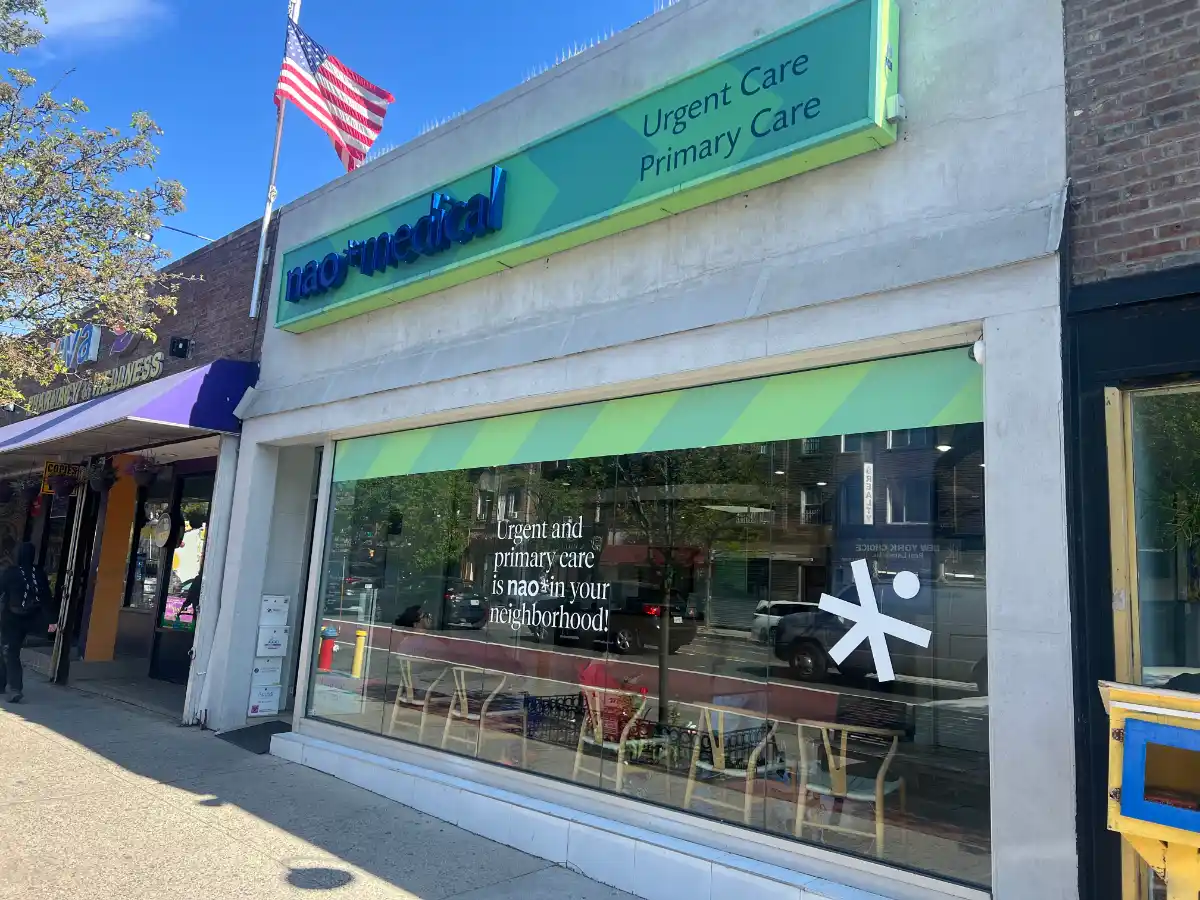
Queens
80-10 Northern Blvd, Jackson Heights, NY 11372
Evaluation and coordination only. Confirm an eligible clinic for the exact medicine, test, injection, insertion, removal, or infusion before treatment.
Queens
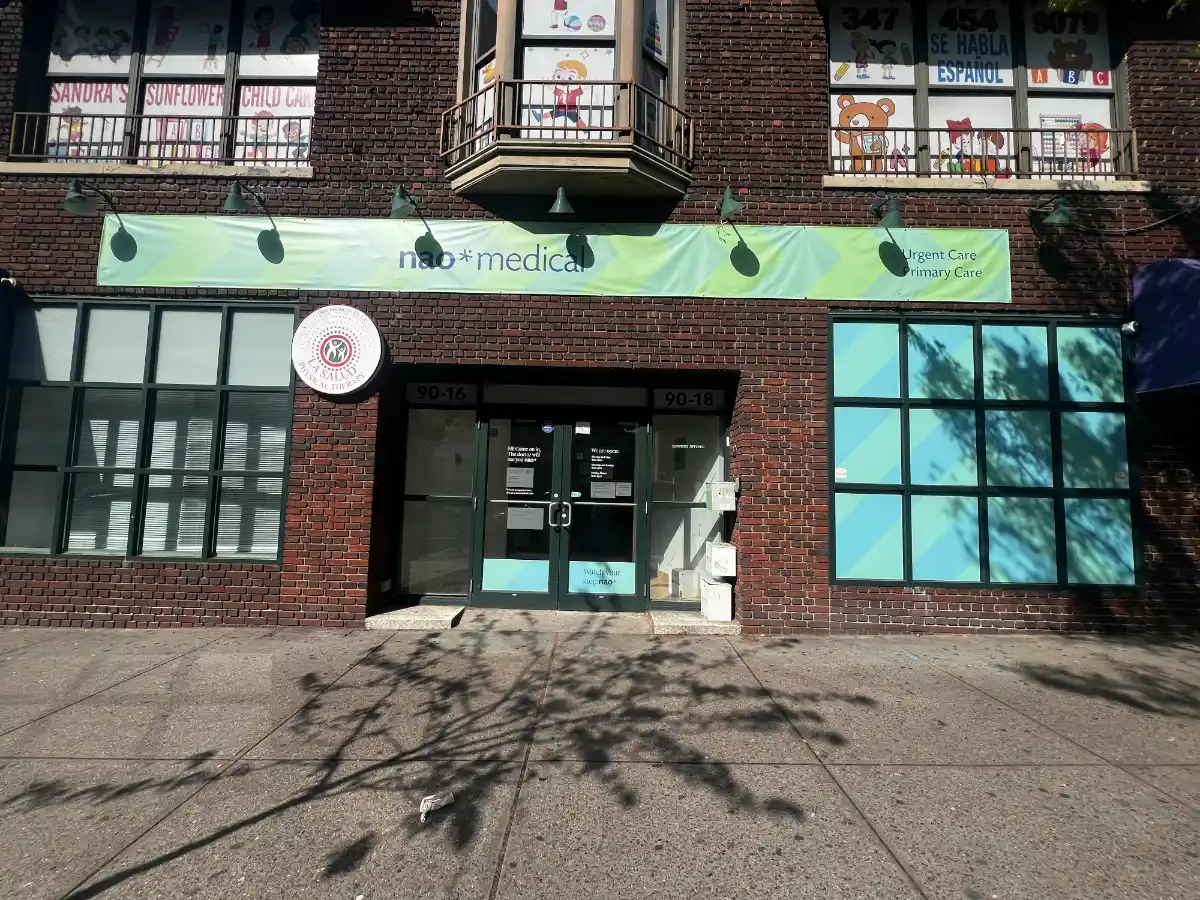
90-18 Sutphin Blvd, Jamaica, NY 11435
Evaluation and coordination only. Confirm an eligible clinic for the exact medicine, test, injection, insertion, removal, or infusion before treatment.

Queens
30-07 36th Ave, Astoria, NY 11106
Evaluation and coordination only. Confirm an eligible clinic for the exact medicine, test, injection, insertion, removal, or infusion before treatment.
Long Island
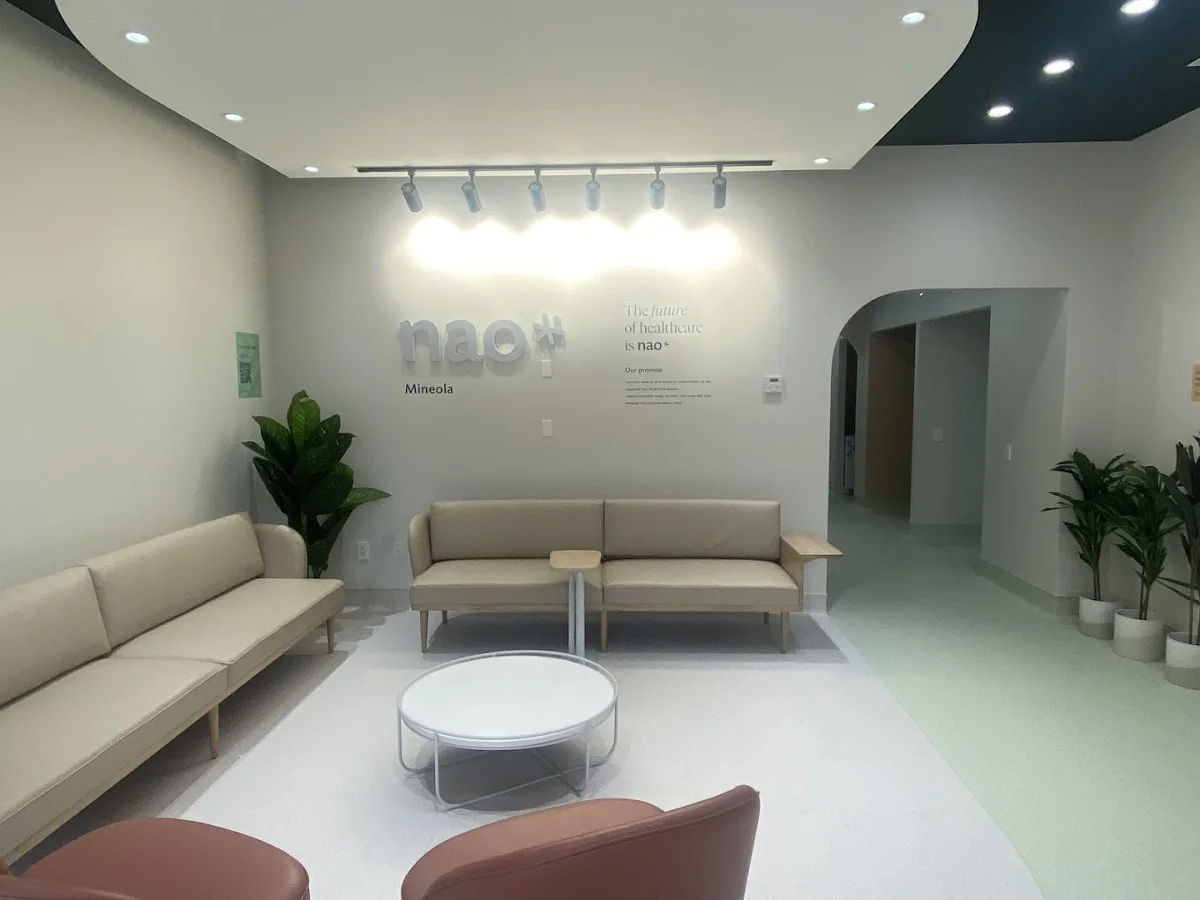
135 Mineola Blvd, Mineola, NY 11501
Evaluation and coordination only. Confirm an eligible clinic for the exact medicine, test, injection, insertion, removal, or infusion before treatment.
Manhattan
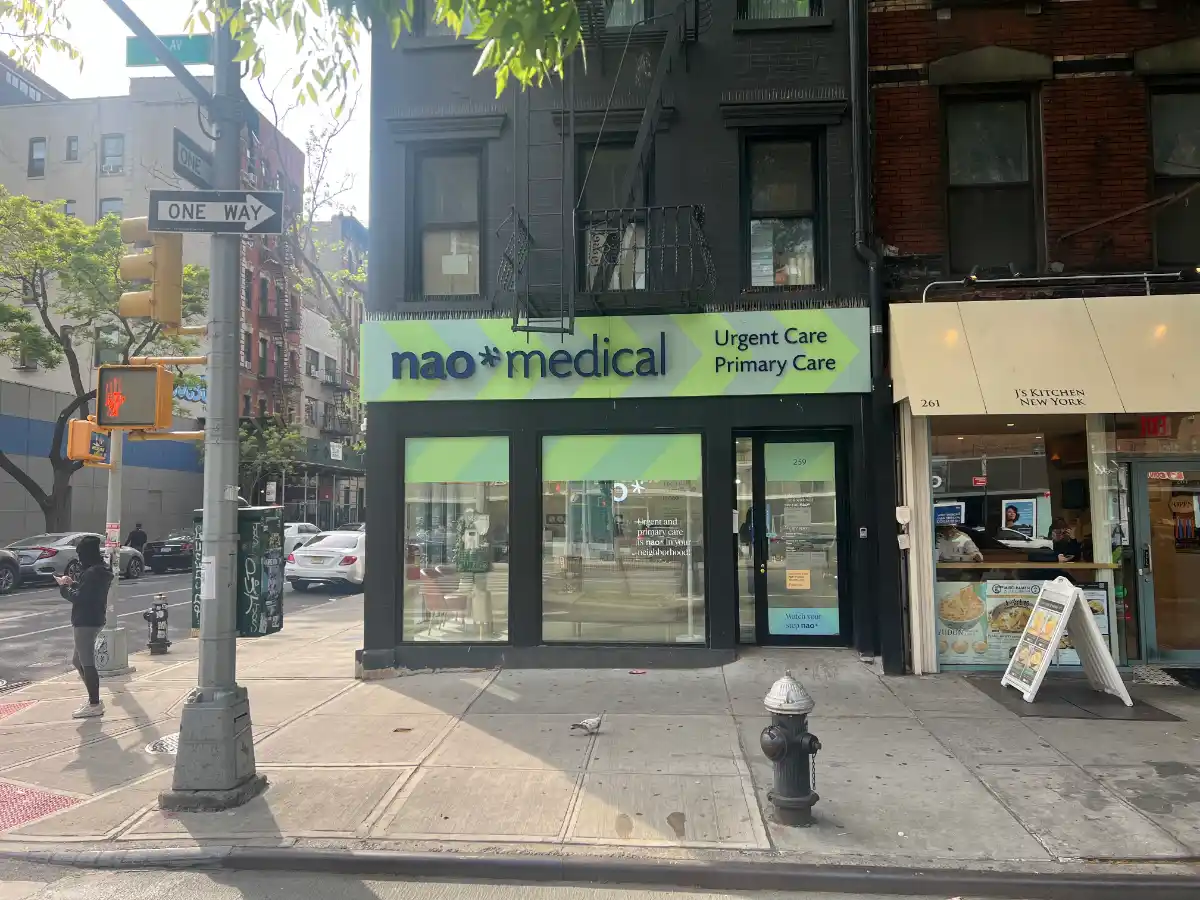
259 1st Ave, New York, NY 10003
Evaluation and coordination only. Confirm an eligible clinic for the exact medicine, test, injection, insertion, removal, or infusion before treatment.
Brooklyn
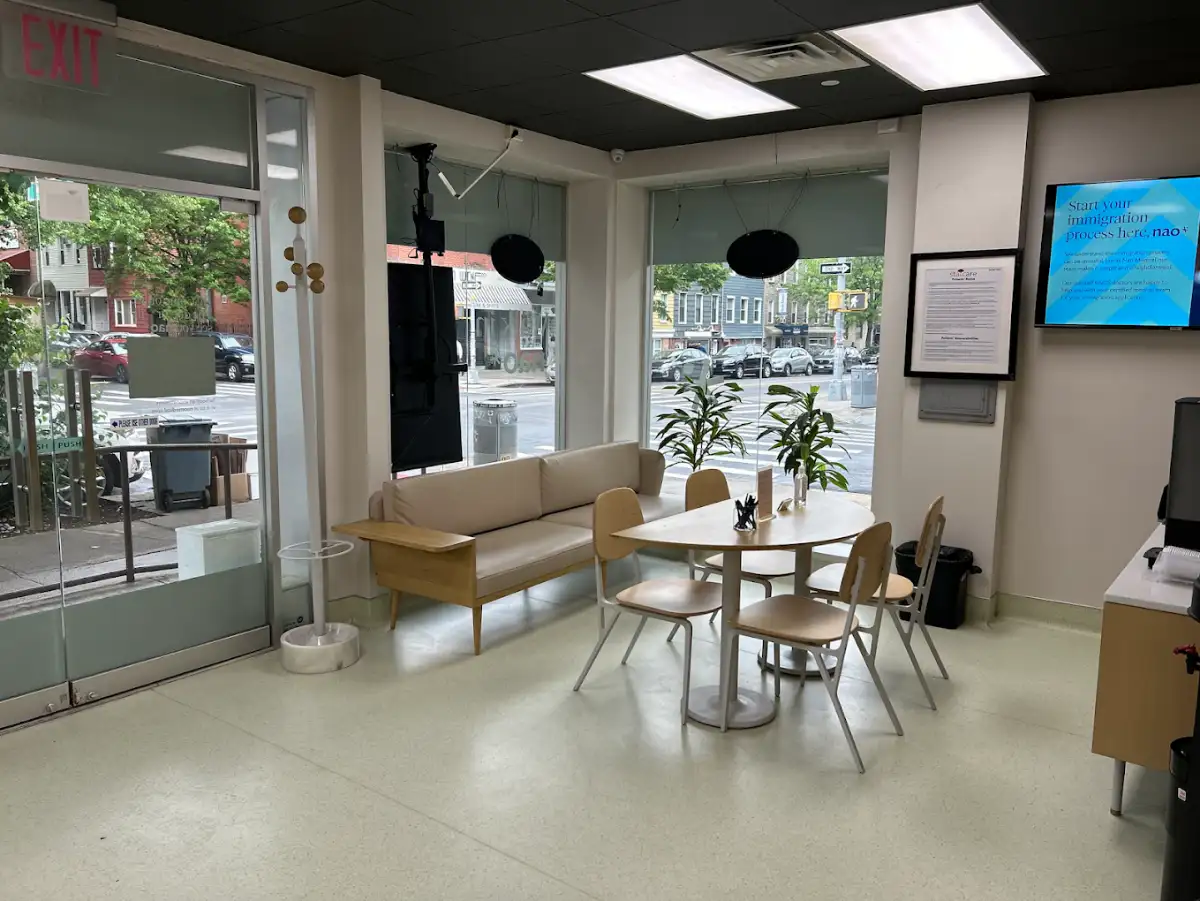
308 Graham Ave, Brooklyn, NY 11211
Evaluation and coordination only. Confirm an eligible clinic for the exact medicine, test, injection, insertion, removal, or infusion before treatment.
Review fracture risk, DXA, labs, and the full treatment sequence.
Compare a six-month denosumab pathway with a different continuity risk.
Review the interchangeable denosumab biosimilar pathway.
Review a time-limited bone-building pathway for selected postmenopausal patients.

Arrange an evaluation to discuss suitable care, preparation and follow-up with a clinician.
Arrange an evaluation to discuss suitable care, preparation and follow-up with a clinician.