What is the main goal?
Clarify whether the immediate target is metabolic risk, chronic weight management, cycle-related care, diabetes, or preparation for another treatment.


Metformin is commonly considered for metabolic features of PMOS or PCOS. GLP-1-based medicines may be considered for chronic weight management when an adult meets general obesity-treatment criteria. Neither should be chosen from the condition name alone.


PCOS can involve irregular ovulation, androgen-related symptoms, and insulin resistance. Metformin and GLP-1 medicines act differently and are not substitutes for every goal. Improved metabolic health does not guarantee fertility.
PMOS (polyendocrine metabolic ovarian syndrome) is the 2026 consensus name for the condition commonly known as PCOS. Care can address cycles, metabolic health, symptoms and pregnancy plans. Older records and government materials may still use PCOS. The name change does not create a new approved drug indication; treatment should follow the clinical diagnosis and your main goal.
PCOS or insulin resistance alone does not establish an approved obesity-drug indication or payer coverage. A person with PCOS may qualify under the medicine’s obesity or diabetes criteria. Pregnancy plans may make weight-loss treatment unsuitable at this time.
Start with the main goal and pregnancy timeline. Review cycles, glucose, lipids, prior treatment, medicines, and fertility care. Discuss nutrition, metformin when appropriate, weight treatment under its own indication, and gynecology or fertility referral. Identify who manages each part of care.
Bring cycle and pregnancy history, glucose and lipid results, medicines, supplements, prior authorization denials, and the desired pregnancy timeline. Irregular cycles do not rule out pregnancy.
Review a personal or family history of medullary thyroid cancer, MEN 2, severe stomach-emptying problems, pancreatitis, gallbladder disease, allergies, and pregnancy plans before treatment. Nausea, vomiting, constipation, or diarrhea can occur. Persistent severe abdominal pain or inability to keep fluids down needs emergency department assessment now. Call 911 for breathing difficulty, a severe allergic reaction, loss of consciousness or unsafe travel. Tell the anesthesia team about treatment before a procedure. Do not combine GLP-1 medicines or change the dose yourself. For weight treatment, semaglutide should be stopped at least two months before planned pregnancy. Tirzepatide requires additional or non-oral contraception for four weeks after starting or increasing. Foundayo uses a 30-day precaution. Contact the prescriber promptly after a positive pregnancy test.
Review metabolic outcomes, cycle changes, tolerability, contraception, and pregnancy plans. Discuss interruptions and restarting after pregnancy or breastfeeding with the prescriber. Continue fertility or gynecology care when needed.
Confirm the exact service, clinician, formulation, appointment, and refill route before booking. The evaluation, tests, medicine, administration, and follow-up may have separate costs and benefits. Ask for current estimates and required records. An FDA-approved drug or a clinic address does not establish pharmacy stock, onsite treatment, coverage, or a prescription. If access changes, contact the treating team before interrupting treatment.
Choose the main goal with the clinician: cycle or androgen-related symptoms, metabolic health, weight, contraception or pregnancy. The same treatment will not necessarily address them all. Agree on a measurable outcome, monitoring and who provides any gynecology or fertility care; metabolic improvement does not guarantee pregnancy.
Review previous nutrition changes, metformin, hormone or cycle treatment, weight medicines and fertility care, including dose, duration, benefit and adverse effects. This helps the clinician avoid repeating an unsuitable plan and identify what remains unresolved. Bring prior records and clarify the main goal now; different goals may need different treatments or specialists.
Glucose, lipid and other selected results can identify metabolic risks or guide treatment, but their meaning depends on the history and the actual values. Bring dated reports rather than a summary that results were normal. The clinician decides which findings affect the plan; one insulin-resistance result does not automatically qualify a person for an obesity medicine.
Weight-loss medicines are not appropriate for weight treatment during pregnancy. Tell the prescriber promptly if pregnancy occurs or is planned. Semaglutide for weight treatment should be stopped at least two months before a planned pregnancy. Tirzepatide and Foundayo need product-specific planning and contraception review. Pregnancy and breastfeeding advice must use the exact label.
Give the clinician the full list of prescriptions, over-the-counter products and supplements, including contraception and fertility treatment. Medicines can interact or change monitoring, glucose risk and pregnancy planning. Include doses and recent changes. Do not stop another prescribed medicine yourself while arranging a PCOS or weight-management evaluation.
Review metabolic outcomes, cycle changes, tolerability, contraception, and pregnancy plans. Discuss interruptions and restarting after pregnancy or breastfeeding with the prescriber. Continue fertility or gynecology care when needed.
Metformin is a diabetes medicine and may be used for selected PCOS-related metabolic goals after assessment. It is not a dedicated approved obesity drug or an interchangeable substitute for a GLP-1 medicine. Any weight change varies; review the actual treatment goal, suitability and pregnancy plans rather than assume it is prescribed solely for weight loss.
Metformin and GLP-1 medicines act differently and serve different goals. Metformin is not interchangeable with an approved obesity medicine or a fertility treatment. Review whether the priority is glucose, weight, cycles, or pregnancy before choosing treatment.
They may be used together for an appropriate clinical reason, but the prescriber must review the goal, diabetes risk, pregnancy plans, and tolerability. Metformin does not establish automatic eligibility or coverage for a GLP-1 medicine.
Metformin can be used for selected PCOS-related needs, but it does not replace a fertility evaluation or guarantee pregnancy. Ovulation treatment and other infertility care should be directed by the gynecology or fertility team.
Ozempic and Mounjaro have diabetes indications; using a diabetes brand does not automatically make PCOS-related weight treatment covered. The plan considers the exact diagnosis, product and its rules. Compare appropriate approved options with the prescriber, and ask the plan which records and authorization are needed rather than choose a brand only on an assumed easier approval.
Review a personal or family history of medullary thyroid cancer, MEN 2, severe stomach-emptying problems, pancreatitis, gallbladder disease, allergies, and pregnancy plans before treatment. Nausea, vomiting, constipation, or diarrhea can occur. Persistent severe abdominal pain or inability to keep fluids down needs emergency department assessment now. Call 911 for breathing difficulty, a severe allergic reaction, loss of consciousness or unsafe travel. Tell the anesthesia team about treatment before a procedure. Do not combine GLP-1 medicines or change the dose yourself. For weight treatment, semaglutide should be stopped at least two months before planned pregnancy. Tirzepatide requires additional or non-oral contraception for four weeks after starting or increasing. Foundayo uses a 30-day precaution. Contact the prescriber promptly after a positive pregnancy test.
Discuss pregnancy plans before starting or continuing a GLP-1 weight medicine. Weight treatment is unsuitable during pregnancy, and the product may need to stop well beforehand; semaglutide requires at least two months before planned pregnancy. Agree on the exact stopping date, contraception and alternative metabolic or fertility care with the prescriber rather than continue while actively trying without a plan.
Clarify whether the immediate target is metabolic risk, chronic weight management, cycle-related care, diabetes, or preparation for another treatment.
Review prior metformin or anti-obesity medicine use, dose tolerance, adherence barriers, benefits, denials, and reasons for stopping.
Review glucose status, lipids, kidney function, liver questions, vitamin B12 risk, and other clinically relevant results.
Pregnancy timing can change the use of both metabolic and obesity medicines and may require women's-health or fertility coordination.
Review hormonal contraception, insulin, diabetes medicines, anti-androgens, psychiatric medicines, supplements, and duplicate GLP-1-based products.
Choose a plan that supports side-effect review, labs when needed, nutrition, movement, adherence, and a response plan if goals are not met.
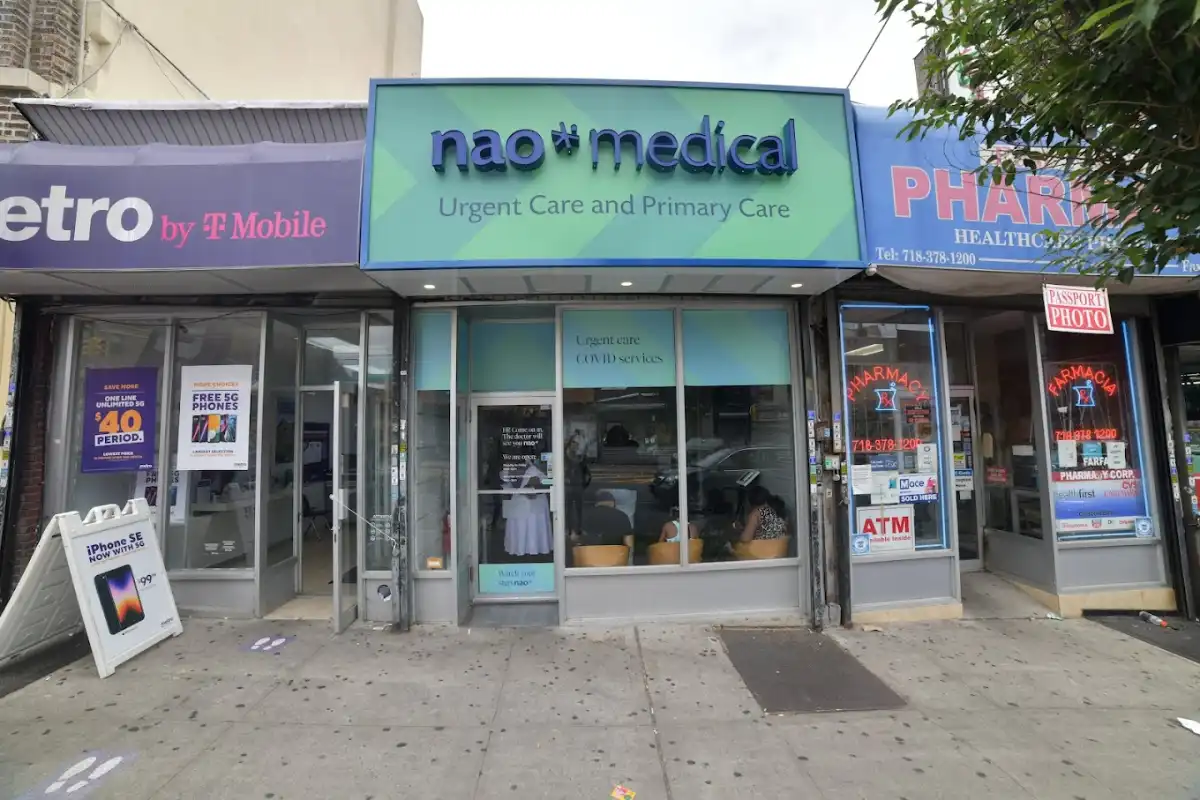
Bronx
932 E 174th St, Bronx, NY 10460
Bring prior metformin, GLP-1, PMOS or PCOS, laboratory, and insurance records for a focused medication comparison. The scheduling team will confirm the right visit type and current clinic availability.

Queens
37-15 23rd Ave, Astoria, NY 11105
Bring prior metformin, GLP-1, PMOS or PCOS, laboratory, and insurance records for a focused medication comparison. The scheduling team will confirm the right visit type and current clinic availability.

Bronx
2063A Bartow Ave, Bronx, NY 10475
Bring prior metformin, GLP-1, PMOS or PCOS, laboratory, and insurance records for a focused medication comparison. The scheduling team will confirm the right visit type and current clinic availability.

Brooklyn
341 Eastern Pkwy, Brooklyn, NY 11216
Bring prior metformin, GLP-1, PMOS or PCOS, laboratory, and insurance records for a focused medication comparison. The scheduling team will confirm the right visit type and current clinic availability.

Long Island
232 W Old Country Rd, Hicksville, NY 11801
Bring prior metformin, GLP-1, PMOS or PCOS, laboratory, and insurance records for a focused medication comparison. The scheduling team will confirm the right visit type and current clinic availability.

Queens
80-10 Northern Blvd, Jackson Heights, NY 11372
Bring prior metformin, GLP-1, PMOS or PCOS, laboratory, and insurance records for a focused medication comparison. The scheduling team will confirm the right visit type and current clinic availability.

Queens
90-18 Sutphin Blvd, Jamaica, NY 11435
Bring prior metformin, GLP-1, PMOS or PCOS, laboratory, and insurance records for a focused medication comparison. The scheduling team will confirm the right visit type and current clinic availability.

Queens
30-07 36th Ave, Astoria, NY 11106
Bring prior metformin, GLP-1, PMOS or PCOS, laboratory, and insurance records for a focused medication comparison. The scheduling team will confirm the right visit type and current clinic availability.

Long Island
135 Mineola Blvd, Mineola, NY 11501
Bring prior metformin, GLP-1, PMOS or PCOS, laboratory, and insurance records for a focused medication comparison. The scheduling team will confirm the right visit type and current clinic availability.

Manhattan
259 1st Ave, New York, NY 10003
Bring prior metformin, GLP-1, PMOS or PCOS, laboratory, and insurance records for a focused medication comparison. The scheduling team will confirm the right visit type and current clinic availability.

Brooklyn
308 Graham Ave, Brooklyn, NY 11211
Bring prior metformin, GLP-1, PMOS or PCOS, laboratory, and insurance records for a focused medication comparison. The scheduling team will confirm the right visit type and current clinic availability.
Coordinate weight, metabolic health, reproductive goals, and long-term follow-up.
Review general obesity-treatment criteria, safety, and whether a labeled product fits.
Coordinate contraception, preconception timing, and treatment transitions.
Prepare for benefit checks, prior authorization, and pharmacy requirements.
Review Nao Medical's broader evaluation and monitoring program.
Content was updated August 2, 2026 from the cited sources and Nao Medical's current service information. Medical guidance, prescribing information, medication availability, and insurance rules can change. A licensed clinician must confirm current information and determine each patient's eligibility, testing, treatment, administration setting, and follow-up. Call 911 for a medical emergency. Contact Nao Medical with a question or correction.