

HIV testing and same-day PrEP navigation in New York
An HIV testing visit should answer two questions: which test fits your situation, and what happens after the result? Testing can be appropriate for routine screening, recent exposure, symptoms, pregnancy or a prevention program.
If the result is negative, the same visit can include PrEP counseling and next-step navigation. If a recent exposure was within 72 hours, urgent PEP comes first.
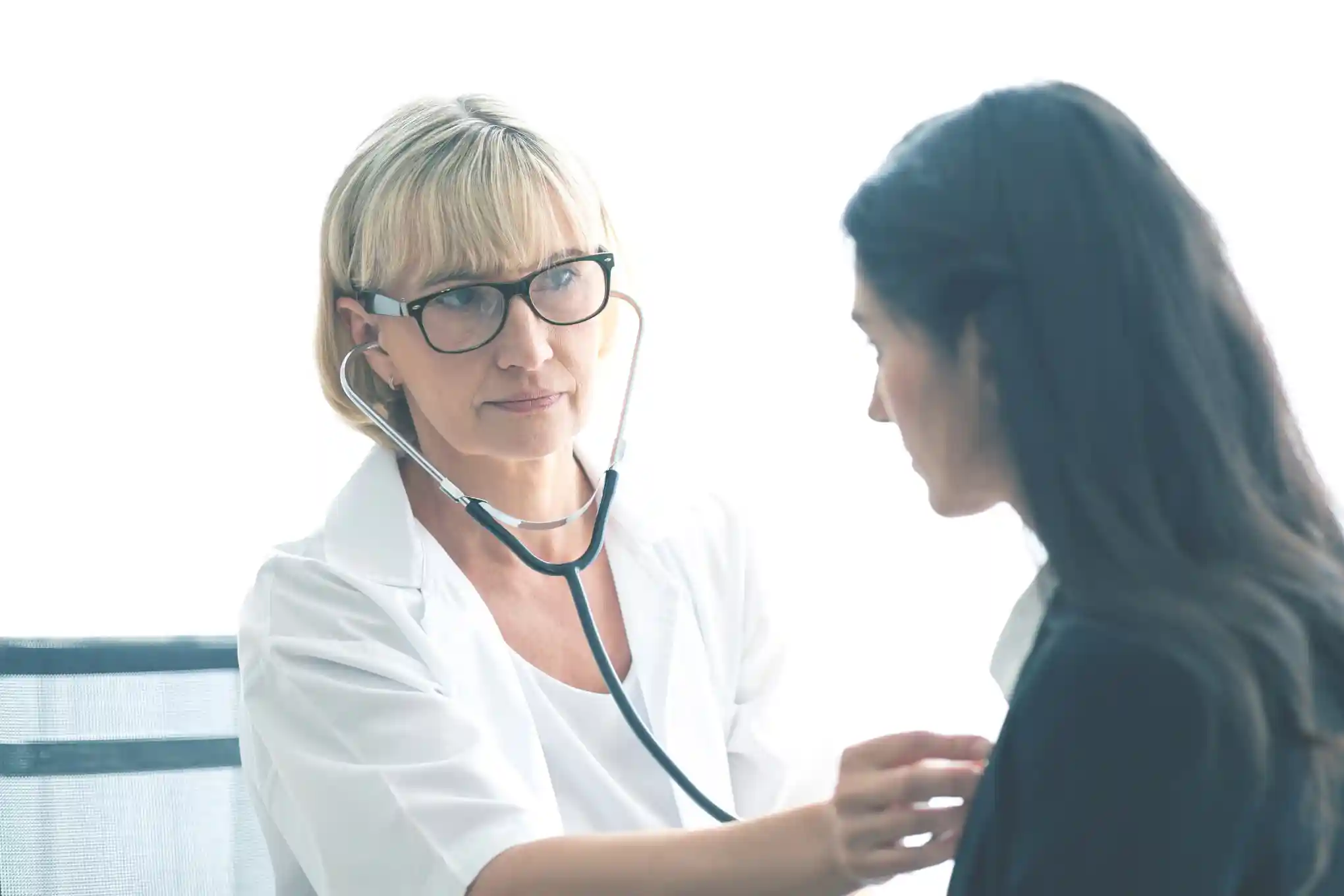

Rapid HIV screening and same-day visits
Confirm whether the site offers a rapid antibody or combination test, venous laboratory testing, and coordination of confirmatory or RNA testing when indicated. A same-day visit and a rapid screening result are different from a final diagnosis. Tell the service about recent exposure and PrEP/PEP before choosing the fastest test. If exposure is within 72 hours, urgent PEP assessment should take priority over waiting for a later screening appointment. Before leaving, agree on result contact and any repeat date. A reactive screen requires confirmation; a negative result during the window may require another test.
HIV testing and result follow-up
An HIV testing visit should answer two questions: which test fits your situation, and what happens after the result? Testing can be appropriate for routine screening, recent exposure, symptoms, pregnancy or a prevention program. Tell the clinician about the date of the most recent exposure and any PrEP or PEP. A rapid result is useful, but speed does not determine whether a test can detect a very recent infection.
Eligibility: HIV testing and result follow-up
Anyone can request testing. Clinicians also recommend it according to age, pregnancy, exposure and ongoing risk. Testing needs differ for someone taking PrEP, finishing PEP or experiencing possible acute HIV symptoms. A potential qualifying exposure within 72 hours needs urgent PEP assessment; waiting for a later test can lose the prevention window. Symptoms alone neither diagnose nor rule out HIV.
What to expect: HIV testing and result follow-up
Review timing and medicines
Describe exposures, previous results, PrEP/PEP use and symptoms. A negative baseline test is useful but does not exclude the exposure that just occurred.
Choose the assay and specimen
Ask whether the test is an antibody test, a laboratory venous antigen/antibody test, a finger-stick combination test or a NAT. Recent exposure or acute symptoms may call for additional tests rather than a rapid antibody test alone.
Interpret the result with its window
Without antiretroviral use, CDC usual detection windows are 10–33 days for NAT and 18–45 days for a venous laboratory antigen/antibody test. The windows are 18–90 days for a finger-stick combination test and 23–90 days for antibody tests. These ranges are not an individualized guarantee.
Set the next action
An early negative may need repeat testing. A reactive screening result needs confirmatory testing and prompt clinical contact. A confirmed positive result should connect you to HIV care; a negative result can connect you to appropriate prevention.
Preparing for your appointment
Bring prior reports and dates, including the exact test name if known. Tell the service about recent antiretroviral medicines: they can affect detection and follow-up. No fasting is usually needed solely for an HIV test, but other tests ordered at the same visit may have instructions. Confirm how results are delivered and how you can speak to someone if a portal notification is unclear.
Risks and when to seek help
Do not use one early negative test to dismiss a significant recent exposure or illness. Seek urgent PEP care within 72 hours when appropriate. A reactive rapid screen is not a completed diagnosis, and a numerical screening index is not a viral load or a measure of how infected you are. Arrange confirmatory testing and clinician interpretation instead of comparing values online.
Follow-up and treatment review
Your follow-up date depends on assay, exposure timing, ongoing risk and PrEP/PEP use. CDC’s post-PEP schedule differs from ordinary untreated-infection windows. If tests conflict or acute HIV is suspected, additional testing and a clinician-managed prevention plan are needed. Keep the follow-up even if you feel well; symptoms are an unreliable testing strategy.
Appointments, costs and coverage
Ask which test the site offers, whether confirmatory testing is coordinated, expected turnaround and who contacts you. Same-day attendance does not guarantee same-day final results. Discuss visit and lab coverage, self-pay estimates and privacy of portal messages or insurance communications. Confirm the assay, laboratory turnaround, price and exact plan participation with the service.
Questions about your care
How soon after exposure can an HIV test detect infection? Is a negative test right after exposure conclusive?
HIV detection depends on the assay and exposure date. CDC lists usual windows of 10–33 days for NAT and 18–45 days for a laboratory antigen/antibody test using venous blood. Rapid finger-stick antigen/antibody testing has a usual window of 18–90 days; antibody testing has a window of 23–90 days. A negative result during its window is not conclusive; repeat at the advised time. PrEP/PEP can affect the testing plan. If the exposure was within 72 hours, seek urgent PEP assessment rather than waiting for repeat testing.
Can I get HIV test results the same day?
Some HIV tests can produce a rapid result, while a laboratory test or confirmation may take longer. Ask which assay the clinic uses, when your result will be discussed and what follow-up is needed. A same-day negative does not exclude a recent exposure within that assay's window. A reactive screening result needs confirmation. Seek urgent PEP assessment for a qualifying exposure within 72 hours.
What happens after a reactive HIV screening test?
Describe exposures, previous results, PrEP/PEP use and symptoms. A negative baseline test is useful but does not exclude the exposure that just occurred.
Ask whether the test is an antibody test, a laboratory venous antigen/antibody test, a finger-stick combination test or a NAT. Recent exposure or acute symptoms may call for additional tests rather than a rapid antibody test alone.
Without antiretroviral use, CDC usual detection windows are 10–33 days for NAT and 18–45 days for a venous laboratory antigen/antibody test. The windows are 18–90 days for a finger-stick combination test and 23–90 days for antibody tests. These ranges are not an individualized guarantee.
An early negative may need repeat testing. A reactive screening result needs confirmatory testing and prompt clinical contact. A confirmed positive result should connect you to HIV care; a negative result can connect you to appropriate prevention.
Your follow-up date depends on assay, exposure timing, ongoing risk and PrEP/PEP use. CDC’s post-PEP schedule differs from ordinary untreated-infection windows. If tests conflict or acute HIV is suspected, additional testing and a clinician-managed prevention plan are needed. Keep the follow-up even if you feel well; symptoms are an unreliable testing strategy.
Can I start PrEP after a negative rapid test?
A clinician may consider a rapid oral PrEP start after the required HIV assessment and product-specific safety review. A negative oral-fluid self-test or a booked appointment does not by itself exclude acute HIV or establish eligibility. Recent exposure within 72 hours may require PEP instead. Kidney function, hepatitis B, exposure route and the exact formulation affect the plan. Do not start borrowed pills or stop current prevention on your own.
Is Nao Medical HIV testing anonymous?
Ask whether the service provides confidential identified testing or a specifically anonymous pathway; these are different. Insurance claims or benefit communications can reveal that a service occurred. Minors need the applicable consent and privacy process and an age-appropriate service. Tell intake your age and privacy concerns and ask who can see results. Ask for a clinician who can address your specific concerns.
How often should I be tested for HIV?
Repeat testing depends on the exposure date, assay, ongoing risk and any PrEP/PEP use. An early negative may need another test after the applicable window. Oral PrEP generally includes HIV testing at least every three months. Injections use their product-specific testing visits. PEP has a separate 4–6- and 12-week follow-up plan. Ask the clinician for your next test date.
What if the exposure was less than 72 hours ago?
Possible HIV exposure is time-sensitive. Seek PEP assessment as soon as possible, ideally within 24 hours and no later than 72 hours after a qualifying exposure. PEP is a 28-day course of antiretroviral medication used after exposure; it is different from ongoing PrEP. Do not wait for symptoms, a partner’s results, insurance approval or a routine appointment. If a clinic cannot assess you promptly, go to an emergency department or another service able to start PEP.
Tell the service the exact date and time, what happened, any prior PrEP doses and what is known about the source. If sexual assault occurred, urgent care can also address injuries, pregnancy prevention, other infections and support; PEP decisions should not wait for reporting or paperwork.
A baseline HIV test and renal, hepatic, hepatitis, STI or pregnancy testing may be needed. When PEP is indicated, the first dose should not be delayed waiting for laboratory results that are unavailable immediately.
Confirm where the medication will be dispensed, how the full 28-day supply will be obtained and whom to call for side effects or a missed dose. The regimen is selected for age, pregnancy, organ function and interactions.
CDC recommends early contact around 24 hours to check access and tolerance, with clinical/laboratory follow-up at 4–6 and 12 weeks after exposure. Your clinician specifies the HIV antigen/antibody and nucleic-acid tests and any timing adjustments.
Is a negative test after two weeks conclusive?
It depends on the test and clinical context. Many tests are still within their detection window at two weeks. Tell the clinician about exposure timing and PrEP/PEP so the right test and repeat date can be selected.
What does a nonreactive HIV test mean?
“Nonreactive” means the screening test did not detect the HIV marker it measures in that sample. It is usually reported as a negative result, but it can be too early after exposure to exclude infection. Interpretation depends on the assay, specimen, exposure date and any PrEP or PEP. Ask whether you need another test after the applicable window or additional testing for possible acute HIV. A potential qualifying exposure within 72 hours needs urgent PEP assessment. Your result does not establish your partner’s HIV status.
Where and how can I get an HIV test?
Ask a clinician or a sexual-health testing service which HIV assay it provides and how follow-up is arranged. CDC’s testing locator and NYC Health Department sexual-health clinics are published ways to find services. Confirm current location requirements before going. Tell the service your exposure date, symptoms and PrEP/PEP use so the test fits the question. A blood or oral-fluid test detects HIV, while an AIDS diagnosis involves the stage of established HIV disease and clinical assessment. A reactive screen needs confirmation. A qualifying exposure within 72 hours calls for urgent PEP care rather than waiting for a testing appointment.
How do you test for HIV/AIDS?
Antibody tests look for the immune response to HIV. Antigen/antibody tests also detect p24 antigen. A nucleic-acid test, or NAT, looks for viral genetic material. The tests become positive at different times after infection. Viral-load testing in someone with diagnosed HIV serves a different purpose from screening and must not be confused with a general negative HIV test.
Medical sources
Compare HIV PrEP choices · Daily and injectable options · LGBTQ+ visit planning · Costs and coverage
timely PrEP requires a complete testing pathway
Find HIV testing and PrEP navigation
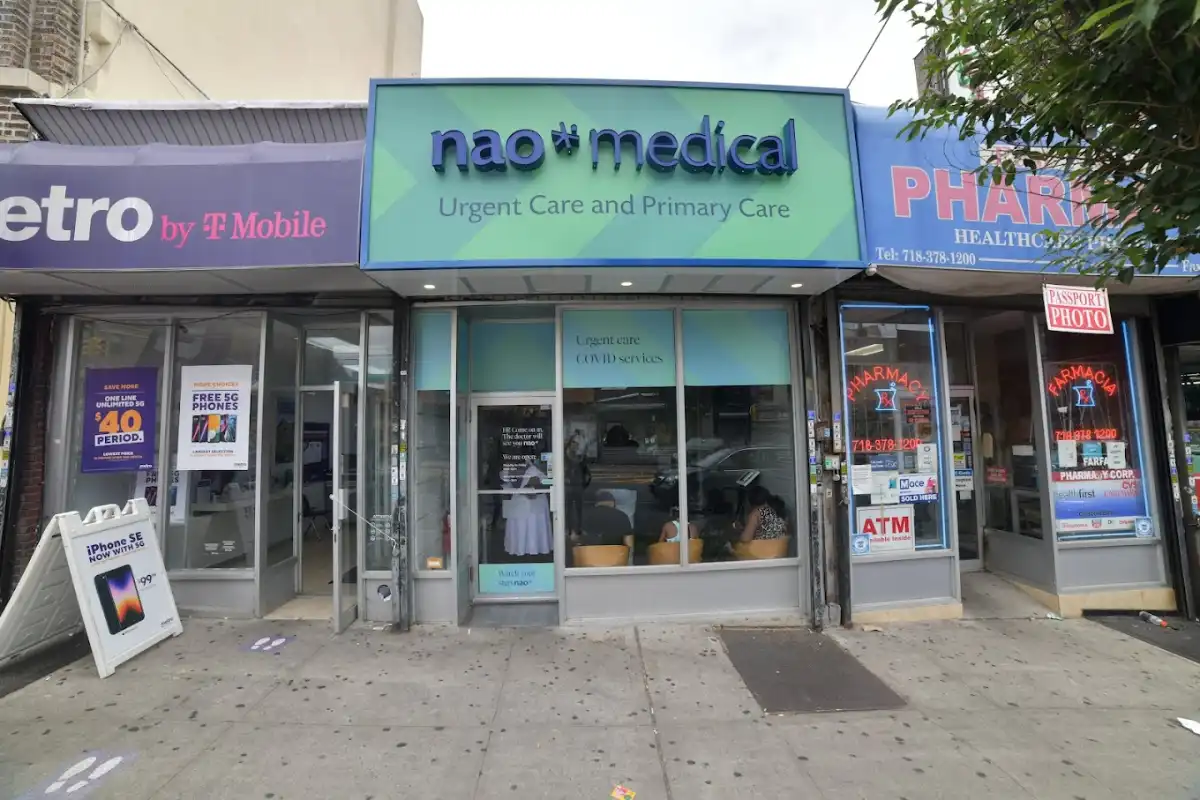
Bronx
174th Street
932 E 174th St, Bronx, NY 10460
Book the HIV testing route to confirm testing, result follow-up, and PrEP navigation availability at this clinic.
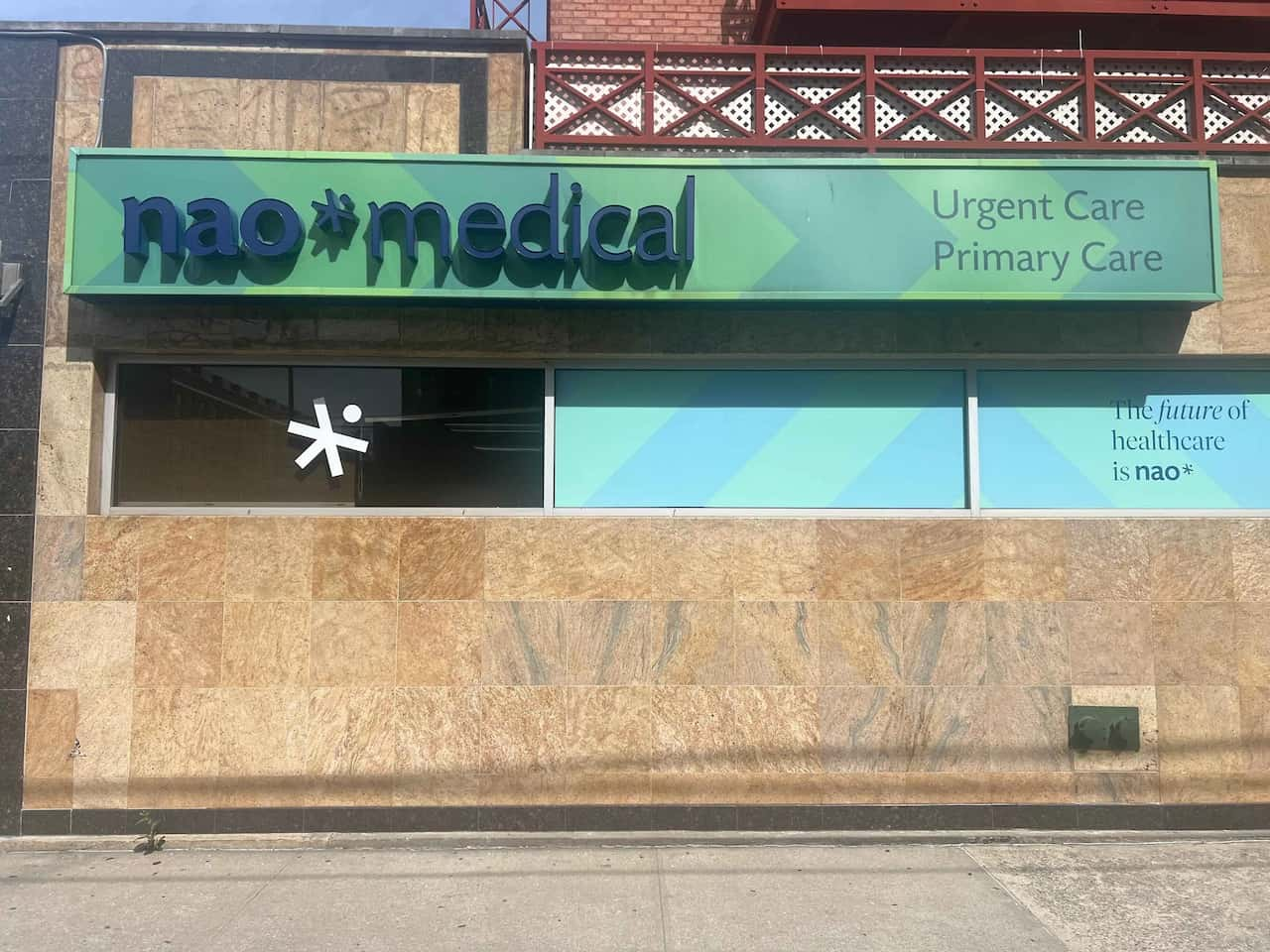
Queens
Astoria
37-15 23rd Ave, Astoria, NY 11105
Book the HIV testing route to confirm testing, result follow-up, and PrEP navigation availability at this clinic.
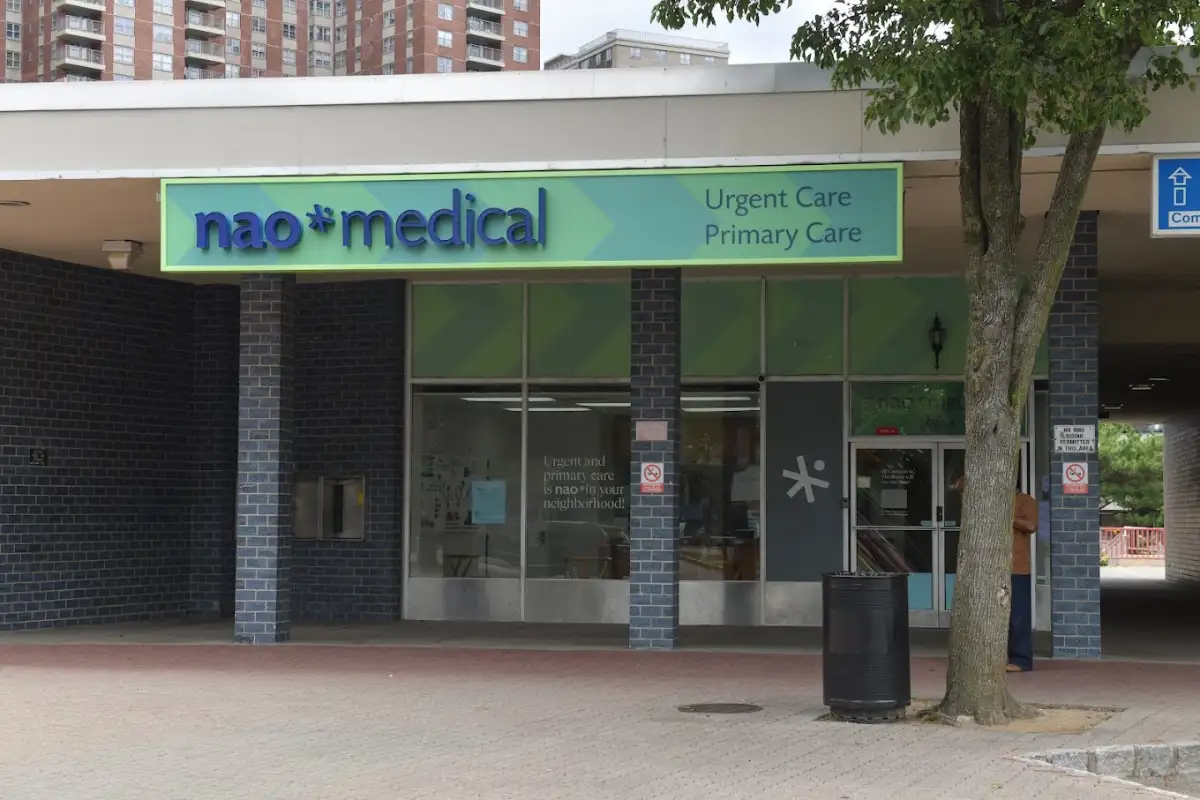
Bronx
Bartow Mall
2063A Bartow Ave, Bronx, NY 10475
Book the HIV testing route to confirm testing, result follow-up, and PrEP navigation availability at this clinic.
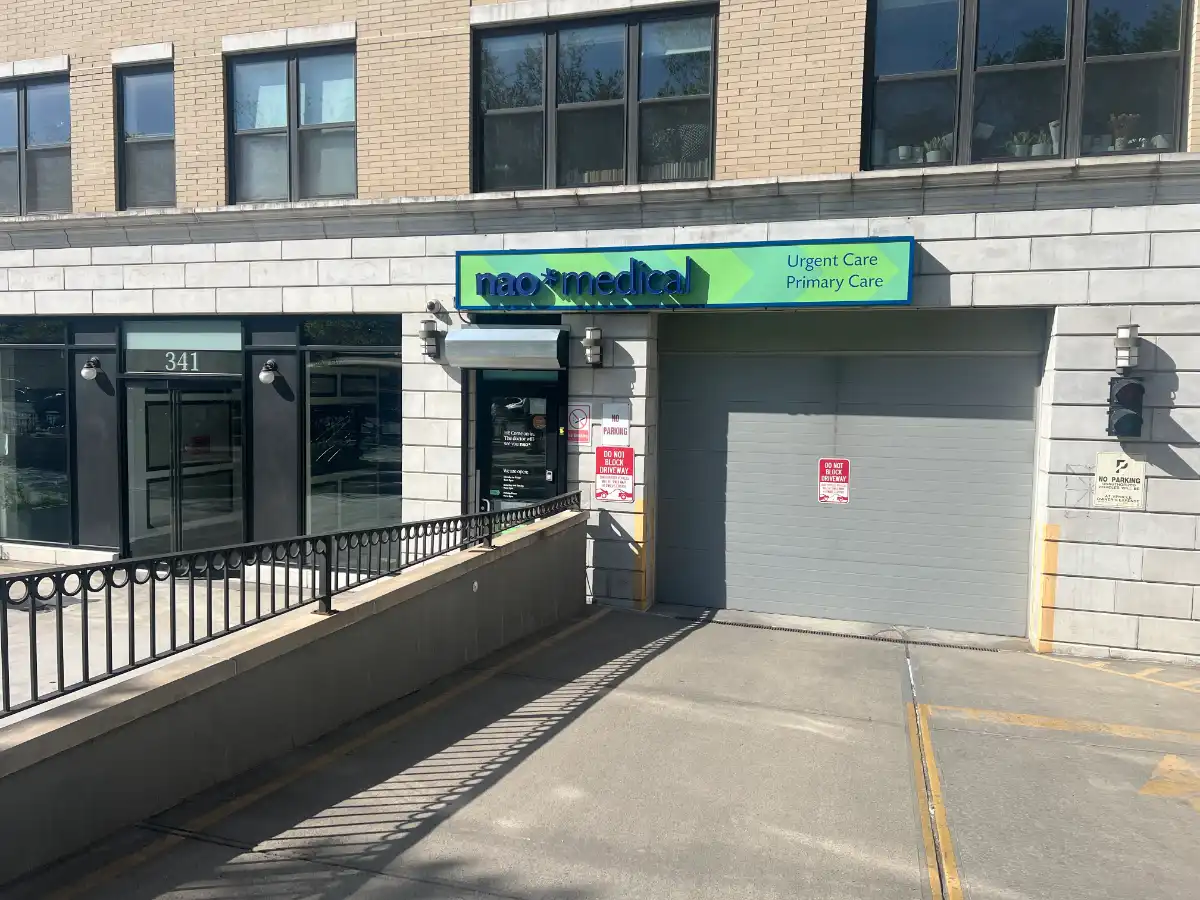
Brooklyn
Crown Heights
341 Eastern Pkwy, Brooklyn, NY 11216
Book the HIV testing route to confirm testing, result follow-up, and PrEP navigation availability at this clinic.
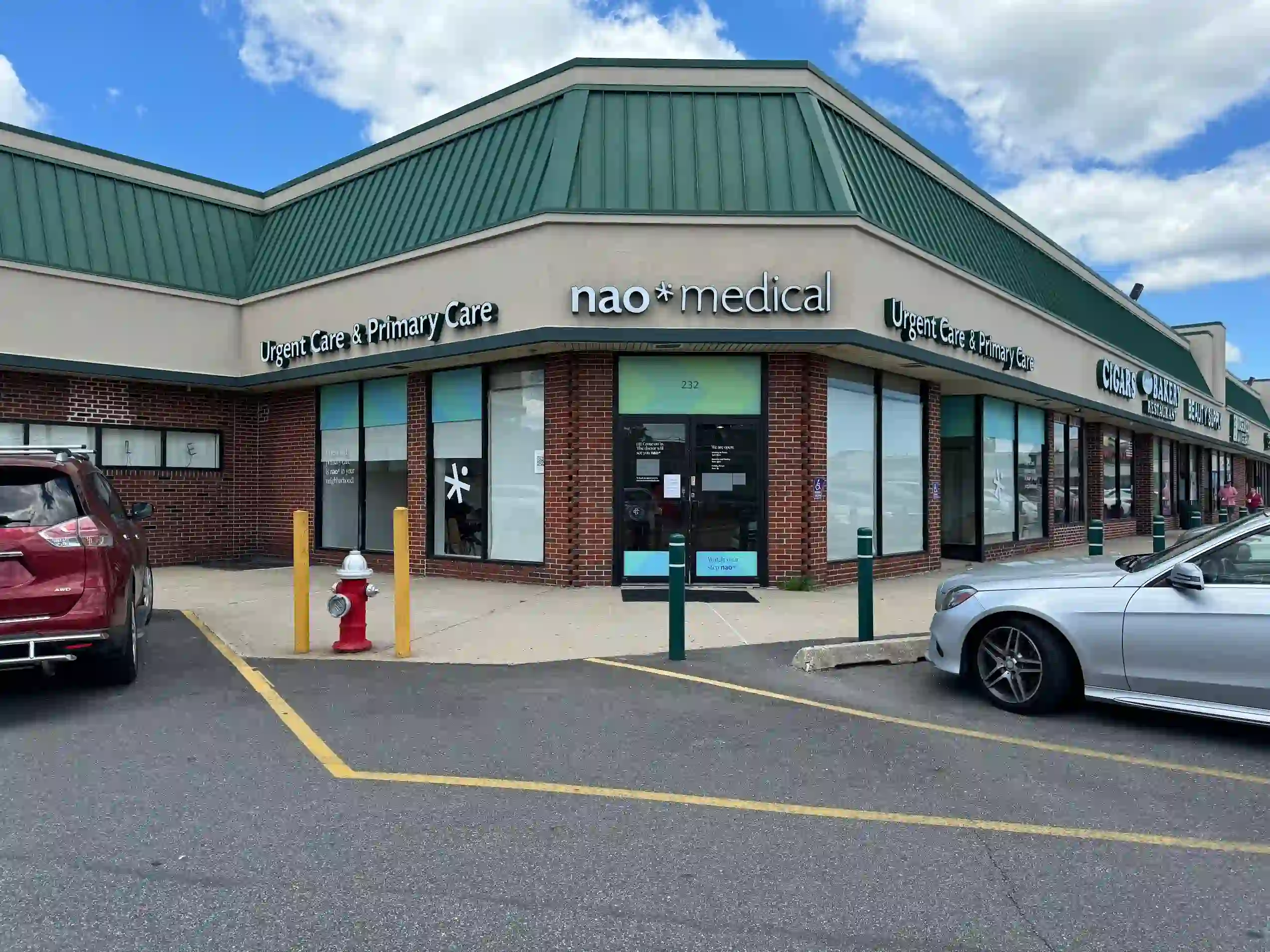
Long Island
Hicksville
232 W Old Country Rd, Hicksville, NY 11801
Book the HIV testing route to confirm testing, result follow-up, and PrEP navigation availability at this clinic.
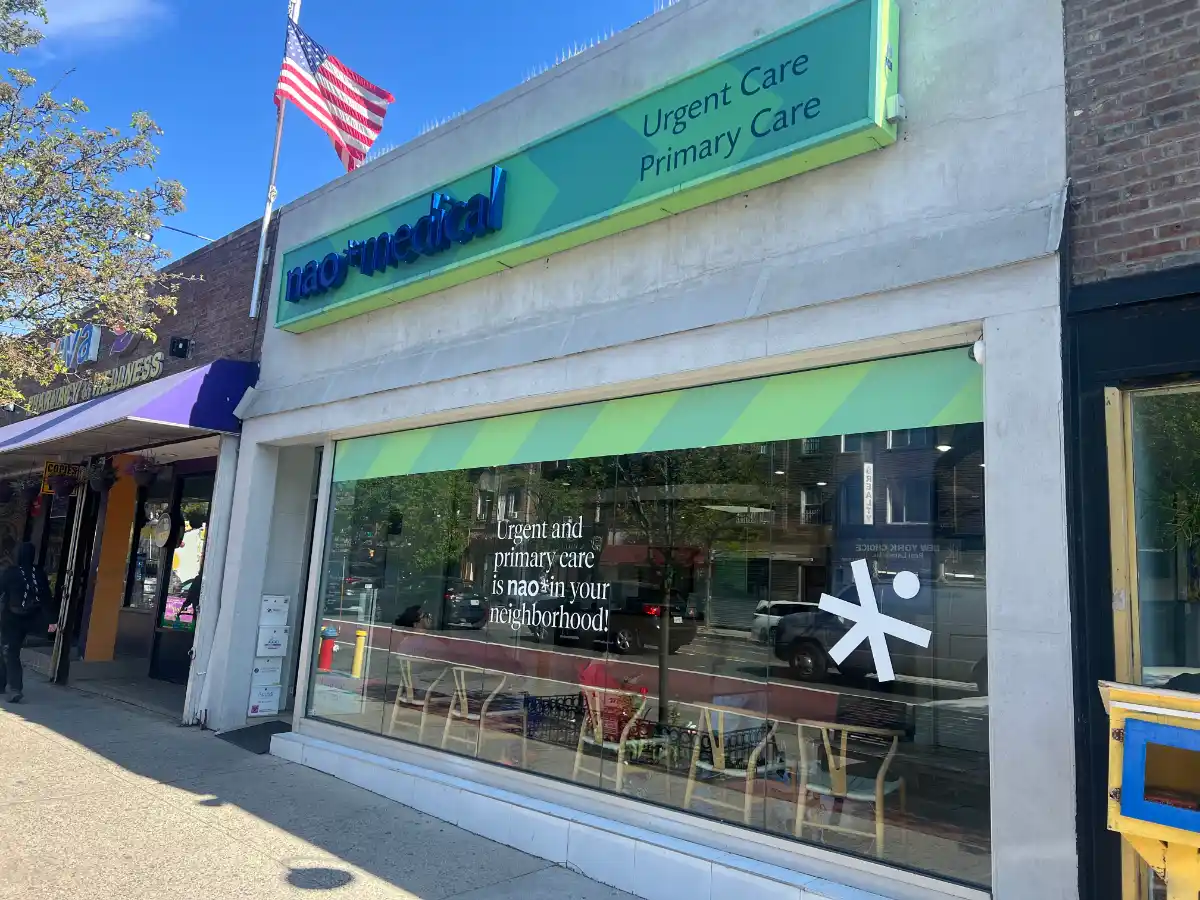
Queens
Jackson Heights
80-10 Northern Blvd, Jackson Heights, NY 11372
Book the HIV testing route to confirm testing, result follow-up, and PrEP navigation availability at this clinic.
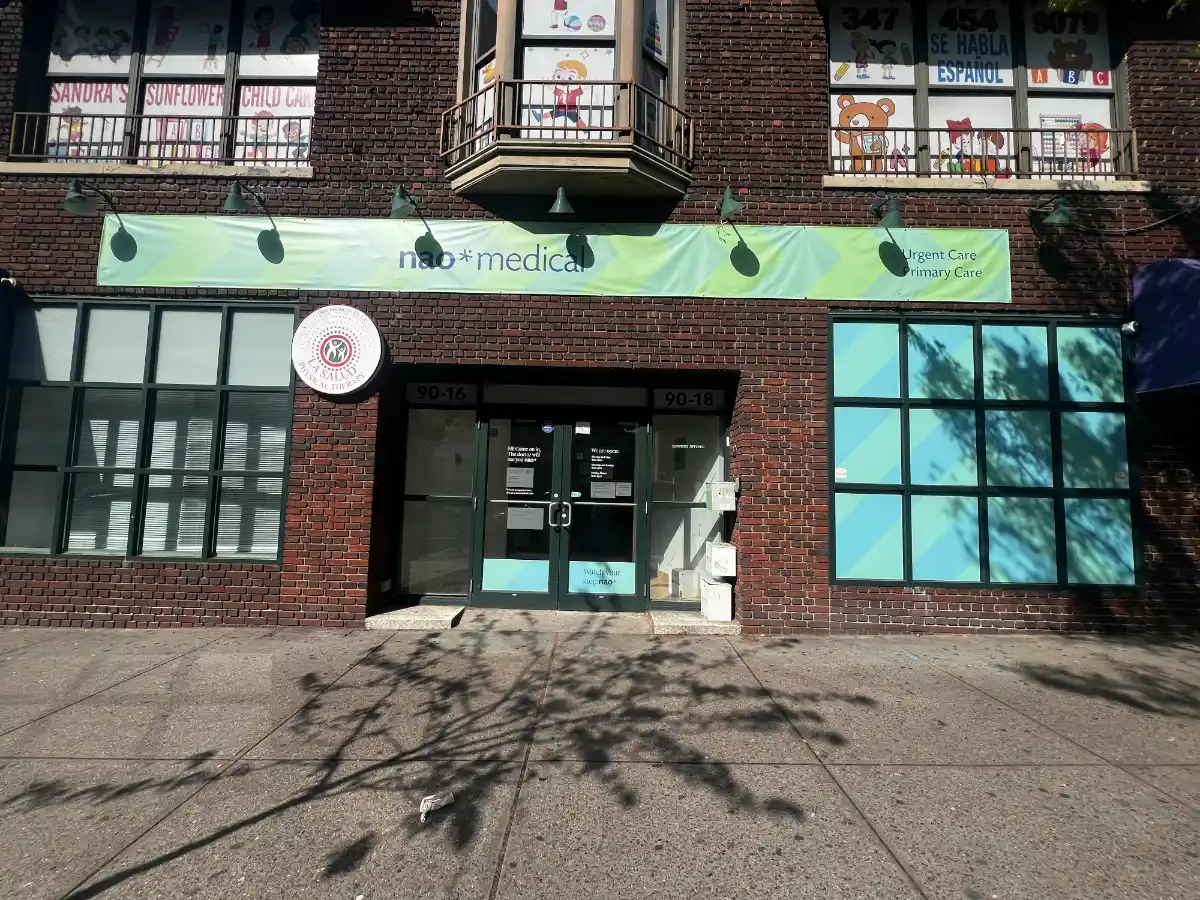
Queens
Jamaica
90-18 Sutphin Blvd, Jamaica, NY 11435
Book the HIV testing route to confirm testing, result follow-up, and PrEP navigation availability at this clinic.
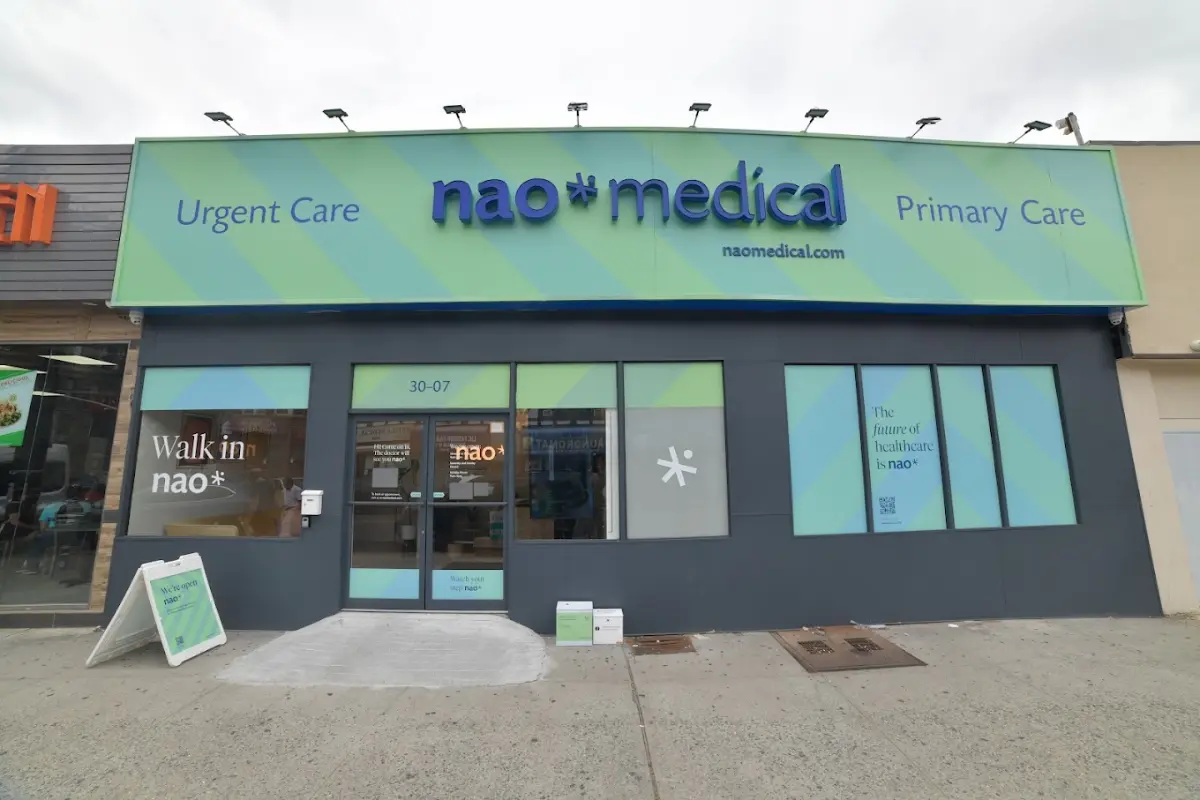
Queens
Long Island City
30-07 36th Ave, Astoria, NY 11106
Book the HIV testing route to confirm testing, result follow-up, and PrEP navigation availability at this clinic.
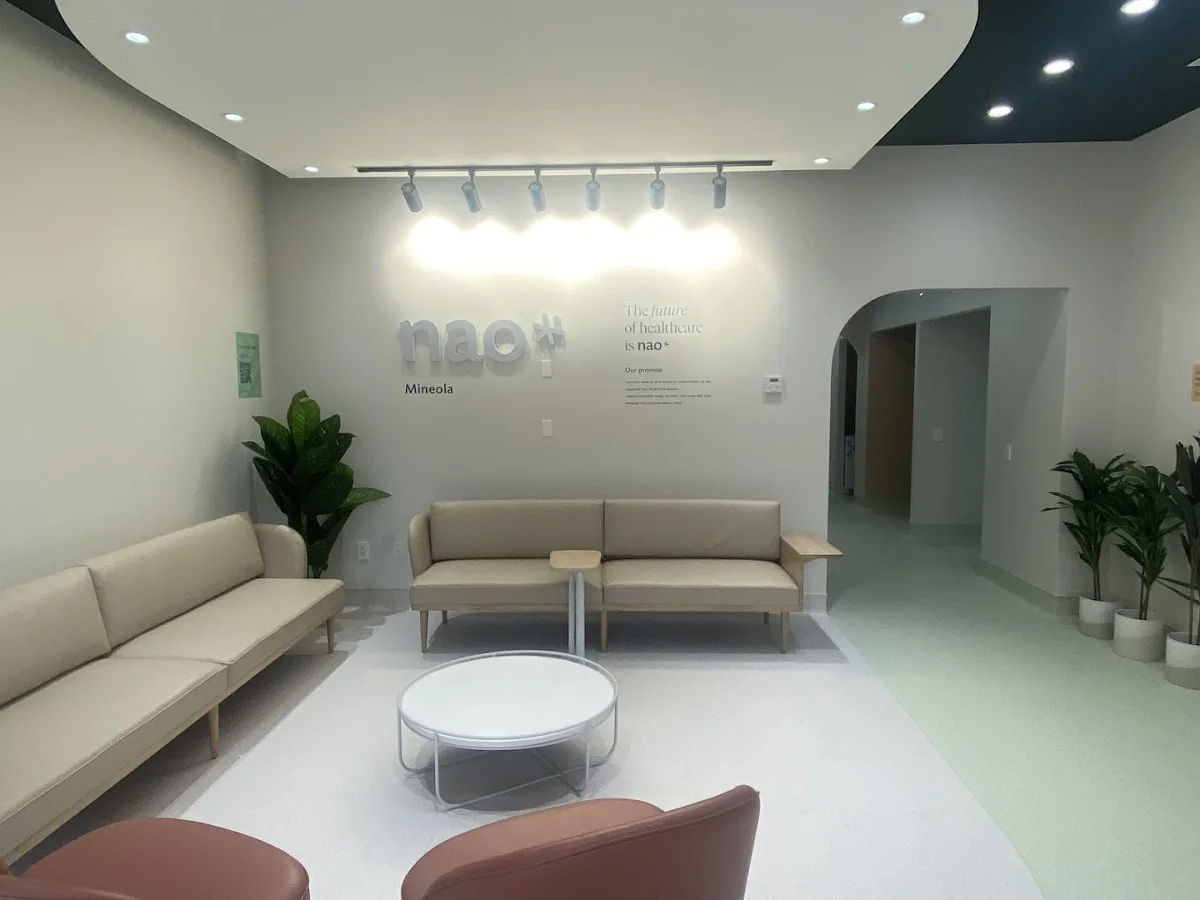
Long Island
Mineola
135 Mineola Blvd, Mineola, NY 11501
Book the HIV testing route to confirm testing, result follow-up, and PrEP navigation availability at this clinic.
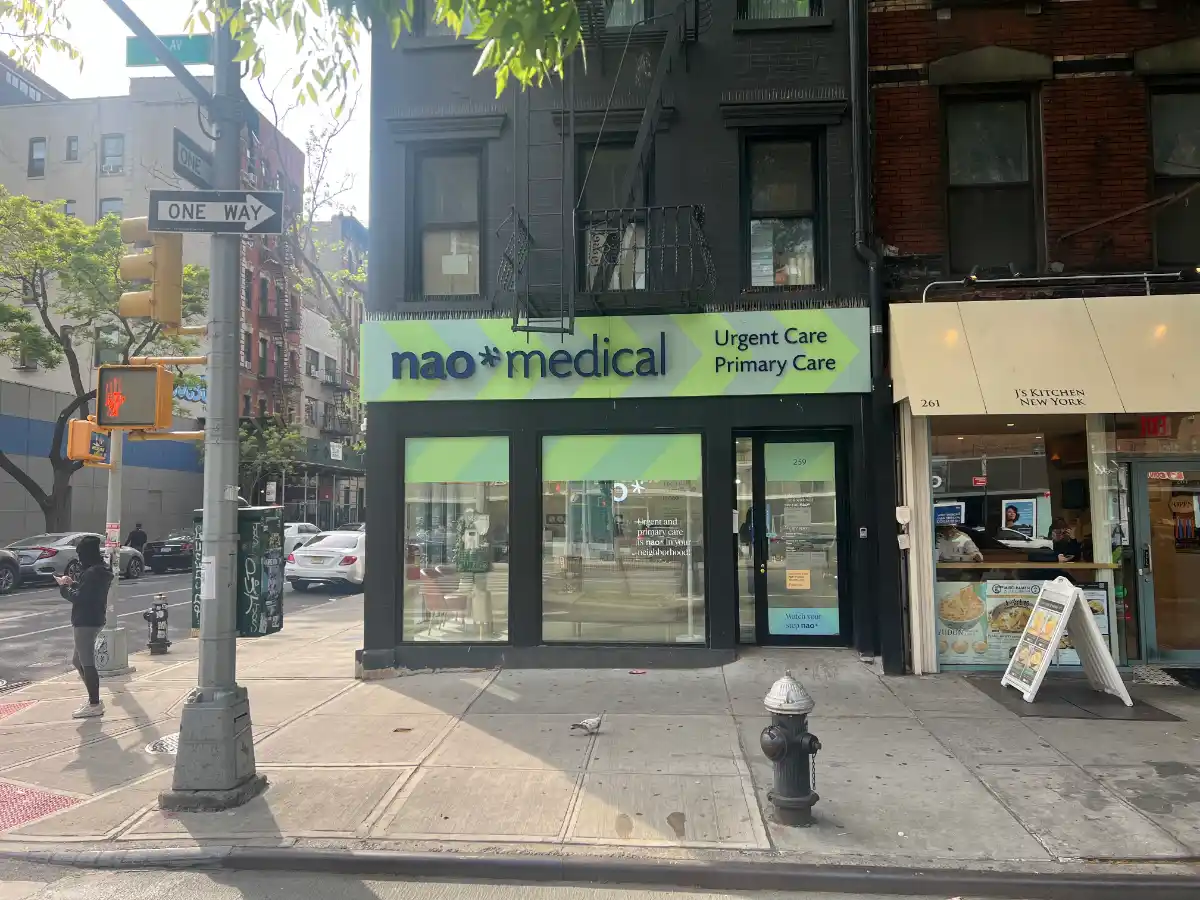
Manhattan
StuyTown
259 1st Ave, New York, NY 10003
Book the HIV testing route to confirm testing, result follow-up, and PrEP navigation availability at this clinic.
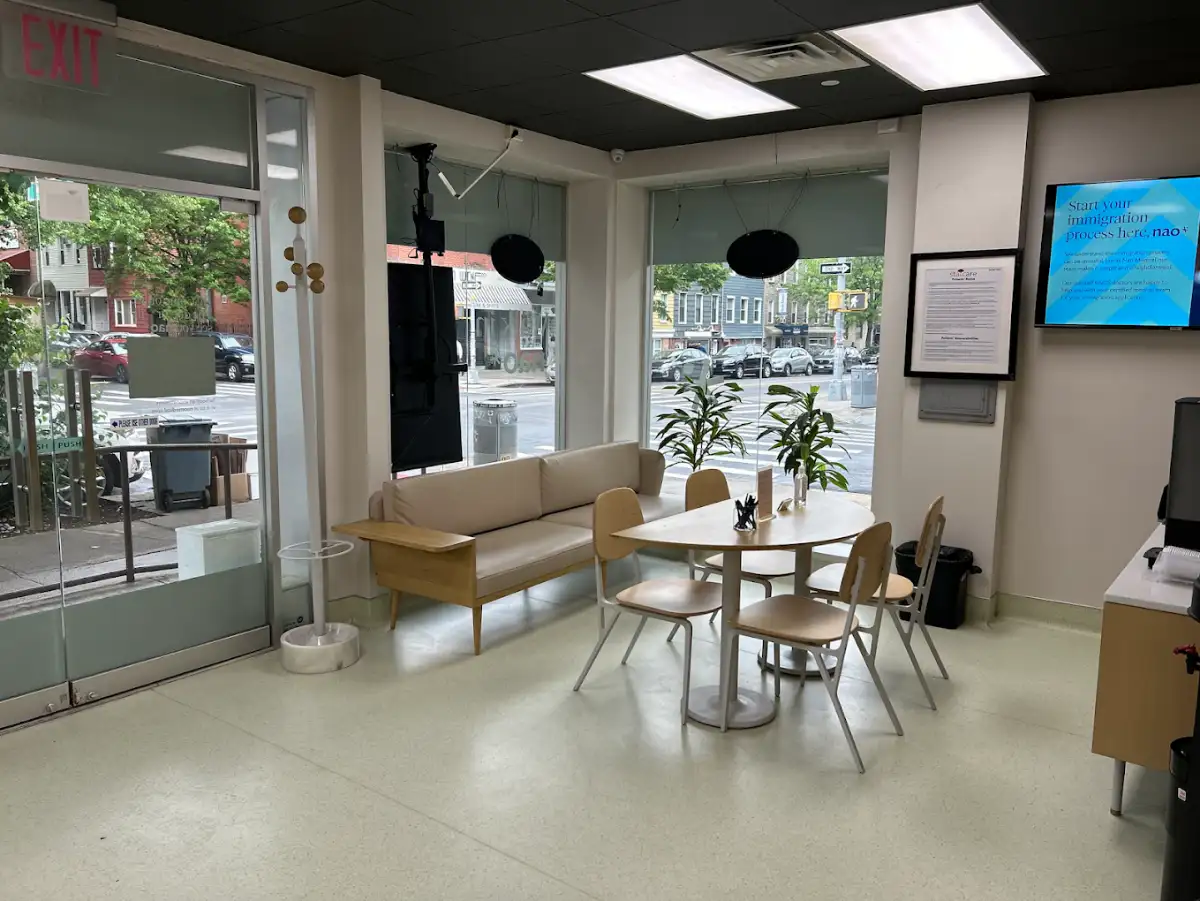
Brooklyn
Williamsburg
308 Graham Ave, Brooklyn, NY 11211
Book the HIV testing route to confirm testing, result follow-up, and PrEP navigation availability at this clinic.
| Care option | Typical schedule | What to consider |
|---|---|---|
| HIV testing | Determines HIV status using a test selected for the exposure timing | May require repeat or confirmatory testing |
| PEP | Emergency 28-day medicine after a possible exposure | Start as soon as possible and no later than 72 hours |
| PrEP | Ongoing medicine before possible future exposures | Daily oral or long-acting injection options |
- CDC getting tested for HIV
- CDC clinical testing guidance
- CDC clinical guidance for PrEP
- NYC Health HIV testing guidance
- New York State PrEP clinical guideline
- New York State Rapid ART guideline
Updated August 1, 2026. This information is not a substitute for an individual medical evaluation. A licensed clinician determines medication eligibility, testing, dosing, and follow-up. Contact Nao Medical with a question or correction.

Book HIV testing and PrEP navigation
Arrange an evaluation to discuss suitable care, preparation and follow-up with a clinician.
Book HIV testing and PrEP navigationContent was updated August 1, 2026 from the sources cited on the information here. Medical guidance, prescribing information, medication availability, and insurance rules can change. A licensed clinician must confirm current information and determine each patient's eligibility, testing, treatment, administration setting, and follow-up. Call 911 for a medical emergency. Contact Nao Medical with a question or correction.