A careful review for adults whose blood pressure is not adequately controlled on other medicines, with laboratory monitoring and interaction checks guided by the current U.S. label.
Evaluation and coordination; site capability must be confirmed
Start with evaluation, not a product assumptionThe care team must confirm clinical fit, current records, monitoring, access, and the correct site before treatment moves forward.
Direct answer
Baxfendy is the brand name for baxdrostat, an oral aldosterone synthase inhibitor. The FDA approved it in May 2026 for use with other antihypertensive medicines to lower blood pressure in adults who are not adequately controlled on other agents. Its active DailyMed listing includes U.S. package codes and a May 15, 2026 marketing start date. It is not limited by label to patients who meet every formal definition of resistant hypertension.
Current product and service status
Baxfendy is FDA approved, and the current official drug listing shows active U.S. packages with a May 15, 2026 marketing start date. This page describes evaluation and care coordination. A prescription, coverage, dispensing, teaching visit, or administration is never automatic.
What the current U.S. label says
The indication is hypertension in combination with other antihypertensive drugs for adults who are not adequately controlled on other agents. The usual labeled dose is 2 mg once daily; the label specifies 1 mg for patients at increased risk of hyperkalemia or hyponatremia.
Who may be considered
The evaluation should confirm reliable blood-pressure measurements, the current regimen, adherence, other causes of poor control, kidney function and electrolyte risk, interacting medicines, and whether the patient needs urgent or specialty care.
How it is used
Baxfendy is a once-daily oral tablet that can be taken with or without food. It is added to other antihypertensive treatment when the current regimen is not adequate; it does not replace a complete hypertension evaluation.
What needs monitoring
The label requires serum potassium and sodium assessment before treatment and periodically afterward, with more frequent checks for patients at increased risk. Medicines that raise potassium and CYP3A inducers require special attention.
What a careful evaluation must resolve
A brand name is not enough to determine whether treatment is appropriate. The clinician must connect the label to the patient's diagnoses, current medicines, prior treatment, laboratory results, preferences, and coverage.
Clinical fit
The evaluation should confirm reliable blood-pressure measurements, the current regimen, adherence, other causes of poor control, kidney function and electrolyte risk, interacting medicines, and whether the patient needs urgent or specialty care.
Safety and follow-up
The label requires serum potassium and sodium assessment before treatment and periodically afterward, with more frequent checks for patients at increased risk. Medicines that raise potassium and CYP3A inducers require special attention.
Access and care logistics
Nao Medical must confirm prescribing scope, baseline and follow-up laboratory workflow, pharmacy access, interaction review, and escalation or referral criteria before offering this pathway.
Important limits
This is not a same-day prescription promise. Very high blood pressure with concerning symptoms can be an emergency, and some patients need more measurement data, laboratory work, regimen correction, or specialist care before a new medicine is considered.
No guaranteed prescription
An evaluation may lead to another medicine, more testing, a referral, or no medication change.
No coverage promise
The health plan and dispensing pharmacy make coverage and fulfillment decisions. Prior authorization may be required.
No location assumption
The clinic cards below show places to start an evaluation. They do not prove that a product is stocked, dispensed, taught, or administered at that site.
How the evaluation moves forward
The sequence protects safety and keeps a product request from bypassing diagnosis, records, monitoring, access, or referral needs.
Bring complete information
Bring the medication list, recent laboratory results, home readings or device reports, diagnoses, allergies, and the questions that matter most.
Confirm the clinical problem
The clinician checks whether the current data support the suspected diagnosis and whether another condition, medicine, or measurement issue could change the plan.
Build a treatment plan
The plan may include laboratory work, medication adjustment, education, monitoring, a referral, or a different level of care.
Set the follow-up interval
The care team explains what will be checked, when to return, and which symptoms or readings require earlier attention.
Evaluation locations across New York
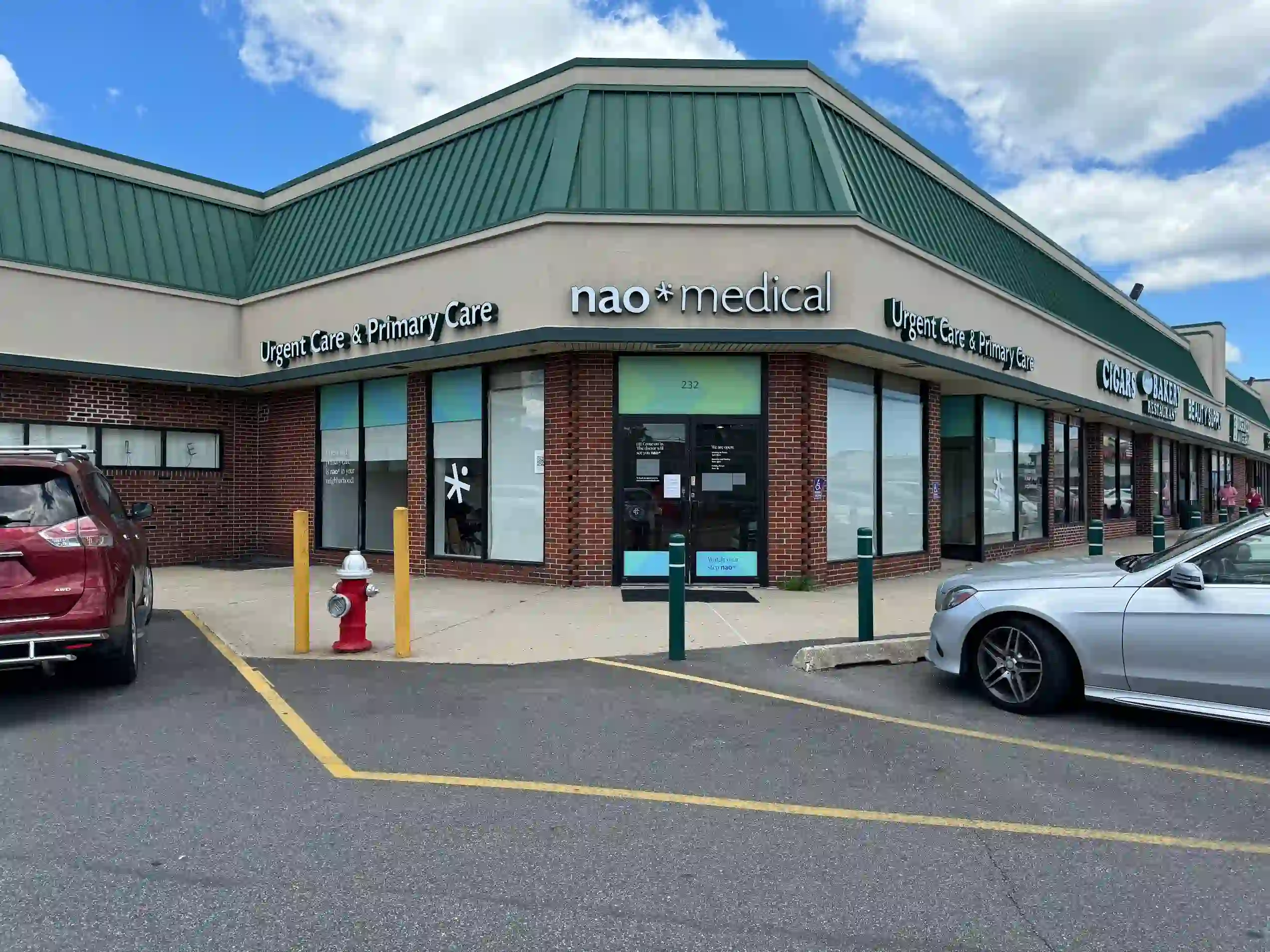
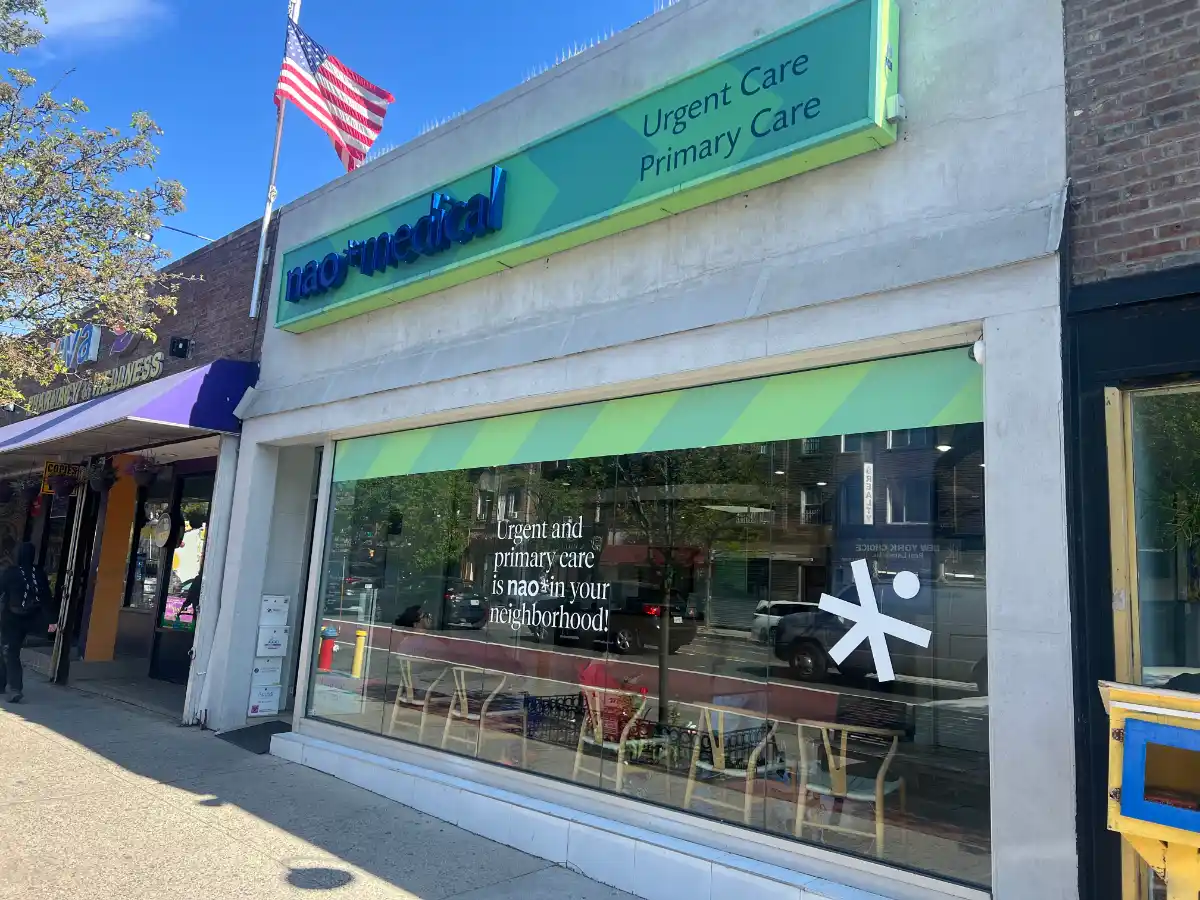
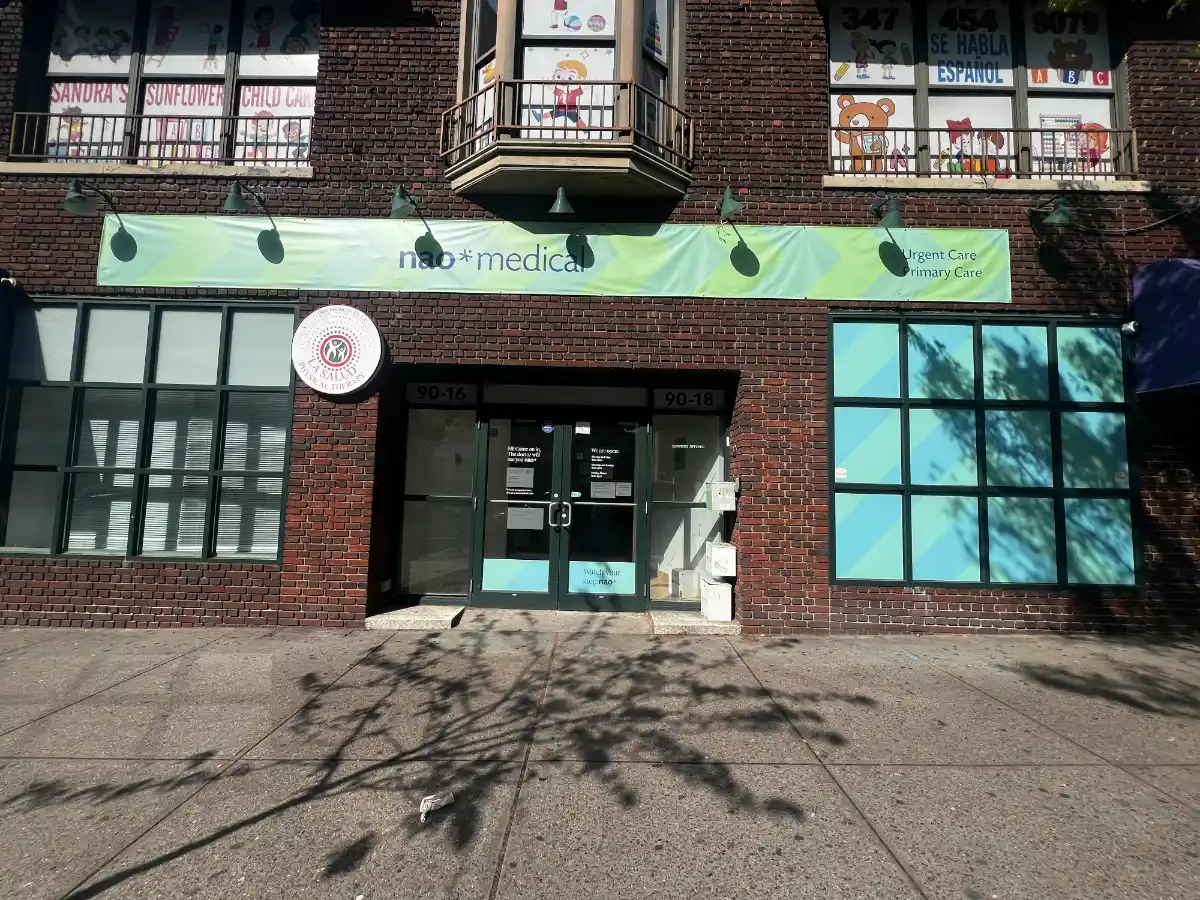
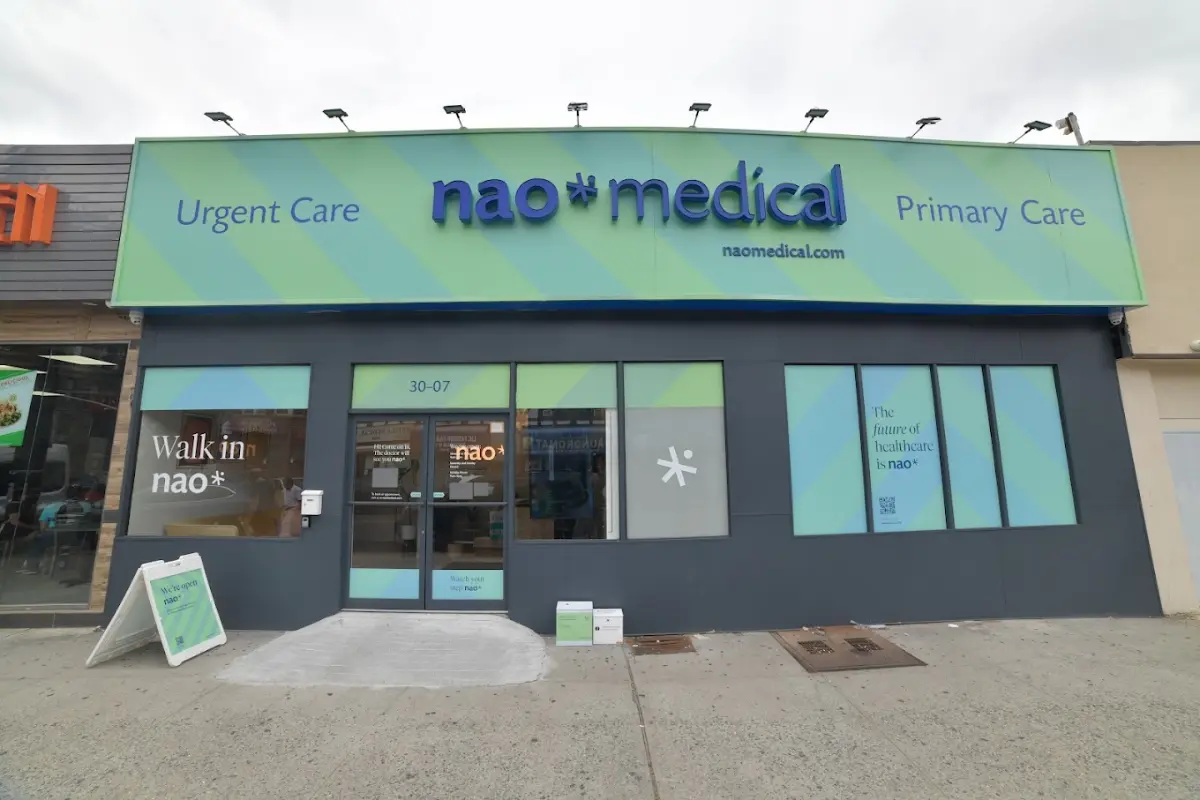
Choose a nearby Nao Medical clinic as a starting point for evaluation or care coordination.
Capability boundary: these location cards do not establish that a medicine, device, laboratory test, injection, or specialty workflow is available at every site. Confirm the exact service before travel.
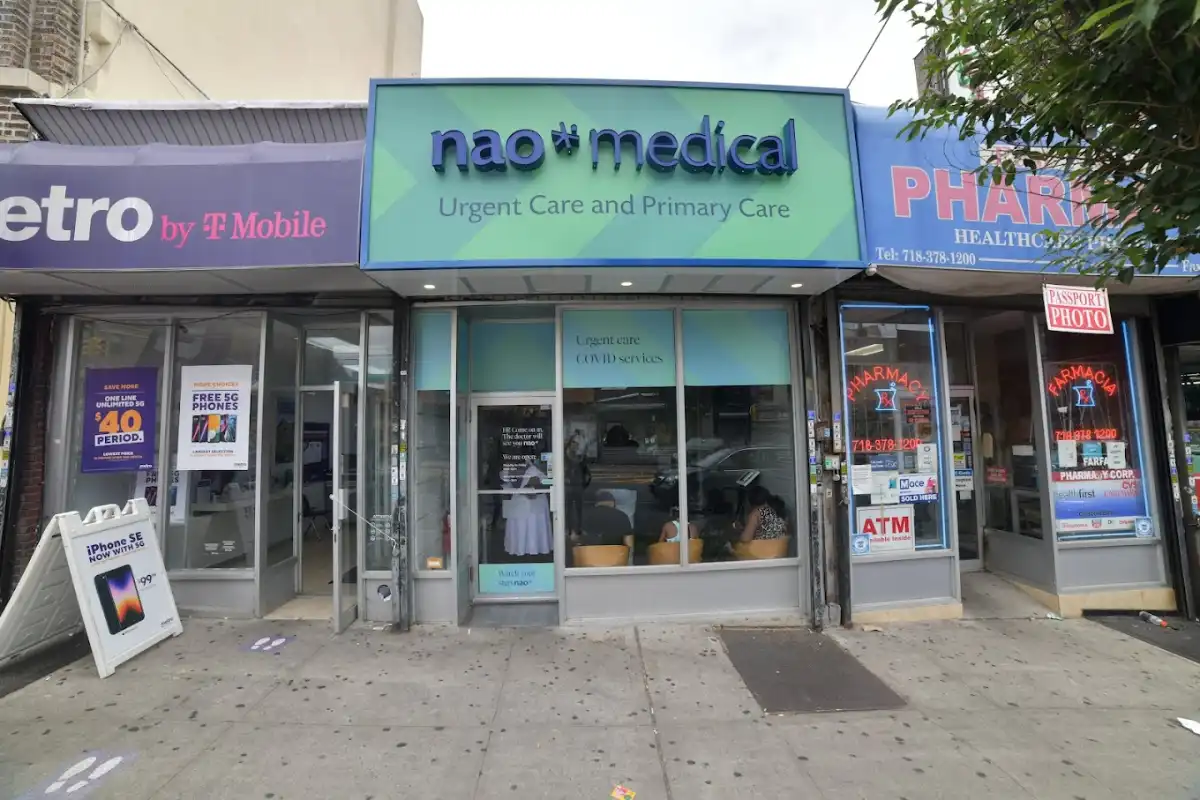
A place to begin evaluation and care coordination near West Farms, Crotona Park East, and nearby Bronx neighborhoods. Call first to confirm the right visit. This card does not confirm product stock, testing, teaching, dispensing, or administration capability.
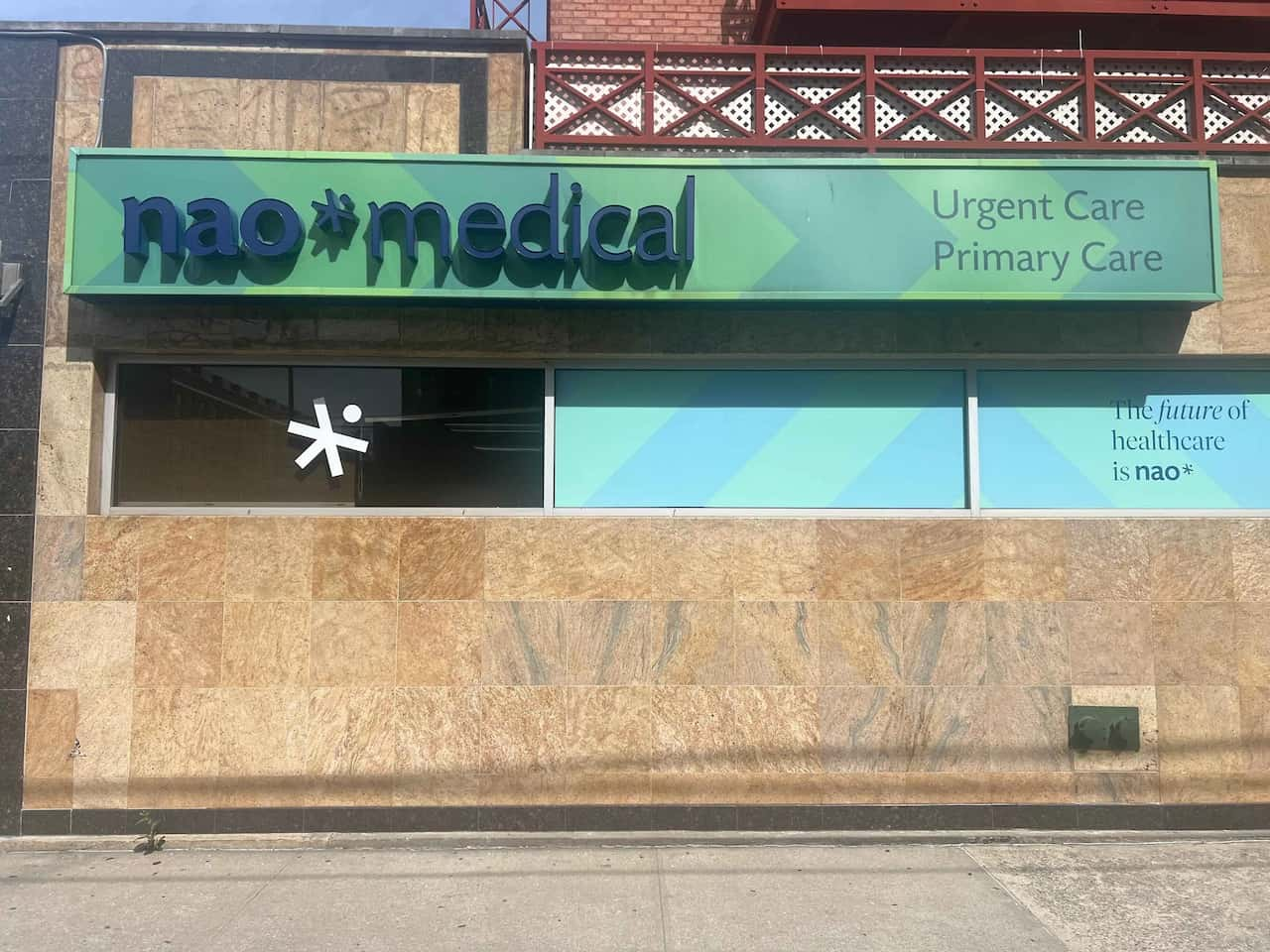
A place to begin evaluation and care coordination near Astoria, Ditmars, East Elmhurst, and nearby Queens neighborhoods. Call first to confirm the right visit. This card does not confirm product stock, testing, teaching, dispensing, or administration capability.
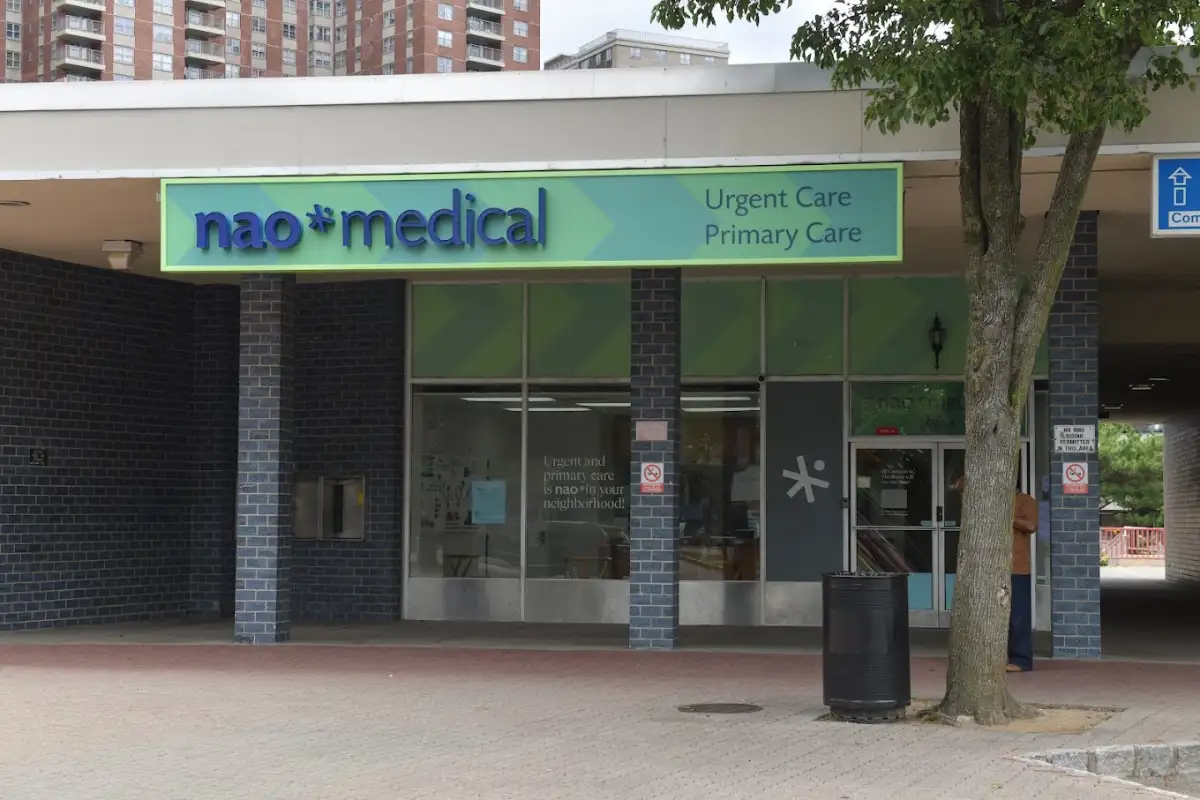
A place to begin evaluation and care coordination near Co-op City, Pelham Bay, Baychester, and nearby Bronx neighborhoods. Call first to confirm the right visit. This card does not confirm product stock, testing, teaching, dispensing, or administration capability.
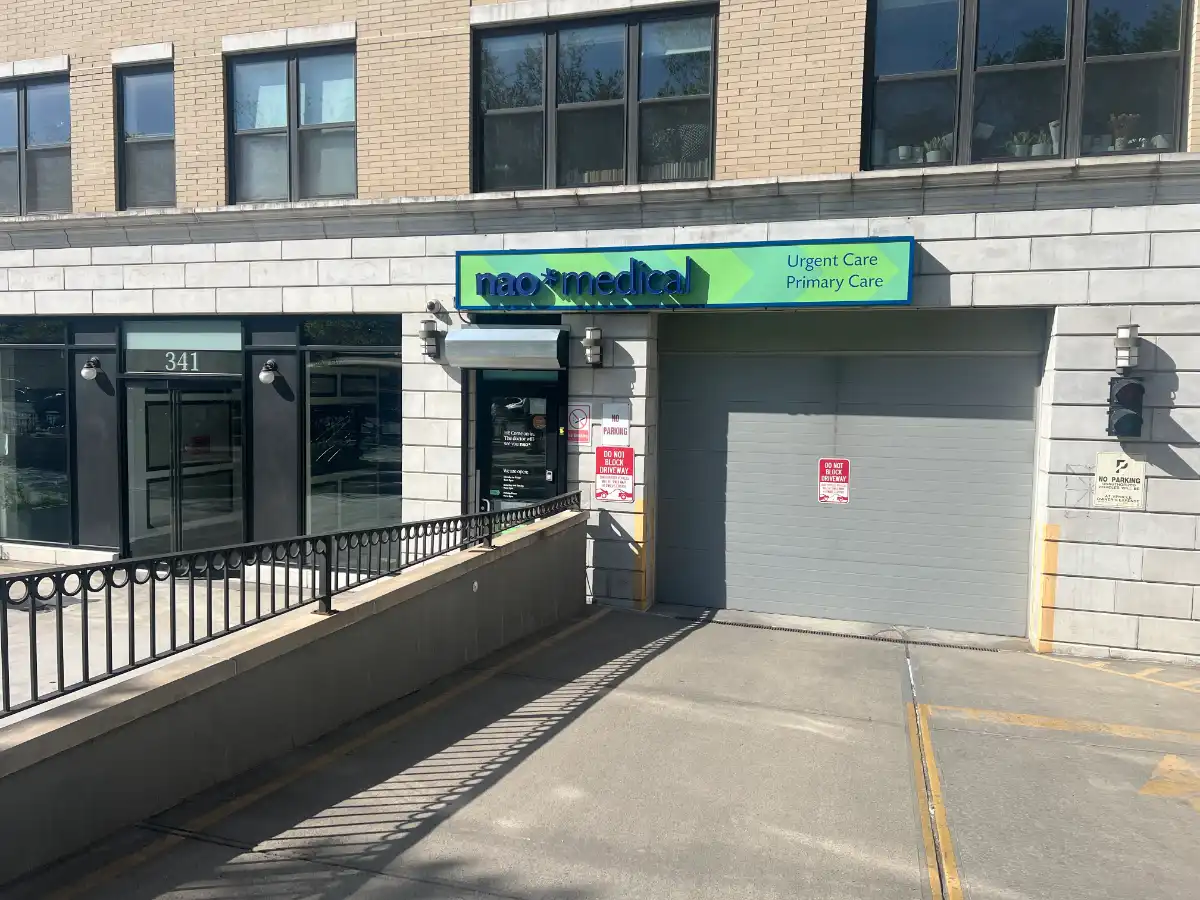
A place to begin evaluation and care coordination near Crown Heights, Prospect Heights, and nearby Brooklyn neighborhoods. Call first to confirm the right visit. This card does not confirm product stock, testing, teaching, dispensing, or administration capability.
A place to begin evaluation and care coordination near Hicksville, Plainview, Bethpage, and nearby Nassau County communities. Call first to confirm the right visit. This card does not confirm product stock, testing, teaching, dispensing, or administration capability.
A place to begin evaluation and care coordination near Jackson Heights, Elmhurst, Corona, and nearby Queens neighborhoods. Call first to confirm the right visit. This card does not confirm product stock, testing, teaching, dispensing, or administration capability.
A place to begin evaluation and care coordination near Jamaica, Briarwood, Richmond Hill, and nearby Queens neighborhoods. Call first to confirm the right visit. This card does not confirm product stock, testing, teaching, dispensing, or administration capability.
A place to begin evaluation and care coordination near Long Island City, Astoria, Sunnyside, and nearby Queens neighborhoods. Call first to confirm the right visit. This card does not confirm product stock, testing, teaching, dispensing, or administration capability.
A place to begin evaluation and care coordination near Mineola, Garden City, Westbury, and nearby Nassau County communities. Call first to confirm the right visit. This card does not confirm product stock, testing, teaching, dispensing, or administration capability.
A place to begin evaluation and care coordination near StuyTown, the East Village, Gramercy, and nearby Manhattan neighborhoods. Call first to confirm the right visit. This card does not confirm product stock, testing, teaching, dispensing, or administration capability.
A place to begin evaluation and care coordination near Williamsburg, Greenpoint, Bushwick, and nearby Brooklyn neighborhoods. Call first to confirm the right visit. This card does not confirm product stock, testing, teaching, dispensing, or administration capability.
Address related cardiovascular risk questions without mixing treatment intents.
Frequently asked questions
Answers reflect the current official sources and the limited evaluation-and-coordination scope described on this page.
Baxfendy is the brand name for baxdrostat, an oral aldosterone synthase inhibitor used with other antihypertensive medicines for adults whose blood pressure is not adequately controlled.
No. The current FDA label uses the broader wording 'not adequately controlled on other agents.' A clinician may still evaluate whether a patient meets a resistant-hypertension definition because that can affect the workup.
The label requires serum potassium and sodium assessment before treatment and periodically during treatment. The clinician may need other tests based on the patient's history.
The labeled recommended dose is 2 mg once daily. The label recommends 1 mg once daily for patients at increased risk of hyperkalemia or hyponatremia. Only a prescriber should select the dose.
Yes. Hyperkalemia is a labeled warning and was the most common adverse reaction in the clinical trials described in the prescribing information.
The official DailyMed listing shows active packages and a May 15, 2026 marketing start date. Pharmacy stock, health-plan coverage, and Nao Medical readiness still must be confirmed for each request.
Call 911 for very high blood pressure with symptoms such as chest pain, shortness of breath, weakness or numbness, vision change, or trouble speaking. Do not wait for an office medication visit.
Official sources
These sources support product identity, approval, current labeling, availability, and clinical boundaries. They do not prove Nao Medical site capability or health-plan coverage.
Source and label check completed August 1, 2026. Named clinical and operations review is still pending.
Health information notice
General information only. This page is not medical advice and does not replace diagnosis, treatment, or guidance from a licensed clinician.
Content was updated August 1, 2026 from the sources cited on this page. Medical guidance, prescribing information, medication availability, and insurance rules can change. A licensed clinician must confirm current information and determine each patient's eligibility, testing, treatment, administration setting, and follow-up. Call 911 for a medical emergency. Contact Nao Medical with a question or correction.