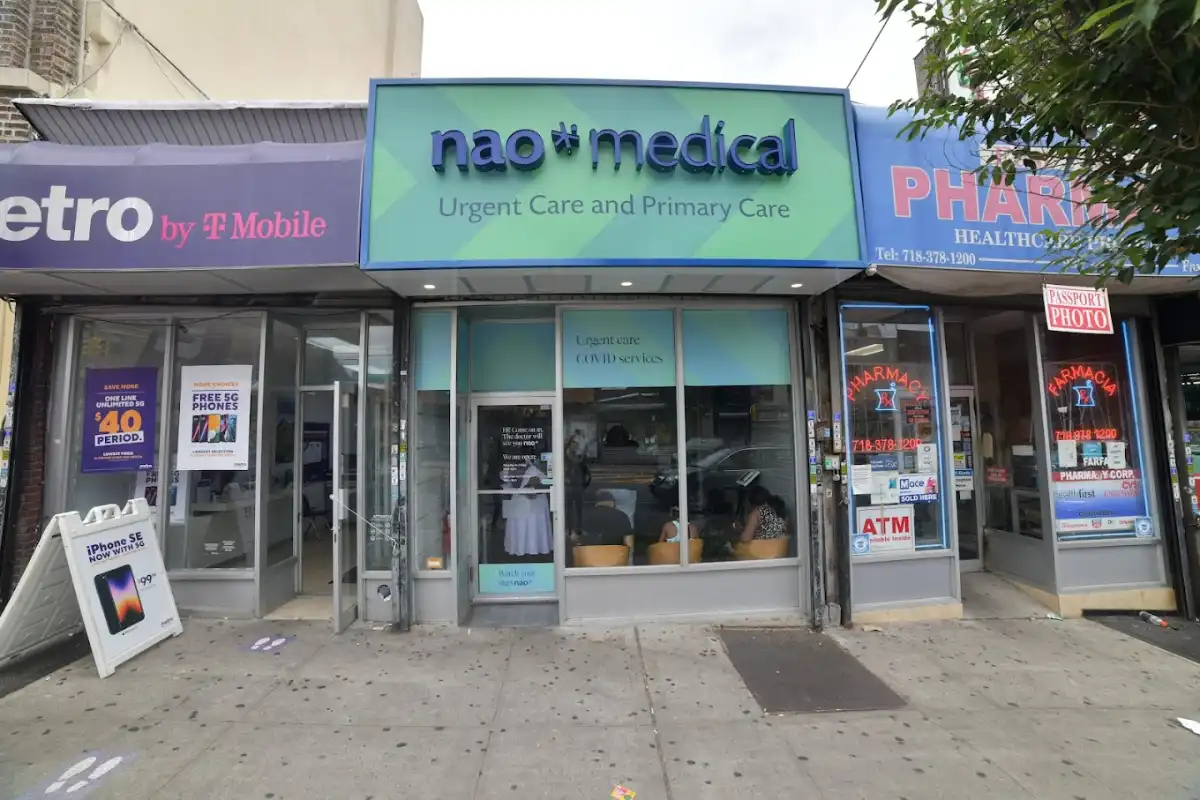
Bronx
174th Street
932 E 174th St, Bronx, NY 10460
Call to arrange a Fasenra treatment evaluation. If the plan includes an injection or infusion, confirm the medication, receiving clinic and treatment appointment with the care team.


Fasenra is FDA approved for defined eosinophilic conditions, including severe eosinophilic asthma in patients age 6 and older. The evaluation confirms the diagnosis, age and weight rules, current controller treatment, prior exacerbations, eosinophil history, coverage, and follow-up. It does not promise medication stock or same-day administration.
As of August 1, 2026, the current U.S. Fasenra label does not include COPD. Patients seeking biologic treatment for COPD need a separate COPD evaluation and a label-approved treatment review.



Fasenra is benralizumab, a subcutaneous biologic with condition-specific approved uses. The May 2026 US label includes severe eosinophilic asthma, adult eosinophilic granulomatosis with polyangiitis, and selected hypereosinophilic syndrome. These conditions have different treatment schedules.
Benralizumab targets the IL-5 receptor on eosinophils and helps deplete these cells. That mechanism can help selected eosinophilic diseases. It is different from a rescue bronchodilator and does not establish suitability from a blood count alone.
Asthma eligibility starts at age 6 with severe asthma and an eosinophilic phenotype. EGPA is an adult indication. HES includes adults and children age 12 or older without an identifiable non-hematologic secondary cause. Fasenra does not have a COPD indication in the US label.
For asthma from age 12, the label uses 30 mg every four weeks for the first three doses, then every eight weeks; ages 6–11 use weight-based dosing. EGPA and HES use every-four-week dosing. The prescriber verifies the actual diagnosis and regimen before arranging an injection.
Bring eosinophil results, lung tests, prior treatments, attack and steroid history, medicines and the order. Review infections, helminth history and reactions. The prefilled syringe is for healthcare-provider use; Fasenra Pen may be used by trained appropriate patients or caregivers after clinician approval.
Fasenra can cause serious hypersensitivity. It is not for an acute attack and does not replace the rescue plan. Steroids must not be reduced abruptly. The clinician addresses helminth infection precautions and appropriate observation. Children have formulation, weight and caregiver requirements that need a specific plan.
Review asthma control, attacks and steroid burden, or the relevant EGPA/HES findings. Contact the prescriber about missed doses, new symptoms or loss of benefit. Do not apply asthma’s later eight-week interval to EGPA or HES. Record the diagnosis, formulation and next date when transferring care.
Confirm the exact clinic, product and appointment: evaluation, prescribing, training and administration are separate services. Bring an outside order before relying on administration at Nao. Drug, visit and administration benefits may be separate; manufacturer assistance does not guarantee insurance approval. Arrange the pharmacy, shipment and next review with the treating team. Local stock or same-day dosing is not established by approval.
Asthma eligibility starts at age 6 with severe asthma and an eosinophilic phenotype. EGPA is an adult indication. HES includes adults and children age 12 or older without an identifiable non-hematologic secondary cause. Fasenra does not have a COPD indication in the US label.
For asthma from age 12, the label uses 30 mg every four weeks for the first three doses, then every eight weeks; ages 6–11 use weight-based dosing. EGPA and HES use every-four-week dosing. The prescriber verifies the actual diagnosis and regimen before arranging an injection.
No current US Fasenra indication is for COPD. The May 2026 label includes selected severe eosinophilic asthma, adult EGPA and HES from age 12 without an identifiable non-hematologic secondary cause. Those indications have different regimens. A COPD evaluation should consider treatments labeled for that diagnosis.
Fasenra can cause serious hypersensitivity. It is not for an acute attack and does not replace the rescue plan. Steroids must not be reduced abruptly. The clinician addresses helminth infection precautions and appropriate observation. Children have formulation, weight and caregiver requirements that need a specific plan.
Fasenra can cause serious hypersensitivity. It is not for an acute attack and does not replace the rescue plan. Steroids must not be reduced abruptly. The clinician addresses helminth infection precautions and appropriate observation. Children have formulation, weight and caregiver requirements that need a specific plan. Review asthma control, attacks and steroid burden, or the relevant EGPA/HES findings. Contact the prescriber about missed doses, new symptoms or loss of benefit. Do not apply asthma’s later eight-week interval to EGPA or HES. Record the diagnosis, formulation and next date when transferring care.
Bring eosinophil results, lung tests, prior treatments, attack and steroid history, medicines and the order. Review infections, helminth history and reactions. The prefilled syringe is for healthcare-provider use; Fasenra Pen may be used by trained appropriate patients or caregivers after clinician approval.
A consultation starts with the clinical review and required records. Treatment or a procedure depends on suitability, the actual order, safety checks, staff, supplies and any authorization; booking does not guarantee a dose or procedure that day. For asthma from age 12, the label uses 30 mg every four weeks for the first three doses, then every eight weeks; ages 6–11 use weight-based dosing. EGPA and HES use every-four-week dosing. The prescriber verifies the actual diagnosis and regimen before arranging an injection.
Confirm the exact service at the selected clinic before booking. Evaluation, prescribing, testing, training and administration are separate capabilities. Confirm the exact clinic, product and appointment: evaluation, prescribing, training and administration are separate services. Bring an outside order before relying on administration at Nao. Drug, visit and administration benefits may be separate; manufacturer assistance does not guarantee insurance approval. Arrange the pharmacy, shipment and next review with the treating team. Local stock or same-day dosing is not established by approval.
Before treatment starts, confirm the diagnosis, the intended benefit, the exact treatment and who will coordinate ongoing care. For asthma from age 12, the label uses 30 mg every four weeks for the first three doses, then every eight weeks; ages 6–11 use weight-based dosing. EGPA and HES use every-four-week dosing. The prescriber verifies the actual diagnosis and regimen before arranging an injection.
Prepare the relevant dated records, current medicine list and your main questions, and confirm any treatment-specific instructions before attending. Bring eosinophil results, lung tests, prior treatments, attack and steroid history, medicines and the order. Review infections, helminth history and reactions. The prefilled syringe is for healthcare-provider use; Fasenra Pen may be used by trained appropriate patients or caregivers after clinician approval.
Agree on the next review, how response and safety will be checked, and who to contact for symptoms, missed treatment or a refill problem. Review asthma control, attacks and steroid burden, or the relevant EGPA/HES findings. Contact the prescriber about missed doses, new symptoms or loss of benefit. Do not apply asthma’s later eight-week interval to EGPA or HES. Record the diagnosis, formulation and next date when transferring care.
Coverage needs verification for your diagnosis, product and treatment setting. A provider-administered medicine may be considered under Part B rules, while a pharmacy-supplied home-use pen may involve a drug plan. Medicare’s general rules do not guarantee payment for every Fasenra prescription. Ask the plan and billing team which benefit applies, whether authorization is required and what you will owe. Confirm the condition-specific schedule: asthma’s later eight-week interval is different from the every-four-week EGPA or HES regimen.
The label says the human malignancy risk from an antibody that targets IL-5 receptor alpha, such as benralizumab, is unknown. Long-term animal studies have not evaluated its carcinogenic potential. This does not establish that Fasenra causes cancer, and it does not support a zero-risk assurance. Tell the specialist about cancer history or current cancer treatment so those uncertainties can be considered alongside the expected benefit for the actual eosinophilic condition.
Fasenra is ongoing maintenance treatment, with no single fixed course length for every patient in the label. The clinician reviews attacks, symptoms, steroid need and adverse effects, or the relevant EGPA or HES outcomes, to decide whether to continue. Feeling better does not mean that an asthma controller can be stopped on your own. Keep the prescribed condition-specific interval and arrange a review before stopping, switching or missing doses. Fasenra does not replace a rescue medicine during a sudden attack.
The estimate must match your indication, formulation and schedule. Asthma from age 12 starts with three four-weekly doses before moving to eight-weekly dosing; EGPA and HES use a different ongoing interval, and younger asthma patients have weight-based dosing. Ask the pharmacy and clinic about medicine, administration, training and visit charges, and verify the medical or drug benefit before treatment. A covered visit or manufacturer support does not guarantee the drug cost or approval.
Contact the prescribing team and the insurer promptly, before the next treatment date. Ask for the written reason, authorization dates, missing records and the appeal instructions for your plan. Tell the prescriber when the next dose is due so a treatment gap can be assessed. Do not change the dose or substitute another medicine yourself. An appeal or manufacturer assistance request does not establish approval. Appeal routes and deadlines depend on the plan and the kind of denial; New York’s fully insured plan rules do not cover every type of insurance.
Review Nao Medical's urgent and emergency care guidance. Call 911 for a life-threatening emergency.
Bronx
932 E 174th St, Bronx, NY 10460
Call to arrange a Fasenra treatment evaluation. If the plan includes an injection or infusion, confirm the medication, receiving clinic and treatment appointment with the care team.

Queens
37-15 23rd Ave, Astoria, NY 11105
Call to arrange a Fasenra treatment evaluation. If the plan includes an injection or infusion, confirm the medication, receiving clinic and treatment appointment with the care team.

Bronx
2063A Bartow Ave, Bronx, NY 10475
Call to arrange a Fasenra treatment evaluation. If the plan includes an injection or infusion, confirm the medication, receiving clinic and treatment appointment with the care team.
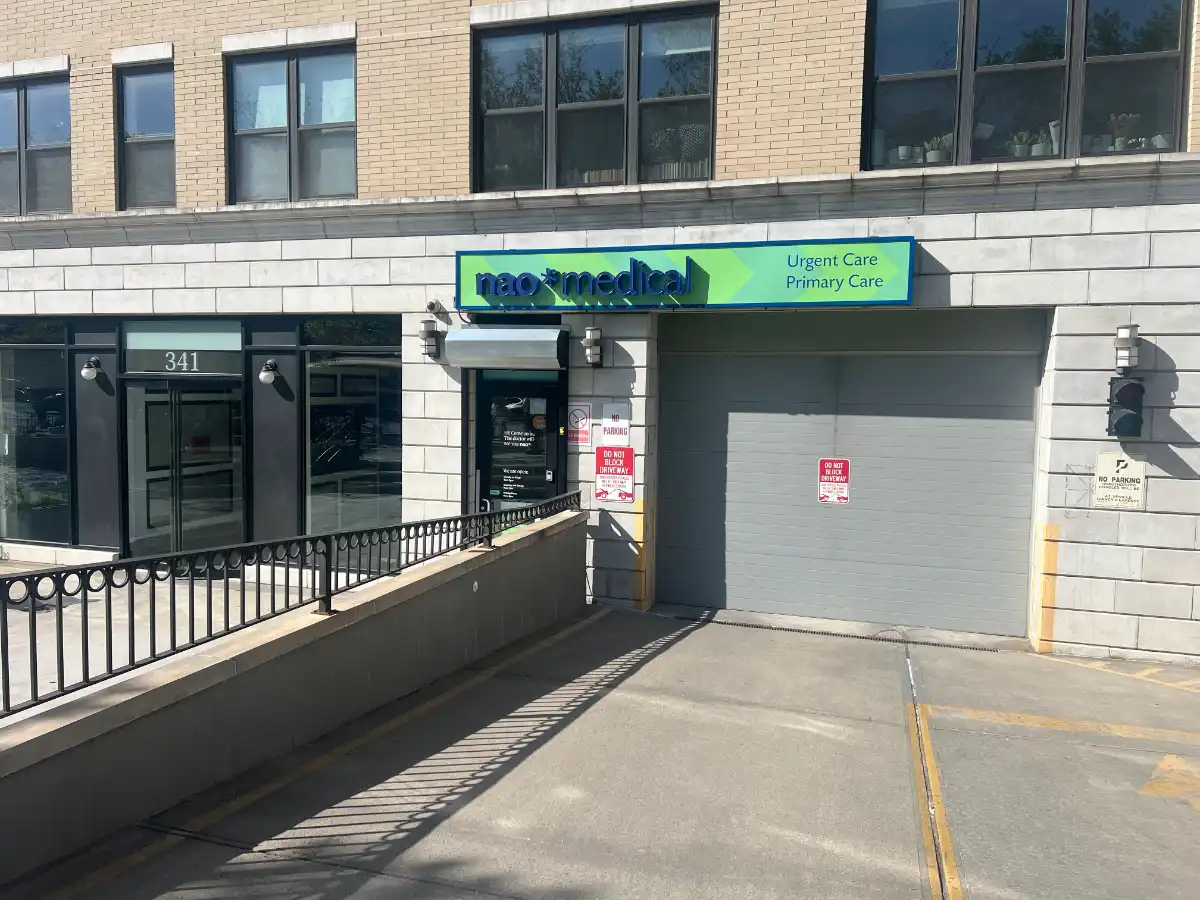
Brooklyn
341 Eastern Pkwy, Brooklyn, NY 11216
Call to arrange a Fasenra treatment evaluation. If the plan includes an injection or infusion, confirm the medication, receiving clinic and treatment appointment with the care team.
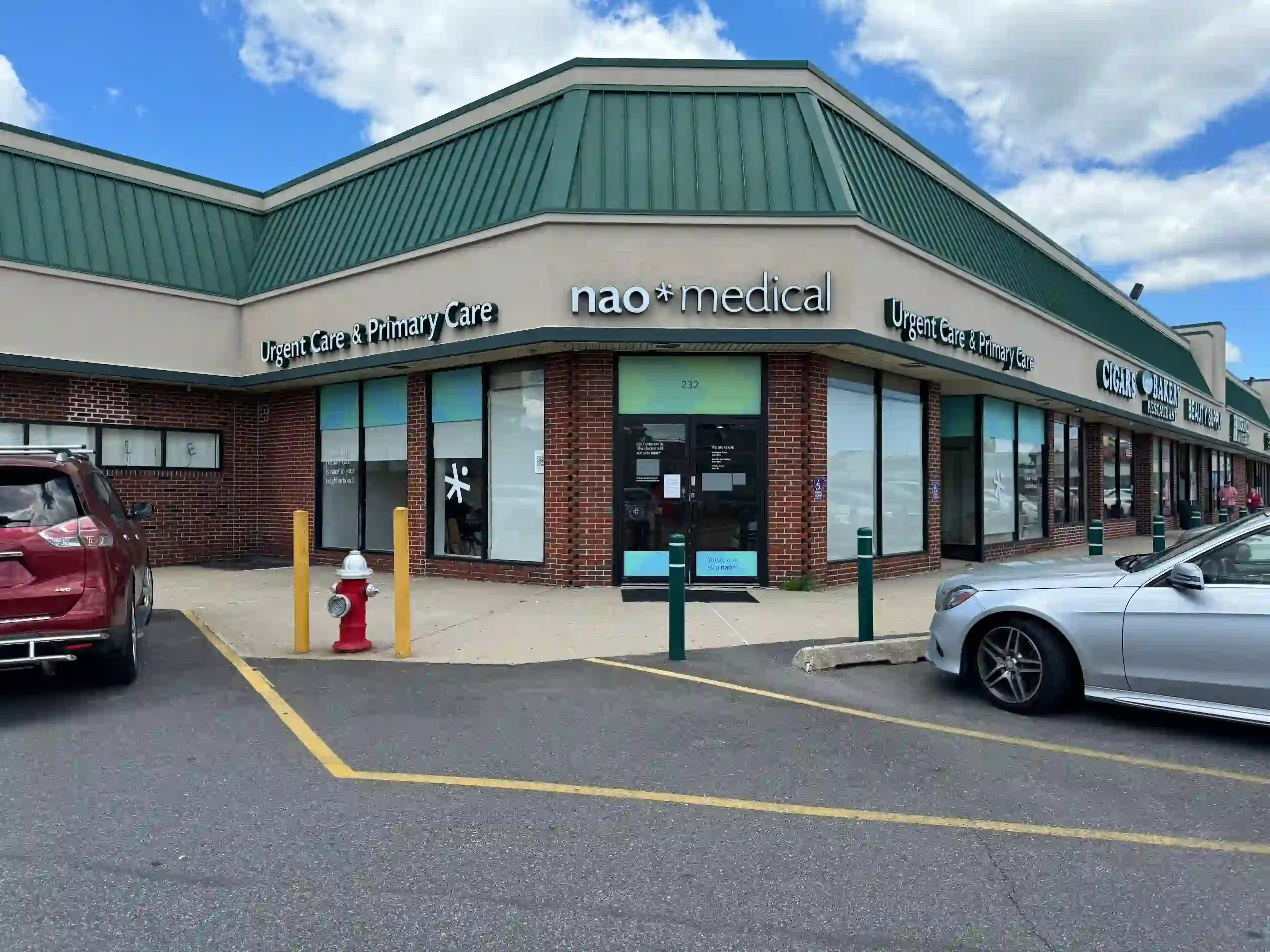
Long Island
232 W Old Country Rd, Hicksville, NY 11801
Call to arrange a Fasenra treatment evaluation. If the plan includes an injection or infusion, confirm the medication, receiving clinic and treatment appointment with the care team.

Queens
80-10 Northern Blvd, Jackson Heights, NY 11372
Call to arrange a Fasenra treatment evaluation. If the plan includes an injection or infusion, confirm the medication, receiving clinic and treatment appointment with the care team.

Queens
90-18 Sutphin Blvd, Jamaica, NY 11435
Call to arrange a Fasenra treatment evaluation. If the plan includes an injection or infusion, confirm the medication, receiving clinic and treatment appointment with the care team.

Queens
30-07 36th Ave, Astoria, NY 11106
Call to arrange a Fasenra treatment evaluation. If the plan includes an injection or infusion, confirm the medication, receiving clinic and treatment appointment with the care team.
Long Island
135 Mineola Blvd, Mineola, NY 11501
Call to arrange a Fasenra treatment evaluation. If the plan includes an injection or infusion, confirm the medication, receiving clinic and treatment appointment with the care team.

Manhattan
259 1st Ave, New York, NY 10003
Call to arrange a Fasenra treatment evaluation. If the plan includes an injection or infusion, confirm the medication, receiving clinic and treatment appointment with the care team.

Brooklyn
308 Graham Ave, Brooklyn, NY 11211
Call to arrange a Fasenra treatment evaluation. If the plan includes an injection or infusion, confirm the medication, receiving clinic and treatment appointment with the care team.
Use the condition pathway when the diagnosis, phenotype, inhaler plan, or product choice remains open.
Review an outside order, transfer plan, medication delivery, and a confirmed administration site.
Review a separate mepolizumab pathway and its indication-specific dosing and safety requirements.
Confirm COPD with the appropriate testing and review only products with a current COPD indication.
Current severe-asthma, EGPA, and HES indications; age and weight rules; schedule; subcutaneous administration; warnings; and limitations of use.
Current labeled indications, asthma initiation and maintenance schedule, pediatric dosing, hypersensitivity, corticosteroid, and helminth precautions.
Updated August 1, 2026. This information does not replace an individual medical evaluation. A licensed clinician determines diagnosis, medication eligibility, testing, dosing, administration, infusion referral, and follow-up. Call (917) 310-3371 or contact Nao Medical with a medical-content question or correction.