Allergy biologic administration
Biologic care involves more than giving an injection. An allergist or lung specialist first confirms the diagnosis, chooses a medicine for its approved indication, and defines how response will be assessed. Administration then needs a valid order, the correct product, a suitable treatment setting, and a plan for reactions and future doses.
How allergy biologic administration works
Biologics block selected immune pathways. Omalizumab targets IgE; mepolizumab, reslizumab and depemokimab target IL-5; benralizumab targets its receptor; dupilumab blocks IL-4/IL-13 signaling; tezepelumab targets TSLP. These differences affect which diagnosis and age group can be treated. A biologic for asthma is not automatically approved for COPD, food allergy or every rash.
Eligibility: Allergy biologic administration
Eligibility depends on the exact condition, symptoms despite appropriate treatment, age, prior medicines and sometimes allergy or eosinophil evidence. Severe symptoms alone do not establish eligibility. The clinician reviews inhaler technique, adherence and other causes of symptoms before escalating asthma care. Food-allergy and hives pathways have different diagnostic and dosing requirements.
What to expect: Allergy biologic administration
Start with an evaluation and outside-record review. If a medicine is appropriate, the treating team coordinates prescribing, authorization and dispensing. Before administration, confirm the ordered dose, last treatment date, pharmacy delivery, storage and reaction plan. The first appointment may lead to testing or specialist referral rather than a dose. Agree who owns refills, symptom review and missed-visit decisions.
Preparing for your appointment
Bring the specialist’s order, diagnosis, prior treatment history, recent relevant tests, current medicines, vaccination information and any prior injection reaction. Tell the team about infections, pregnancy plans or changes in breathing. Arrange pharmacy shipping with the receiving clinic before a delivery is sent; do not assume patient-supplied medication can be accepted.
Risks and when to seek help
Serious allergic reactions can occur with biologics; Xolair and Cinqair have boxed anaphylaxis warnings. Observation depends on the product and the patient’s risk. Biologics do not treat an acute asthma attack or replace epinephrine for food anaphylaxis. Use the emergency action plan and seek emergency care for severe breathing trouble, throat swelling or fainting.
Follow-up and treatment review
Track symptoms that matter to the condition: asthma attacks and steroid use, hives and itch, or accidental food reactions. The prescriber reviews benefit, adverse effects and whether to continue or change treatment. Do not stop controller medicines or steroids abruptly. A missed or delayed dose needs product-specific guidance, not doubling or using another biologic’s schedule.
Appointments, costs and coverage
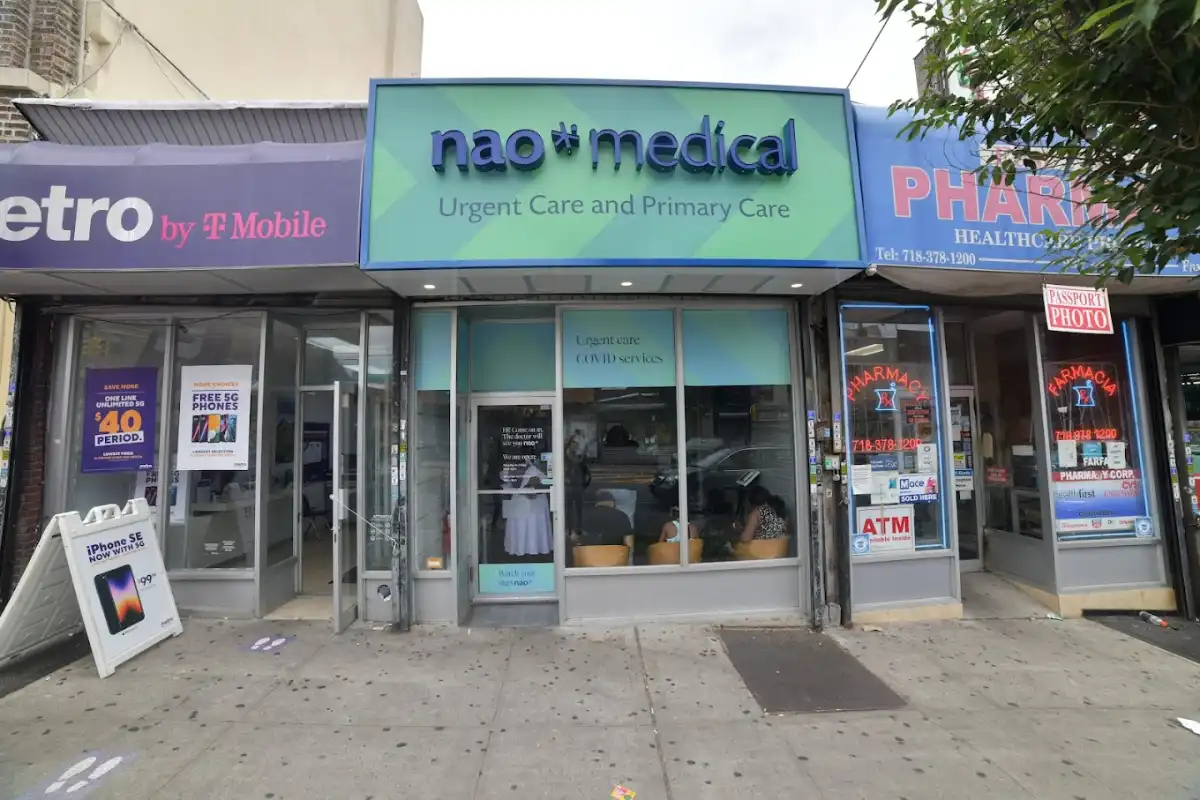
Confirm the exact Nao location and whether it evaluates, prescribes, trains, administers or only coordinates this medicine. Insurance coverage for an office visit does not prove drug or administration coverage. Ask about the pharmacy route, authorization, separate charges, observation time and follow-up before booking. Current stock and same-day administration require direct confirmation.
Questions about your care
Can Nao Medical administer a biologic prescribed by another clinician?
Ask the receiving clinic to review the outside prescription or order before booking treatment. Confirm which clinician remains responsible, the exact product and dose, the last dose, supply arrangements and monitoring. Bring the relevant records. An outside prescription does not guarantee that the clinic can administer or prescribe the medicine that day.
Can a specialty pharmacy ship my medication directly to a Nao clinic?
Arrange shipment with the receiving clinic before the specialty pharmacy sends medicine. Confirm acceptance of the outside order, the exact product, storage, delivery date and an administration appointment. Patient-specific delivery is not the same as medicine already being in stock.
Are allergy biologics kept in stock at every Nao Medical location?
Confirm the exact service at the selected clinic before booking. Evaluation, prescribing, testing, training and administration are separate capabilities. Confirm the exact Nao location and whether it evaluates, prescribes, trains, administers or only coordinates this medicine. Insurance coverage for an office visit does not prove drug or administration coverage. Ask about the pharmacy route, authorization, separate charges, observation time and follow-up before booking. Current stock and same-day administration require direct confirmation.
Can I receive a biologic injection on the same day as my first visit?
A consultation starts with the clinical review and required records. Treatment or a procedure depends on suitability, the actual order, safety checks, staff, supplies and any authorization; booking does not guarantee a dose or procedure that day. Start with an evaluation and outside-record review. If a medicine is appropriate, the treating team coordinates prescribing, authorization and dispensing. Before administration, confirm the ordered dose, last treatment date, pharmacy delivery, storage and reaction plan. The first appointment may lead to testing or specialist referral rather than a dose. Agree who owns refills, symptom review and missed-visit decisions.
Does insurance always cover allergy or asthma biologics?
No clinic or manufacturer can guarantee an insurer’s approval or payment. Confirm the exact Nao location and whether it evaluates, prescribes, trains, administers or only coordinates this medicine. Insurance coverage for an office visit does not prove drug or administration coverage. Ask about the pharmacy route, authorization, separate charges, observation time and follow-up before booking. Current stock and same-day administration require direct confirmation.
How long will I need to stay after an injection?
Xolair and Cinqair require anaphylaxis precautions and an appropriate observation period. Serious allergic reactions can occur with biologics; Xolair and Cinqair have boxed anaphylaxis warnings. Observation depends on the product and the patient’s risk. Biologics do not treat an acute asthma attack or replace epinephrine for food anaphylaxis. Use the emergency action plan and seek emergency care for severe breathing trouble, throat swelling or fainting.
Is a biologic injection the same as an infusion?
No. A subcutaneous injection places medicine under the skin; an IV infusion gives it through a vein over time. Cinqair is an IV infusion, while several asthma and allergy biologics are injections. Confirm the exact product, clinical setting and monitoring rather than booking them as equivalent services.
What records should I bring to an evaluation?
Bring the specialist’s order, diagnosis, prior treatment history, recent relevant tests, current medicines, vaccination information and any prior injection reaction. Tell the team about infections, pregnancy plans or changes in breathing. Arrange pharmacy shipping with the receiving clinic before a delivery is sent; do not assume patient-supplied medication can be accepted.
What should happen before treatment starts?
Before treatment starts, confirm the diagnosis, the intended benefit, the exact treatment and who will coordinate ongoing care. Start with an evaluation and outside-record review. If a medicine is appropriate, the treating team coordinates prescribing, authorization and dispensing. Before administration, confirm the ordered dose, last treatment date, pharmacy delivery, storage and reaction plan. The first appointment may lead to testing or specialist referral rather than a dose. Agree who owns refills, symptom review and missed-visit decisions.
What should I prepare for this evaluation?
Prepare the relevant dated records, current medicine list and your main questions, and confirm any treatment-specific instructions before attending. Bring the specialist’s order, diagnosis, prior treatment history, recent relevant tests, current medicines, vaccination information and any prior injection reaction. Tell the team about infections, pregnancy plans or changes in breathing. Arrange pharmacy shipping with the receiving clinic before a delivery is sent; do not assume patient-supplied medication can be accepted.
What follow-up needs planning?
Agree on the next review, how response and safety will be checked, and who to contact for symptoms, missed treatment or a refill problem. Track symptoms that matter to the condition: asthma attacks and steroid use, hives and itch, or accidental food reactions. The prescriber reviews benefit, adverse effects and whether to continue or change treatment. Do not stop controller medicines or steroids abruptly. A missed or delayed dose needs product-specific guidance, not doubling or using another biologic’s schedule.
What should I do if coverage for an allergy or asthma biologic is denied after treatment has started?
Contact the prescribing team and the insurer promptly, before the next treatment date. Ask for the written reason, authorization dates, missing records and the appeal instructions for your plan. Tell the prescriber when the next dose is due so a treatment gap can be assessed. Do not change the dose or substitute another medicine yourself. An appeal or manufacturer assistance request does not establish approval. Appeal routes and deadlines depend on the plan and the kind of denial; New York’s fully insured plan rules do not cover every type of insurance.
Whom should I contact if insurance denies a biologic refill after treatment has begun?
Contact the prescribing team and dispensing pharmacy as soon as you learn about the denial, especially if the next dose is approaching. Ask the insurer for the written reason, what documents or authorization it needs, and the appeal route and deadline under your plan. The prescriber can help review clinical documentation and discuss a safe plan if treatment is delayed; approval or payment is not guaranteed. Missed-dose instructions depend on the exact medicine, so do not double a dose or substitute another biologic. Continue other prescribed medicines unless the treating clinician directs a change. A clinic visit or manufacturer program does not by itself establish drug coverage or local stock.
Medical sources
Nao Medical clinic and service information