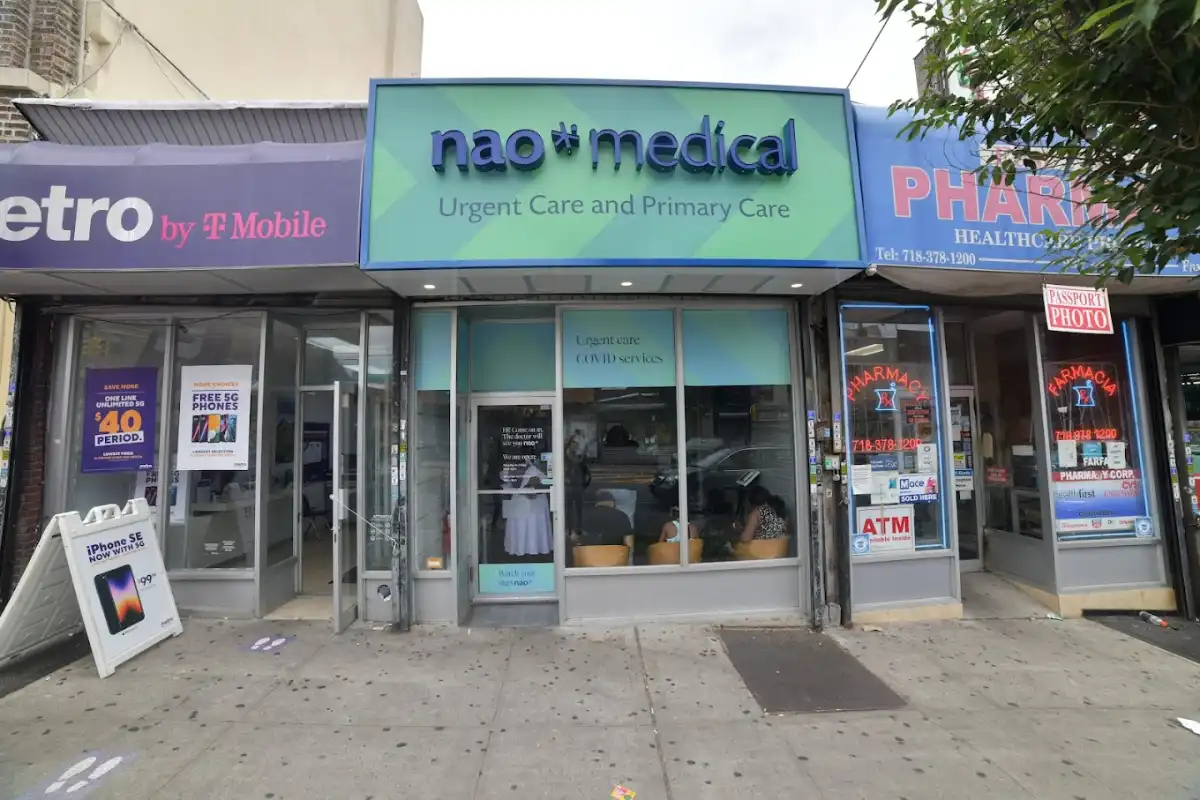
Bronx
174th Street
932 E 174th St, Bronx, NY 10460
Confidential STD and STI testing access for patients in West Farms, Crotona Park East, and nearby Bronx neighborhoods.
View STD testing details



Chlamydia and gonorrhea often cause no symptoms, so testing can be useful even when you feel well. A visit may follow a partner’s result, new symptoms, recent exposure or routine screening. The specimen sites matter as much as the infection names: a urine test does not assess every place exposed during sex. Explain oral and anal contact so the plan includes appropriate throat or rectal samples when needed.
Nucleic-acid amplification tests, or NAATs, look for bacterial genetic material. Urine, vaginal or cervical specimens assess urogenital infection; throat and rectal swabs assess those sites. A urine culture used for UTI care is a different test. The choice of specimen depends on anatomy, exposure and the available validated assay, not simply the request for a ‘full panel.’
Screening recommendations depend on age, pregnancy, sexual practices and risk. People with discharge, pain when urinating, pelvic pain, testicular symptoms or a known partner exposure need clinical assessment rather than only a screening order. Testing soon after an exposure may be too early to detect infection, but symptoms should be assessed now. Your clinician determines whether treatment is warranted before results return.
Tell the clinician about vaginal, oral and anal exposure, the most recent date, any partner diagnosis and antibiotics already taken. These details guide which samples and other tests are needed.
The service explains urine collection or swabbing for the tests ordered. Follow the laboratory’s instructions, including any interval after last urination, rather than assuming every urine test uses the same method.
A positive result needs treatment appropriate to the infection and site. If both infections or another STI are detected, more than one treatment may be needed. A negative genital result does not rule out an unsampled throat or rectal infection.
Partners need assessment and treatment. Follow the clinician’s instructions about avoiding sex and completing medication. Retesting about three months after treatment checks for reinfection; a test of cure is a separate decision.
Bring exposure dates, prior test reports, medication allergies, pregnancy information and antibiotics used recently. Ask which sites will be sampled and which infection each test covers. If symptoms persist after a negative result, arrange examination and review of other possible causes rather than simply ordering the same test repeatedly.
Severe pelvic or lower abdominal pain, fever, significant testicular pain or eye symptoms needs prompt assessment. Do not wait for a routine lab result if you are becoming unwell. A qualifying HIV exposure within 72 hours also needs urgent PEP evaluation. Do not use leftover antibiotics or a preventive doxy-PEP dose as a substitute for treatment.
Follow-up depends on pregnancy, site and the medicine used. For chlamydia, a test too soon after treatment can detect residual genetic material; pregnancy has a specific test-of-cure plan around four weeks. Throat gonorrhea requires test of cure 7–14 days after treatment. A clinician sets the correct test and date and investigates persistent symptoms or suspected treatment failure.
Ask about the visit, the exact NAAT specimens, other tests and treatment charges. Same-day collection does not promise same-day final results. Confirm result contact and treatment arrangements before leaving. Confirm the laboratory’s turnaround, walk-in availability and exact plan coverage with the chosen service.
Chlamydia and gonorrhea often cause no symptoms, so testing can be useful even when you feel well. A visit may follow a partner’s result, new symptoms, recent exposure or routine screening. The specimen sites matter as much as the infection names: a urine test does not assess every place exposed during sex. Explain oral and anal contact so the plan includes appropriate throat or rectal samples when needed.
Nucleic-acid amplification tests, or NAATs, look for bacterial genetic material. Urine, vaginal or cervical specimens assess urogenital infection; throat and rectal swabs assess those sites. A urine culture used for UTI care is a different test. The choice of specimen depends on anatomy, exposure and the available validated assay, not simply the request for a ‘full panel.’
Screening recommendations depend on age, pregnancy, sexual practices and risk. People with discharge, pain when urinating, pelvic pain, testicular symptoms or a known partner exposure need clinical assessment rather than only a screening order. Testing soon after an exposure may be too early to detect infection, but symptoms should be assessed now. Your clinician determines whether treatment is warranted before results return.
Tell the clinician about vaginal, oral and anal exposure, the most recent date, any partner diagnosis and antibiotics already taken. These details guide which samples and other tests are needed.
The service explains urine collection or swabbing for the tests ordered. Follow the laboratory’s instructions, including any interval after last urination, rather than assuming every urine test uses the same method.
A positive result needs treatment appropriate to the infection and site. If both infections or another STI are detected, more than one treatment may be needed. A negative genital result does not rule out an unsampled throat or rectal infection.
Partners need assessment and treatment. Follow the clinician’s instructions about avoiding sex and completing medication. Retesting about three months after treatment checks for reinfection; a test of cure is a separate decision.
Follow-up depends on pregnancy, site and the medicine used. For chlamydia, a test too soon after treatment can detect residual genetic material; pregnancy has a specific test-of-cure plan around four weeks. Throat gonorrhea requires test of cure 7–14 days after treatment. A clinician sets the correct test and date and investigates persistent symptoms or suspected treatment failure.
STI and STD refer to the same infection/testing concern. Testing depends on symptoms, exposure date, sexual contact sites, pregnancy and prior results; there is no universal panel that excludes every STI. Blood is used for infections such as HIV and syphilis, while chlamydia/gonorrhea testing may need urine or genital, throat and rectal samples. A urine test does not exclude infection at an untested throat or rectal site. Ask which exact tests and specimens are included and whether a specific test is appropriate.
Do not assume a UTI antibiotic treats gonorrhea or chlamydia. The organism, exposed site, pregnancy, allergies and resistance concerns determine treatment. CDC’s usual uncomplicated gonorrhea pathway uses ceftriaxone, with chlamydia treatment added if it has not been excluded; chlamydia has its own recommended regimens. A leftover UTI prescription or one doxy-PEP dose is not adequate STI treatment. Obtain the appropriate testing and clinician-directed regimen, partner plan and follow-up.
Turnaround depends on the exact test, specimen, laboratory, confirmatory steps and review process. Ask when and how this particular result will be reported and who will discuss it. A delay does not itself mean a positive result. Do not repeat a collection or change treatment solely because a report has not arrived.
Have your insurance card ready when booking. Share member details through the clinic’s confirmed secure intake process. Check with the clinic and your insurer that the exact plan covers the clinician and requested service. Ask about visit charges, any separately billed tests or medicines, and any referral or authorization requirement. Coverage and your copay or deductible depend on the plan; request a written estimate if paying yourself.
No. Testing must sample the relevant site. Tell the clinician about oral exposure and ask whether a throat swab is appropriate.
A NAAT can detect genetic material from nonviable bacteria after successful treatment. CDC does not recommend a chlamydia NAAT less than four weeks after treatment completion for a routine cure check, because it can be falsely positive. This does not mean every later positive is harmless. Symptoms, missed medication or a new exposure need assessment. Nonpregnant people usually do not need a test of cure after a recommended regimen unless there is a specific concern. Pregnancy requires a cure test at about four weeks. Retesting about three months later checks for reinfection and serves a different purpose.
A properly collected urine NAAT can assess urogenital chlamydia and gonorrhea. There is no single accuracy percentage for every assay, specimen and patient. CDC recommends NAATs and describes first-catch urine as an optimal urogenital sample for men. Vaginal swabs are often preferred for urogenital screening in women. Timing, collection and antibiotics can affect interpretation. A negative urine test does not rule out throat or rectal infection: those sites need their own samples when indicated. Ask which assay and sites were tested if symptoms persist or exposure was recent.
Bronx
932 E 174th St, Bronx, NY 10460
Confidential STD and STI testing access for patients in West Farms, Crotona Park East, and nearby Bronx neighborhoods.
View STD testing details
Queens
37-15 23rd Ave, Astoria, NY 11105
Confidential STD and STI testing access for patients in Astoria, Ditmars, East Elmhurst, and nearby Queens neighborhoods.
View STD testing details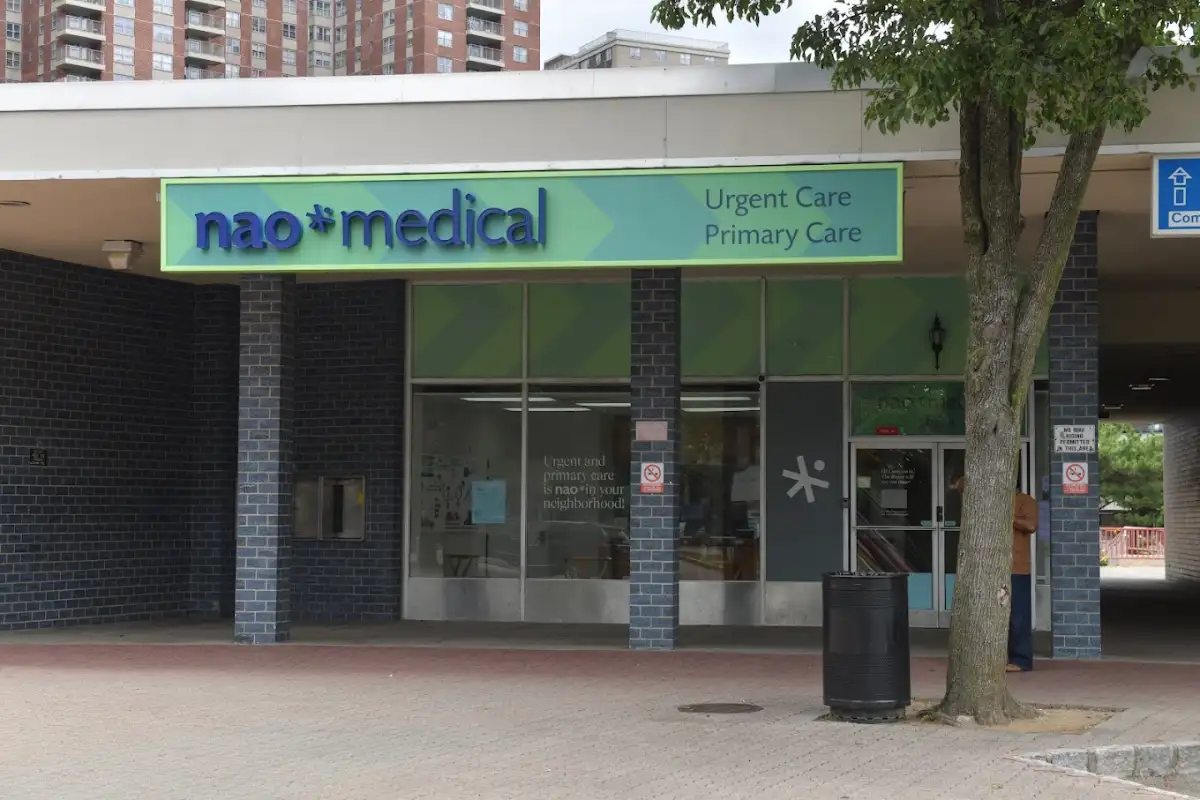
Bronx
2063A Bartow Ave, Bronx, NY 10475
Confidential STD and STI testing access for patients in Co-op City, Pelham Bay, Baychester, and nearby Bronx neighborhoods.
View STD testing details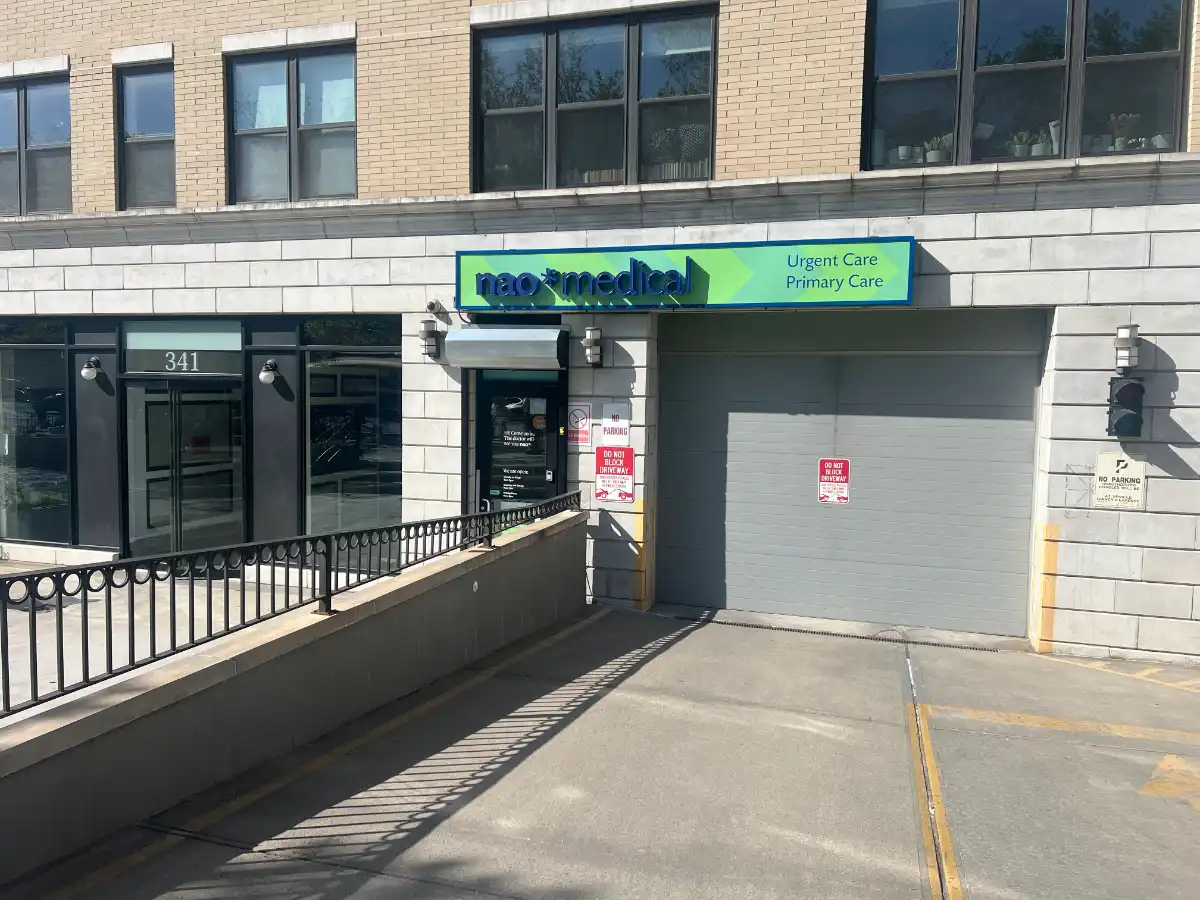
Brooklyn
341 Eastern Pkwy, Brooklyn, NY 11216
Confidential STD and STI testing access for patients in Crown Heights, Prospect Heights, and nearby Brooklyn neighborhoods.
View STD testing details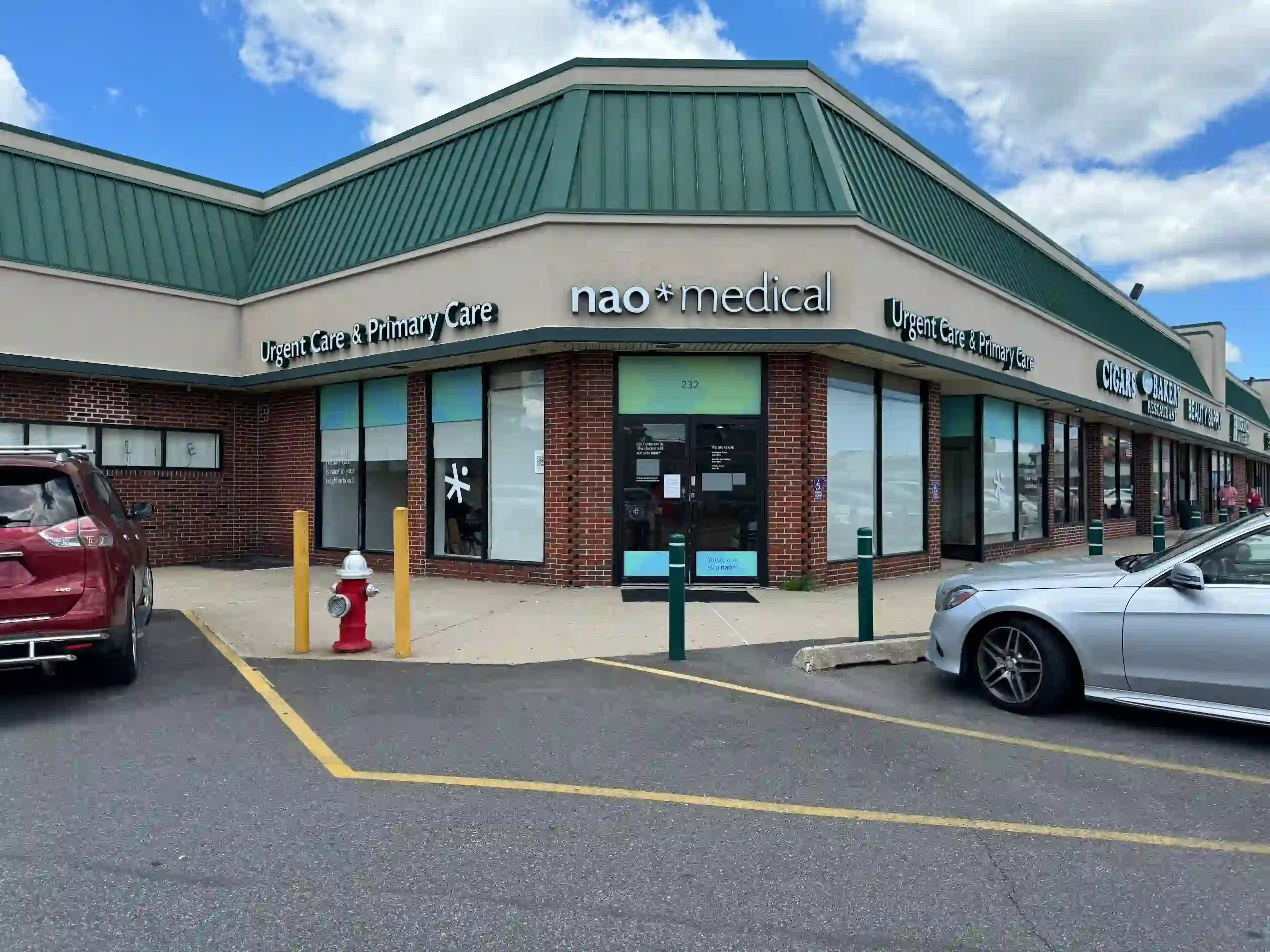
Long Island
232 W Old Country Rd, Hicksville, NY 11801
Confidential STD and STI testing access for patients in Hicksville, Plainview, Bethpage, and nearby Nassau County communities.
View STD testing details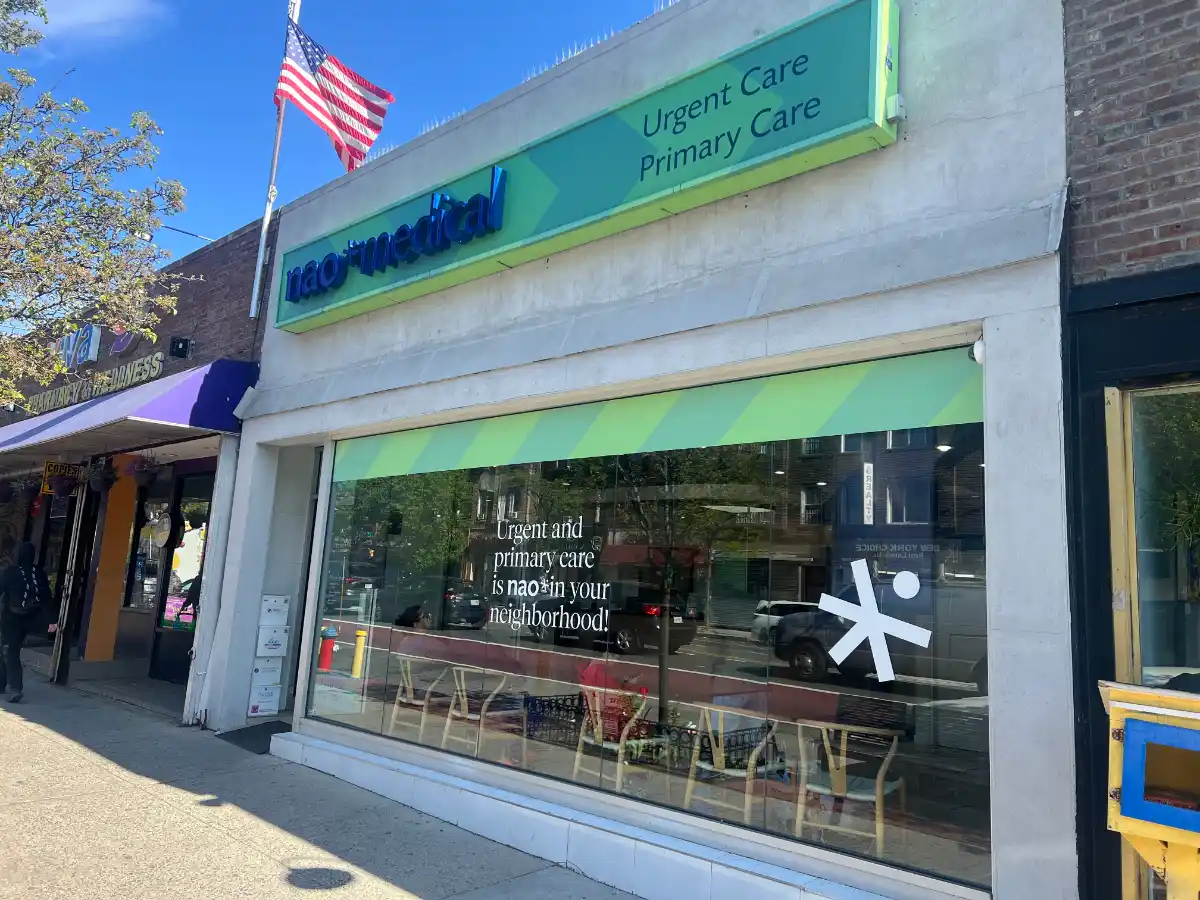
Queens
80-10 Northern Blvd, Jackson Heights, NY 11372
Confidential STD and STI testing access for patients in Jackson Heights, Elmhurst, Corona, and nearby Queens neighborhoods.
View STD testing details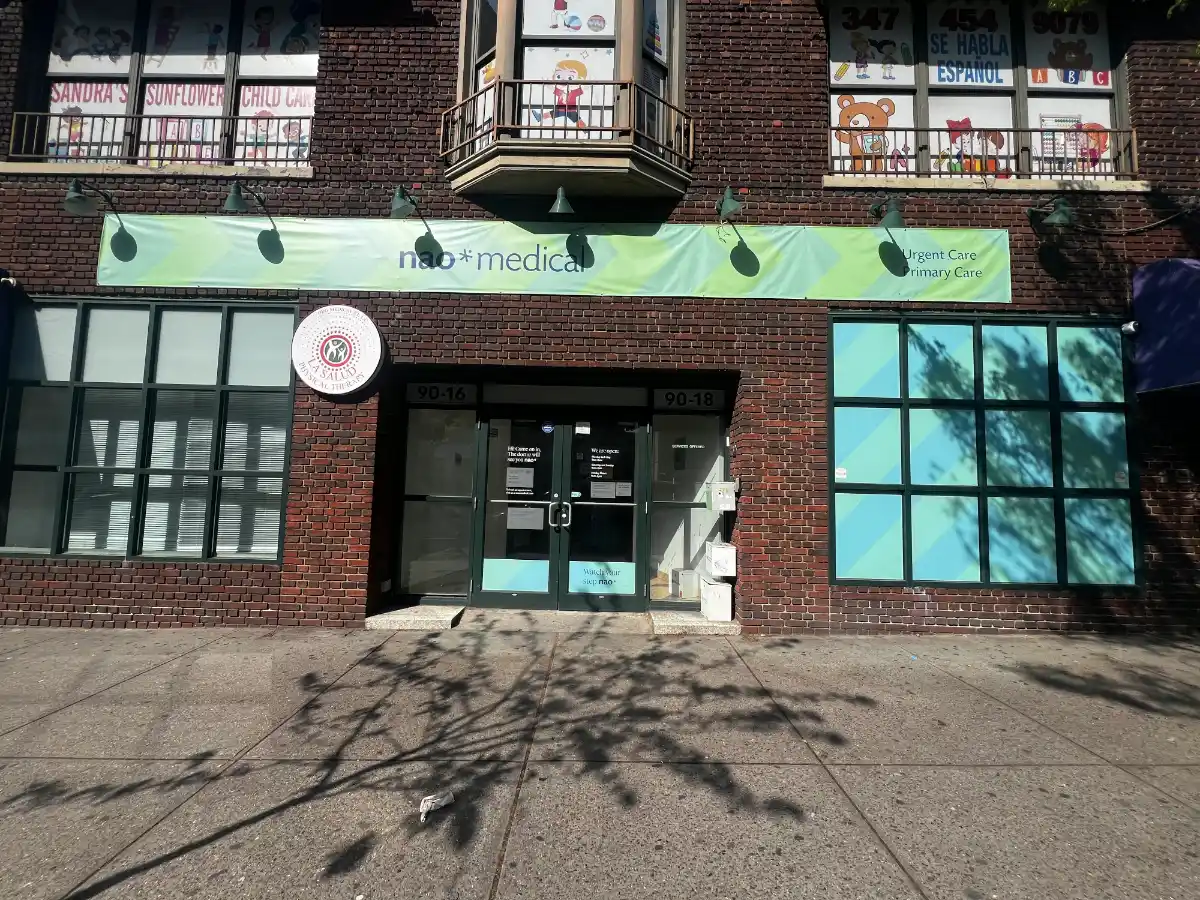
Queens
90-18 Sutphin Blvd, Jamaica, NY 11435
Confidential STD and STI testing access for patients in Jamaica, Briarwood, Richmond Hill, and nearby Queens neighborhoods.
View STD testing details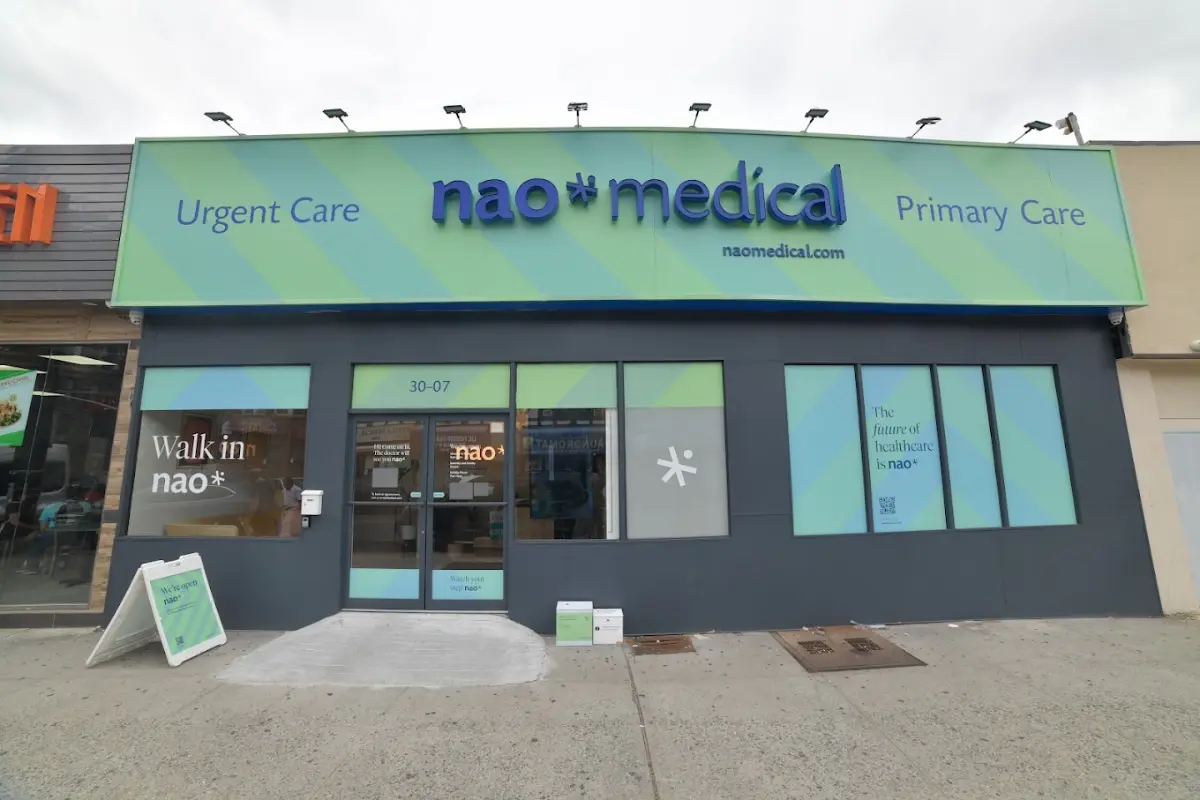
Queens
30-07 36th Ave, Astoria, NY 11106
Confidential STD and STI testing access for patients in Long Island City, Astoria, Sunnyside, and nearby Queens neighborhoods.
View STD testing details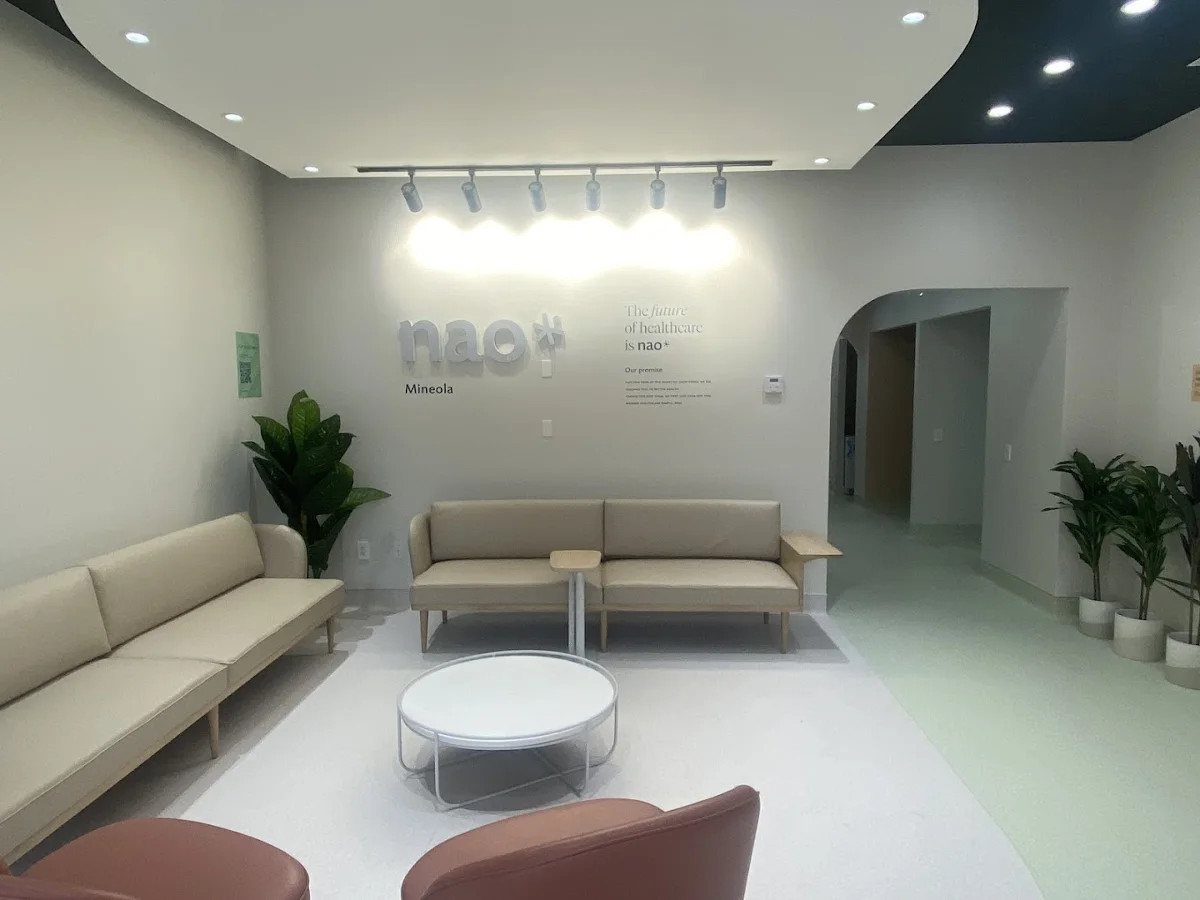
Long Island
135 Mineola Blvd, Mineola, NY 11501
Confidential STD and STI testing access for patients in Mineola, Garden City, Westbury, and nearby Nassau County communities.
View STD testing details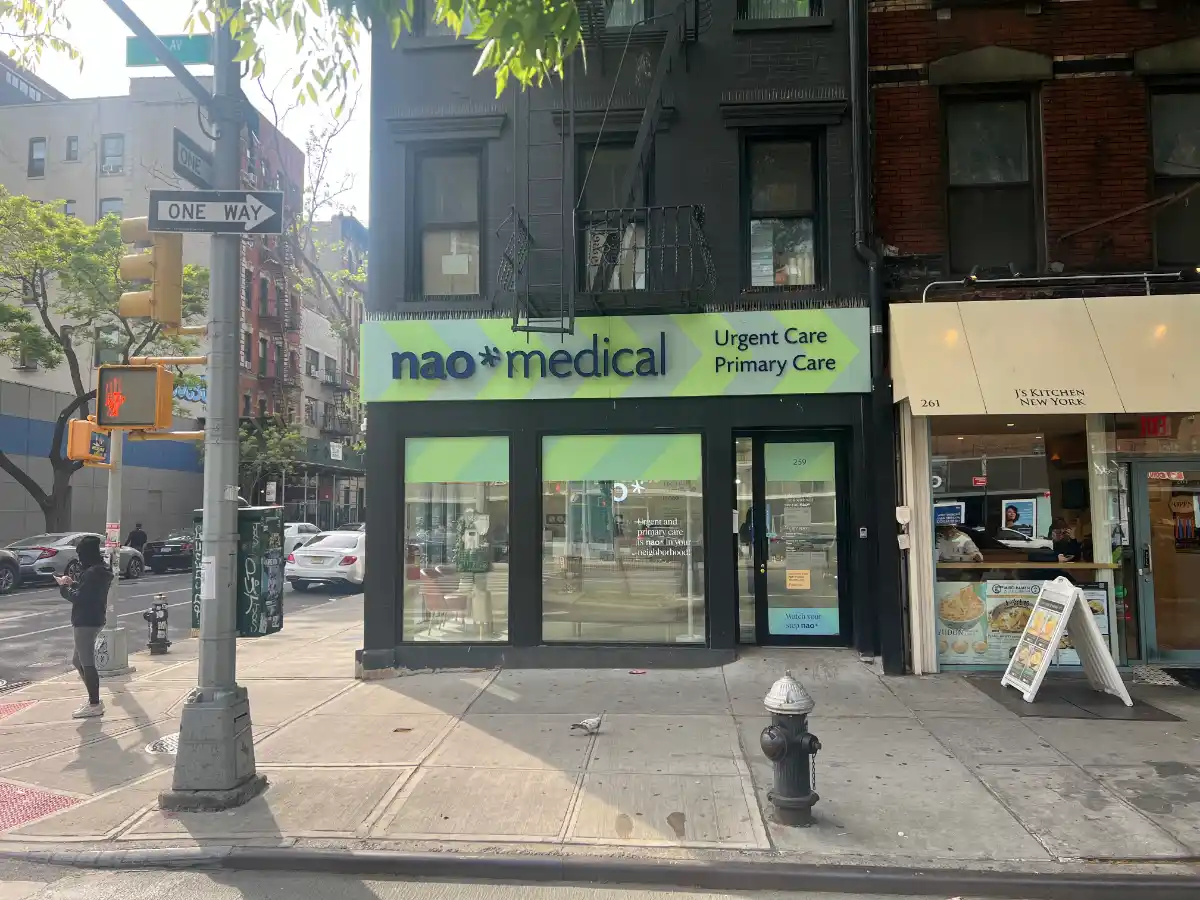
Manhattan
259 1st Ave, New York, NY 10003
Confidential STD and STI testing access for patients in StuyTown, East Village, Gramercy, and nearby Manhattan neighborhoods.
View STD testing details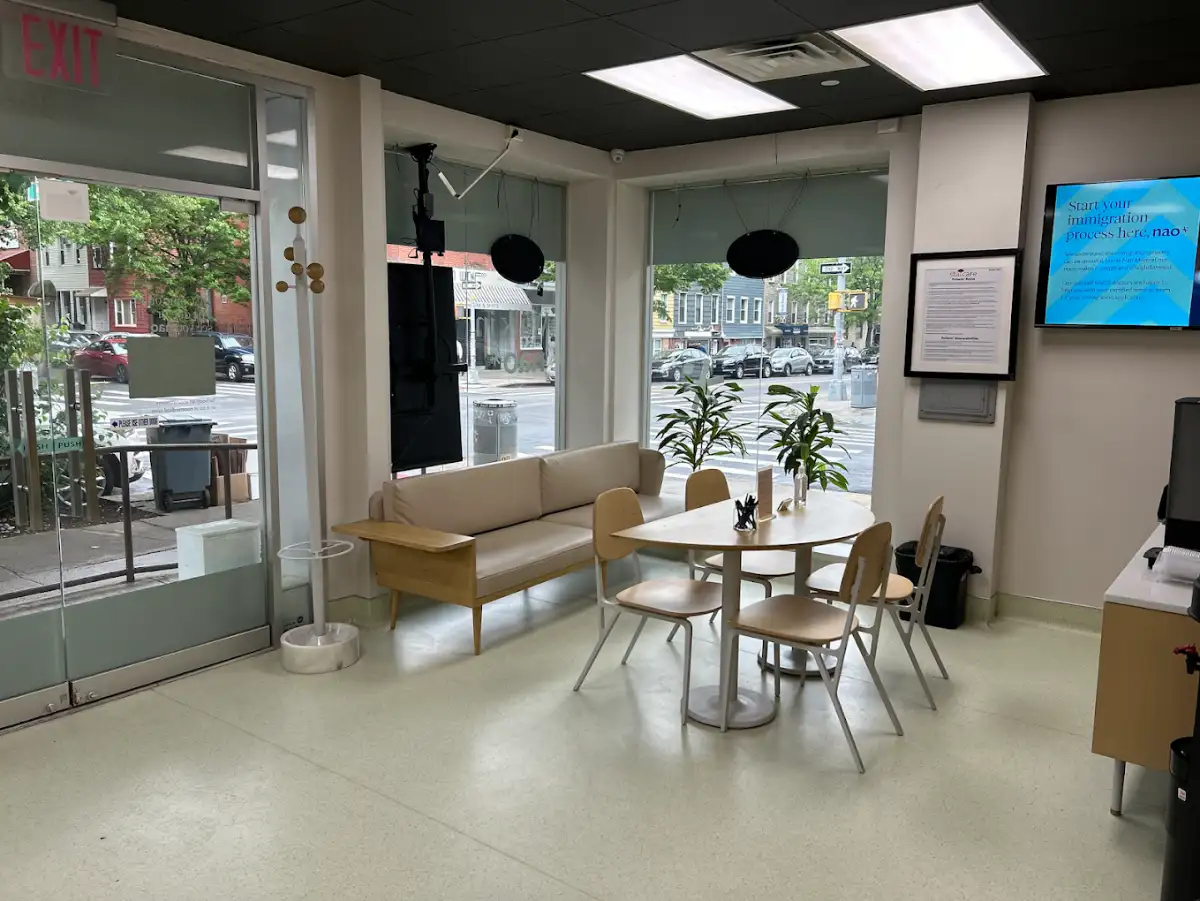
Brooklyn
308 Graham Ave, Brooklyn, NY 11211
Confidential STD and STI testing access for patients in Williamsburg, Greenpoint, Bushwick, and nearby Brooklyn neighborhoods.
View STD testing detailsStart with locations, symptoms, panels, insurance, and same-day testing options.
Fast answers matter after symptoms, a new partner, a possible exposure, or a routine screening deadline. Nao Medical helps patients choose the right STD or STI tests and understand what can be rapid versus what may need lab processing.
STI and STD testing usually refer to the same care need: checking for sexually transmitted infections with the right sample type, privacy, and follow-up plan.
timely STD testing starts with getting seen quickly, choosing the right tests, and leaving with a clear plan for results, treatment, and follow-up.
Nao Medical clinics are walk-in friendly when capacity allows, with booking recommended when you need a specific test, a tighter time window, or a private follow-up plan.
STD testing cost depends on the visit type, tests ordered, insurance benefits, deductibles, copays, and whether treatment or follow-up is needed.
An STD panel can be useful when you want broader screening, have a new partner, have symptoms that do not point to one infection, or want a clinician to help decide what belongs in the order.
Individual STD testing can be the right path when you know the concern, have a partner result, have one symptom pattern, or want to avoid unnecessary tests.
HIV and syphilis testing often uses blood testing, and timing after exposure matters. If HIV exposure may have happened recently, prevention decisions should not wait.

Arrange an evaluation to discuss suitable care, preparation and follow-up with a clinician.
Book STD testing