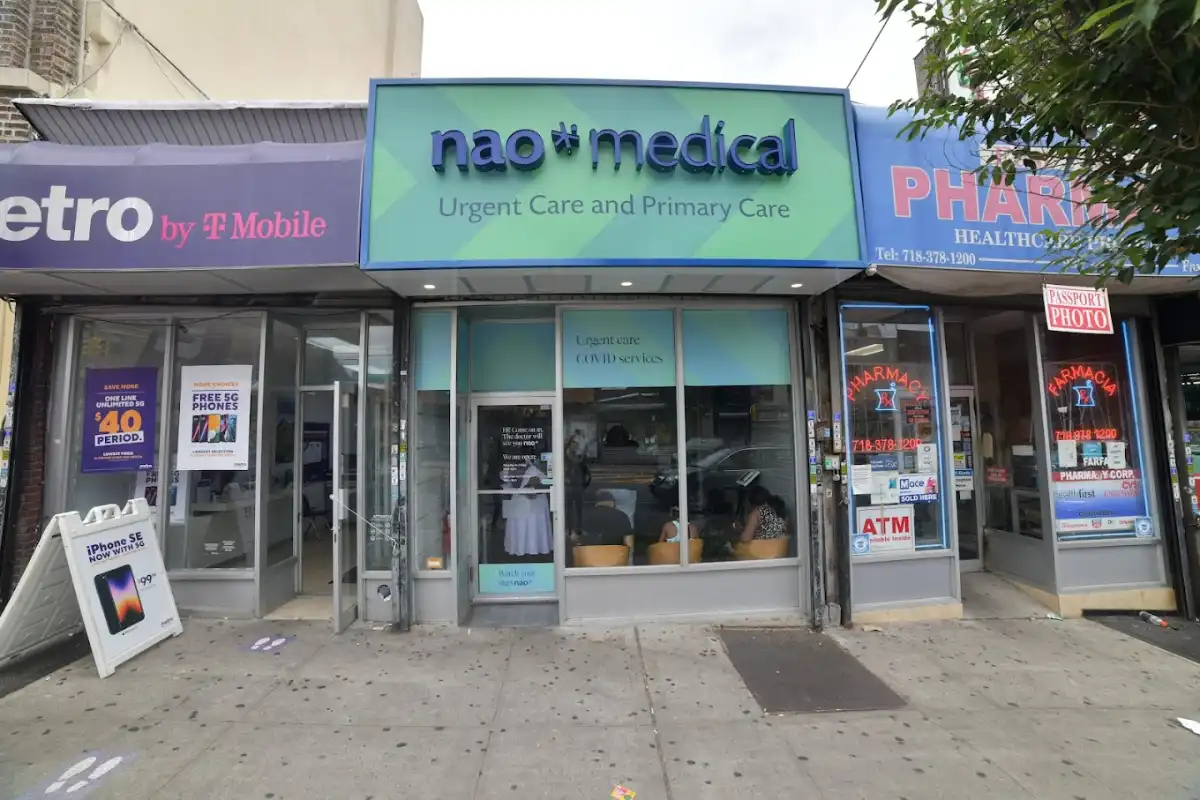
Bronx
174th Street
932 E 174th St, Bronx, NY 10460
Confidential STD and STI testing access for patients in West Farms, Crotona Park East, and nearby Bronx neighborhoods.
View STD testing details



HIV and syphilis can both be assessed with blood tests, but the tests answer different questions and follow different interpretation pathways. A combined visit can be useful after exposure, a partner’s result, symptoms or routine screening. Tell the clinician about previous syphilis treatment and the date of the most recent exposure. A single ‘positive’ or ‘negative’ notification may not contain enough information to decide what to do.
HIV tests detect antibodies, antigen or viral genetic material. Syphilis testing commonly uses a treponemal test and a nontreponemal test such as RPR or VDRL. A syphilis result is interpreted using both test types, symptoms, prior treatment and sometimes comparison of titers. A treponemal antibody can remain positive after successful treatment, so it does not automatically mean a new infection.
Testing is appropriate according to exposure, symptoms, pregnancy and screening needs. A painless sore or rash may need examination even before blood tests become positive. Pregnancy with possible syphilis needs prompt care. HIV exposure within 72 hours needs urgent PEP assessment, while syphilis treatment depends on the disease stage and clinical findings. A screening panel is not a substitute for these decisions.
Bring previous syphilis reports, treatment dates and RPR titers if available. Explain any sore, rash, visual change, hearing symptom or neurologic problem, along with exposure timing and HIV prevention use.
The clinician arranges HIV testing appropriate to timing and the syphilis test sequence used by the laboratory. A sore or other symptom may require direct examination and additional testing.
A reactive HIV screen requires confirmation. Syphilis tests may need an additional treponemal assay, repeat testing or interpretation of prior treatment. Do not interpret a persistent antibody as evidence of when infection occurred or whether a partner was unfaithful.
If infection is confirmed, discuss treatment, partner evaluation and follow-up. If testing is early, set a repeat date that fits the exposure and symptoms. Obtain the complete results for future care.
Bring actual reports rather than screenshots showing only a flag. Record past syphilis medication and completion if known, but ask for record retrieval if you do not have it. Tell the clinician about pregnancy, prior HIV diagnosis and PrEP/PEP. Ask which results will be available first and who explains the full test sequence.
New vision, hearing or neurologic symptoms with possible syphilis require urgent assessment for complications. Pregnancy-associated syphilis also needs prompt treatment coordination. Do not delay indicated care while trying to interpret a titer online. HIV and syphilis can coexist, and a negative result for one does not establish a negative result for the other.
Syphilis follow-up often compares quantitative nontreponemal titers to evaluate treatment response; a treponemal test is not repeated to prove that it becomes negative. The schedule depends on stage, HIV status and clinical situation. HIV follow-up depends on the assay and exposure, with a separate post-PEP pathway. Leave with dates and an identified clinician for both plans.
Confirm which HIV and syphilis tests are included, whether confirmation is coordinated and any separate laboratory charges. An expedited screening result does not promise a final diagnosis the same day. Discuss confidential communication and how prior reports will be shared with the treating clinician. Coverage and timing require confirmation for the chosen service.
HIV detection depends on the assay and exposure date. CDC lists usual windows of 10–33 days for NAT and 18–45 days for a laboratory antigen/antibody test using venous blood. Rapid finger-stick antigen/antibody testing has a usual window of 18–90 days; antibody testing has a window of 23–90 days. A negative result during its window is not conclusive; repeat at the advised time. PrEP/PEP can affect the testing plan. If the exposure was within 72 hours, seek urgent PEP assessment rather than waiting for repeat testing.
Ask which rapid HIV assay the service actually offers and whether laboratory confirmation or an RNA test is needed. A rapid screen can give an early result, but the assay's exposure window still applies, and a reactive result requires confirmation. HIV and syphilis results use different interpretation pathways. For possible HIV exposure within 72 hours, seek urgent PEP assessment rather than waiting for routine results.
Yes. Syphilis is treatable, commonly with penicillin, but the regimen depends on stage, pregnancy, neurological/eye/ear involvement and treatment history. A positive antibody may remain positive after successful care, so prior records and quantitative titers matter. Obtain clinician-directed treatment, partner assessment and follow-up. New visual, hearing or neurological symptoms need prompt evaluation.
Request an HIV-testing appointment, specifying the exposure date, symptoms and whether you need screening, confirmation or prevention advice. Ask which test is being ordered and when results are expected.
Have your insurance card ready when booking. Share member details through the clinic’s confirmed secure intake process. Check with the clinic and your insurer that the exact plan covers the clinician and requested service. Ask about visit charges, any separately billed tests or medicines, and any referral or authorization requirement. Coverage and your copay or deductible depend on the plan; request a written estimate if paying yourself.
Treponemal antibodies often persist. The clinician reviews treatment records, symptoms and quantitative RPR/VDRL results to assess whether more evaluation or treatment is needed.
An RPR or VDRL can be reactive for reasons other than syphilis. Examples include some infections, autoimmune conditions, pregnancy, recent vaccinations, injecting drug use or older age. A reactive result therefore needs the treponemal confirmation pathway. If a treponemal screen is reactive but RPR is negative, the laboratory may use another treponemal test. The clinician reviews prior treatment and recent exposure. A result cannot be dismissed as false positive from one factor alone. Obtain the complete reports and a clinician’s interpretation, especially with a sore, rash, pregnancy or new eye, hearing or neurologic symptoms.
Arrange assessment now if a partner has syphilis, you have a sore or rash, or pregnancy is involved. Early syphilis can have a negative blood result, so one immediate negative may not settle a recent exposure. The clinician considers the exposure date, symptoms, prior tests and treatment. For certain previously treated people with re-exposure, a reactive treponemal result and negative RPR, CDC recommends repeat nontreponemal testing in 2–4 weeks. That is not a universal waiting rule. A known infected partner may require treatment before a new test turns positive. Do not delay symptom or partner-exposure care to reach an internet test date.
Blood collection and laboratory interpretation are separate steps. The exact service should tell you its expected turnaround for the screening test, quantitative RPR/VDRL and any confirmation. A reactive or discordant screen may require another test and review of prior treatment before the clinician can give a final interpretation. Confirm who will contact you and follow up if the promised date passes. Symptoms, pregnancy or a partner’s diagnosis may require care before the full test sequence returns.
Read the report with the clinician, including the test names, reactive/nonreactive results, quantitative RPR or VDRL titer and prior treatment records. A treponemal result can remain positive after successful treatment and does not alone prove a new infection. A reactive RPR/VDRL needs treponemal confirmation. If the tests disagree, another treponemal test and history review may be needed. Titers help follow treatment response: a fourfold change, such as 1:16 to 1:4, is meaningful when the same method is compared. RPR and VDRL numbers cannot be compared directly. The clinician combines results with symptoms and exposure history before deciding whether treatment or repeat testing is needed.
Bronx
932 E 174th St, Bronx, NY 10460
Confidential STD and STI testing access for patients in West Farms, Crotona Park East, and nearby Bronx neighborhoods.
View STD testing details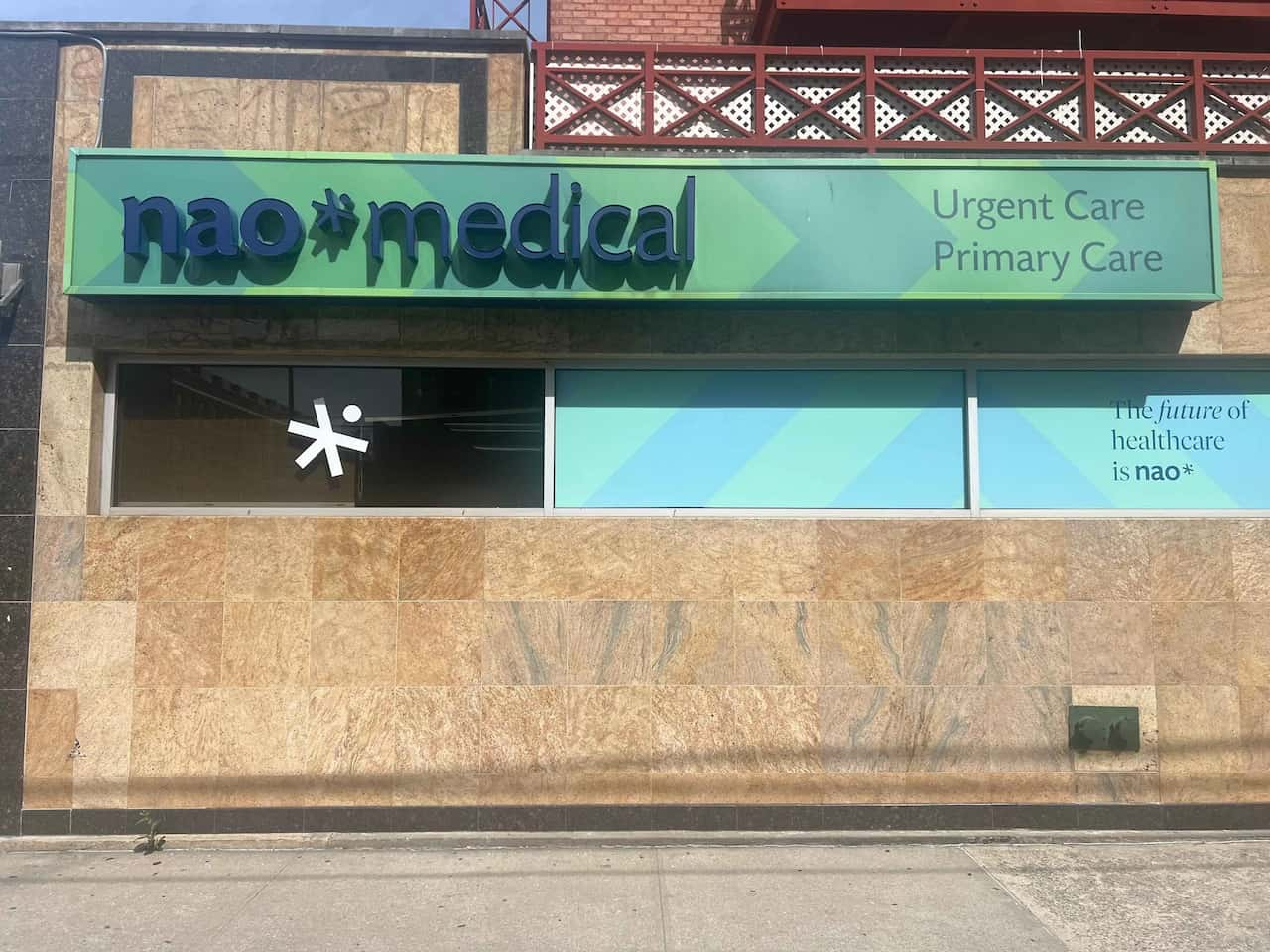
Queens
37-15 23rd Ave, Astoria, NY 11105
Confidential STD and STI testing access for patients in Astoria, Ditmars, East Elmhurst, and nearby Queens neighborhoods.
View STD testing details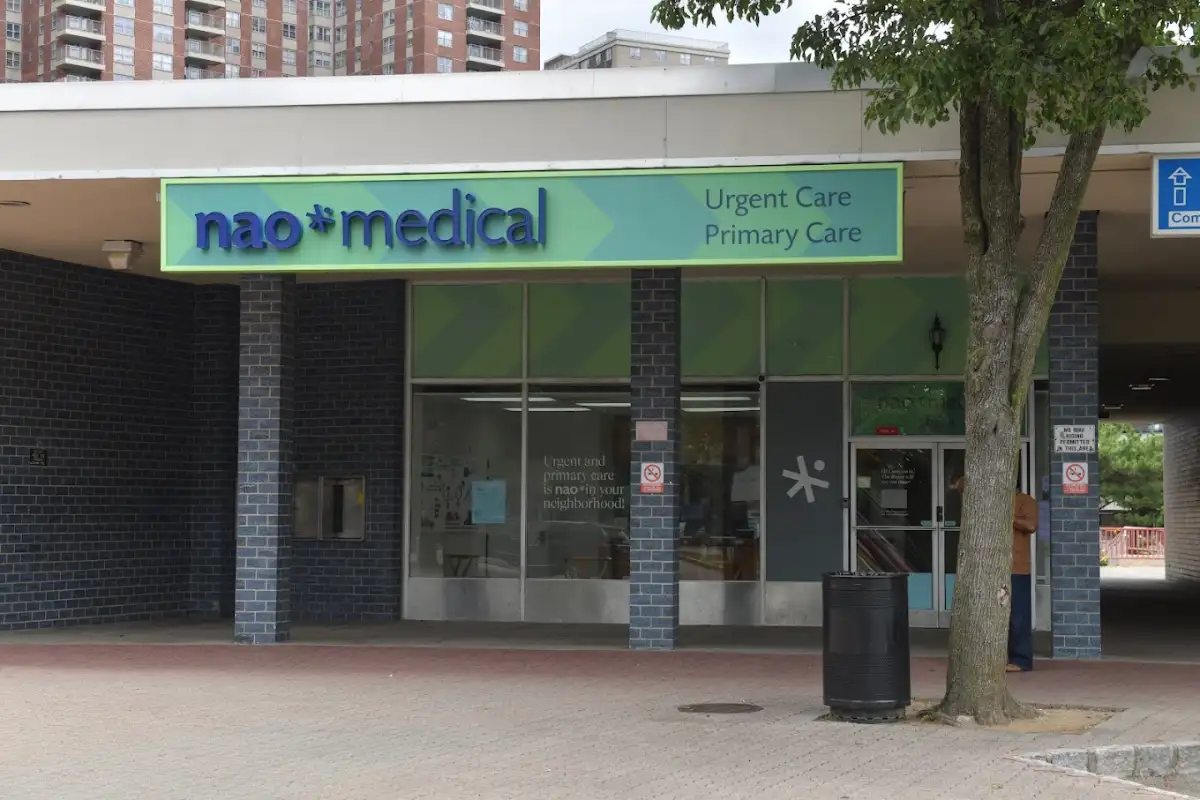
Bronx
2063A Bartow Ave, Bronx, NY 10475
Confidential STD and STI testing access for patients in Co-op City, Pelham Bay, Baychester, and nearby Bronx neighborhoods.
View STD testing details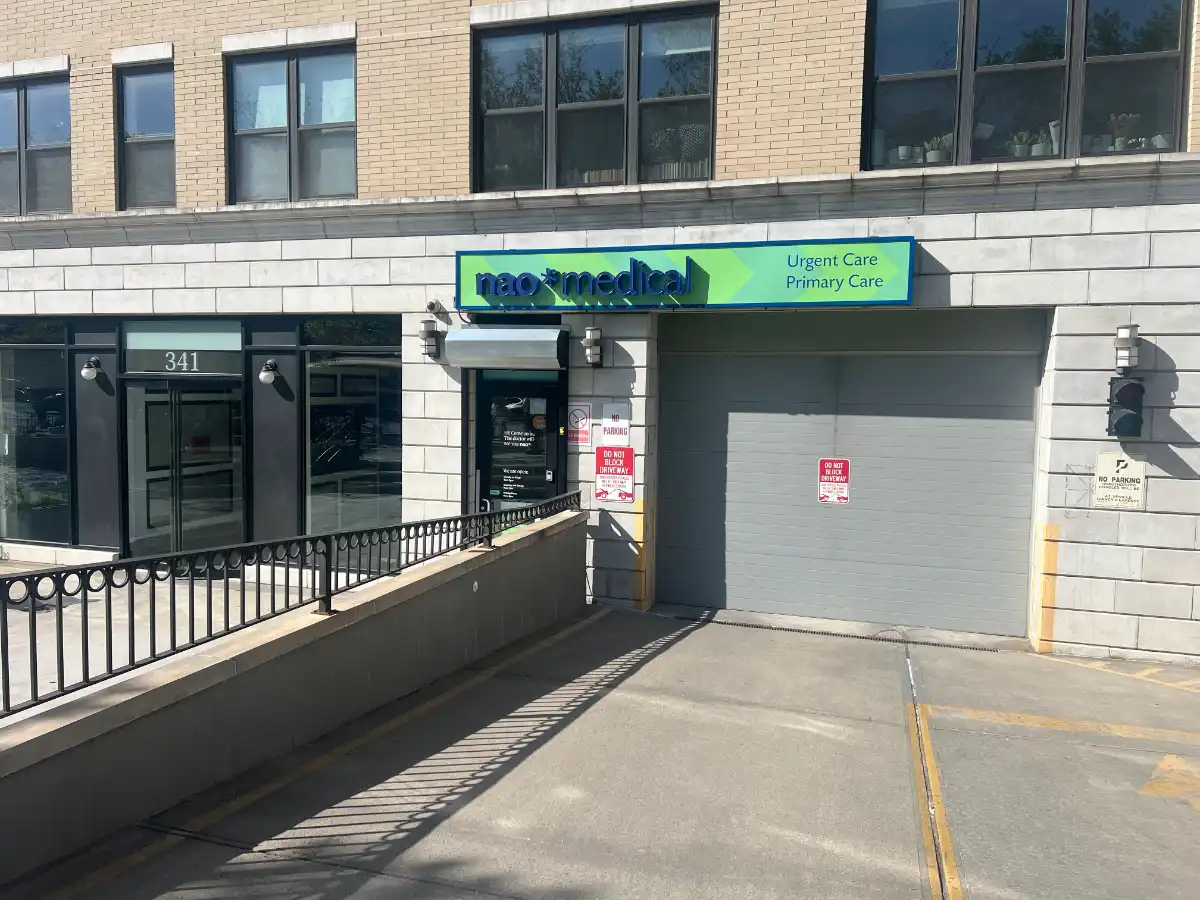
Brooklyn
341 Eastern Pkwy, Brooklyn, NY 11216
Confidential STD and STI testing access for patients in Crown Heights, Prospect Heights, and nearby Brooklyn neighborhoods.
View STD testing details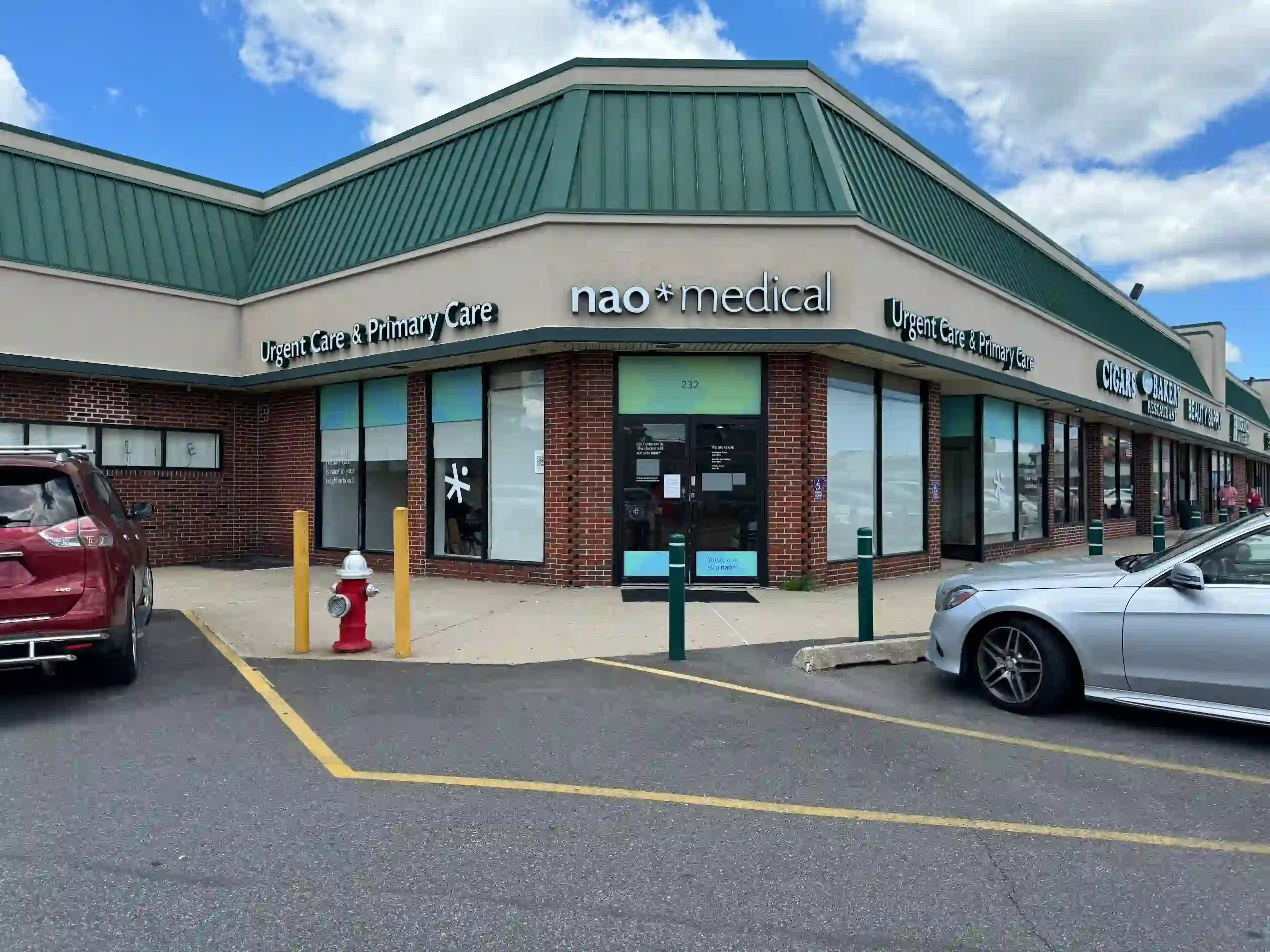
Long Island
232 W Old Country Rd, Hicksville, NY 11801
Confidential STD and STI testing access for patients in Hicksville, Plainview, Bethpage, and nearby Nassau County communities.
View STD testing details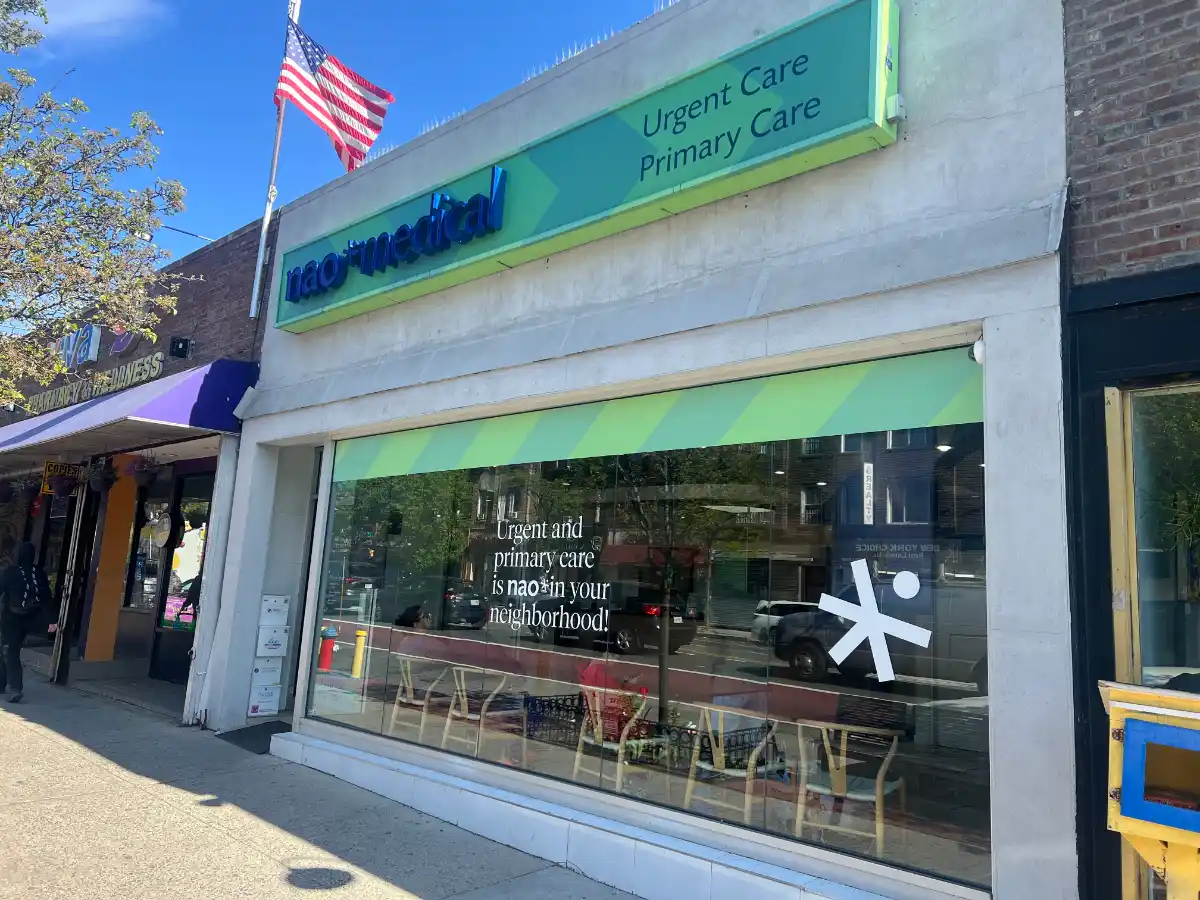
Queens
80-10 Northern Blvd, Jackson Heights, NY 11372
Confidential STD and STI testing access for patients in Jackson Heights, Elmhurst, Corona, and nearby Queens neighborhoods.
View STD testing details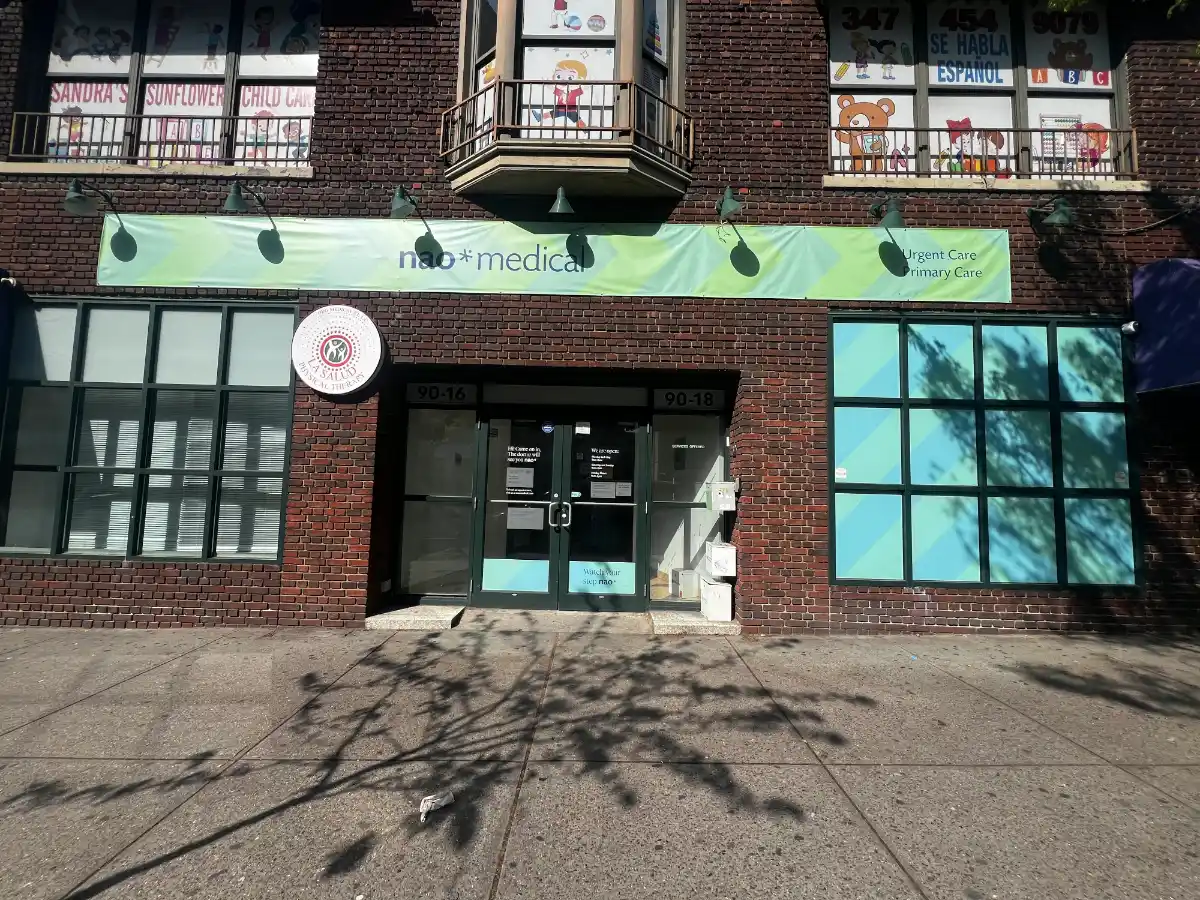
Queens
90-18 Sutphin Blvd, Jamaica, NY 11435
Confidential STD and STI testing access for patients in Jamaica, Briarwood, Richmond Hill, and nearby Queens neighborhoods.
View STD testing details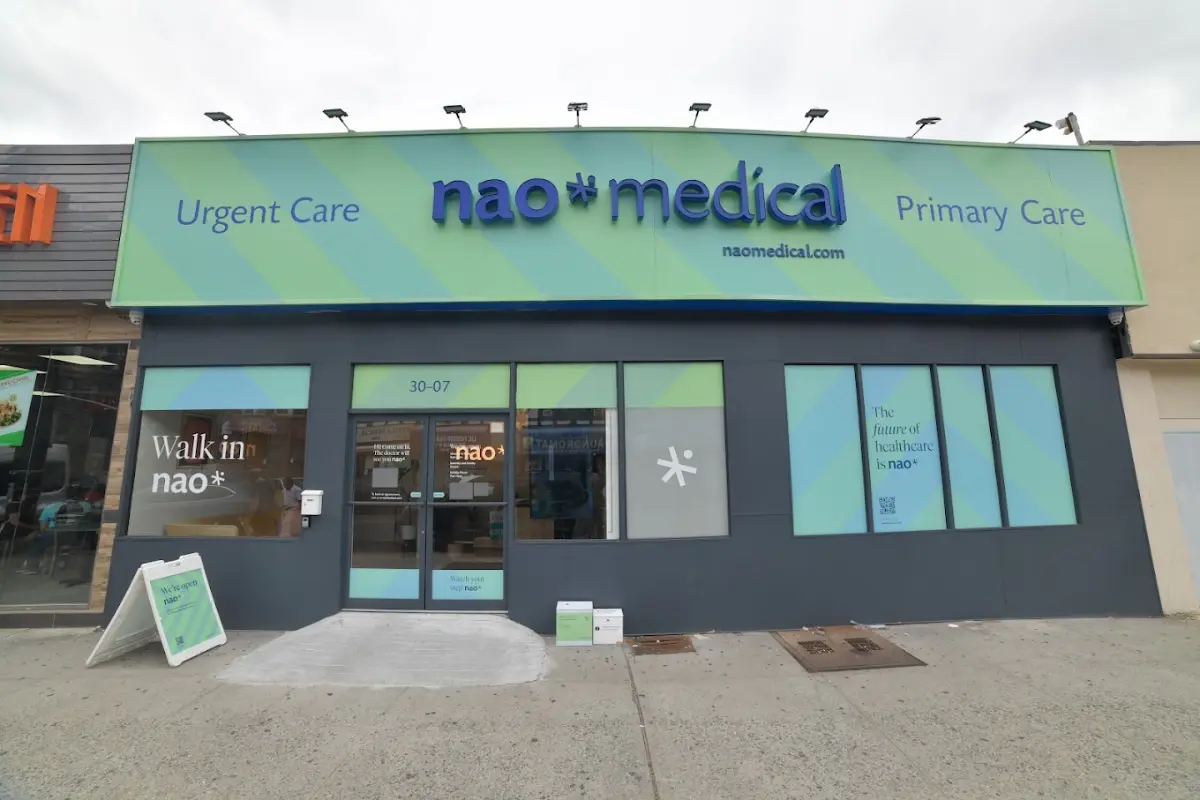
Queens
30-07 36th Ave, Astoria, NY 11106
Confidential STD and STI testing access for patients in Long Island City, Astoria, Sunnyside, and nearby Queens neighborhoods.
View STD testing details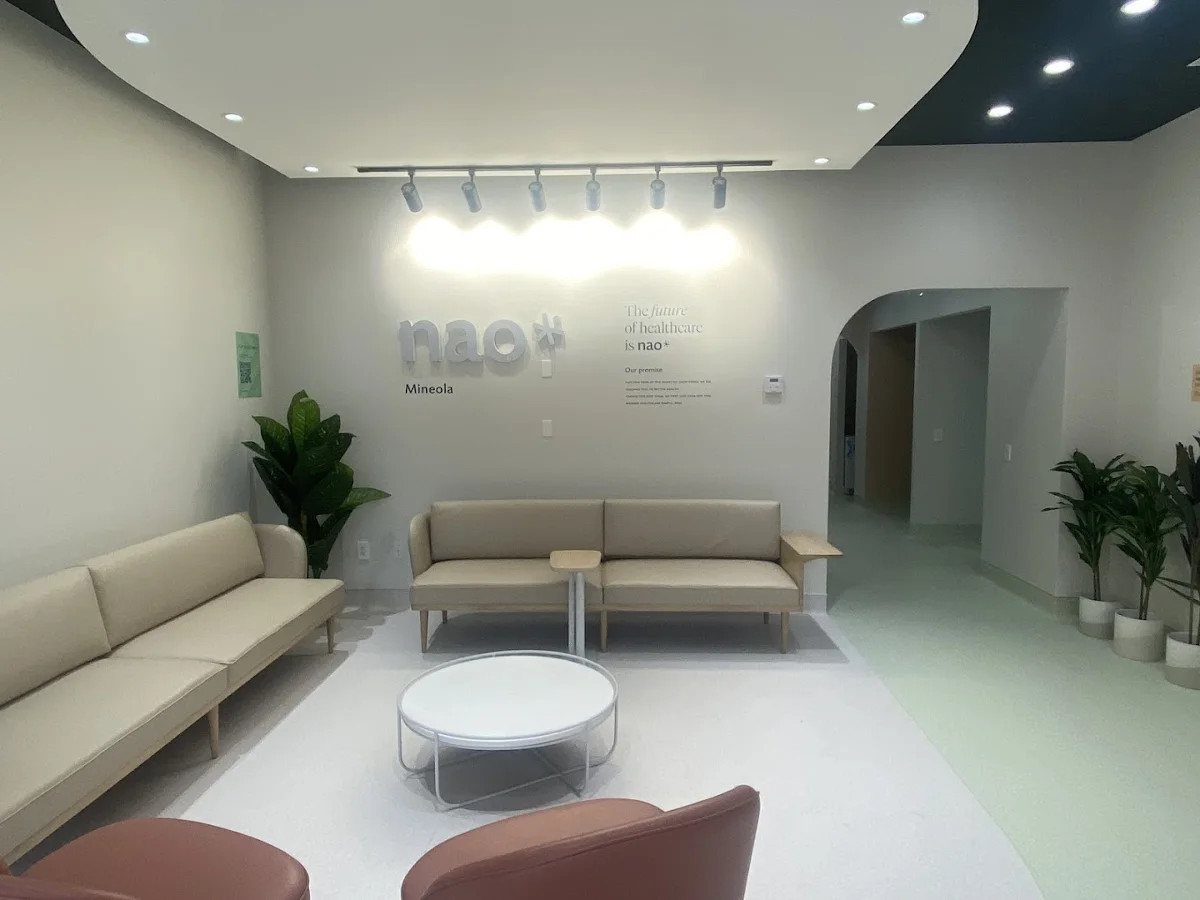
Long Island
135 Mineola Blvd, Mineola, NY 11501
Confidential STD and STI testing access for patients in Mineola, Garden City, Westbury, and nearby Nassau County communities.
View STD testing details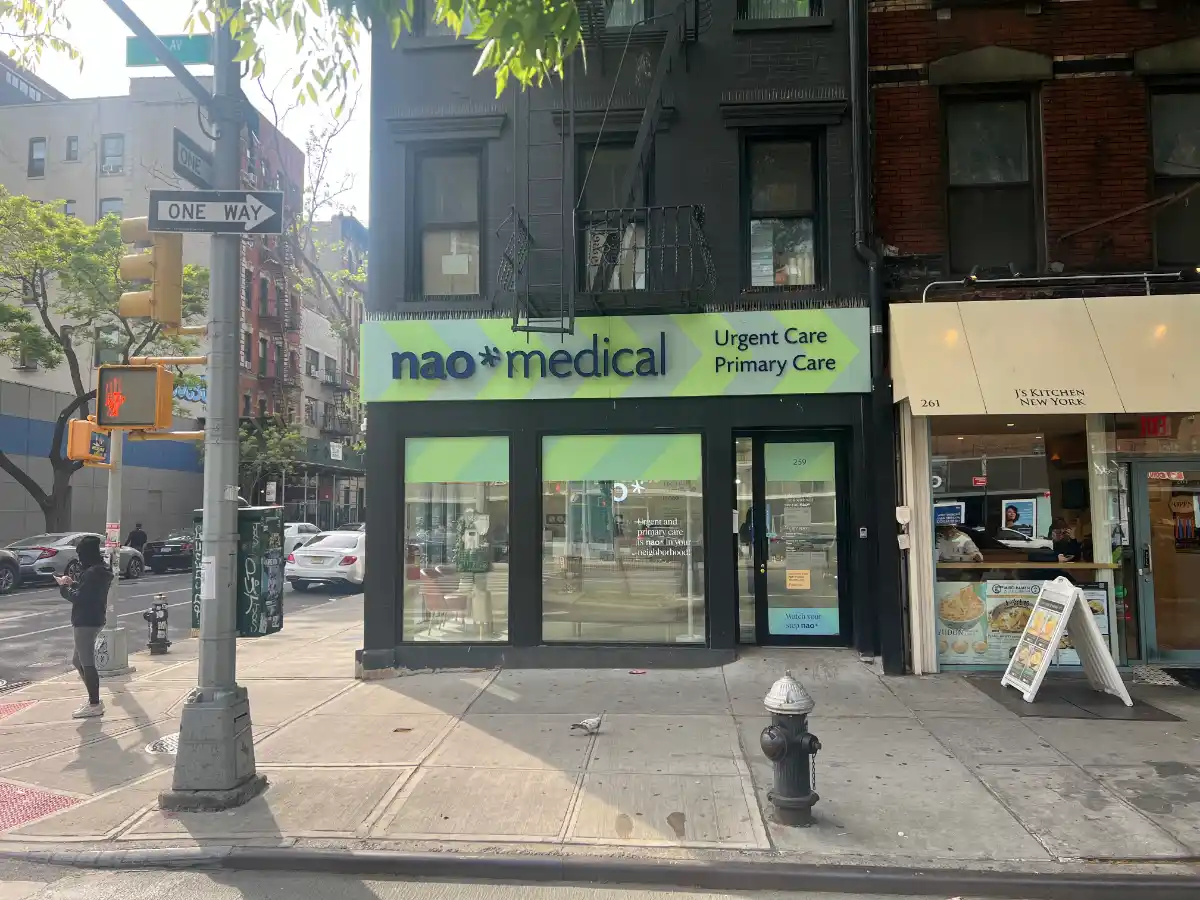
Manhattan
259 1st Ave, New York, NY 10003
Confidential STD and STI testing access for patients in StuyTown, East Village, Gramercy, and nearby Manhattan neighborhoods.
View STD testing details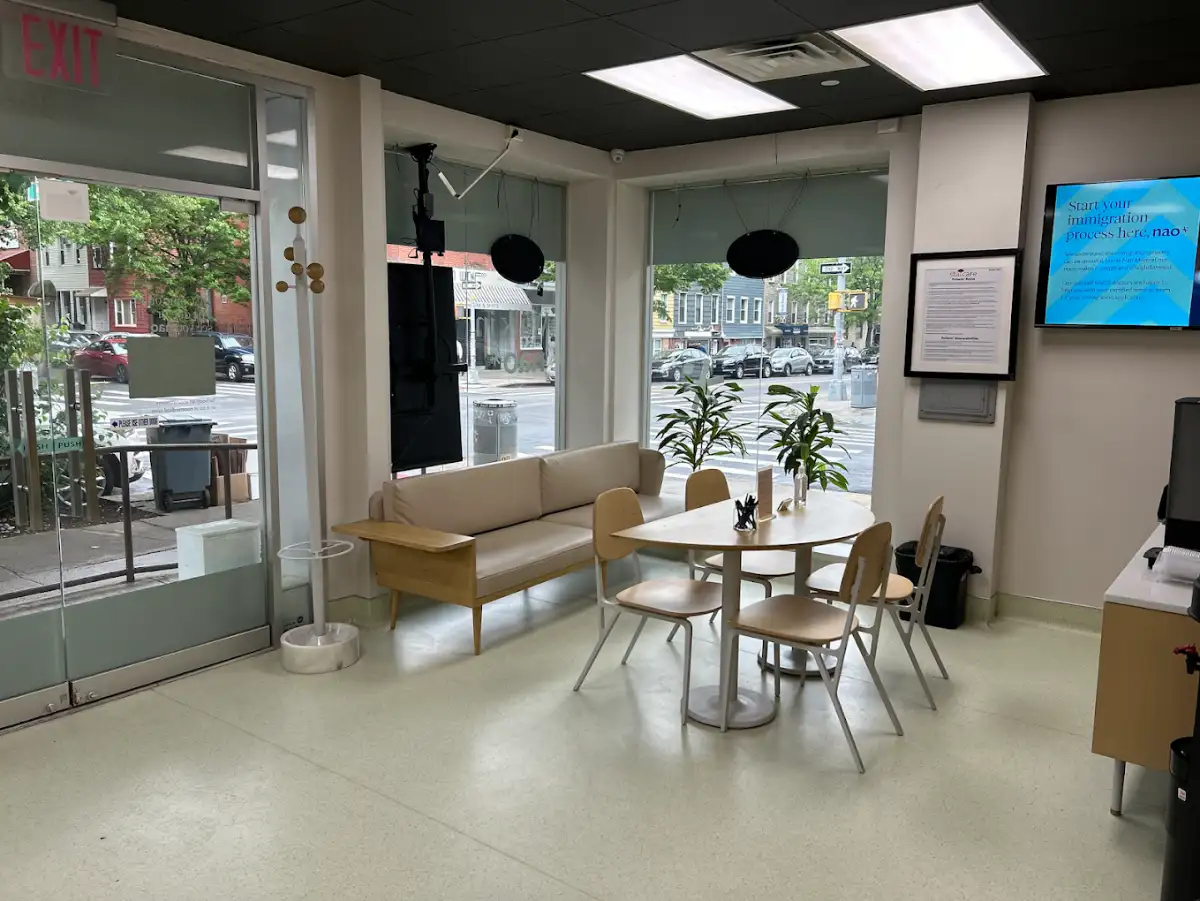
Brooklyn
308 Graham Ave, Brooklyn, NY 11211
Confidential STD and STI testing access for patients in Williamsburg, Greenpoint, Bushwick, and nearby Brooklyn neighborhoods.
View STD testing detailsStart with locations, symptoms, panels, insurance, and same-day testing options.
Fast answers matter after symptoms, a new partner, a possible exposure, or a routine screening deadline. Nao Medical helps patients choose the right STD or STI tests and understand what can be rapid versus what may need lab processing.
STI and STD testing usually refer to the same care need: checking for sexually transmitted infections with the right sample type, privacy, and follow-up plan.
timely STD testing starts with getting seen quickly, choosing the right tests, and leaving with a clear plan for results, treatment, and follow-up.
Nao Medical clinics are walk-in friendly when capacity allows, with booking recommended when you need a specific test, a tighter time window, or a private follow-up plan.
STD testing cost depends on the visit type, tests ordered, insurance benefits, deductibles, copays, and whether treatment or follow-up is needed.
An STD panel can be useful when you want broader screening, have a new partner, have symptoms that do not point to one infection, or want a clinician to help decide what belongs in the order.
Individual STD testing can be the right path when you know the concern, have a partner result, have one symptom pattern, or want to avoid unnecessary tests.
Chlamydia and gonorrhea are common STIs that may cause no symptoms, so testing can matter after exposure, a partner result, symptoms, or routine screening.

Arrange an evaluation to discuss suitable care, preparation and follow-up with a clinician.
Book STD testing