 (917) 310-3371
Long Island
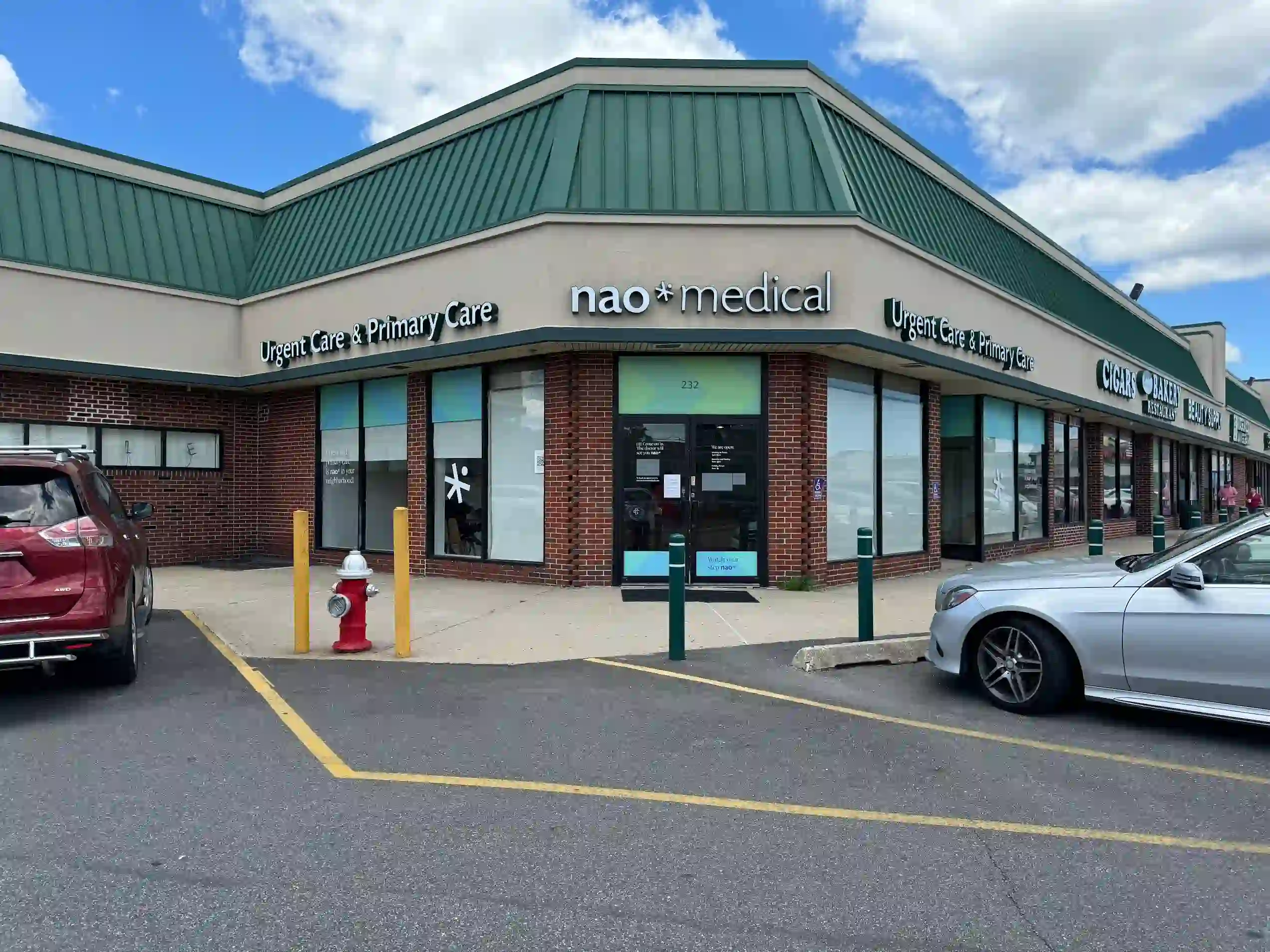
Hicksville walk-in urgent care
232 W Old Country Rd, Hicksville, NY 11801
patients in Hicksville, Plainview, Bethpage, and nearby Nassau County communities
Book this location View clinic details

2 Million+
Patients served
200,000+
5-star Reviews
12+
Years in operation
300+
Team members and growing
Coverage depends on your exact plan, clinician, location and service. Check participation and expected charges with the clinic and your insurer before booking.






Contact the clinic or booking service for current capacity and describe your concern and any deadline. A same-day visit is different from a completed laboratory report, available medication or signed clearance. If symptoms are severe, follow the emergency advice instead of waiting for a slot. Call 911 for chest pressure with difficulty breathing, stroke symptoms, severe breathing trouble, loss of consciousness, uncontrolled bleeding or a serious injury. Do not wait for a clinic booking. Sudden severe abdominal pain, a rapidly worsening illness or an infant with fever may need hospital assessment. An emergency can be present even when a home test is negative. Follow the written plan. Seek reassessment if symptoms worsen, new warning signs appear or you are not improving within the interval the clinician gave you. Arrange primary care for problems that recur or need ongoing monitoring. Ask how to obtain the visit summary and share it with your usual clinician.
Confirm that walk-ins are accepted for the specific concern today and check the current address and hours. Bring medicines, allergies, records and any form. Clinical priority and arrivals affect the wait; an online reservation is not a guaranteed consultation time. A test or prescription depends on the assessment.
Urgent care evaluates a new illness or minor injury that needs attention before a routine appointment. A persistent sore throat, painful urination, a small cut or a painful sprain may fit this setting. The visit starts with the problem you are having today and an assessment of whether a clinic can safely manage it. The clinician may arrange testing, treatment, a specialist referral or emergency care.
Choose urgent care for a stable, non-emergency problem. Use primary care for preventive visits and ongoing management of diabetes, blood pressure or other chronic conditions. Children need age-appropriate care. Call the clinic to confirm its current pediatric age limits and services before travel, especially for infants.
Describe when the problem started, how it has changed and what you have already tried. The clinician checks for serious causes, discusses the working diagnosis and explains the treatment or testing plan. Before leaving, ask who will contact you about pending results, what symptoms require reassessment and when to arrange follow-up. A visit does not guarantee a prescription, imaging or a completed clearance form.
Bring identification, your insurance information if you have it, a medication and allergy list, relevant records and any required form. Tell the team about pregnancy, immune suppression and recent procedures. If an injury involves a bite or puncture, bring the date of your last tetanus vaccine if known. Describe any medicine taken for fever or pain.
Call 911 for chest pressure with difficulty breathing, stroke symptoms, severe breathing trouble, loss of consciousness, uncontrolled bleeding or a serious injury. Do not wait for a clinic booking. Sudden severe abdominal pain, a rapidly worsening illness or an infant with fever may need hospital assessment. An emergency can be present even when a home test is negative.
Follow the written plan. Seek reassessment if symptoms worsen, new warning signs appear or you are not improving within the interval the clinician gave you. Arrange primary care for problems that recur or need ongoing monitoring. Ask how to obtain the visit summary and share it with your usual clinician.
Check the selected clinic's current hours and booking options. A walk-in option does not establish today's wait, capacity, test menu or holiday hours. Ask about the visit fee, separately billed laboratory or imaging services and your exact plan's network status. Confirm a particular procedure or vaccine before traveling.
Choose active Nao Medical urgent-care access in Long Island.
Walk-ins are welcome when capacity allows, and booking ahead helps reduce waiting.
Coverage depends on your exact plan, clinician, location and service. Check participation and expected charges with the clinic and your insurer before booking.
Long Island
232 W Old Country Rd, Hicksville, NY 11801
patients in Hicksville, Plainview, Bethpage, and nearby Nassau County communities
Book this location View clinic details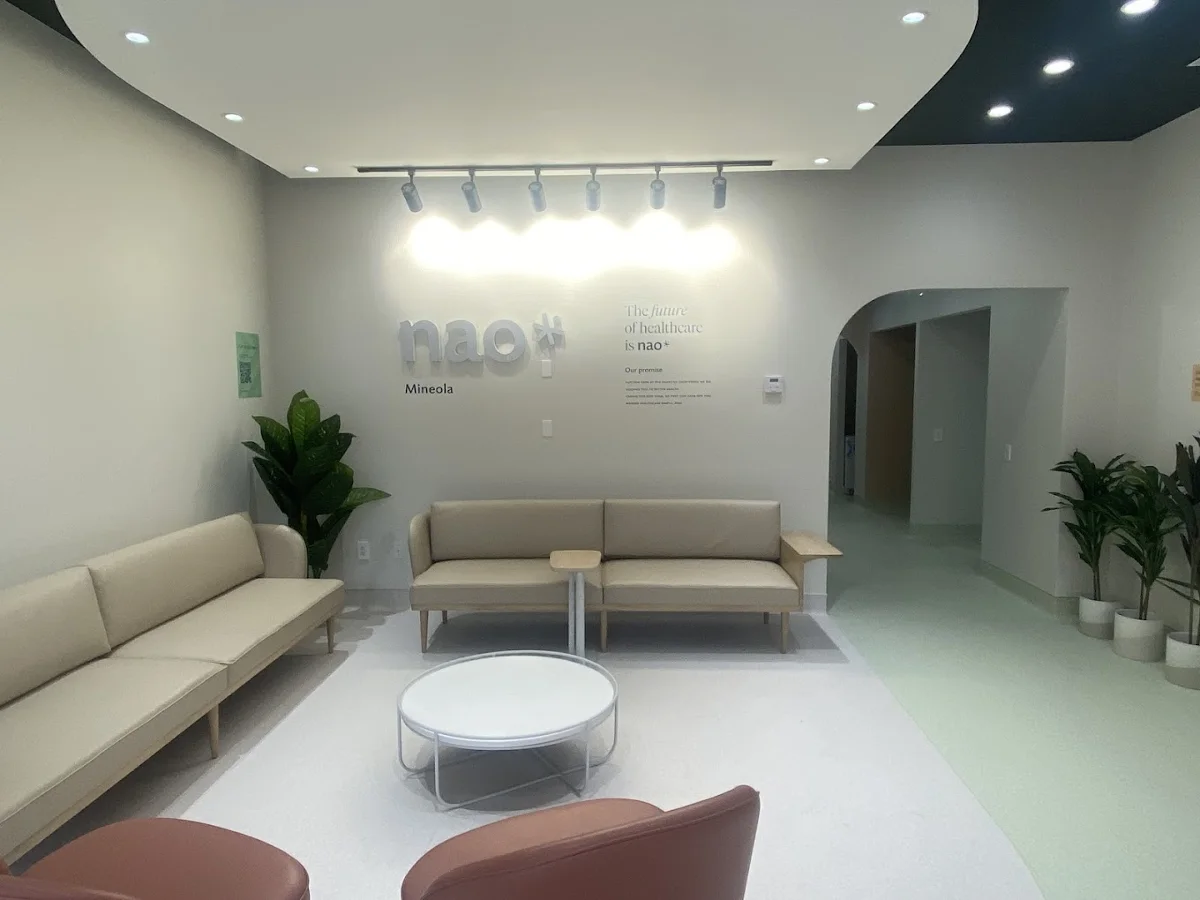
Long Island
135 Mineola Blvd, Mineola, NY 11501
patients in Mineola, Garden City, Westbury, and nearby Nassau County communities
Book this location View clinic details
Arrange an evaluation to discuss suitable care, preparation and follow-up with a clinician.
Confirm today's appointment or walk-in availability with the selected clinic before traveling. Name the exact service, patient age and any form deadline so the team can check whether that visit can meet the need. An open clinic does not guarantee the required test, procedure or a same-day completed form. Ask the selected clinic about the required service before arrival.
Urgent care assesses stable illnesses and minor injuries that need prompt attention, such as a sore throat, urinary symptoms, a minor cut or a sprain. The clinician reviews symptoms, examines you and decides whether tests, treatment or referral are needed. Confirm the selected clinic's age limits and specific tests or procedures. Ongoing disease management belongs with a regular primary clinician; severe or life-threatening symptoms need emergency care.
Check the exact insurance product, clinician, location and service with both the office and insurer. A company name, Medicaid or Medicare alone does not establish that every plan is in network. Ask about the visit and test or procedure separately, your copay or deductible, and any referral or authorization requirement. Coverage is not a guarantee of no charge.
Call 911 for chest pain or pressure with concerning symptoms, severe trouble breathing, signs of stroke such as new one-sided weakness or trouble speaking, loss of consciousness, uncontrolled heavy bleeding, or throat swelling with a severe allergic reaction. An emergency department has resources that a walk-in clinic does not. Do not wait for an urgent care slot, a video visit or test results when these symptoms occur.


