 (917) 310-3371
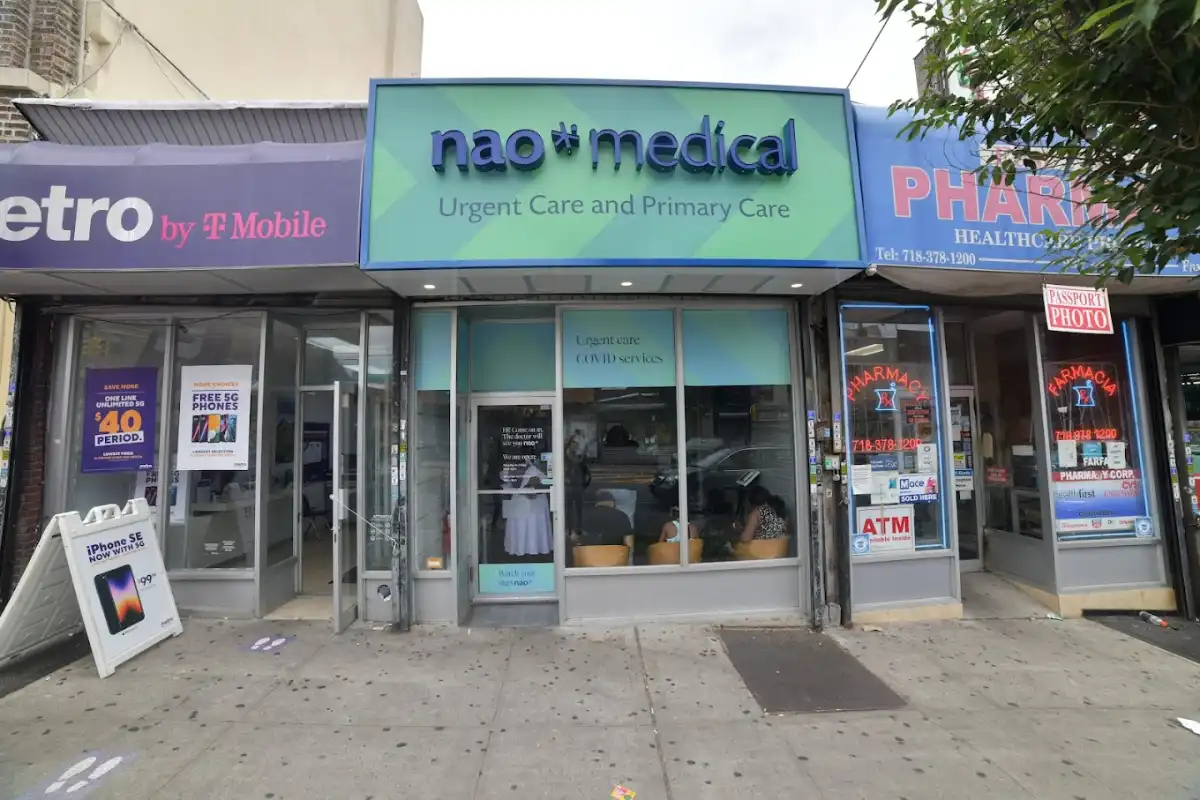
Bronx
174th Street
932 E 174th St, Bronx, NY 10460
Confidential STD and STI testing access for patients in West Farms, Crotona Park East, and nearby Bronx neighborhoods.
View STD testing details

2 Million+
Patients served
200,000+
5-star Reviews
12+
Years in operation
300+
Team members and growing
Coverage depends on your exact plan, clinician, location and service. Check participation and expected charges with the clinic and your insurer before booking.


Choose a current clinic by the actual care needed: symptom examination, targeted or panel testing, exposed-site swabs, treatment or follow-up. A borough or regional listing helps orient a search but does not confirm every listed service at every location. Check current hours and booking, laboratory options and who acts on results before traveling. Tell the service about urgent symptoms or HIV exposure within 72 hours so routine screening does not delay care. If follow-up will occur in another area, ask how reports and treatment records will be transferred. Confirm local access and costs directly rather than using regional wording as a guarantee.
STI testing works best when the tests match your symptoms, exposure sites and timing. You can request routine screening, evaluation after a partner’s diagnosis or care for symptoms. A broad panel may be useful, but there is no single test that rules out every STI at every body site. A respectful visit should explain what is included, what is omitted and what the next step will be for each result.
Different tests detect different organisms or the immune response to them. Chlamydia and gonorrhea commonly use NAAT on urine or swabs. HIV and syphilis generally use blood testing. A symptomatic sore may need a lesion swab; cervical HPV screening serves a different purpose from a general STI panel. Results cannot be interpreted simply as ‘clean’ or ‘not clean.’ An infection is a health issue, not a judgment about a person.
Screening recommendations reflect age, anatomy, pregnancy, sexual practices and previous infections. You do not need symptoms to have an infection. If you have burning, discharge, sores, a rash or pelvic pain, request evaluation as well as tests. Tell the clinician about pregnancy, PrEP/PEP, previous positive results and recent antibiotics. A recent qualifying HIV exposure within 72 hours needs urgent PEP assessment.
Review the reason for testing. A specific partner diagnosis may need a focused test plus related screening. A panel should have a written list of infections and specimens, not just a reassuring name.
Discuss oral, anal and vaginal contact so throat, rectal or genital samples can be included when appropriate. A urine-only panel cannot rule out infection at unsampled sites.
Ask how results are delivered and which clinician acts on a positive, reactive or invalid result. Some screenings require confirmation. Treatment may be started on clinical grounds in selected situations, but a collection visit alone is not a prescription.
Discuss partner evaluation, repeat screening, vaccination and HIV prevention. After treatment, test of cure and reinfection screening are different tasks with infection-specific timing.
Bring exposure dates, previous results, medicines, allergies and pregnancy information. Follow the lab’s specimen instructions. Explain whether private communication is needed and where messages may be sent. Ask whether insurance explanations of benefits or a shared portal could reveal the visit; the service can discuss available communication options without promising absolute secrecy.
Severe pelvic pain, fever, significant testicular pain, eye or neurologic symptoms, or a rapidly worsening illness needs urgent assessment. An early negative result may not exclude a recent infection. Routine herpes blood screening is not recommended for everyone because of test limitations; symptomatic lesions need a different evaluation. HPV screening is not a universal test for all genders, sites or STI concerns.
Review every result, including pending or indeterminate tests, rather than assuming silence means everything is negative. A positive infection needs its treatment and partner plan. Ongoing screening frequency reflects risk and any PrEP/doxy-PEP program. If symptoms persist despite negative tests, return for an examination and consideration of other causes.
When seeking same-day or walk-in care, confirm whether the site can evaluate symptoms, collect all needed specimens and arrange treatment. Visit availability, collection time and result turnaround are separate. Ask for visit, panel, confirmatory test and medication costs separately. Confirm turnaround, insurance terms and an actual appointment for the requested care. Public sexual-health services can be another access route when appropriate.
Sexual health visits are handled in private exam rooms with confidential documentation, clear communication, and respectful care for every gender identity and sexual orientation.
Choose broader screening or targeted testing with clinician guidance.
Coverage depends on your exact plan, clinician, location and service. Check participation and expected charges with the clinic and your insurer before booking.
Bronx
932 E 174th St, Bronx, NY 10460
Confidential STD and STI testing access for patients in West Farms, Crotona Park East, and nearby Bronx neighborhoods.
View STD testing details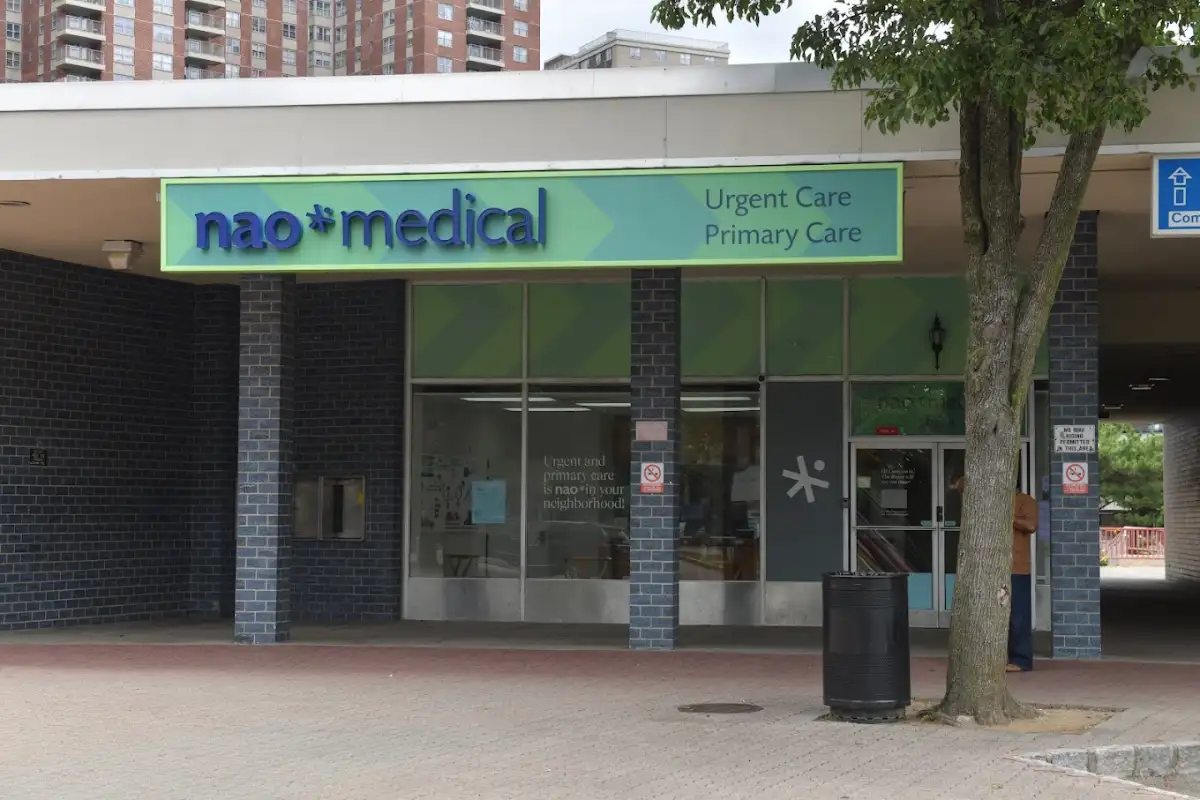
Bronx
2063A Bartow Ave, Bronx, NY 10475
Confidential STD and STI testing access for patients in Co-op City, Pelham Bay, Baychester, and nearby Bronx neighborhoods.
View STD testing detailsStart with locations, symptoms, panels, insurance, and same-day testing options.
Fast answers matter after symptoms, a new partner, a possible exposure, or a routine screening deadline. Nao Medical helps patients choose the right STD or STI tests and understand what can be rapid versus what may need lab processing.
STI and STD testing usually refer to the same care need: checking for sexually transmitted infections with the right sample type, privacy, and follow-up plan.
timely STD testing starts with getting seen quickly, choosing the right tests, and leaving with a clear plan for results, treatment, and follow-up.
Nao Medical clinics are walk-in friendly when capacity allows, with booking recommended when you need a specific test, a tighter time window, or a private follow-up plan.
STD testing cost depends on the visit type, tests ordered, insurance benefits, deductibles, copays, and whether treatment or follow-up is needed.
An STD panel can be useful when you want broader screening, have a new partner, have symptoms that do not point to one infection, or want a clinician to help decide what belongs in the order.
Individual STD testing can be the right path when you know the concern, have a partner result, have one symptom pattern, or want to avoid unnecessary tests.
Chlamydia and gonorrhea are common STIs that may cause no symptoms, so testing can matter after exposure, a partner result, symptoms, or routine screening.
Brooklyn patients can use Nao Medical clinics in Crown Heights and Williamsburg for private sexual health testing, treatment planning, and follow-up.
Nao Medical offers Queens STD testing access in Astoria, Jackson Heights, Jamaica, and Long Island City for patients who need clear next steps without leaving the borough.
Nao Medical StuyTown supports Manhattan patients who want a private medical office for STD and STI testing, result review, and follow-up care.
Nao Medical has Long Island options in Hicksville and Mineola for confidential testing with insurance and self-pay support.

Arrange an evaluation to discuss suitable care, preparation and follow-up with a clinician.
Book in BronxNao Medical offers HIV and STI assessment and testing. Choose a clinic or suitable assessment appointment and explain symptoms, recent exposures and the tests you need. Oral or anal exposures may need samples from those sites. Ask how you will receive results and any treatment or retesting plan. A possible HIV exposure within 72 hours needs urgent PEP assessment rather than routine screening.
STI testing works best when the tests match your symptoms, exposure sites and timing. You can request routine screening, evaluation after a partner’s diagnosis or care for symptoms. A broad panel may be useful, but there is no single test that rules out every STI at every body site. A respectful visit should explain what is included, what is omitted and what the next step will be for each result.
Different tests detect different organisms or the immune response to them. Chlamydia and gonorrhea commonly use NAAT on urine or swabs. HIV and syphilis generally use blood testing. A symptomatic sore may need a lesion swab; cervical HPV screening serves a different purpose from a general STI panel. Results cannot be interpreted simply as ‘clean’ or ‘not clean.’ An infection is a health issue, not a judgment about a person.
Screening recommendations reflect age, anatomy, pregnancy, sexual practices and previous infections. You do not need symptoms to have an infection. If you have burning, discharge, sores, a rash or pelvic pain, request evaluation as well as tests. Tell the clinician about pregnancy, PrEP/PEP, previous positive results and recent antibiotics. A recent qualifying HIV exposure within 72 hours needs urgent PEP assessment.
Review the reason for testing. A specific partner diagnosis may need a focused test plus related screening. A panel should have a written list of infections and specimens, not just a reassuring name.
Discuss oral, anal and vaginal contact so throat, rectal or genital samples can be included when appropriate. A urine-only panel cannot rule out infection at unsampled sites.
Ask how results are delivered and which clinician acts on a positive, reactive or invalid result. Some screenings require confirmation. Treatment may be started on clinical grounds in selected situations, but a collection visit alone is not a prescription.
Discuss partner evaluation, repeat screening, vaccination and HIV prevention. After treatment, test of cure and reinfection screening are different tasks with infection-specific timing.
Review every result, including pending or indeterminate tests, rather than assuming silence means everything is negative. A positive infection needs its treatment and partner plan. Ongoing screening frequency reflects risk and any PrEP/doxy-PEP program. If symptoms persist despite negative tests, return for an examination and consideration of other causes.
Have your insurance card ready when booking. Share member details through the clinic’s confirmed secure intake process. Check with the clinic and your insurer that the exact plan covers the clinician and requested service. Ask about visit charges, any separately billed tests or medicines, and any referral or authorization requirement. Coverage and your copay or deductible depend on the plan; request a written estimate if paying yourself.
Turnaround depends on the exact test, specimen, laboratory, confirmatory steps and review process. Ask when and how this particular result will be reported and who will discuss it. A delay does not itself mean a positive result. Do not repeat a collection or change treatment solely because a report has not arrived.
Bring exposure dates, previous results, medicines, allergies and pregnancy information. Follow the lab’s specimen instructions. Explain whether private communication is needed and where messages may be sent. Ask whether insurance explanations of benefits or a shared portal could reveal the visit; the service can discuss available communication options without promising absolute secrecy.
Review the reason for testing. A specific partner diagnosis may need a focused test plus related screening. A panel should have a written list of infections and specimens, not just a reassuring name.
Discuss oral, anal and vaginal contact so throat, rectal or genital samples can be included when appropriate. A urine-only panel cannot rule out infection at unsampled sites.
Ask how results are delivered and which clinician acts on a positive, reactive or invalid result. Some screenings require confirmation. Treatment may be started on clinical grounds in selected situations, but a collection visit alone is not a prescription.
Discuss partner evaluation, repeat screening, vaccination and HIV prevention. After treatment, test of cure and reinfection screening are different tasks with infection-specific timing.
Not necessarily. Ask for the exact test list. Routine herpes blood testing has limitations, and cervical HPV screening is a separate indication-specific service. A named panel does not mean every infection or site is covered.
No. A site may see you and collect samples the same day while laboratory results return later. Confirm which tests are rapid, what confirmation may be needed and who will call you.
It may exclude the infections tested at the sampled sites within the relevant windows, but it does not diagnose every cause. Persistent symptoms need reassessment rather than repeated reassurance from the panel name.


