What a bridge visit is for
Bridge care is meant to keep treatment moving when there is a short gap, not to replace ongoing addiction medicine follow-up.


Bridge prescriptions or bridge visits may be available when clinically appropriate, but they depend on assessment, medication history, safety review, and a concrete next-step plan rather than an automatic refill request.
Coverage depends on your exact plan, clinician, location and service. Check participation and expected charges with the clinic and your insurer before booking.


A bridge-care evaluation addresses a possible gap in buprenorphine treatment while ongoing care is being arranged. It may be relevant after hospital discharge, a lost appointment, a move or a change in prescriber. The clinician reviews the current treatment and safety before deciding what interim care is appropriate. A bridge prescription is not automatic and should connect to a definite next step.
Buprenorphine can reduce opioid withdrawal and cravings, but a treatment interruption may bring symptoms and increase the chance of return to opioid use. Continuity requires more than sending a prescription: the intended pharmacy must be able to fill it, the treatment details must be clear and follow-up must be arranged. A restart after a gap may need a different assessment if another opioid was used.
Bring the current product, prescription details, usual schedule, last dose and remaining supply. Explain why the gap occurred and identify the ongoing or previous prescriber. The clinician reviews recent opioid use, symptoms, sedatives, overdose history and other conditions. Severe withdrawal, intoxication or another unstable condition may need urgent care or a different setting.
Bring the bottle, pharmacy record, discharge summary or clinic instructions. Give the date of the next planned visit and whether it has been confirmed. If records cannot be obtained immediately, explain what is missing so the clinician can decide what additional verification is needed.
Tell the clinician about every dose missed and any fentanyl, heroin, methadone or other opioid used since the interruption. Do not treat restarting as a simple refill when exposure has changed. Review alcohol, benzodiazepines, new medicines and symptoms that might affect the plan.
If interim prescribing is appropriate, clarify the product, pharmacy, written instructions and follow-up endpoint. Ask which clinician will manage the next prescription and how information will be transferred with appropriate consent. A short-term solution should not leave the next gap unexplained.
Contact the team promptly if the pharmacy cannot dispense the medicine or an authorization is delayed. Give the actual reason provided rather than guessing. The clinician and pharmacy may need to clarify the prescription or choose another safe access step. Do not substitute borrowed medicine or assume the gap has been solved until dispensing is confirmed.
Request review before the last supply runs out when possible. Bring pharmacy contact details and insurance information, along with discharge or treatment records. Explain whether the need is continuation, a new start or a restart after other opioid use. Ask how urgent requests are handled and when the team can review the available information.
Call 911 for possible overdose or slow breathing, and use available naloxone according to the product instructions. Seek urgent assessment for severe or worsening symptoms, dehydration or inability to remain safe. Return to previous opioid amounts after reduced tolerance can be dangerous. Do not stop OUD treatment or another sedative abruptly to simplify a transfer.
A bridge evaluation should end with a documented follow-up plan, even if the decision is referral or another level of care. Review symptoms and supply before the next visit. If the expected appointment falls through, contact the team rather than waiting until another lapse occurs. Longer-term treatment decisions require ongoing clinical review, not serial emergency refills without reassessment.
Confirm that the service reviews bridge requests, what records are needed and whether the requested appointment is available. A same-day appointment does not guarantee a controlled-medication prescription or pharmacy supply. Ask about evaluation and follow-up costs separately from medication. If the current service cannot safely take over, request a clear referral or continuity plan.
A bridge-care evaluation addresses a possible gap in buprenorphine treatment while ongoing care is being arranged. It may be relevant after hospital discharge, a lost appointment, a move or a change in prescriber. The clinician reviews the current treatment and safety before deciding what interim care is appropriate. A bridge prescription is not automatic and should connect to a definite next step.
Bring the current product, prescription details, usual schedule, last dose and remaining supply. Explain why the gap occurred and identify the ongoing or previous prescriber. The clinician reviews recent opioid use, symptoms, sedatives, overdose history and other conditions. Severe withdrawal, intoxication or another unstable condition may need urgent care or a different setting.
Bring the bottle, pharmacy record, discharge summary or clinic instructions. Give the date of the next planned visit and whether it has been confirmed. If records cannot be obtained immediately, explain what is missing so the clinician can decide what additional verification is needed.
Tell the clinician about every dose missed and any fentanyl, heroin, methadone or other opioid used since the interruption. Do not treat restarting as a simple refill when exposure has changed. Review alcohol, benzodiazepines, new medicines and symptoms that might affect the plan.
If interim prescribing is appropriate, clarify the product, pharmacy, written instructions and follow-up endpoint. Ask which clinician will manage the next prescription and how information will be transferred with appropriate consent. A short-term solution should not leave the next gap unexplained.
Contact the team promptly if the pharmacy cannot dispense the medicine or an authorization is delayed. Give the actual reason provided rather than guessing. The clinician and pharmacy may need to clarify the prescription or choose another safe access step. Do not substitute borrowed medicine or assume the gap has been solved until dispensing is confirmed.
Confirm that the service reviews bridge requests, what records are needed and whether the requested appointment is available. A same-day appointment does not guarantee a controlled-medication prescription or pharmacy supply. Ask about evaluation and follow-up costs separately from medication. If the current service cannot safely take over, request a clear referral or continuity plan.
An evaluation can address a medication gap, return to use or uncertainty about treatment goals. Complete abstinence is not a prerequisite for asking for care. Describe the last buprenorphine dose, intervening opioid use, current symptoms and remaining supply. Ask whether the clinician reviews bridge requests and what records are needed. A missed appointment does not guarantee an automatic bridge or safe restart at the old dose.
Ask the treating clinician whether a bridge prescription is appropriate and how long it should last in your situation. The clinician decides whether interim treatment is appropriate and documents the amount, end date and next follow-up from the current regimen, remaining supply and safety assessment. Ask who will provide continuing care and what to do if the handoff is delayed. Do not assume an urgent-care appointment guarantees a fixed refill.
Bridge care is meant to keep treatment moving when there is a short gap, not to replace ongoing addiction medicine follow-up.
Medication history, recent opioid use, adherence, safety concerns, and the next follow-up plan all matter before a bridge is written.
Some situations need a fuller restart visit, closer monitoring, or a different care plan instead of a short refill bridge.
The shorter the gap between the bridge visit and the next real follow-up, the safer and more stable the plan usually is.
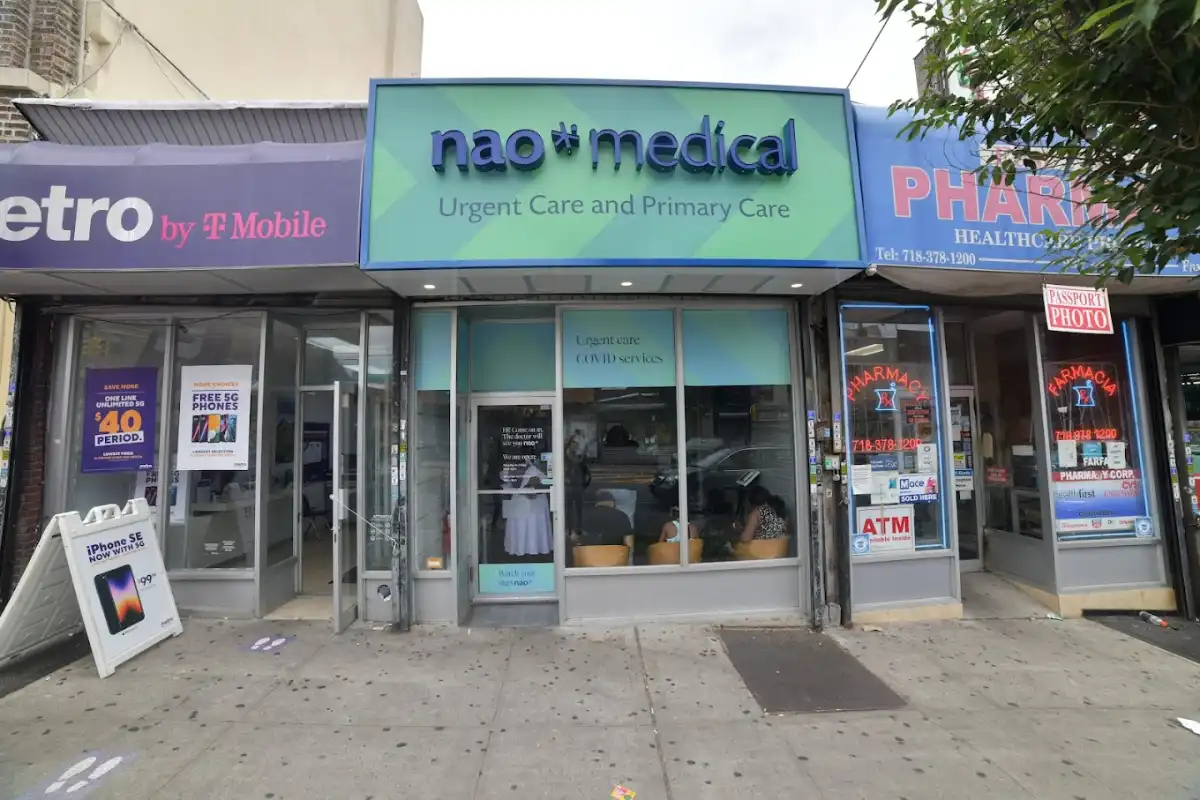
Bronx
932 E 174th St, Bronx, NY 10460
A Bronx location for opioid addiction treatment, same-day evaluation when available, and practical medication follow-up.
View local MAT care Get directions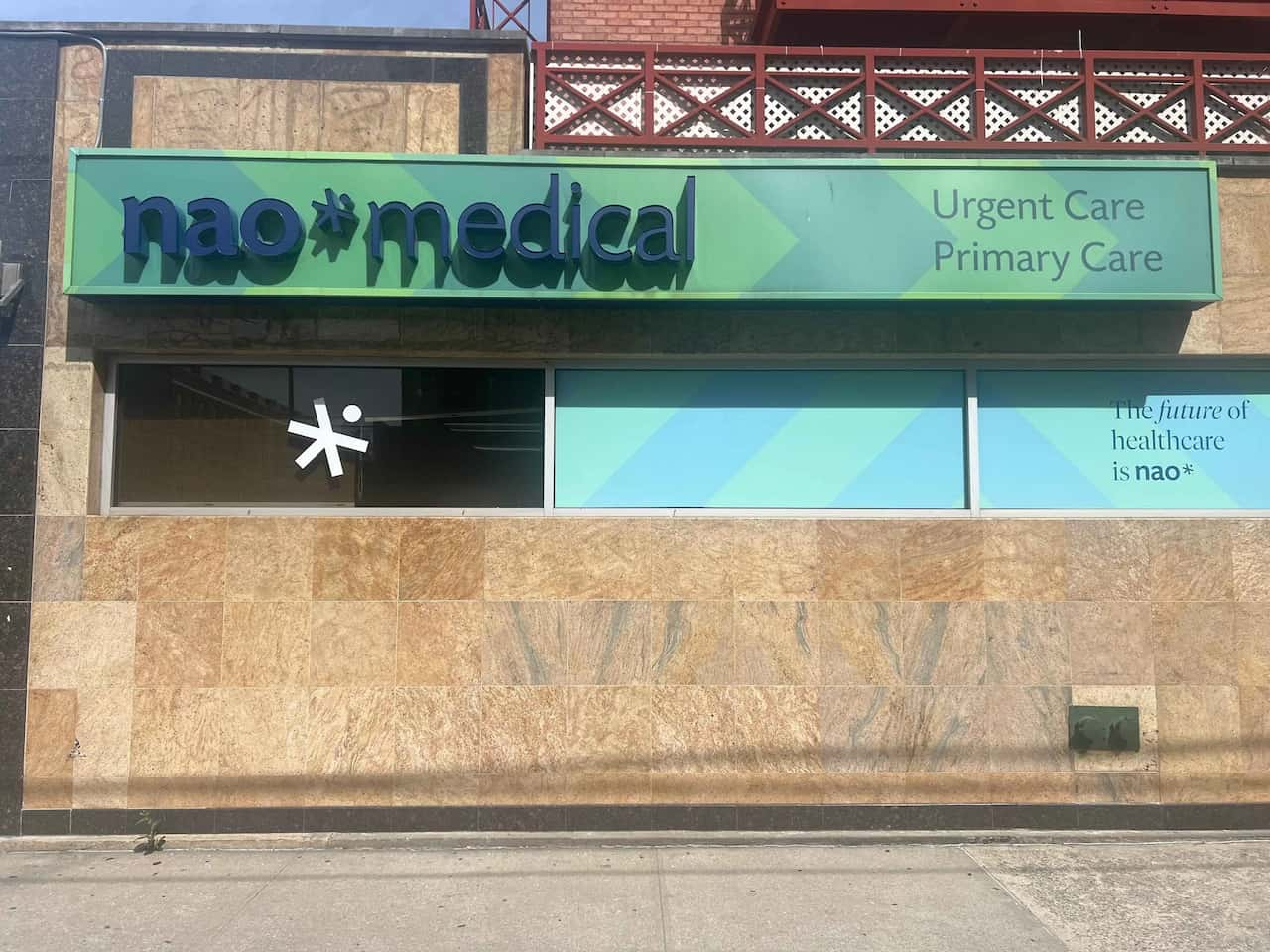
Queens
37-15 23rd Ave, Astoria, NY 11105
A western Queens location for opioid addiction treatment, buprenorphine follow-up, and realistic neighborhood access.
View local MAT care Get directions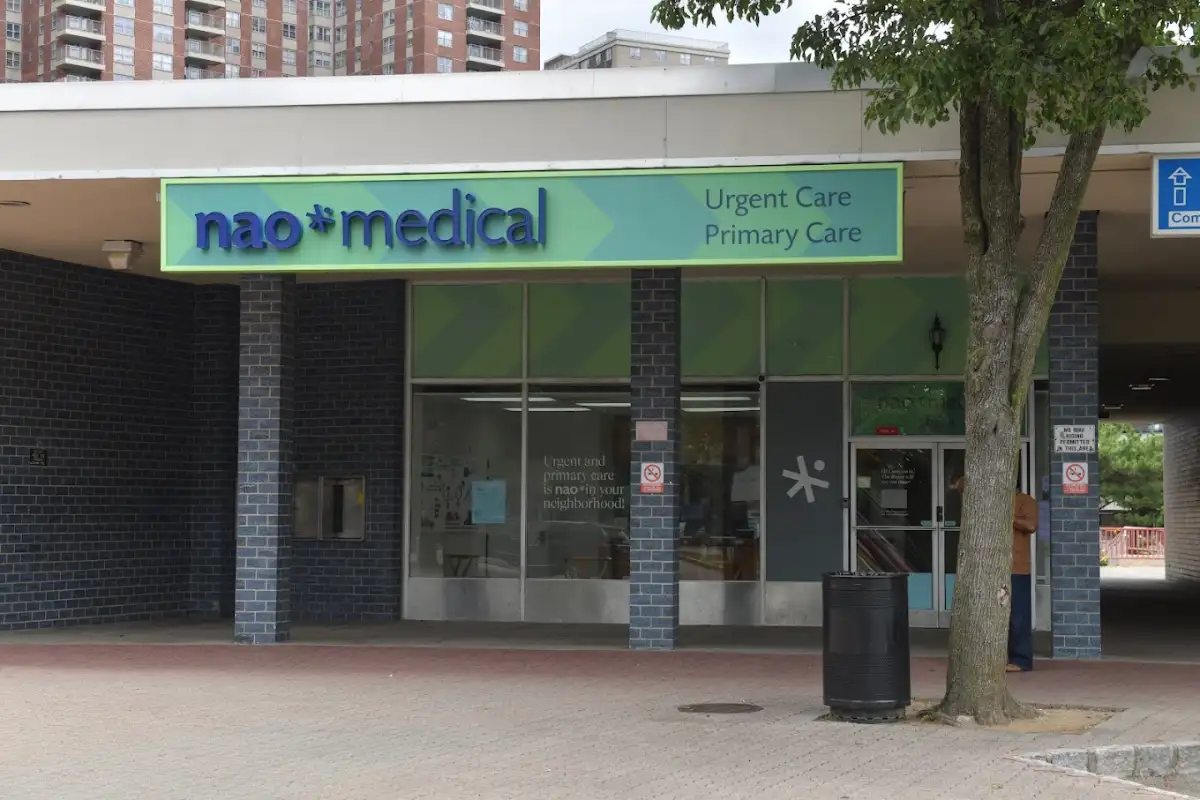
Bronx
2063A Bartow Ave, Bronx, NY 10475
A Bronx option for opioid use disorder care, bridge-review visits, and practical next-step coordination.
View local MAT care Get directions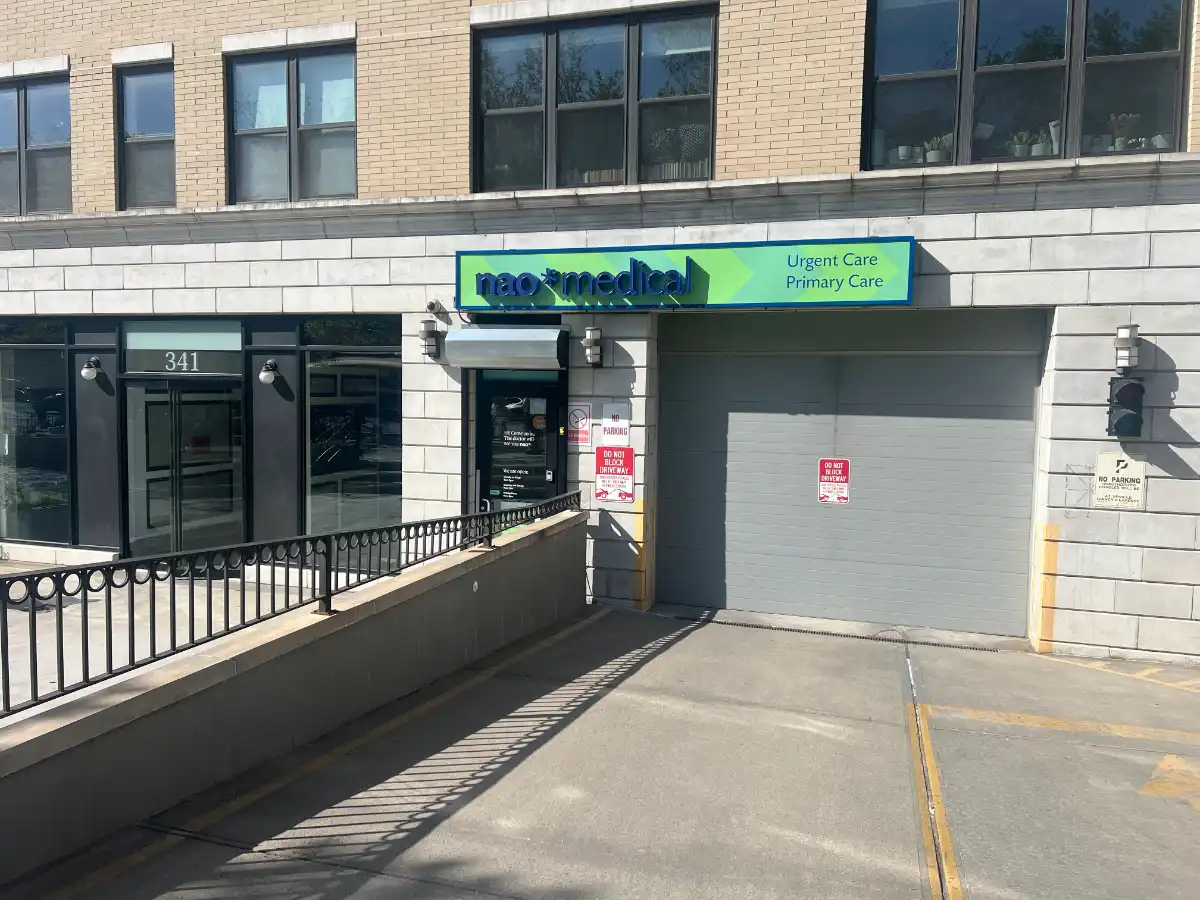
Brooklyn
341 Eastern Pkwy, Brooklyn, NY 11216
A central Brooklyn location for medication for addiction treatment, follow-up planning, and local access that is easier to keep using.
View local MAT care Get directions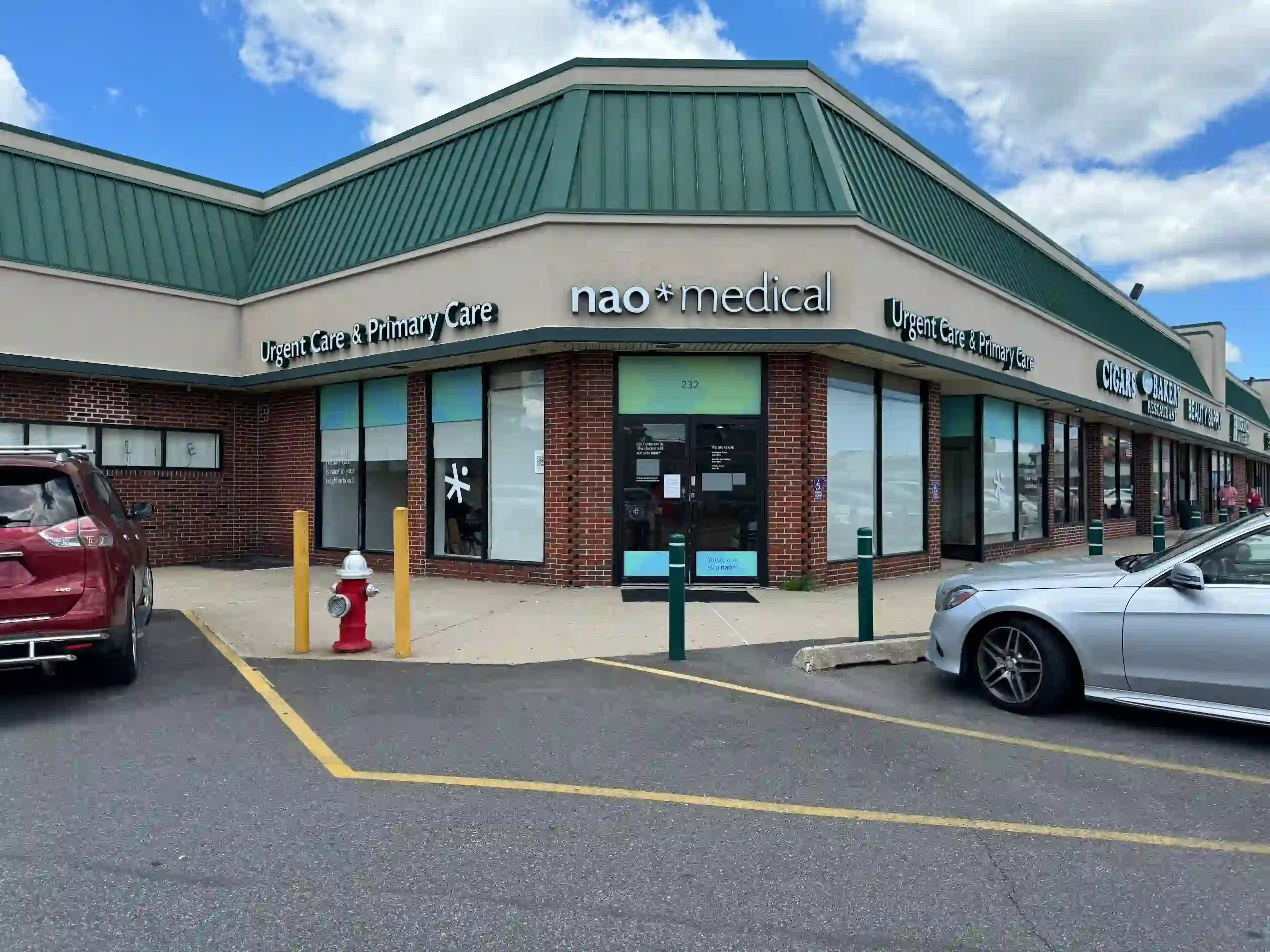
Long Island
232 W Old Country Rd, Hicksville, NY 11801
A Long Island location for opioid addiction treatment, medication follow-up, and insurance-supported recovery care.
View local MAT care Get directions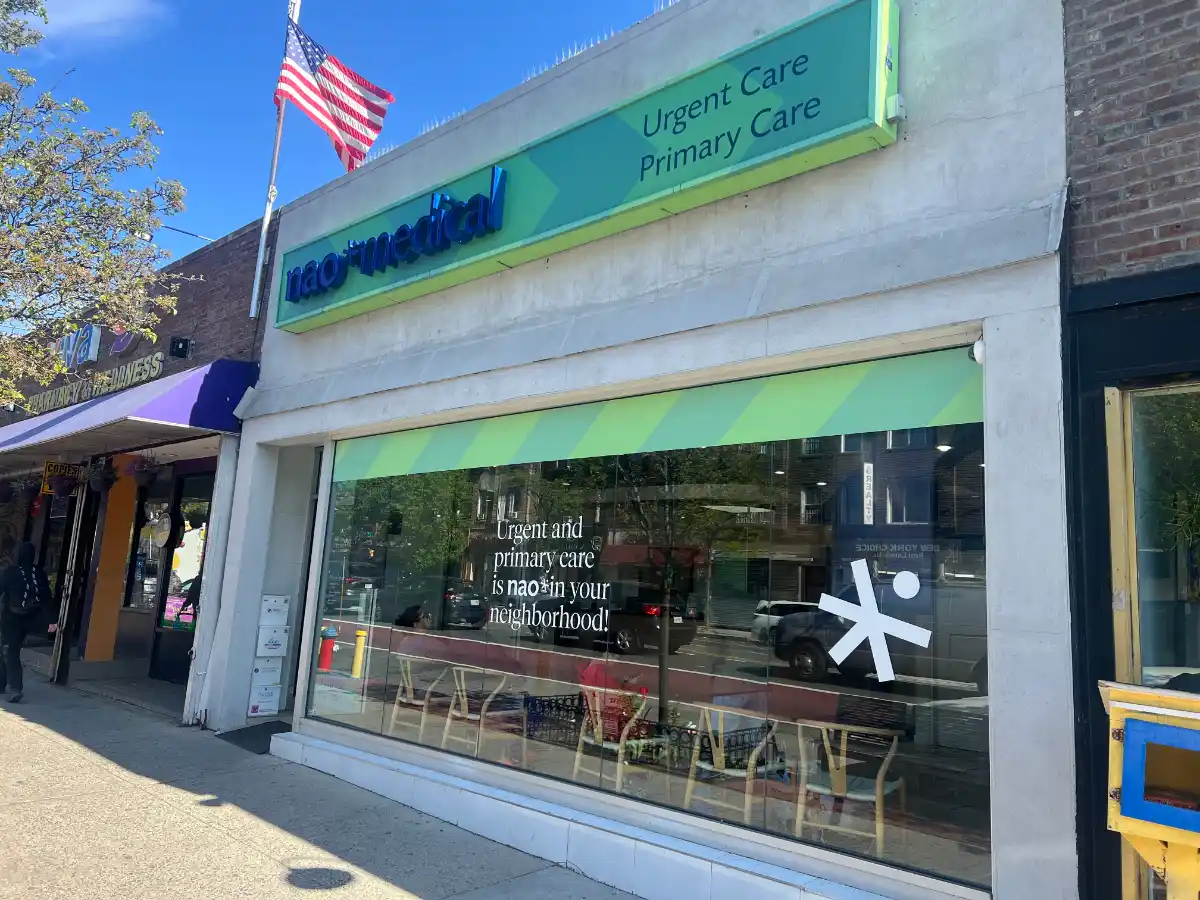
Queens
80-10 Northern Blvd, Jackson Heights, NY 11372
A central Queens clinic for timely addiction medicine evaluation, Suboxone follow-up, and practical neighborhood access.
View local MAT care Get directions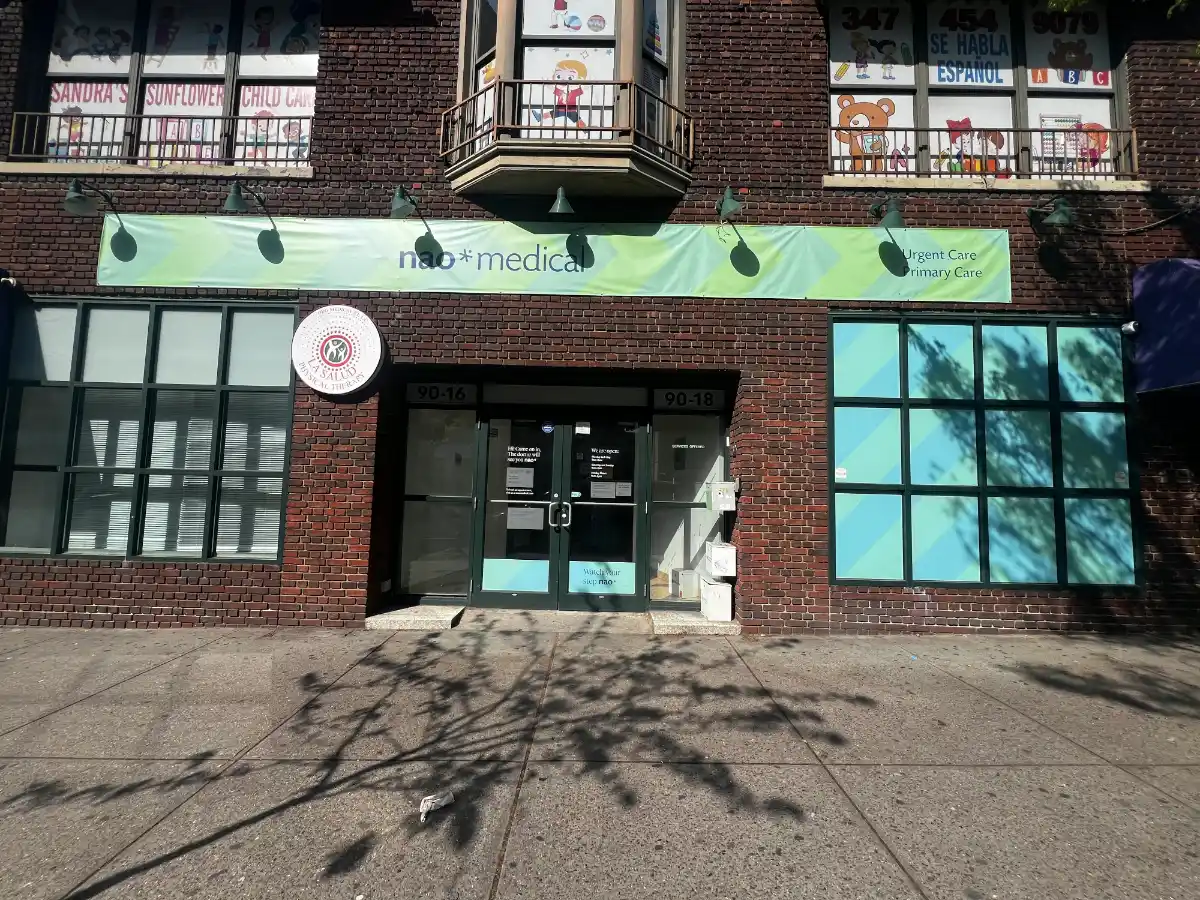
Queens
90-18 Sutphin Blvd, Jamaica, NY 11435
A southeast Queens location for opioid use disorder care, bridge review, and clear follow-up planning.
View local MAT care Get directions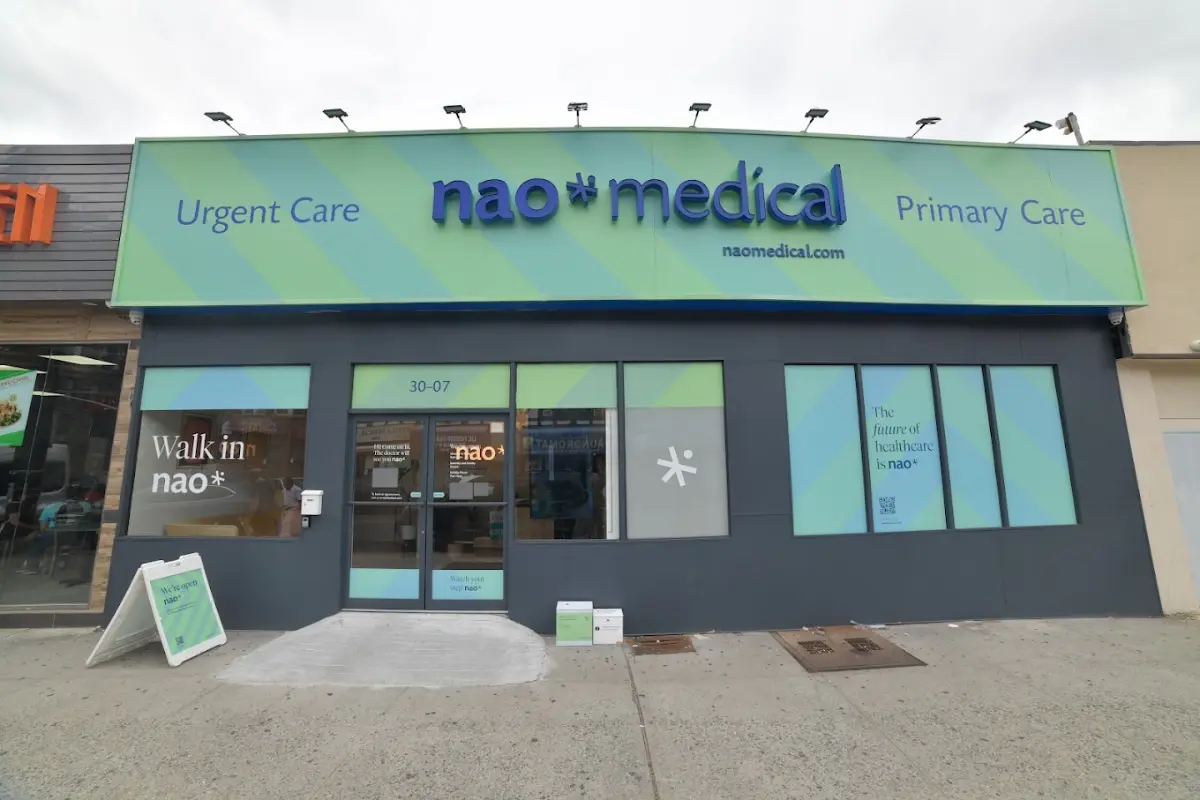
Queens
30-07 36th Ave, Astoria, NY 11106
A workday-friendly Queens location for medication treatment, monitoring, and repeat follow-up visits.
View local MAT care Get directions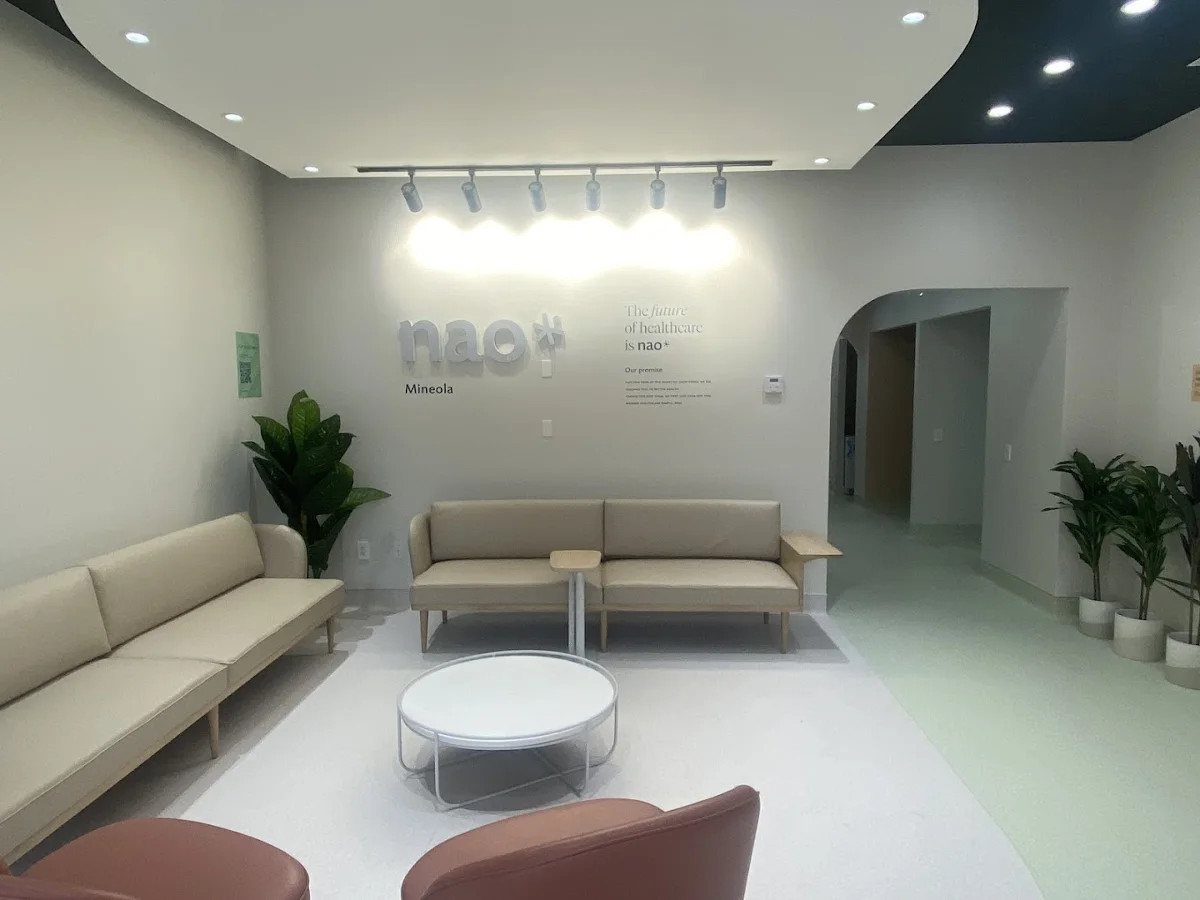
Long Island
135 Mineola Blvd, Mineola, NY 11501
A core Long Island location for opioid addiction treatment, insurance review, and reliable ongoing follow-up.
View local MAT care Get directions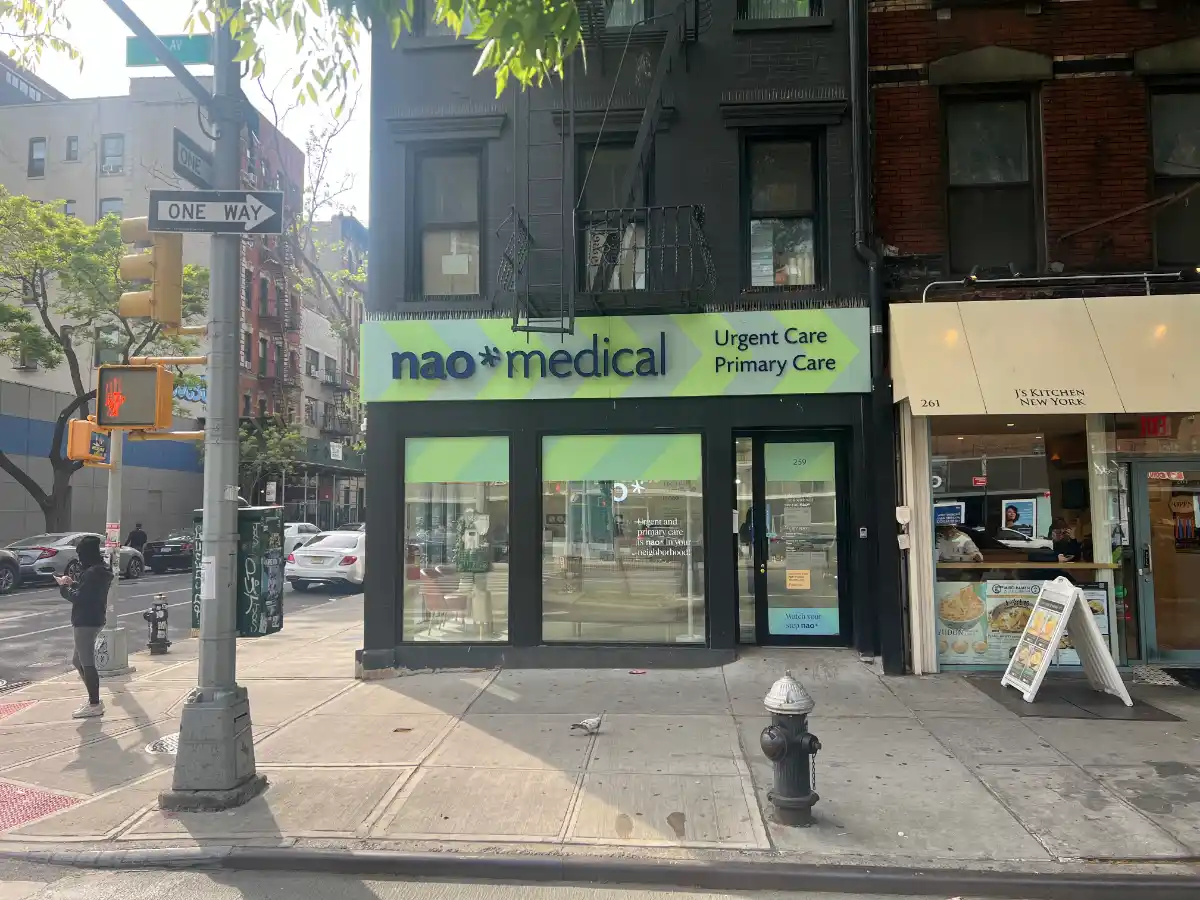
Manhattan
259 1st Ave, New York, NY 10003
A Manhattan location for addiction medicine visits, medication follow-up, and structured treatment planning.
View local MAT care Get directions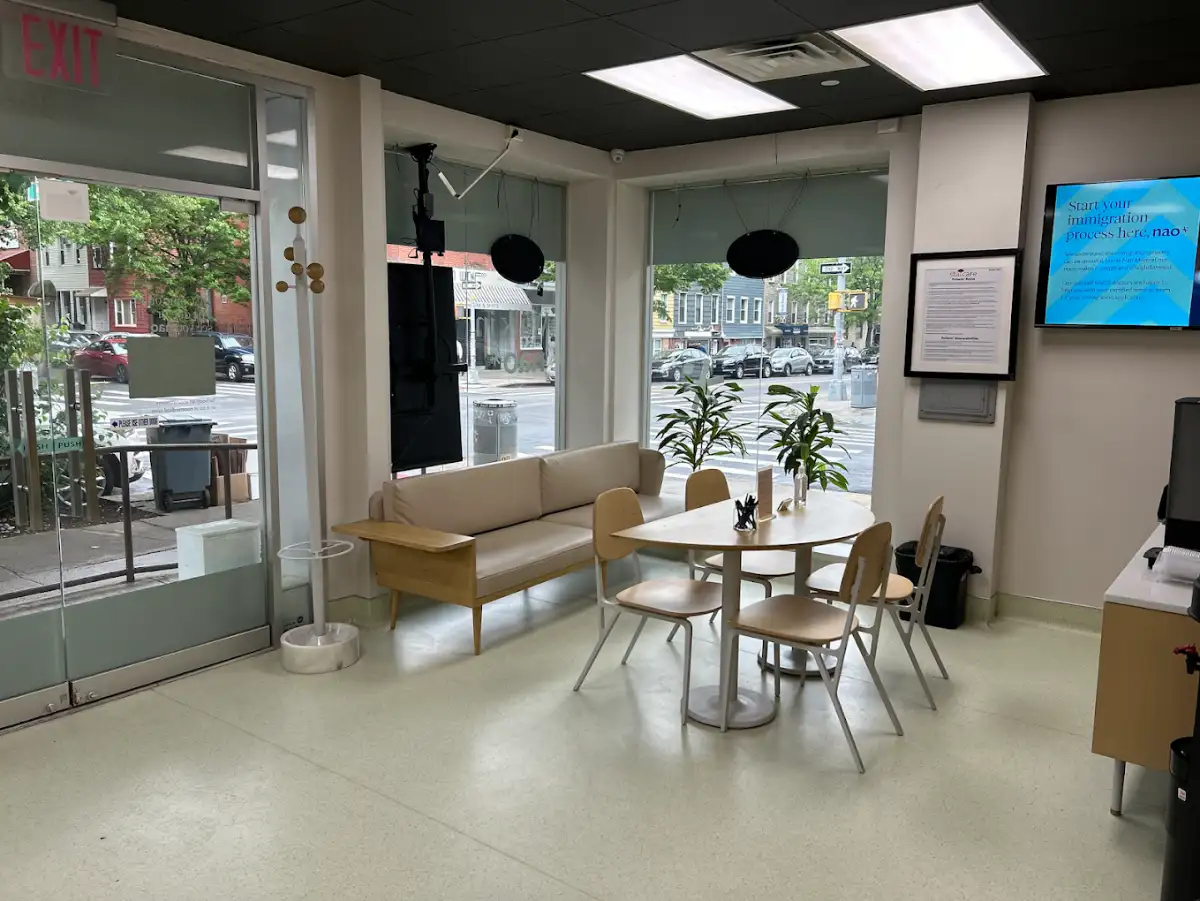
Brooklyn
308 Graham Ave, Brooklyn, NY 11211
A Brooklyn location for medication for addiction treatment, same-day access review, and practical ongoing care.
View local MAT care Get directions
Arrange an evaluation to discuss suitable care, preparation and follow-up with a clinician.
See MAT locationsNao Medical provides outpatient addiction care. The first visit can focus on the immediate clinical question and medication planning when relevant. When wanted or clinically recommended, the care plan can also include counseling, recovery support, and closer follow-up. Related information: outpatient addiction care.
Patients who want more support can add counseling, relapse-prevention work, care coordination, and recovery follow-up through the outpatient addiction program.
Coverage depends on your exact plan, clinician, location and service. Check participation and expected charges with the clinic and your insurer before booking. Review addiction-treatment insurance support
Content was updated August 2, 2026 from the cited sources and Nao Medical's current service information. Medical guidance, prescribing information, medication availability, and insurance rules can change. A licensed clinician must confirm current information and determine each patient's eligibility, testing, treatment, administration setting, and follow-up. Call 911 for a medical emergency. Contact Nao Medical with a question or correction.