Transition from oral buprenorphine
The first question is not just whether someone wants the injection. It is whether recent opioid use, current buprenorphine treatment, and medication tolerance support a safe transition.


Insurance eligibility and benefits vary by visit, medication, pharmacy benefit, testing, and plan. The care team can verify the relevant benefits before treatment moves forward. Because Sublocade can involve both the office visit and the medication, the team reviews benefits, prior authorization needs, and specialty-pharmacy steps before the injection is scheduled.
Self-pay requests can also be reviewed. Because Sublocade includes a monthly medication plus in-clinic administration, visit fees, medication costs, and pharmacy logistics should be clarified before treatment starts.
The practical workflow usually includes evaluation, review of recent opioid and buprenorphine use, benefits verification, specialty-pharmacy coordination, scheduling of the in-clinic injection, and repeat monthly follow-up.


Sublocade is a long-acting buprenorphine injection for moderate to severe opioid use disorder. A clinician gives it under the skin; you do not take it home or inject it yourself. It can replace the daily task of taking a buprenorphine film or tablet for some patients. The decision also depends on withdrawal risk, your response to buprenorphine, health history and whether you can return for ongoing care.
Buprenorphine partly activates opioid receptors and can reduce opioid withdrawal and cravings. The injection forms a depot that releases medicine over time. It is still an opioid medicine and can cause physical dependence. Its long action may help with medication routines, but it also means a dose cannot be quickly adjusted after an injection.
The evaluation first confirms opioid use disorder and reviews recent fentanyl, heroin, pain-pill, methadone and buprenorphine use. Some patients already taking transmucosal buprenorphine can transition directly. Patients who are new to buprenorphine need a supervised first dose and assessment of tolerability. Pregnancy, liver disease, breathing problems and sedating medicines require an individualized discussion; moderate or severe liver impairment can make this depot unsuitable.
Bring the name and strength of your current product, the last dose, your usual schedule and any gaps. Describe cravings, withdrawal, sedation, substance use and previous overdoses. These details help the clinician distinguish an access problem from a treatment plan that needs to change.
The current label allows starting after a single supervised transmucosal dose when the patient tolerates it. It does not require every patient to spend seven days on daily medication first. The clinician assesses withdrawal before initiation, observes response to the first medicine and monitors symptoms after the injection before deciding that it is safe to leave.
Ask whether the evaluation and injection are separate appointments, which site will administer the medicine and who confirms delivery. Clinical approval, insurance authorization and medication arrival are separate steps. Keep a clinician-directed medication plan in place while those steps are completed.
Follow-up covers cravings, opioid use, constipation or other side effects, injection-site healing and recovery goals. Discuss counseling and practical support that would help you. Agree on a contact route for symptoms between visits and a plan for missed appointments, travel and changes in insurance.
Bring medication containers or a current list, allergies, past treatment records and recent laboratory results if available. Tell the clinician about alcohol, benzodiazepines, sleep medicines and other sedatives. Discuss planned surgery or dental treatment before the injection. Ask how long the first visit may take and whether you need help getting home if you feel sleepy. Do not change your daily medication or timing from an online conversion chart.
Sublocade carries a boxed warning because injection into a vein can cause serious harm or death. Only a healthcare provider administers it through the restricted REMS pathway. Alcohol and other sedatives can increase breathing and overdose risks. Do not drive or operate machinery until you know how treatment affects you. Do not rub, cut or try to remove the injection depot. Seek prompt assessment for worsening pain, swelling, drainage or skin breakdown. Call 911 for slow breathing, inability to wake, a seizure or another medical emergency; use available overdose-reversal medicine for a suspected opioid overdose.
Maintenance injections are generally monthly, but the first two visits can follow a different schedule. Tell the team early if cravings or withdrawal return. A missed injection needs a clinician plan, not a borrowed film or an extra opioid. If treatment stops, buprenorphine can remain in the body for a long time, so withdrawal and medication interactions may need monitoring for months. Discuss any wish to taper without assuming that an injection guarantees a painless end to treatment.
Ask for separate estimates for evaluation, medication, administration, testing and follow-up. Confirm the authorization period and the plan if approval or shipment is delayed. Manufacturer support has its own eligibility rules and does not establish your total clinic cost. Confirm the actual administration site before arranging time away from work; confirm that the medicine and injection visit are arranged.
Sublocade is a long-acting buprenorphine injection for moderate to severe opioid use disorder. A clinician gives it under the skin; you do not take it home or inject it yourself. It can replace the daily task of taking a buprenorphine film or tablet for some patients. The decision also depends on withdrawal risk, your response to buprenorphine, health history and whether you can return for ongoing care.
Buprenorphine partly activates opioid receptors and can reduce opioid withdrawal and cravings. The injection forms a depot that releases medicine over time. It is still an opioid medicine and can cause physical dependence. Its long action may help with medication routines, but it also means a dose cannot be quickly adjusted after an injection.
The evaluation first confirms opioid use disorder and reviews recent fentanyl, heroin, pain-pill, methadone and buprenorphine use. Some patients already taking transmucosal buprenorphine can transition directly. Patients who are new to buprenorphine need a supervised first dose and assessment of tolerability. Pregnancy, liver disease, breathing problems and sedating medicines require an individualized discussion; moderate or severe liver impairment can make this depot unsuitable.
The evaluation first confirms opioid use disorder and reviews recent fentanyl, heroin, pain-pill, methadone and buprenorphine use. Some patients already taking transmucosal buprenorphine can transition directly. Patients who are new to buprenorphine need a supervised first dose and assessment of tolerability. Pregnancy, liver disease, breathing problems and sedating medicines require an individualized discussion; moderate or severe liver impairment can make this depot unsuitable.
Bring the name and strength of your current product, the last dose, your usual schedule and any gaps. Describe cravings, withdrawal, sedation, substance use and previous overdoses. These details help the clinician distinguish an access problem from a treatment plan that needs to change.
The current label allows starting after a single supervised transmucosal dose when the patient tolerates it. It does not require every patient to spend seven days on daily medication first. The clinician assesses withdrawal before initiation, observes response to the first medicine and monitors symptoms after the injection before deciding that it is safe to leave.
Ask whether the evaluation and injection are separate appointments, which site will administer the medicine and who confirms delivery. Clinical approval, insurance authorization and medication arrival are separate steps. Keep a clinician-directed medication plan in place while those steps are completed.
Follow-up covers cravings, opioid use, constipation or other side effects, injection-site healing and recovery goals. Discuss counseling and practical support that would help you. Agree on a contact route for symptoms between visits and a plan for missed appointments, travel and changes in insurance.
Sublocade carries a boxed warning because injection into a vein can cause serious harm or death. Only a healthcare provider administers it through the restricted REMS pathway. Alcohol and other sedatives can increase breathing and overdose risks. Do not drive or operate machinery until you know how treatment affects you. Do not rub, cut or try to remove the injection depot. Seek prompt assessment for worsening pain, swelling, drainage or skin breakdown. Call 911 for slow breathing, inability to wake, a seizure or another medical emergency; use available overdose-reversal medicine for a suspected opioid overdose.
Sublocade is a long-acting buprenorphine injection for moderate to severe opioid use disorder. A clinician gives it under the skin; you do not take it home or inject it yourself. It can replace the daily task of taking a buprenorphine film or tablet for some patients. The decision also depends on withdrawal risk, your response to buprenorphine, health history and whether you can return for ongoing care.
Bring the name and strength of your current product, the last dose, your usual schedule and any gaps. Describe cravings, withdrawal, sedation, substance use and previous overdoses. These details help the clinician distinguish an access problem from a treatment plan that needs to change.
The current label allows starting after a single supervised transmucosal dose when the patient tolerates it. It does not require every patient to spend seven days on daily medication first. The clinician assesses withdrawal before initiation, observes response to the first medicine and monitors symptoms after the injection before deciding that it is safe to leave.
Ask whether the evaluation and injection are separate appointments, which site will administer the medicine and who confirms delivery. Clinical approval, insurance authorization and medication arrival are separate steps. Keep a clinician-directed medication plan in place while those steps are completed.
Follow-up covers cravings, opioid use, constipation or other side effects, injection-site healing and recovery goals. Discuss counseling and practical support that would help you. Agree on a contact route for symptoms between visits and a plan for missed appointments, travel and changes in insurance.
Maintenance injections are generally monthly, but the first two visits can follow a different schedule. Tell the team early if cravings or withdrawal return. A missed injection needs a clinician plan, not a borrowed film or an extra opioid. If treatment stops, buprenorphine can remain in the body for a long time, so withdrawal and medication interactions may need monitoring for months. Discuss any wish to taper without assuming that an injection guarantees a painless end to treatment.
Ask for separate estimates for evaluation, medication, administration, testing and follow-up. Confirm the authorization period and the plan if approval or shipment is delayed. Manufacturer support has its own eligibility rules and does not establish your total clinic cost. Confirm the actual administration site before arranging time away from work; confirm that the medicine and injection visit are arranged.
Have your insurance card ready when booking. Share member details through the clinic’s confirmed secure intake process. Check with the clinic and your insurer that the exact plan covers the clinician and requested service. Ask about visit charges, any separately billed tests or medicines, and any referral or authorization requirement. Coverage and your copay or deductible depend on the plan; request a written estimate if paying yourself.
Ask whether self-pay is available for this exact service and request the complete written estimate, including medicine, tests, administration and follow-up. Ask how a later change to insurance would be handled. Paying privately does not guarantee a particular prescription, injection, certificate or outcome.
Sublocade is supplied through its restricted REMS pathway to a certified healthcare setting for administration by a healthcare provider. It is not an ordinary retail take-home prescription or a self-injection. Confirm who obtains the medicine, the delivery site and the accepted administration appointment. Do not assume a shipment has arrived because authorization was approved.
Stopping needs an individualized plan. Long-acting buprenorphine can delay withdrawal, and some patients need months of follow-up after the last injection. Forum reports of an easy taper cannot predict your experience. Review cravings, relapse risk and ongoing support before deciding to stop.
No. Coverage approval, medication acquisition and a confirmed administration visit are separate tasks. Ask which step is complete and what remains, and request the total expected costs rather than relying on a medicine-only estimate.
Sublocade releases buprenorphine slowly from a depot under the skin. After steady state is reached, usually after four to six months of treatment, the label says buprenorphine may remain detectable in blood and urine for 12 months or longer after the last injection. Detection can last longer in some circumstances. This does not mean withdrawal relief or protection from other opioids lasts that long. Keep the last injection date on your medication list and discuss new medicines, surgery and stopping with the treatment team.
Buprenorphine may show up in urine for 12 months or longer after steady-state Sublocade treatment stops. The label also describes potential detection 22 to 38 months after the last injection in a study. Urine results vary with the test and are not a reliable countdown to when the medicine has left your body. Tell the clinician or testing service that you receive prescribed Sublocade and give the last injection date. A positive result alone does not show intoxication or continued treatment benefit.
Yes. Sublocade contains buprenorphine, a partial opioid agonist classified as a Schedule III controlled substance in the United States. The word narcotic is sometimes used for opioids, but the precise medicine and schedule are buprenorphine and Schedule III. It treats opioid use disorder under medical supervision. It can cause physical dependence and serious breathing problems, especially with alcohol or other sedating substances.
No. Sublocade contains buprenorphine, a biodegradable polymer and the solvent N-methyl-2-pyrrolidone (NMP), which form its long-acting depot. It does not contain naloxone. Suboxone film contains both buprenorphine and naloxone, so the products have different ingredients and routes. Naloxone used for an overdose is a separate rescue medicine. Ask about keeping an overdose-reversal medicine available, and call 911 if an overdose is suspected, even after a rescue dose.
Other opioids can still produce effects, and overdose is still possible. Buprenorphine can reduce some effects of other opioids, but Sublocade does not make fentanyl, heroin or extra opioid pills safe. Trying to overcome reduced effects can cause severe breathing problems or death. Do not test how much opioid you can feel. Tell the treatment team promptly about use or returning cravings so they can reassess care. For slow breathing or someone who cannot wake, give available overdose-reversal medicine and call 911.
Buprenorphine binds strongly to opioid receptors and can reduce the effects of other opioids. Sublocade does not contain a separate blocker such as naloxone. The amount of reduction varies with the treatment stage and the other drug. Studies of specific opioid challenges do not provide a guaranteed blocking interval for every person or for fentanyl. Monthly dosing and long drug detection should not be used to choose a safe time to use other opioids. Overdose remains possible.
The treatment goal is less opioid withdrawal and craving, with a response the clinician can monitor. Buprenorphine is an opioid and can cause sleepiness, dizziness or opioid effects, including euphoria. Do not assume a long-acting injection cannot cause impairment. Avoid driving until you know its effect on you. Report marked sedation or poor symptom control. Slow breathing or inability to wake needs emergency help.
Sublocade is manufactured for Indivior Inc. Its active medicine is buprenorphine in an extended-release injection. It is a prescription product supplied through the restricted Sublocade REMS pathway to a healthcare provider for administration. It is not a take-home injection.
Buprenorphine can be misused and can cause physical dependence. Physical dependence means the body adapts to a medicine and withdrawal can occur when it is reduced or stopped. That can happen during prescribed treatment and does not by itself mean compulsive harmful use. Sublocade treats opioid use disorder as part of ongoing care. Discuss concerns about dependence with the prescriber rather than stopping without a follow-up plan.
Sublocade has evidence for treating moderate to severe opioid use disorder. In the label’s randomized 24-week trial, people receiving Sublocade had better results for weeks without illicit opioid use than people receiving placebo. Participants also received psychosocial support. That result does not guarantee that every person will have no cravings or no return to use. Follow-up should review withdrawal, cravings, opioid use, side effects and whether the treatment plan needs to change.
Do not rely on Sublocade to make kratom safe or to guarantee that you will not feel its effects. The Sublocade label does not establish a reliable kratom-blocking interval. FDA warns about kratom risks, including liver injury, seizures and substance use disorder, and has not approved it as a treatment. Tell the prescriber about any kratom or concentrated 7-OH products you use. Do not test blockade or use kratom to manage withdrawal without medical advice.
There is no quick home method to flush out the long-acting depot. Buprenorphine is released and cleared gradually, and detection can continue long after treatment stops. Do not cut, squeeze or massage the injection area. If you have side effects or want to stop, contact the prescriber for assessment and a follow-up plan. In limited circumstances a clinician may surgically remove the newest depot within 14 days, but that does not remove medicine already absorbed or older depots.
FDA approved Sublocade on November 30, 2017. That is the product’s first US approval date, not the date when buprenorphine itself was first approved. Current initiation, injection-site and rescue-medication instructions have changed since the original approval. For treatment decisions, use the current label rather than a description from 2017.
When removal is necessary, the label allows a clinician to surgically remove the most recently injected depot under local anesthesia within 14 days of injection. This is a medical procedure, not something to try yourself. Medicine already released and earlier injections can remain in the body, so removal does not instantly clear buprenorphine. The clinician must monitor for withdrawal and manage the reason for removal.
Do not drink alcohol or take medicines containing alcohol during Sublocade treatment. Combining alcohol with buprenorphine can cause loss of consciousness, slowed breathing, coma or death. The injection cannot simply be turned off after a drink. Tell the prescriber about alcohol use, especially before the first injection. If someone is difficult to wake or breathing slowly, give available overdose-reversal medicine for suspected opioid overdose and call 911.
Yes. Sublocade contains an opioid, and serious or fatal breathing problems can occur. The risk increases with alcohol, benzodiazepines, other opioids and other sedating medicines. For suspected overdose, give available overdose-reversal medicine and call 911 immediately. Follow the rescue product’s repeat-dose instructions while waiting for help. Buprenorphine’s long action and strong receptor binding can require repeated reversal treatment and medical monitoring. Do not assume one rescue dose ends the emergency.
Pregnancy needs an individualized decision with the opioid-use-disorder prescriber and prenatal team. The label says Sublocade should be used only when the potential benefit justifies the potential risk to the fetus. Human buprenorphine data are limited, and Sublocade-specific animal findings require discussion. Untreated opioid use disorder also carries pregnancy risks. Do not stop treatment or switch products on your own. The baby may need monitoring and treatment for neonatal opioid withdrawal after birth.
Sublocade is approved for moderate to severe opioid use disorder. It is not approved as a pain-treatment injection and is not appropriate for opioid-naive patients, who have not developed opioid tolerance. If you need surgery, dental care or treatment for an injury while receiving it, tell every treating clinician the medicine and last injection date. Pain treatment needs coordination because buprenorphine can change the response to opioid pain medicines and breathing risks.
The first question is not just whether someone wants the injection. It is whether recent opioid use, current buprenorphine treatment, and medication tolerance support a safe transition.
The first phase covers evaluation, transition review when needed, benefits confirmation, and medication coordination so the plan is lined up before a treatment slot is used.
Sublocade is not picked up from a standard retail pharmacy. The medication is coordinated through certified handling pathways and administered by a provider in clinic.
The Sublocade family currently covers Brooklyn, Queens, the Bronx, Manhattan, and Long Island so the treatment plan does not depend on one hard-to-reach clinic.
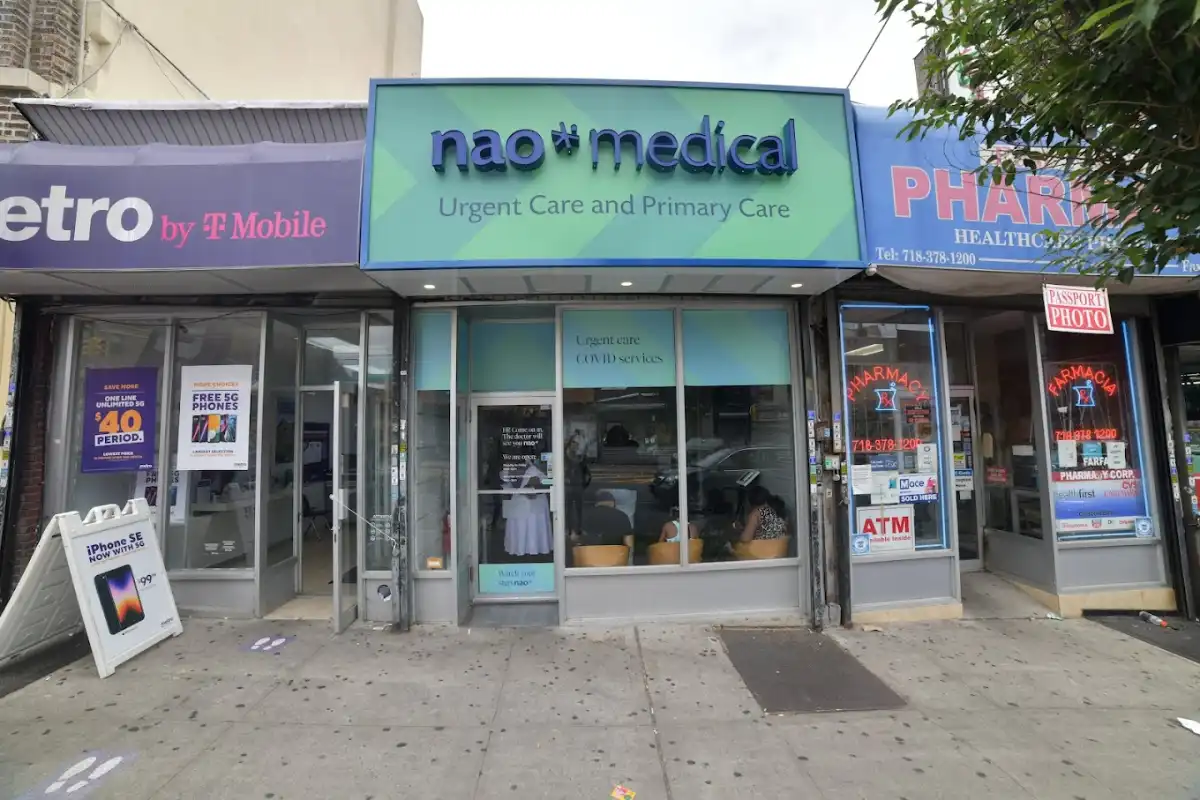
Bronx
932 E 174th St, Bronx, NY 10460
A Bronx option for monthly Sublocade follow-up, transition review, and practical medication coordination close to home.
View local Sublocade care Get directions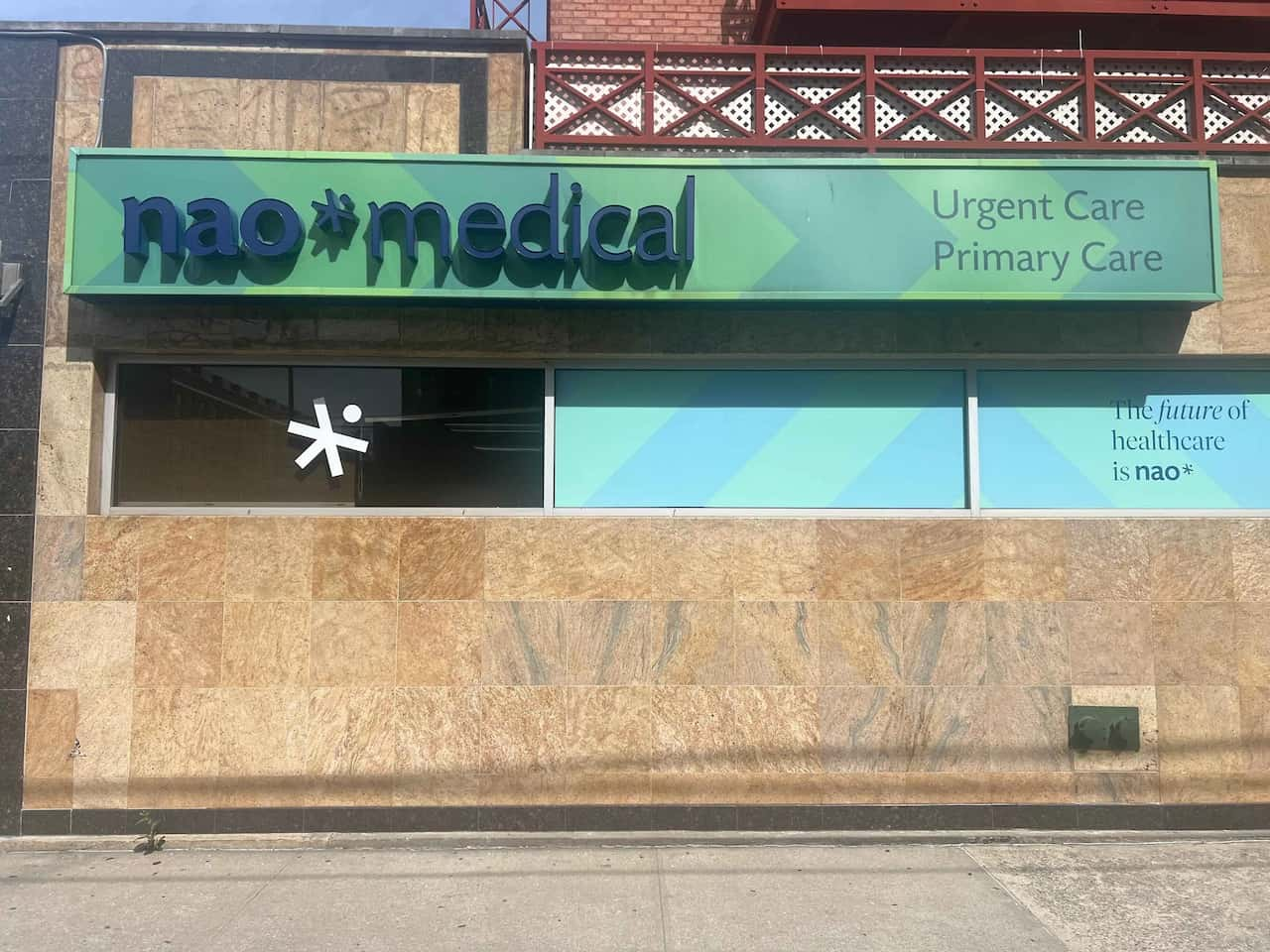
Queens
37-15 23rd Ave, Astoria, NY 11105
A western Queens location for Sublocade evaluation and monthly follow-up planning, benefits review, and structured addiction medicine follow-up.
View local Sublocade care Get directions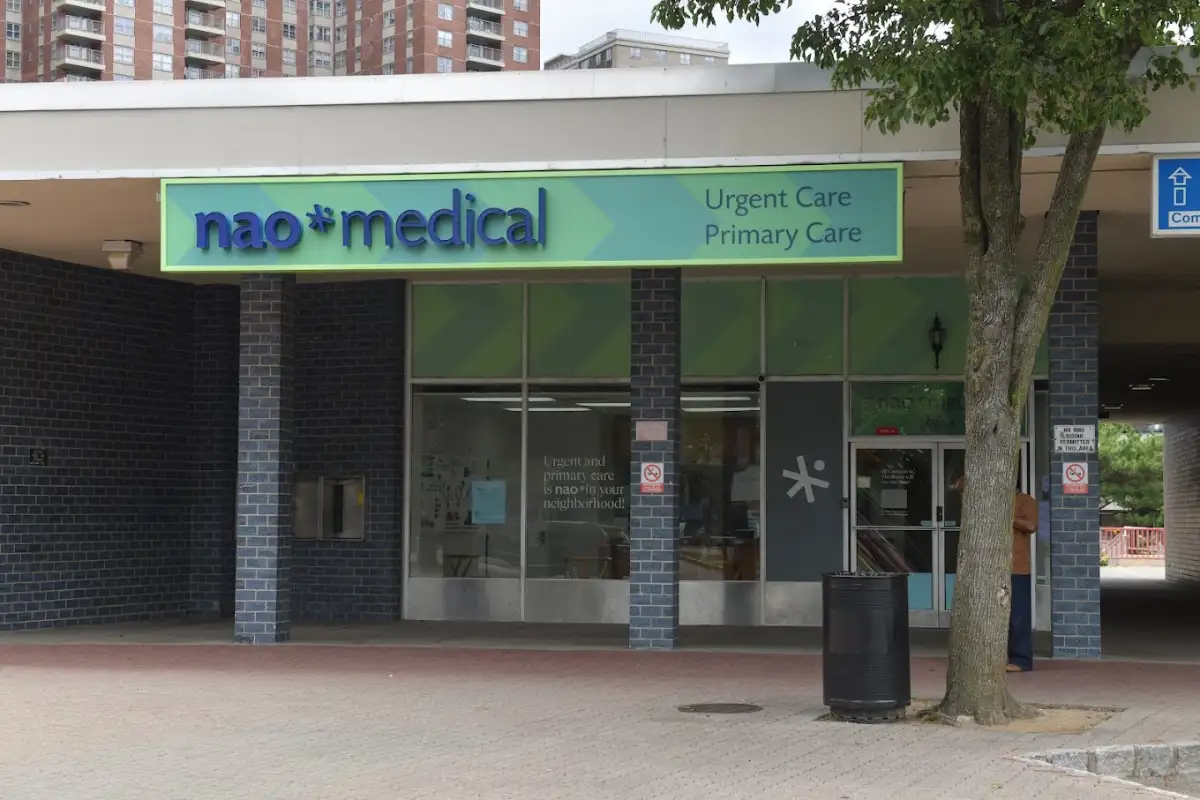
Bronx
2063A Bartow Ave, Bronx, NY 10475
A Bronx site for Sublocade scheduling, pharmacy coordination, and repeat treatment follow-up.
View local Sublocade care Get directions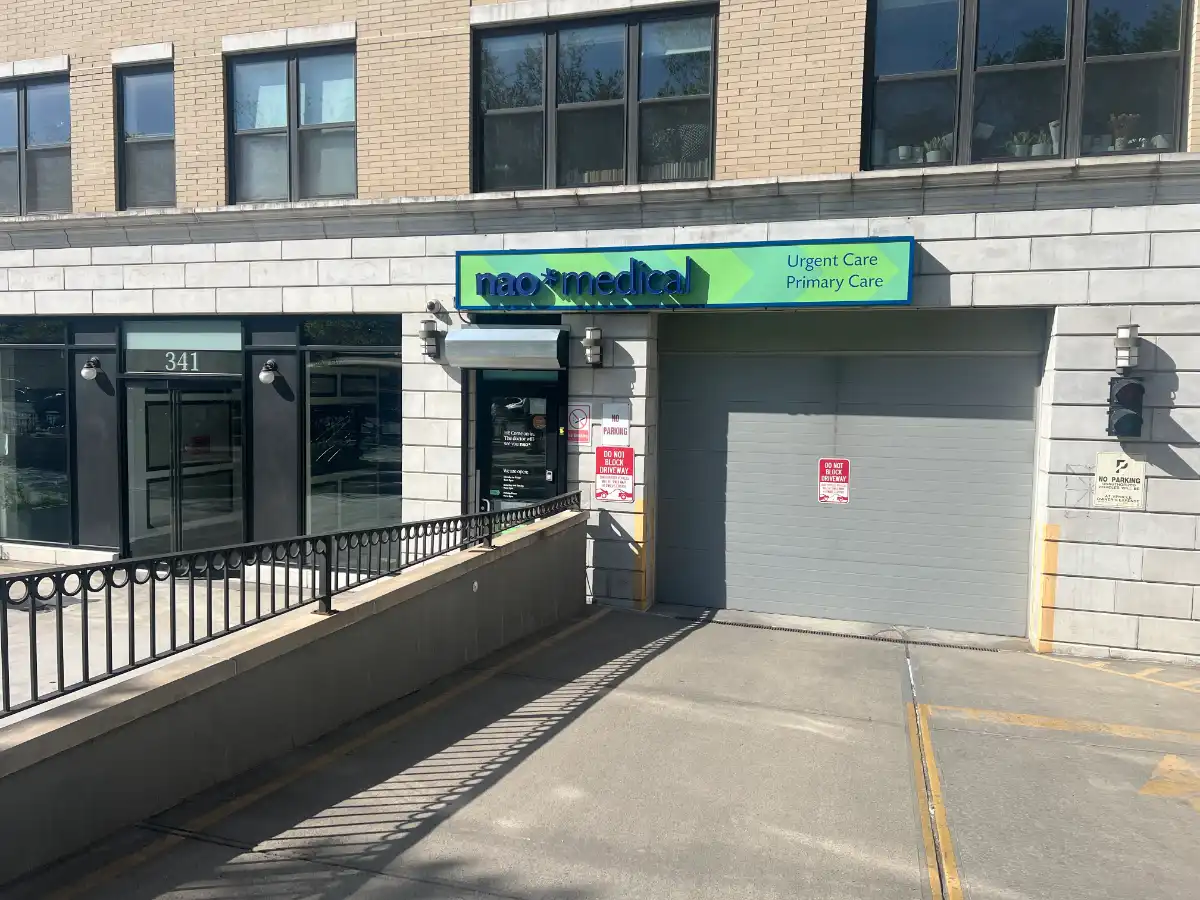
Brooklyn
341 Eastern Pkwy, Brooklyn, NY 11216
A central Brooklyn location for monthly treatment follow-up with realistic neighborhood access for follow-up.
View local Sublocade care Get directions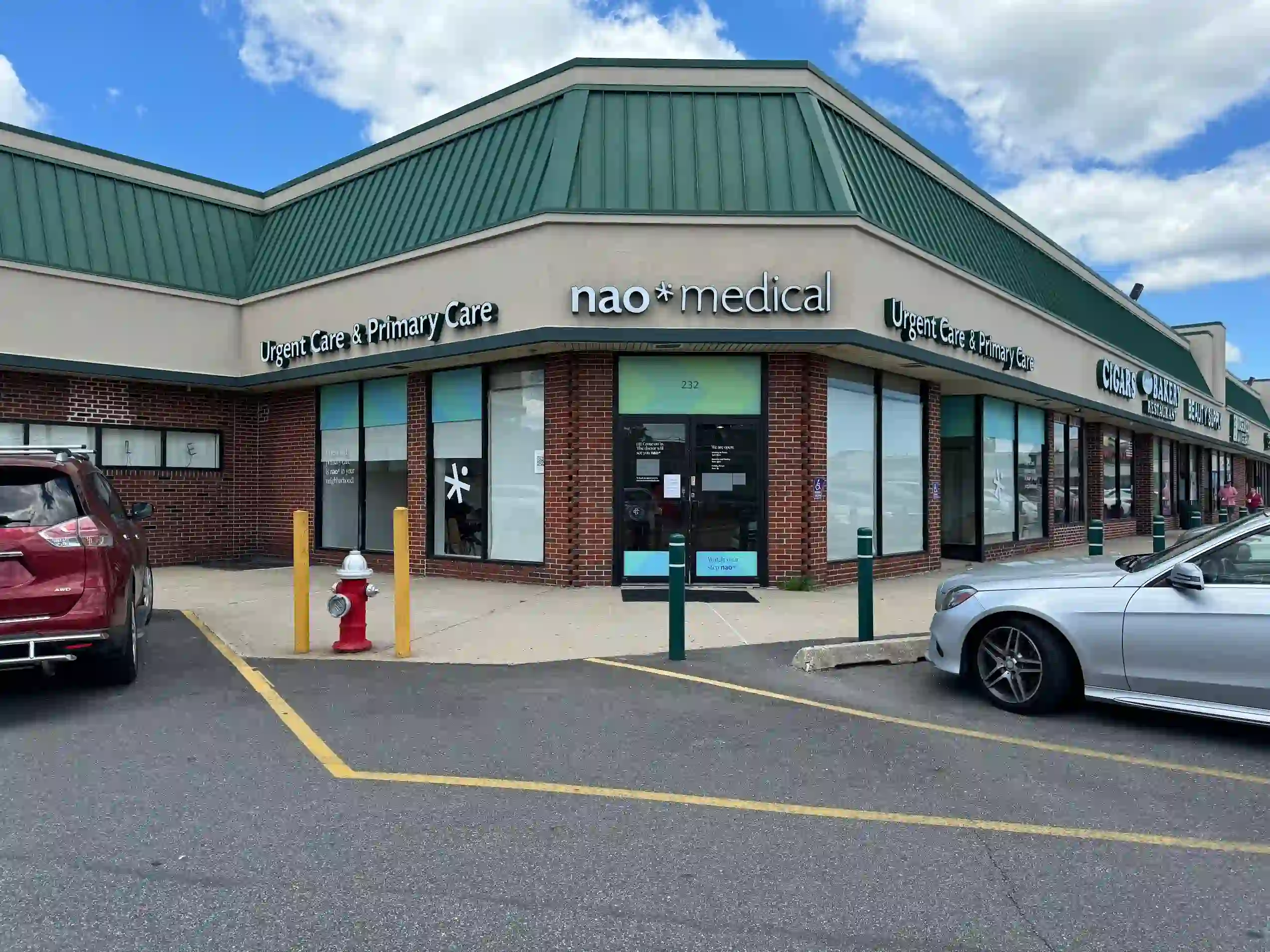
Long Island
232 W Old Country Rd, Hicksville, NY 11801
A Long Island option for Sublocade treatment, specialty-pharmacy coordination, and ongoing recovery visits.
View local Sublocade care Get directions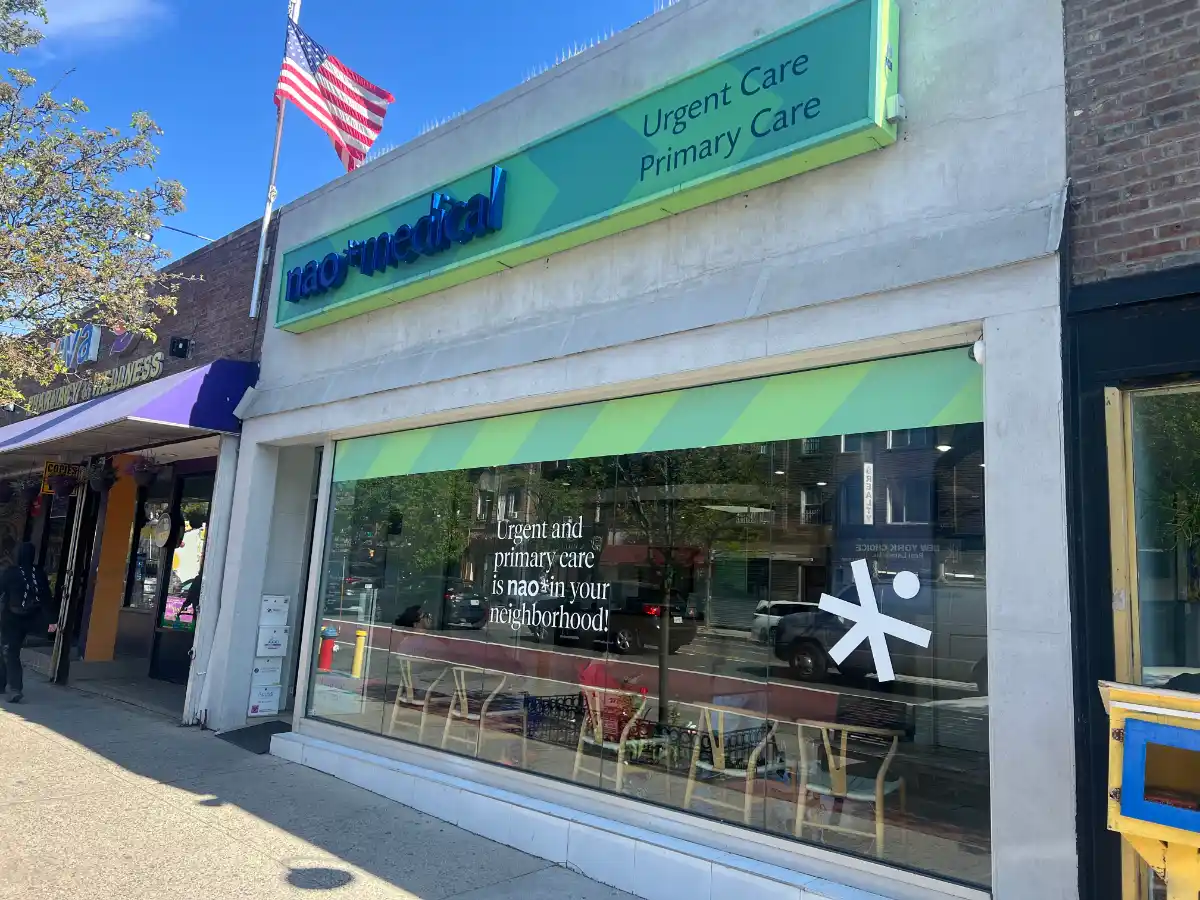
Queens
80-10 Northern Blvd, Jackson Heights, NY 11372
A Queens clinic for transition review, monthly injection planning, and repeat follow-up.
View local Sublocade care Get directions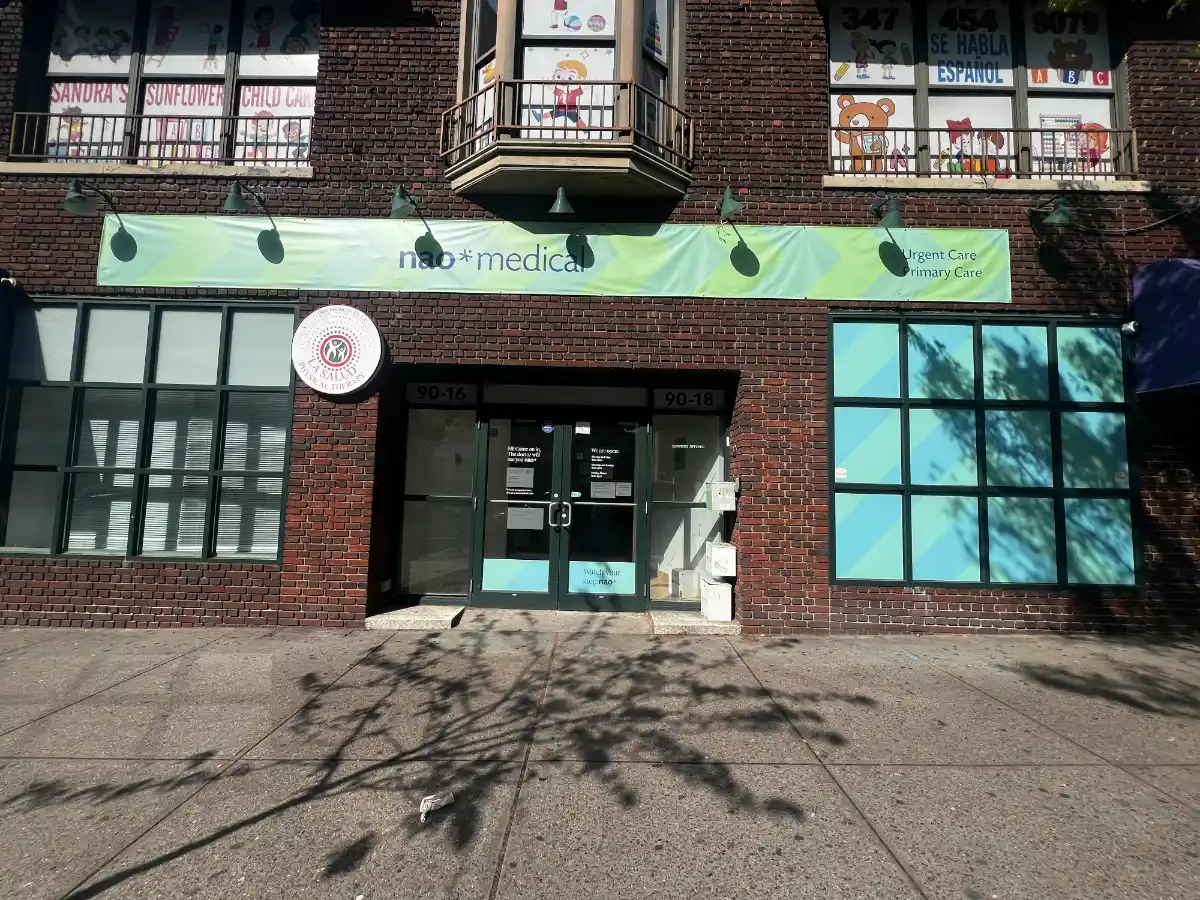
Queens
90-18 Sutphin Blvd, Jamaica, NY 11435
A southeast Queens location for monthly Sublocade visits, benefits review, and addiction medicine support.
View local Sublocade care Get directions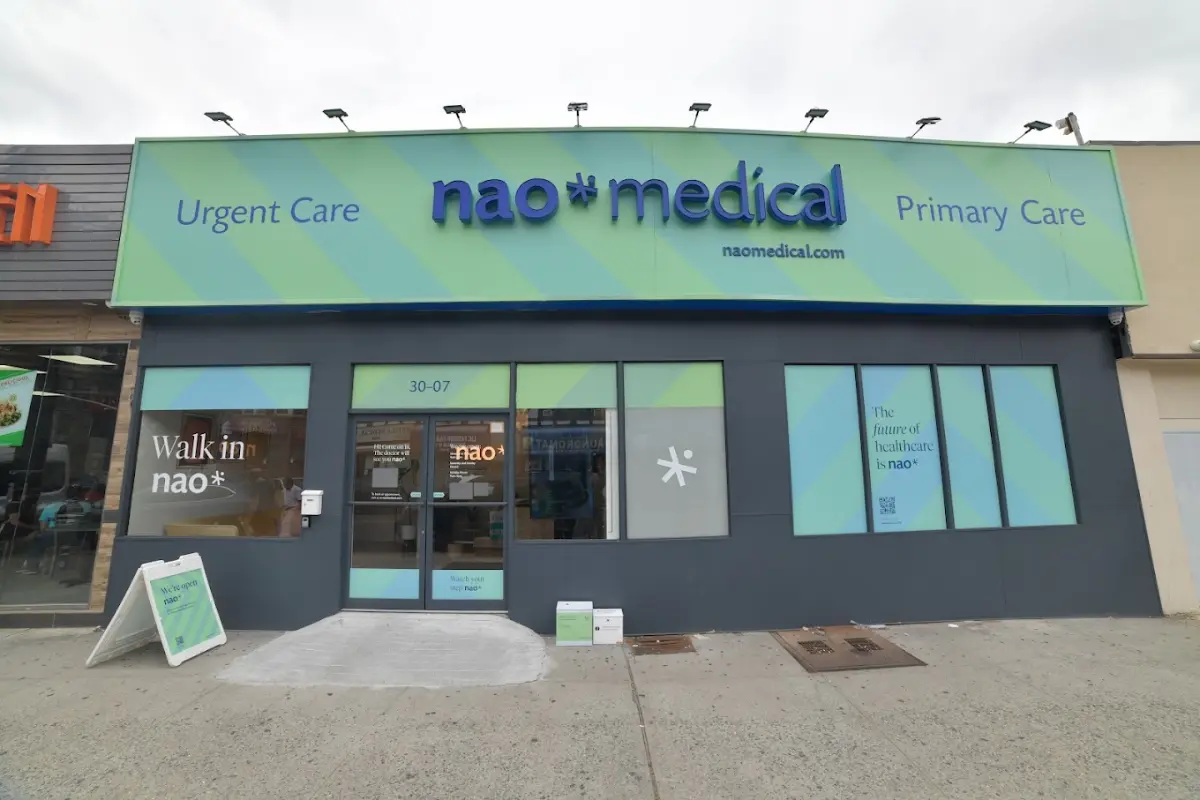
Queens
30-07 36th Ave, Astoria, NY 11106
A workday-friendly Queens site for Sublocade evaluation and treatment follow-up and practical care coordination.
View local Sublocade care Get directions
Long Island
135 Mineola Blvd, Mineola, NY 11501
A core Long Island location for Sublocade evaluation and treatment follow-up, scheduling, and pharmacy coordination.
View local Sublocade care Get directions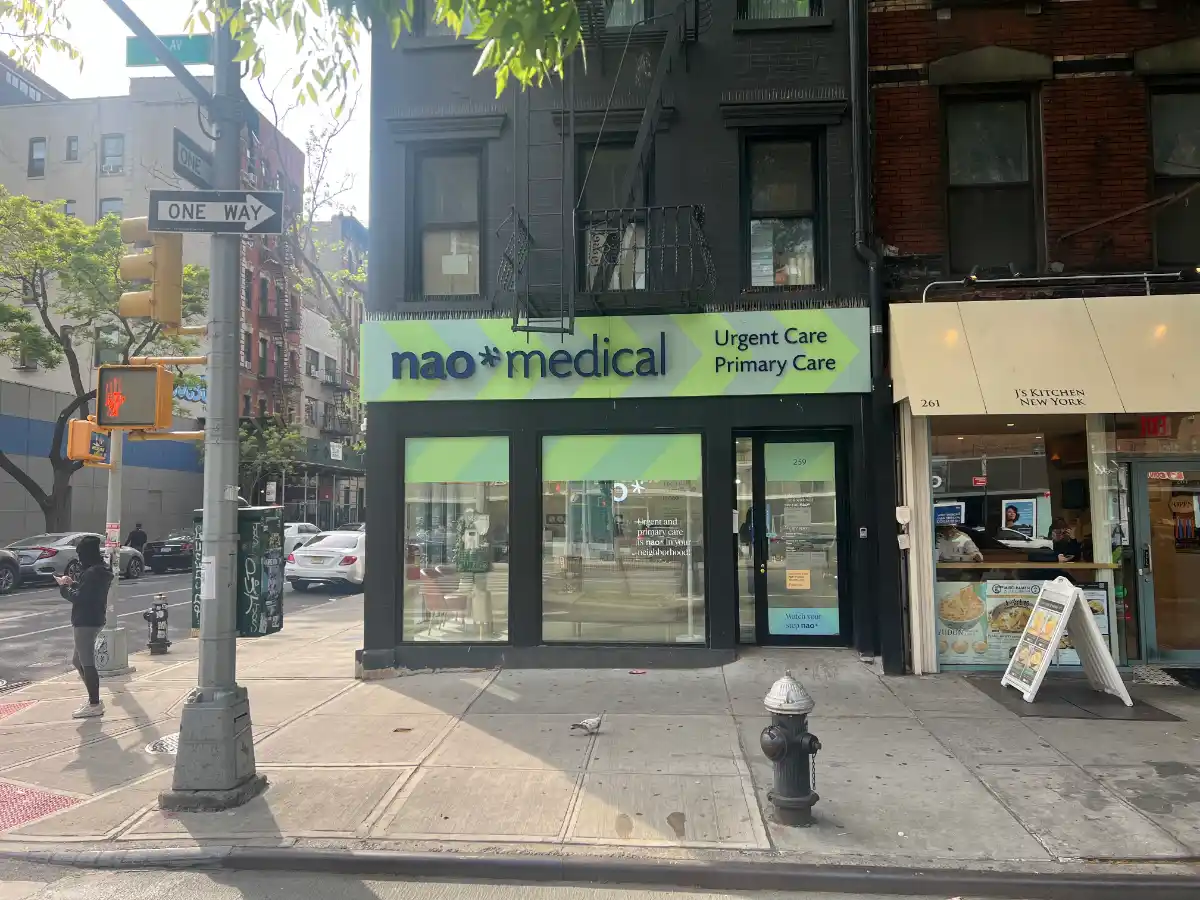
Manhattan
259 1st Ave, New York, NY 10003
A Manhattan option for structured monthly Sublocade follow-up and reliable in-city access.
View local Sublocade care Get directions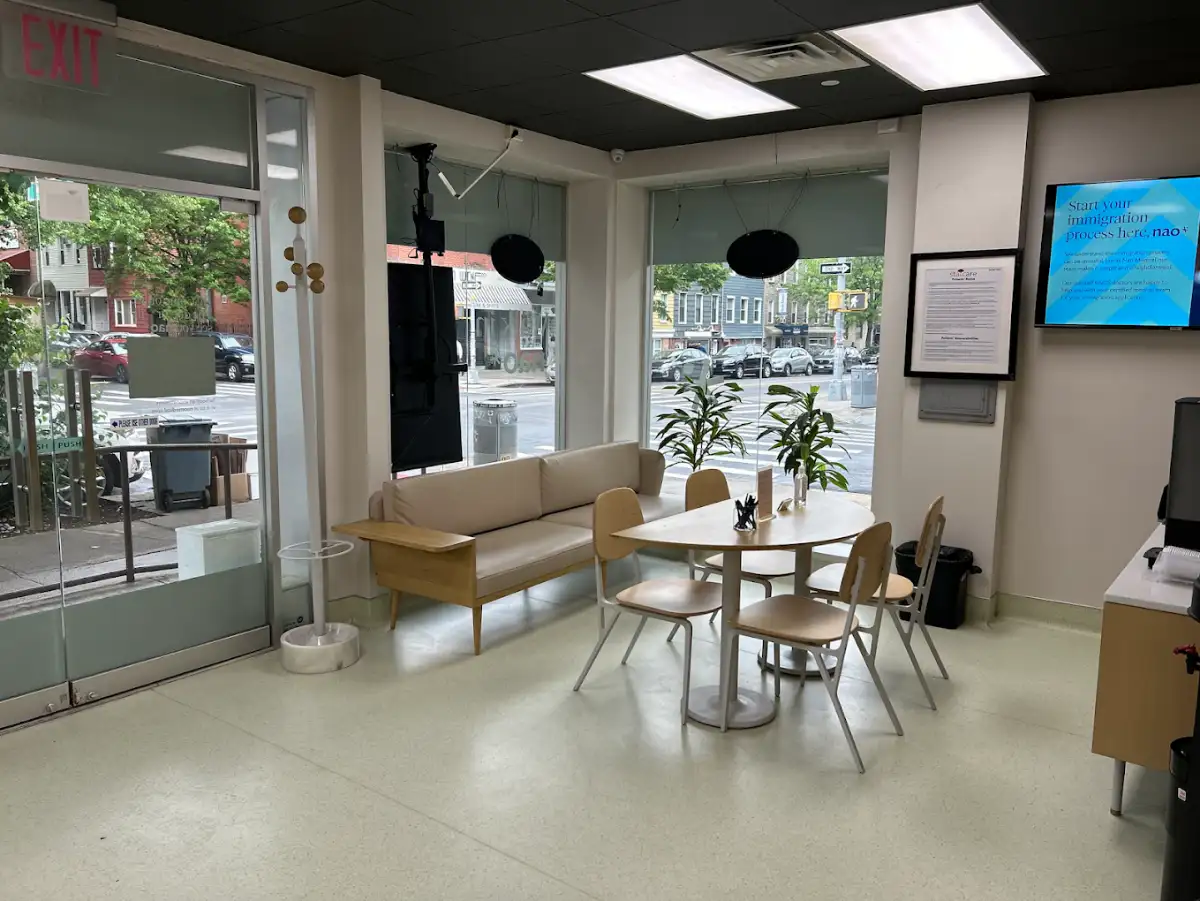
Brooklyn
308 Graham Ave, Brooklyn, NY 11211
A Brooklyn location for monthly treatment follow-up, transition planning, and repeat follow-up visits.
View local Sublocade care Get directionsBroader MAT visits across the network cover same-day access, bridge planning, fentanyl dependence, and local treatment options.
Daily buprenorphine treatment remains an important option for many patients before or alongside any discussion of longer-acting injectable care.
A separate injectable pathway is available when the question is monthly naltrexone rather than monthly buprenorphine.
Medication comparison separates Suboxone, Sublocade, Vivitrol, and naloxone safety planning so patients can understand which question each one answers.
Buprenorphine guidance explains how daily treatment and longer-acting injection care fit into the broader medication plan.
Telemedicine can support evaluation and follow-up when clinically appropriate, with local locations available when in-person care is needed.
When the immediate issue is how fast someone can be evaluated and started safely, the same-day pathway matters more than the injection discussion.
Short-gap medication questions are handled through the bridge pathway rather than improvised refill assumptions.
Recent fentanyl exposure can change how buprenorphine-based treatment is approached and timed.
Private addiction medicine, counseling coordination, insurance review, and local follow-up across NYC and Long Island.
Medical review, counseling coordination, relapse-prevention planning, and Vivitrol or naltrexone discussion when appropriate.
Private assessment, counseling coordination, mental-health review, and specialized referral guidance when needed.
Documentation, testing, MAT, counseling, and probation or court paperwork can be reviewed when instructions are brought in writing.
Outpatient follow-up can help maintain medication, counseling, insurance, and relapse-prevention planning after discharge.
Individual counseling, group therapy planning, substance-use support and medication-treatment coordination.
Weekly or monthly extended-release buprenorphine evaluation, coverage coordination, and treatment planning.
Evaluation of oral and long-acting buprenorphine options for opioid use disorder.
Buprenorphine-naloxone evaluation, medication planning, and ongoing follow-up.
Extended-release naltrexone evaluation for opioid or alcohol use disorder when clinically appropriate.
Fast assessment without promising that medication can or should start before timing and safety are reviewed.
Assessment of withdrawal, product type, 7-OH exposure, opioid overlap, and appropriate next steps.
Current indication, initiation and transition options, dosing, REMS requirements, and safety information.
New York guidance on prescribing, certified pharmacy delivery, storage, administration, and coverage.
How buprenorphine is used as part of treatment for opioid use disorder.

Arrange an evaluation to discuss suitable care, preparation and follow-up with a clinician.
See Sublocade evaluation locationsNao Medical provides outpatient addiction care. The first visit can focus on the immediate clinical question and medication planning when relevant. When wanted or clinically recommended, the care plan can also include counseling, recovery support, and closer follow-up. Related information: outpatient addiction care.
Patients who want more support can add counseling, relapse-prevention work, care coordination, and recovery follow-up through the outpatient addiction program.
Coverage depends on your exact plan, clinician, location and service. Check participation and expected charges with the clinic and your insurer before booking. Review addiction-treatment insurance support
Content was updated August 2, 2026 from the cited sources and Nao Medical's current service information. Medical guidance, prescribing information, medication availability, and insurance rules can change. A licensed clinician must confirm current information and determine each patient's eligibility, testing, treatment, administration setting, and follow-up. Call 911 for a medical emergency. Contact Nao Medical with a question or correction.