1. Book a private visit
Choose telehealth or local care when appropriate, share urgent timing needs, and bring medication, insurance, and pharmacy information.


Online Suboxone care can make it easier to start or continue treatment, but it is still medical care. The provider reviews timing, symptoms, medications, state rules, pharmacy needs, testing, and follow-up before deciding what is safe.


Telemedicine can support an addiction evaluation and follow-up for some patients. For buprenorphine, eligibility depends on clinical need, your location at the visit, applicable prescribing rules and a pharmacy plan. A video appointment can reduce travel, but it does not guarantee a controlled-medication prescription or replace urgent in-person care.
Virtual care changes how a visit happens; it does not change how the medicine works or remove its precautions. The clinician still reviews opioid exposure, withdrawal, medical and mental-health history, other substances and treatment goals. Long-acting injections require physical administration by a healthcare professional even when part of the evaluation or follow-up occurs virtually.
Federal temporary flexibilities for certain controlled-medication prescribing remain extended through December 31, 2026. This is dated context as of October 8, 2026, not a permanent access promise. Federal, state, licensure, DEA, clinical and pharmacy requirements still apply. The clinician must decide whether remote assessment is adequate and whether an examination, test or another setting is needed.
Before scheduling, confirm that the clinician can treat a person physically located in your state at the time of the visit. Tell the team if you will travel or move. Describe urgent symptoms and the reason for seeking care so they can judge whether telemedicine is the appropriate first step.
Bring the medication list, current prescription, last dose, treatment records and pharmacy details. Use a space where you can discuss substance use and symptoms without interruption. Check the video and audio requirements. Ask how to continue if the connection fails; do not assume a technical failure counts as a completed evaluation.
Discuss actual use, symptoms, missed treatment, sedatives and health history. The clinician may request further information, testing or an in-person assessment. If prescribing is appropriate, clarify the product, pharmacy and written initiation or continuation instructions. An online form alone is not the whole clinical decision.
Clarify the next visit, laboratory or in-person needs, refill process and how to report symptoms. Ask what happens if the pharmacy cannot dispense or you are outside the clinician’s permitted service area. Keep an emergency plan appropriate to your current location.
Check what identification and registration records are required. Have medication bottles available and know your current address and physical location. Include recent opioid exposure and the last injection, if any. Arrange sufficient privacy for an honest discussion. Do not begin a home induction or stop another medicine while waiting for a virtual appointment unless your clinician has given an individualized plan.
Call 911 or seek local emergency care for possible overdose, serious breathing problems, seizure, chest pain, severe confusion or inability to stay safe. Virtual messaging is not emergency monitoring. Alcohol and sedatives increase risk with opioids or buprenorphine. If symptoms worsen while awaiting a remote visit, obtain timely in-person assessment rather than assuming the scheduled call is adequate.
Remote follow-up can review symptoms, use, adherence and side effects, but some needs require physical assessment or testing. Confirm how often the clinician reviews the plan and how to request help between visits. A refill is subject to ongoing review. If rules change or you move, plan continuity before the next prescription is due.
Ask whether the service offers new-patient OUD evaluations, continuation visits or both, and which locations and states are eligible. Confirm visit charges, insurance coverage and pharmacy requirements. If you are arranging care for 2027 or later, ask about the rules then in effect. Confirm the actual clinician and pharmacy pathway before relying on remote access.
Suboxone combines buprenorphine and naloxone to treat opioid use disorder. The medicine dissolves under the tongue or, for some prescribed uses of the film, inside the cheek. It can reduce withdrawal and cravings while you work on a longer-term treatment plan. The first clinical task is to choose a safe way to start or continue medication, including how to prevent a gap at the pharmacy.
The clinician reviews OUD symptoms, current opioid exposure, past buprenorphine response, pregnancy, liver health, other medicines and overdose history. A standard start relies on assessed withdrawal to reduce the risk of precipitated withdrawal. Fentanyl and long-acting opioids can complicate timing. An existing prescription does not replace a current assessment, and an arbitrary clock interval from a forum cannot establish when a first dose is safe.
Describe the substance or prescribed opioid, last use, current symptoms, daily medicine and recent gaps. Include alcohol, sedatives and nonprescribed pills. Tell the clinician if your main concern is a refill interruption, a first start, uncontrolled cravings, pain or a change from another treatment.
The prescriber chooses the product, timing and instructions. Ask how to reach the team if symptoms worsen and when the first check-in will happen. Different buprenorphine products may have different absorption and administration instructions, so a brand change may require dose review.
Review how the prescribed film or tablet dissolves and when food or drink can be used. Do not chew or swallow it as an ordinary tablet. Once it has completely dissolved, gently rinse your teeth and gums with water and swallow the rinse. Wait at least one hour before brushing.
Agree on refill responsibilities, follow-up visits, pharmacy coordination and any testing that will guide care. Discuss naloxone access, safe storage, mental-health needs and counseling you would find useful. Tell the prescriber about a return to opioid use so the plan can be adjusted.
Suboxone combines buprenorphine and naloxone to treat opioid use disorder. The medicine dissolves under the tongue or, for some prescribed uses of the film, inside the cheek. It can reduce withdrawal and cravings while you work on a longer-term treatment plan. The first clinical task is to choose a safe way to start or continue medication, including how to prevent a gap at the pharmacy.
Buprenorphine partly activates opioid receptors. Naloxone is included mainly to discourage misuse by injection; the naloxone in a film is not an emergency overdose treatment. Buprenorphine has a ceiling on some opioid effects, but serious breathing problems are still possible, especially with alcohol, benzodiazepines or other sedatives. Physical dependence during prescribed treatment does not by itself mean that treatment is failing.
The clinician reviews OUD symptoms, current opioid exposure, past buprenorphine response, pregnancy, liver health, other medicines and overdose history. A standard start relies on assessed withdrawal to reduce the risk of precipitated withdrawal. Fentanyl and long-acting opioids can complicate timing. An existing prescription does not replace a current assessment, and an arbitrary clock interval from a forum cannot establish when a first dose is safe.
A prompt evaluation may be useful, but an appointment does not guarantee a prescription or safe induction that day. Tell the clinician the last substance/medicine use, fentanyl exposure, current withdrawal and other sedatives. Buprenorphine timing requires withdrawal and tolerability assessment; dangerous alcohol/benzodiazepine withdrawal may need monitored emergency or detox-level care. Confirm the actual clinician and treatment pathway rather than assuming a general urgent-care opening provides it.
An appropriate evaluation or follow-up may be possible by video when the clinician is authorized to treat you where you are physically located. The service must confirm age, eligibility and current prescribing requirements. A video visit does not guarantee a controlled-substance prescription. Some examinations and tests need an in-person visit. Provider-administered injections require the appropriate treatment setting. Ask intake where any ordered specimens must be collected. Tell intake your actual location and requested service.
Buprenorphine can begin reducing withdrawal and cravings after an appropriate start, but the response depends on recent opioid use, withdrawal, dose plan and other medicines. Feeling better after a dose is not a guarantee that all cravings or recovery needs are resolved. Starting too soon after another opioid can worsen withdrawal, particularly with fentanyl. The clinician assesses and monitors the start; do not choose the timing or add doses from an online estimate.
Feeling high is not the treatment goal. When prescribed for OUD at an appropriate dose, buprenorphine aims to reduce withdrawal and cravings and support daily function. It can still cause sedation or euphoria, especially without opioid tolerance or when misused. Alcohol and other sedatives increase overdose risk. Tell the prescriber if you feel intoxicated, unusually sleepy or unable to function; do not change the dose yourself.
Buprenorphine is an opioid and can cause physical dependence, withdrawal after stopping, misuse and addiction. Physical dependence during prescribed treatment is not by itself the same as uncontrolled compulsive opioid use. For OUD, supervised treatment can reduce harms and support recovery. Take only the prescribed medicine, store it securely and plan any taper with the clinician rather than stopping abruptly.
For OUD, clinician-directed buprenorphine treatment can reduce overdose and other harms compared with continued uncontrolled opioid use. Its partial agonist action differs from fentanyl and other full opioid agonists, but it can still cause fatal respiratory depression, especially with alcohol or sedatives. It is not a harmless substitute to borrow or self-dose. A pain prescription and an OUD treatment plan also have different purposes; assess the actual condition and an overdose-prevention plan.
Fentanyl-related opioid use disorder can be treated, including when you have struggled with earlier attempts to start medication. An evaluation reviews the actual use pattern, previous withdrawal or precipitated withdrawal, overdose risk and treatment preferences. The safest start cannot be guaranteed by waiting a fixed number of hours or copying a forum schedule.
Tell the clinician whether fentanyl was expected, whether exposure involved powders or pills and whether stimulants or other substances were also used. Describe past overdoses, treatment attempts and the last opioid exposure. Pregnancy, severe symptoms, breathing problems and sedating medicines influence the safest setting. A previous difficult initiation is important information rather than proof that treatment is impossible.
Bring any prior OUD prescription and describe what happened when it was started. Include the timing of symptoms, other opioids and whether an emergency visit was needed. The clinician uses this information and current assessment to plan care; a clock alone is not enough.
Discuss buprenorphine, a methadone program referral when appropriate, or naltrexone after suitable detoxification. A clinician may use an individualized initiation approach and decide where monitoring is needed. Follow the individualized initiation instructions from your clinician.
Oral buprenorphine, Sublocade and weekly or monthly Brixadi have different starting requirements. A long-acting injection is not automatically the first step for every patient. Confirm the product, the supervised assessment and the follow-up plan before administration.
Clarify pharmacy or injection access and what happens if symptoms persist or an appointment is missed. Have naloxone and teach trusted people how to respond. Address pain, sleep, mental health and practical barriers so treatment remains usable after the initial visit.
Call 911 for slow breathing, inability to wake, collapse or possible overdose. Give available naloxone according to its product instructions; repeat doses may be needed and emergency assessment remains necessary. Severe withdrawal, dehydration, chest pain or confusion needs timely assessment. Opioid tolerance can fall during a treatment gap or period without use, increasing danger if use resumes.
The clinician reviews OUD symptoms, current opioid exposure, past buprenorphine response, pregnancy, liver health, other medicines and overdose history. A standard start relies on assessed withdrawal to reduce the risk of precipitated withdrawal. Fentanyl and long-acting opioids can complicate timing. An existing prescription does not replace a current assessment, and an arbitrary clock interval from a forum cannot establish when a first dose is safe.
Describe the substance or prescribed opioid, last use, current symptoms, daily medicine and recent gaps. Include alcohol, sedatives and nonprescribed pills. Tell the clinician if your main concern is a refill interruption, a first start, uncontrolled cravings, pain or a change from another treatment.
The prescriber chooses the product, timing and instructions. Ask how to reach the team if symptoms worsen and when the first check-in will happen. Different buprenorphine products may have different absorption and administration instructions, so a brand change may require dose review.
Review how the prescribed film or tablet dissolves and when food or drink can be used. Do not chew or swallow it as an ordinary tablet. Once it has completely dissolved, gently rinse your teeth and gums with water and swallow the rinse. Wait at least one hour before brushing.
Agree on refill responsibilities, follow-up visits, pharmacy coordination and any testing that will guide care. Discuss naloxone access, safe storage, mental-health needs and counseling you would find useful. Tell the prescriber about a return to opioid use so the plan can be adjusted.
Starting at the wrong time can cause abrupt worsening withdrawal. Call the prescribing team promptly if symptoms worsen after a first dose. Seek emergency care for slow breathing, inability to wake, a seizure or severe illness. Avoid alcohol and discuss every sedating medicine with the prescriber. Benzodiazepine use calls for careful management rather than automatic denial of OUD treatment. Do not drive until you know how you respond. Dental problems can occur even without past dental disease; arrange dental assessment and routine prevention rather than stopping a useful medicine abruptly.
FDA-approved medications exist for opioid-use disorder (buprenorphine, methadone and naltrexone), alcohol-use disorder (naltrexone, acamprosate and disulfiram), and tobacco dependence (nicotine replacement, varenicline and bupropion SR). There is no FDA-approved medication specifically for cocaine, methamphetamine or cannabis-use disorder. Evidence-based behavioral care is important; selected off-label medicines require a clinician’s rationale. Hydrocodone, oxycodone, codeine and local anesthetics are not approved addiction-treatment substitutes.
Sublocade is a long-acting buprenorphine injection for moderate to severe opioid use disorder. A clinician gives it under the skin; you do not take it home or inject it yourself. It can replace the daily task of taking a buprenorphine film or tablet for some patients. The decision also depends on withdrawal risk, your response to buprenorphine, health history and whether you can return for ongoing care.
Buprenorphine partly activates opioid receptors and can reduce opioid withdrawal and cravings. The injection forms a depot that releases medicine over time. It is still an opioid medicine and can cause physical dependence. Its long action may help with medication routines, but it also means a dose cannot be quickly adjusted after an injection.
The evaluation first confirms opioid use disorder and reviews recent fentanyl, heroin, pain-pill, methadone and buprenorphine use. Some patients already taking transmucosal buprenorphine can transition directly. Patients who are new to buprenorphine need a supervised first dose and assessment of tolerability. Pregnancy, liver disease, breathing problems and sedating medicines require an individualized discussion; moderate or severe liver impairment can make this depot unsuitable.
Vivitrol is a monthly injection of naltrexone. It is used for alcohol dependence in patients able to abstain before starting, and to prevent relapse to opioid dependence after detoxification. Those are different starting situations. The evaluation needs to establish which condition is being treated, whether withdrawal has been safely addressed and whether a month-long opioid blocker fits your health and pain-treatment needs.
Naltrexone blocks opioid receptors. For alcohol treatment, it can reduce alcohol-related reward and support a recovery plan. For opioid treatment, it blocks opioid effects. It does not relieve opioid withdrawal or treat dangerous alcohol withdrawal. Unlike buprenorphine, it is not an opioid agonist. It also does not protect someone who drinks from intoxication, impaired driving or alcohol poisoning.
For alcohol dependence, the first injection is for a patient who can abstain in an outpatient setting and is not actively drinking at administration. Every patient needs an opioid exposure review, even when alcohol is the reason for treatment. Pain medicines, tramadol, methadone, buprenorphine and opioid-containing cough or diarrhea remedies matter. Current opioid dependence, acute opioid withdrawal, a positive opioid urine screen or a failed naloxone challenge are label contraindications. Liver history and pregnancy require individual review.
A bridge-care evaluation addresses a possible gap in buprenorphine treatment while ongoing care is being arranged. It may be relevant after hospital discharge, a lost appointment, a move or a change in prescriber. The clinician reviews the current treatment and safety before deciding what interim care is appropriate. A bridge prescription is not automatic and should connect to a definite next step.
Bring the current product, prescription details, usual schedule, last dose and remaining supply. Explain why the gap occurred and identify the ongoing or previous prescriber. The clinician reviews recent opioid use, symptoms, sedatives, overdose history and other conditions. Severe withdrawal, intoxication or another unstable condition may need urgent care or a different setting.
Bring the bottle, pharmacy record, discharge summary or clinic instructions. Give the date of the next planned visit and whether it has been confirmed. If records cannot be obtained immediately, explain what is missing so the clinician can decide what additional verification is needed.
Tell the clinician about every dose missed and any fentanyl, heroin, methadone or other opioid used since the interruption. Do not treat restarting as a simple refill when exposure has changed. Review alcohol, benzodiazepines, new medicines and symptoms that might affect the plan.
If interim prescribing is appropriate, clarify the product, pharmacy, written instructions and follow-up endpoint. Ask which clinician will manage the next prescription and how information will be transferred with appropriate consent. A short-term solution should not leave the next gap unexplained.
Contact the team promptly if the pharmacy cannot dispense the medicine or an authorization is delayed. Give the actual reason provided rather than guessing. The clinician and pharmacy may need to clarify the prescription or choose another safe access step. Do not substitute borrowed medicine or assume the gap has been solved until dispensing is confirmed.
Confirm that the service reviews bridge requests, what records are needed and whether the requested appointment is available. A same-day appointment does not guarantee a controlled-medication prescription or pharmacy supply. Ask about evaluation and follow-up costs separately from medication. If the current service cannot safely take over, request a clear referral or continuity plan.
A video MAT visit reviews current substance use, withdrawal/cravings, recent opioid and sedative exposure, the exact medication, last dose and remaining supply, adverse effects and treatment goals. The clinician decides whether remote care is appropriate or an examination/testing/injection needs in-person care. Confirm records, pharmacy, refill responsibility and follow-up. A video visit does not guarantee a prescription or replace emergency withdrawal/overdose care.
Contact the exact service and clinic to confirm the qualified clinician, evaluation modality and available treatment pathway. An electronic prescription, when clinically appropriate, goes to the agreed pharmacy; confirm that pharmacy’s fill and stock status separately. Describe a medication gap promptly and keep the current prescriber involved until responsibility is clear.
Discuss private contact methods, billing communications and the applicable record-sharing rules before booking. A location or self-pay choice does not erase all records or lawful exceptions. Ask who may receive information and authorize only the agreed disclosure where consent is required.
Choose telehealth or local care when appropriate, share urgent timing needs, and bring medication, insurance, and pharmacy information.
Review opioid use, withdrawal symptoms, medical history, mental health, medication safety, and recovery goals without judgment.
If eligible, medication can be planned with education, pharmacy coordination, follow-up timing, and safety guidance.
Follow-up visits review cravings, side effects, dose stability, testing, relapse risk, counseling, and longer-term recovery needs.
The provider may review preferred pharmacy, medication availability, prior authorization, refill timing, and whether the pharmacy can fill the medication promptly.
Early follow-up can review whether cravings, withdrawal, sleep, nausea, anxiety, or side effects need attention.
Naloxone access, fentanyl exposure, mixed substance use, driving safety, and household safety should be discussed openly.
Once symptoms are stable, visits can focus on dose stability, counseling, work and family routines, triggers, and recovery goals.
Nao offers telehealth when appropriate plus local NYC and Long Island access when testing, in-person review, or follow-up is needed.
Emergency rooms are essential for crisis care, but ongoing medication treatment usually needs repeat follow-up and outpatient planning.
Residential rehab can be right for some patients, while office-based medication care can fit people who need treatment around work, family, or school.
Nao focuses on office-based buprenorphine and naltrexone pathways, with counseling and recovery support available through its outpatient addiction care.
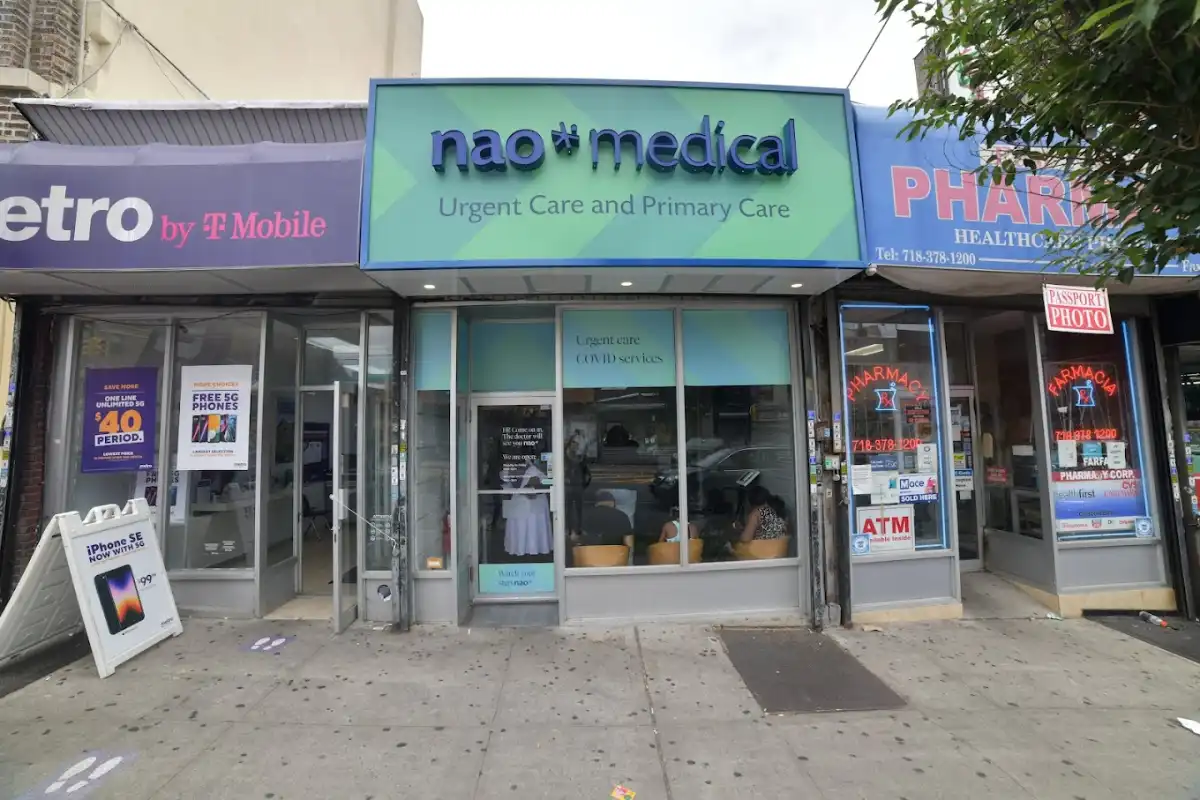
Bronx
932 E 174th St, Bronx, NY 10460
A Bronx access point for addiction medication review, Suboxone or buprenorphine follow-up, and alcohol-use medication discussion. It also supports tobacco-cessation medication planning and coordinated behavioral-health support. It serves patients in West Farms, Crotona Park East, and nearby Bronx neighborhoods.
View local medication support Get directions
Queens
37-15 23rd Ave, Astoria, NY 11105
A Queens access point for addiction medication review, Suboxone or buprenorphine follow-up, and alcohol-use medication discussion. It also supports tobacco-cessation medication planning and coordinated behavioral-health support. It serves patients in Astoria, Ditmars, East Elmhurst, and nearby Queens neighborhoods.
View local medication support Get directions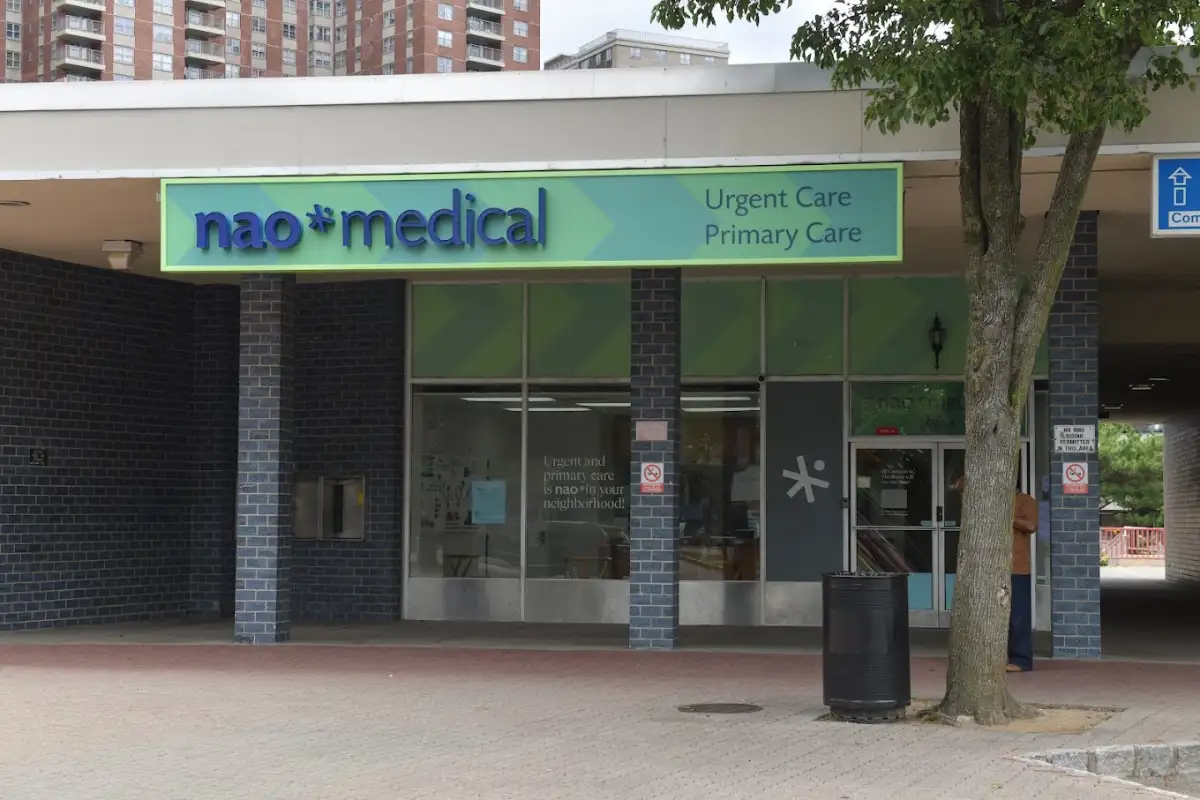
Bronx
2063A Bartow Ave, Bronx, NY 10475
A Bronx access point for addiction medication review, Suboxone or buprenorphine follow-up, and alcohol-use medication discussion. It also supports tobacco-cessation medication planning and coordinated behavioral-health support. It serves patients in Co-op City, Pelham Bay, Baychester, and nearby Bronx neighborhoods.
View local medication support Get directions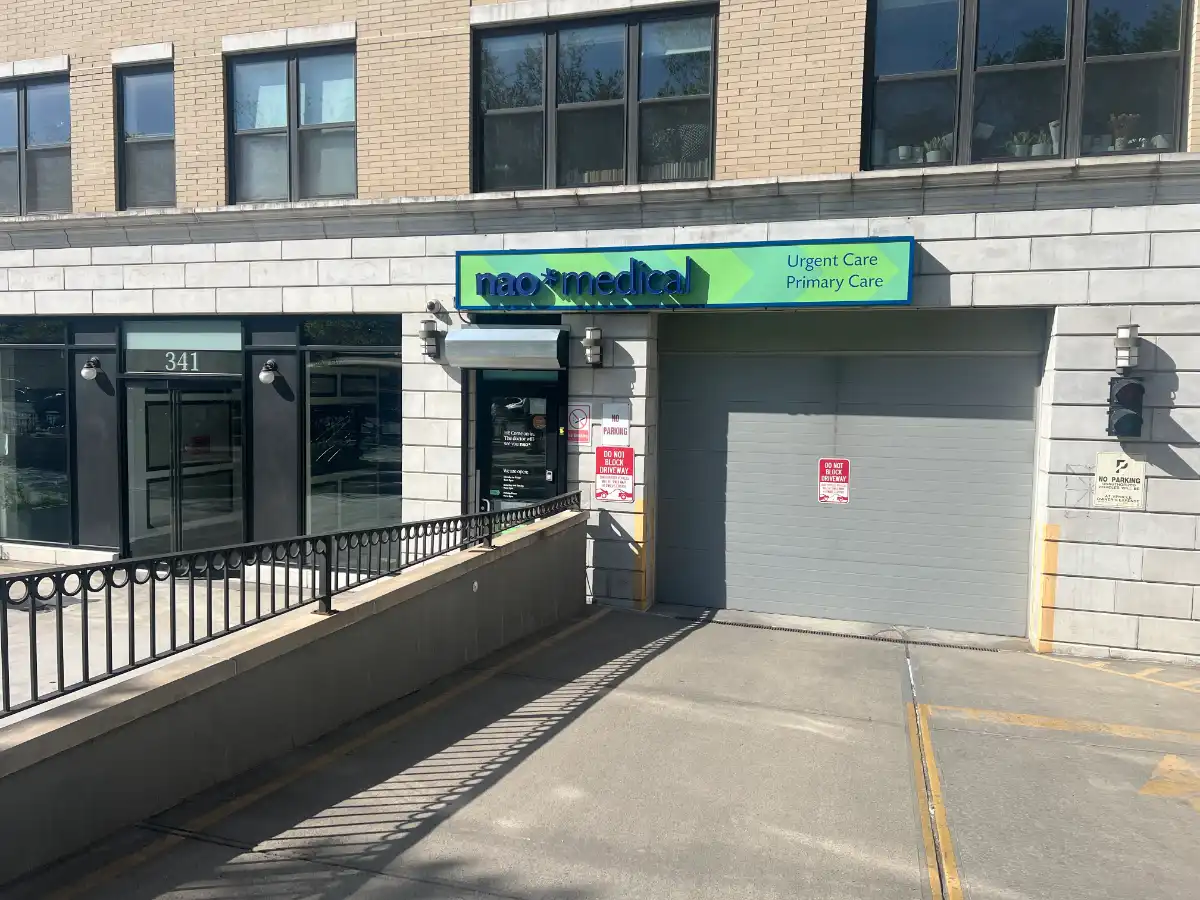
Brooklyn
341 Eastern Pkwy, Brooklyn, NY 11216
A Brooklyn access point for addiction medication review, Suboxone or buprenorphine follow-up, and alcohol-use medication discussion. It also supports tobacco-cessation medication planning and coordinated behavioral-health support. It serves patients in Crown Heights, Prospect Heights, and nearby Brooklyn neighborhoods.
View local medication support Get directions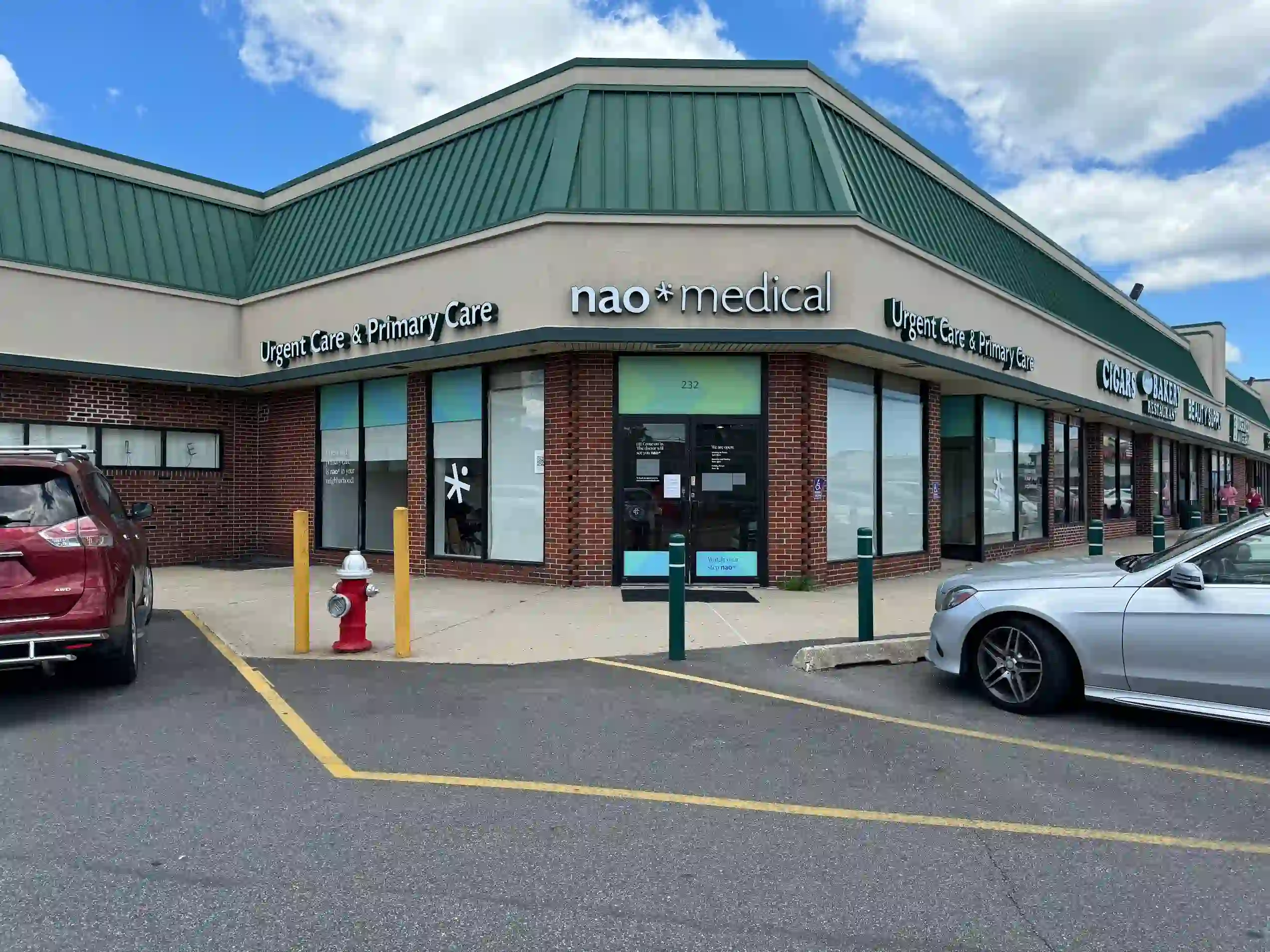
Long Island
232 W Old Country Rd, Hicksville, NY 11801
A Long Island access point for addiction medication review, Suboxone or buprenorphine follow-up, and alcohol-use medication discussion. It also supports tobacco-cessation medication planning and coordinated behavioral-health support. It serves patients in Hicksville, Plainview, Bethpage, and nearby Nassau County communities.
View local medication support Get directions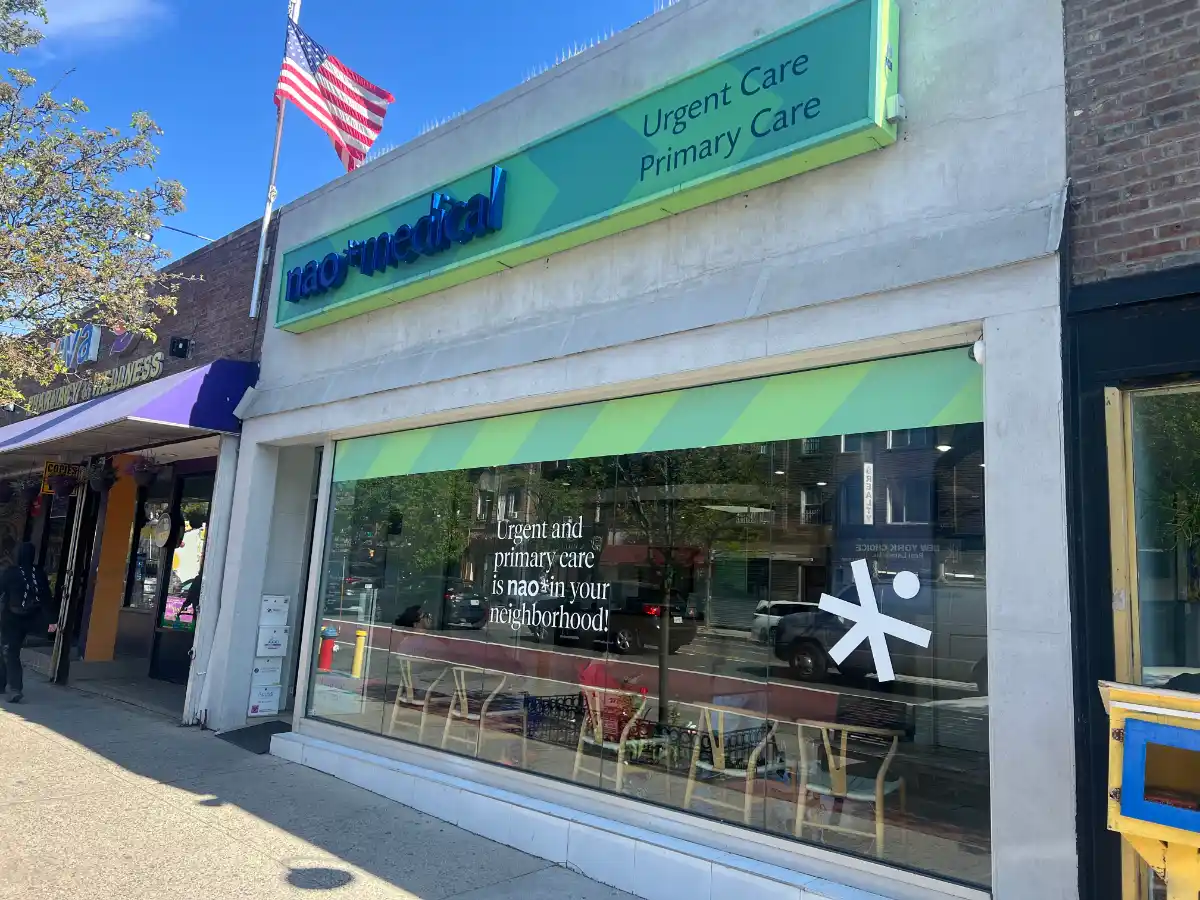
Queens
80-10 Northern Blvd, Jackson Heights, NY 11372
A Queens access point for addiction medication review, Suboxone or buprenorphine follow-up, and alcohol-use medication discussion. It also supports tobacco-cessation medication planning and coordinated behavioral-health support. It serves patients in Jackson Heights, Elmhurst, Corona, and nearby Queens neighborhoods.
View local medication support Get directions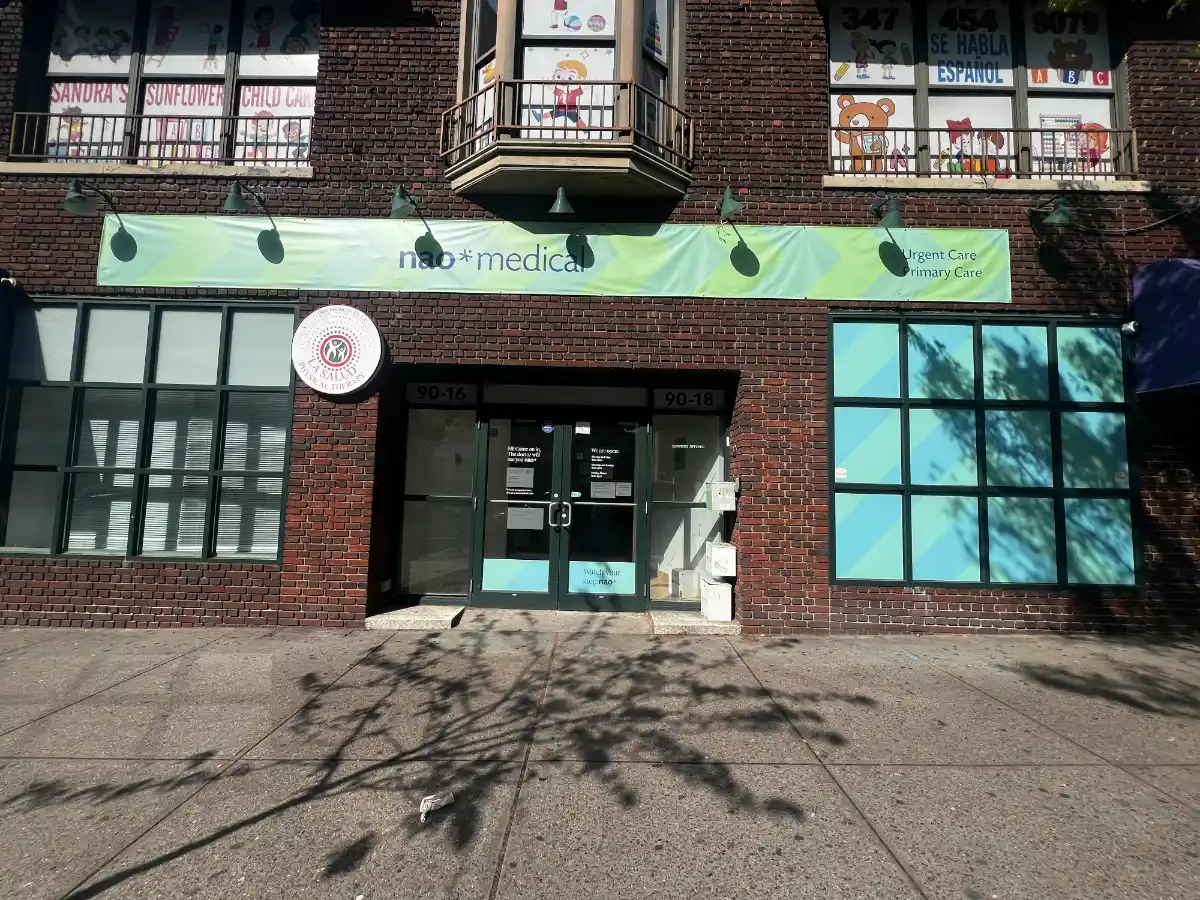
Queens
90-18 Sutphin Blvd, Jamaica, NY 11435
A Queens access point for addiction medication review, Suboxone or buprenorphine follow-up, and alcohol-use medication discussion. It also supports tobacco-cessation medication planning and coordinated behavioral-health support. It serves patients in Jamaica, Briarwood, Richmond Hill, and nearby Queens neighborhoods.
View local medication support Get directions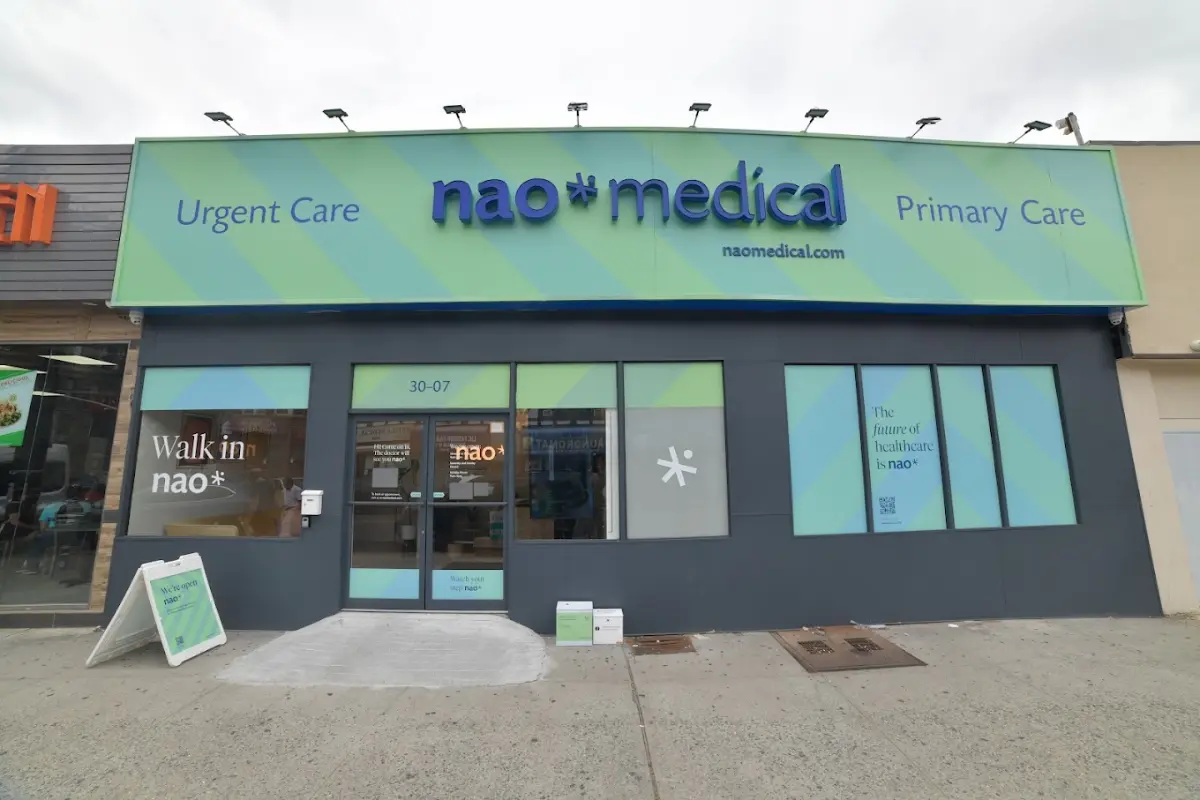
Queens
30-07 36th Ave, Astoria, NY 11106
A Queens access point for addiction medication review, Suboxone or buprenorphine follow-up, and alcohol-use medication discussion. It also supports tobacco-cessation medication planning and coordinated behavioral-health support. It serves patients in Long Island City, Astoria, Sunnyside, and nearby Queens neighborhoods.
View local medication support Get directions
Long Island
135 Mineola Blvd, Mineola, NY 11501
A Long Island access point for addiction medication review, Suboxone or buprenorphine follow-up, and alcohol-use medication discussion. It also supports tobacco-cessation medication planning and coordinated behavioral-health support. It serves patients in Mineola, Garden City, Westbury, and nearby Nassau County communities.
View local medication support Get directions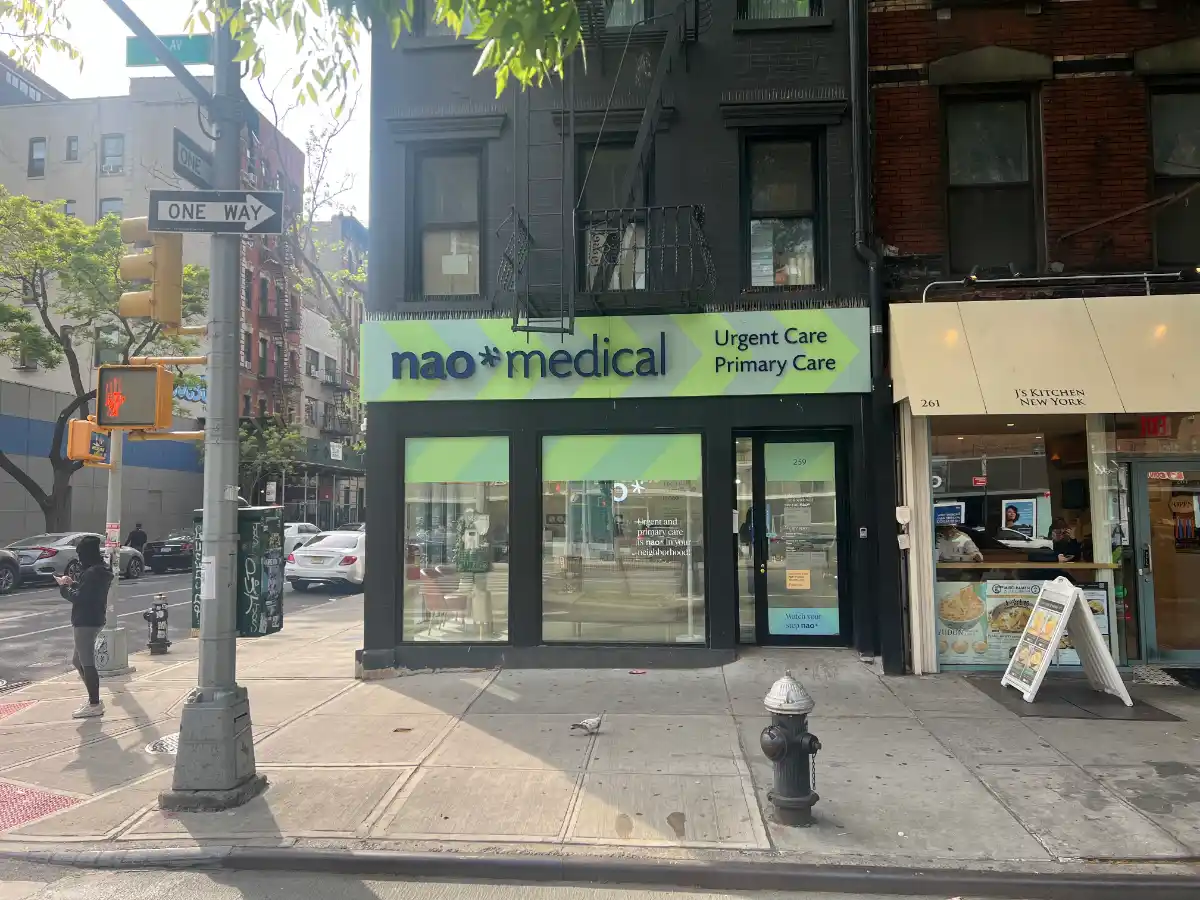
Manhattan
259 1st Ave, New York, NY 10003
A Manhattan access point for addiction medication review, Suboxone or buprenorphine follow-up, and alcohol-use medication discussion. It also supports tobacco-cessation medication planning and coordinated behavioral-health support. It serves patients in StuyTown, East Village, Gramercy, and nearby Manhattan neighborhoods.
View local medication support Get directions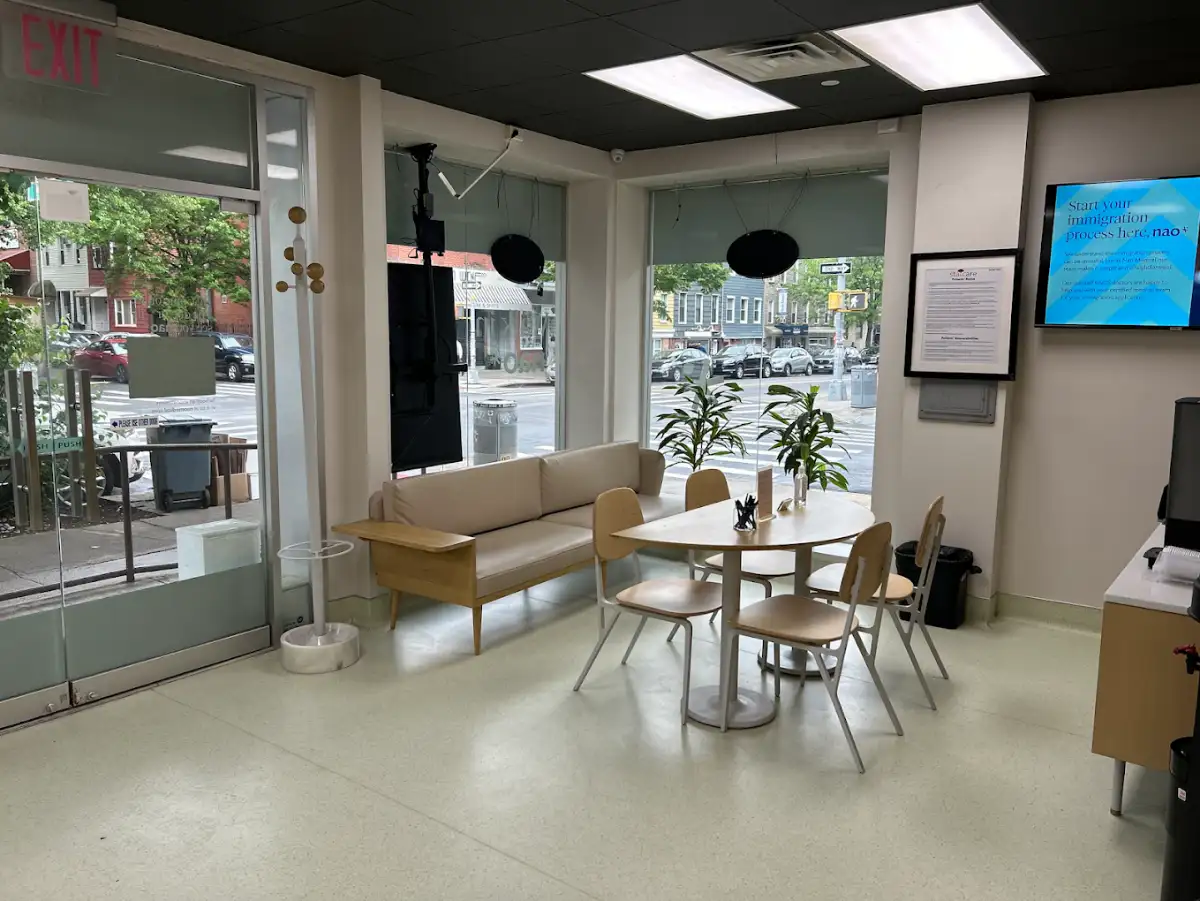
Brooklyn
308 Graham Ave, Brooklyn, NY 11211
A Brooklyn access point for addiction medication review, Suboxone or buprenorphine follow-up, and alcohol-use medication discussion. It also supports tobacco-cessation medication planning and coordinated behavioral-health support. It serves patients in Williamsburg, Greenpoint, Bushwick, and nearby Brooklyn neighborhoods.
View local medication support Get directionsBuprenorphine-naloxone evaluation, medication planning, and ongoing follow-up.
Fast assessment without promising that medication can or should start before timing and safety are reviewed.
Evaluation of oral and long-acting buprenorphine options for opioid use disorder.
Assessment of Kratom leaf, extracts, or concentrated 7-OH use; withdrawal and safety review; counseling options; and individualized medication evaluation. Suboxone is not approved specifically for Kratom dependence, so treatment is not automatic.
Monthly extended-release buprenorphine evaluation, access coordination, and in-clinic administration planning.
Weekly or monthly extended-release buprenorphine evaluation, coverage coordination, and treatment planning.
Current federal telemedicine prescribing questions and answers.
Medication overview, treatment role, and practitioner resources.
State guidance on evidence-based medication treatment and access.
Nao Medical provides outpatient addiction care. The first visit can focus on the immediate clinical question and medication planning when relevant. When wanted or clinically recommended, the care plan can also include counseling, recovery support, and closer follow-up. Related information: outpatient addiction care.
Patients who want more support can add counseling, relapse-prevention work, care coordination, and recovery follow-up through the outpatient addiction program.
Coverage depends on your exact plan, clinician, location and service. Check participation and expected charges with the clinic and your insurer before booking. Review addiction-treatment insurance support
Content was updated August 2, 2026 from the cited sources and Nao Medical's current service information. Medical guidance, prescribing information, medication availability, and insurance rules can change. A licensed clinician must confirm current information and determine each patient's eligibility, testing, treatment, administration setting, and follow-up. Call 911 for a medical emergency. Contact Nao Medical with a question or correction.