Alcohol-use disorder medication
Naltrexone, acamprosate, disulfiram, Vivitrol, counseling, relapse prevention, and safety review.


Medication decisions require clinical review. A medication that helps one person may be unsafe for another. The review considers recent substance use, withdrawal timing, pregnancy, liver or kidney disease, seizure history, opioid exposure, psychiatric symptoms, current prescriptions, and overdose risk.
Several medications named in research for cocaine, methamphetamine, and cannabis use disorder are not FDA-approved for those conditions. Nao Medical does not present experimental or off-label research drugs as routine addiction treatment. Care can still address cravings, withdrawal discomfort, sleep, anxiety, depression, overdose risk, testing, therapy, and referral needs.


Approved addiction medicines have specific indications and different starting requirements. A medicine used for opioids is not automatically suitable for alcohol, stimulants, cannabis or gambling. The evaluation matches the diagnosed disorder, treatment goal and health history to the options.
OUD options include buprenorphine, methadone and naltrexone pathways. AUD options include naltrexone, acamprosate and disulfiram. Tobacco treatment has a different group of medicines. Stimulant and cannabis use disorders do not have an FDA-approved medication, although selected off-label treatment may be discussed.
Consider daily versus administered medication, kidney and liver health, opioid exposure, withdrawal, interactions, monitoring and the actual access pathway. Price or visit frequency alone does not decide suitability.
Treatment for opioid use disorder starts with an assessment of opioid use, withdrawal, overdose risk and what you want to change. Medicines can reduce withdrawal or cravings and help protect recovery. Treatment can be appropriate after heroin, fentanyl, nonprescribed pills or problematic prescription opioid use. An evaluation is still useful if you are uncertain about the diagnosis or have returned to use after earlier treatment.
Buprenorphine and methadone activate opioid receptors in controlled ways; naltrexone blocks them and requires an opioid-free starting point. They have different entry requirements and do not offer an identical experience. Naloxone reverses an opioid overdose but is not ongoing OUD treatment. Withdrawal management by itself does not resolve the longer-term risk of relapse and overdose.
The clinician reviews frequency and route of use, loss of control, consequences, tolerance and withdrawal, while distinguishing prescribed use and physical dependence from OUD. Pregnancy, severe symptoms, intoxication, other substance use and health conditions affect the safest setting. Bring any current OUD prescription: transferring care does not necessarily mean starting over, but records and an assessment are needed.
Describe the last opioid use, uncertain pill contents, prior overdoses and current symptoms. Include alcohol, sedatives, stimulants and pain treatment. The clinician assesses whether an outpatient plan is safe or whether urgent, hospital or another level of care is needed. An overdose or unstable condition should not wait for an ordinary clinic appointment.
Compare buprenorphine, methadone and naltrexone against your clinical needs and preferences. Buprenorphine initiation needs a safe plan after recent opioid exposure. Methadone for OUD generally requires an opioid treatment program. Naltrexone requires detoxification and opioid-free assessment. A clinic should help with a suitable referral when the chosen treatment is outside its verified services.
Clarify formulation, pharmacy or injection logistics, return visits, monitoring and whom to call for access problems. Address pain and mental-health treatment at the same time. Discuss counseling, recovery support and barriers such as transportation, housing or work hours without assuming one service can provide every resource.
Have naloxone and an overdose-response plan. Identify what to do after missed medication, renewed use or hospital discharge. A return to use needs reassessment of symptoms, dose coverage and other risks; it should not be hidden because you fear the visit will be wasted.
Bring identification if required for registration, a medication list, pharmacy details, recent treatment records and relevant insurance information. Tell the clinician if you are nearly out of medication or cannot obtain it. Ask how the first prescription or injection is arranged and what follow-up is required. Do not take borrowed treatment or create an opioid-free interval without advice to prepare for the visit.
Call 911 for possible overdose, slow breathing, unresponsiveness, severe chest pain or collapse. Use available naloxone for suspected opioid overdose and follow the product instructions. Alcohol and sedatives can sharply increase risk with opioids or OUD medicines. After a period without opioids, tolerance can be lower, making return to previous use especially dangerous. Pregnancy, dehydration or uncontrolled withdrawal can require urgent assessment.
Ongoing visits review withdrawal, craving patterns, substance use, function and medication effects. Testing, when clinically appropriate, should help interpret the treatment picture; it is not a complete diagnosis by itself. Discuss whether the plan needs more support, a different formulation or another treatment setting. Effective medication may continue for a long time. Stopping requires a plan for relapse prevention and overdose safety.
Ask what the service actually provides: evaluation, ongoing prescribing, injections, counseling or referral. Confirm the specific location, appointment availability, fees and pharmacy or payer requirements. Same-day availability depends on assessment, the intended service and supply. If the requested medicine is unavailable, ask for a safe interim or referral plan rather than waiting without a next step.
FDA-approved medications exist for opioid-use disorder (buprenorphine, methadone and naltrexone), alcohol-use disorder (naltrexone, acamprosate and disulfiram), and tobacco dependence (nicotine replacement, varenicline and bupropion SR). There is no FDA-approved medication specifically for cocaine, methamphetamine or cannabis-use disorder. Evidence-based behavioral care is important; selected off-label medicines require a clinician’s rationale. Hydrocodone, oxycodone, codeine and local anesthetics are not approved addiction-treatment substitutes.
Nicotine replacement provides nicotine without cigarette smoke. A long-acting patch can be combined with a short-acting form such as gum or a lozenge when appropriate; varenicline and bupropion SR are other cessation options. A clinician or pharmacist should review the product instructions, age, pregnancy, health conditions and current nicotine use. For vaping or another non-cigarette product, seek a tailored plan rather than applying cigarette dosing on your own.
An appropriate evaluation or follow-up may be possible by video when the clinician is authorized to treat you where you are physically located. The service must confirm age, eligibility and current prescribing requirements. A video visit does not guarantee a controlled-substance prescription. Some examinations and tests need an in-person visit. Provider-administered injections require the appropriate treatment setting. Ask intake where any ordered specimens must be collected. Tell intake your actual location and requested service.
Have your insurance card ready when booking. Share member details through the clinic’s confirmed secure intake process. Check with the clinic and your insurer that the exact plan covers the clinician and requested service. Ask about visit charges, any separately billed tests or medicines, and any referral or authorization requirement. Coverage and your copay or deductible depend on the plan; request a written estimate if paying yourself.
Ask the selected service for the next available appointment for addiction-care assessment. Confirm whether booking or a walk-in visit is appropriate before traveling. Bring current medicines, earlier treatment records and any required paperwork. Starting medication or completing a letter or testing depends on the clinician’s assessment and the records available.
Arrange follow-up before discharge or before an existing prescription runs out, and tell the clinician the last doses, recent use and withdrawal symptoms. Opioid withdrawal, alcohol withdrawal and benzodiazepine withdrawal use different treatment plans; abruptly stopping alcohol or benzodiazepines can be dangerous. Multiple substances increase interaction and overdose risks. The clinician decides whether office care is safe or monitored withdrawal/higher-level care is needed.
Medication care can be coordinated with appropriate counseling or behavioral support, but Nao's exact therapy format and group schedule need confirmation. Ask whether individual or group sessions are offered, who leads them, the age group, fees and how the therapist coordinates with the prescriber. A medication appointment or referral does not by itself include a therapy program.
Call 911 for slowed breathing, inability to wake, a seizure, severe confusion, chest pain or immediate danger. Use available naloxone for a suspected opioid overdose while emergency help is called. Severe alcohol or benzodiazepine withdrawal can be life-threatening and needs urgent assessment. A routine outpatient visit or medication for cravings is not a substitute for monitored withdrawal care.
Nao Medical offers addiction-care assessment and ongoing support. A visit reviews the concern you want help with, current substance use, withdrawal or overdose risks, mental health and earlier treatment. The plan may include appropriate medicines, counseling, follow-up or referral to a more intensive program. Choose an addiction-care appointment and tell the team about any urgent withdrawal or safety concern. Outpatient care cannot replace emergency treatment or monitored withdrawal when those are needed.
Naltrexone, acamprosate, disulfiram, Vivitrol, counseling, relapse prevention, and safety review.
Suboxone, buprenorphine, Sublocade, Vivitrol, naloxone, fentanyl-aware planning, and follow-up.
Varenicline, bupropion SR, NRT, combination planning, quit support, and insurance questions.
No FDA-approved medication; review research-only questions and practical treatment support.
No FDA-approved medication; review studied options, counseling, sleep, mood, and safety planning.
No FDA-approved medication; review CBD/Epidiolex nuance, gabapentin/pregabalin questions, sleep, anxiety, and therapy.
The provider reviews substance use, withdrawal risk, overdose risk, medical history, current prescriptions, mental health, and treatment goals.
Opioid, alcohol, and tobacco medications have different safety rules. Research-only medications need careful framing and usually are not routine addiction treatment.
Medication is paired with follow-up, counseling, testing when useful, family support when appropriate, and mental-health care when symptoms overlap.
Dose, visit cadence, medication fit, side effects, cravings, relapse risk, and coverage may change as recovery becomes more stable.
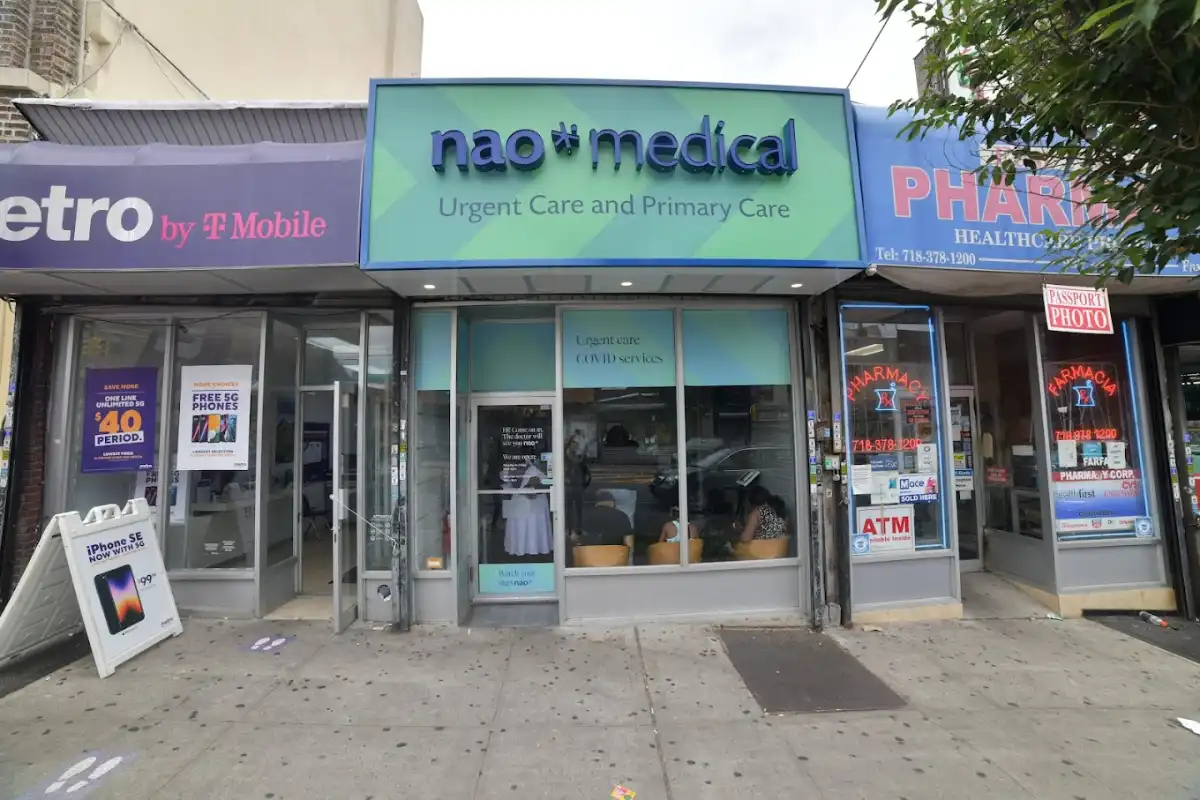
Bronx
932 E 174th St, Bronx, NY 10460
A Bronx access point for addiction medication review, Suboxone or buprenorphine follow-up, and alcohol-use medication discussion. It also supports tobacco-cessation medication planning and coordinated behavioral-health support. It serves patients in West Farms, Crotona Park East, and nearby Bronx neighborhoods.
View local medication support Get directions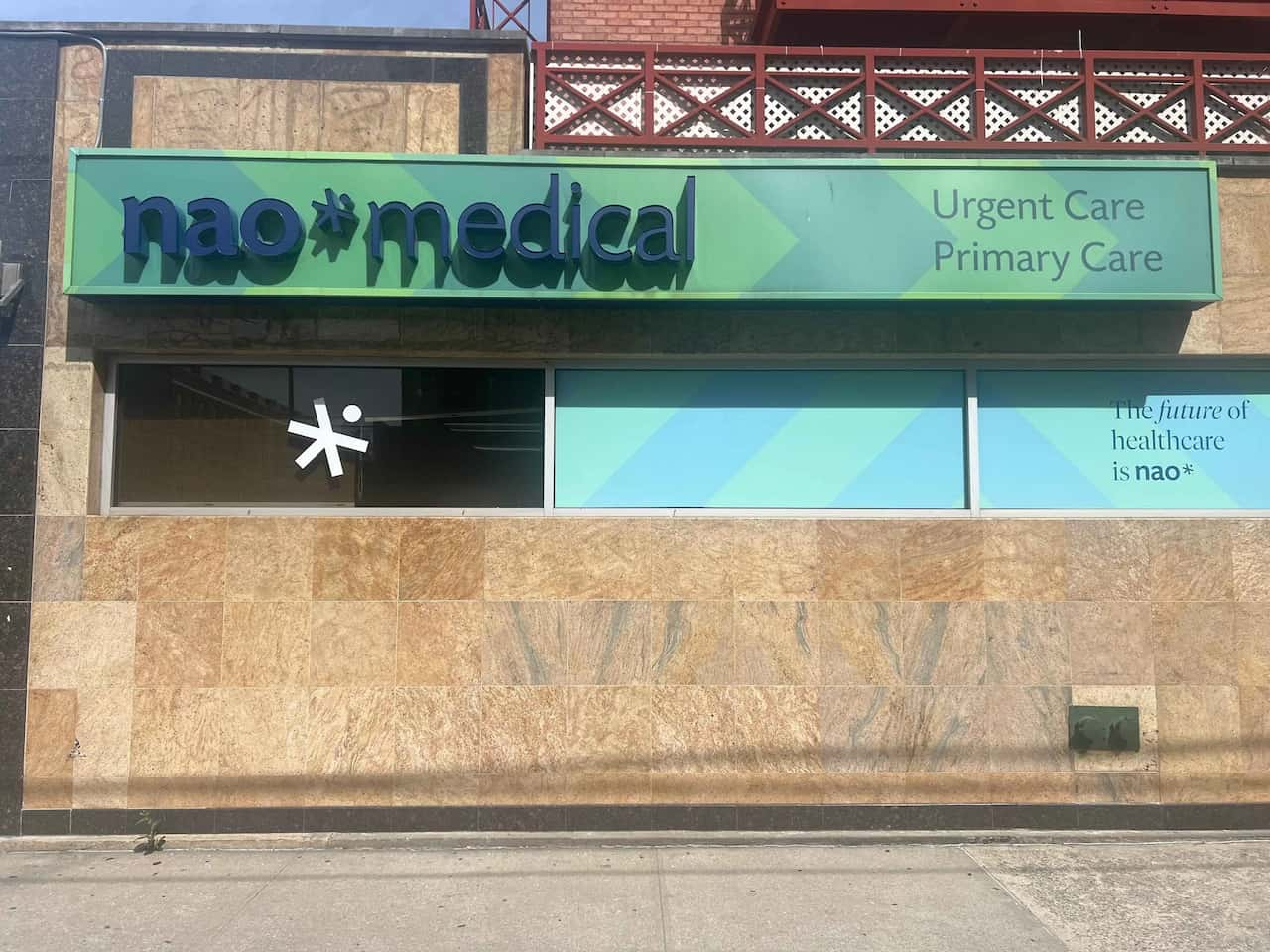
Queens
37-15 23rd Ave, Astoria, NY 11105
A Queens access point for addiction medication review, Suboxone or buprenorphine follow-up, and alcohol-use medication discussion. It also supports tobacco-cessation medication planning and coordinated behavioral-health support. It serves patients in Astoria, Ditmars, East Elmhurst, and nearby Queens neighborhoods.
View local medication support Get directions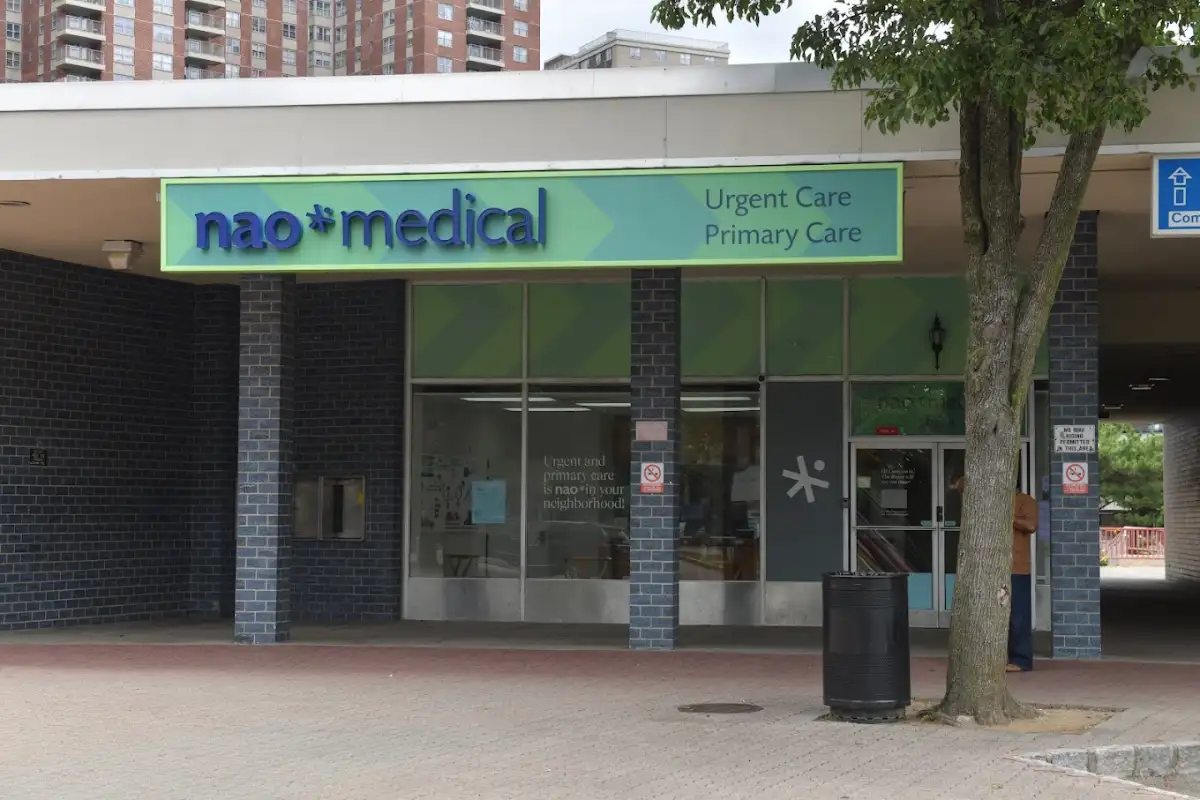
Bronx
2063A Bartow Ave, Bronx, NY 10475
A Bronx access point for addiction medication review, Suboxone or buprenorphine follow-up, and alcohol-use medication discussion. It also supports tobacco-cessation medication planning and coordinated behavioral-health support. It serves patients in Co-op City, Pelham Bay, Baychester, and nearby Bronx neighborhoods.
View local medication support Get directions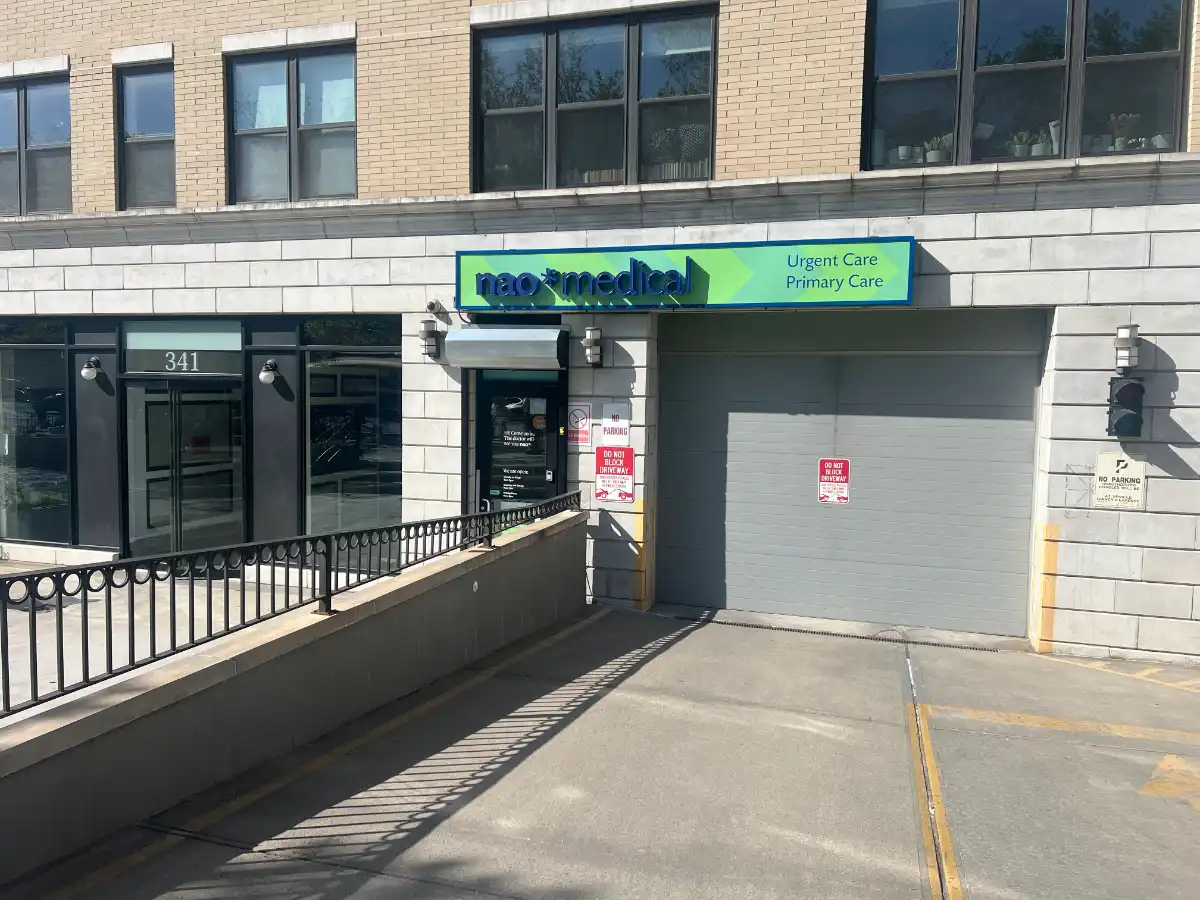
Brooklyn
341 Eastern Pkwy, Brooklyn, NY 11216
A Brooklyn access point for addiction medication review, Suboxone or buprenorphine follow-up, and alcohol-use medication discussion. It also supports tobacco-cessation medication planning and coordinated behavioral-health support. It serves patients in Crown Heights, Prospect Heights, and nearby Brooklyn neighborhoods.
View local medication support Get directions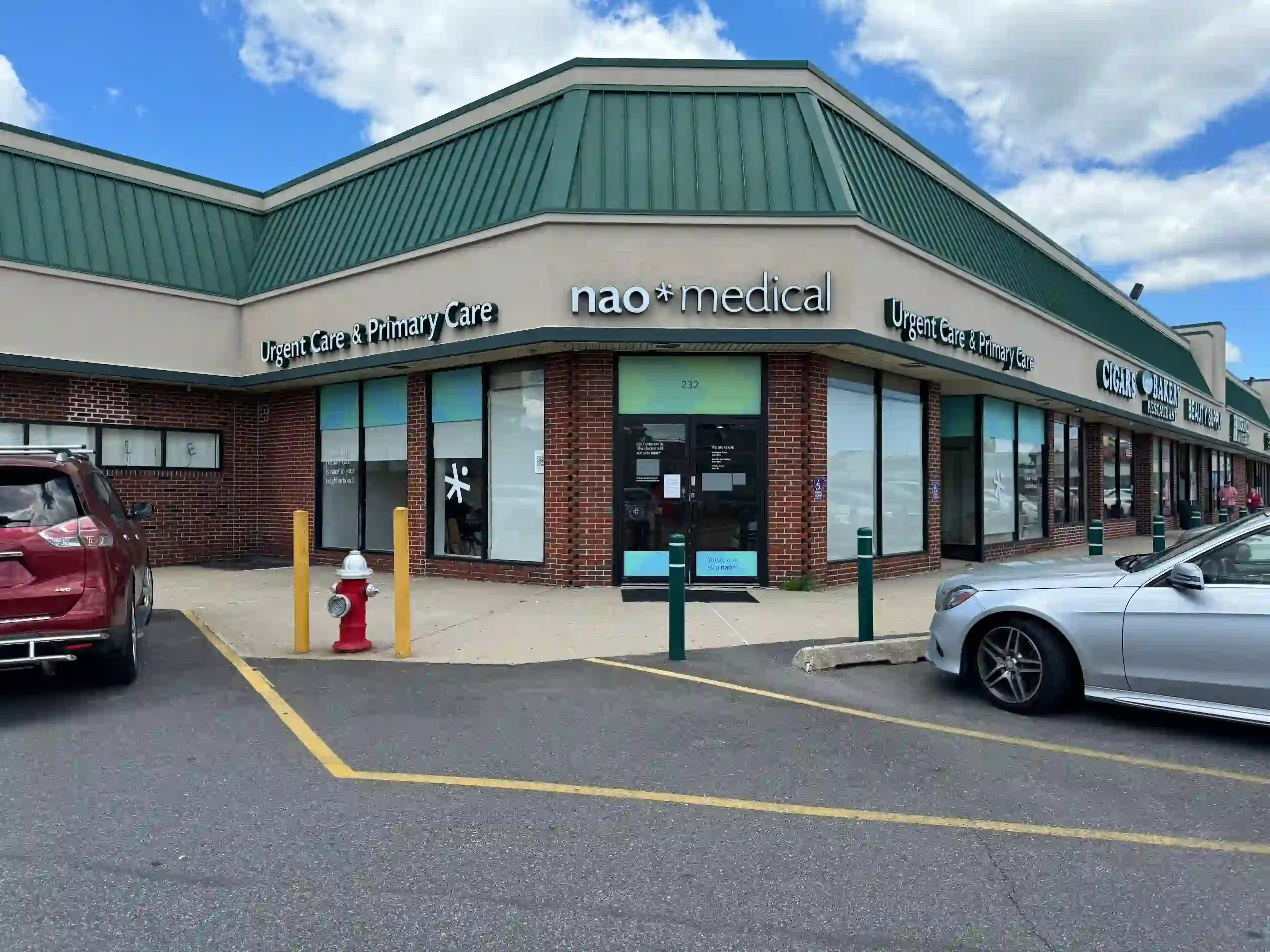
Long Island
232 W Old Country Rd, Hicksville, NY 11801
A Long Island access point for addiction medication review, Suboxone or buprenorphine follow-up, and alcohol-use medication discussion. It also supports tobacco-cessation medication planning and coordinated behavioral-health support. It serves patients in Hicksville, Plainview, Bethpage, and nearby Nassau County communities.
View local medication support Get directions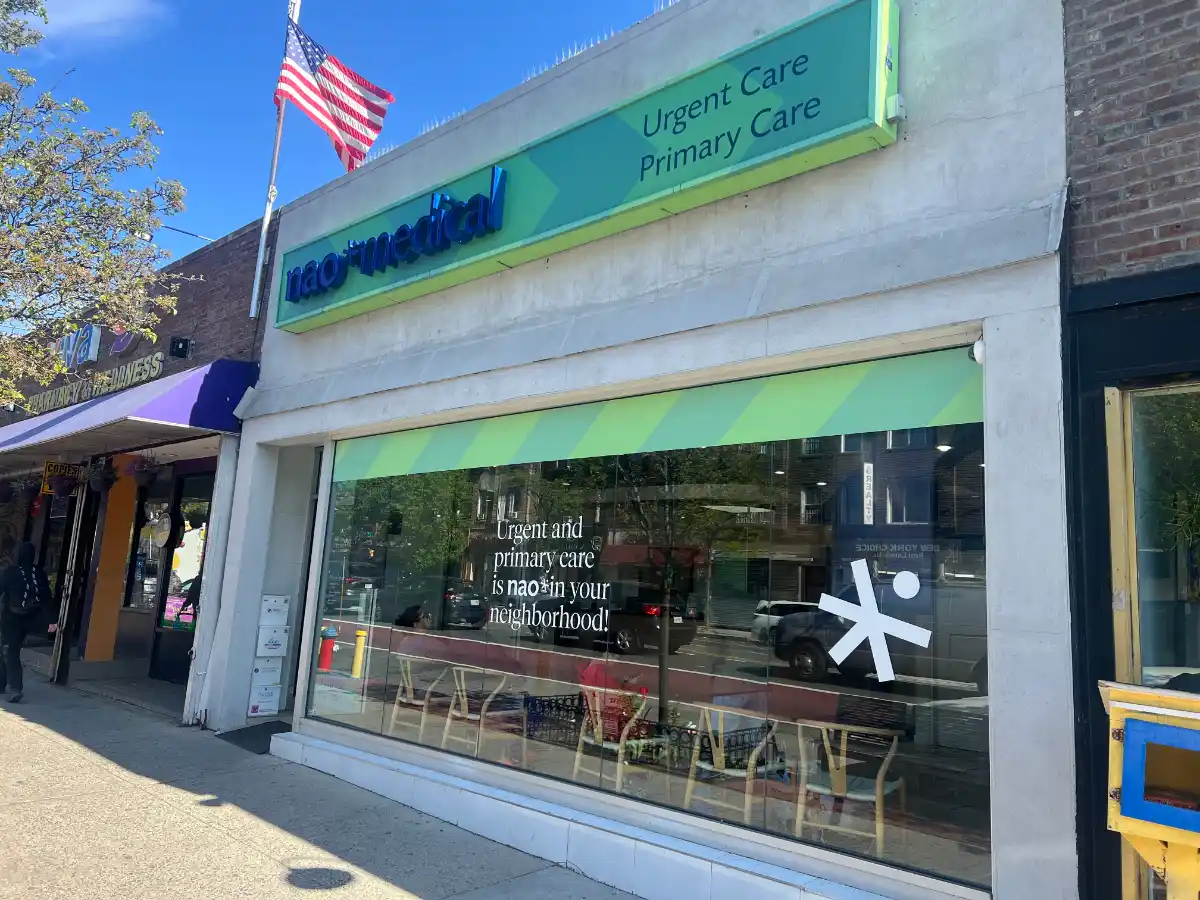
Queens
80-10 Northern Blvd, Jackson Heights, NY 11372
A Queens access point for addiction medication review, Suboxone or buprenorphine follow-up, and alcohol-use medication discussion. It also supports tobacco-cessation medication planning and coordinated behavioral-health support. It serves patients in Jackson Heights, Elmhurst, Corona, and nearby Queens neighborhoods.
View local medication support Get directions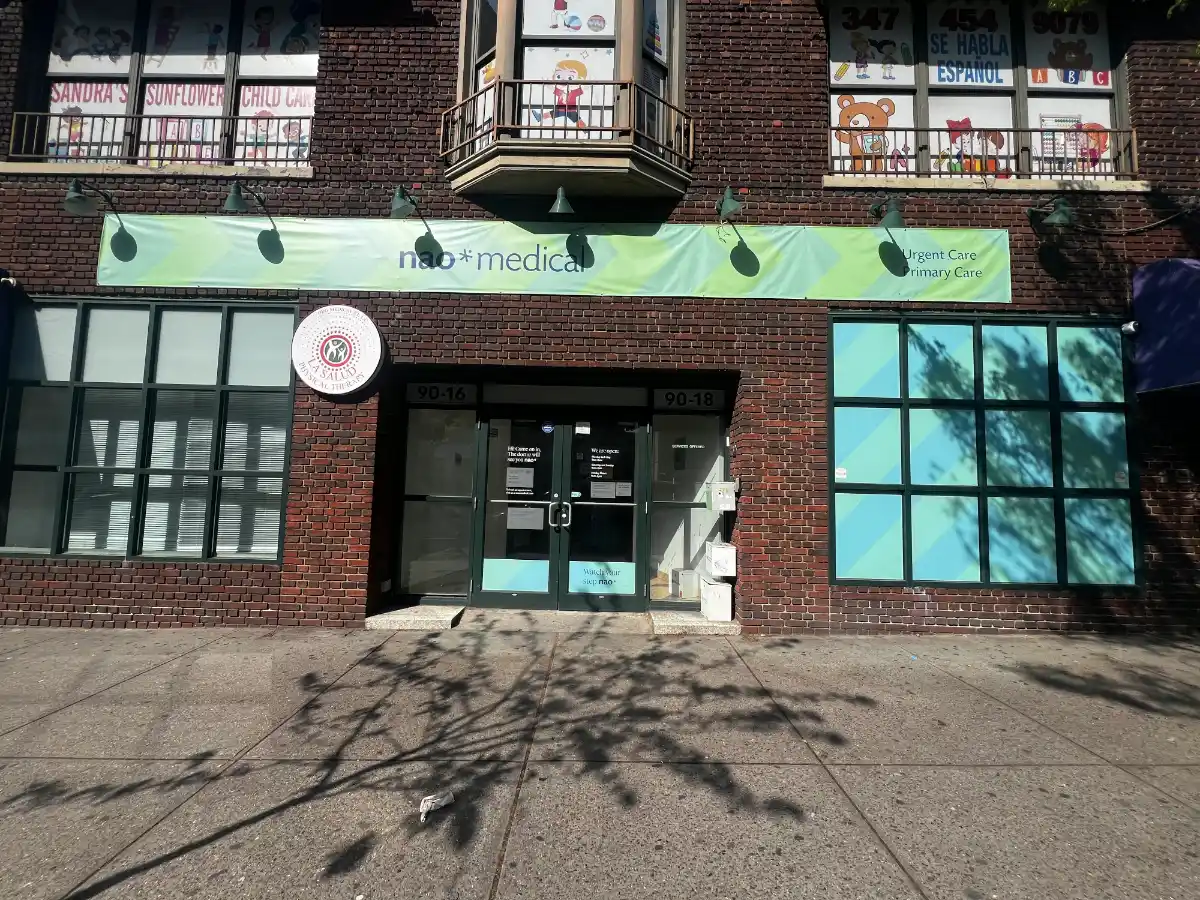
Queens
90-18 Sutphin Blvd, Jamaica, NY 11435
A Queens access point for addiction medication review, Suboxone or buprenorphine follow-up, and alcohol-use medication discussion. It also supports tobacco-cessation medication planning and coordinated behavioral-health support. It serves patients in Jamaica, Briarwood, Richmond Hill, and nearby Queens neighborhoods.
View local medication support Get directions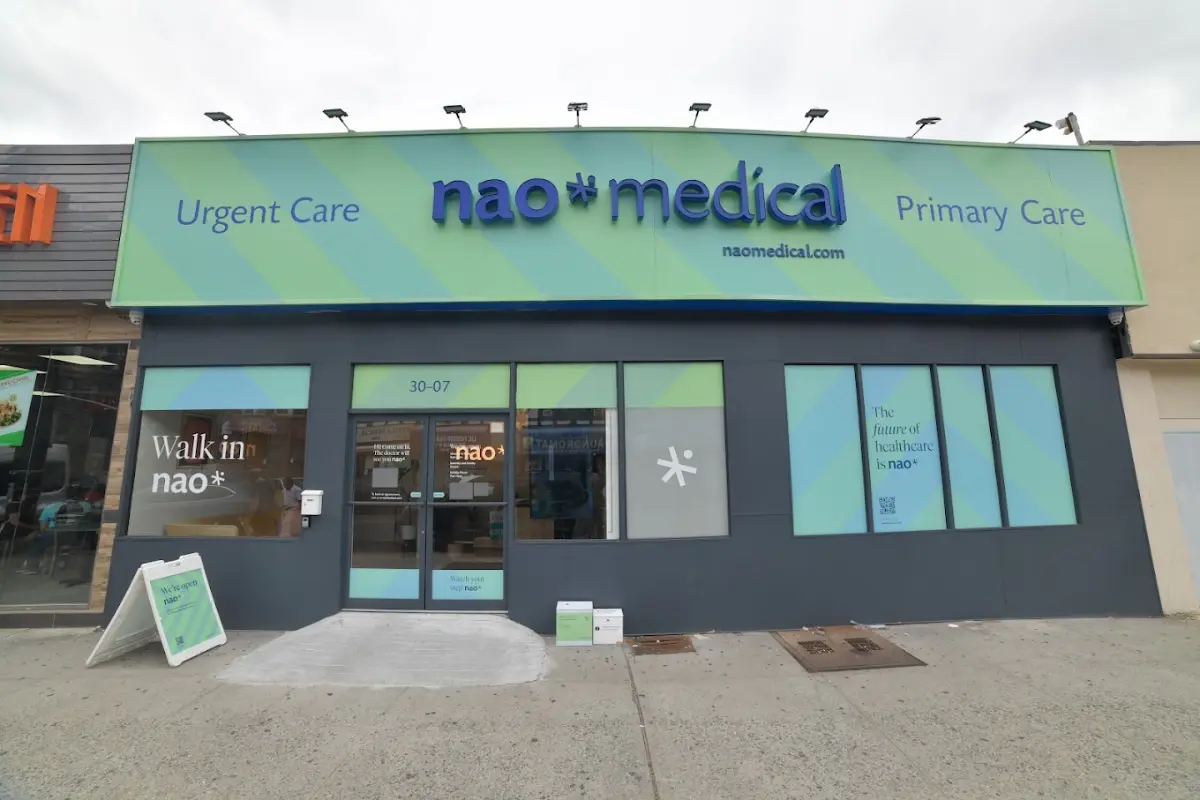
Queens
30-07 36th Ave, Astoria, NY 11106
A Queens access point for addiction medication review, Suboxone or buprenorphine follow-up, and alcohol-use medication discussion. It also supports tobacco-cessation medication planning and coordinated behavioral-health support. It serves patients in Long Island City, Astoria, Sunnyside, and nearby Queens neighborhoods.
View local medication support Get directions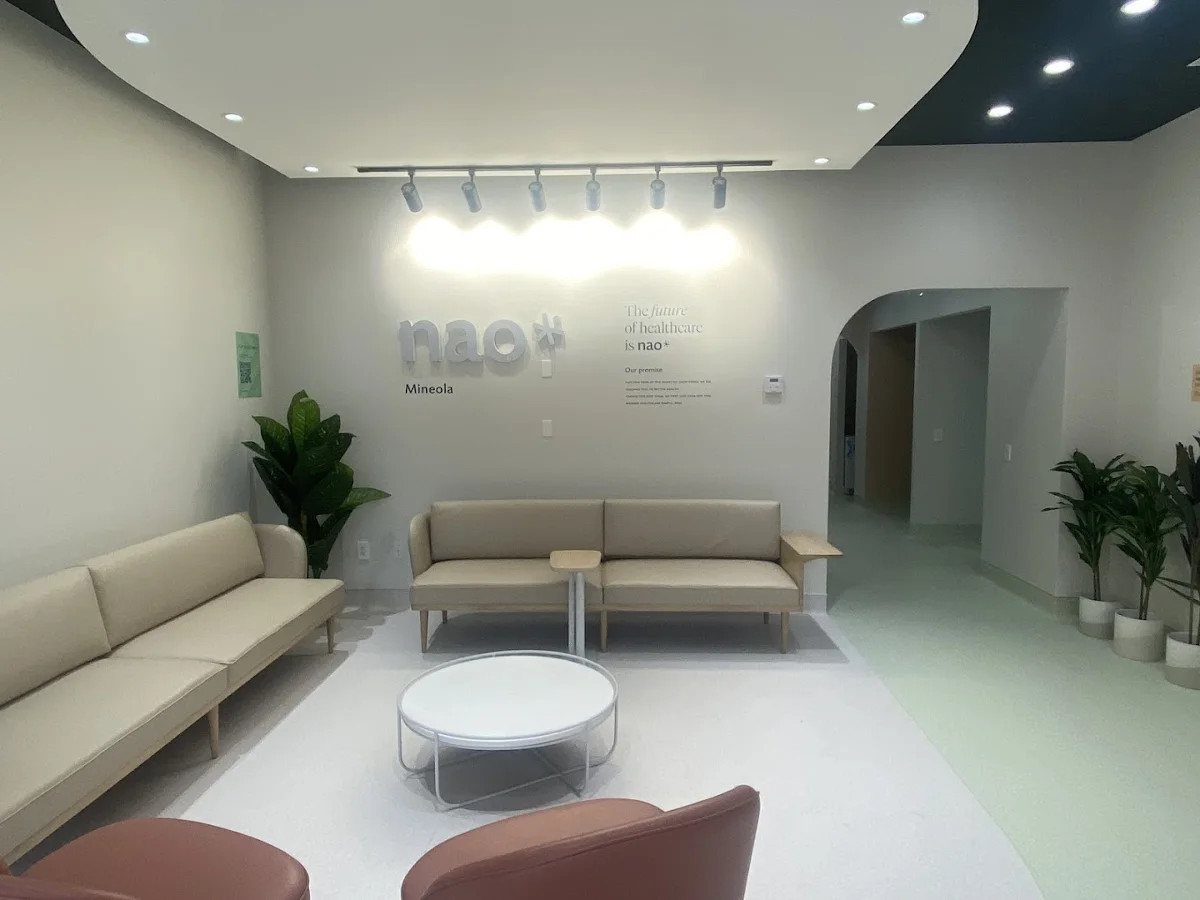
Long Island
135 Mineola Blvd, Mineola, NY 11501
A Long Island access point for addiction medication review, Suboxone or buprenorphine follow-up, and alcohol-use medication discussion. It also supports tobacco-cessation medication planning and coordinated behavioral-health support. It serves patients in Mineola, Garden City, Westbury, and nearby Nassau County communities.
View local medication support Get directions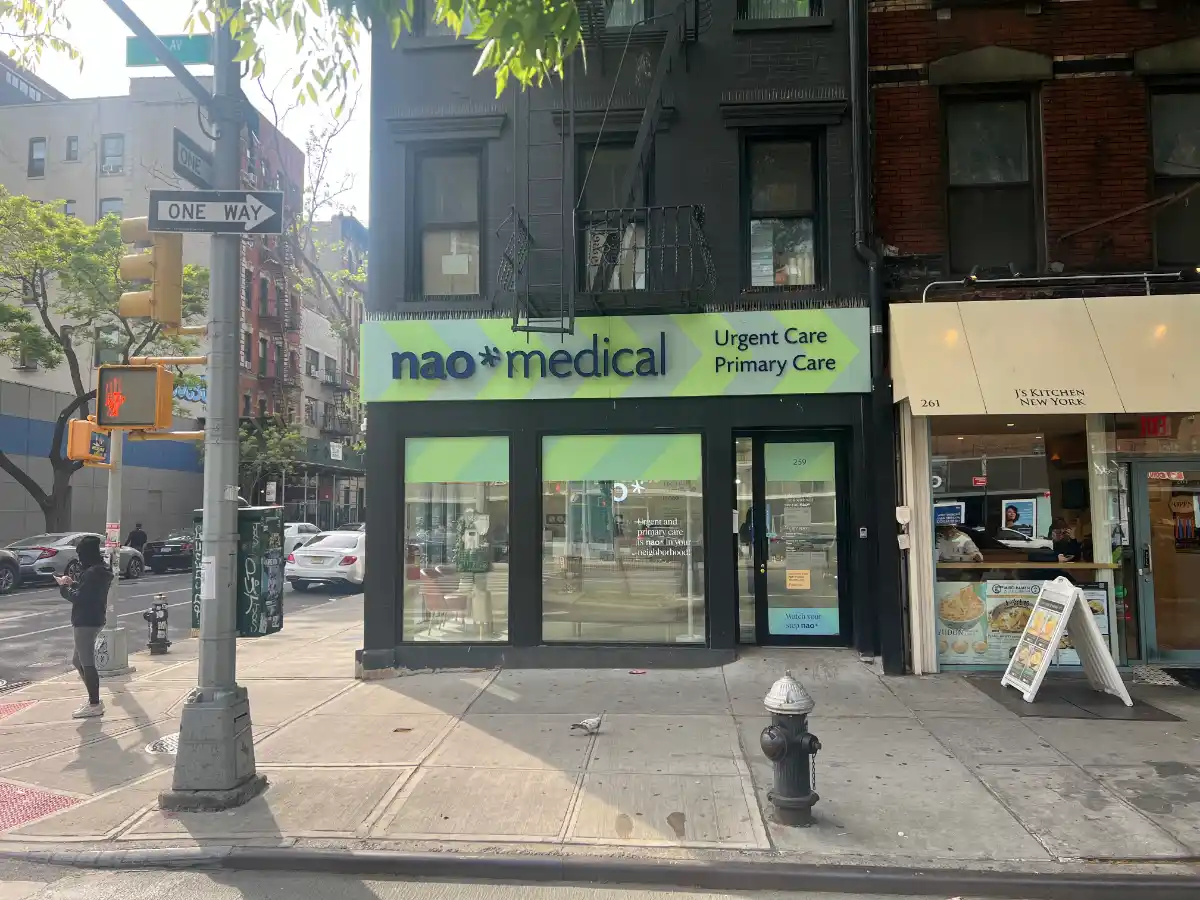
Manhattan
259 1st Ave, New York, NY 10003
A Manhattan access point for addiction medication review, Suboxone or buprenorphine follow-up, and alcohol-use medication discussion. It also supports tobacco-cessation medication planning and coordinated behavioral-health support. It serves patients in StuyTown, East Village, Gramercy, and nearby Manhattan neighborhoods.
View local medication support Get directions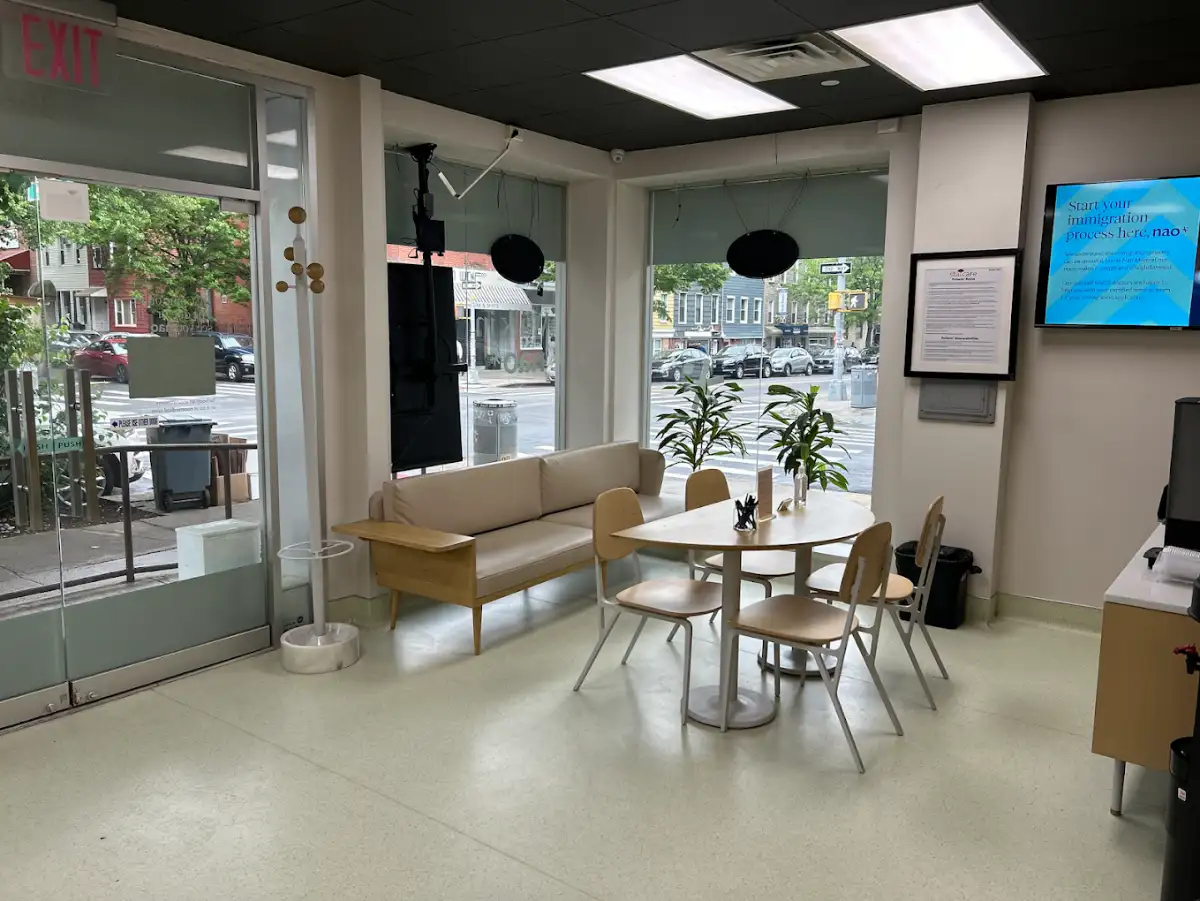
Brooklyn
308 Graham Ave, Brooklyn, NY 11211
A Brooklyn access point for addiction medication review, Suboxone or buprenorphine follow-up, and alcohol-use medication discussion. It also supports tobacco-cessation medication planning and coordinated behavioral-health support. It serves patients in Williamsburg, Greenpoint, Bushwick, and nearby Brooklyn neighborhoods.
View local medication support Get directionsDaily buprenorphine-naloxone care for opioid-use disorder when clinically appropriate.
Medication review for opioid withdrawal timing, cravings, stabilization, and follow-up.
Monthly injectable buprenorphine review for eligible patients who are already stabilized on buprenorphine.
Naltrexone options for alcohol-use disorder and opioid relapse prevention after opioid-free planning.
Naltrexone, acamprosate, and disulfiram discussion for alcohol-use disorder when appropriate.
Medication works best when paired with counseling, follow-up, relapse planning, and mental-health support.
Support for relatives who need help encouraging care without shame or coercion.
Federal treatment guidance listing medications used for alcohol and opioid use disorders.
FDA guidance on approved medications for opioid-use disorder and office-based treatment access.
CDC guidance on medication treatment, overdose risk, and why detox alone is not recommended for OUD.
CDC guidance on FDA-approved tobacco-cessation medications, including NRT, bupropion SR, and varenicline.
FDA statement that there is currently no FDA-approved medication for stimulant-use disorder.
FDA guidance explaining Epidiolex approvals and that cannabis products are not approved for treating diseases or conditions outside approved indications.

Arrange an evaluation to discuss suitable care, preparation and follow-up with a clinician.
Book addiction medicine visitNao Medical provides outpatient addiction care. The first visit can focus on the immediate clinical question and medication planning when relevant. When wanted or clinically recommended, the care plan can also include counseling, recovery support, and closer follow-up. Related information: outpatient addiction care.
Patients who want more support can add counseling, relapse-prevention work, care coordination, and recovery follow-up through the outpatient addiction program.
Coverage depends on your exact plan, clinician, location and service. Check participation and expected charges with the clinic and your insurer before booking. Review addiction-treatment insurance support
Content was updated August 2, 2026 from the cited sources and Nao Medical's current service information. Medical guidance, prescribing information, medication availability, and insurance rules can change. A licensed clinician must confirm current information and determine each patient's eligibility, testing, treatment, administration setting, and follow-up. Call 911 for a medical emergency. Contact Nao Medical with a question or correction.