Tobacco cessation treatment
Review the broader tobacco treatment visit and quit support options.


Medication decisions require clinical review. A medication that helps one person may be unsafe for another. The review considers recent substance use, withdrawal timing, pregnancy, liver or kidney disease, seizure history, opioid exposure, psychiatric symptoms, current prescriptions, and overdose risk.
Coverage depends on your exact plan, clinician, location and service. Check participation and expected charges with the clinic and your insurer before booking.


A quit-treatment evaluation compares nicotine replacement, varenicline and smoking-cessation bupropion SR with your cigarette use, health history and preferences. Different medicines have different precautions; vaping, pouches, pregnancy and younger ages need their own discussion.
Describe prior attempts, urges, first-cigarette timing and the situations that make quitting hard. Discuss a quit date or another supported approach, medication technique and behavioral support.
Tell the clinician about kidney disease, seizures, eating-disorder history, psychiatric symptoms, alcohol and other medicines. Agree on what to report, when progress is reviewed and how continuing supply is arranged. A slip is a reason to review the plan, not abandon the appointment.
Nicotine replacement therapy can help manage withdrawal and cravings while you stop smoking. Common products include patches, gum and lozenges. A patch provides steadier nicotine, while gum or a lozenge can address an urge that breaks through. A quit-treatment review helps select products and use them correctly rather than assuming every craving means the treatment has failed.
These products deliver nicotine without the smoke and combustion products of a cigarette. They do not reproduce every aspect of the smoking routine. Behavioral changes still matter: a break, meal, commute or stressful moment may trigger an urge even when nicotine withdrawal is better controlled. A patch plus a short-acting product can work better for some people than either alone when used according to an appropriate plan.
Product choice depends on cigarettes per day, timing of the first cigarette, earlier experience, skin or dental problems, other nicotine use and medical history. Tell the clinician about pregnancy or breastfeeding, recent serious heart problems, current symptoms and other medicines. Adult cigarette-smoking instructions do not automatically apply to children, teens, vaping or nicotine pouches. Ask for a plan suited to the actual nicotine product you use.
Bring the names of all cigarettes, vapes, pouches and medicines you use. Explain when urges are strongest and what caused earlier attempts to stall. This helps separate insufficient withdrawal control from technique problems, side effects or a trigger that needs another response.
A patch can be a useful base when urges occur throughout the day. Gum or lozenges offer a different way to respond to predictable or breakthrough urges. A clinician or pharmacist can choose strengths and a schedule using current product instructions. Do not copy a foreign product’s strength or add several nicotine products without reviewing the total plan.
Apply patches as instructed and change application sites to reduce irritation. Gum uses a chew-and-park method; it is not chewed continuously like ordinary gum. A lozenge dissolves slowly and is not chewed or swallowed whole. Food and drink around oral products can affect use. Ask the pharmacist to demonstrate the specific product if the instructions are unclear.
Report smoking, craving patterns, sleep changes, skin irritation, mouth symptoms and nausea. If the patch helps during the day but dreams disrupt sleep, discuss the product’s overnight instructions. If oral products seem ineffective, technique may need review before a different medicine is chosen.
Read the product package before use and bring questions about maximum use, duration, other nicotine products and disposal. Keep a supply plan for work or travel. Identify a few situations in which you can use a non-smoking response, such as taking a short walk or changing where you take a break. Arrange follow-up before the first supply runs out if previous attempts ended in an access gap.
Too much nicotine can cause nausea, vomiting, dizziness, weakness or a fast heartbeat. Stop using the product and seek advice if symptoms suggest nicotine excess; severe symptoms require urgent care. Keep new and used products away from children and pets because nicotine exposure can be dangerous. Follow patch disposal instructions. Contact a clinician for persistent skin or mouth problems, chest symptoms or another concerning reaction.
A slip does not require giving up on the quit attempt. CDC patch guidance advises continuing the patch after a cigarette slip while returning to the quit plan; review additional nicotine use and symptoms with the clinician or pharmacist. Duration and gradual changes depend on the selected product and progress. Do not assume NRT must end on a forum’s fixed deadline or that indefinite self-directed use is the right plan.
Many patches, gums and lozenges are available without a prescription, but insurance coverage may still require one. Ask about covered brands or generics, quantity limits and behavioral support. Confirm which forms are actually available; not every historical prescription device may remain available. Compare the full quit plan and ongoing supply, not only the price of one box.
Nicotine replacement provides nicotine without cigarette smoke. A long-acting patch can be combined with a short-acting form such as gum or a lozenge when appropriate. Varenicline and bupropion SR are other cessation options. A clinician or pharmacist should review the product instructions, age, pregnancy, health conditions and current nicotine use. For vaping or another non-cigarette product, seek a tailored plan rather than applying cigarette dosing on your own.
Chantix is a brand name for varenicline. Varenicline is a prescription, non-nicotine medicine used to help adults stop smoking. Brand and generic supplies should be checked with the pharmacy. Share the exact product and strength with the prescriber. The quit plan still needs kidney/interaction review, side-effect monitoring and behavioral support.
Zyban and Wellbutrin contain bupropion, but brand, release formulation and labeled use differ. Bupropion SR used for smoking cessation is not permission to add another bupropion product already prescribed for depression. The prescriber checks the total regimen, seizure/eating-disorder history, blood pressure, interactions and stopping alcohol or sedatives before treatment.
Nicotine replacement provides nicotine without cigarette smoke. A long-acting patch can be combined with a short-acting form such as gum or a lozenge when appropriate; varenicline and bupropion SR are other cessation options. A clinician or pharmacist should review the product instructions, age, pregnancy, health conditions and current nicotine use. For vaping or another non-cigarette product, seek a tailored plan rather than applying cigarette dosing on your own.
FDA-approved medications exist for opioid-use disorder (buprenorphine, methadone and naltrexone), alcohol-use disorder (naltrexone, acamprosate and disulfiram), and tobacco dependence (nicotine replacement, varenicline and bupropion SR). There is no FDA-approved medication specifically for cocaine, methamphetamine or cannabis-use disorder. Evidence-based behavioral care is important; selected off-label medicines require a clinician’s rationale. Hydrocodone, oxycodone, codeine and local anesthetics are not approved addiction-treatment substitutes.
A patch plus gum or a lozenge is an established combination strategy for some adult smokers. Use current instructions and a reviewed plan, especially if other nicotine products are also used. Forum maximum doses or foreign strengths are not a substitute for that review.
Review the broader tobacco treatment visit and quit support options.
Anxiety, depression, insomnia, and stress can affect smoking and vaping patterns.
Quit support can be connected with preventive health, blood pressure, and lung-health review.
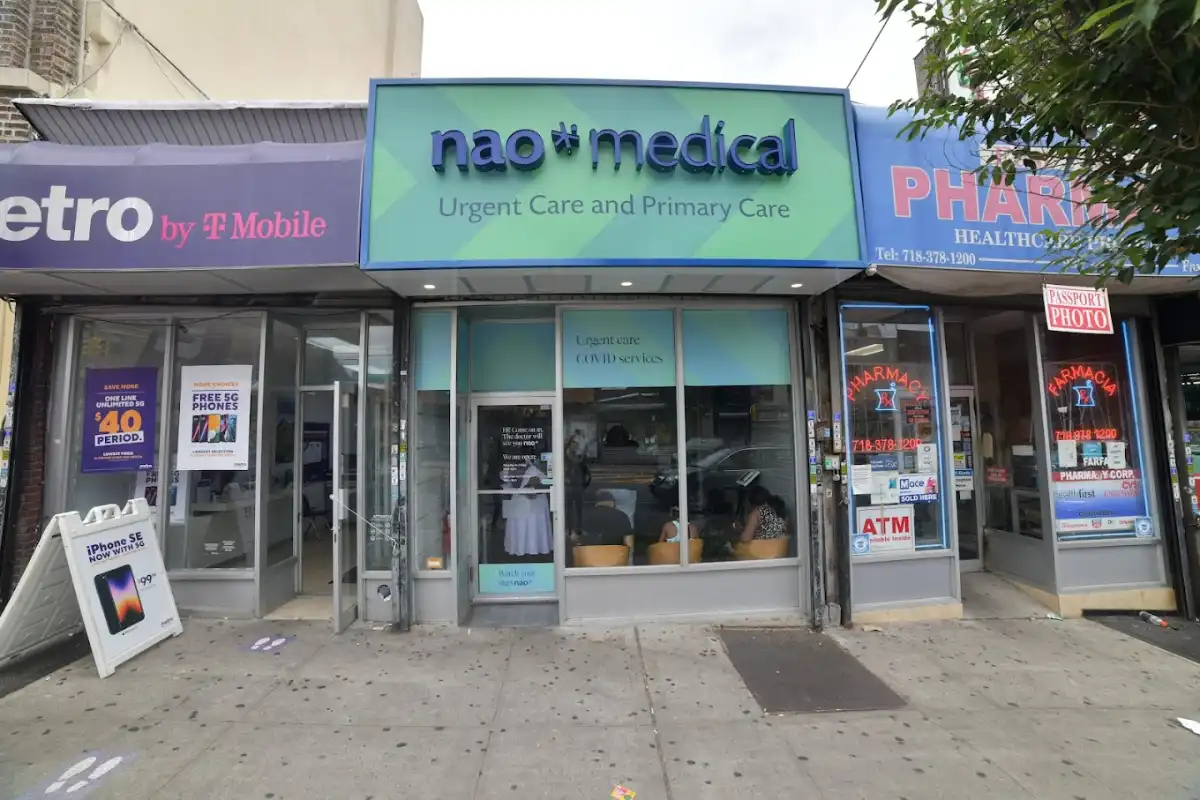
Bronx
932 E 174th St, Bronx, NY 10460
A Bronx access point for addiction medication review, Suboxone or buprenorphine follow-up, and alcohol-use medication discussion. It also supports tobacco-cessation medication planning and coordinated behavioral-health support. It serves patients in West Farms, Crotona Park East, and nearby Bronx neighborhoods.
View local medication support Get directions
Queens
37-15 23rd Ave, Astoria, NY 11105
A Queens access point for addiction medication review, Suboxone or buprenorphine follow-up, and alcohol-use medication discussion. It also supports tobacco-cessation medication planning and coordinated behavioral-health support. It serves patients in Astoria, Ditmars, East Elmhurst, and nearby Queens neighborhoods.
View local medication support Get directions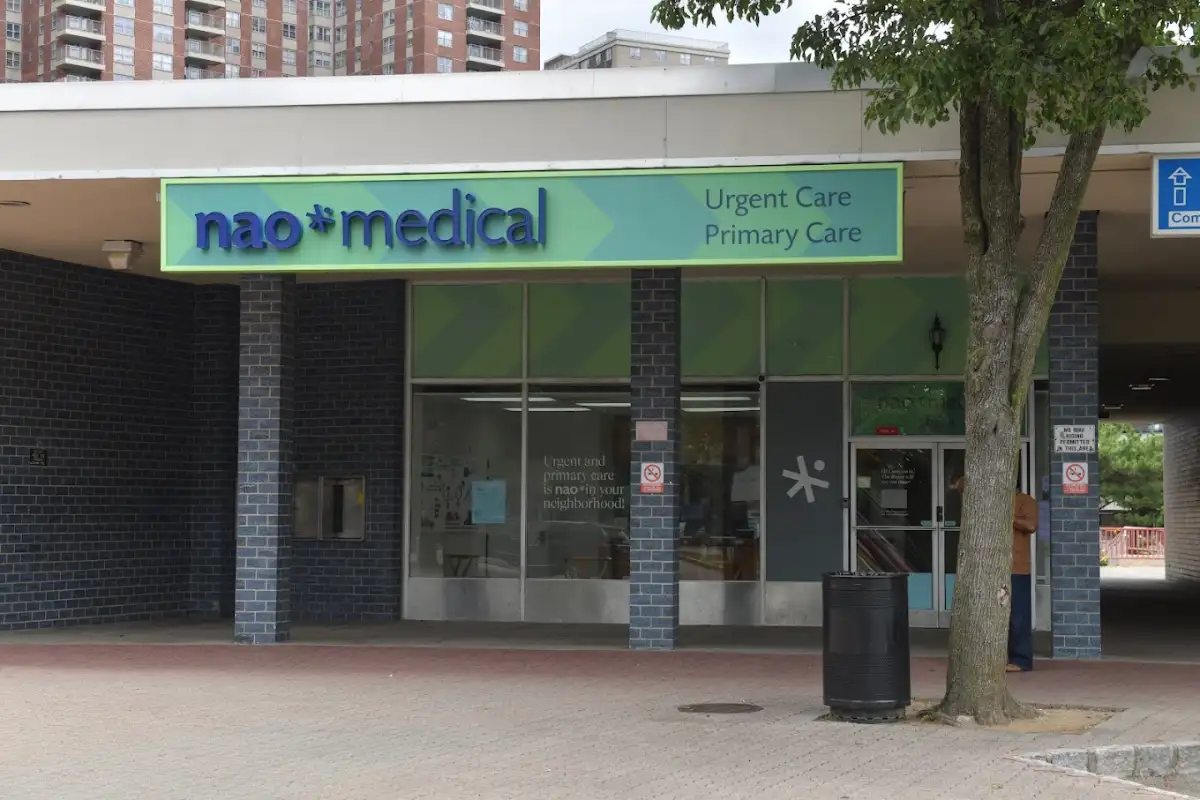
Bronx
2063A Bartow Ave, Bronx, NY 10475
A Bronx access point for addiction medication review, Suboxone or buprenorphine follow-up, and alcohol-use medication discussion. It also supports tobacco-cessation medication planning and coordinated behavioral-health support. It serves patients in Co-op City, Pelham Bay, Baychester, and nearby Bronx neighborhoods.
View local medication support Get directions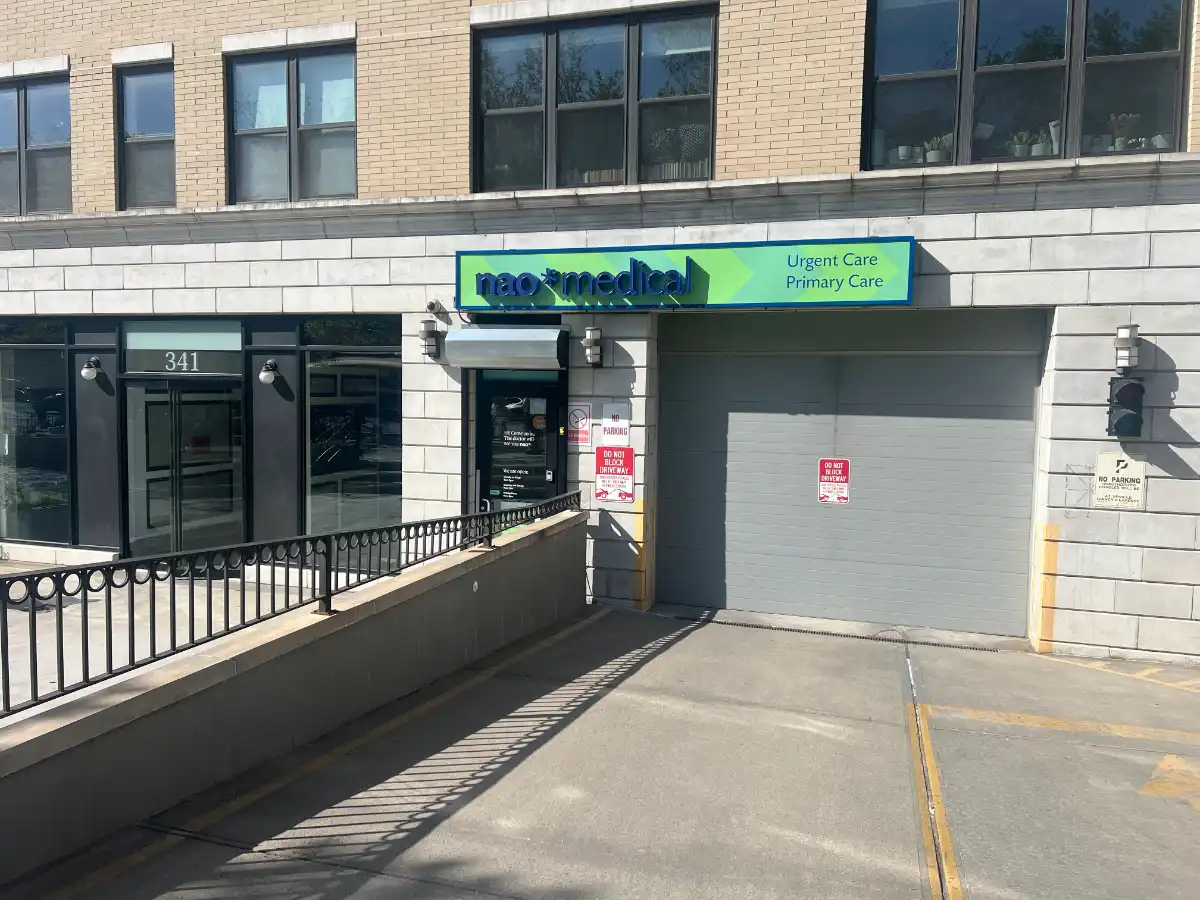
Brooklyn
341 Eastern Pkwy, Brooklyn, NY 11216
A Brooklyn access point for addiction medication review, Suboxone or buprenorphine follow-up, and alcohol-use medication discussion. It also supports tobacco-cessation medication planning and coordinated behavioral-health support. It serves patients in Crown Heights, Prospect Heights, and nearby Brooklyn neighborhoods.
View local medication support Get directions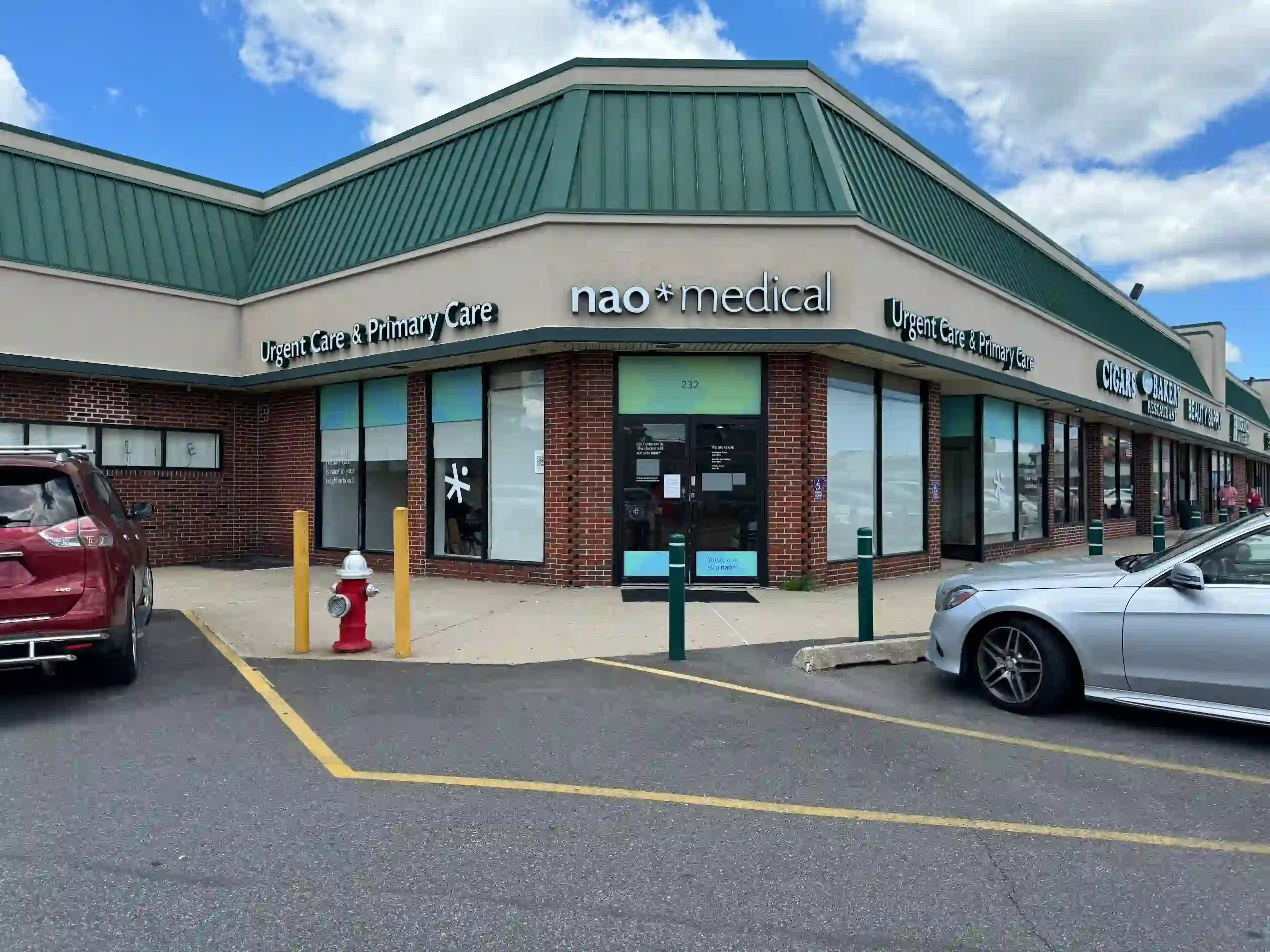
Long Island
232 W Old Country Rd, Hicksville, NY 11801
A Long Island access point for addiction medication review, Suboxone or buprenorphine follow-up, and alcohol-use medication discussion. It also supports tobacco-cessation medication planning and coordinated behavioral-health support. It serves patients in Hicksville, Plainview, Bethpage, and nearby Nassau County communities.
View local medication support Get directions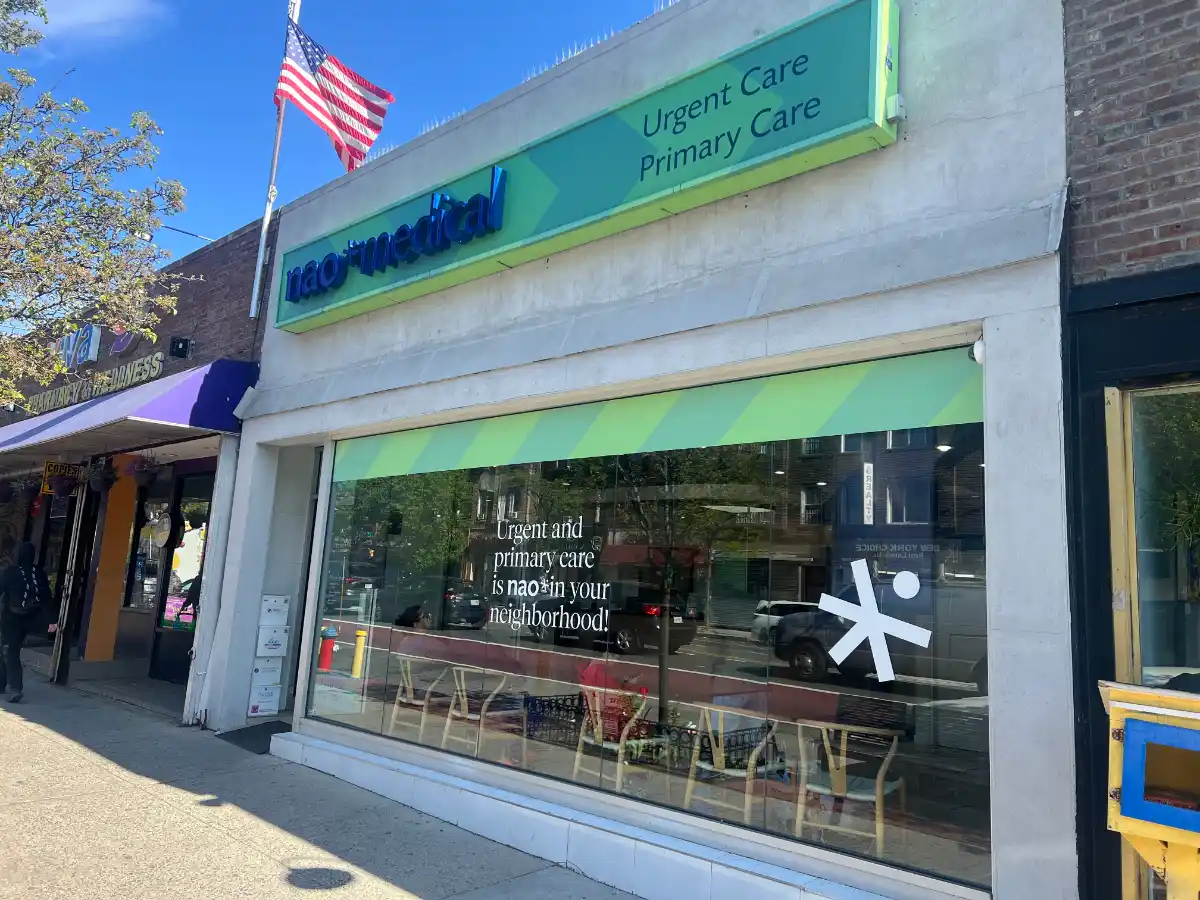
Queens
80-10 Northern Blvd, Jackson Heights, NY 11372
A Queens access point for addiction medication review, Suboxone or buprenorphine follow-up, and alcohol-use medication discussion. It also supports tobacco-cessation medication planning and coordinated behavioral-health support. It serves patients in Jackson Heights, Elmhurst, Corona, and nearby Queens neighborhoods.
View local medication support Get directions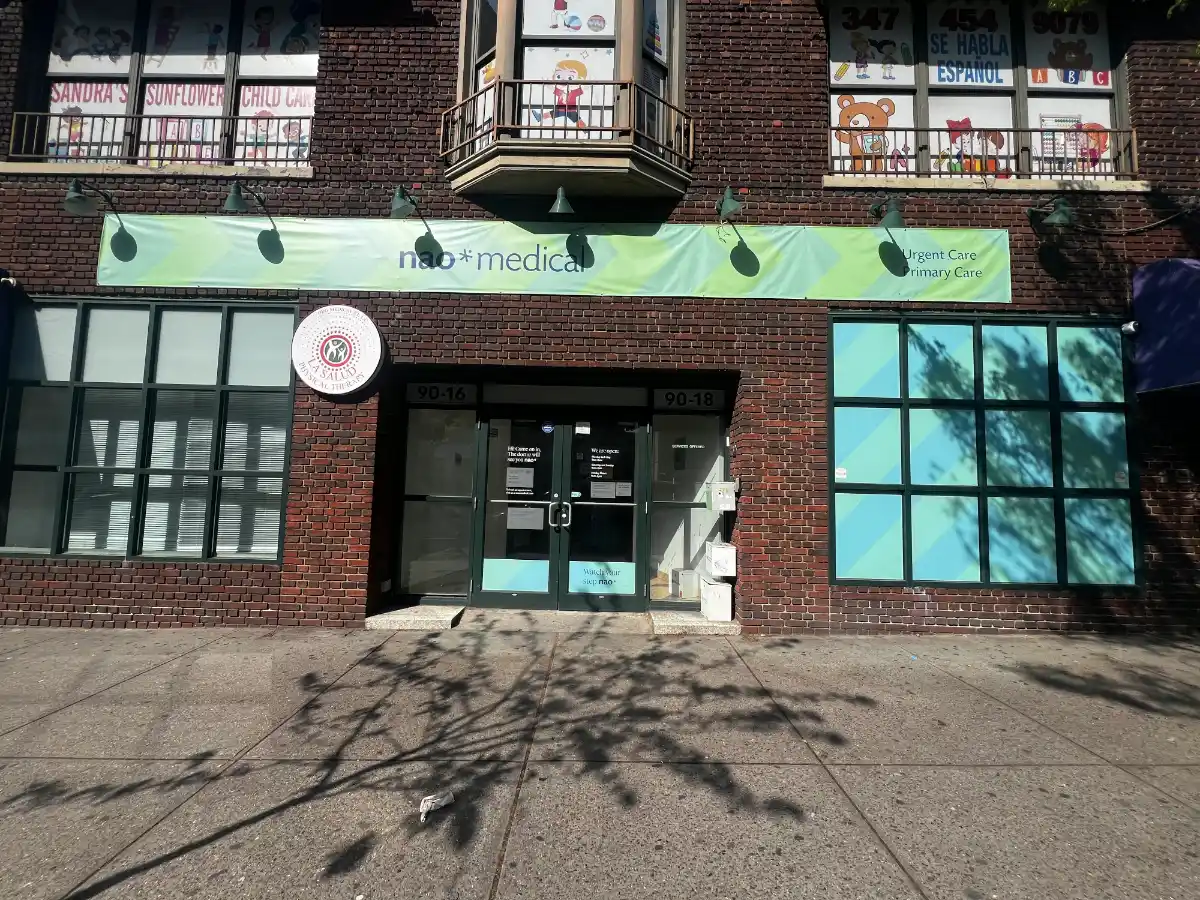
Queens
90-18 Sutphin Blvd, Jamaica, NY 11435
A Queens access point for addiction medication review, Suboxone or buprenorphine follow-up, and alcohol-use medication discussion. It also supports tobacco-cessation medication planning and coordinated behavioral-health support. It serves patients in Jamaica, Briarwood, Richmond Hill, and nearby Queens neighborhoods.
View local medication support Get directions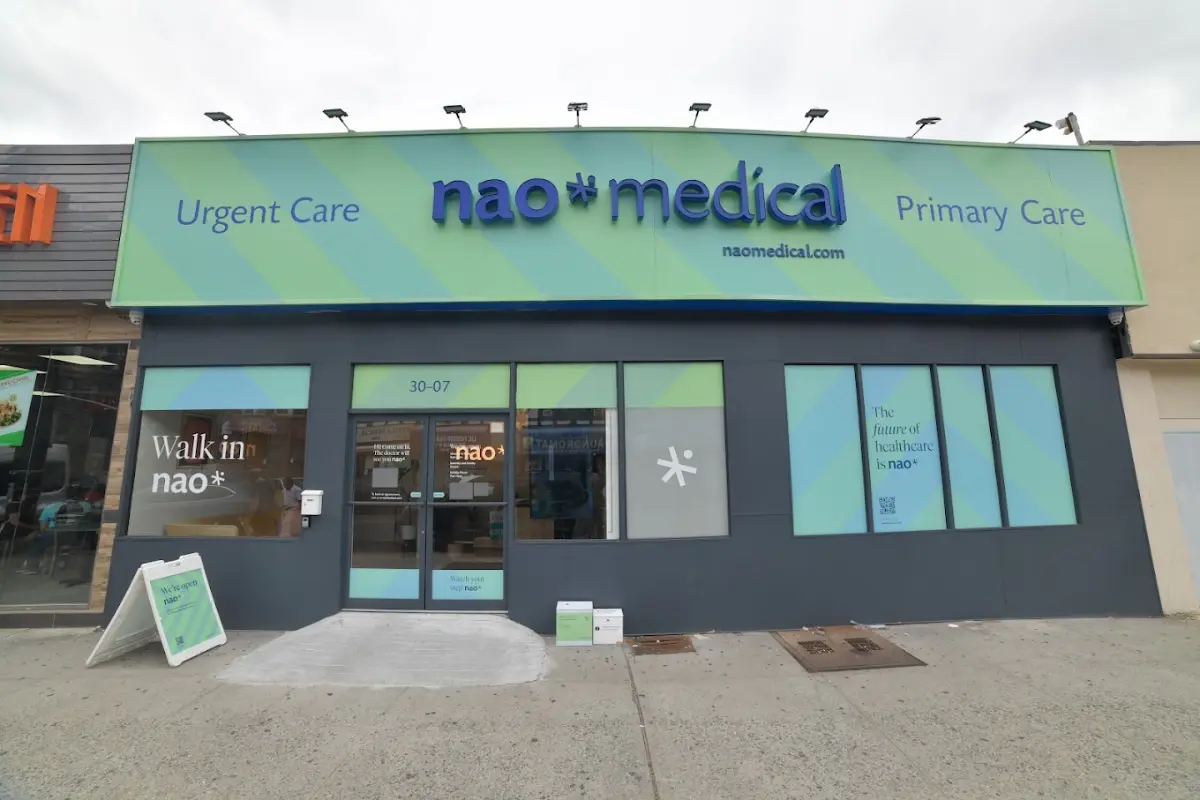
Queens
30-07 36th Ave, Astoria, NY 11106
A Queens access point for addiction medication review, Suboxone or buprenorphine follow-up, and alcohol-use medication discussion. It also supports tobacco-cessation medication planning and coordinated behavioral-health support. It serves patients in Long Island City, Astoria, Sunnyside, and nearby Queens neighborhoods.
View local medication support Get directions
Long Island
135 Mineola Blvd, Mineola, NY 11501
A Long Island access point for addiction medication review, Suboxone or buprenorphine follow-up, and alcohol-use medication discussion. It also supports tobacco-cessation medication planning and coordinated behavioral-health support. It serves patients in Mineola, Garden City, Westbury, and nearby Nassau County communities.
View local medication support Get directions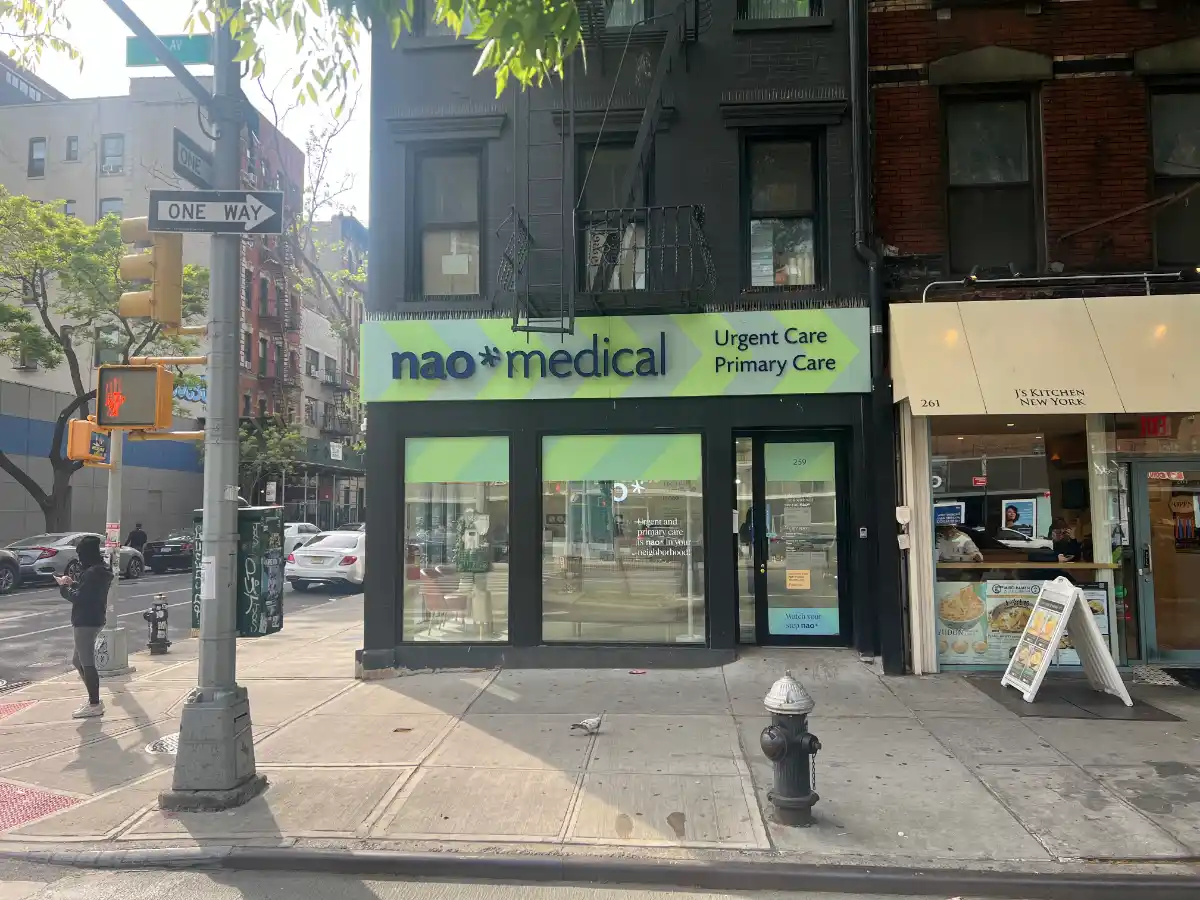
Manhattan
259 1st Ave, New York, NY 10003
A Manhattan access point for addiction medication review, Suboxone or buprenorphine follow-up, and alcohol-use medication discussion. It also supports tobacco-cessation medication planning and coordinated behavioral-health support. It serves patients in StuyTown, East Village, Gramercy, and nearby Manhattan neighborhoods.
View local medication support Get directions
Brooklyn
308 Graham Ave, Brooklyn, NY 11211
A Brooklyn access point for addiction medication review, Suboxone or buprenorphine follow-up, and alcohol-use medication discussion. It also supports tobacco-cessation medication planning and coordinated behavioral-health support. It serves patients in Williamsburg, Greenpoint, Bushwick, and nearby Brooklyn neighborhoods.
View local medication support Get directionsDaily buprenorphine-naloxone care for opioid-use disorder when clinically appropriate.
Medication review for opioid withdrawal timing, cravings, stabilization, and follow-up.
Monthly injectable buprenorphine review for eligible patients who are already stabilized on buprenorphine.
Naltrexone options for alcohol-use disorder and opioid relapse prevention after opioid-free planning.
Naltrexone, acamprosate, and disulfiram discussion for alcohol-use disorder when appropriate.
Medication works best when paired with counseling, follow-up, relapse planning, and mental-health support.
Support for relatives who need help encouraging care without shame or coercion.
Nao Medical provides outpatient addiction care. The first visit can focus on the immediate clinical question and medication planning when relevant. When wanted or clinically recommended, the care plan can also include counseling, recovery support, and closer follow-up. Related information: outpatient addiction care.
Patients who want more support can add counseling, relapse-prevention work, care coordination, and recovery follow-up through the outpatient addiction program.
Coverage depends on your exact plan, clinician, location and service. Check participation and expected charges with the clinic and your insurer before booking. Review addiction-treatment insurance support
Content was updated August 2, 2026 from the cited sources and Nao Medical's current service information. Medical guidance, prescribing information, medication availability, and insurance rules can change. A licensed clinician must confirm current information and determine each patient's eligibility, testing, treatment, administration setting, and follow-up. Call 911 for a medical emergency. Contact Nao Medical with a question or correction.