Addiction medication treatment in Astoria
Outpatient addiction care helps with alcohol, opioid or other substance-use concerns while you live outside a residential program. Treatment can include medical assessment, appropriate medicines, counseling and recovery support.
Medication decisions require clinical review. A medication that helps one person may be unsafe for another because of recent substance use, withdrawal timing, pregnancy, liver or kidney disease, seizure history, opioid exposure, psychiatric symptoms, current prescriptions, or overdose risk.
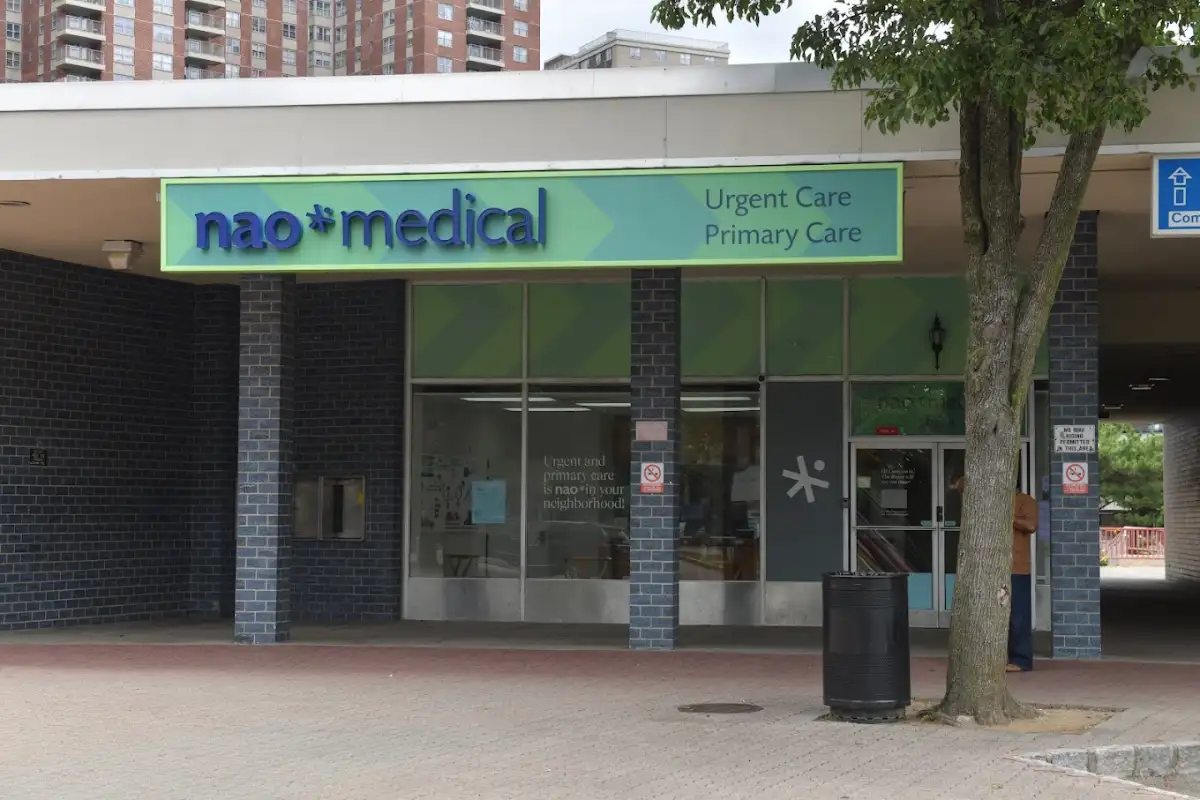
37-15 23rd Ave, Astoria, NY 11105
Comparing medications for substance use disorders
Approved addiction medicines have specific indications and different starting requirements. A medicine used for opioids is not automatically suitable for alcohol, stimulants, cannabis or gambling. The evaluation matches the diagnosed disorder, treatment goal and health history to the options.
Compare by disorder and clinical need
OUD options include buprenorphine, methadone and naltrexone pathways. AUD options include naltrexone, acamprosate and disulfiram. Tobacco treatment has a different group of medicines. Stimulant and cannabis use disorders do not have an FDA-approved medication, although selected off-label treatment may be discussed.
Compare the work of treatment
Consider daily versus administered medication, kidney and liver health, opioid exposure, withdrawal, interactions, monitoring and the actual access pathway. Price or visit frequency alone does not decide suitability.
Treatment for opioid use disorder
Treatment for opioid use disorder starts with an assessment of opioid use, withdrawal, overdose risk and what you want to change. Medicines can reduce withdrawal or cravings and help protect recovery. Treatment can be appropriate after heroin, fentanyl, nonprescribed pills or problematic prescription opioid use. An evaluation is still useful if you are uncertain about the diagnosis or have returned to use after earlier treatment.
How treatment for opioid use disorder works
Buprenorphine and methadone activate opioid receptors in controlled ways; naltrexone blocks them and requires an opioid-free starting point. They have different entry requirements and do not offer an identical experience. Naloxone reverses an opioid overdose but is not ongoing OUD treatment. Withdrawal management by itself does not resolve the longer-term risk of relapse and overdose.
Eligibility: Treatment for opioid use disorder
The clinician reviews frequency and route of use, loss of control, consequences, tolerance and withdrawal, while distinguishing prescribed use and physical dependence from OUD. Pregnancy, severe symptoms, intoxication, other substance use and health conditions affect the safest setting. Bring any current OUD prescription: transferring care does not necessarily mean starting over, but records and an assessment are needed.
What to expect: Treatment for opioid use disorder
Assess immediate safety and history
Describe the last opioid use, uncertain pill contents, prior overdoses and current symptoms. Include alcohol, sedatives, stimulants and pain treatment. The clinician assesses whether an outpatient plan is safe or whether urgent, hospital or another level of care is needed. An overdose or unstable condition should not wait for an ordinary clinic appointment.
Choose an evidence-based medicine
Compare buprenorphine, methadone and naltrexone against your clinical needs and preferences. Buprenorphine initiation needs a safe plan after recent opioid exposure. Methadone for OUD generally requires an opioid treatment program. Naltrexone requires detoxification and opioid-free assessment. A clinic should help with a suitable referral when the chosen treatment is outside its verified services.
Build the practical treatment plan
Clarify formulation, pharmacy or injection logistics, return visits, monitoring and whom to call for access problems. Address pain and mental-health treatment at the same time. Discuss counseling, recovery support and barriers such as transportation, housing or work hours without assuming one service can provide every resource.
Prepare for setbacks and emergencies
Have naloxone and an overdose-response plan. Identify what to do after missed medication, renewed use or hospital discharge. A return to use needs reassessment of symptoms, dose coverage and other risks; it should not be hidden because you fear the visit will be wasted.
Preparing for your appointment
Bring identification if required for registration, a medication list, pharmacy details, recent treatment records and relevant insurance information. Tell the clinician if you are nearly out of medication or cannot obtain it. Ask how the first prescription or injection is arranged and what follow-up is required. Do not take borrowed treatment or create an opioid-free interval without advice to prepare for the visit.
Risks and when to seek help
Call 911 for possible overdose, slow breathing, unresponsiveness, severe chest pain or collapse. Use available naloxone for suspected opioid overdose and follow the product instructions. Alcohol and sedatives can sharply increase risk with opioids or OUD medicines. After a period without opioids, tolerance can be lower, making return to previous use especially dangerous. Pregnancy, dehydration or uncontrolled withdrawal can require urgent assessment.
Follow-up and treatment review
Ongoing visits review withdrawal, craving patterns, substance use, function and medication effects. Testing, when clinically appropriate, should help interpret the treatment picture; it is not a complete diagnosis by itself. Discuss whether the plan needs more support, a different formulation or another treatment setting. Effective medication may continue for a long time. Stopping requires a plan for relapse prevention and overdose safety.
Appointments, costs and coverage
Ask what the service actually provides: evaluation, ongoing prescribing, injections, counseling or referral. Confirm the specific location, appointment availability, fees and pharmacy or payer requirements. Same-day availability depends on assessment, the intended service and supply. If the requested medicine is unavailable, ask for a safe interim or referral plan rather than waiting without a next step.
Booking and visit preparation
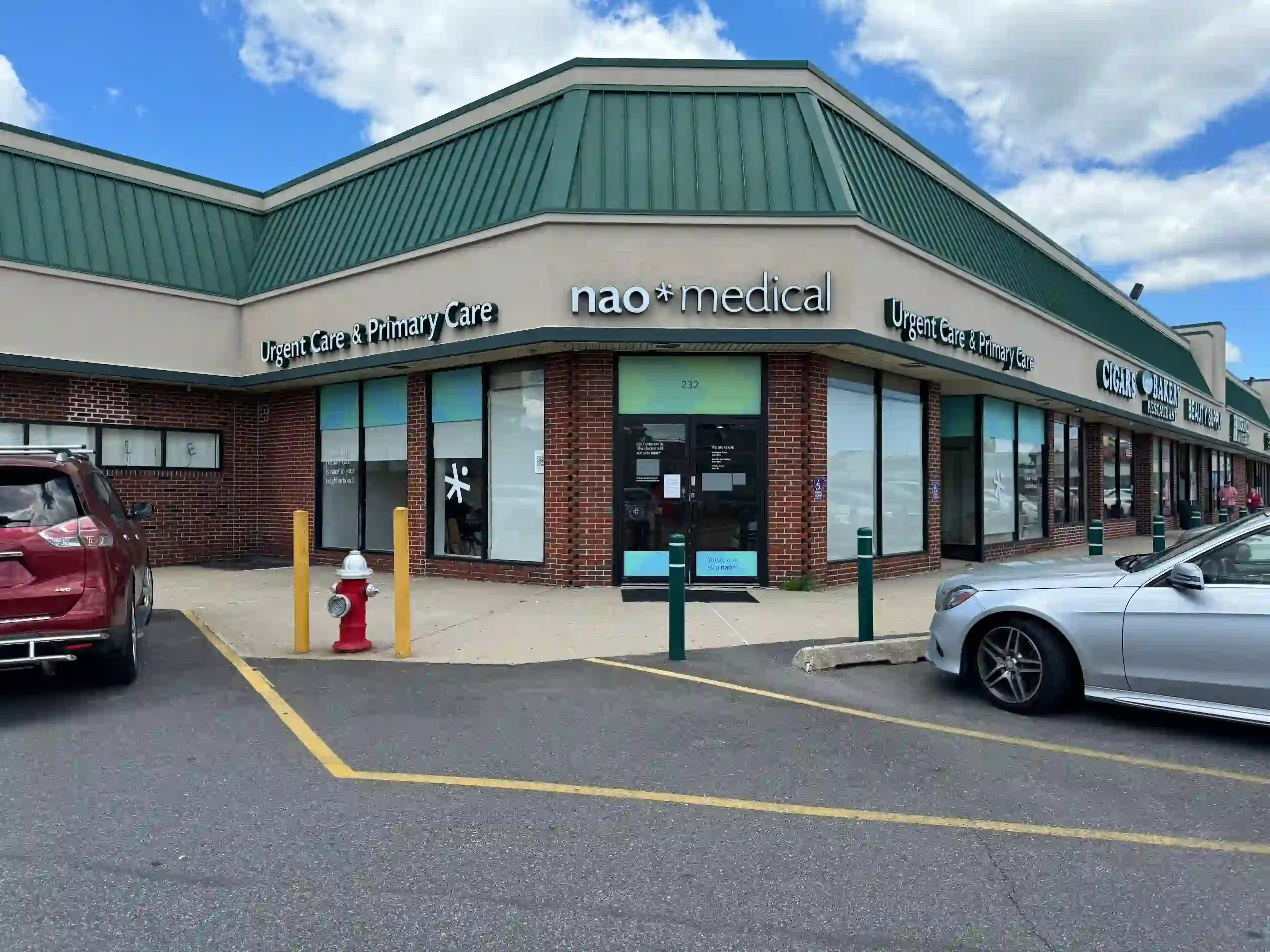
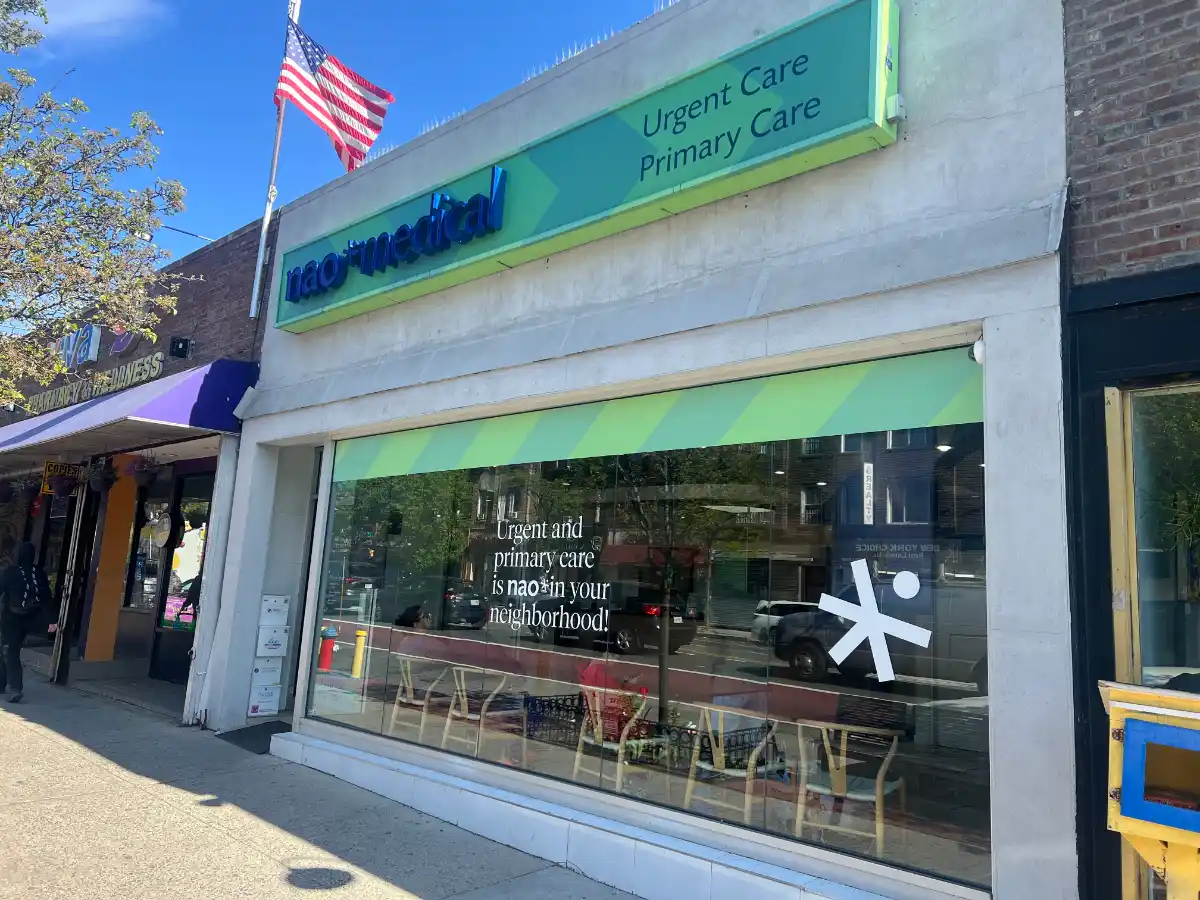
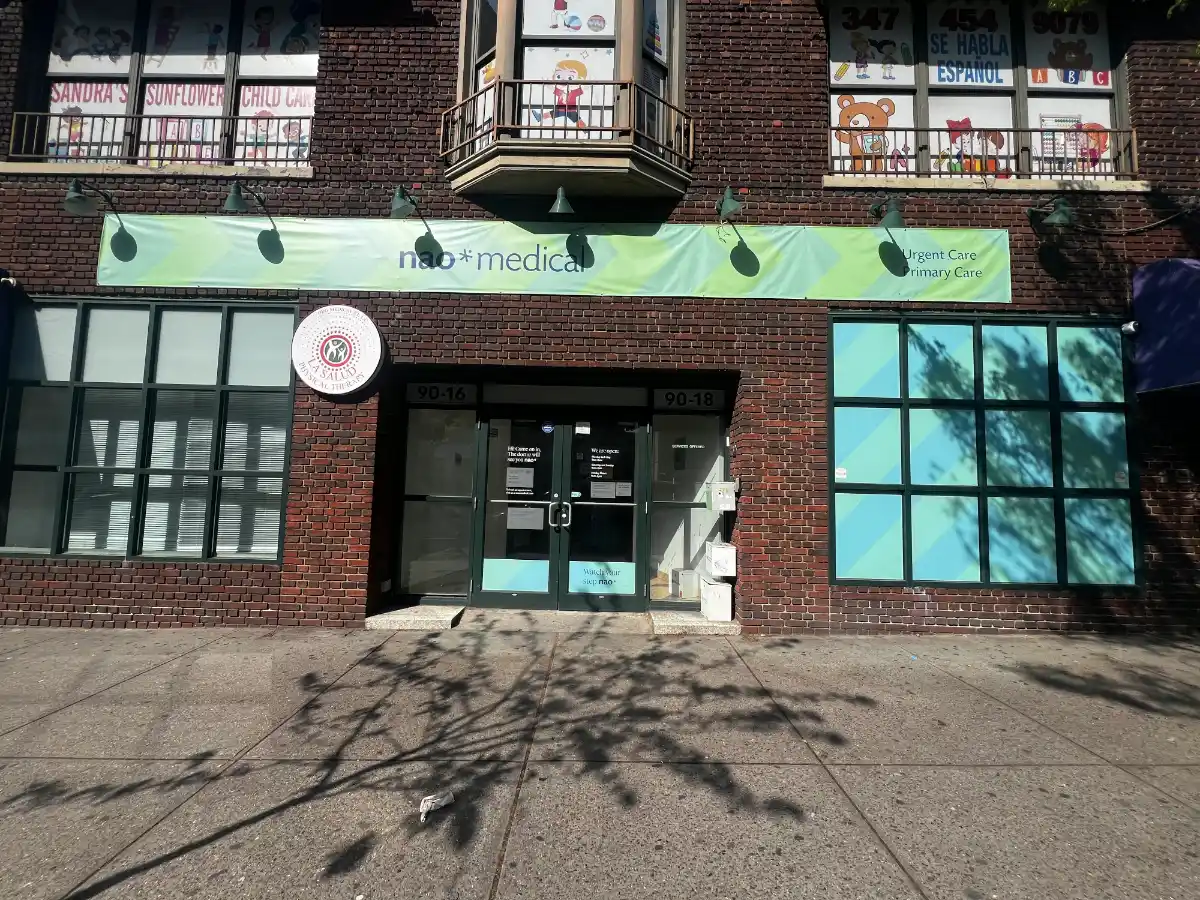
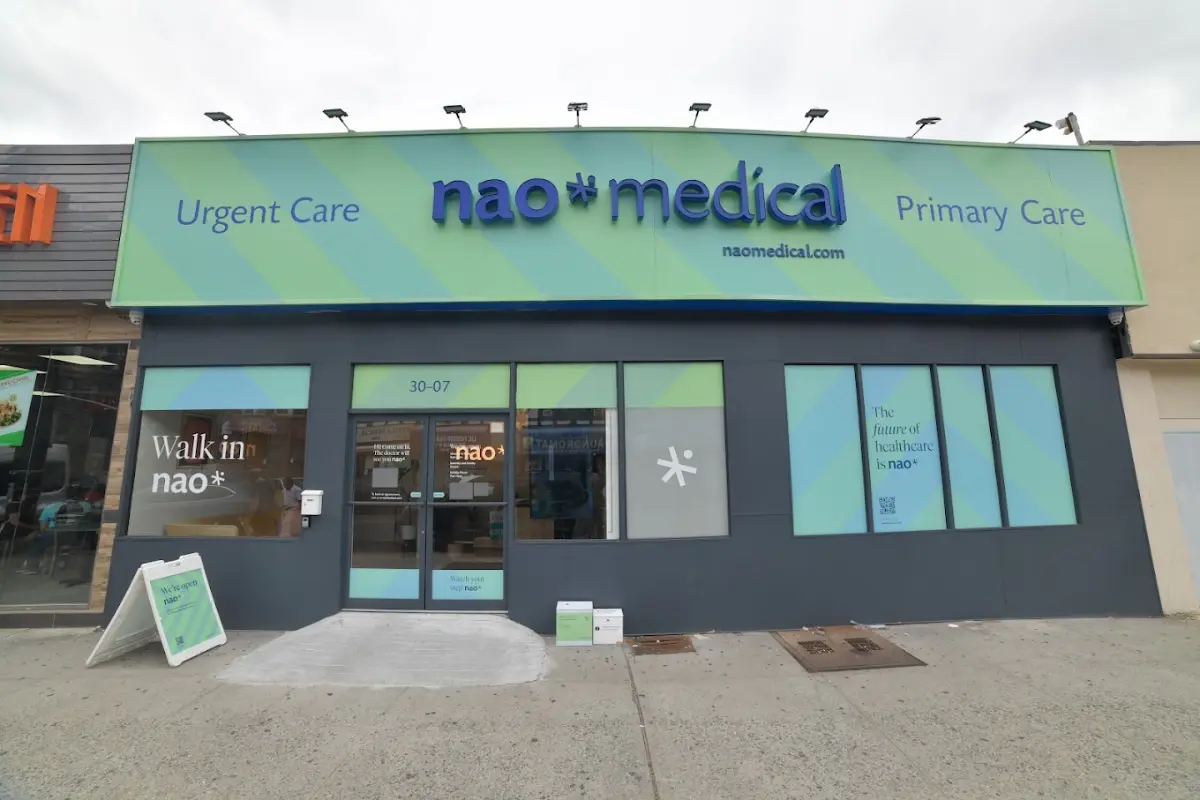
Nao Medical Astoria: 37-15 23rd Ave, Astoria, NY 11105. Call +1-917-310-3371 to confirm the specific service, clinician and appointment before travelling.
Clinic information
Contact the clinic to confirm this service, the clinician and appointment preparation. General clinic hours may differ from service appointment times.
Nao Medical Astoria Urgent Care
37-15 23rd Ave, Astoria, NY 11105Call +1-917-310-3371
General clinic hours
- Monday
- 8:00 am to 7:00 pm
- Tuesday
- 8:00 am to 7:00 pm
- Wednesday
- 8:00 am to 7:00 pm
- Thursday
- 8:00 am to 7:00 pm
- Friday
- 8:00 am to 5:30 pm
- Saturday
- 9:00 am to 4:00 pm
- Sunday
- Closed
Directions Clinic details Book urgent care
Questions about your care
Can I get addiction medication treatment in Astoria?
Contact the exact service and clinic to confirm the qualified clinician, evaluation modality and available treatment pathway. An electronic prescription, when clinically appropriate, goes to the agreed pharmacy; confirm that pharmacy’s fill and stock status separately. Describe a medication gap promptly and keep the current prescriber involved until responsibility is clear.
What is the address for the Astoria clinic?
The current public clinic record lists 37-15 23rd Ave, Astoria, NY 11105. Confirm the requested service, clinician capability, appointment and any medication delivery at this exact site before traveling. A clinic address does not establish that it administers every treatment.
Can every medication be prescribed at the first visit?
No. The clinician assesses the substance, diagnosis, current exposure, withdrawal, other medicines, organ function and appropriate level of care before prescribing. Some medicines require opioid-free time, an observed tolerability step, laboratory work or a specialized program. A first visit does not guarantee every medication or an injection that day. Describe urgent withdrawal or a treatment gap promptly.
Can the visit review cocaine, methamphetamine, or cannabis medication questions?
The assessment can review the exact substance, coexisting conditions and prior treatments. No medication is FDA-approved specifically for cocaine, methamphetamine or cannabis-use disorder. Evidence-based behavioral care and selected specialist off-label options differ from opioid/alcohol/tobacco medication pathways. Confirm that the selected clinician and program provide the needed assessment.
Does insurance cover addiction medication visits?
Have your insurance card ready when booking. Share member details through the clinic’s confirmed secure intake process. Check with the clinic and your insurer that the exact plan covers the clinician and requested service. Ask about visit charges, any separately billed tests or medicines, and any referral or authorization requirement. Coverage and your copay or deductible depend on the plan; request a written estimate if paying yourself.
Medical sources
Nao Medical clinic and service information