Vivitrol treatment
Monthly injectable naltrexone for alcohol dependence or opioid relapse prevention after opioid-free planning.


Medication decisions require clinical review. A medication that helps one person may be unsafe for another. The review considers recent substance use, withdrawal timing, pregnancy, liver or kidney disease, seizure history, opioid exposure, psychiatric symptoms, current prescriptions, and overdose risk.
Coverage depends on your exact plan, clinician, location and service. Check participation and expected charges with the clinic and your insurer before booking.


Oral naltrexone is a prescription tablet used in alcohol-dependence treatment and to block opioid effects in a comprehensive treatment program. For alcohol use disorder, the evaluation considers drinking goals, withdrawal safety, liver health and whether a daily medicine is practical. For someone with opioid exposure, safe opioid-free initiation is central even if alcohol is the main reason for the visit.
Naltrexone blocks opioid receptors rather than activating them. It can reduce the rewarding effects of alcohol and support changes in drinking. It is not disulfiram: it does not work by deliberately causing an alcohol-aversion reaction. It does not prevent intoxication or treat acute alcohol withdrawal. It can also block opioid pain medicine and can trigger severe withdrawal in a person who is physically dependent on opioids.
Tell the clinician about all opioids, including tramadol, cough/diarrhea products, methadone, buprenorphine and nonprescribed pills. Current opioid use or dependence, opioid withdrawal and relevant screening results may make treatment unsafe. Liver disease needs review of its type, severity, symptoms and test results; one liver-enzyme value does not settle suitability. Pregnancy, breastfeeding, mental-health symptoms and planned pain treatment also affect the choice.
Describe how often you drink, how much, the last drink and any past withdrawal symptoms. Discuss whether your goal is abstinence or another clinician-supported change. If stopping alcohol could cause dangerous withdrawal, arrange appropriate assessment before treating the tablet as the next step.
The clinician reviews medication history, liver health and other conditions, and determines whether tests or additional records are needed. An opioid-free plan is necessary when exposure could cause precipitated withdrawal. Do not stop an opioid or buprenorphine suddenly just to begin naltrexone.
Ask for written product instructions, what to do after a missed dose and whom to contact for nausea, dizziness or other side effects. Describe travel, shift work or situations that lead you to skip medicine. A daily tablet may fit differently from a monthly injection.
Follow-up looks at drinking, cravings, adherence, mood, side effects and support. Persistent urges are a reason to review the plan, not to add extra tablets. Behavioral treatment and practical changes to triggers can be addressed alongside medication.
Bring medication containers, the last opioid use date, alcohol history, prior treatment records and recent liver tests if available. Tell the prescriber about chronic pain and planned operations or dental work. Ask whether the prescribed plan is daily or another clinician-selected schedule. Online discussions of targeted naltrexone are not instructions to replace the prescription you receive.
Do not use opioids to test the medicine or try to overcome its blocking effect. Opioid tolerance may be lower after stopping naltrexone, increasing overdose risk if use returns. Discuss an overdose-reversal plan when relevant. Contact the clinician urgently for jaundice, dark urine or persistent abdominal pain. Report worsening depression or major mood changes. Do not drive while dizzy or impaired. Drinking can still lead to alcohol poisoning and injuries despite taking naltrexone.
The team may arrange liver monitoring based on your history and the current label. Keep an honest record of drinking, cravings, missed tablets and adverse effects so follow-up answers a specific question. If you are considering Vivitrol, review its different administration and starting requirements. If a medication gap occurs alongside renewed opioid use, contact the prescriber before restarting.
Ask the pharmacy to confirm the prescribed formulation, coverage and fill status. Visit charges, tests and the medicine may be billed separately. A generic tablet and an injection need different coverage and appointment arrangements. If the daily routine is difficult, ask about treatment alternatives and adherence support rather than assuming an injection is automatically available or affordable.
Oral naltrexone is a prescription tablet used in alcohol-dependence treatment and to block opioid effects in a comprehensive treatment program. For alcohol use disorder, the evaluation considers drinking goals, withdrawal safety, liver health and whether a daily medicine is practical. For someone with opioid exposure, safe opioid-free initiation is central even if alcohol is the main reason for the visit.
Naltrexone blocks opioid receptors rather than activating them. It can reduce the rewarding effects of alcohol and support changes in drinking. It is not disulfiram: it does not work by deliberately causing an alcohol-aversion reaction. It does not prevent intoxication or treat acute alcohol withdrawal. It can also block opioid pain medicine and can trigger severe withdrawal in a person who is physically dependent on opioids.
Tell the clinician about all opioids, including tramadol, cough/diarrhea products, methadone, buprenorphine and nonprescribed pills. Current opioid use or dependence, opioid withdrawal and relevant screening results may make treatment unsafe. Liver disease needs review of its type, severity, symptoms and test results; one liver-enzyme value does not settle suitability. Pregnancy, breastfeeding, mental-health symptoms and planned pain treatment also affect the choice.
Yes. Vivitrol contains extended-release naltrexone and is given by a healthcare professional as a monthly intramuscular injection. Oral naltrexone is a tablet with different instructions and access steps. Shared ingredient does not make their initiation or administration interchangeable.
Naltrexone blocks opioid receptors; it is different from buprenorphine, which partially activates them. Starting naltrexone while physically dependent on opioids can cause severe precipitated withdrawal. Vivitrol generally requires at least 7–10 opioid-free days after short-acting opioids; people transitioning from buprenorphine or methadone can remain vulnerable for up to two weeks. The clinician verifies readiness and the current label—do not stop opioids or choose a waiting period on your own.
Have your insurance card ready when booking. Share member details through the clinic’s confirmed secure intake process. Check with the clinic and your insurer that the exact plan covers the clinician and requested service. Ask about visit charges, any separately billed tests or medicines, and any referral or authorization requirement. Coverage and your copay or deductible depend on the plan; request a written estimate if paying yourself.
FDA-approved medications exist for opioid-use disorder (buprenorphine, methadone and naltrexone), alcohol-use disorder (naltrexone, acamprosate and disulfiram), and tobacco dependence (nicotine replacement, varenicline and bupropion SR). There is no FDA-approved medication specifically for cocaine, methamphetamine or cannabis-use disorder. Evidence-based behavioral care is important; selected off-label medicines require a clinician’s rationale. Hydrocodone, oxycodone, codeine and local anesthetics are not approved addiction-treatment substitutes.
That requires individual review. The clinician considers symptoms, the diagnosis, current test results and the risks of continued drinking. Do not start or stop from a forum reassurance or a single laboratory number. Report symptoms of possible liver injury promptly.
Tell the clinician about their timing, drinking, missed doses, stress and side effects. Responses vary, and the medication is one treatment tool. The plan may need better adherence support, behavioral care or a different medication. Do not increase the dose yourself.
No. Naltrexone is a prescription opioid antagonist and is not a federally scheduled controlled substance in the United States. It blocks opioid receptors rather than activating them, and does not produce opioid physical dependence. That does not make it safe to start with opioids: it can trigger severe withdrawal in someone who is opioid-dependent. The clinician must review opioid exposure and the opioid-free starting plan, even when the reason for treatment is alcohol use disorder.
The answer differs for tablets and injections. For oral naltrexone, the label gives average elimination half-lives of about four hours for naltrexone and thirteen hours for its active metabolite. The opioid-blocking effect can last longer than the parent drug’s half-life; studies of the labeled 50-mg tablet found blockade lasting as long as 24 hours. Vivitrol is a depot injection with effects lasting about a month. These are not personal clearance or opioid-safety deadlines. Tell the treating clinician which product you took and when.
Sleepiness can occur with oral naltrexone; dizziness and fatigue are also reported. Tell the prescriber when symptoms started, the tablet schedule and all other medicines or substances used. Do not drive or operate machinery while sleepy or dizzy. Persistent sleepiness, impaired daily function or a new side effect needs review rather than an extra dose or a change made on your own. Difficulty waking or trouble breathing needs emergency help.
Ask the prescribing clinician about stopping and the plan for the condition being treated. Naltrexone does not cause opioid physical dependence, so stopping it differs from stopping an opioid such as buprenorphine. However, low-dose use for conditions such as fibromyalgia is off-label, with uncertain benefit and no FDA-approved regimen for that purpose. Symptoms being treated may return. Tell the clinician if you need opioid pain medicine or have used opioids during a gap; restarting naltrexone can be unsafe after new opioid exposure.
Weight changes have been reported, but naltrexone by itself is not an FDA-approved weight-loss treatment. Contrave is a separate, approved weight-management product that combines naltrexone with bupropion and has its own eligibility, dosing and safety requirements. Taking extra naltrexone or adding bupropion yourself is not an equivalent plan. If weight management is the goal, ask for an assessment rather than expecting an alcohol- or opioid-treatment prescription to produce a particular weight loss.
After an oral dose, naltrexone and its active metabolite reach peak blood levels within about one hour. That is not a promise that cravings or drinking will improve within an hour. Benefit depends on the condition, adherence and the broader care plan, and is reviewed at follow-up. Naltrexone does not treat acute alcohol withdrawal or relieve opioid withdrawal. Starting while opioid-dependent can cause severe withdrawal. The label generally calls for at least 7–10 opioid-free days after short-acting opioids. Vulnerability can last longer after methadone or buprenorphine. Your clinician determines readiness.
Monthly injectable naltrexone for alcohol dependence or opioid relapse prevention after opioid-free planning.
Compare naltrexone with acamprosate and disulfiram.
Compare naltrexone with buprenorphine and Sublocade options.
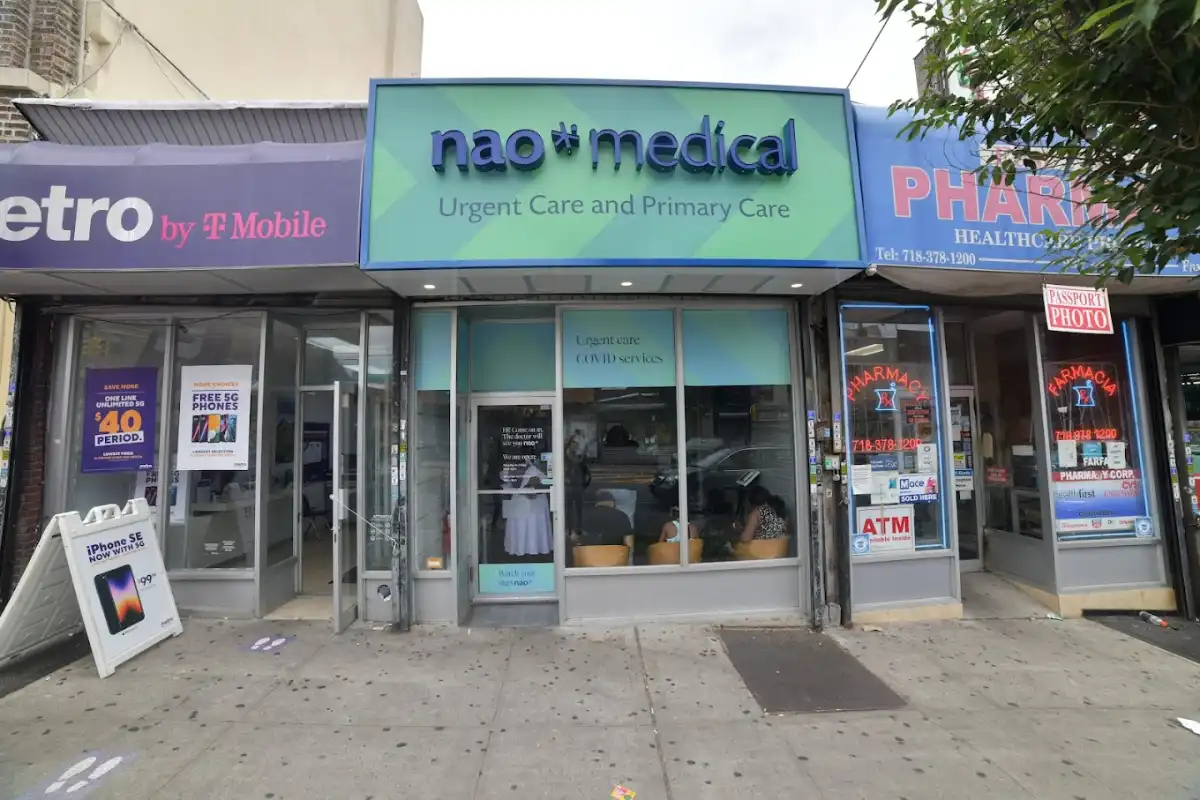
Bronx
932 E 174th St, Bronx, NY 10460
A Bronx access point for addiction medication review, Suboxone or buprenorphine follow-up, and alcohol-use medication discussion. It also supports tobacco-cessation medication planning and coordinated behavioral-health support. It serves patients in West Farms, Crotona Park East, and nearby Bronx neighborhoods.
View local medication support Get directions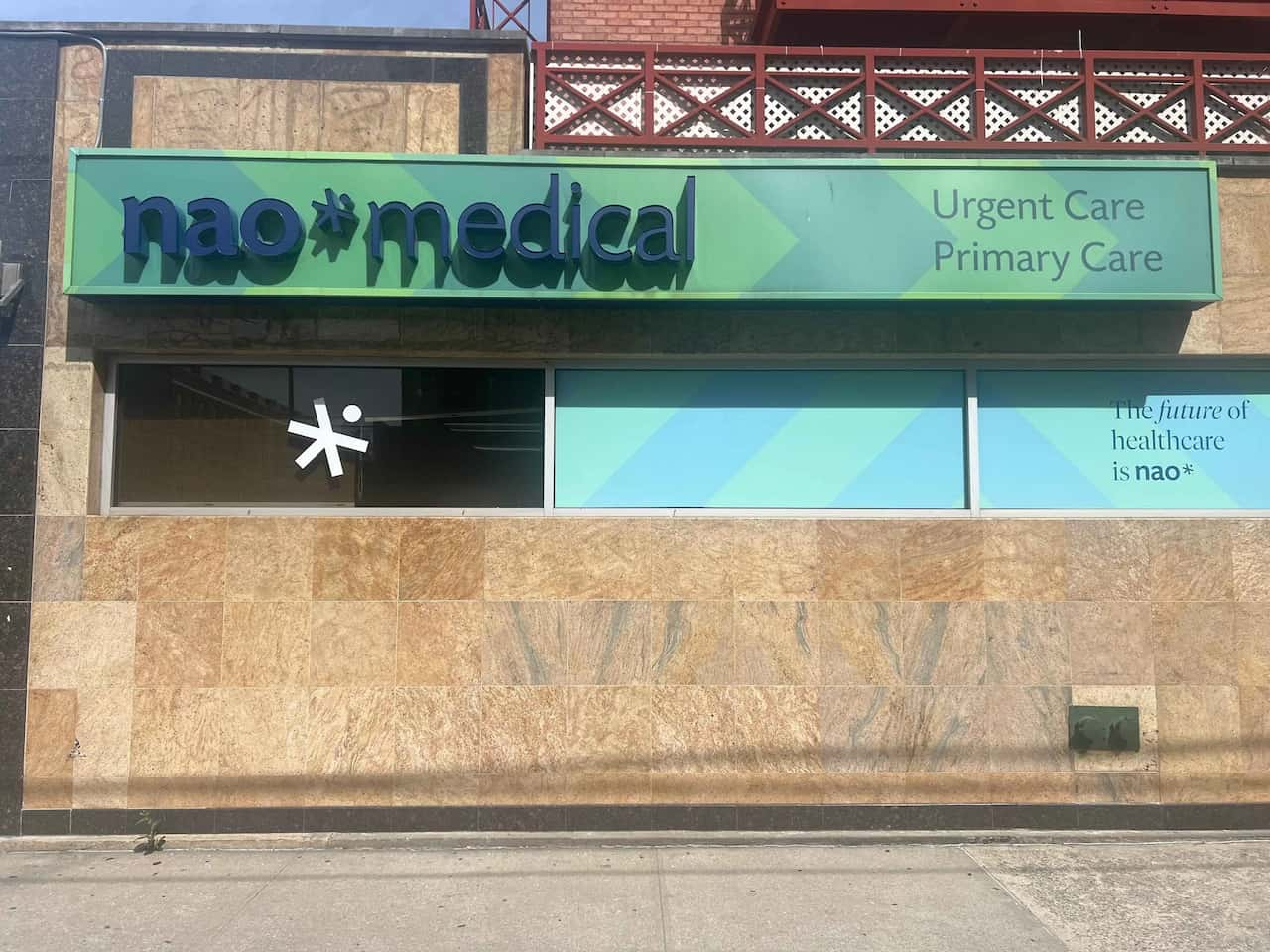
Queens
37-15 23rd Ave, Astoria, NY 11105
A Queens access point for addiction medication review, Suboxone or buprenorphine follow-up, and alcohol-use medication discussion. It also supports tobacco-cessation medication planning and coordinated behavioral-health support. It serves patients in Astoria, Ditmars, East Elmhurst, and nearby Queens neighborhoods.
View local medication support Get directions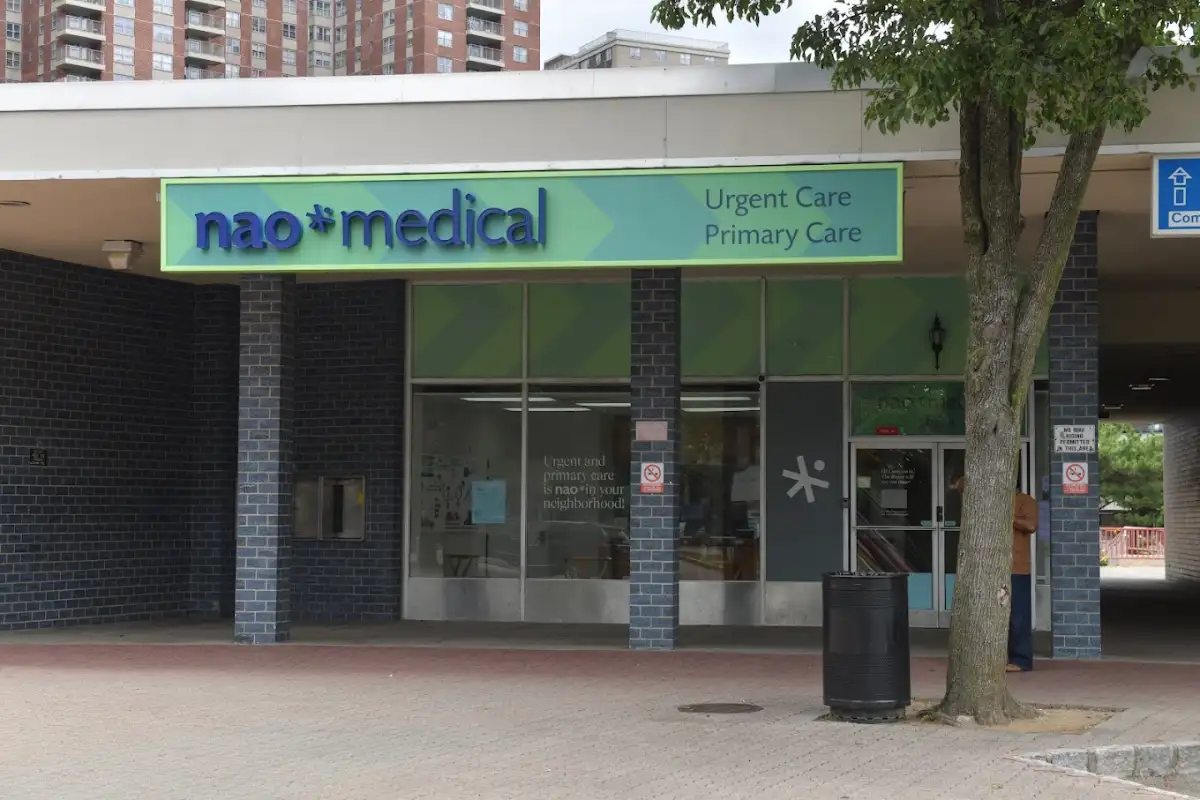
Bronx
2063A Bartow Ave, Bronx, NY 10475
A Bronx access point for addiction medication review, Suboxone or buprenorphine follow-up, and alcohol-use medication discussion. It also supports tobacco-cessation medication planning and coordinated behavioral-health support. It serves patients in Co-op City, Pelham Bay, Baychester, and nearby Bronx neighborhoods.
View local medication support Get directions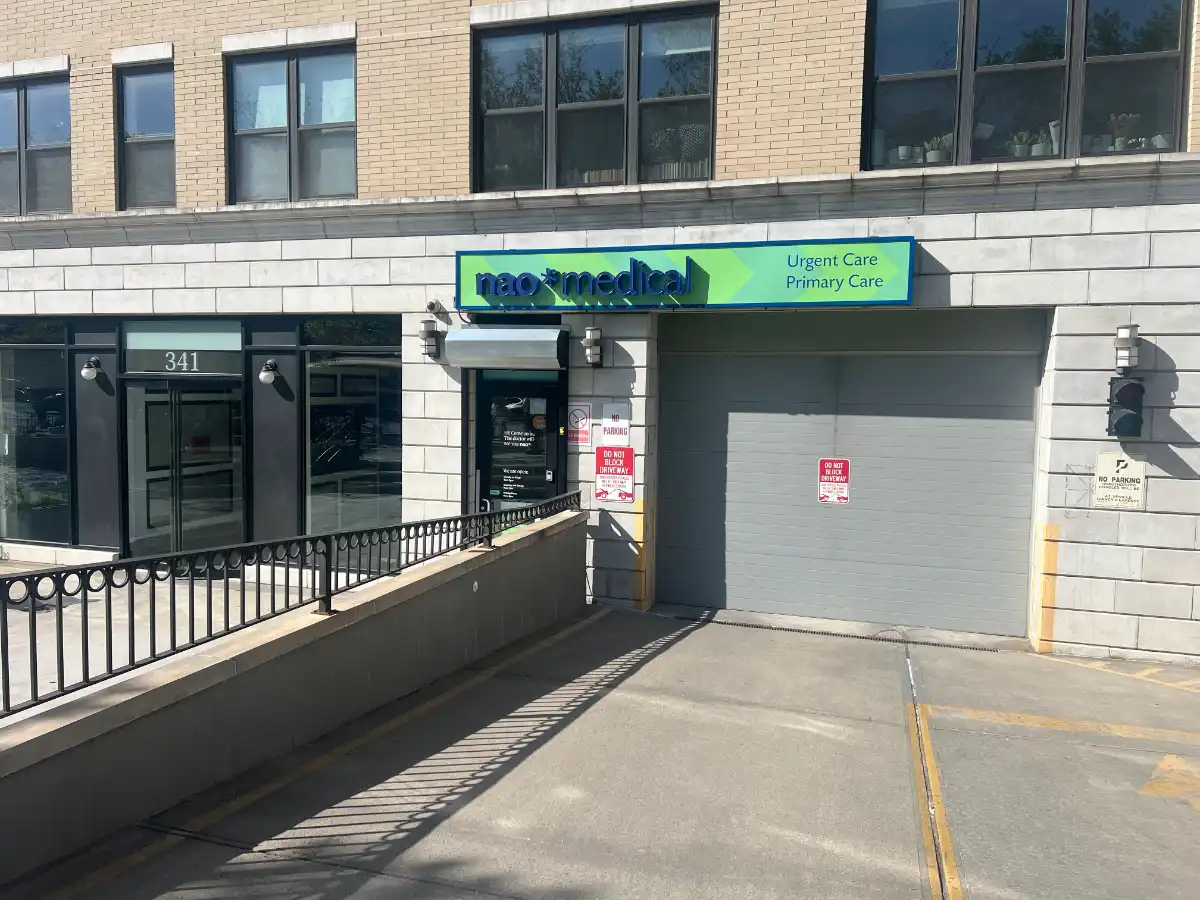
Brooklyn
341 Eastern Pkwy, Brooklyn, NY 11216
A Brooklyn access point for addiction medication review, Suboxone or buprenorphine follow-up, and alcohol-use medication discussion. It also supports tobacco-cessation medication planning and coordinated behavioral-health support. It serves patients in Crown Heights, Prospect Heights, and nearby Brooklyn neighborhoods.
View local medication support Get directions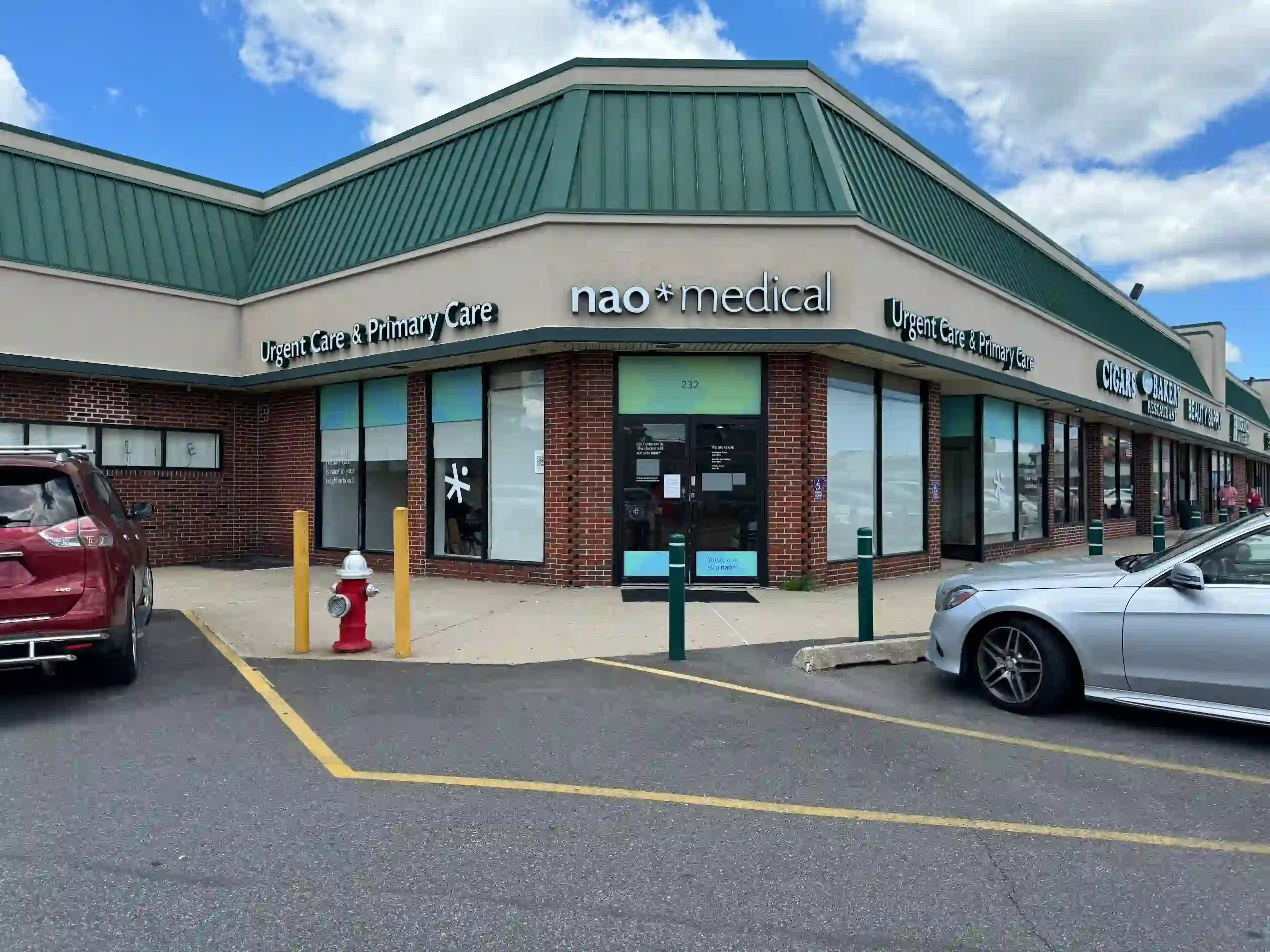
Long Island
232 W Old Country Rd, Hicksville, NY 11801
A Long Island access point for addiction medication review, Suboxone or buprenorphine follow-up, and alcohol-use medication discussion. It also supports tobacco-cessation medication planning and coordinated behavioral-health support. It serves patients in Hicksville, Plainview, Bethpage, and nearby Nassau County communities.
View local medication support Get directions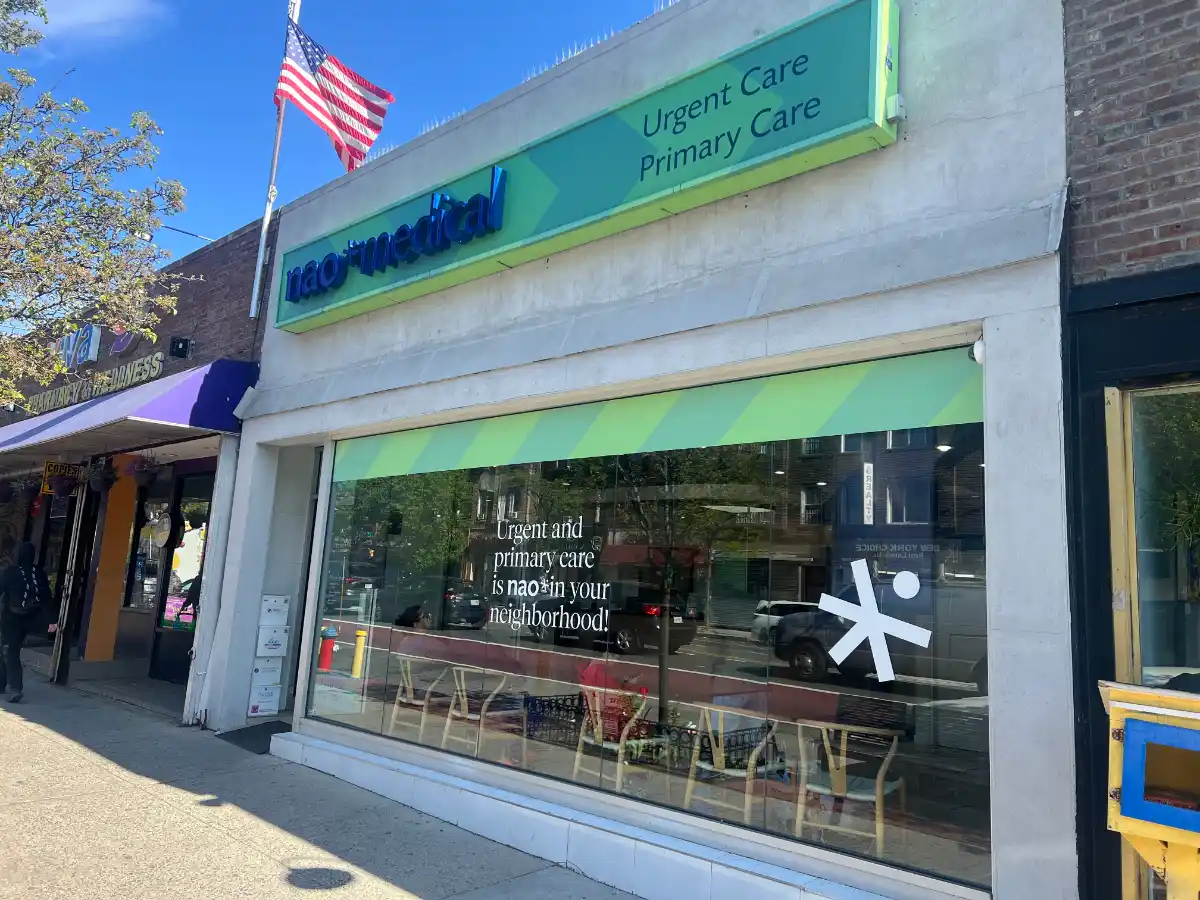
Queens
80-10 Northern Blvd, Jackson Heights, NY 11372
A Queens access point for addiction medication review, Suboxone or buprenorphine follow-up, and alcohol-use medication discussion. It also supports tobacco-cessation medication planning and coordinated behavioral-health support. It serves patients in Jackson Heights, Elmhurst, Corona, and nearby Queens neighborhoods.
View local medication support Get directions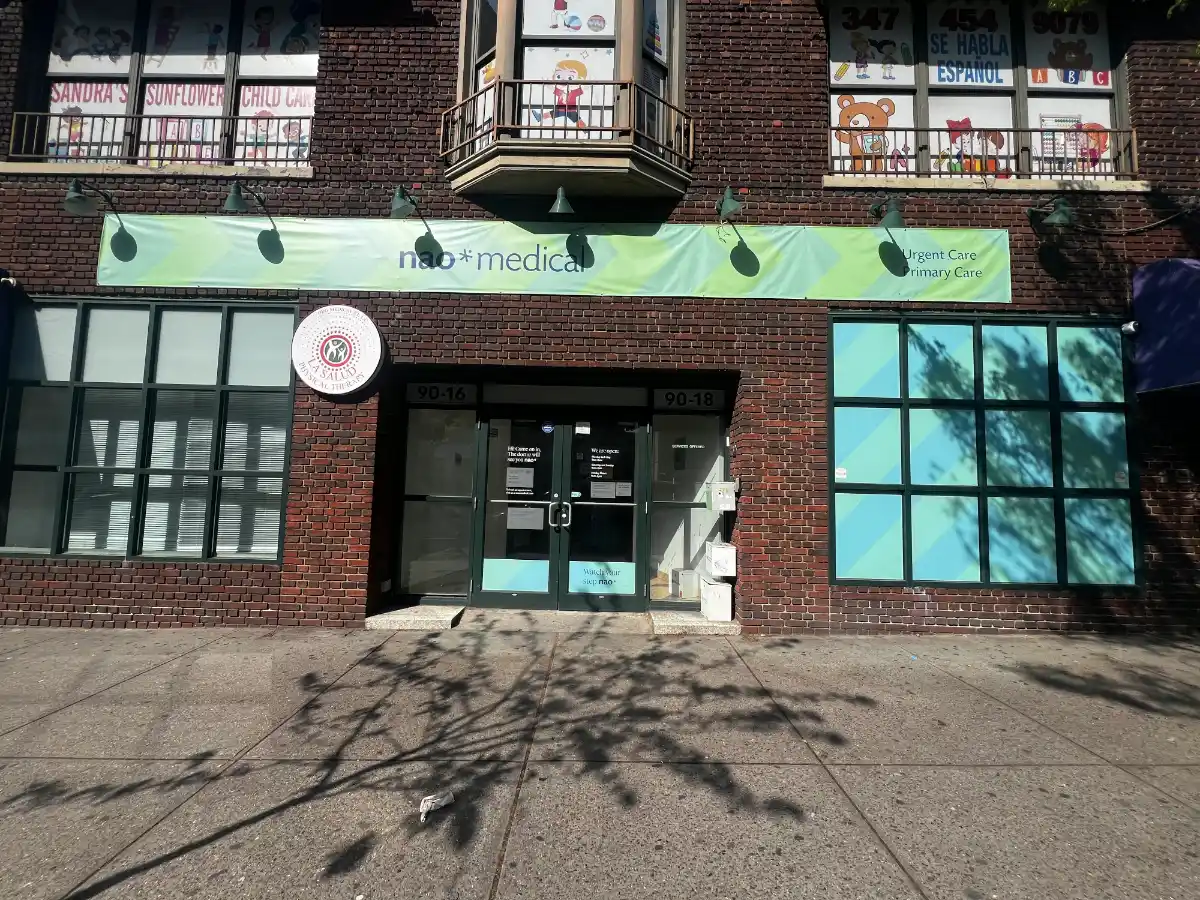
Queens
90-18 Sutphin Blvd, Jamaica, NY 11435
A Queens access point for addiction medication review, Suboxone or buprenorphine follow-up, and alcohol-use medication discussion. It also supports tobacco-cessation medication planning and coordinated behavioral-health support. It serves patients in Jamaica, Briarwood, Richmond Hill, and nearby Queens neighborhoods.
View local medication support Get directions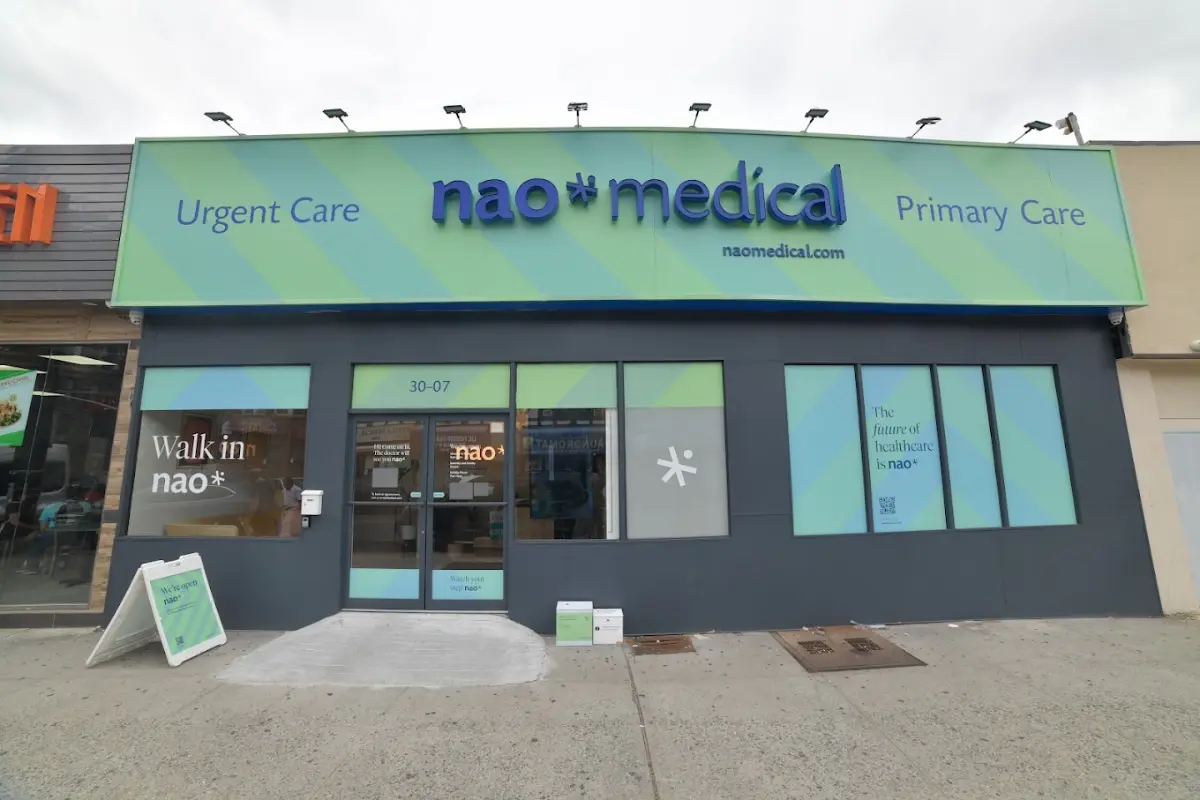
Queens
30-07 36th Ave, Astoria, NY 11106
A Queens access point for addiction medication review, Suboxone or buprenorphine follow-up, and alcohol-use medication discussion. It also supports tobacco-cessation medication planning and coordinated behavioral-health support. It serves patients in Long Island City, Astoria, Sunnyside, and nearby Queens neighborhoods.
View local medication support Get directions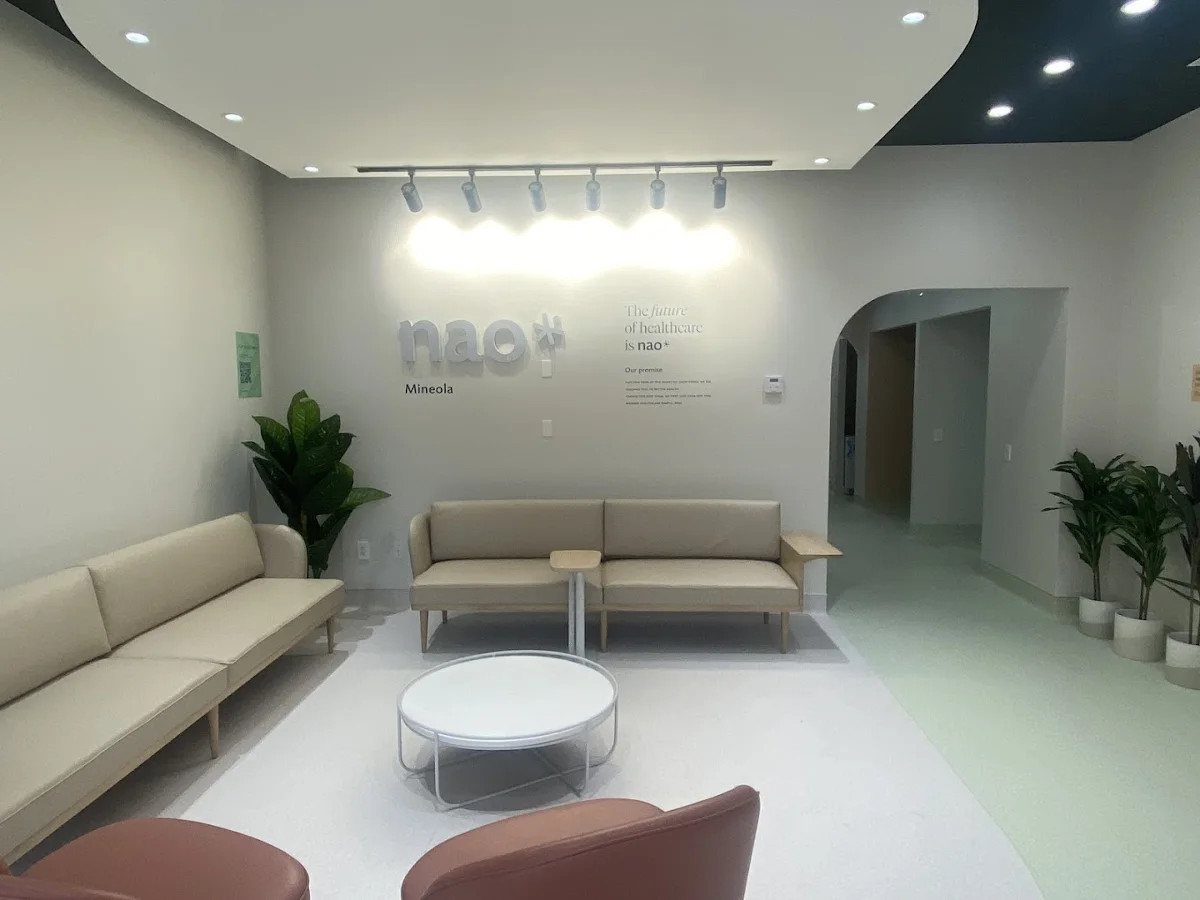
Long Island
135 Mineola Blvd, Mineola, NY 11501
A Long Island access point for addiction medication review, Suboxone or buprenorphine follow-up, and alcohol-use medication discussion. It also supports tobacco-cessation medication planning and coordinated behavioral-health support. It serves patients in Mineola, Garden City, Westbury, and nearby Nassau County communities.
View local medication support Get directions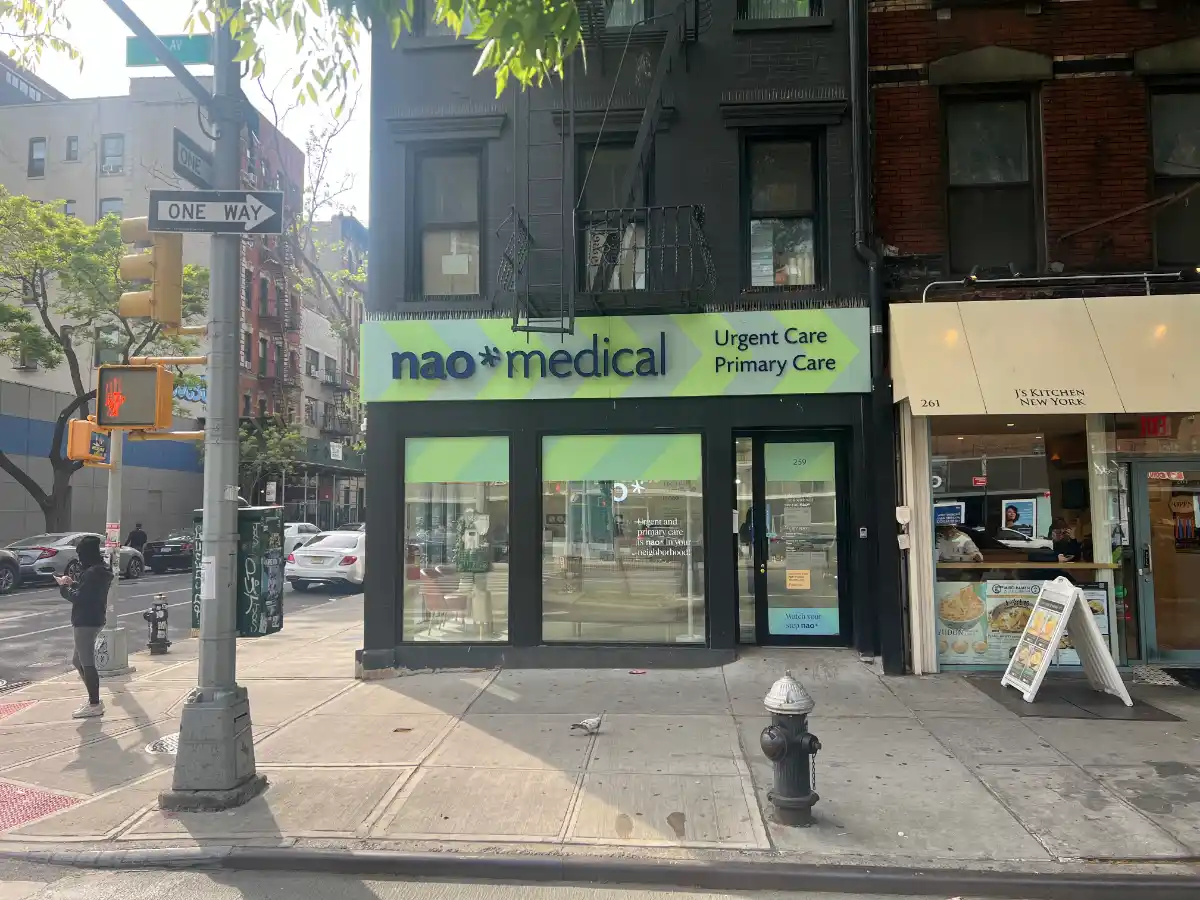
Manhattan
259 1st Ave, New York, NY 10003
A Manhattan access point for addiction medication review, Suboxone or buprenorphine follow-up, and alcohol-use medication discussion. It also supports tobacco-cessation medication planning and coordinated behavioral-health support. It serves patients in StuyTown, East Village, Gramercy, and nearby Manhattan neighborhoods.
View local medication support Get directions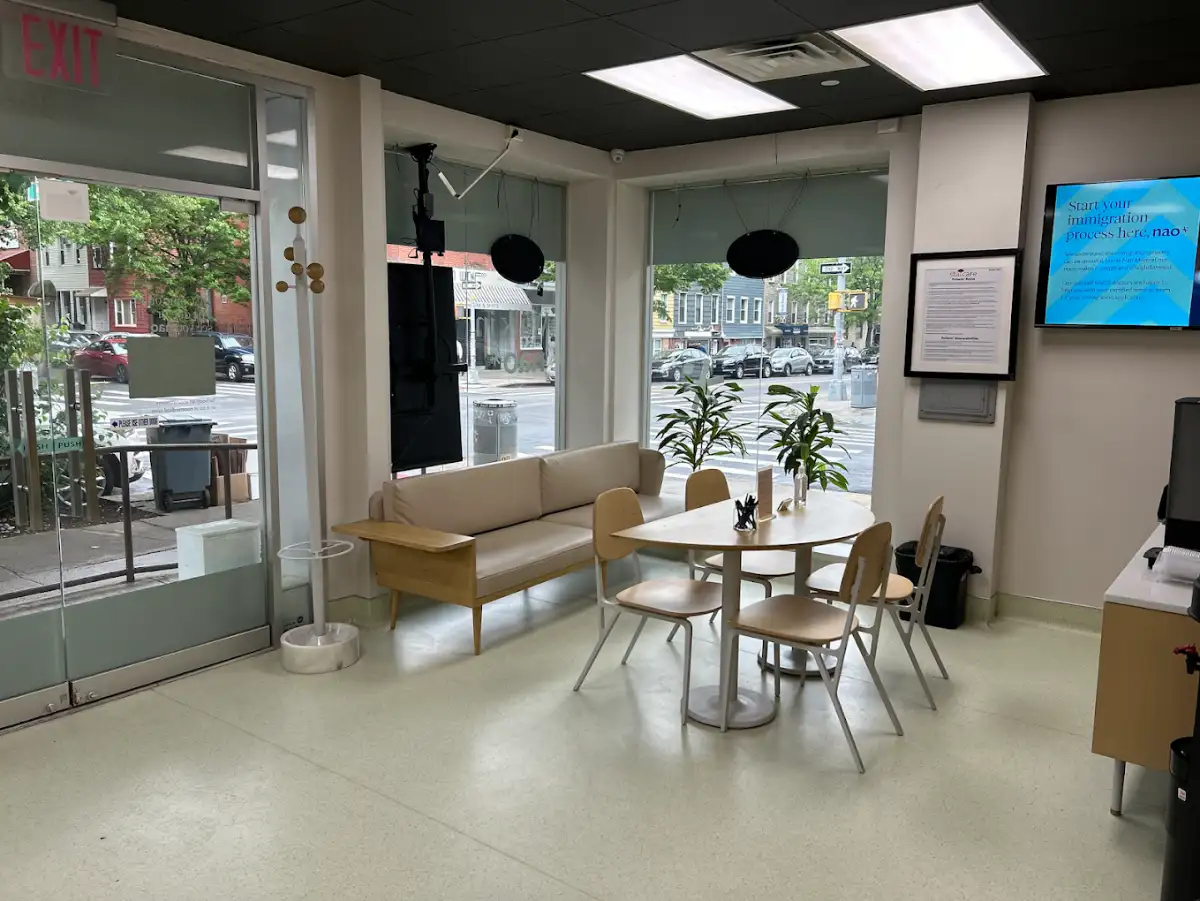
Brooklyn
308 Graham Ave, Brooklyn, NY 11211
A Brooklyn access point for addiction medication review, Suboxone or buprenorphine follow-up, and alcohol-use medication discussion. It also supports tobacco-cessation medication planning and coordinated behavioral-health support. It serves patients in Williamsburg, Greenpoint, Bushwick, and nearby Brooklyn neighborhoods.
View local medication support Get directionsDaily buprenorphine-naloxone care for opioid-use disorder when clinically appropriate.
Medication review for opioid withdrawal timing, cravings, stabilization, and follow-up.
Monthly injectable buprenorphine review for eligible patients who are already stabilized on buprenorphine.
Naltrexone options for alcohol-use disorder and opioid relapse prevention after opioid-free planning.
Naltrexone, acamprosate, and disulfiram discussion for alcohol-use disorder when appropriate.
Medication works best when paired with counseling, follow-up, relapse planning, and mental-health support.
Support for relatives who need help encouraging care without shame or coercion.
Nao Medical provides outpatient addiction care. The first visit can focus on the immediate clinical question and medication planning when relevant. When wanted or clinically recommended, the care plan can also include counseling, recovery support, and closer follow-up. Related information: outpatient addiction care.
Patients who want more support can add counseling, relapse-prevention work, care coordination, and recovery follow-up through the outpatient addiction program.
Coverage depends on your exact plan, clinician, location and service. Check participation and expected charges with the clinic and your insurer before booking. Review addiction-treatment insurance support
, relapse-prevention planning, and follow-up are available through Nao Medical's outpatient addiction care. Counseling
Compare alcohol-use-disorder medications, Vivitrol treatment, oral naltrexone, acamprosate, and disulfiram. Medication does not replace emergency care for dangerous alcohol withdrawal.
Content was updated August 2, 2026 from the cited sources and Nao Medical's current service information. Medical guidance, prescribing information, medication availability, and insurance rules can change. A licensed clinician must confirm current information and determine each patient's eligibility, testing, treatment, administration setting, and follow-up. Call 911 for a medical emergency. Contact Nao Medical with a question or correction.