Addiction counseling
Family stress, boundaries, relapse risk, and communication can be reviewed with counseling support.

Families often see the risk before a patient is ready to talk. A family-focused conversation can help clarify safety concerns, treatment options, boundaries, documentation limits, and how to support follow-up without making promises that depend on the patient’s consent.
Coverage depends on your exact plan, clinician, location and service. Check participation and expected charges with the clinic and your insurer before booking.


Counseling and recovery support can address triggers, relationships, coping and practical barriers alongside appropriate medication. The actual format, clinician credentials and availability should be clear before booking.
Ask what individual sessions address, how a group is structured and whether family work is available. A CASAC credential, a therapy license and peer support describe different roles. Confirm the actual provider and program rather than treating the names as interchangeable.
Agree on goals and information sharing with consent. Tell the medication clinician about relevant changes and barriers. Ask whether services are coordinated, co-located or provided by separate referral. Group schedules and age eligibility require current verification.
Outpatient addiction care means receiving treatment while living outside a residential program. It can include medical evaluation, medication management, behavioral treatment and recovery support. The actual intensity varies: a periodic medication visit is different from an intensive outpatient program. After detox or rehab, the goal is to connect the discharge plan to care that continues in daily life.
The assessment reviews substance use, medical and psychiatric stability, treatment history, overdose risk and available support. Some people can be treated safely in routine outpatient care; others need intensive outpatient, residential or inpatient treatment. Recent discharge is not proof that the same level of care remains suitable. Repeated relapse, unsafe symptoms or difficulty following the plan can prompt reassessment.
Bring medication names, the last administered dose or injection, remaining supply, discharge instructions and scheduled referrals. Clarify who currently owns the prescription and when the next dose is due. Identify gaps before medication or follow-up is missed.
Describe use since discharge, cravings, mood, sleep, home support and access barriers. The clinician considers whether routine appointments are enough or another setting is needed. Ask what the proposed program actually includes and how often treatment occurs; a broad outpatient label is not a schedule.
Discuss the treating prescribers, therapy, recovery support and other health needs. Agree on information sharing with your consent and clarify the role of each clinician. Ask about help with referral navigation, insurance or other barriers without assuming the clinic can directly provide every service.
Identify situations likely to trigger use and an action you can take before a crisis. Agree on how to obtain reassessment after a lapse and where to seek emergency help. If opioids are involved, review lower tolerance and naloxone after time without use. Keep care connected even if the original plan needs to change.
Arrange follow-up before discharge when possible. Bring treatment records and a complete medication list, including prescriptions for sleep, anxiety or pain. Tell the team about housing changes, court or employer requirements and support preferences. Ask what must be confirmed before transfer and what to do if the first appointment is later than the remaining medication supply.
Seek emergency care for overdose, severe withdrawal, chest symptoms, dangerous confusion or inability to stay safe. Following a period without opioids, a return to previous amounts can be especially dangerous. Do not abruptly stop a prescribed sedative or OUD medicine to qualify for a program. A referral should preserve appropriate treatment while the receiving service reassesses safety.
Follow-up reviews use, cravings, medication response, daily function, relationships and practical barriers. Testing may support care when appropriate, but should be interpreted with the history. If symptoms or use worsen, discuss a more intensive level of treatment. Completing a program is a transition point rather than a guarantee that medication or support should end.
Ask whether the service offers ongoing medication visits, individual or group therapy, intensive outpatient treatment or referrals. Confirm eligibility, frequency, fees and the first available appointment. Verify insurance requirements and medication coverage separately. Confirm whether the actual service is outpatient care, a referral or a residential program.
Ask about age eligibility and the qualified clinician before booking; minors need the appropriate consent and confidential-care pathway. A family or support person may participate with the patient’s agreement and applicable legal rules. Employment status does not itself determine medical suitability. Discuss substance use, school/work concerns, mental health and safety, and agree on what information may be shared.
Ask what information is requested and who will receive it. The applicable HIPAA and substance-use confidentiality rules, patient consent and lawful exceptions determine sharing. Family, an employer or a court does not automatically receive unrestricted treatment details. Confirm the specific authorization and receiving agency’s report requirements before releasing records.
Family or another support person can participate with the patient's agreement and the applicable consent/privacy rules. Ask whether the service actually offers family therapy, individual therapy, group sessions or only coordination, and who provides each service. Agree on what information may be shared and how support fits the treatment plan. Family involvement does not replace the patient's own assessment or ongoing clinical care.
Call 911 for suspected overdose, slow breathing, inability to wake, a seizure, severe confusion or immediate danger. Give available naloxone for a suspected opioid overdose and stay with the person while emergency help is called. Emotional distress without immediate medical danger also warrants prompt crisis support and a safety assessment. A routine booking or medication visit should not delay emergency care.
They are a reason to reassess, but the setting depends on safety, symptoms, support and the full clinical history. A clinician should explain why a more intensive program may help rather than choosing from peer accounts.
Physical withdrawal and urges related to triggers or other conditions are different treatment needs. Discuss timing, medication, mood and circumstances so the plan can be reviewed.
Family stress, boundaries, relapse risk, and communication can be reviewed with counseling support.
Age, consent, privacy, guardian involvement, school pressure, and safety concerns should be reviewed before scheduling.
Family members can support routines, medication access, transportation, and crisis boundaries when the patient agrees.
Anxiety, depression, trauma, insomnia, and other symptoms can affect addiction recovery and family planning.
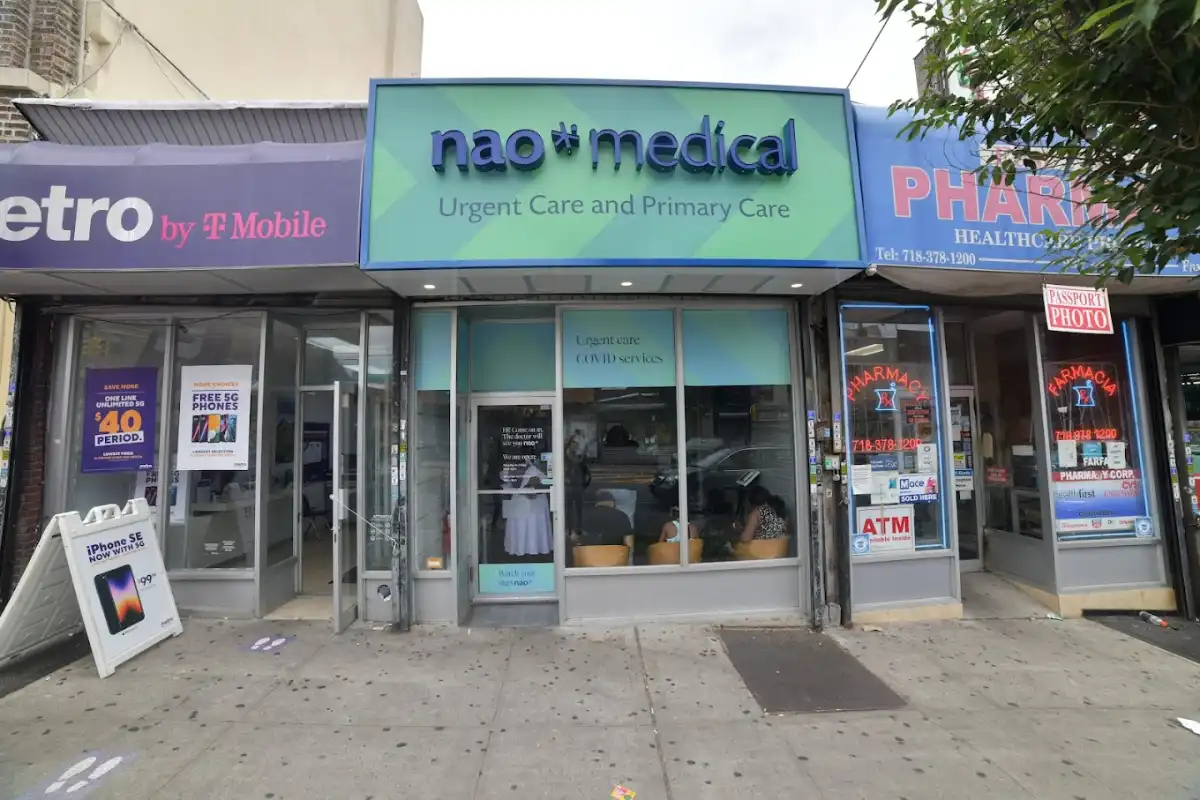
Bronx
932 E 174th St, Bronx, NY 10460
174th Street can help patients review addiction medicine options, insurance, counseling fit, medication needs, and local follow-up.
View addiction care details Get directions
Queens
37-15 23rd Ave, Astoria, NY 11105
Astoria can help patients review addiction medicine options, insurance, counseling fit, medication needs, and local follow-up.
View addiction care details Get directions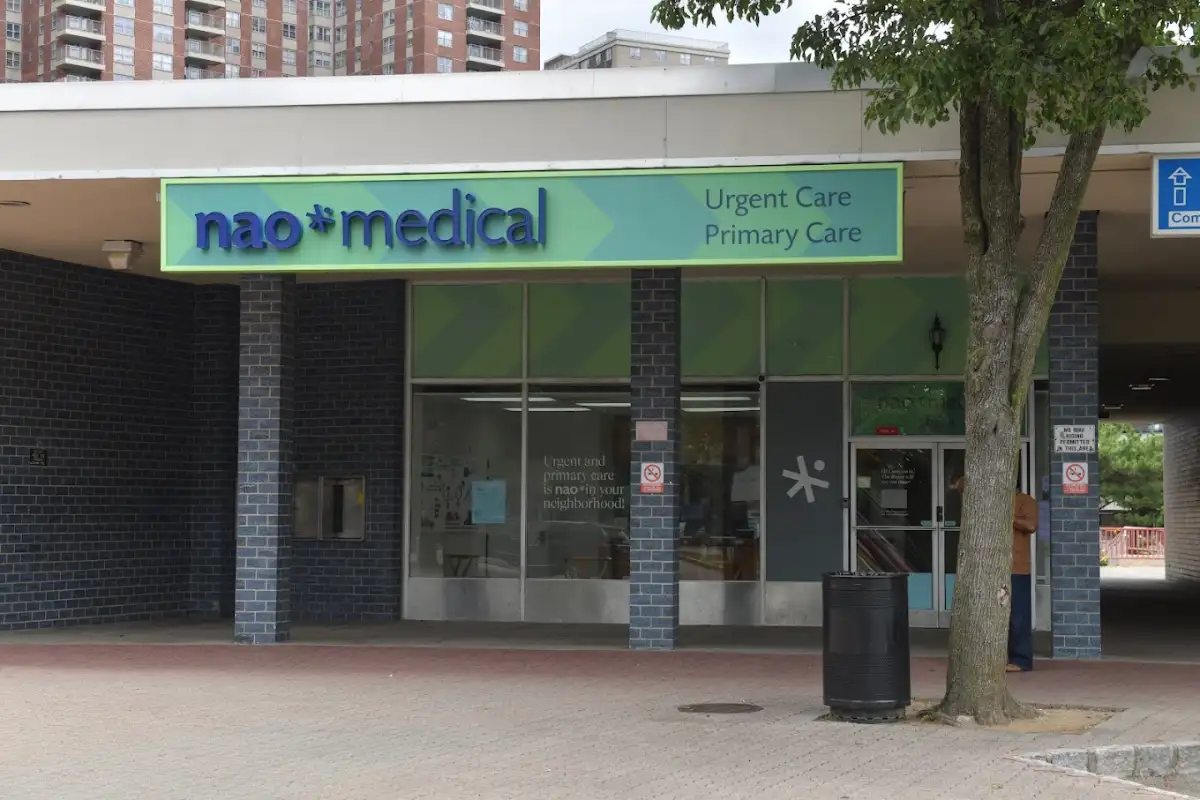
Bronx
2063A Bartow Ave, Bronx, NY 10475
Bartow Mall can help patients review addiction medicine options, insurance, counseling fit, medication needs, and local follow-up.
View addiction care details Get directions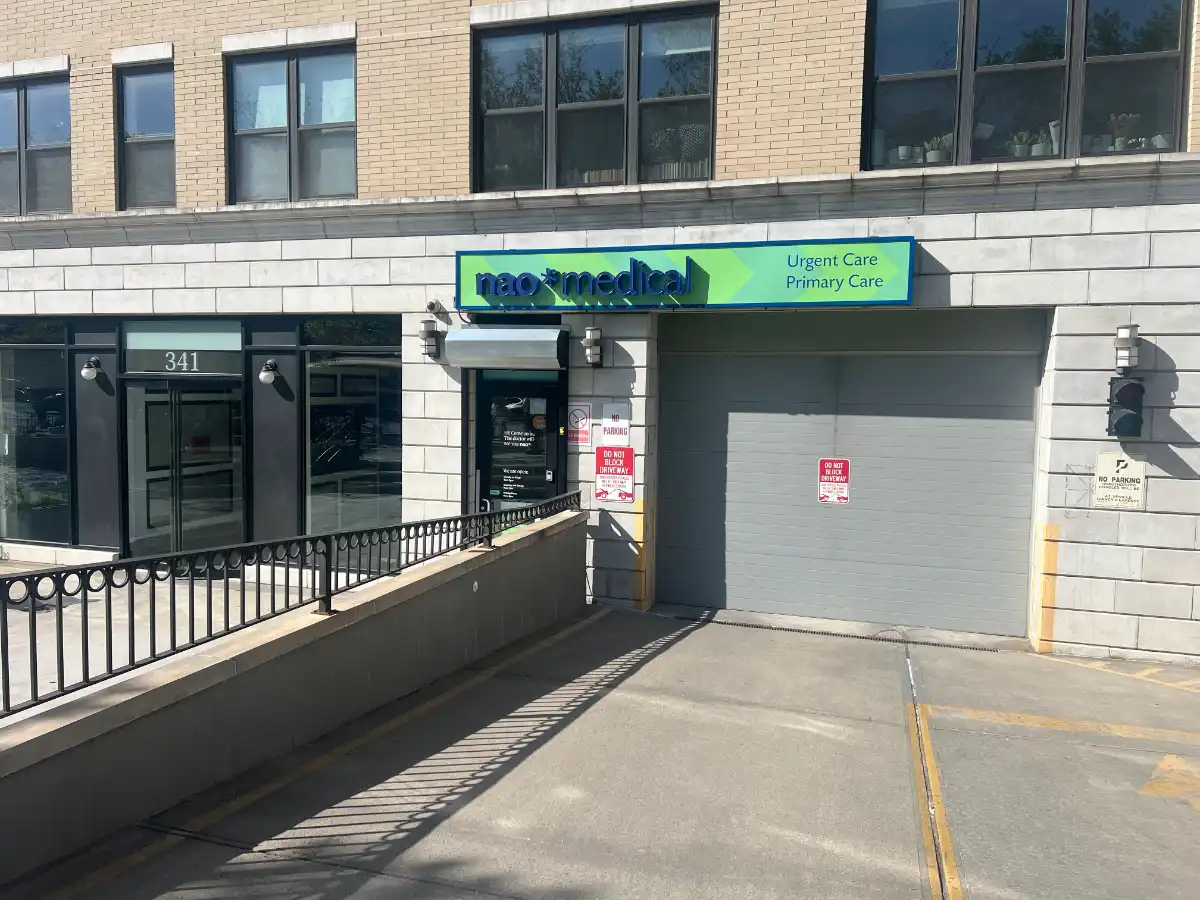
Brooklyn
341 Eastern Pkwy, Brooklyn, NY 11216
Crown Heights can help patients review addiction medicine options, insurance, counseling fit, medication needs, and local follow-up.
View addiction care details Get directions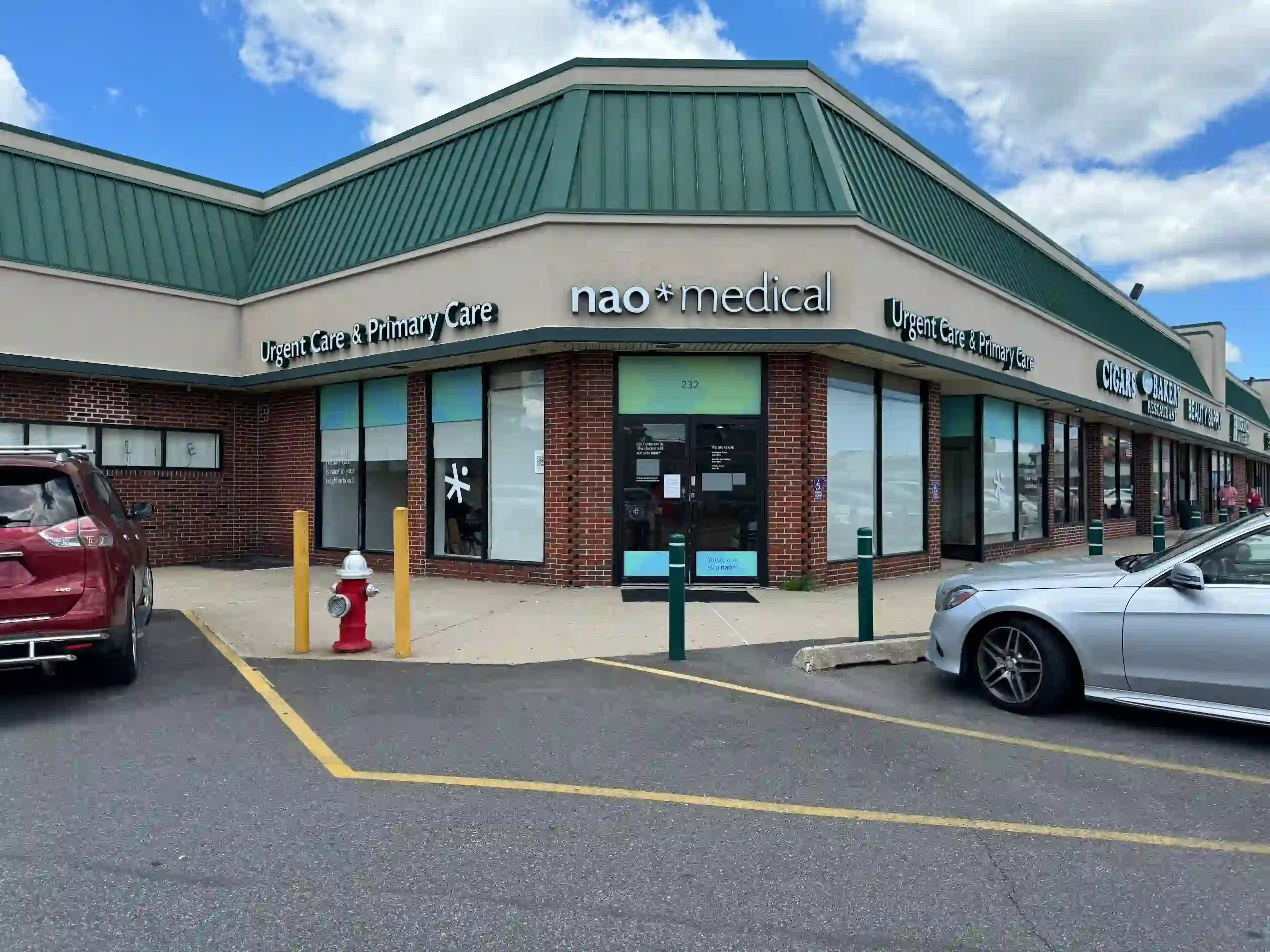
Long Island
232 W Old Country Rd, Hicksville, NY 11801
Hicksville can help patients review addiction medicine options, insurance, counseling fit, medication needs, and local follow-up.
View addiction care details Get directions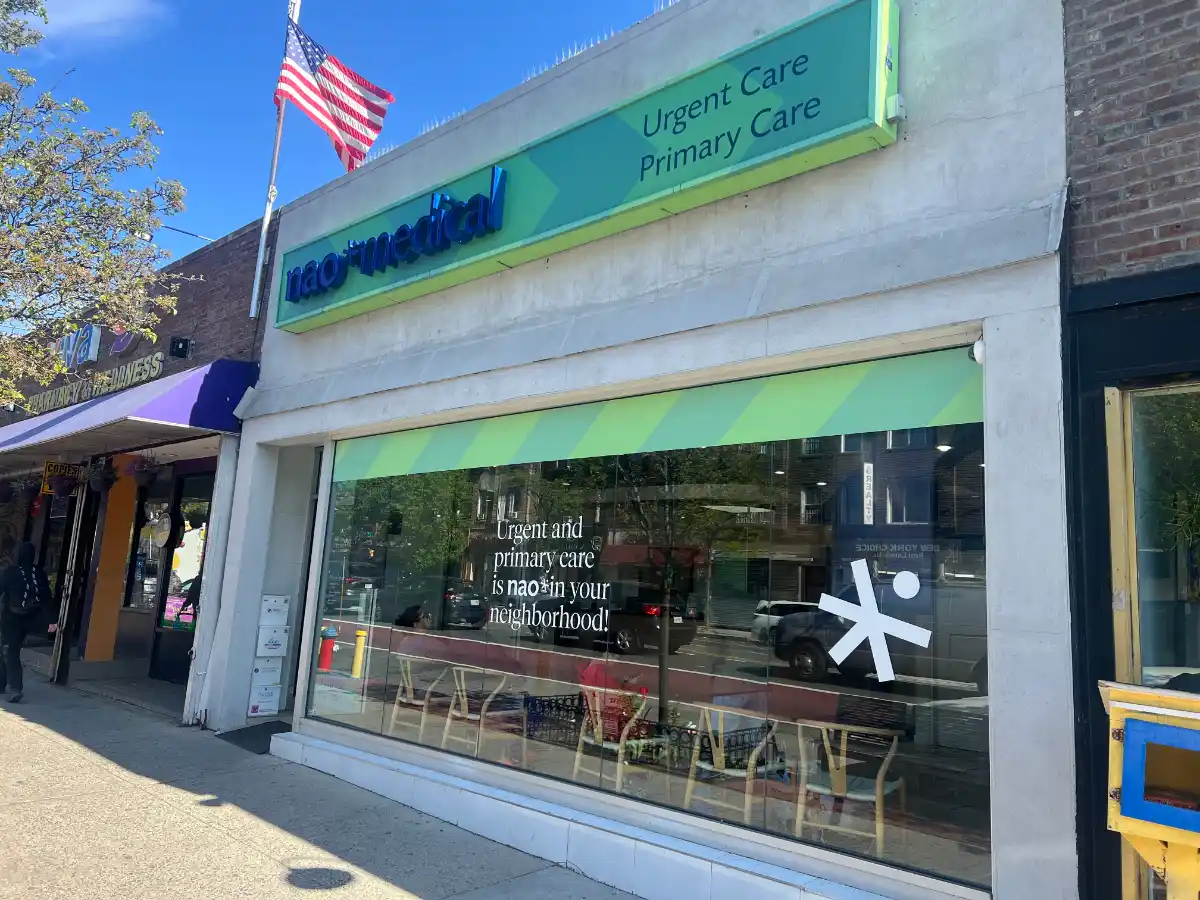
Queens
80-10 Northern Blvd, Jackson Heights, NY 11372
Jackson Heights can help patients review addiction medicine options, insurance, counseling fit, medication needs, and local follow-up.
View addiction care details Get directions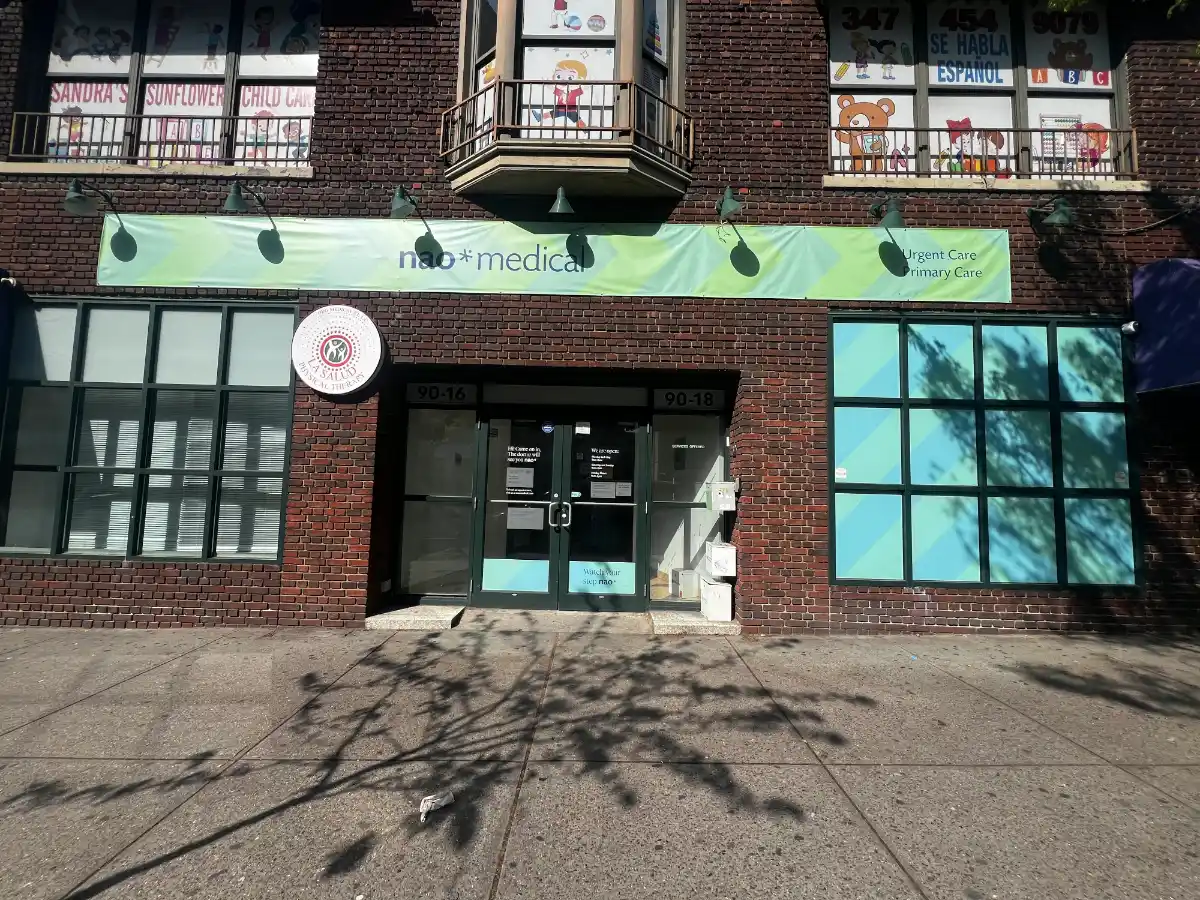
Queens
90-18 Sutphin Blvd, Jamaica, NY 11435
Jamaica can help patients review addiction medicine options, insurance, counseling fit, medication needs, and local follow-up.
View addiction care details Get directions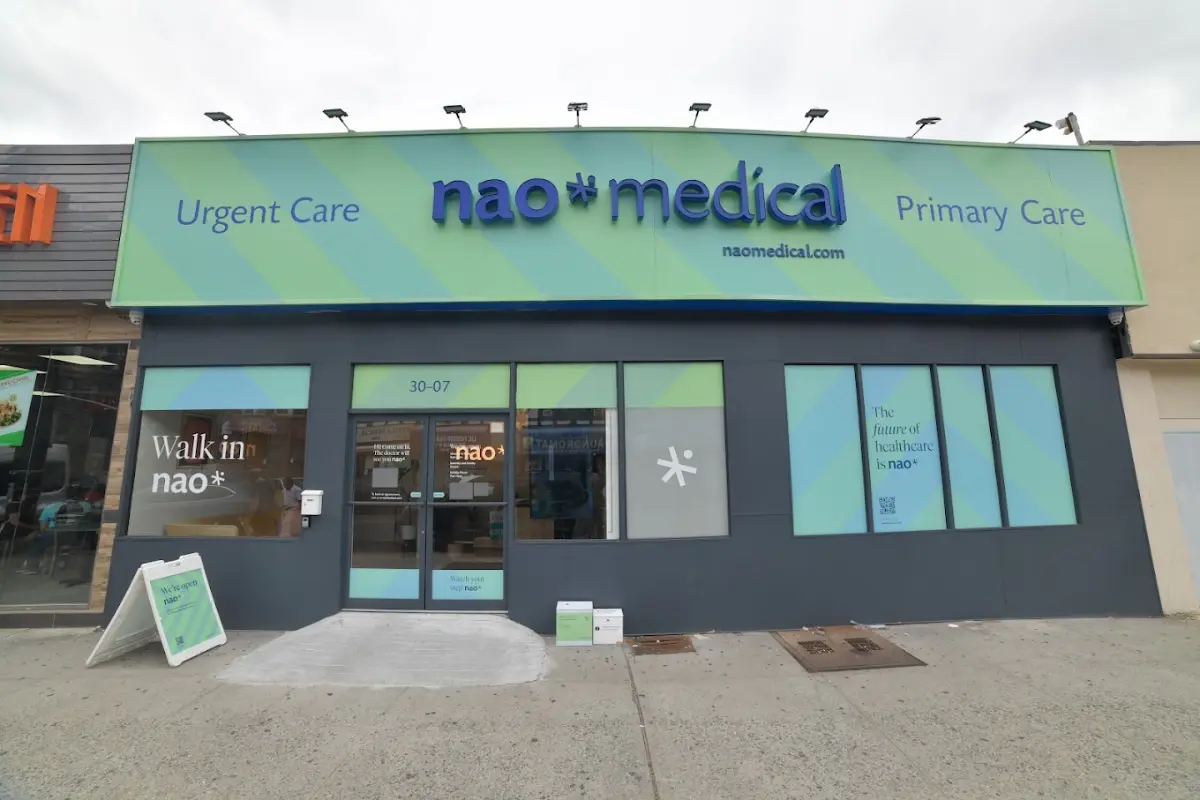
Queens
30-07 36th Ave, Astoria, NY 11106
Long Island City can help patients review addiction medicine options, insurance, counseling fit, medication needs, and local follow-up.
View addiction care details Get directions
Long Island
135 Mineola Blvd, Mineola, NY 11501
Mineola can help patients review addiction medicine options, insurance, counseling fit, medication needs, and local follow-up.
View addiction care details Get directions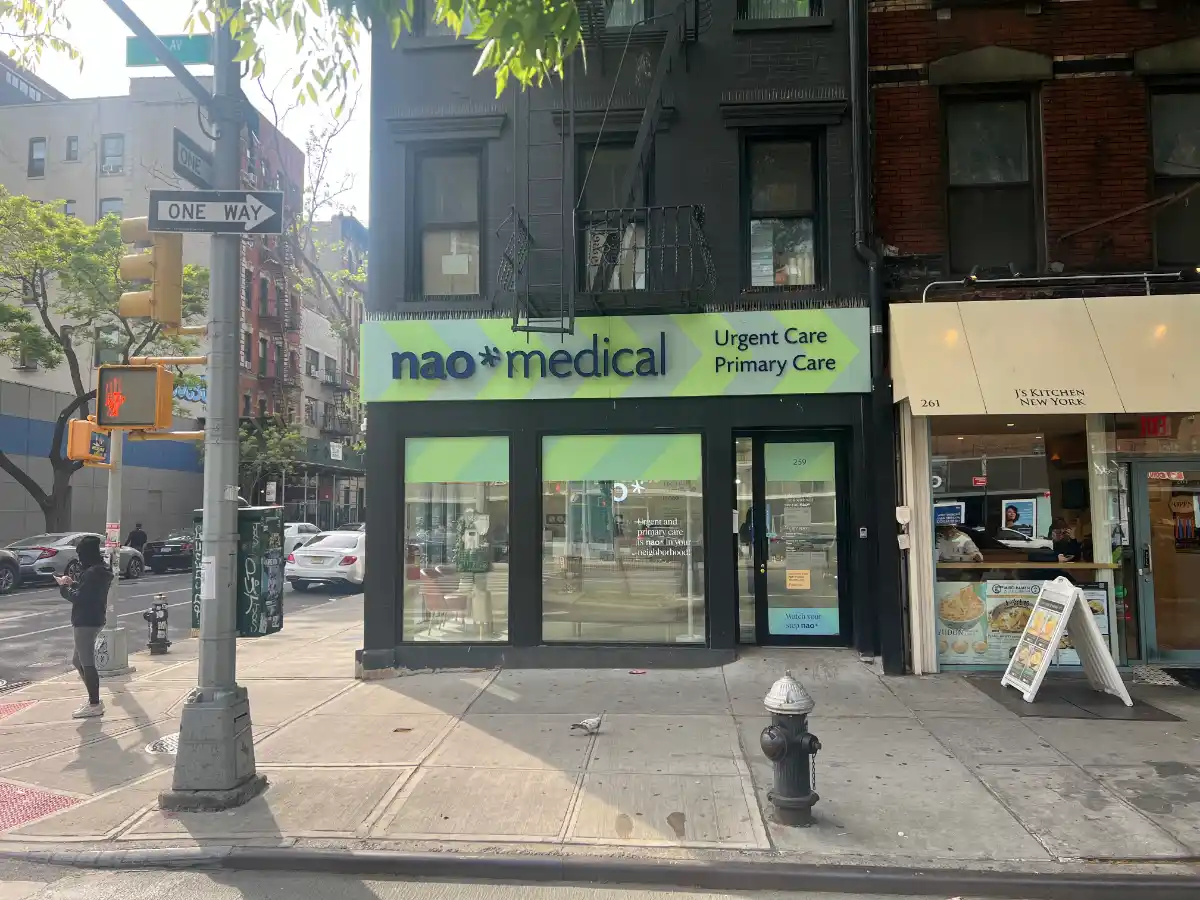
Manhattan
259 1st Ave, New York, NY 10003
StuyTown can help patients review addiction medicine options, insurance, counseling fit, medication needs, and local follow-up.
View addiction care details Get directions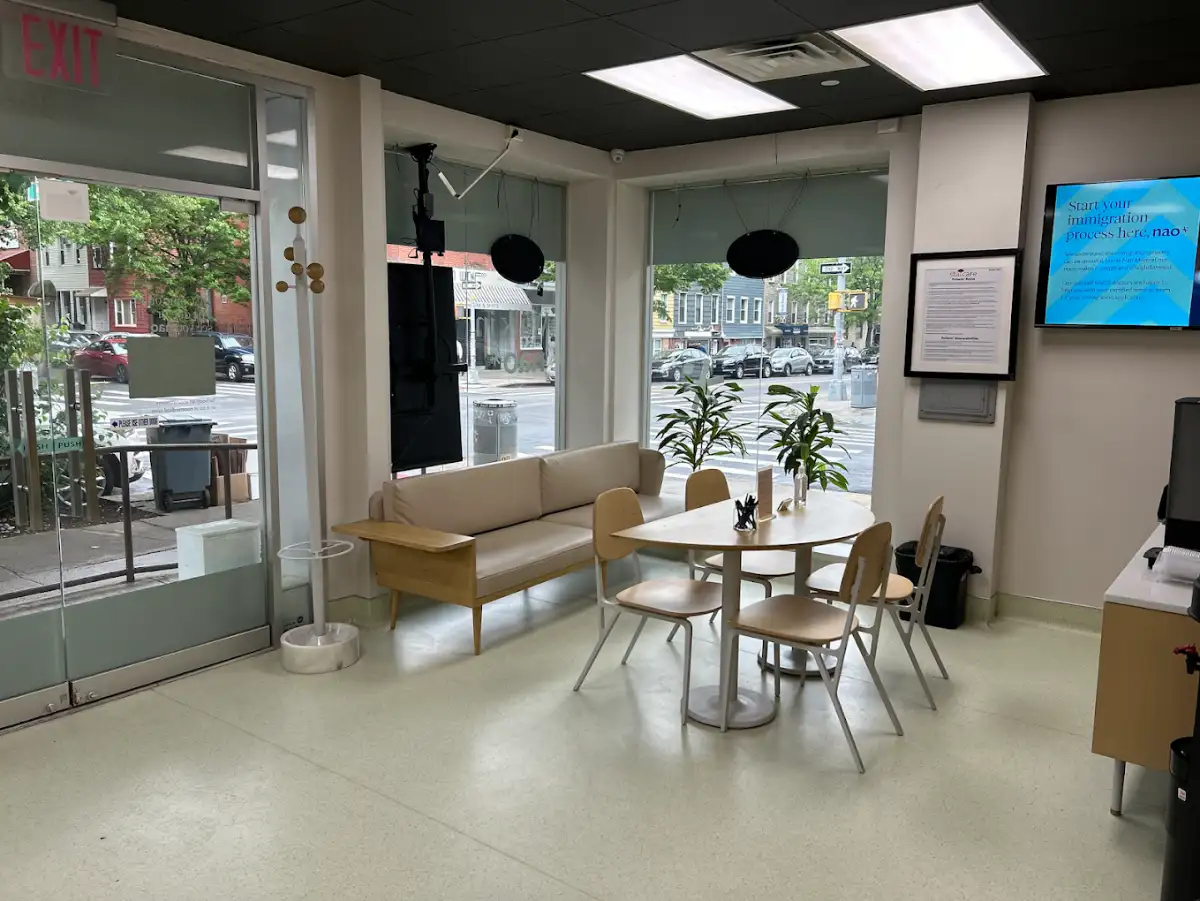
Brooklyn
308 Graham Ave, Brooklyn, NY 11211
Williamsburg can help patients review addiction medicine options, insurance, counseling fit, medication needs, and local follow-up.
View addiction care details Get directionsBook same-day addiction treatment review in NYC and Long Island with Nao Medical for MAT, alcohol-use concerns, counseling coordination, testing, insurance, and next-step planning.
Find outpatient addiction treatment in NYC and Long Island with Nao Medical, including MAT, alcohol care, counseling, relapse prevention, insurance, Medicaid, and telemedicine.
Book telemedicine addiction treatment review in New York with Nao Medical for Suboxone follow-up, alcohol-care planning, counseling coordination, relapse prevention, and insurance review.
Review relapse prevention treatment in NYC with Nao Medical, including MAT follow-up, alcohol-care planning, counseling, drug testing, family support, and post-rehab care.
Schedule addiction-related drug testing review in NYC with Nao Medical for treatment monitoring, court-related needs, employer requests, MAT care, and documentation planning.
Find co-occurring substance use and mental health treatment review in NYC with Nao Medical for addiction medicine, psychiatry, therapy, MAT, alcohol care, and insurance.
Review group therapy for addiction in NYC with Nao Medical, including counseling fit, MAT coordination, relapse-prevention planning, insurance, Medicaid, and referral needs.
Book individual addiction therapy review in NYC with Nao Medical for triggers, cravings, relapse prevention, co-occurring mental health, family stress, insurance, and MAT coordination.
Review CASAC substance abuse counseling needs in NYC with Nao Medical, including certified counseling requirements, OASAS documentation, court paperwork, insurance, and treatment planning.
Review opioid, stimulant, cannabis, benzodiazepine, prescription medication, Kratom, and mixed-substance concerns.
Review cocaine, crack cocaine, methamphetamine, Adderall misuse, sleep, mood, testing, and relapse risk.
Review marijuana or THC use concerns, anxiety, sleep, school or work impact, and family support.
Review opioid pain pills, benzodiazepines, stimulants, sleep medications, withdrawal risk, and medication coordination.
Review naloxone access, family safety planning, opioid risk, fentanyl exposure, and follow-up care.
Review youth, family, school, privacy, consent, mental-health, and referral questions carefully.
Review substance use, safety, testing, documentation, treatment recommendations, insurance, and follow-up.
Review whether an OASAS-certified setting, specific credential, or written requirement may be needed.
Review court, attorney, probation, parole, agency, testing, and documentation requirements.
Review alcohol or drug-related driving requirements and what documentation or treatment may be needed.
Review medication continuity, counseling, cravings, relapse risk, and discharge instructions after detox.
Review Medicaid coverage for MAT visits, testing, counseling, medication, pharmacy benefits, and prior authorization.
Compare local outpatient addiction care access across NYC and Long Island.
Review outpatient addiction medicine when patients are comparing nearby rehab options.
Review scheduled outpatient addiction treatment, medication, counseling, testing, and follow-up.
Review urgent but non-emergency addiction medicine access and same-day limitations.
Review cost factors, insurance, Medicaid, medication, testing, and self-pay options.
Review privacy, self-pay, records release, employer, family, and third-party documentation questions.
Arrange an evaluation to discuss suitable care, preparation and follow-up with a clinician.
Nao Medical provides outpatient addiction care. The first visit can focus on the immediate clinical question and medication planning when relevant. When wanted or clinically recommended, the care plan can also include counseling, recovery support, and closer follow-up. Related information: outpatient addiction care.
Patients who want more support can add counseling, relapse-prevention work, care coordination, and recovery follow-up through the outpatient addiction program.
Coverage depends on your exact plan, clinician, location and service. Check participation and expected charges with the clinic and your insurer before booking. Review addiction-treatment insurance support
Content was updated August 2, 2026 from the cited sources and Nao Medical's current service information. Medical guidance, prescribing information, medication availability, and insurance rules can change. A licensed clinician must confirm current information and determine each patient's eligibility, testing, treatment, administration setting, and follow-up. Call 911 for a medical emergency. Contact Nao Medical with a question or correction.