Stimulant addiction care
Cocaine, methamphetamine, and prescription-stimulant misuse often require careful behavioral-health planning.

Cocaine treatment usually starts with a practical review of use pattern, cravings, sleep, anxiety, depression, chest symptoms, other substances, legal or work requirements, and the support needed to reduce relapse risk.
Coverage depends on your exact plan, clinician, location and service. Check participation and expected charges with the clinic and your insurer before booking.


Cocaine treatment needs medical and psychiatric assessment, behavioral care and a plan for urges and renewed use. No FDA-approved medication specifically treats cocaine use disorder. Selected off-label options depend on the patient and should not be equated with the methamphetamine combination studied in ADAPT-2.
Describe route, use pattern, alcohol and other substances, chest symptoms and prior complications. Chest pain, severe agitation, seizure or stroke-like symptoms require emergency care.
Ask about contingency management and other recommended behavioral approaches. A clinician may discuss an off-label medicine after assessing the cocaine pattern and co-occurring needs. Evidence and precautions differ by option; no automatic “cocaine craving prescription” is promised.
Treatment for problematic cocaine, methamphetamine or prescription stimulant use begins with a safety and substance-use assessment. The plan can address cravings, mood, sleep, health complications and the situations that lead to use. There is no FDA-approved medication specifically for stimulant use disorder. Effective treatment still exists, and selected off-label medicines may be considered alongside behavioral care.
Stimulants affect brain signaling related to energy, attention and reward. Repeated use can be followed by fatigue, low mood, sleep disruption and cravings. These symptoms do not prove that a particular supplement or medicine will “reset dopamine.” The clinician looks at the course of symptoms, current use and other conditions rather than assigning a fixed recovery timetable.
An evaluation is appropriate for loss of control, recurrent use despite harm, difficulty stopping or problematic use of a prescription. Taking an ADHD medicine as prescribed is not automatically stimulant use disorder. The visit should assess ADHD, depression, anxiety, psychosis, other substance use and medical risks. Chest symptoms, severe agitation, overheating, hallucinations or inability to remain safe can require emergency care.
Describe the substances, routes, recent pattern, sleep, nutrition and any chest or neurological symptoms. Include possible fentanyl exposure, alcohol and sedatives. Testing and examination may be needed depending on the history. An unstable medical or psychiatric condition takes priority over routine craving treatment.
Contingency management is a primary recommended treatment component: a structured program uses agreed incentives to reinforce goals such as attendance or verified abstinence. Cognitive behavioral therapy and community reinforcement can help with triggers, coping and daily routines. Ask whether these treatments are actually offered or require referral; general counseling is not automatically a contingency-management program.
A clinician may consider selected off-label options based on the stimulant, severity and co-occurring conditions. Bupropion with naltrexone is one studied option for methamphetamine use disorder, but it is not FDA-approved for that disorder and does not help everyone. Medication selection must also account for opioid exposure, seizures, liver health and other contraindications.
Discuss sleep, food, daily structure, work pressures and people or settings associated with use. Identify a response to a strong urge and a route back to care after a lapse. Follow-up should review symptoms and functioning, not only whether a test is positive. Persistent fatigue or mood symptoms may need reassessment.
Bring prescriptions, previous treatment records and details of recent use. Explain whether the stimulant was obtained by prescription and how use changed. Tell the clinician about other medicines, prior seizures, cardiac disease and pain treatment. If psychiatric medicines are already prescribed, identify the clinician so care can be coordinated. Do not stop prescribed ADHD or mood treatment solely because you are seeking an addiction assessment.
Call 911 for chest pain, stroke-like symptoms, seizure, severe overheating, collapse or dangerous confusion. New or severe psychosis, suicidal symptoms or inability to stay safe needs urgent assessment. Fentanyl may be present in a stimulant supply; have naloxone and an emergency plan for possible opioid overdose. Naloxone does not treat stimulant toxicity itself, so emergency care remains essential.
Track cravings, use, sleep, energy and mood without treating a lapse as a reason to disappear from care. If an off-label medicine is used, review benefit and side effects at an agreed time and confirm how it will be stopped or changed if ineffective. A primary trial result is not a personal success prediction. Behavioral and recovery support remain part of the plan when medication is considered.
Ask which behavioral treatments, medication evaluations and referrals the service provides. Confirm visit frequency, testing costs and who manages co-occurring psychiatric care. Any proposed prescription or off-label combination depends on your assessment and treatment goals. If intensive or residential care is recommended, clarify why and how the referral works.
Nao Medical offers addiction-care assessment and ongoing support. A visit reviews the concern you want help with, current substance use, withdrawal or overdose risks, mental health and earlier treatment. The plan may include appropriate medicines, counseling, follow-up or referral to a more intensive program. Choose an addiction-care appointment and tell the team about any urgent withdrawal or safety concern. Outpatient care cannot replace emergency treatment or monitored withdrawal when those are needed.
There is no FDA-approved medicine specifically for this stimulant or cannabis-use disorder. Certain medicines may be considered off-label for selected patients under guideline-based specialist care; that is not an approved indication or a guaranteed prescription. Contingency management is a central evidence-based option for stimulant-use disorder, with other behavioral treatment as appropriate. Epidiolex treats specified seizure disorders, not cannabis addiction. Review any coexisting ADHD, anxiety, sleep problems and substance use before changing medicines.
Clinical substance-use care may use a urine or other test when it will guide treatment. Ask what the ordered test can show, its limits, how prescribed medicines are interpreted and who reviews the result. Clinical monitoring differs from employer/court testing with a specific authorization and chain of custody. Confirm the actual panel, consent, timing and separate cost. A positive or negative result does not by itself diagnose the whole condition.
Call 911 for slowed breathing, inability to wake, a seizure, severe confusion, chest pain or immediate danger. Use available naloxone for a suspected opioid overdose while emergency help is called. Severe alcohol or benzodiazepine withdrawal can be life-threatening and needs urgent assessment. A routine outpatient visit or medication for cravings is not a substitute for monitored withdrawal care.
There is no FDA-approved stimulant-use-disorder medicine, but the ASAM/AAAP guideline permits selected off-label options for appropriate patients. This differs from saying that every medication option is available only in a research study.
Symptoms can persist, and depression, sleep problems or other conditions can contribute. Report their course and effect on work and safety. A clinician should reassess rather than promise recovery by a forum’s timeline.
Cocaine is a stimulant with strong addictive potential. Its intense rewarding effects can be followed by low mood and strong urges to use again. Repeated use can become difficult to control and continue despite harm. A person’s risk cannot be predicted from one exposure or a fixed number of uses. Cocaine can also cause dangerous heart or brain complications. Seek emergency care for chest pain, seizure or stroke-like symptoms, and discuss treatment if use or cravings are becoming difficult to manage.
Cocaine, methamphetamine, and prescription-stimulant misuse often require careful behavioral-health planning.
One-on-one therapy can focus on triggers, cravings, shame, relationships, sleep, stress, and relapse-prevention skills.
Group care can support accountability and skills practice when it fits the patient’s treatment plan.
Testing can support treatment monitoring, court instructions, employer requests, and documentation needs.
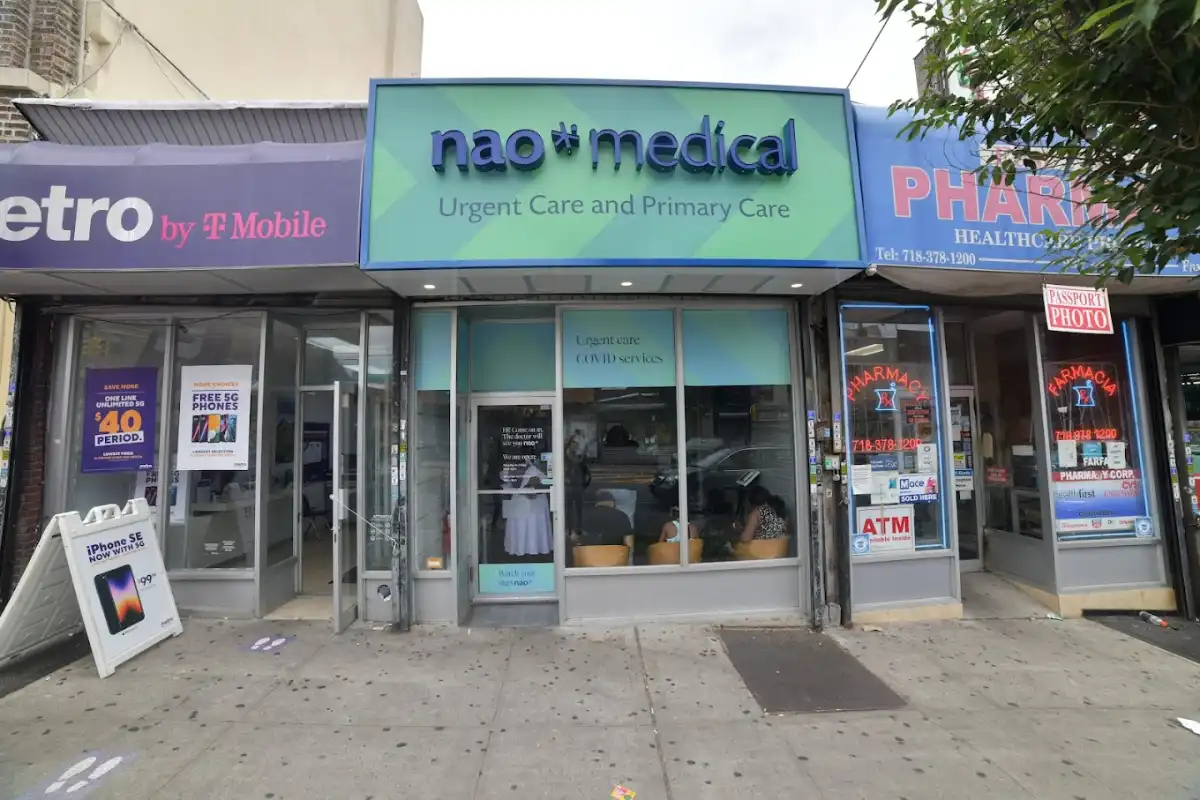
Bronx
932 E 174th St, Bronx, NY 10460
174th Street can help patients review addiction medicine options, insurance, counseling fit, medication needs, and local follow-up.
View addiction care details Get directions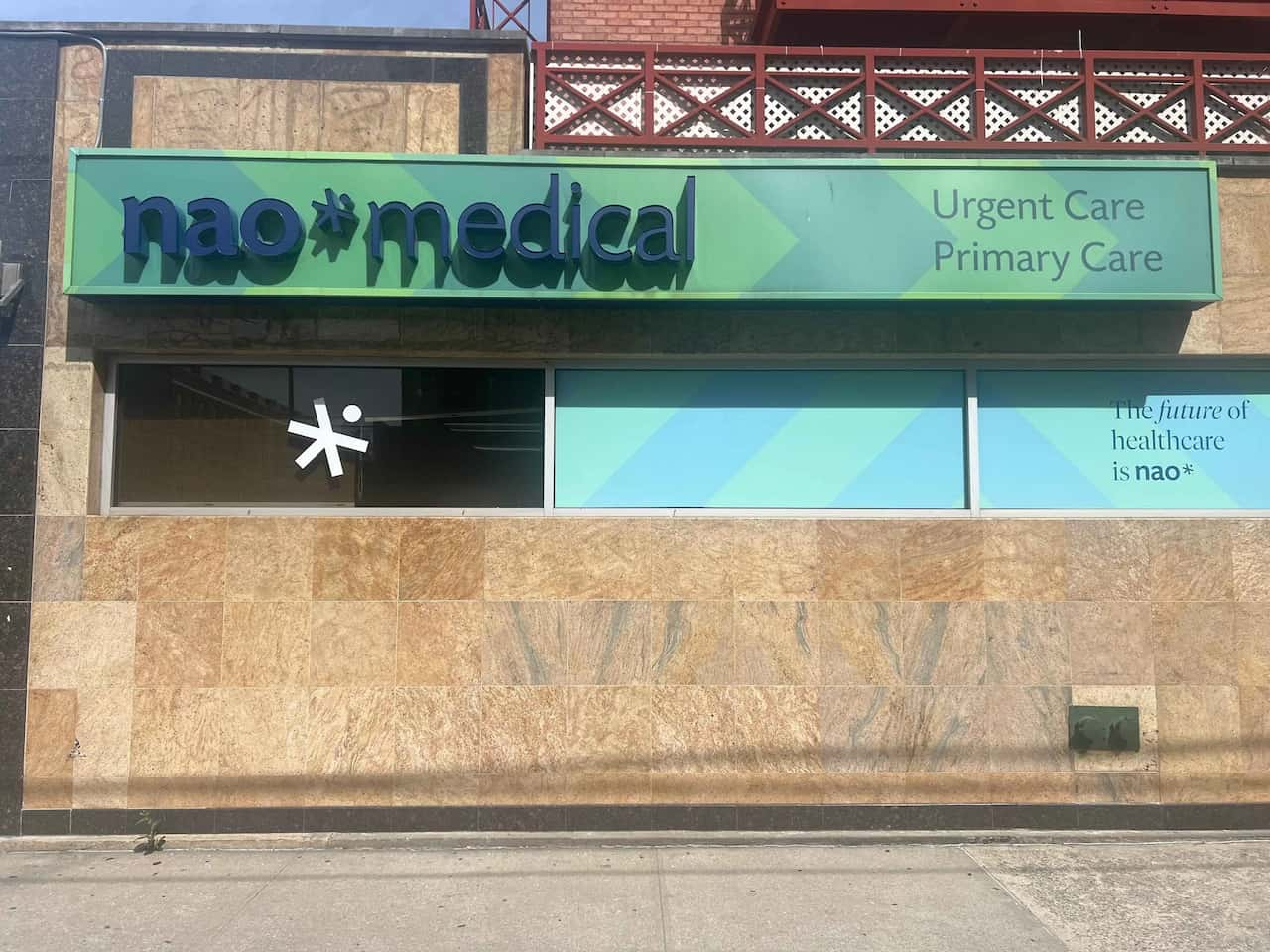
Queens
37-15 23rd Ave, Astoria, NY 11105
Astoria can help patients review addiction medicine options, insurance, counseling fit, medication needs, and local follow-up.
View addiction care details Get directions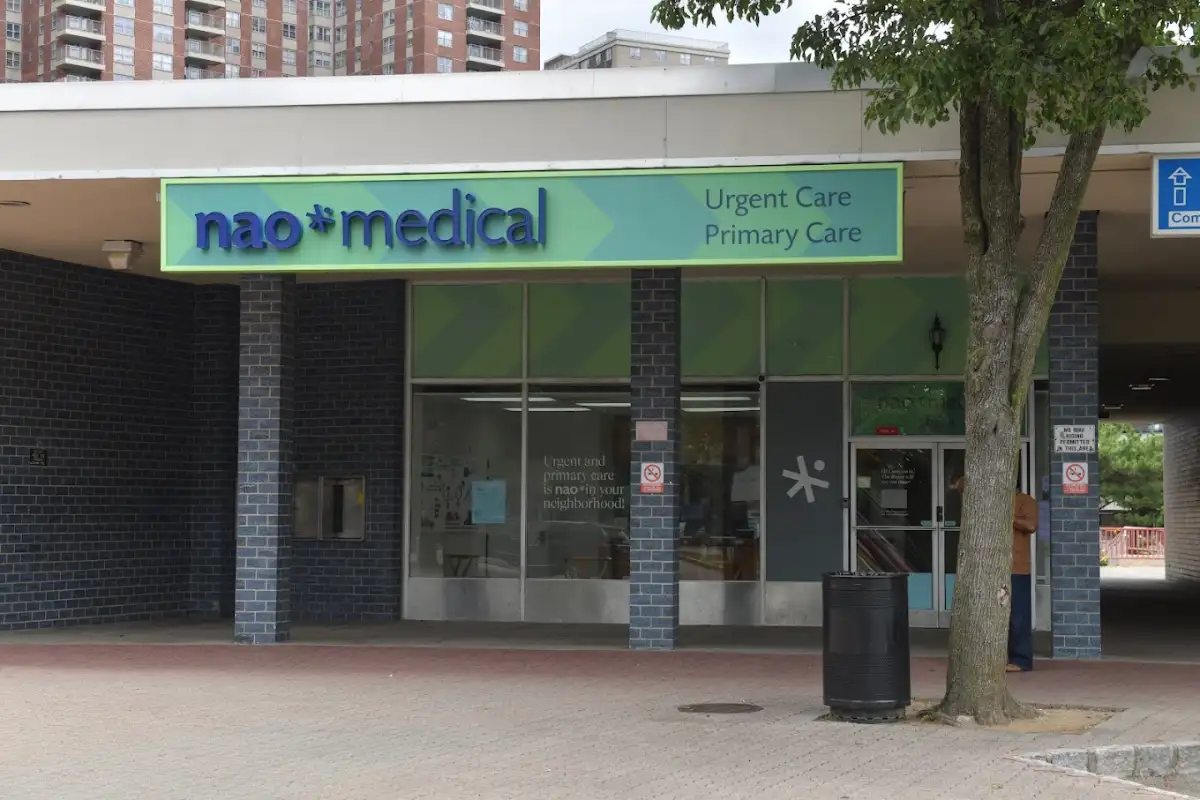
Bronx
2063A Bartow Ave, Bronx, NY 10475
Bartow Mall can help patients review addiction medicine options, insurance, counseling fit, medication needs, and local follow-up.
View addiction care details Get directions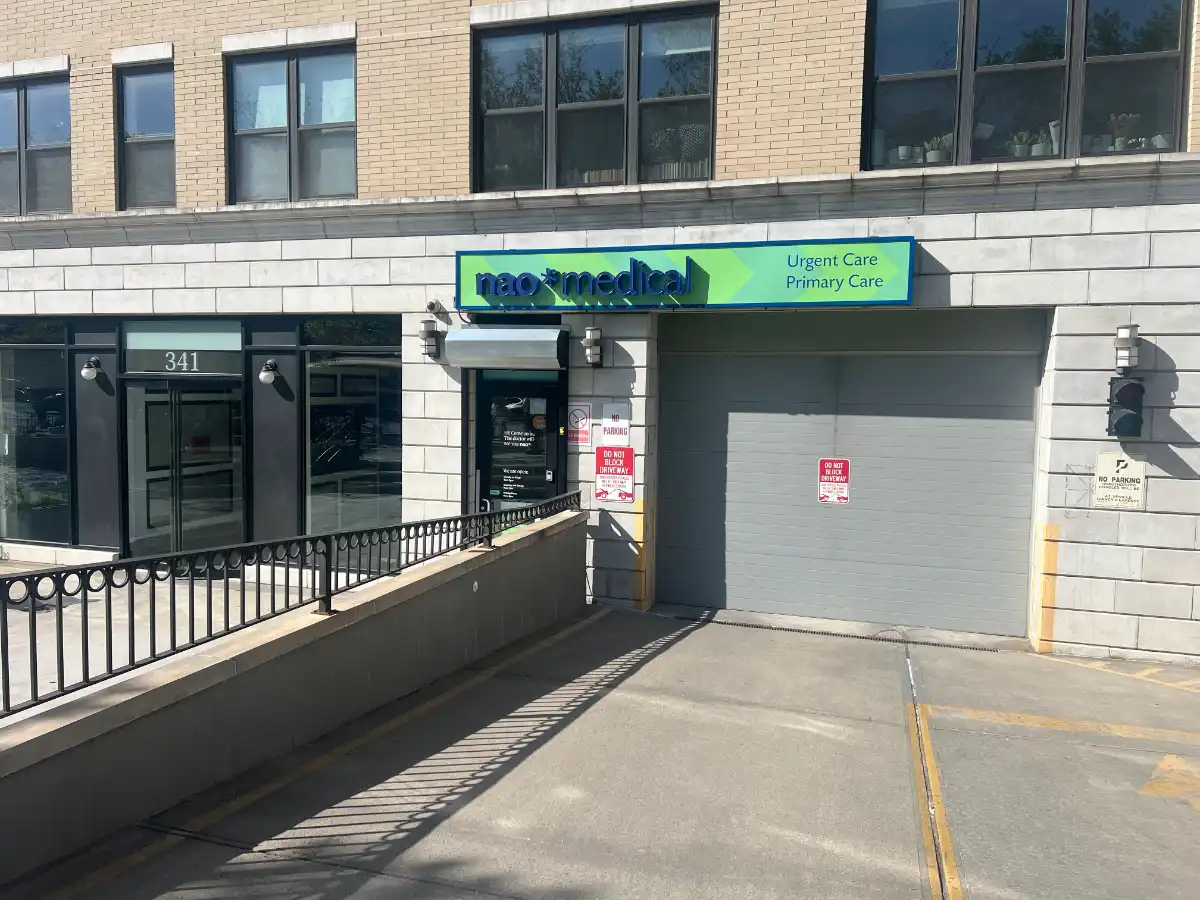
Brooklyn
341 Eastern Pkwy, Brooklyn, NY 11216
Crown Heights can help patients review addiction medicine options, insurance, counseling fit, medication needs, and local follow-up.
View addiction care details Get directions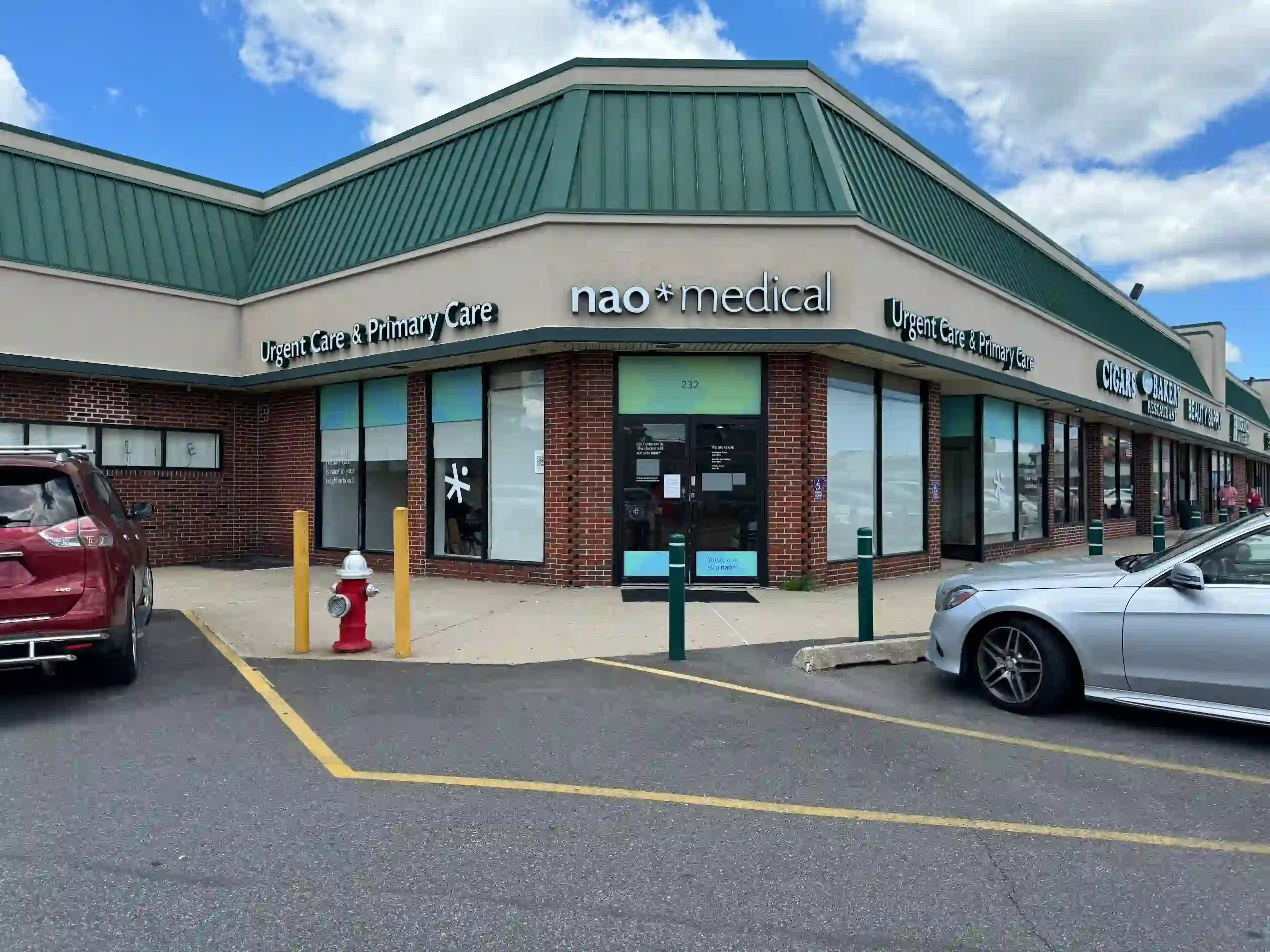
Long Island
232 W Old Country Rd, Hicksville, NY 11801
Hicksville can help patients review addiction medicine options, insurance, counseling fit, medication needs, and local follow-up.
View addiction care details Get directions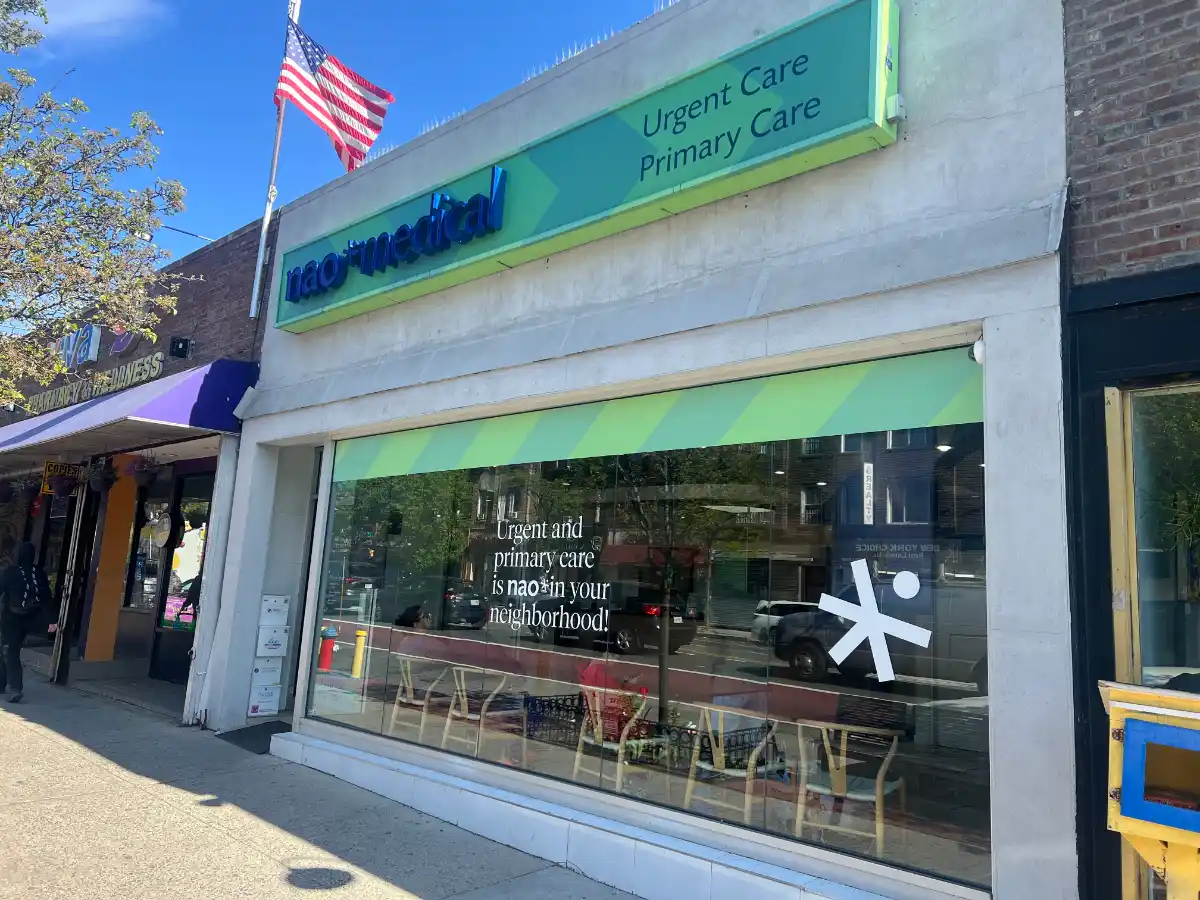
Queens
80-10 Northern Blvd, Jackson Heights, NY 11372
Jackson Heights can help patients review addiction medicine options, insurance, counseling fit, medication needs, and local follow-up.
View addiction care details Get directions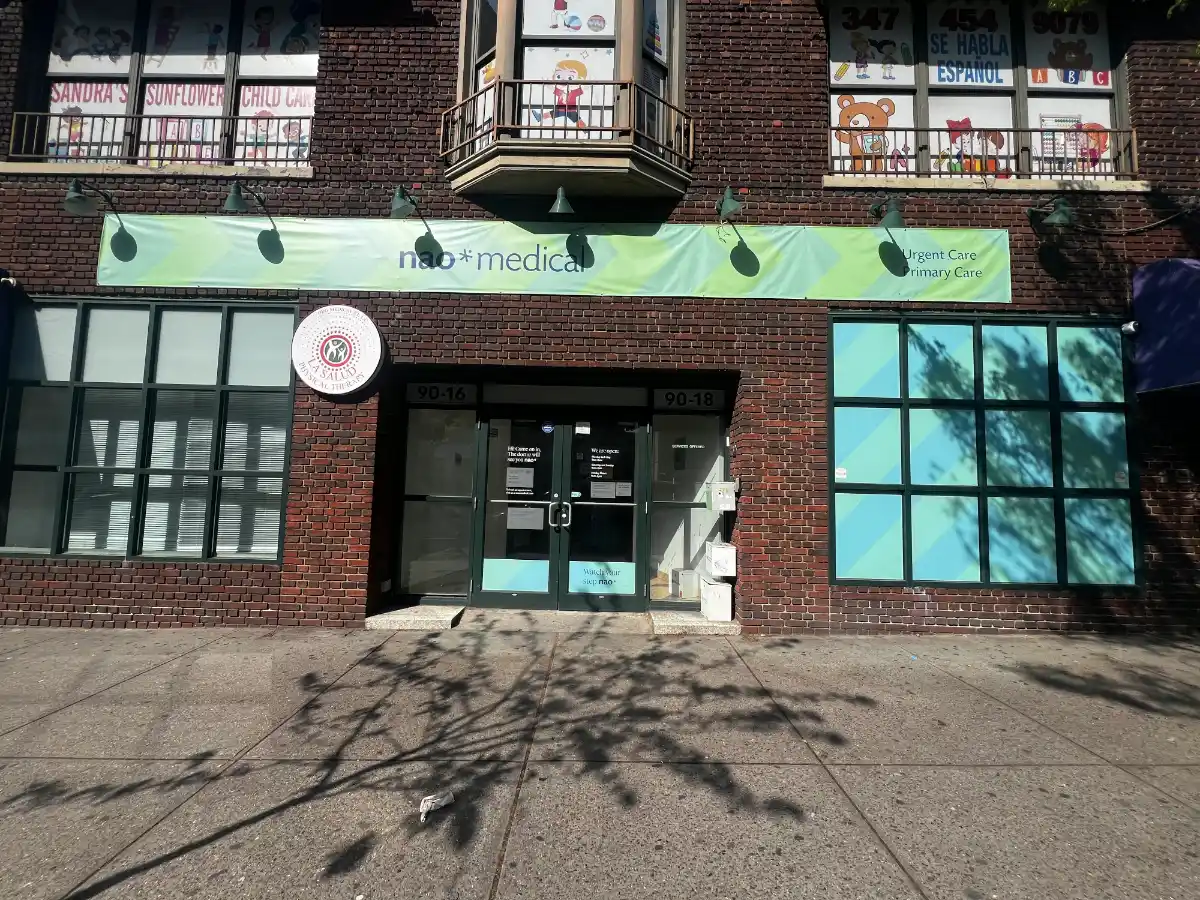
Queens
90-18 Sutphin Blvd, Jamaica, NY 11435
Jamaica can help patients review addiction medicine options, insurance, counseling fit, medication needs, and local follow-up.
View addiction care details Get directions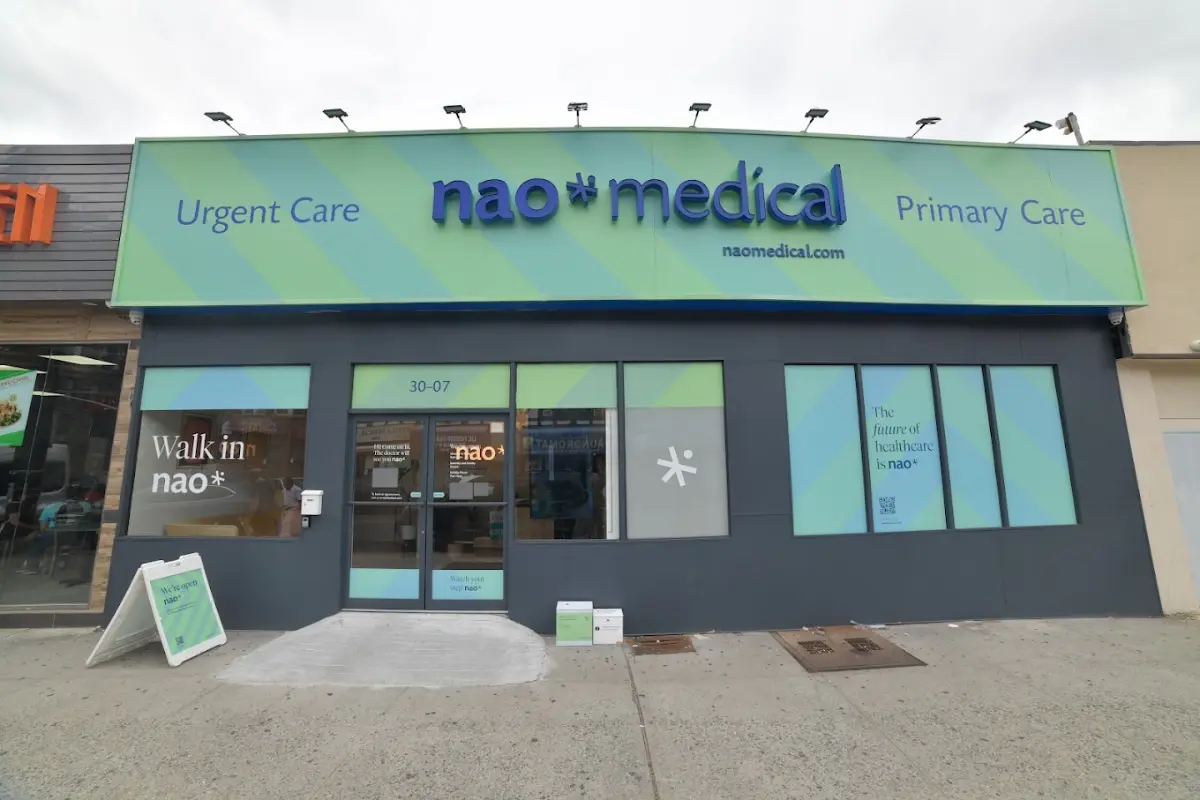
Queens
30-07 36th Ave, Astoria, NY 11106
Long Island City can help patients review addiction medicine options, insurance, counseling fit, medication needs, and local follow-up.
View addiction care details Get directions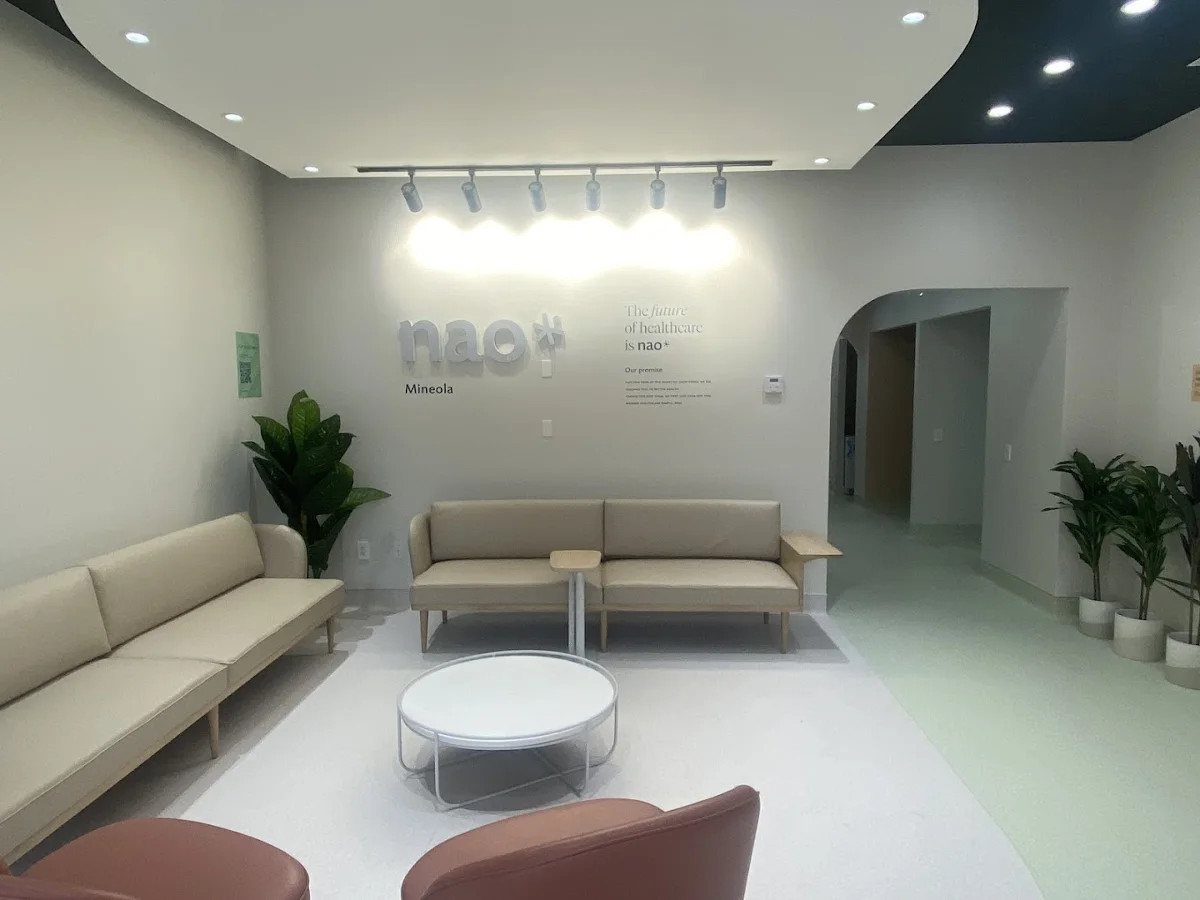
Long Island
135 Mineola Blvd, Mineola, NY 11501
Mineola can help patients review addiction medicine options, insurance, counseling fit, medication needs, and local follow-up.
View addiction care details Get directions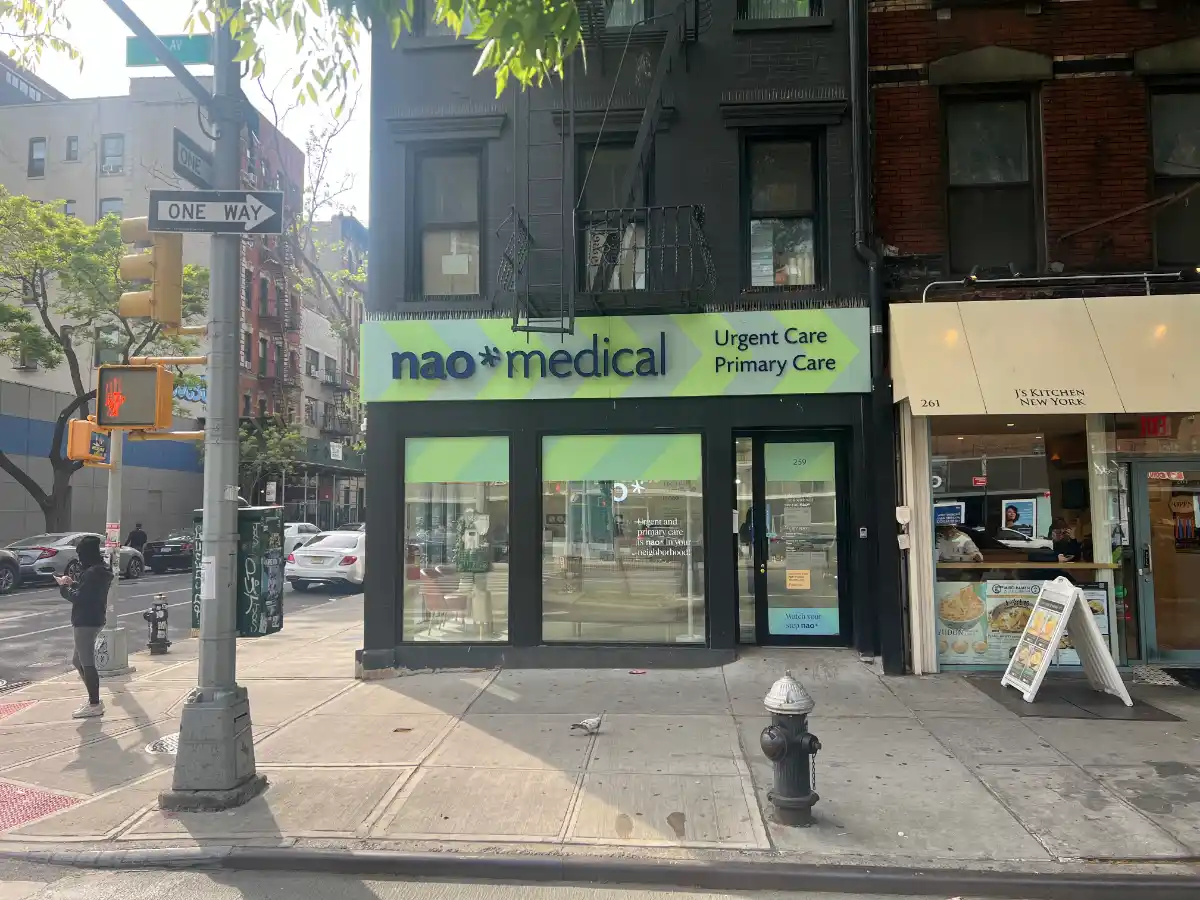
Manhattan
259 1st Ave, New York, NY 10003
StuyTown can help patients review addiction medicine options, insurance, counseling fit, medication needs, and local follow-up.
View addiction care details Get directions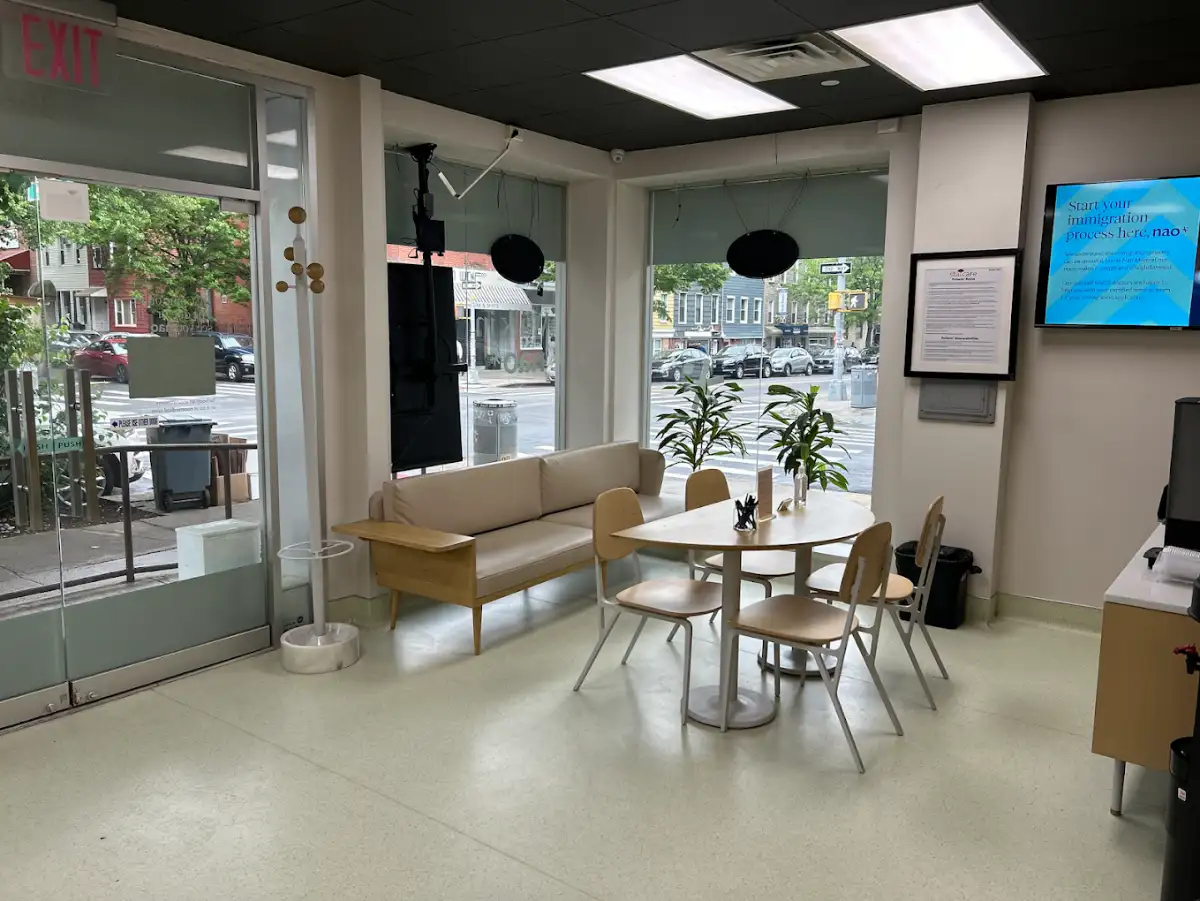
Brooklyn
308 Graham Ave, Brooklyn, NY 11211
Williamsburg can help patients review addiction medicine options, insurance, counseling fit, medication needs, and local follow-up.
View addiction care details Get directionsBook drug addiction treatment in NYC and Long Island with Nao Medical for opioid, cocaine, stimulant, cannabis, benzodiazepine, prescription medication, and polysubstance concerns.
Book stimulant addiction treatment review in NYC for cocaine, methamphetamine, Adderall misuse, prescription stimulants, cravings, sleep problems, anxiety, and relapse prevention.
Review cannabis use disorder treatment in NYC with Nao Medical for marijuana use concerns, anxiety, sleep, school or work impact, counseling, family support, and mental-health care.
Review benzodiazepine addiction treatment in NYC for Xanax, Klonopin, Ativan, Valium, withdrawal safety, anxiety, sleep, medication review, and referral needs.
Review prescription drug addiction treatment in NYC for opioids, benzodiazepines, stimulants, sleep medications, medication misuse, withdrawal risk, insurance, and counseling.
Book heroin addiction treatment review in NYC with Nao Medical for MAT, Suboxone, buprenorphine, fentanyl exposure, naloxone, bridge visits, insurance, and local follow-up.
Review pain pill opioid addiction treatment in NYC for oxycodone, hydrocodone, Percocet, Vicodin, codeine, morphine, Suboxone, buprenorphine, and naloxone.
Review Kratom dependence treatment in NYC with Nao Medical for cravings, withdrawal symptoms, opioid overlap, mental-health concerns, counseling, safety planning, and follow-up.
Book polysubstance use treatment review in NYC for opioid, alcohol, benzodiazepine, stimulant, cannabis, prescription medication, and mixed-substance safety concerns.
Review substance use, safety, testing, documentation, treatment recommendations, insurance, and follow-up.
Review whether an OASAS-certified setting, specific credential, or written requirement may be needed.
Review court, attorney, probation, parole, agency, testing, and documentation requirements.
Review alcohol or drug-related driving requirements and what documentation or treatment may be needed.
Review medication continuity, counseling, cravings, relapse risk, and discharge instructions after detox.
Review Medicaid coverage for MAT visits, testing, counseling, medication, pharmacy benefits, and prior authorization.
Compare local outpatient addiction care access across NYC and Long Island.
Review outpatient addiction medicine when patients are comparing nearby rehab options.
Review scheduled outpatient addiction treatment, medication, counseling, testing, and follow-up.
Review urgent but non-emergency addiction medicine access and same-day limitations.
Review cost factors, insurance, Medicaid, medication, testing, and self-pay options.
Review privacy, self-pay, records release, employer, family, and third-party documentation questions.
Arrange an evaluation to discuss suitable care, preparation and follow-up with a clinician.
Nao Medical provides outpatient addiction care. The first visit can focus on the immediate clinical question and medication planning when relevant. When wanted or clinically recommended, the care plan can also include counseling, recovery support, and closer follow-up. Related information: outpatient addiction care.
Patients who want more support can add counseling, relapse-prevention work, care coordination, and recovery follow-up through the outpatient addiction program.
Coverage depends on your exact plan, clinician, location and service. Check participation and expected charges with the clinic and your insurer before booking. Review addiction-treatment insurance support
Content was updated August 2, 2026 from the cited sources and Nao Medical's current service information. Medical guidance, prescribing information, medication availability, and insurance rules can change. A licensed clinician must confirm current information and determine each patient's eligibility, testing, treatment, administration setting, and follow-up. Call 911 for a medical emergency. Contact Nao Medical with a question or correction.