Opioid addiction treatment
Kratom concerns may need to be reviewed alongside opioid history, withdrawal symptoms, and MAT fit.

Kratom use can become difficult to stop for some patients. A visit can review amount, product type, withdrawal symptoms, cravings, other opioid or sedative use, mental-health symptoms, and whether outpatient care is appropriate.
Coverage can vary by visit type, testing, counseling, medication, pharmacy benefit, and prior authorization requirements. The team can verify benefits before care begins and explain any separate medication or pharmacy costs.


If kratom or concentrated 7-OH use has become difficult to control, an evaluation can address withdrawal, cravings and the problems that keep use going. Bring the actual product name or packaging because ordinary leaf, extracts and concentrated 7-OH products are not equivalent. A plan should account for the product, use pattern, other substances, health conditions and your ability to remain safe between visits.
Kratom contains alkaloids with effects that include activity at opioid receptors. Dependence and withdrawal can develop. Concentrated or enhanced 7-OH products may have much stronger opioid effects than trace 7-OH naturally present in leaf. Product variability means a package amount cannot be converted reliably into a standard opioid dose for a home treatment plan. FDA has not approved kratom or kratom-derived products for medical use.
Assessment is appropriate when use causes withdrawal between doses, repeated unsuccessful attempts to stop, unsafe combinations, financial or work problems, or other harm. Describe why you began using it, including pain, energy, anxiety or attempts to replace another opioid. The clinician also checks whether fentanyl, prescription opioids, alcohol or sedatives are involved. Pregnancy, serious symptoms or an uncertain product exposure may change the safest setting.
Bring packaging, ingredient descriptions and the route and frequency of use. Tell the clinician about recent changes from leaf to extracts or 7-OH. Describe the last use and current symptoms without relying on an assumed strength. Product labels and forum comparisons may not reflect the actual contents.
There is no FDA-approved medication specifically for kratom or 7-OH dependence. A clinician may consider symptom treatment, behavioral support or selected off-label treatment, including buprenorphine in some circumstances. Published kratom experience is largely observational and does not establish a standard plan for concentrated 7-OH. That decision needs its own benefit-risk discussion; it is not a universal recommendation to replace every kratom product with an opioid medicine.
Pain, sleep, anxiety, depression and another substance-use disorder can keep the cycle going. Discuss these needs and coordinate with existing clinicians. A treatment that addresses only the immediate withdrawal may leave the main trigger untouched. Choose goals that can be reviewed at follow-up rather than a promised date when everything will feel normal.
Explain work and caregiving obligations so the clinician can judge whether the proposed setting and monitoring are practical. Ask what symptoms need urgent help, whom to call if the plan is not enough and when review occurs. A safe plan should not depend on hiding worsening symptoms to make it through a shift.
Bring a full list of medicines, supplements and substances. Include products promoted as “legal,” “natural” or for mood and sleep. Bring prior withdrawal or addiction-treatment records if available. Do not start borrowed Suboxone or combine sedatives, alcohol and supplements to create a home detox regimen. Ask for individualized instructions after the clinician has assessed the actual exposure.
Seek emergency help for slow breathing, inability to wake, seizure, collapse or severe confusion. Use available naloxone for suspected opioid overdose and call 911. Severe vomiting, dehydration, chest symptoms or a serious reaction also need urgent assessment. Combining opioid-like products with alcohol or sedatives increases concern. Do not assume a familiar retail source makes a concentrated product safe.
Follow-up reviews symptoms, cravings, return to use, adverse effects and whether pain or mental-health care is working. If an off-label medicine is selected, its approved-product precautions still apply, along with a clear reason for its use. Discuss duration and discontinuation before treatment starts. Persistent sleep, energy or mood problems deserve reassessment rather than a fixed forum withdrawal timeline.
Ask whether the clinician evaluates kratom and concentrated 7-OH use, what the first visit covers and how urgent symptoms are triaged. Confirm medication and follow-up access separately. Medication choice, transition symptoms and treatment duration depend on the assessment and response. If a higher level of care is needed, clarify the referral and interim safety plan.
If kratom or concentrated 7-OH use has become difficult to control, an evaluation can address withdrawal, cravings and the problems that keep use going. Bring the actual product name or packaging because ordinary leaf, extracts and concentrated 7-OH products are not equivalent. A plan should account for the product, use pattern, other substances, health conditions and your ability to remain safe between visits.
Kratom contains alkaloids with effects that include activity at opioid receptors. Dependence and withdrawal can develop. Concentrated or enhanced 7-OH products may have much stronger opioid effects than trace 7-OH naturally present in leaf. Product variability means a package amount cannot be converted reliably into a standard opioid dose for a home treatment plan. FDA has not approved kratom or kratom-derived products for medical use.
Assessment is appropriate when use causes withdrawal between doses, repeated unsuccessful attempts to stop, unsafe combinations, financial or work problems, or other harm. Describe why you began using it, including pain, energy, anxiety or attempts to replace another opioid. The clinician also checks whether fentanyl, prescription opioids, alcohol or sedatives are involved. Pregnancy, serious symptoms or an uncertain product exposure may change the safest setting.
If kratom or concentrated 7-OH use has become difficult to control, an evaluation can address withdrawal, cravings and the problems that keep use going. Bring the actual product name or packaging because ordinary leaf, extracts and concentrated 7-OH products are not equivalent. A plan should account for the product, use pattern, other substances, health conditions and your ability to remain safe between visits.
Assessment is appropriate when use causes withdrawal between doses, repeated unsuccessful attempts to stop, unsafe combinations, financial or work problems, or other harm. Describe why you began using it, including pain, energy, anxiety or attempts to replace another opioid. The clinician also checks whether fentanyl, prescription opioids, alcohol or sedatives are involved. Pregnancy, serious symptoms or an uncertain product exposure may change the safest setting.
Bring packaging, ingredient descriptions and the route and frequency of use. Tell the clinician about recent changes from leaf to extracts or 7-OH. Describe the last use and current symptoms without relying on an assumed strength. Product labels and forum comparisons may not reflect the actual contents.
There is no FDA-approved medication specifically for kratom or 7-OH dependence. A clinician may consider symptom treatment, behavioral support or selected off-label treatment, including buprenorphine in some circumstances. Published kratom experience is largely observational and does not establish a standard plan for concentrated 7-OH. That decision needs its own benefit-risk discussion; it is not a universal recommendation to replace every kratom product with an opioid medicine.
Pain, sleep, anxiety, depression and another substance-use disorder can keep the cycle going. Discuss these needs and coordinate with existing clinicians. A treatment that addresses only the immediate withdrawal may leave the main trigger untouched. Choose goals that can be reviewed at follow-up rather than a promised date when everything will feel normal.
Explain work and caregiving obligations so the clinician can judge whether the proposed setting and monitoring are practical. Ask what symptoms need urgent help, whom to call if the plan is not enough and when review occurs. A safe plan should not depend on hiding worsening symptoms to make it through a shift.
Call 911 for slow breathing, inability to wake, a seizure, collapse, severe confusion, chest pain or a severe allergic reaction. Use available naloxone for suspected opioid overdose. Severe vomiting or dehydration needs emergency department assessment now. Call 911 if you cannot travel safely. Combining opioid-like products with alcohol or sedatives increases concern. Do not assume a familiar retail source makes a concentrated product safe.
Follow-up reviews symptoms, cravings, return to use, adverse effects and whether pain or mental-health care is working. If an off-label medicine is selected, its approved-product precautions still apply, along with a clear reason for its use. Discuss duration and discontinuation before treatment starts. Persistent sleep, energy or mood problems deserve reassessment rather than a fixed forum withdrawal timeline.
Have your insurance card ready when booking. Share member details through the clinic’s confirmed secure intake process. Check with the clinic and your insurer that the exact plan covers the clinician and requested service. Ask about visit charges, any separately billed tests or medicines, and any referral or authorization requirement. Coverage and your copay or deductible depend on the plan; request a written estimate if paying yourself.
If kratom or concentrated 7-OH use has become difficult to control, an evaluation can address withdrawal, cravings and the problems that keep use going. Bring the actual product name or packaging because ordinary leaf, extracts and concentrated 7-OH products are not equivalent. A plan should account for the product, use pattern, other substances, health conditions and your ability to remain safe between visits.
Assessment is appropriate when use causes withdrawal between doses, repeated unsuccessful attempts to stop, unsafe combinations, financial or work problems, or other harm. Describe why you began using it, including pain, energy, anxiety or attempts to replace another opioid. The clinician also checks whether fentanyl, prescription opioids, alcohol or sedatives are involved. Pregnancy, serious symptoms or an uncertain product exposure may change the safest setting.
Bring packaging, ingredient descriptions and the route and frequency of use. Tell the clinician about recent changes from leaf to extracts or 7-OH. Describe the last use and current symptoms without relying on an assumed strength. Product labels and forum comparisons may not reflect the actual contents.
There is no FDA-approved medication specifically for kratom or 7-OH dependence. A clinician may consider symptom treatment, behavioral support or selected off-label treatment, including buprenorphine in some circumstances. Published kratom experience is largely observational and does not establish a standard plan for concentrated 7-OH. That decision needs its own benefit-risk discussion; it is not a universal recommendation to replace every kratom product with an opioid medicine.
Pain, sleep, anxiety, depression and another substance-use disorder can keep the cycle going. Discuss these needs and coordinate with existing clinicians. A treatment that addresses only the immediate withdrawal may leave the main trigger untouched. Choose goals that can be reviewed at follow-up rather than a promised date when everything will feel normal.
Explain work and caregiving obligations so the clinician can judge whether the proposed setting and monitoring are practical. Ask what symptoms need urgent help, whom to call if the plan is not enough and when review occurs. A safe plan should not depend on hiding worsening symptoms to make it through a shift.
A clinician may consider buprenorphine off label in selected circumstances, but there is no universal FDA-approved kratom protocol. Older kratom case series do not establish a protocol for concentrated 7-OH. Starting at the wrong point after opioid-like exposure can cause withdrawal. Forum timing and doses should not be used as a home plan.
Kratom comes from the leaves of a Southeast Asian tree. People use it to self-treat pain, anxiety or opioid-related symptoms, but these uses are not FDA-approved treatments. Its contents vary, and ordinary leaf is different from concentrated 7-OH products. Tell the clinician what product you use and why; an unapproved retail product is not a substitute for assessed pain, mental-health or OUD care.
Its main alkaloids act at opioid receptors, so it can produce opioid-like effects, physical dependence and withdrawal. Use can become difficult to control and continue despite harm. Kratom is not an approved opioid medicine, and concentrated 7-OH is not equivalent to ordinary leaf. Ask for an assessment if stopping is difficult; do not copy a home induction or detox schedule.
Specialized urine methods can detect mitragynine and related kratom compounds. Whether a particular test detects them depends on the panel and laboratory method. A primary laboratory study showed that assay design affected identification of related compounds; it does not establish what every US routine screen includes. Tell the clinician what you used and ask what the ordered test measures. A negative general screen cannot establish safety or exclude every exposure.
There is no single answer covering every product and state. FDA says kratom cannot lawfully be marketed as a drug, dietary supplement or food additive in conventional food. That is different from a complete determination of possession or sale under each state’s laws. State restrictions, particularly for concentrated products, need separate current review. Check the exact product and jurisdiction with official state sources; a shop listing does not establish legality or safety.
FDA warns against kratom for medical treatment because of risks including liver injury, seizures and substance-use disorder. Opioid-like effects can also include sedation and slowed breathing, and contamination is another concern. Store availability or a familiar product label does not establish safety. Slow breathing, inability to wake or a seizure needs emergency care.
Florida’s 2026 Kratom Consumer Protection Act prohibits sales to people under 21. That age rule does not establish that every kratom or concentrated 7-OH product is lawful. Federal marketing restrictions and other state product rules can differ. Check current official state guidance for the exact product; retail availability is not legal or safety confirmation.
Kratom concerns may need to be reviewed alongside opioid history, withdrawal symptoms, and MAT fit.
Kratom with alcohol, benzodiazepines, opioids, or sedatives can raise safety concerns.
Therapy can help with cravings, routines, anxiety, mood, sleep, and relapse-prevention planning.
Medication access, referrals, testing, insurance, and follow-up timing can be organized during care planning.
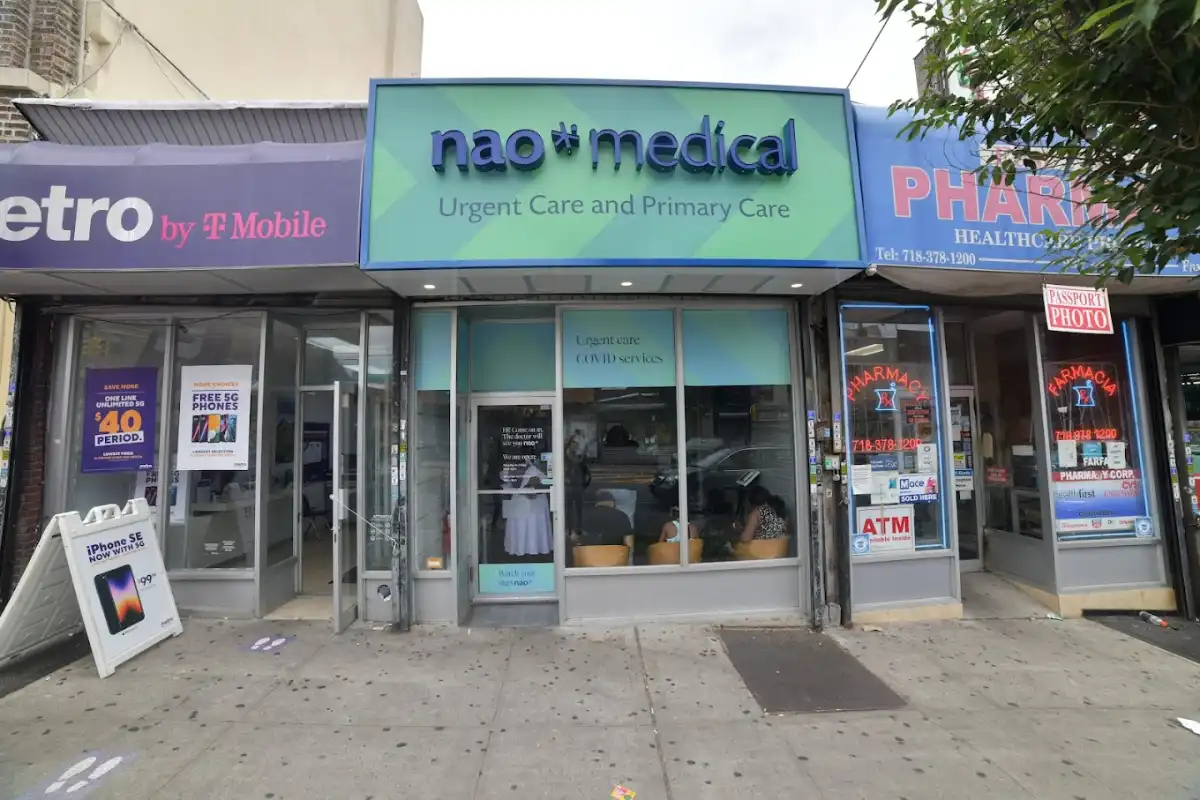
Bronx
932 E 174th St, Bronx, NY 10460
174th Street can help patients review addiction medicine options, insurance, counseling fit, medication needs, and local follow-up.
View addiction care details Get directions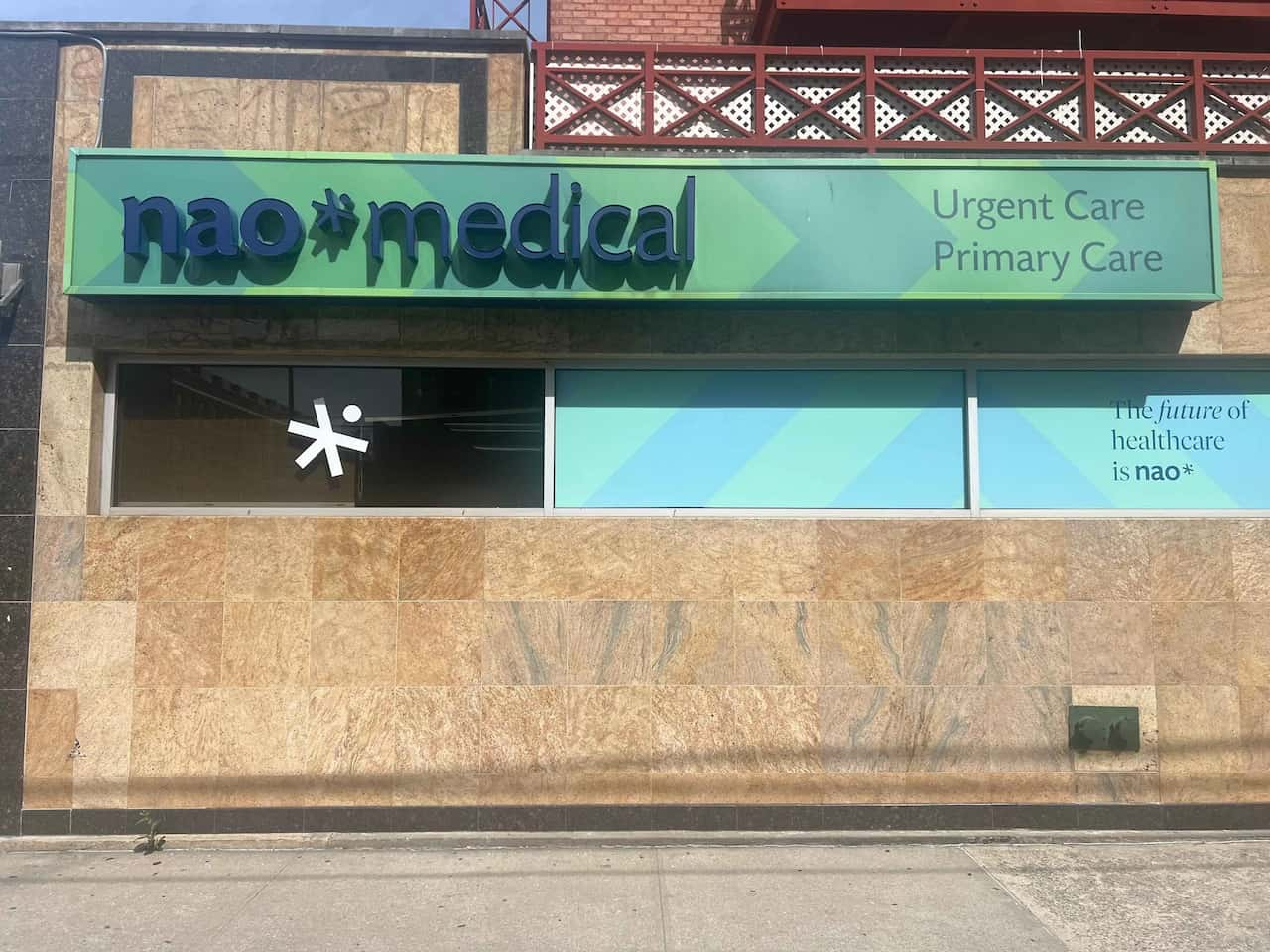
Queens
37-15 23rd Ave, Astoria, NY 11105
Astoria can help patients review addiction medicine options, insurance, counseling fit, medication needs, and local follow-up.
View addiction care details Get directions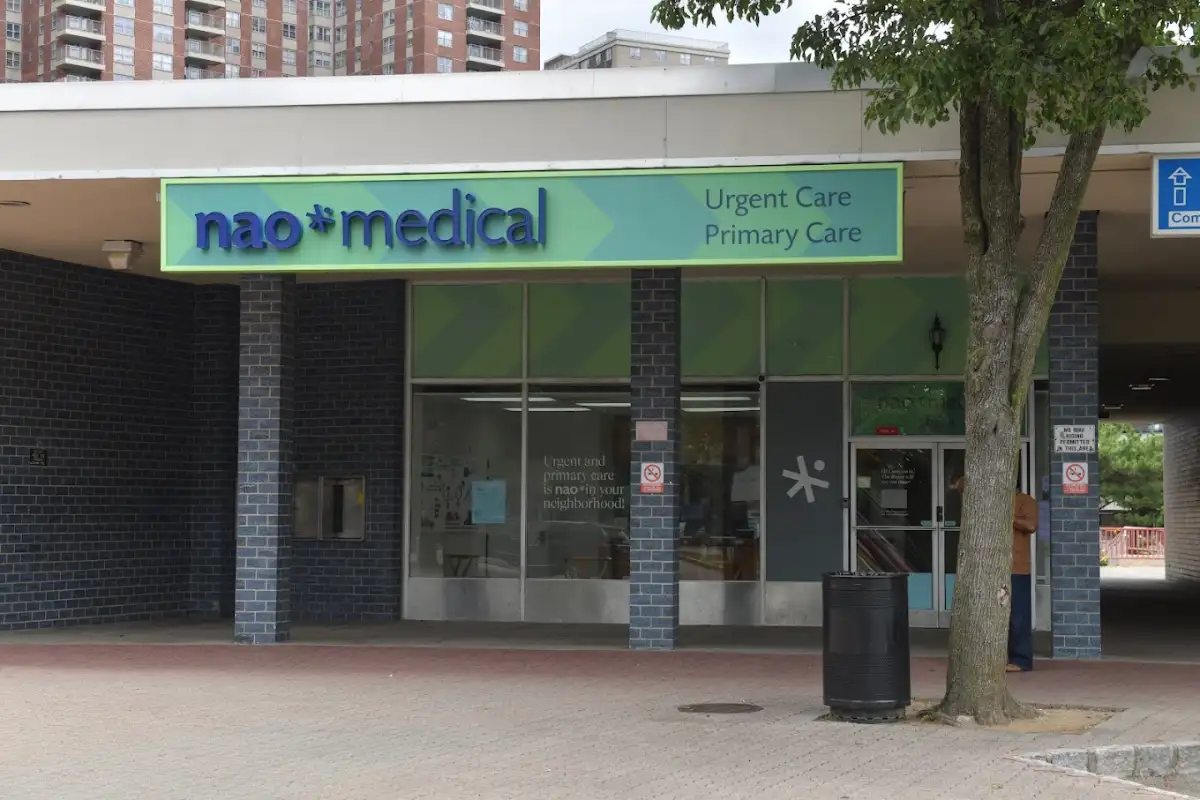
Bronx
2063A Bartow Ave, Bronx, NY 10475
Bartow Mall can help patients review addiction medicine options, insurance, counseling fit, medication needs, and local follow-up.
View addiction care details Get directions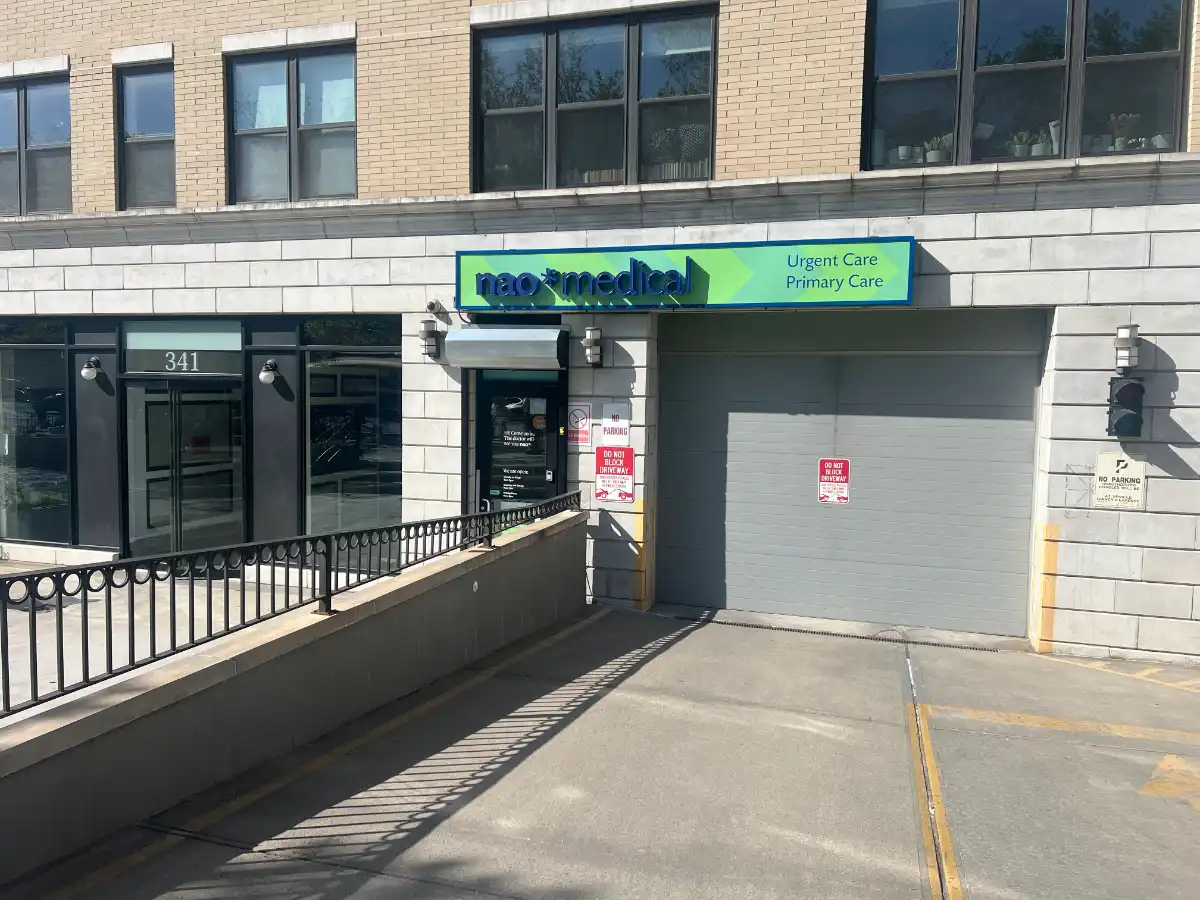
Brooklyn
341 Eastern Pkwy, Brooklyn, NY 11216
Crown Heights can help patients review addiction medicine options, insurance, counseling fit, medication needs, and local follow-up.
View addiction care details Get directions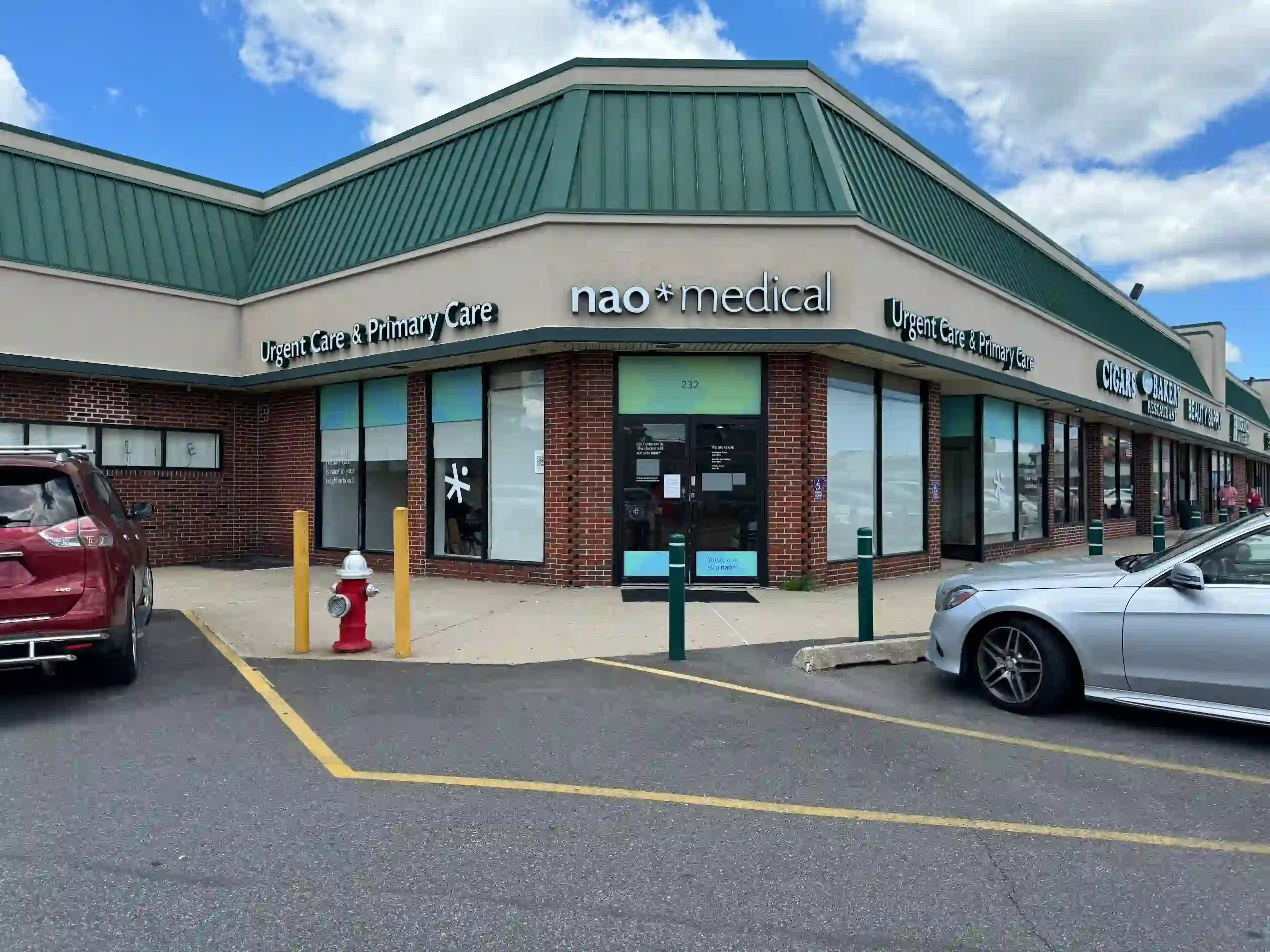
Long Island
232 W Old Country Rd, Hicksville, NY 11801
Hicksville can help patients review addiction medicine options, insurance, counseling fit, medication needs, and local follow-up.
View addiction care details Get directions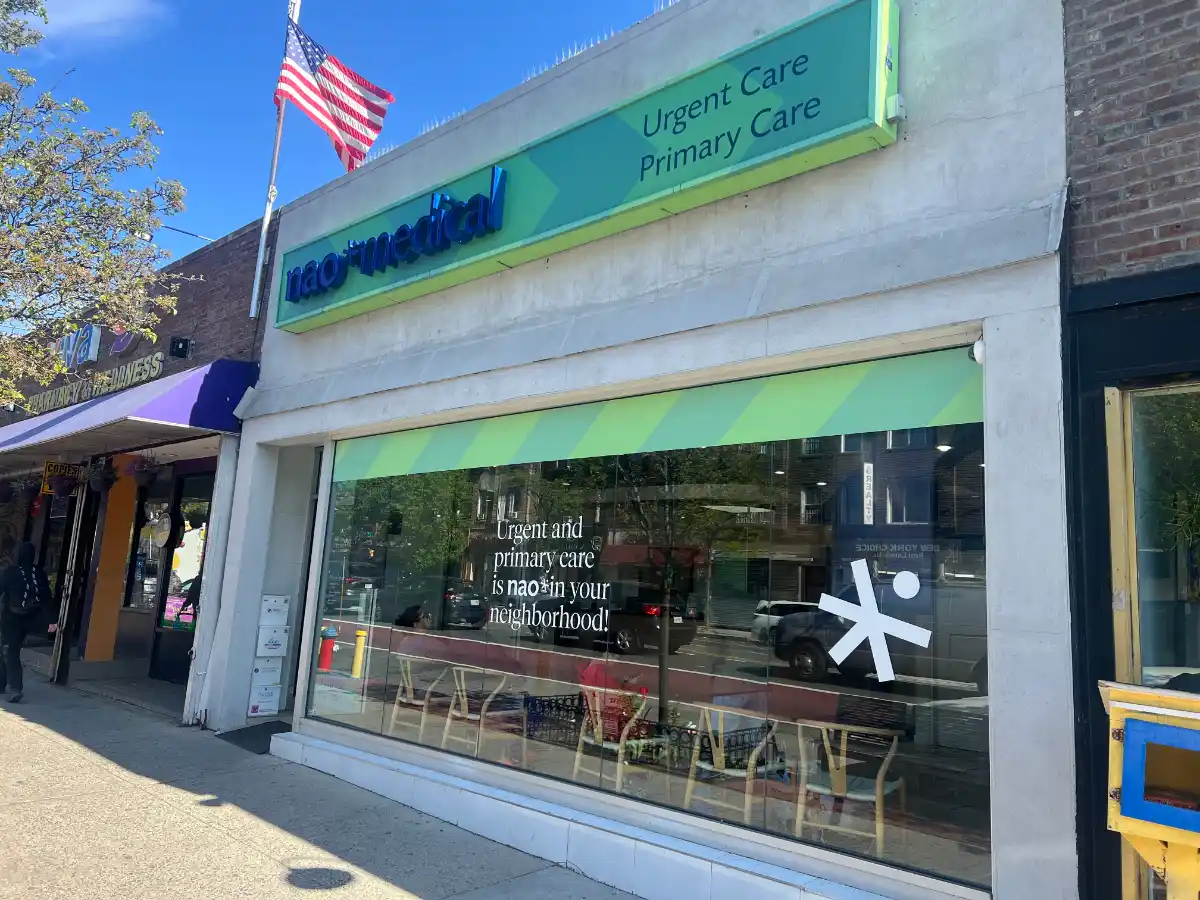
Queens
80-10 Northern Blvd, Jackson Heights, NY 11372
Jackson Heights can help patients review addiction medicine options, insurance, counseling fit, medication needs, and local follow-up.
View addiction care details Get directions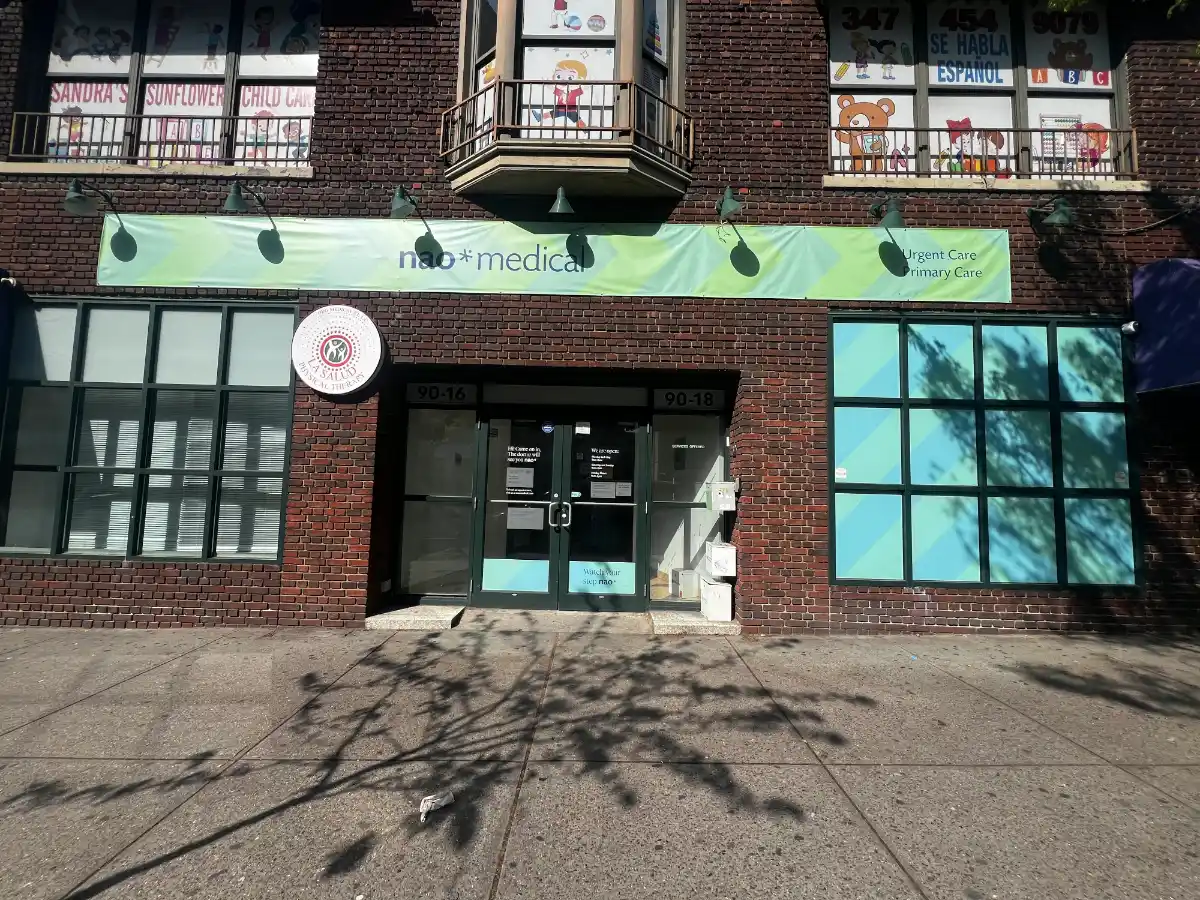
Queens
90-18 Sutphin Blvd, Jamaica, NY 11435
Jamaica can help patients review addiction medicine options, insurance, counseling fit, medication needs, and local follow-up.
View addiction care details Get directions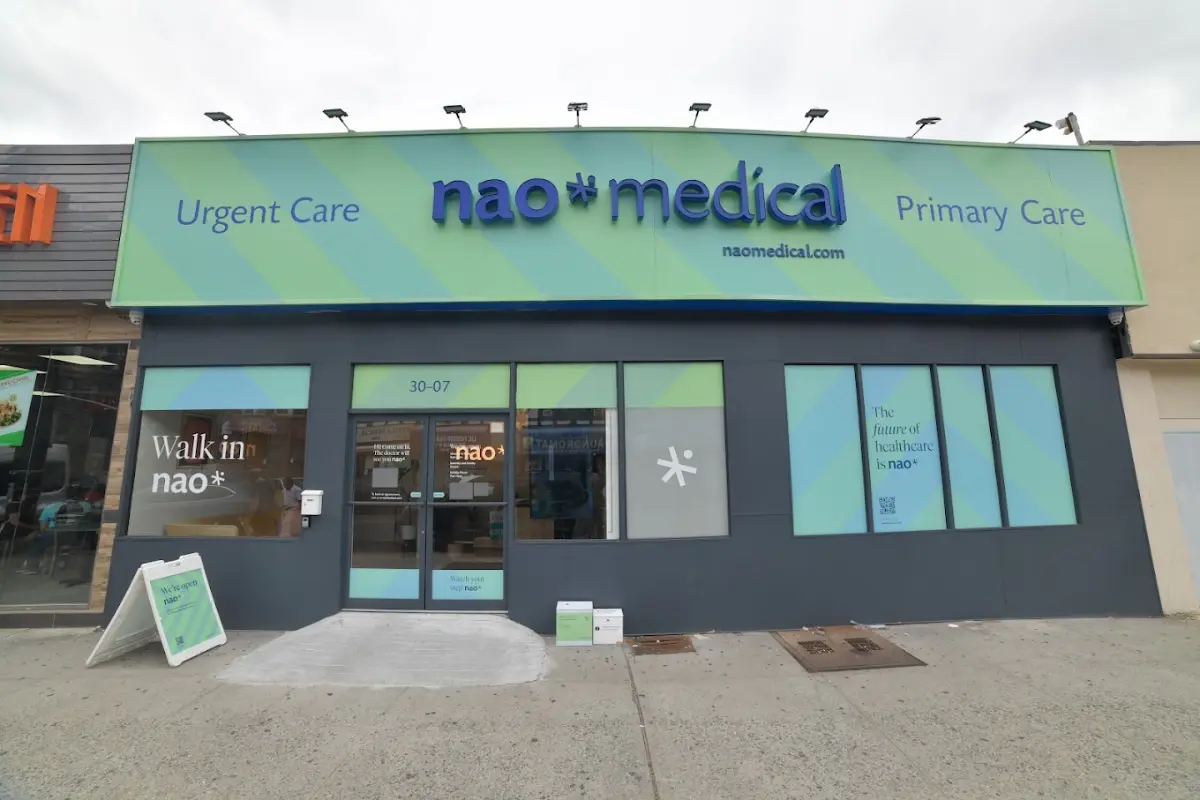
Queens
30-07 36th Ave, Astoria, NY 11106
Long Island City can help patients review addiction medicine options, insurance, counseling fit, medication needs, and local follow-up.
View addiction care details Get directions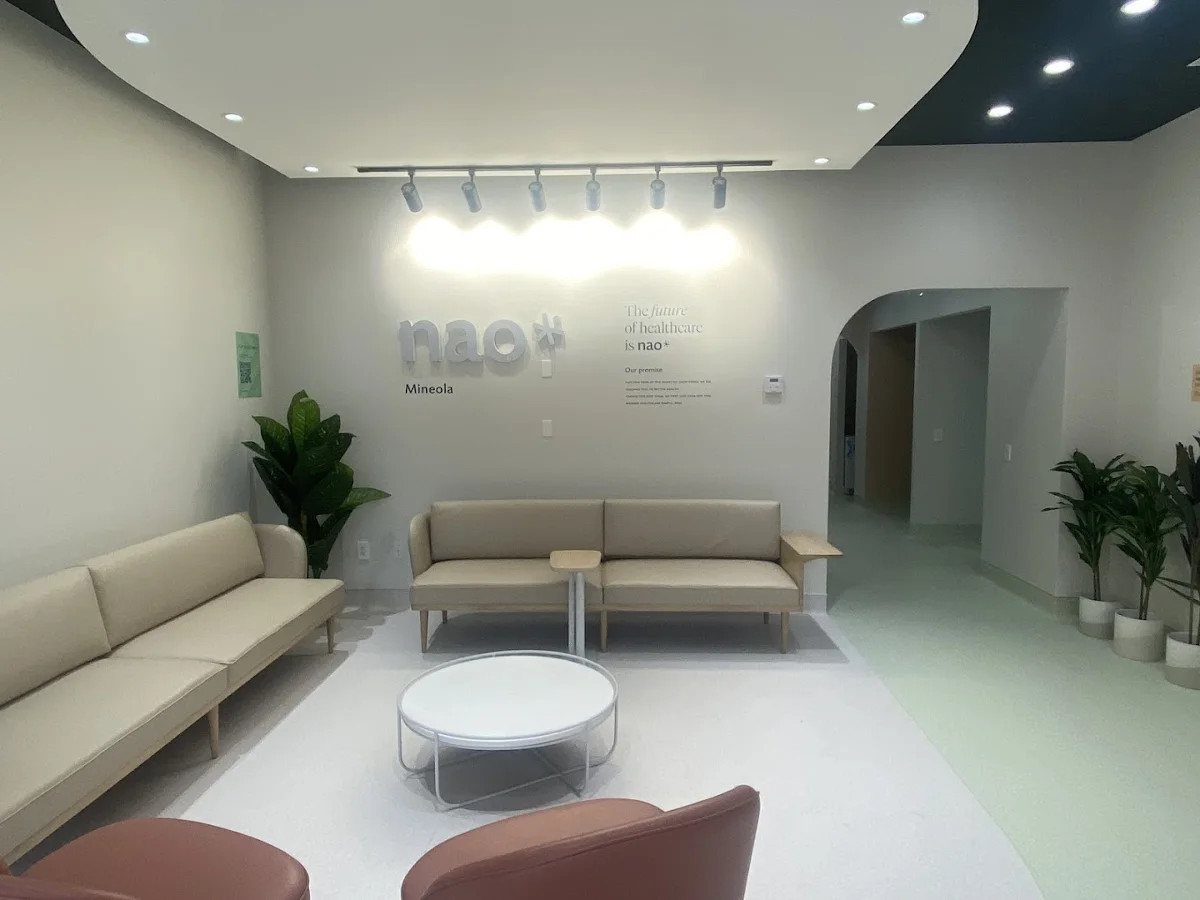
Long Island
135 Mineola Blvd, Mineola, NY 11501
Mineola can help patients review addiction medicine options, insurance, counseling fit, medication needs, and local follow-up.
View addiction care details Get directions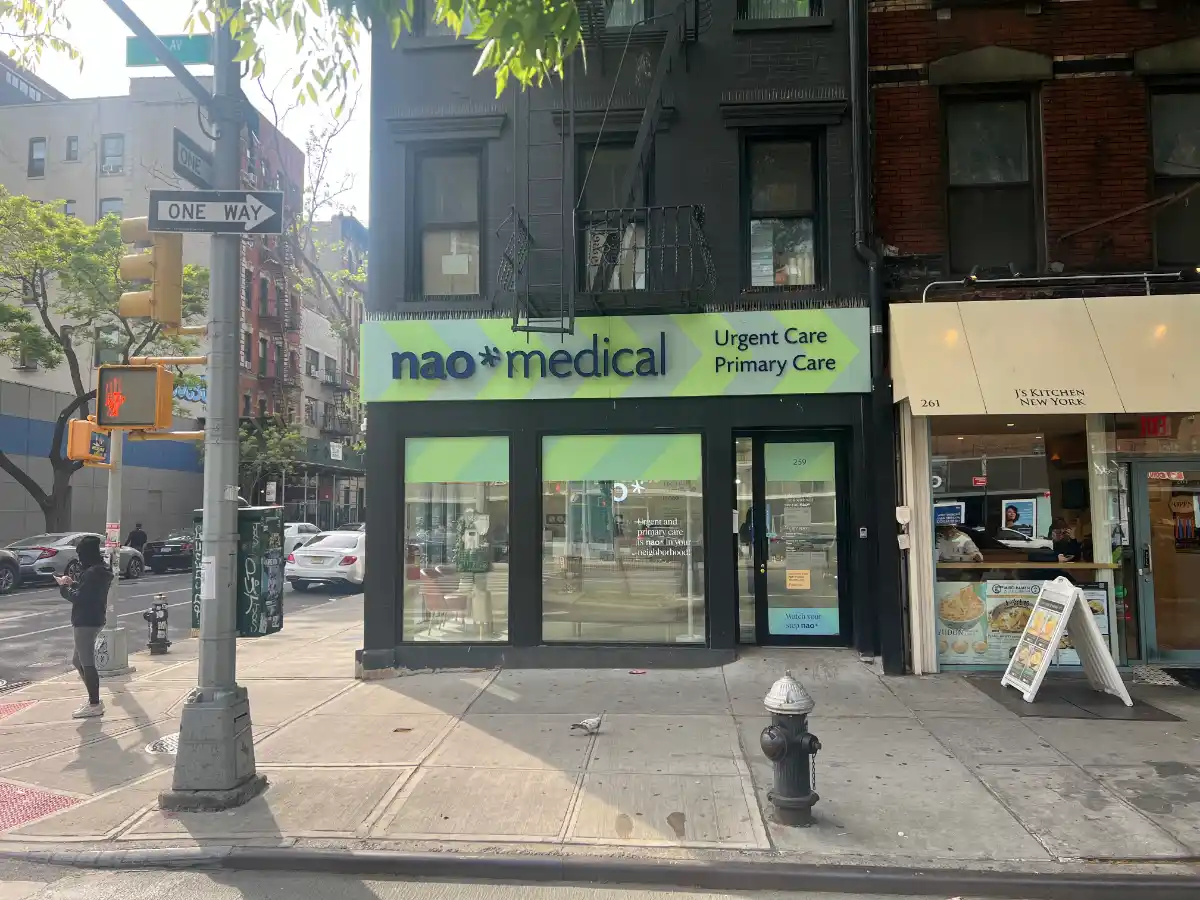
Manhattan
259 1st Ave, New York, NY 10003
StuyTown can help patients review addiction medicine options, insurance, counseling fit, medication needs, and local follow-up.
View addiction care details Get directions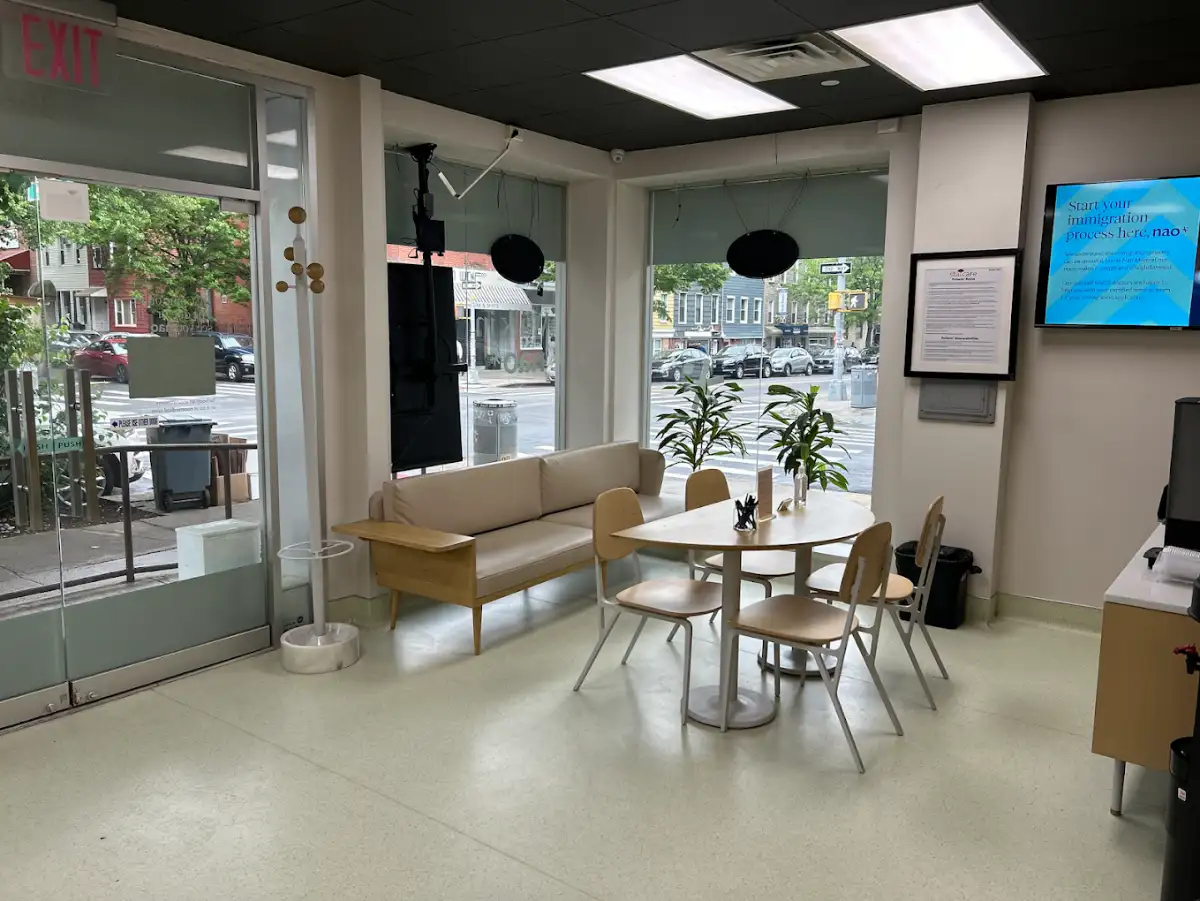
Brooklyn
308 Graham Ave, Brooklyn, NY 11211
Williamsburg can help patients review addiction medicine options, insurance, counseling fit, medication needs, and local follow-up.
View addiction care details Get directionsBook drug addiction treatment in NYC and Long Island with Nao Medical for opioid, cocaine, stimulant, cannabis, benzodiazepine, prescription medication, and polysubstance concerns.
Review cocaine addiction treatment in NYC with Nao Medical, including counseling, relapse prevention, co-occurring mental health, drug testing, insurance, and outpatient follow-up.
Book stimulant addiction treatment review in NYC for cocaine, methamphetamine, Adderall misuse, prescription stimulants, cravings, sleep problems, anxiety, and relapse prevention.
Review cannabis use disorder treatment in NYC with Nao Medical for marijuana use concerns, anxiety, sleep, school or work impact, counseling, family support, and mental-health care.
Review benzodiazepine addiction treatment in NYC for Xanax, Klonopin, Ativan, Valium, withdrawal safety, anxiety, sleep, medication review, and referral needs.
Review prescription drug addiction treatment in NYC for opioids, benzodiazepines, stimulants, sleep medications, medication misuse, withdrawal risk, insurance, and counseling.
Book heroin addiction treatment review in NYC with Nao Medical for MAT, Suboxone, buprenorphine, fentanyl exposure, naloxone, bridge visits, insurance, and local follow-up.
Review pain pill opioid addiction treatment in NYC for oxycodone, hydrocodone, Percocet, Vicodin, codeine, morphine, Suboxone, buprenorphine, and naloxone.
Book polysubstance use treatment review in NYC for opioid, alcohol, benzodiazepine, stimulant, cannabis, prescription medication, and mixed-substance safety concerns.
Review substance use, safety, testing, documentation, treatment recommendations, insurance, and follow-up.
Review whether an OASAS-certified setting, specific credential, or written requirement may be needed.
Review court, attorney, probation, parole, agency, testing, and documentation requirements.
Review alcohol or drug-related driving requirements and what documentation or treatment may be needed.
Review medication continuity, counseling, cravings, relapse risk, and discharge instructions after detox.
Review Medicaid coverage for MAT visits, testing, counseling, medication, pharmacy benefits, and prior authorization.
Compare local outpatient addiction care access across NYC and Long Island.
Review outpatient addiction medicine when patients are comparing nearby rehab options.
Review scheduled outpatient addiction treatment, medication, counseling, testing, and follow-up.
Review urgent but non-emergency addiction medicine access and same-day limitations.
Review cost factors, insurance, Medicaid, medication, testing, and self-pay options.
Review privacy, self-pay, records release, employer, family, and third-party documentation questions.
Buprenorphine-naloxone evaluation, medication planning, and ongoing follow-up.
Fast assessment without promising that medication can or should start before timing and safety are reviewed.
Evaluation of oral and long-acting buprenorphine options for opioid use disorder.
Telehealth evaluation when appropriate, with local clinic support when an in-person step is needed.
Monthly extended-release buprenorphine evaluation, access coordination, and in-clinic administration planning.
Weekly or monthly extended-release buprenorphine evaluation, coverage coordination, and treatment planning.
Current federal information on Kratom products, dependence, contamination, and safety concerns.
Current information distinguishing concentrated or synthetic 7-OH products from natural Kratom leaf.
A published review and case series describing off-label treatment while noting the lack of established guidelines for Kratom-related withdrawal and dependence.
An observational case series that adds treatment experience but does not establish a universal dose, start time, or standard protocol.
Evidence-based options when the clinical evaluation identifies opioid use disorder.
Arrange an evaluation to discuss suitable care, preparation and follow-up with a clinician.
Nao Medical provides outpatient addiction care. The first visit can focus on the immediate clinical question and medication planning when relevant. When wanted or clinically recommended, the care plan can also include counseling, recovery support, and closer follow-up. Related information: outpatient addiction care.
Patients who want more support can add counseling, relapse-prevention work, care coordination, and recovery follow-up through the outpatient addiction program.
Coverage depends on your exact plan, clinician, location and service. Check participation and expected charges with the clinic and your insurer before booking. Review addiction-treatment insurance support
Content was updated August 2, 2026 from the cited sources and Nao Medical's current service information. Medical guidance, prescribing information, medication availability, and insurance rules can change. A licensed clinician must confirm current information and determine each patient's eligibility, testing, treatment, administration setting, and follow-up. Call 911 for a medical emergency. Contact Nao Medical with a question or correction.